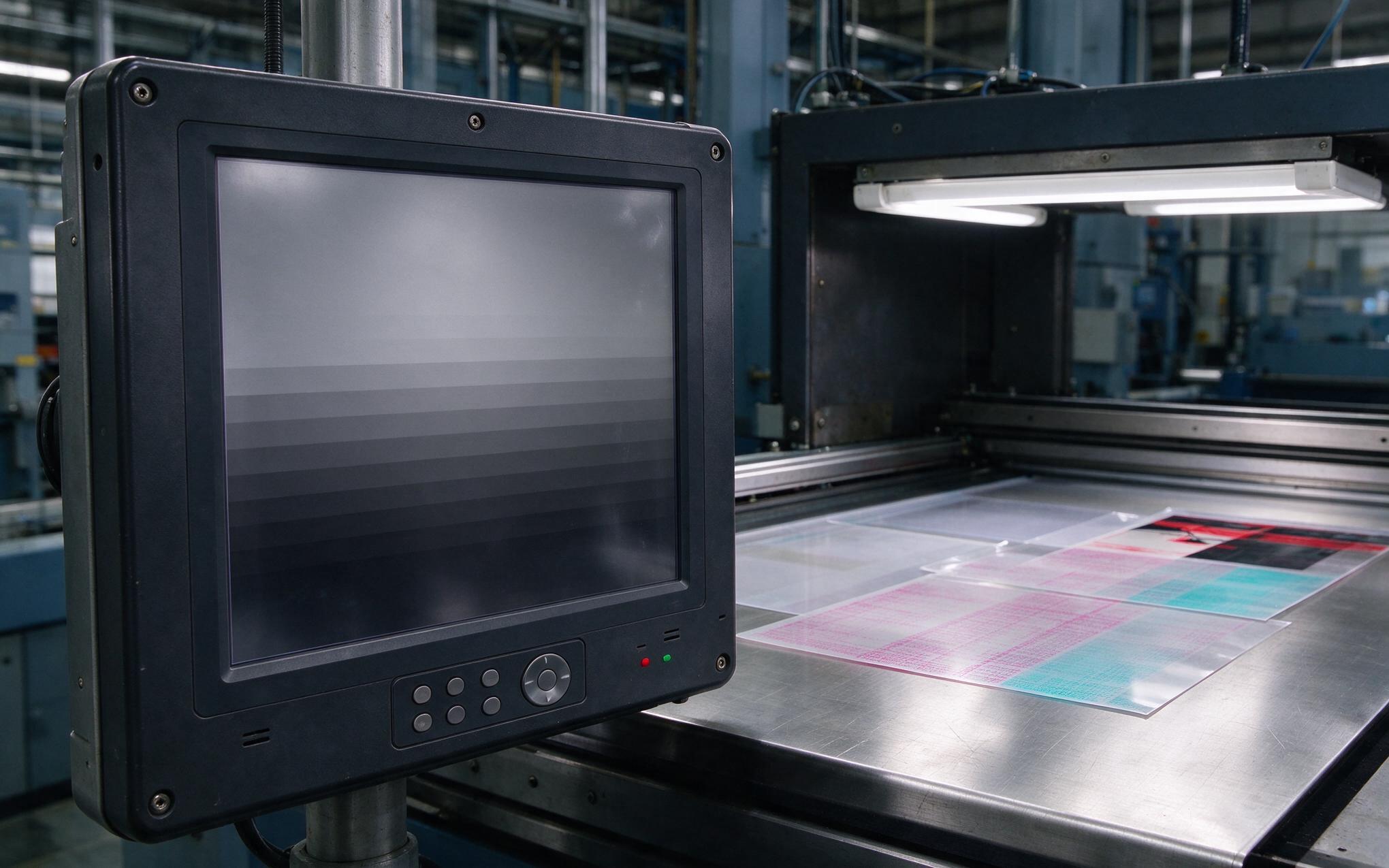
Food and beverage processing environments present challenges few other industrial sectors can match. Production floors cycle between aggressive washdown procedures using high-pressure water, chemical sanitizers, and steam — and the precision requirements of batch processing where temperature, humidity, and hygiene standards are non-negotiable. The Clean-in-Place and Steam-in-Place protocols that dominate modern food facilities are designed to eliminate microbial contamination without disassembling equipment, but they also create an operating environment that is relentlessly hostile to standard electronic hardware. Selecting the right computing interface for these zones is not a matter of preference — it is a compliance and operational continuity decision.
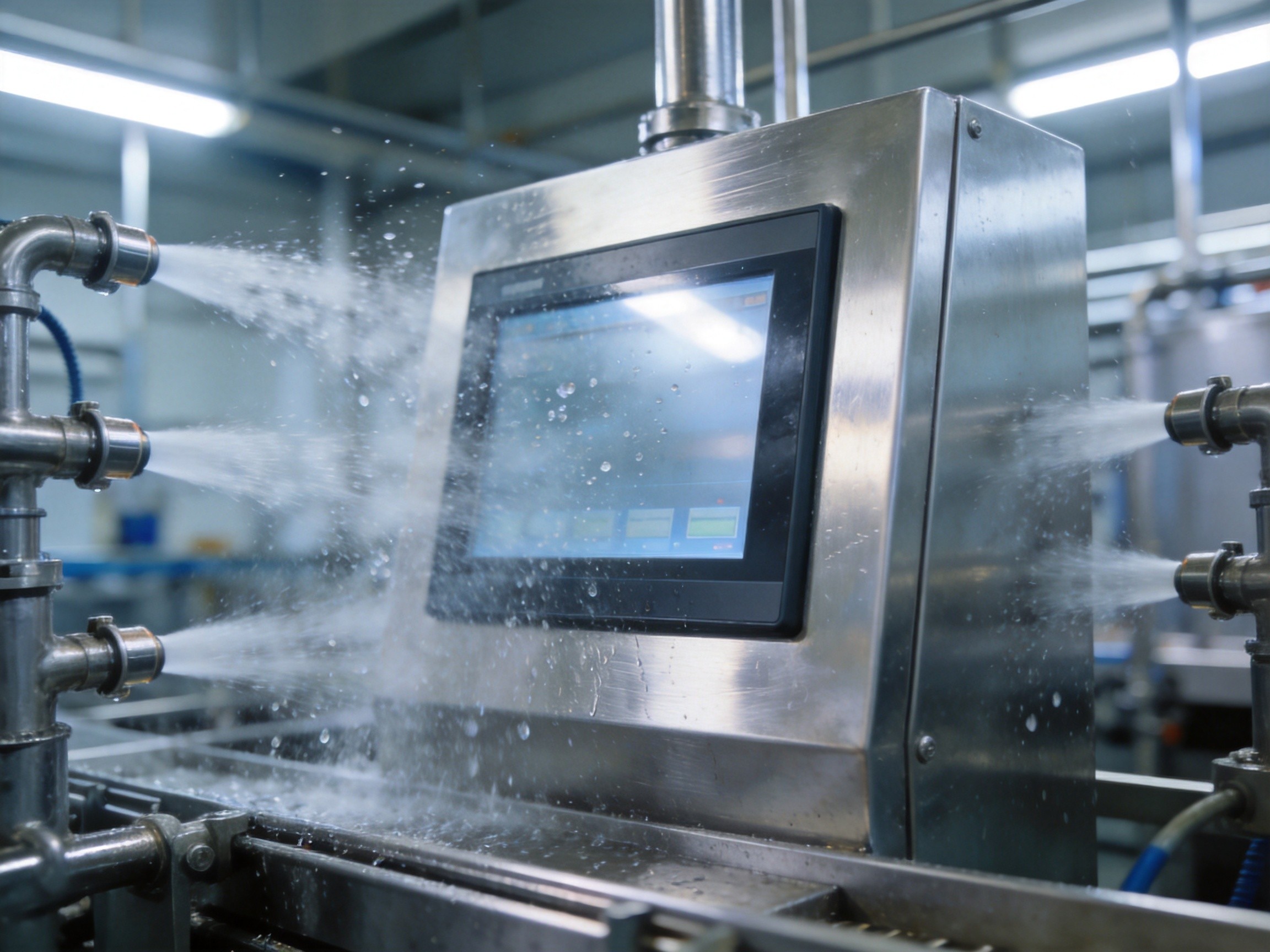
Why 304 and 316L Stainless Steel Matters
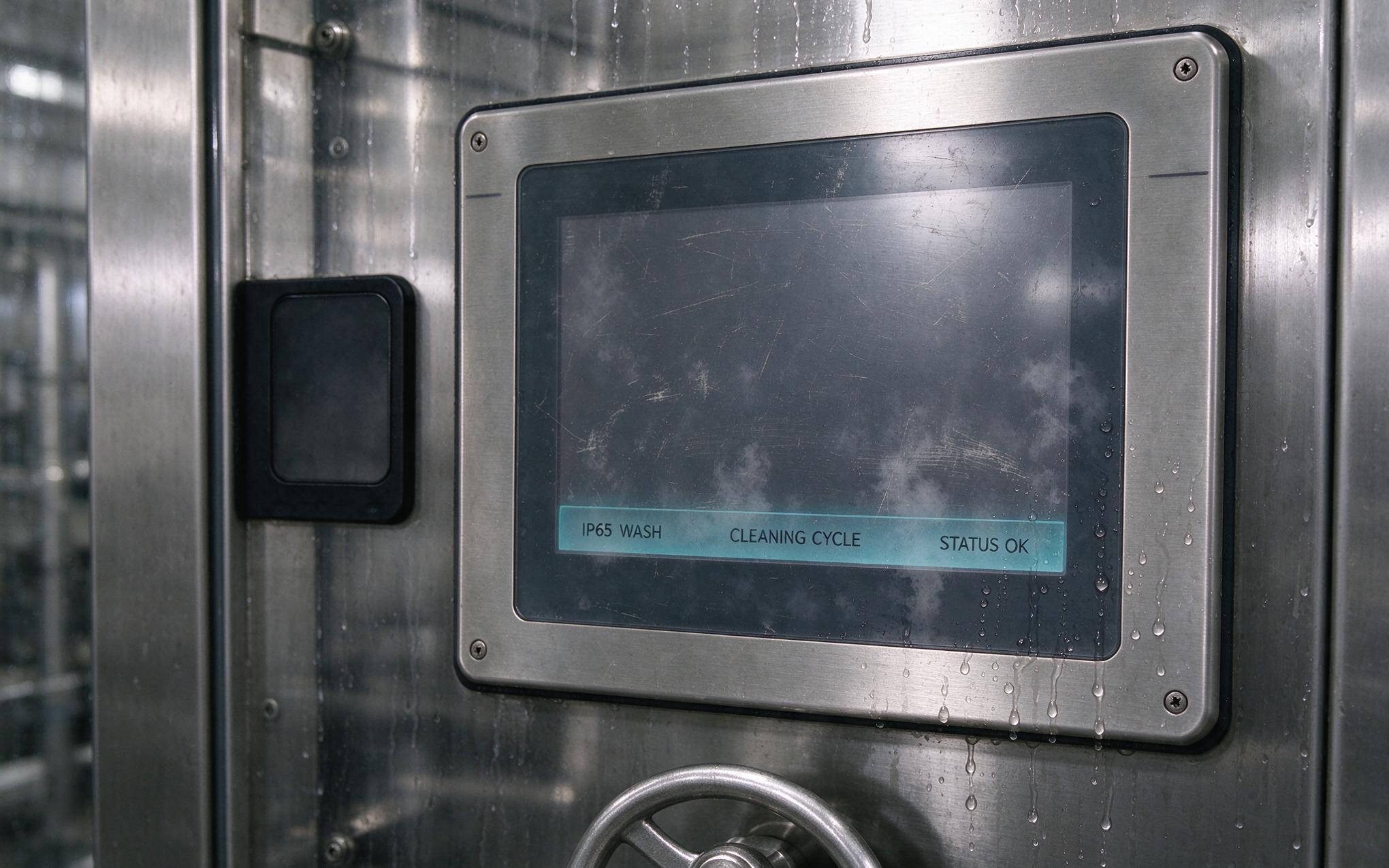
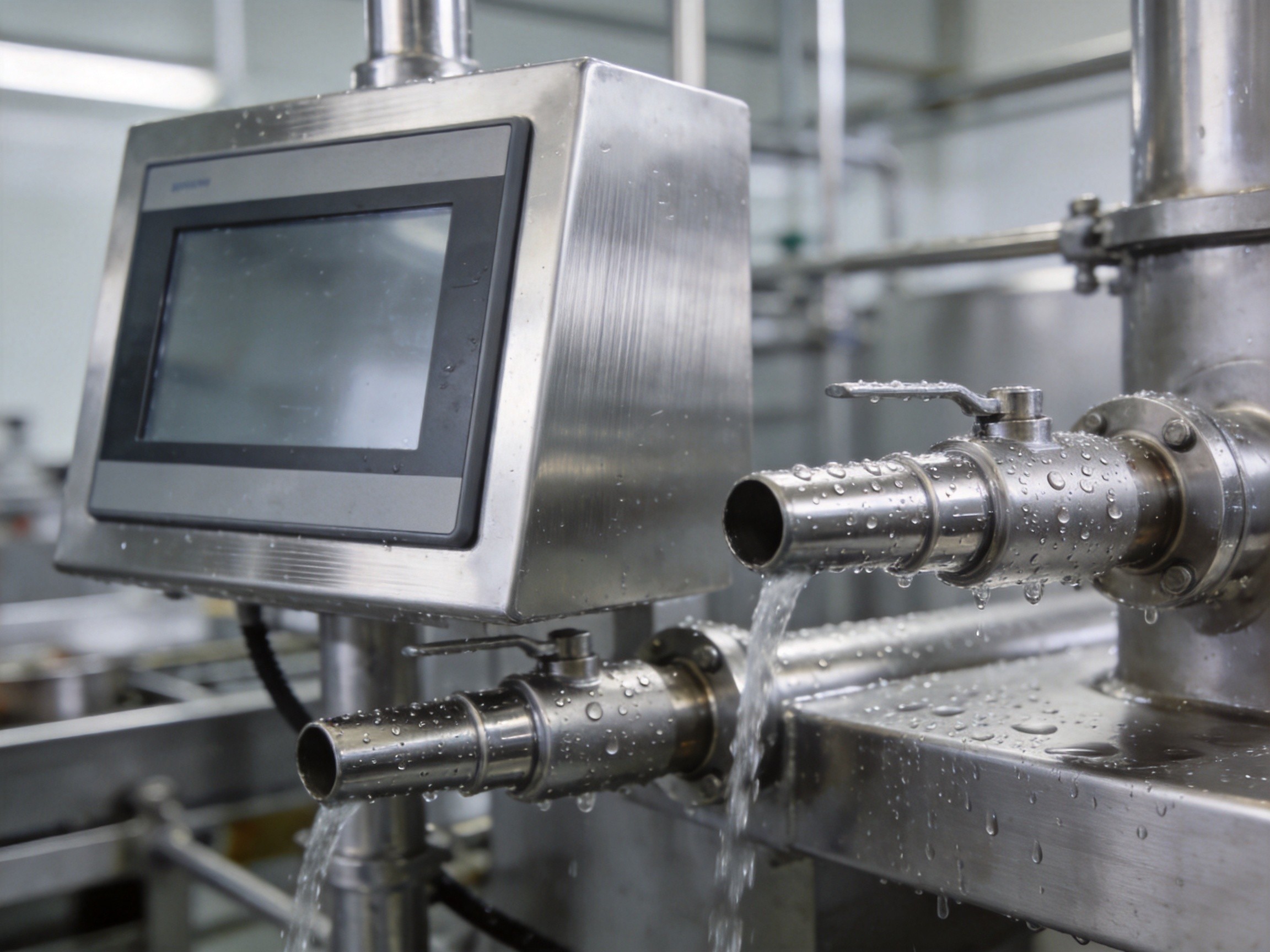
The material choice for panel PC enclosures in food processing is driven by corrosion resistance requirements that extend far beyond basic water protection. Chlorinated cleaning agents, peracetic acid sanitizers, and caustic foam detergents used in CIP protocols can pit and degrade standard aluminum or coated steel surfaces within months. Grade 304 stainless steel offers adequate resistance for general food contact zones, while 316L — with its molybdenum content — provides superior protection against chloride-rich environments common in meat, poultry, and seafood processing. Surface finish is equally critical. A roughness average of 0.8 micrometers or finer prevents bacterial adhesion and biofilm formation, directly supporting Hazard Analysis and Critical Control Points compliance. KOXIAN supplies stainless steel panel PC configurations that meet these requirements while maintaining full IP65-rated protection at the front bezel, ensuring washdown chemicals cannot penetrate the display assembly even under sustained direct spray.
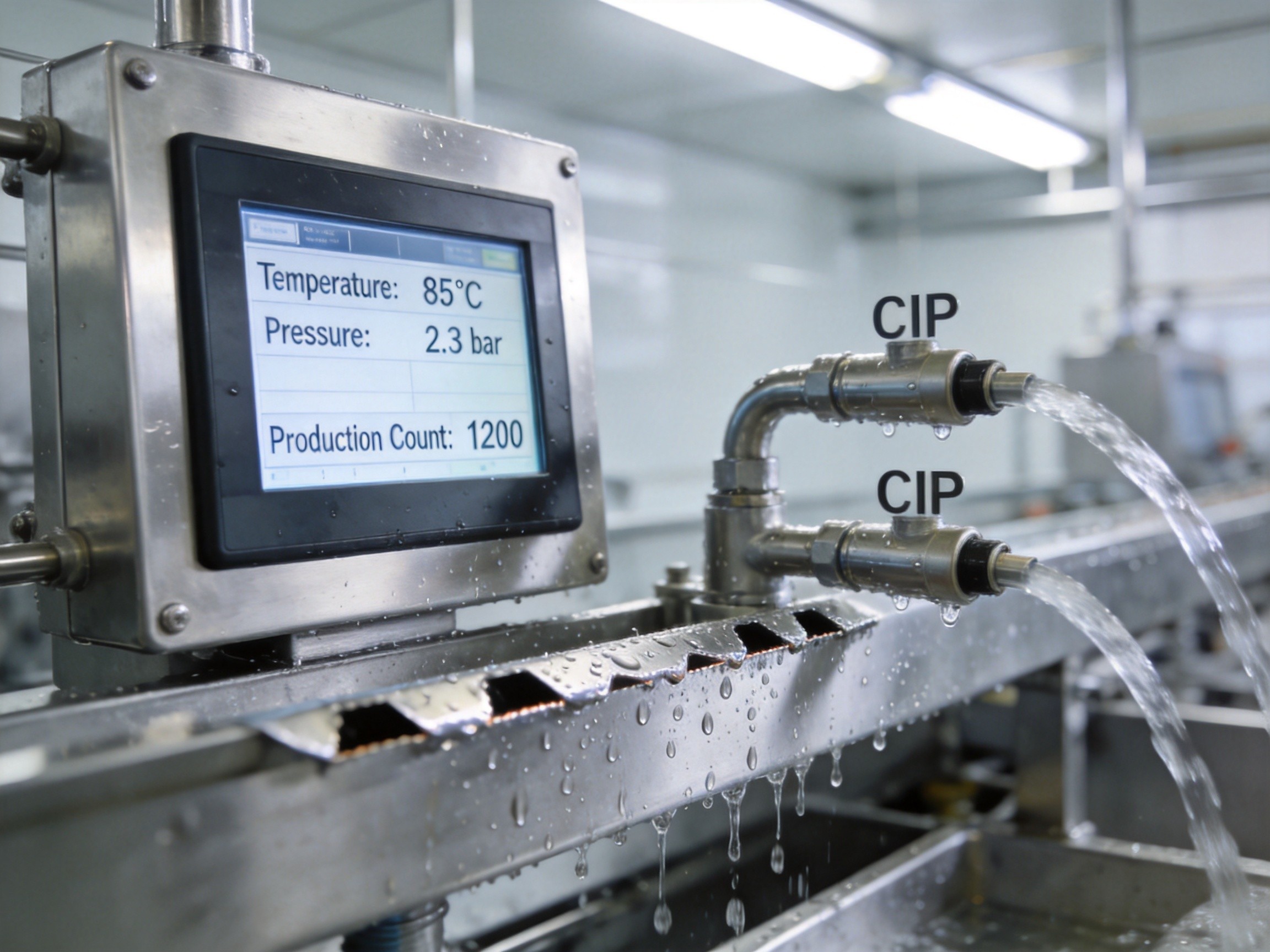
Regulatory Frameworks Shaping Hardware Selection
Food safety modernization has accelerated globally, and the regulatory frameworks governing processing equipment are becoming more stringent rather than less. The FDA’s Food Safety Modernization Act emphasizes preventive controls, including the verification that environmental monitoring equipment itself does not become a contamination vector. In the European Union, Regulation EC 1935/2004 governs materials and articles intended to come into contact with food, while EN 1672-2 specifically addresses hygiene requirements for food processing machinery design. A panel PC deployed in a production zone must satisfy these overlapping requirements — and the burden of proof falls on the operator, not the hardware vendor. Facilities that can demonstrate specified stainless steel grades, documented surface finish measurements, and IP69K-rated protection where steam cleaning is employed are in a stronger position during third-party audits. The hardware choices made at the specification stage have direct downstream consequences for certification timelines and audit outcomes.
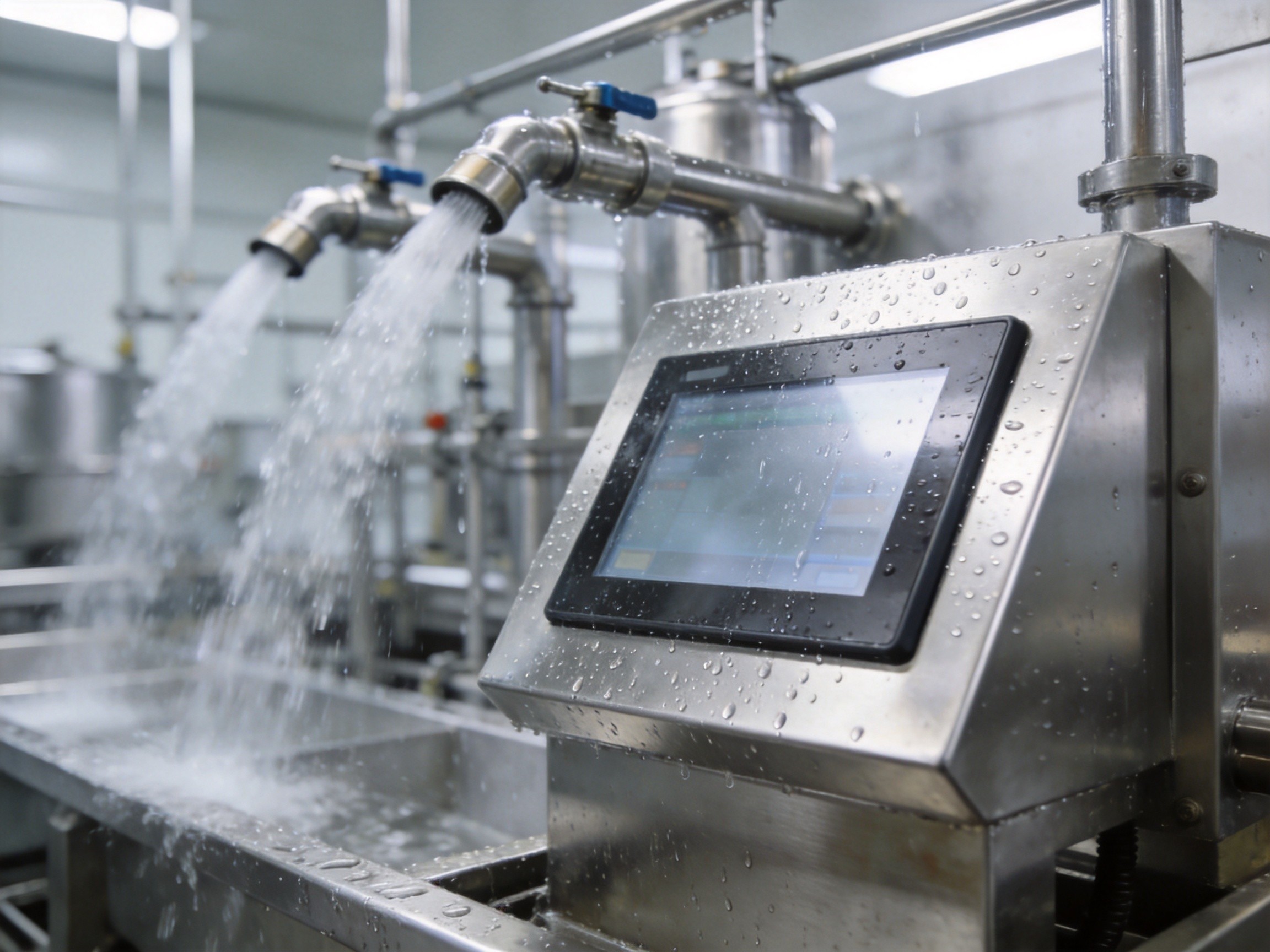
The Fanless Advantage in Wet Environments
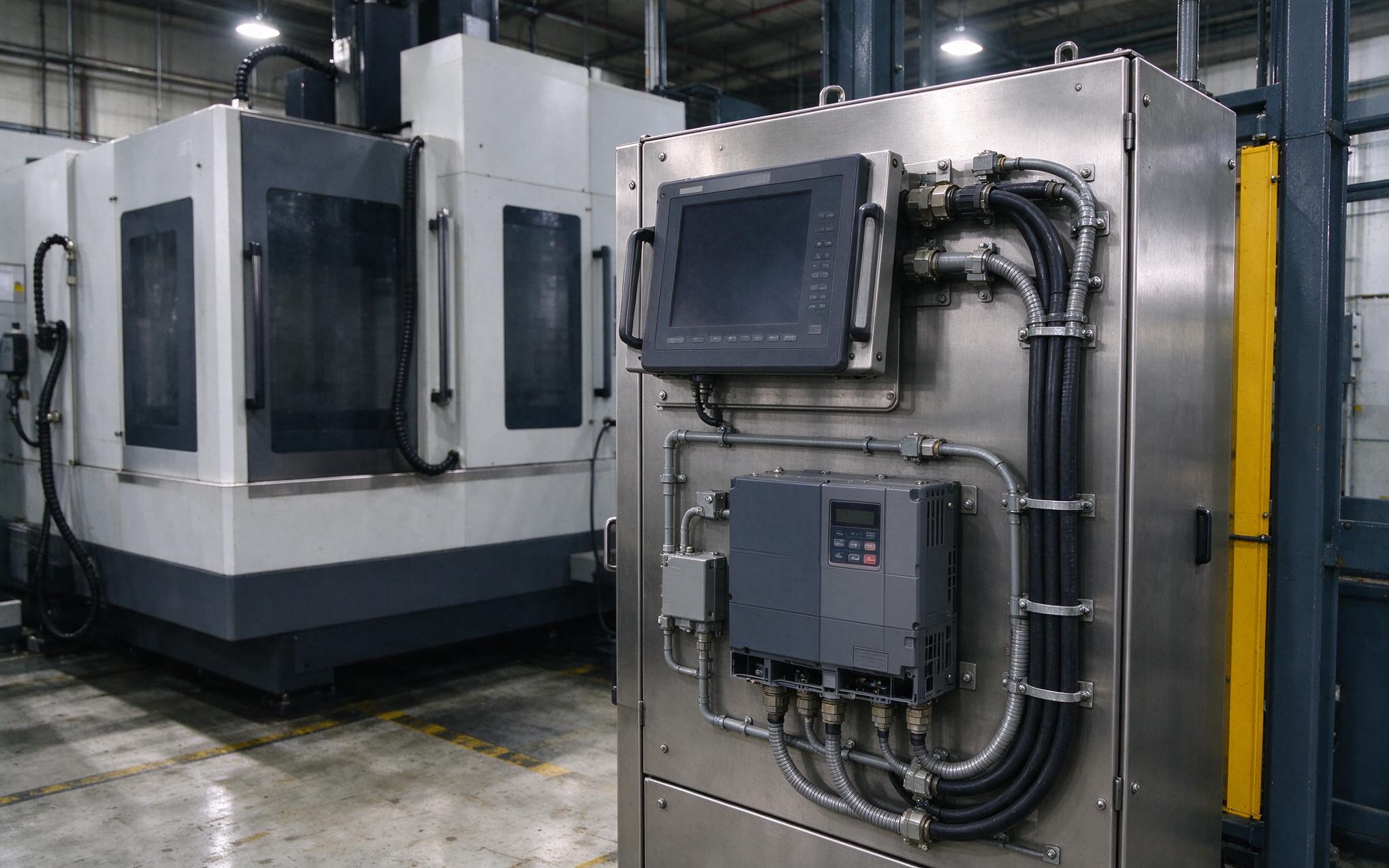
Active cooling in a washdown zone is a liability. A fan draws ambient air — and everything suspended in it — across internal components. In a food processing environment, that air carries moisture, atomized cleaning chemicals, and organic particulate. Fanless thermal design eliminates this entire ingress vector by relying on passive heat dissipation through the enclosure body itself. The engineering challenge is maintaining sufficient thermal performance without airflow, but modern heat pipe and vapor chamber technologies have made this entirely feasible for the processing loads typical of production-floor computing. KOXIAN’s fanless panel PC designs leverage the thermal conductivity of the stainless steel chassis as part of the heat rejection path, turning what would be a vulnerability in a conventional design into a functional advantage. The absence of fan openings also simplifies the sealing architecture, reducing the number of gasket interfaces that must be validated during IP testing.
Sealing, Touch Performance, and Operational Reality
The front bezel is the most vulnerable interface on any panel PC in a washdown environment. A single gap in the seal between the touchscreen overlay and the enclosure can allow moisture to wick into the display stack, causing delamination, fogging, or electrical failure. Continuous gasket seals — not segmented designs — are the minimum acceptable standard. Equally important is touchscreen performance through barrier materials. Food processing operators wear thick rubber gloves that degrade the capacitive coupling that touch controllers rely on. Projected capacitive touch technology, when properly tuned with sensitivity adjustments and noise rejection algorithms, maintains reliable operation through gloved interaction. The combination of a fully sealed front bezel, IP65 or IP69K certification, and glove-compatible touch response is what separates hardware designed for food processing from general-purpose industrial equipment that happens to be mounted in a wet area.
The food and beverage industry is entering an era where equipment validation is inseparable from food safety compliance. The panel PC that displays batch parameters and production metrics is part of the processing environment — and must be specified, installed, and validated as such. Stainless steel construction, passive cooling, and sealed front bezel design are not optional upgrades. They are the baseline specification for any computing hardware that will operate within the spray radius of a CIP system or the steam zone of a SIP cycle. Facilities that treat these requirements as fundamental rather than aspirational avoid the expensive cycle of premature hardware replacement, audit findings, and production downtime that follows when the wrong equipment is deployed in the right environment.