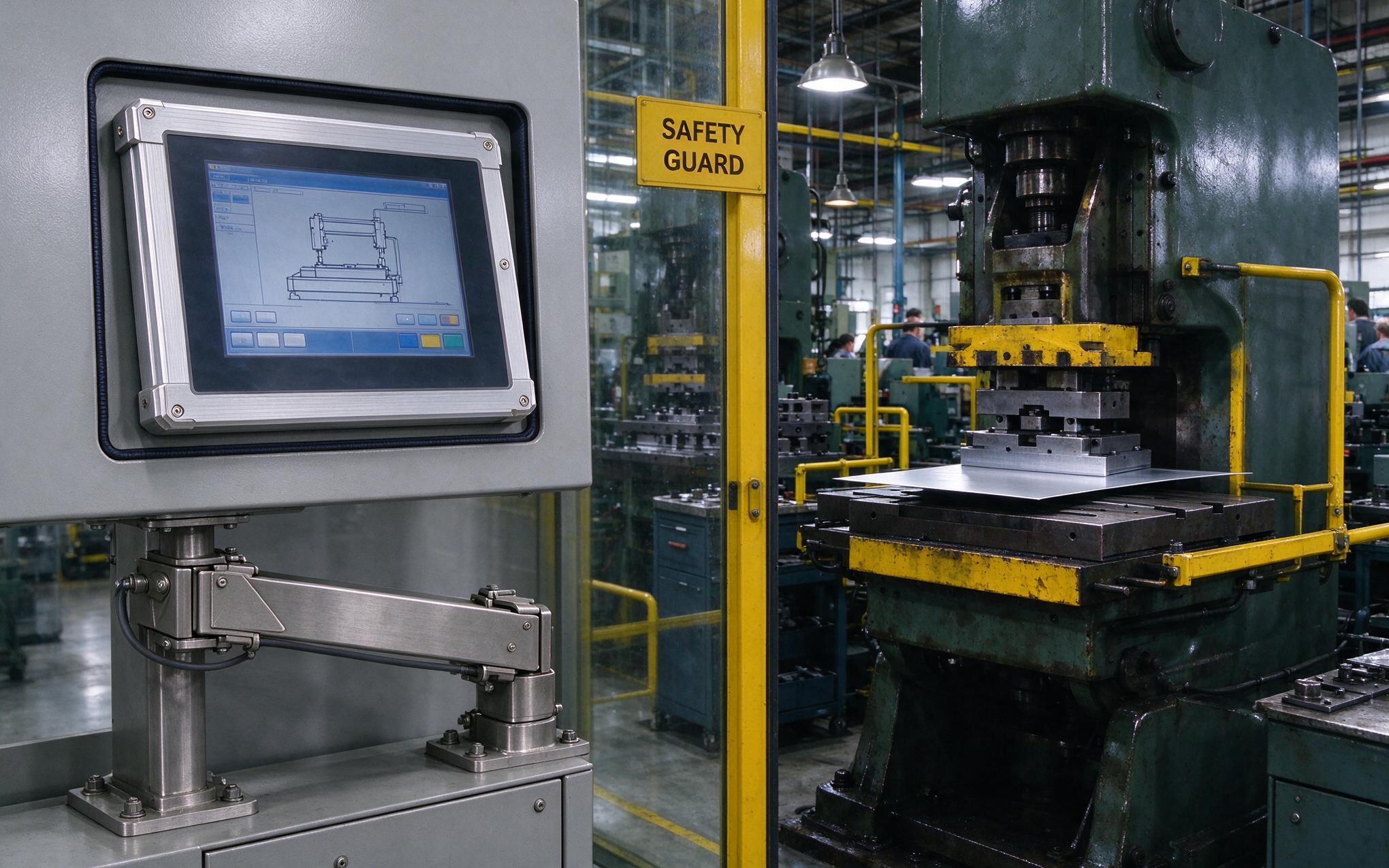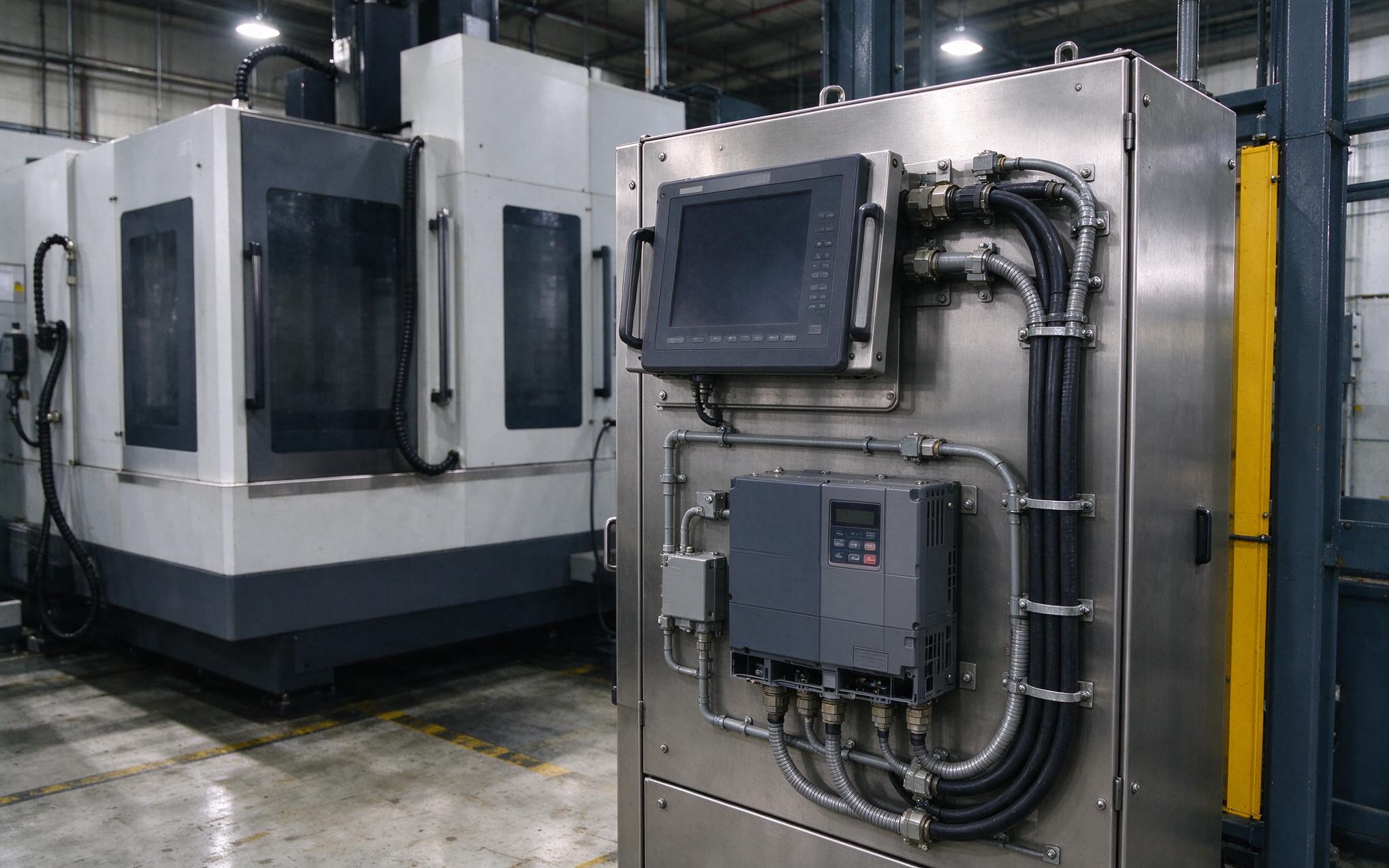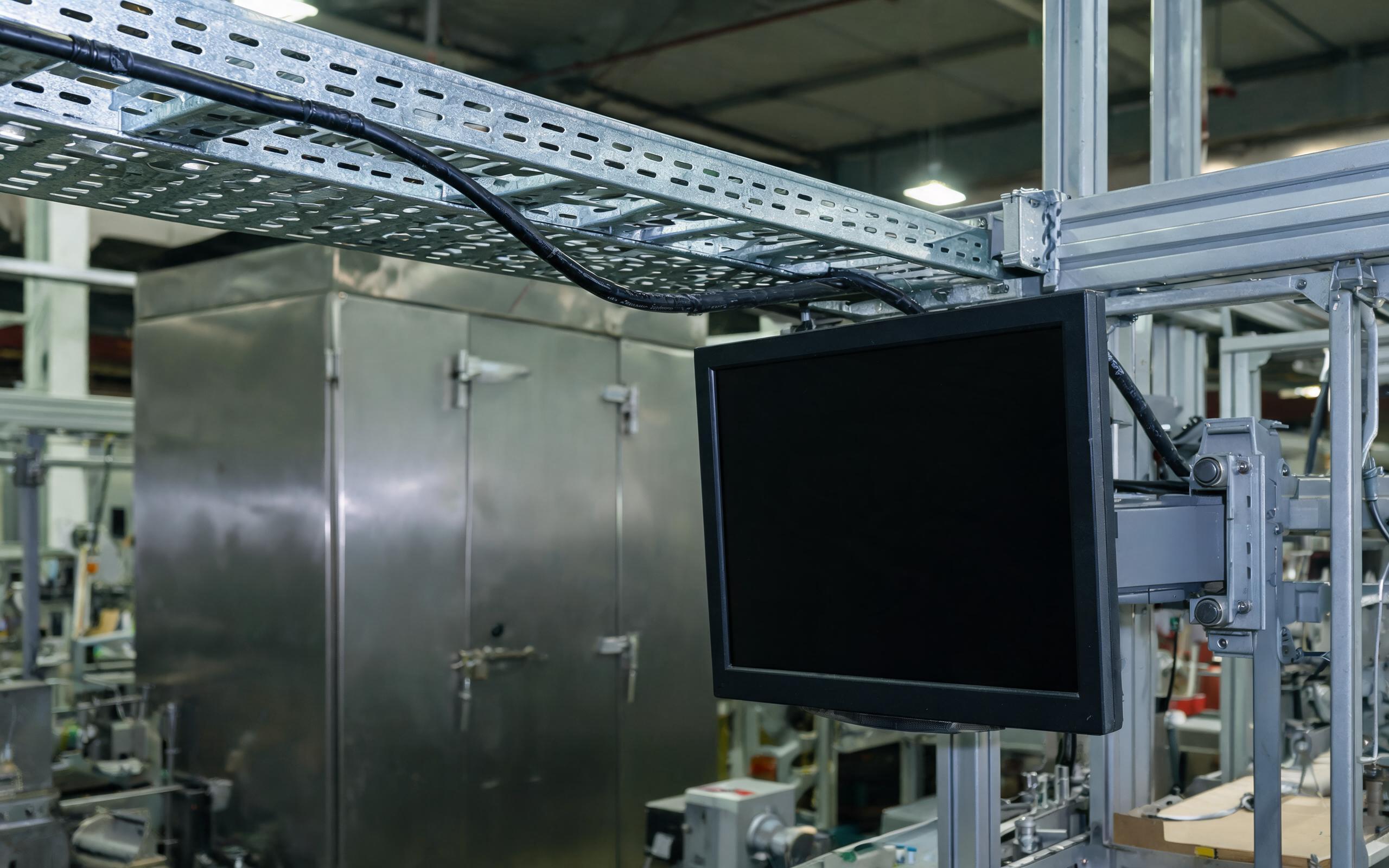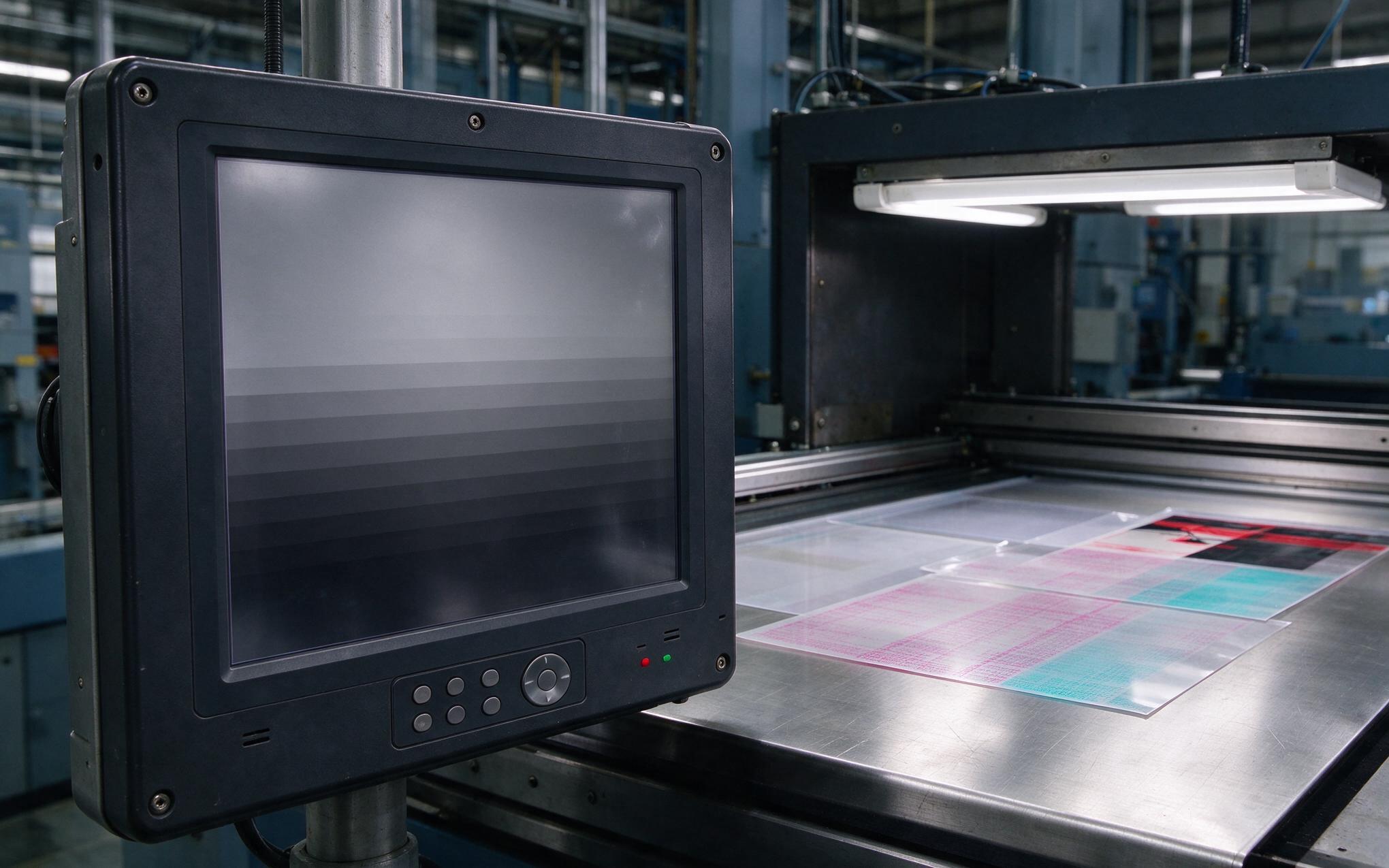
Touchscreen interfaces have become the default operator interaction layer across industrial environments, yet the surface that enables intuitive control also introduces optical and maintenance challenges. Ambient light reflection washes out critical readouts under factory lighting. Fingerprint residue accumulates on high-traffic operator stations, degrading clarity and hygiene. In outdoor deployments, even high-brightness displays become unreadable when surface reflections overwhelm emitted luminance. Three distinct surface treatment technologies—AG anti-glare, AR anti-reflection, and AF anti-fingerprint coatings—address these problems through fundamentally different physical mechanisms. Understanding what each treatment does, and what it cannot do, is essential for matching the right surface engineering strategy to a specific deployment scenario.
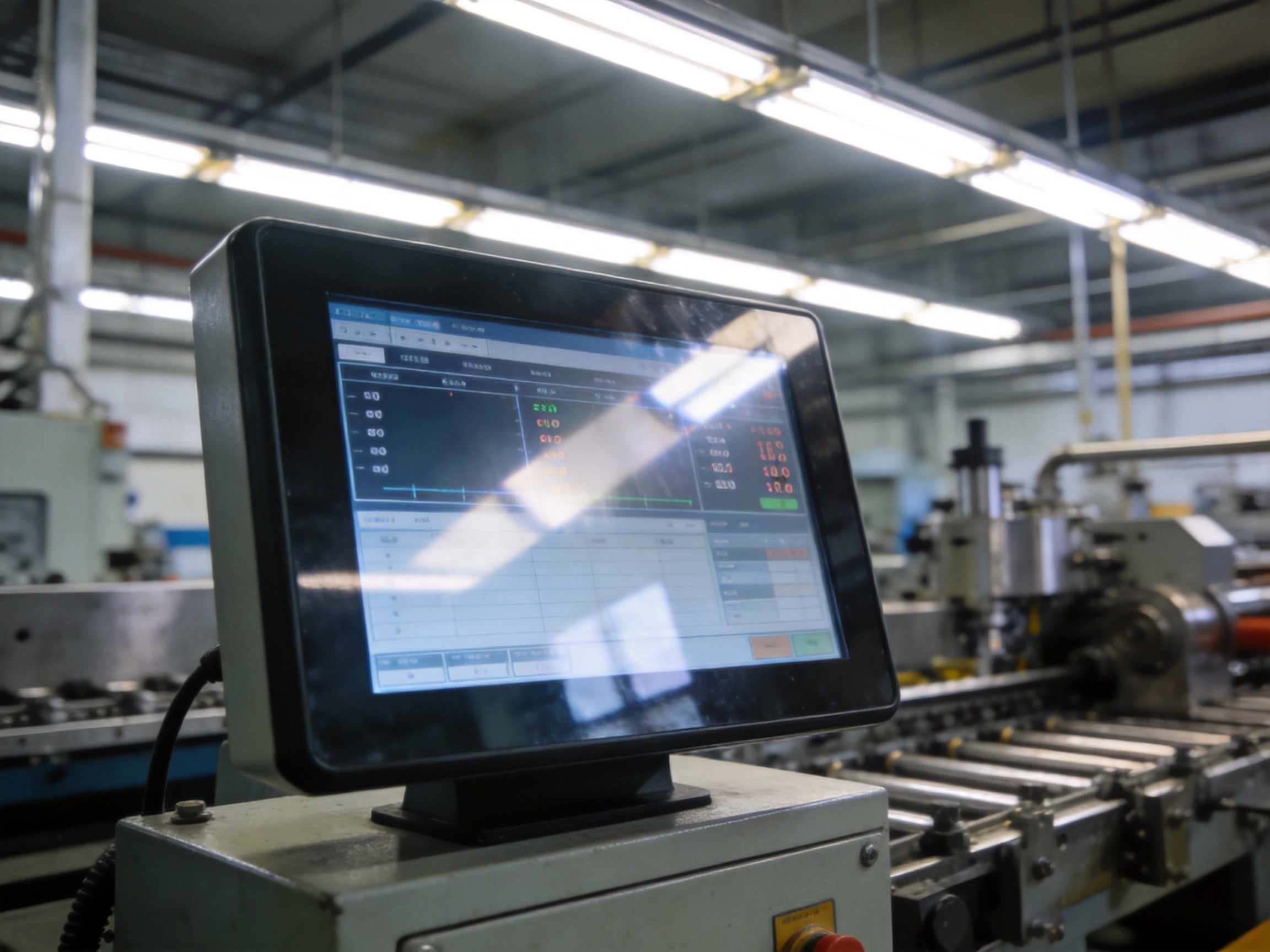
AG Anti-Glare: Diffusing Light Through Surface Roughness
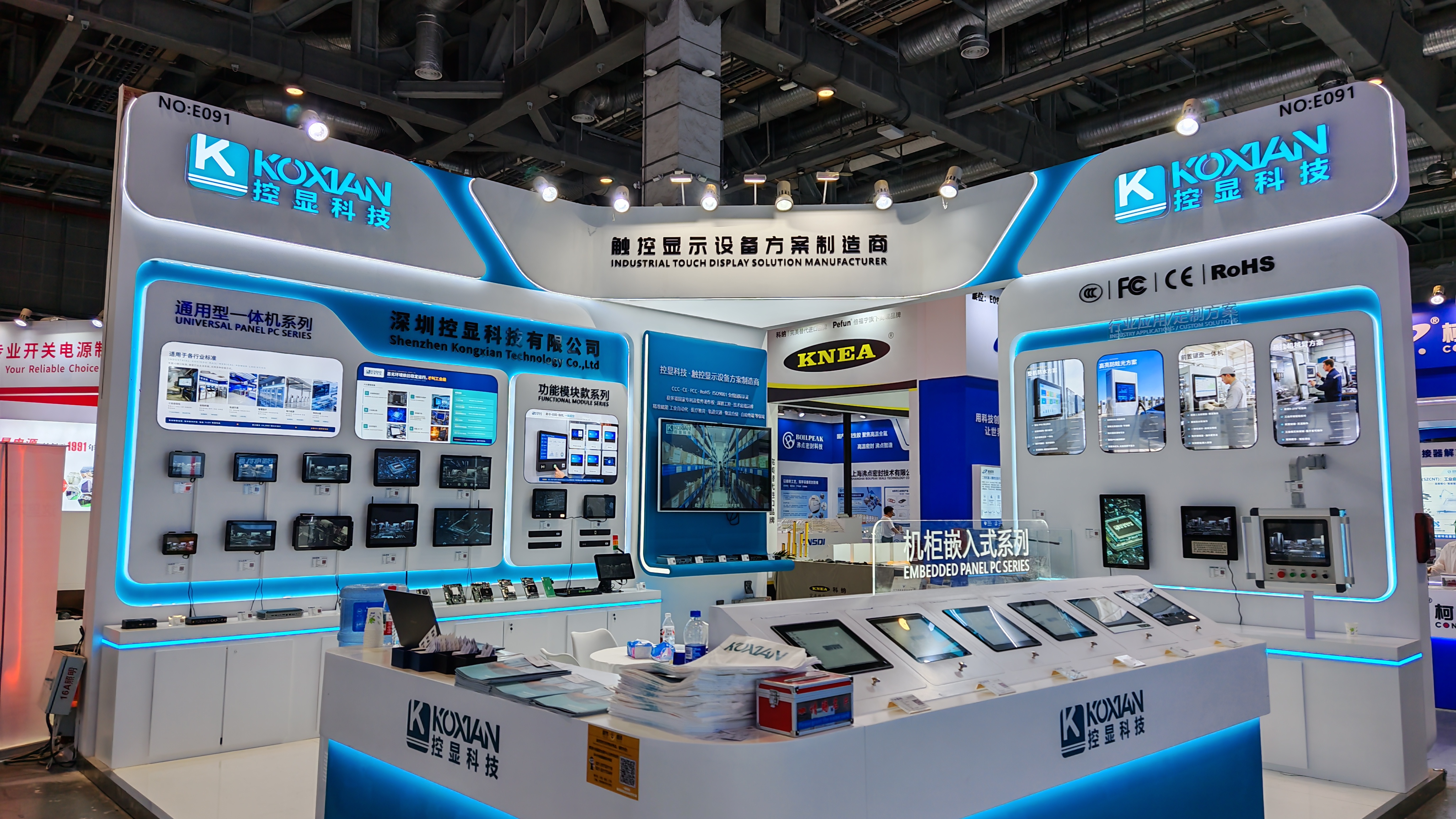
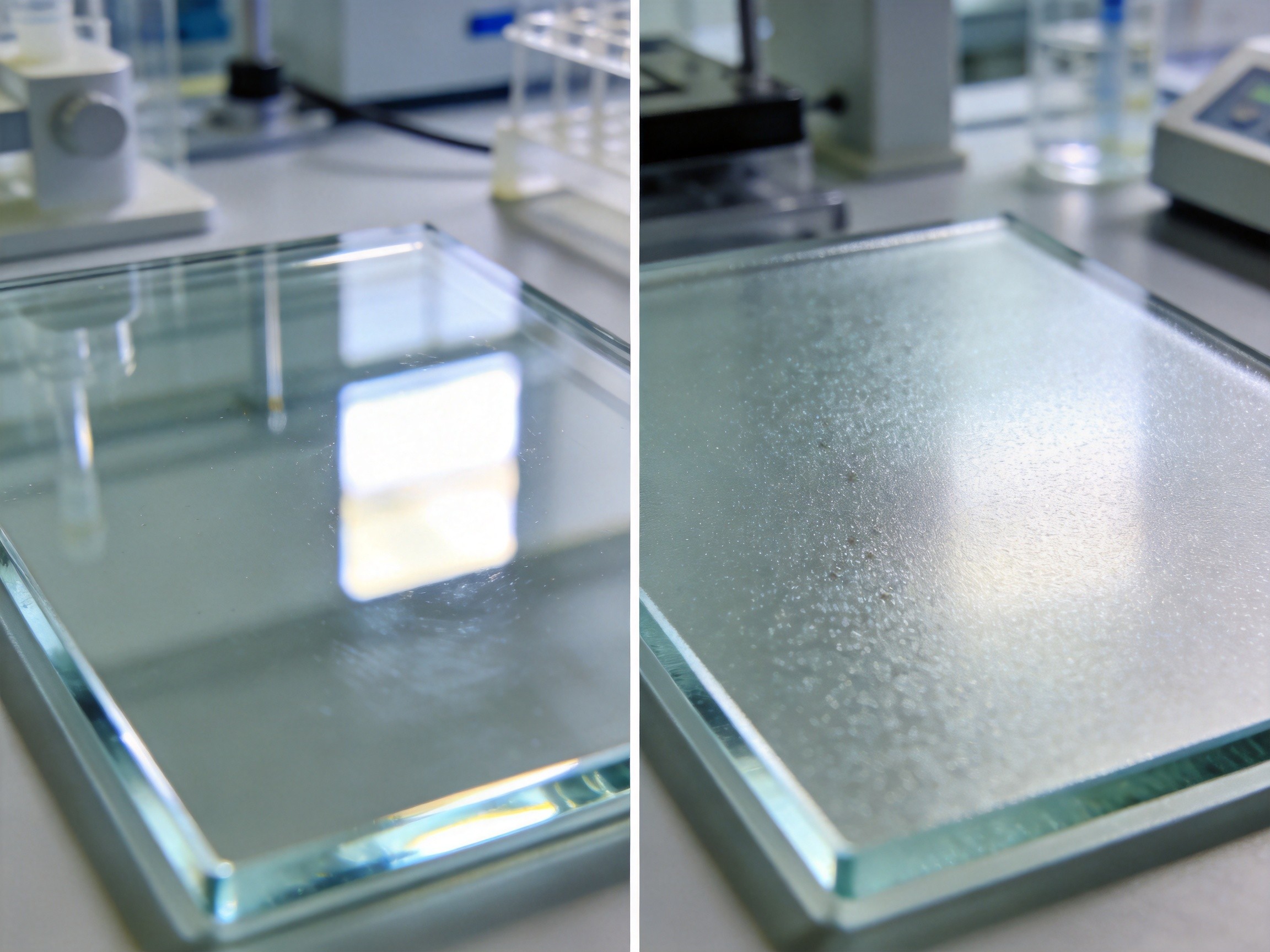
Anti-glare treatment works by introducing controlled surface roughness at the microscopic level, typically through chemical etching or a particulate coating layer. When ambient light strikes a standard smooth glass surface, it reflects coherently as a sharp, mirror-like hotspot that can completely obscure the underlying display content. An AG-treated surface scatters incoming light across a wider angular distribution, transforming a concentrated glare spot into a diffuse haze far less distracting to the human eye. The trade-off is inherent: increasing surface roughness to improve glare suppression inevitably introduces haze that reduces the display’s native sharpness and contrast. Panel PC suppliers like KOXIAN typically offer multiple AG grades—from low-haze treatments for high-resolution diagnostic displays to aggressive anti-glare finishes for outdoor kiosks and loading dock terminals where sunlight readability takes priority over pixel-level sharpness.
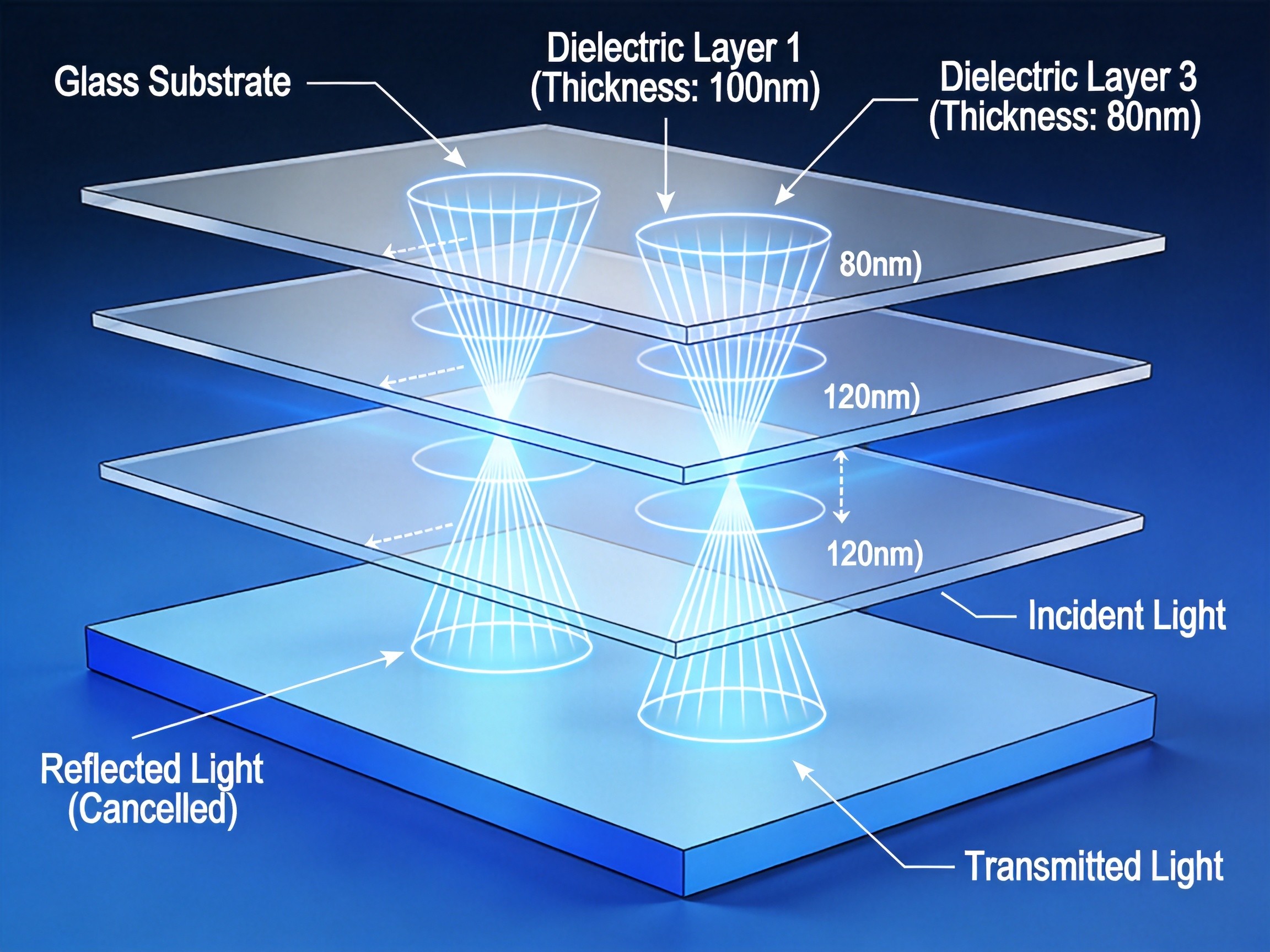
AR Anti-Reflection: Destructive Interference Through Thin-Film Optics
Anti-reflection coatings operate on a fundamentally different principle from AG treatments. Rather than scattering light through surface roughness, AR coatings eliminate reflections through thin-film interference—a stack of precisely deposited transparent dielectric layers, each with a thickness tuned to a quarter of the target wavelength. By engineering the layer thicknesses and refractive indices so that reflected waves from successive interfaces are 180 degrees out of phase, the reflections cancel through destructive interference. The result is a dramatic reduction in surface reflectance—from approximately 4% per glass-air interface on untreated glass to below 0.5% on a high-quality AR-coated surface. Unlike AG treatments, AR coatings preserve the full native sharpness and contrast of the display because they introduce no haze. This makes AR-coated industrial touchscreens particularly suitable for medical imaging, precision metrology, and semiconductor inspection stations where every pixel of resolution matters. The primary limitation is durability: multilayer AR stacks can be more susceptible to scratching and chemical attack than bare glass or AG-etched surfaces.
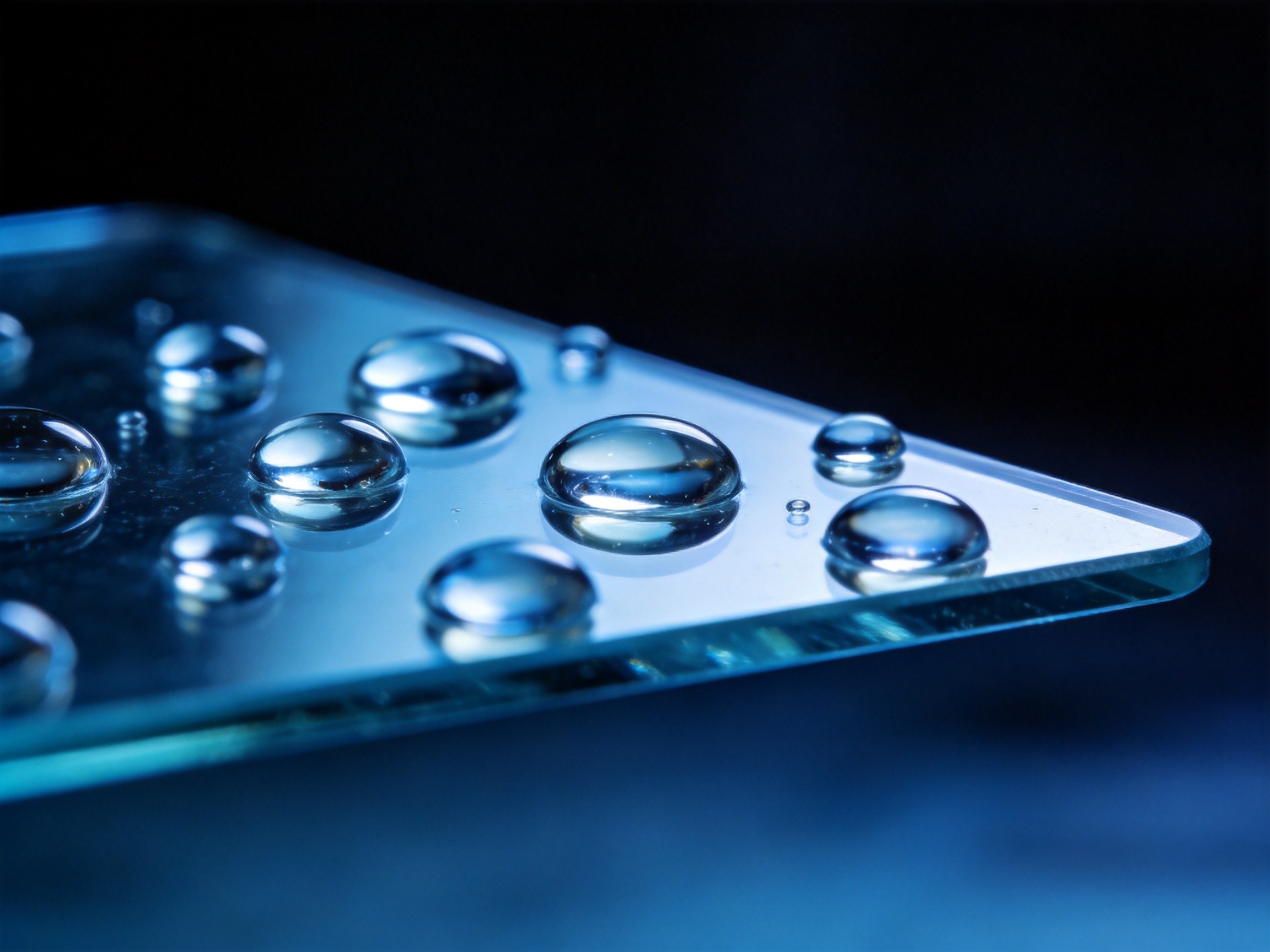
AF Anti-Fingerprint: Oleophobic Surface Chemistry for Low-Maintenance Operation
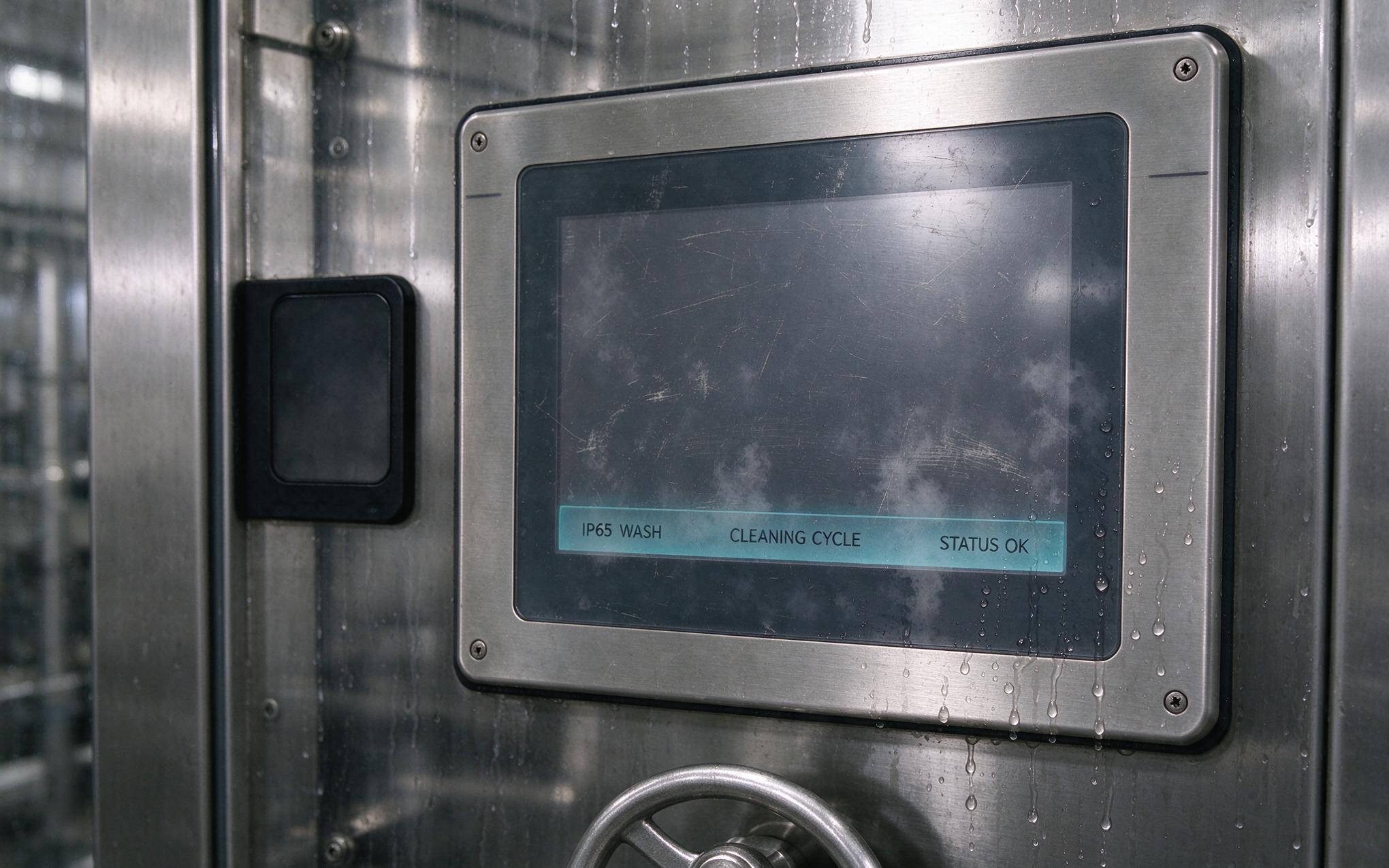
Anti-fingerprint coatings address a different problem altogether: the adhesion of skin oils, moisture, and particulate contaminants to the touchscreen surface. The core technology is a fluorinated silane compound—typically a perfluoropolyether derivative—that chemically bonds to the glass substrate through a silane coupling reaction, forming a monolayer with exceptionally low surface energy. This low-energy surface causes water droplets to bead with contact angles exceeding 110 degrees and prevents skin oils from wetting the glass, making fingerprint smudges both less visible and far easier to wipe clean. Industrial panel PCs in food processing, pharmaceutical manufacturing, and cleanroom environments benefit particularly from AF treatments because frequent operator glove contact and sanitization protocols demand surfaces that release contaminants readily. KOXIAN integrates AF coatings as a top-layer treatment combinable with either AG or AR underlayers. The practical limitation is wear life: AF coatings degrade gradually with repeated friction and aggressive cleaning agents, typically requiring reapplication after 12 to 24 months of heavy industrial use.
Combining Treatments: A Layered Approach to Surface Engineering
The three surface treatments are not mutually exclusive; the most effective industrial touchscreen deployments combine them in a carefully engineered stack. A typical configuration places an AR coating directly on the glass substrate for maximum reflection suppression, followed by an AG etch layer for glare management, topped with an AF oleophobic layer for fingerprint resistance. The stacking order matters because each treatment affects the performance of the others. An AR coating beneath an AG layer preserves the anti-reflection benefit while the AG layer above handles diffuse glare. The AF topcoat must be applied last to maintain its low-surface-energy properties. Specification engineers should request detailed optical performance data—including total reflectance, haze percentage, and contact angle measurements—rather than relying on marketing terms alone. The difference between a poorly specified stack and a properly engineered one can mean the difference between an operator straining to read a critical alarm and responding within seconds.
Selecting the right surface treatment combination is not a one-size-fits-all decision. It requires balancing optical clarity against glare suppression, durability against cleanability, and upfront cost against long-term operator productivity. The growing availability of combined AG+AR+AF stacks means deployment teams no longer need to accept the compromise of a single treatment. They can specify a surface engineered to the exact environmental conditions and maintenance protocols of the facility—resulting in fewer reading errors, less cleaning downtime, and measurably longer functional service life.