A procurement engineer at a mid-sized packaging facility spreads three quotations across a desk, each for a 15-inch industrial touchscreen monitor. The prices range from under $900 to nearly $2,500, yet the specifications appear nearly identical on paper. The hidden variable behind this spread often comes down to glass construction. Tempered glass, a seemingly simple material choice, ranks among the most significant cost drivers in industrial touchscreen monitor price. Understanding how glass type, thickness, and surface treatment affect both durability and cost helps engineering teams avoid overspending on unnecessary features or, worse, underspending on a display that fails within months of deployment.
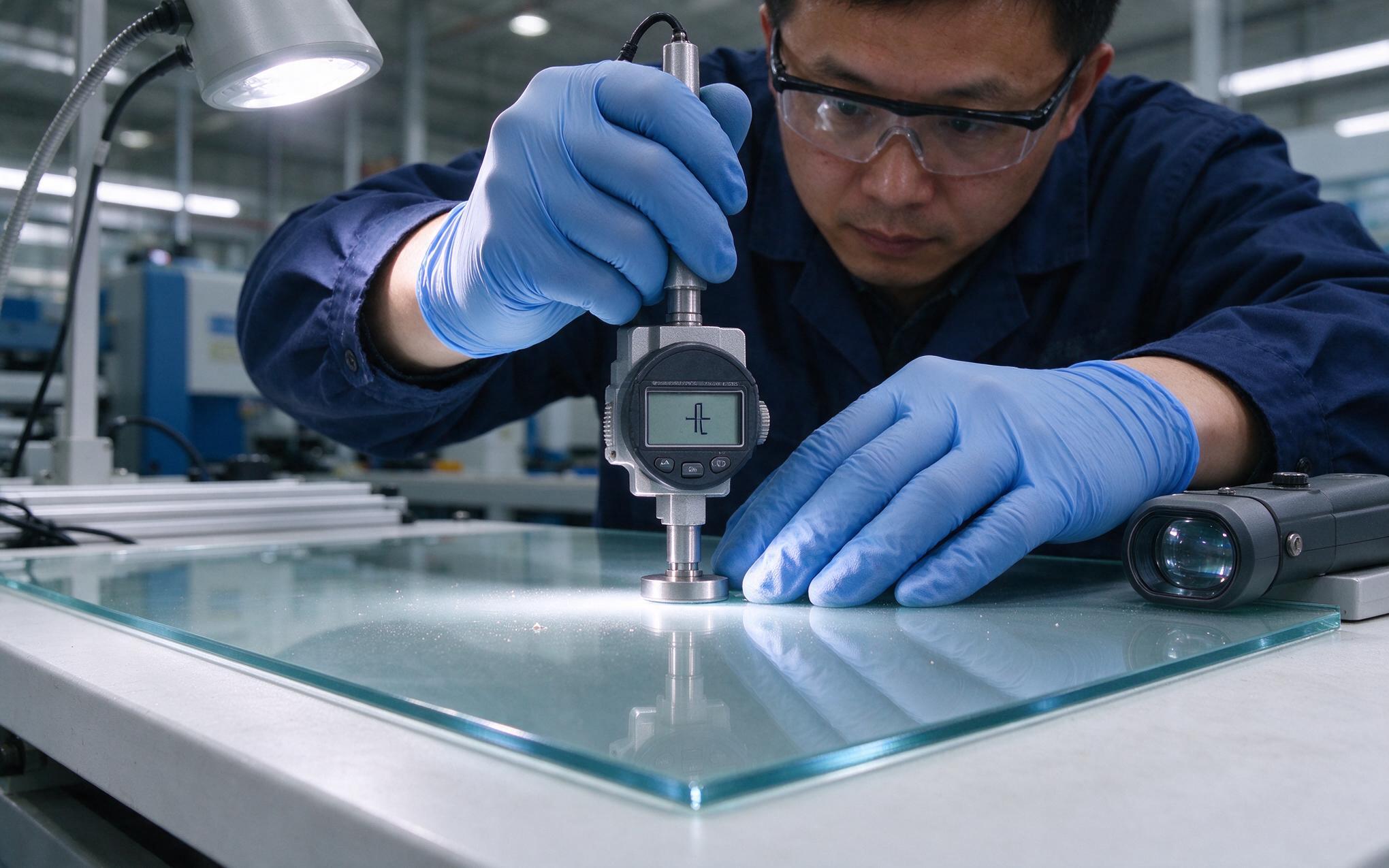
Tempered Glass vs Standard Glass Cost Differences
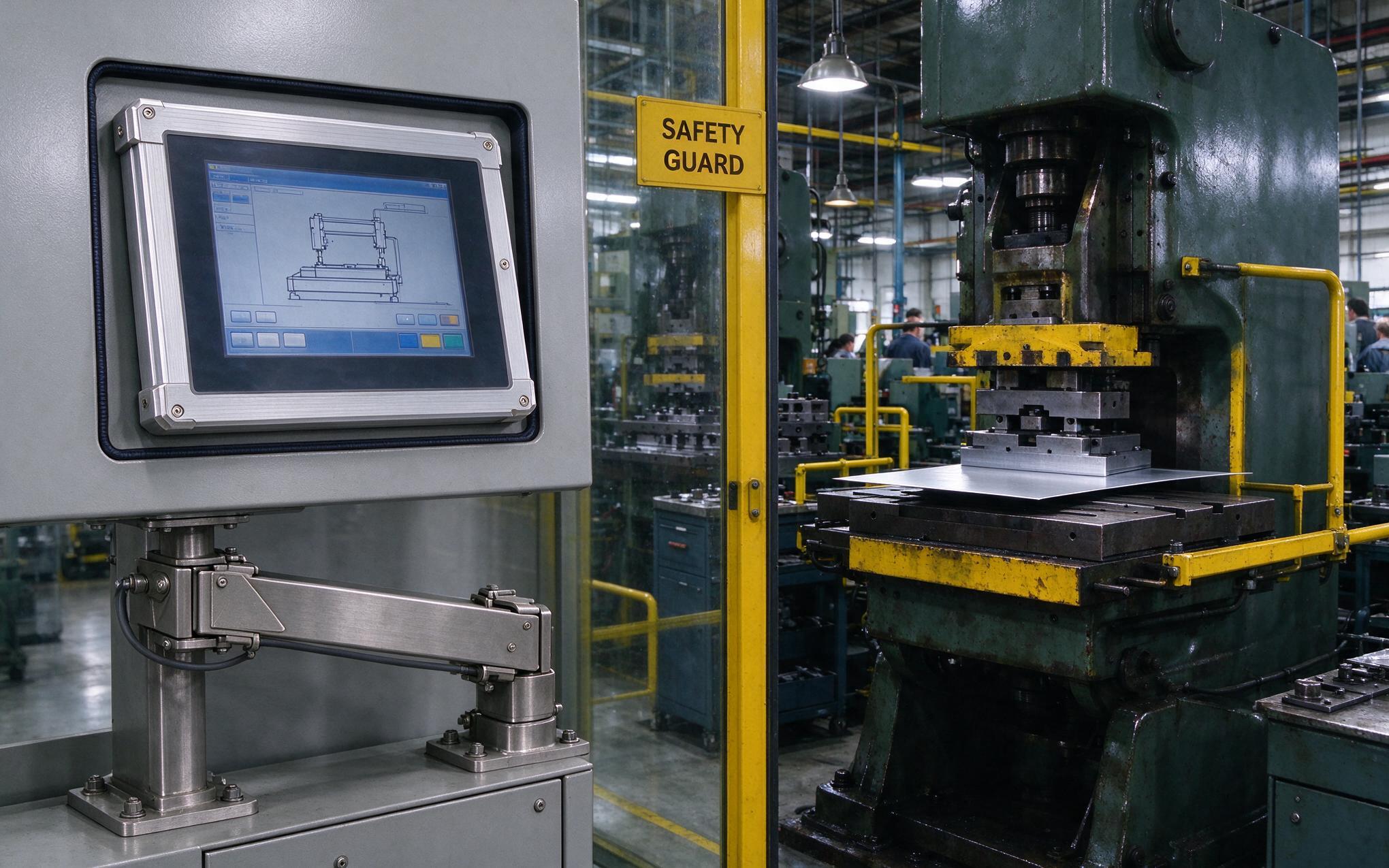
Tempered glass undergoes a controlled thermal or chemical treatment that increases its strength to roughly four times that of standard annealed glass. In the thermal tempering process, the glass is heated to approximately 620 degrees Celsius and then rapidly cooled, creating compressive stress on the surface that resists impact and thermal shock. Chemical strengthening, used for thinner panels, submerges the glass in a potassium salt bath to achieve a similar compressive layer through ion exchange. This additional processing is why tempered glass adds a measurable premium to industrial touchscreen monitor price. A standard float glass panel costs a fraction of a tempered equivalent, but it cannot survive the mechanical impacts, vibration, and temperature swings common in manufacturing environments. For factory floors and outdoor installations, tempered glass is not an optional upgrade but a baseline requirement for any industrial grade touch screen.
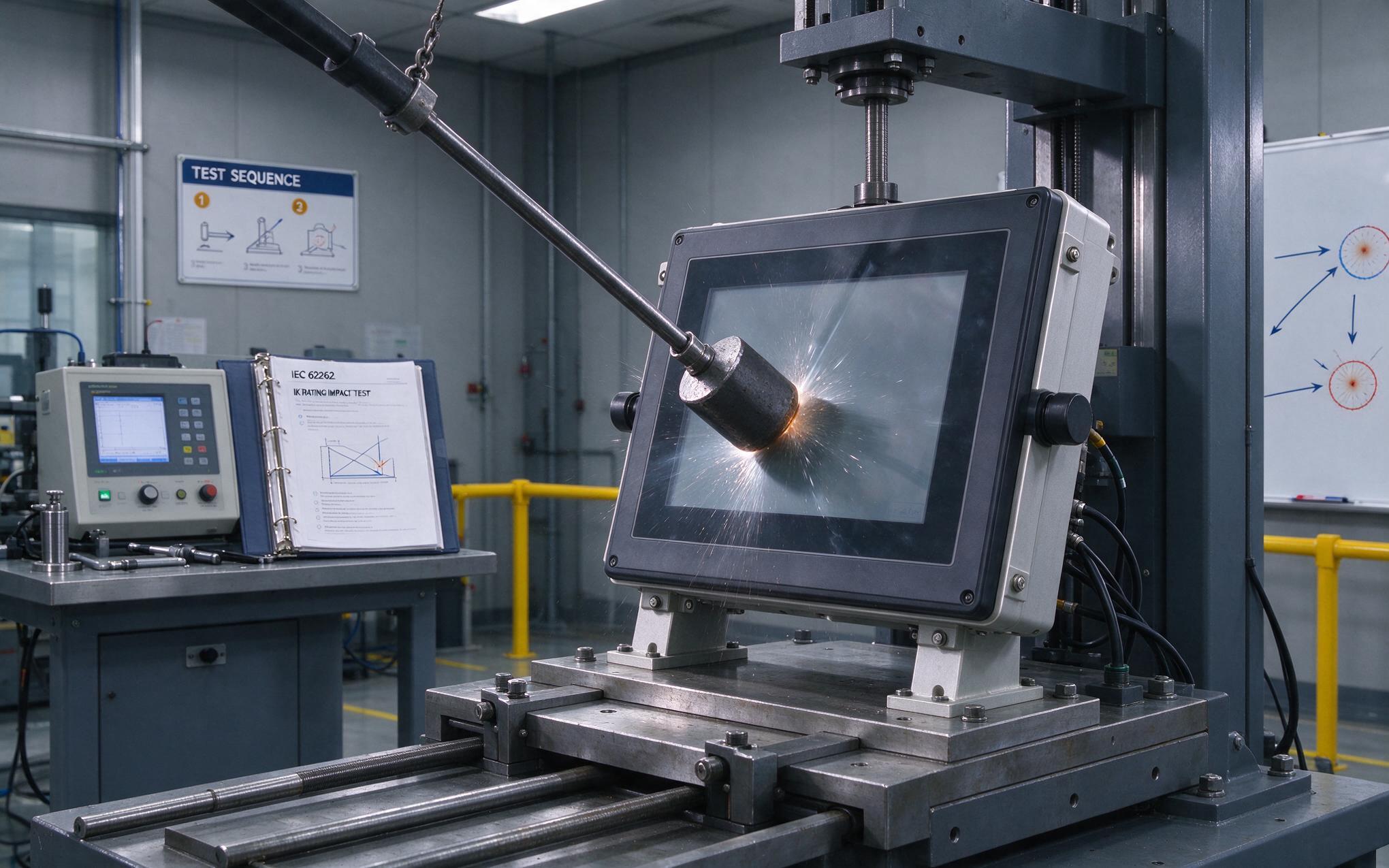
Glass Thickness and IK Rating Impact on Monitor Cost
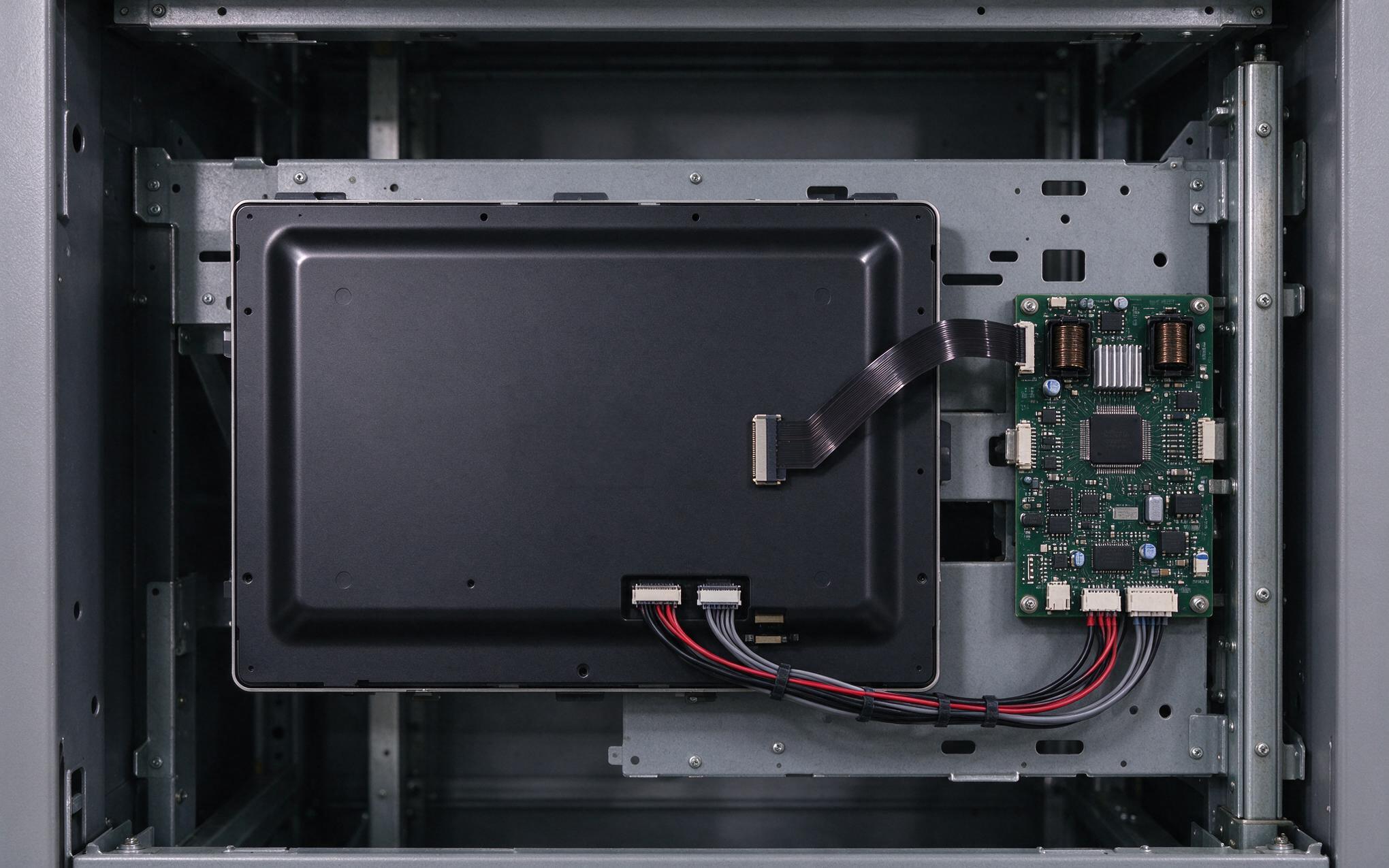
The IK rating system, defined in IEC 62262, classifies the impact resistance of an enclosure or display surface. Ratings range from IK00, indicating no protection, to IK10, which certifies resistance to 20 joules of impact energy, equivalent to a five-kilogram mass dropped from 400 millimeters. Achieving a higher IK rating requires thicker tempered glass, which directly increases material cost and manufacturing complexity. A 3 mm tempered glass panel rated at IK07 costs noticeably less than a 6 mm panel rated at IK10. The thicker glass also requires stronger mounting frames, heavier bezels, and more robust touch sensor bonding, all of which compound the price difference. Engineers evaluating industrial touch screen monitor options should match the IK rating to the actual impact risk of the installation site rather than defaulting to the highest available rating.
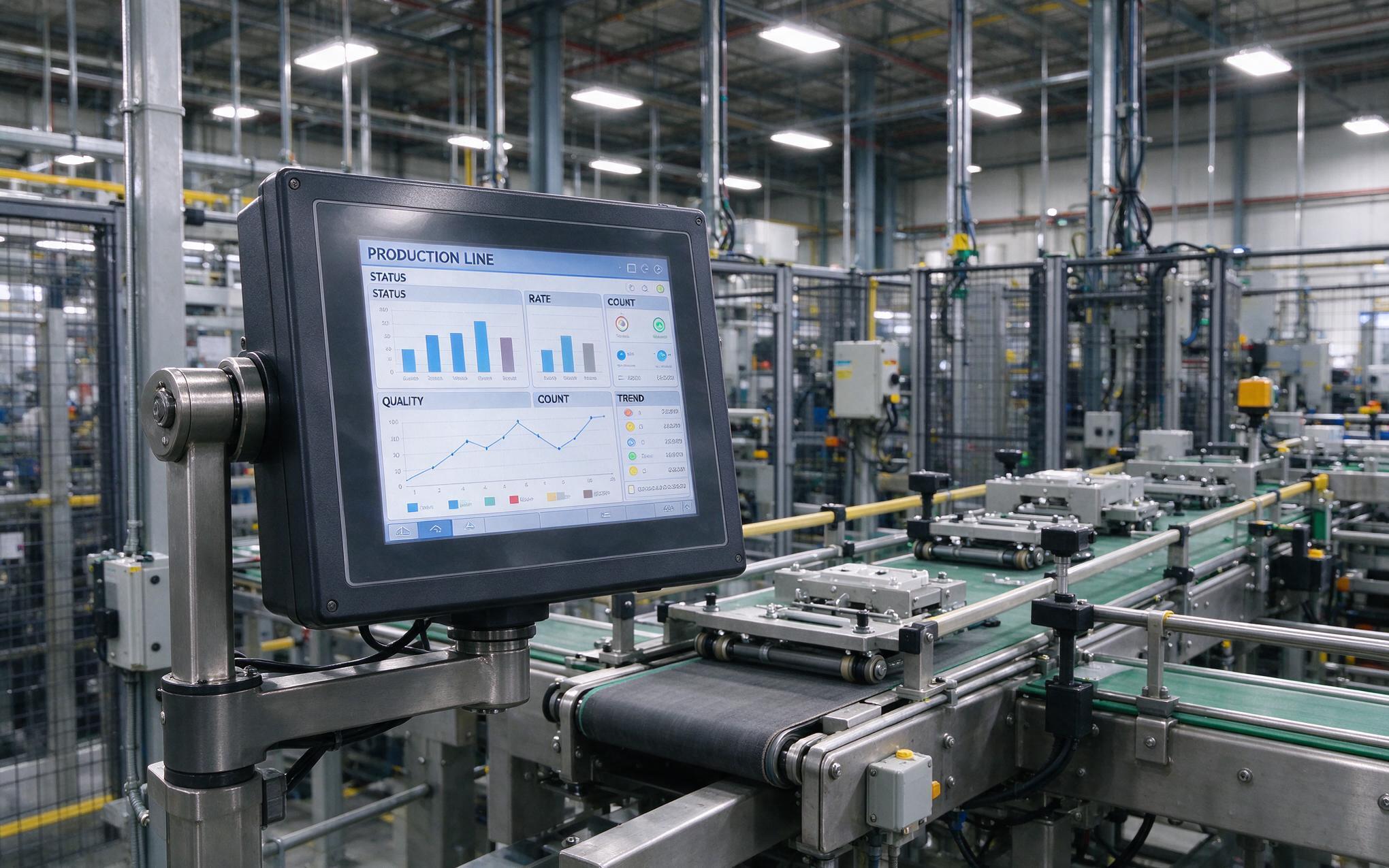
Surface Treatments That Affect Industrial Touchscreen Monitor Price
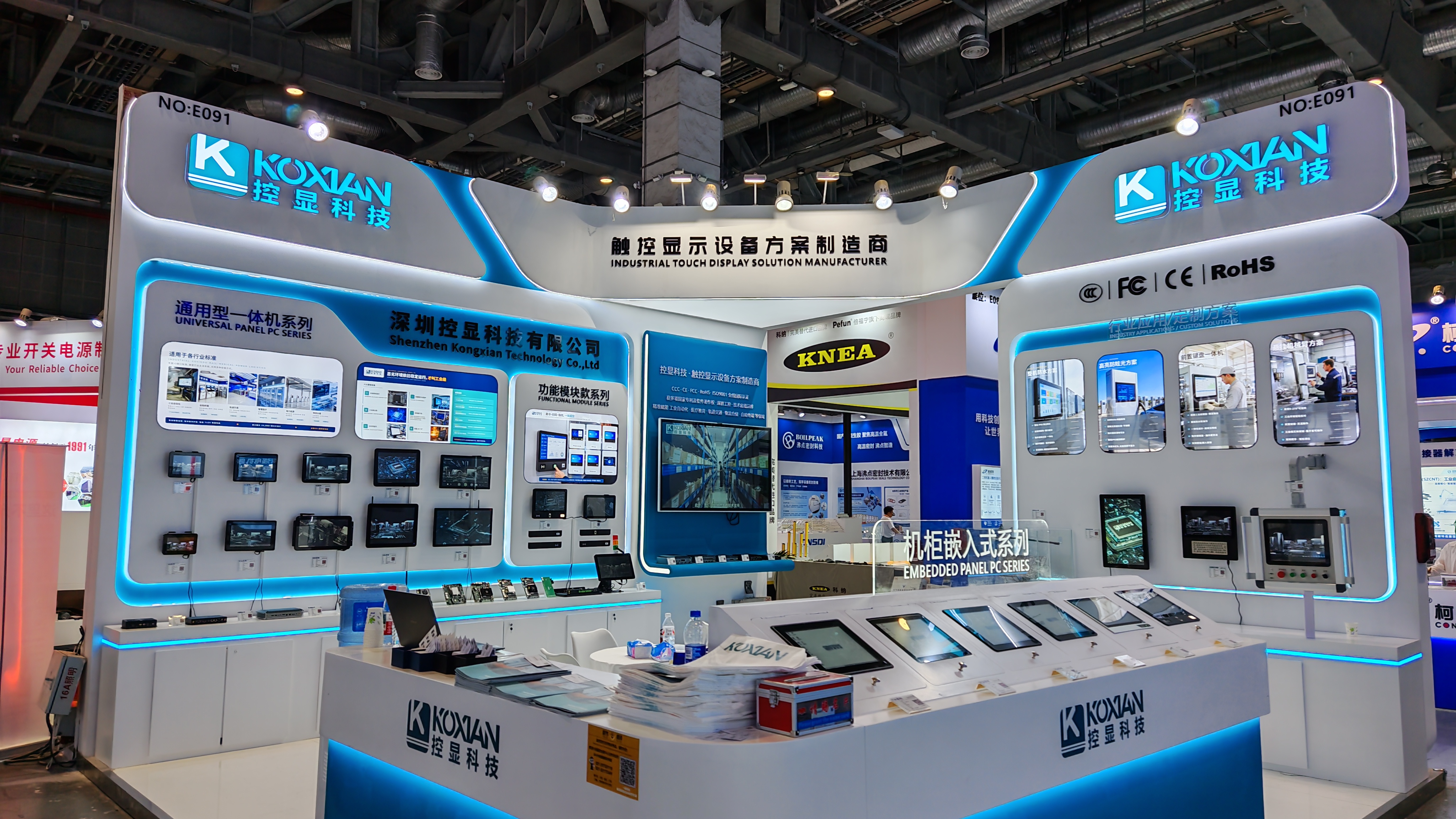
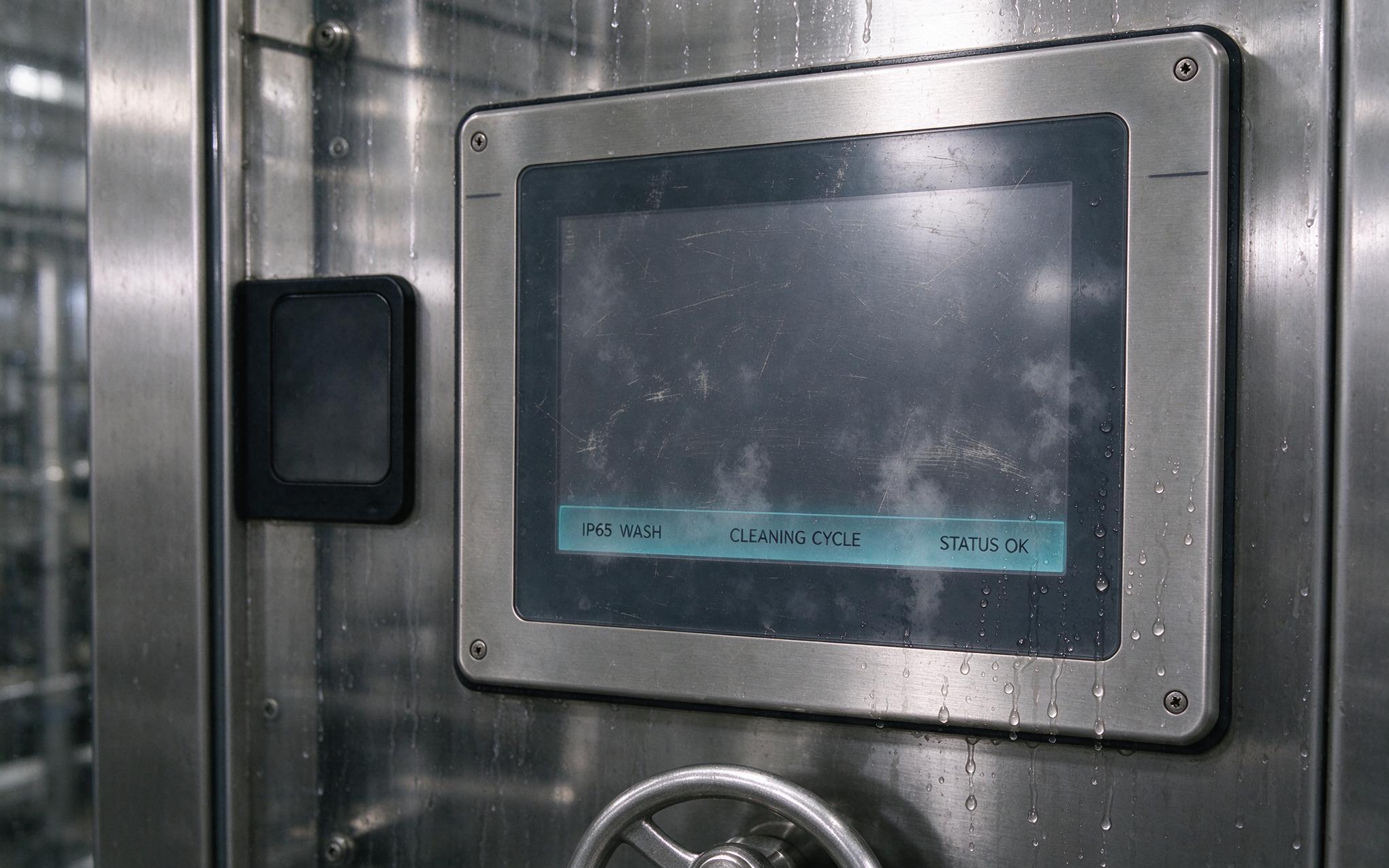
Beyond the glass substrate itself, surface treatments represent another layer of cost in industrial touchscreen monitor price. Anti-glare coatings diffuse reflected light to reduce eye strain under overhead factory lighting. Anti-reflective coatings use thin-film interference layers to cancel reflections, improving contrast in bright environments. Anti-fingerprint coatings apply an oleophobic layer that resists oil smudges from operators wearing work gloves. Each treatment adds a separate manufacturing step, specialized materials, and quality control testing. Industrial hardware manufacturers, including KOXIAN, apply multi-layer surface treatments to their rugged touch screen display panels to maintain readability and touch accuracy in harsh lighting conditions. A fully treated industrial display with all three coatings can carry a 20 to 35 percent premium over an untreated equivalent, a difference that becomes significant when outfitting an entire production line.
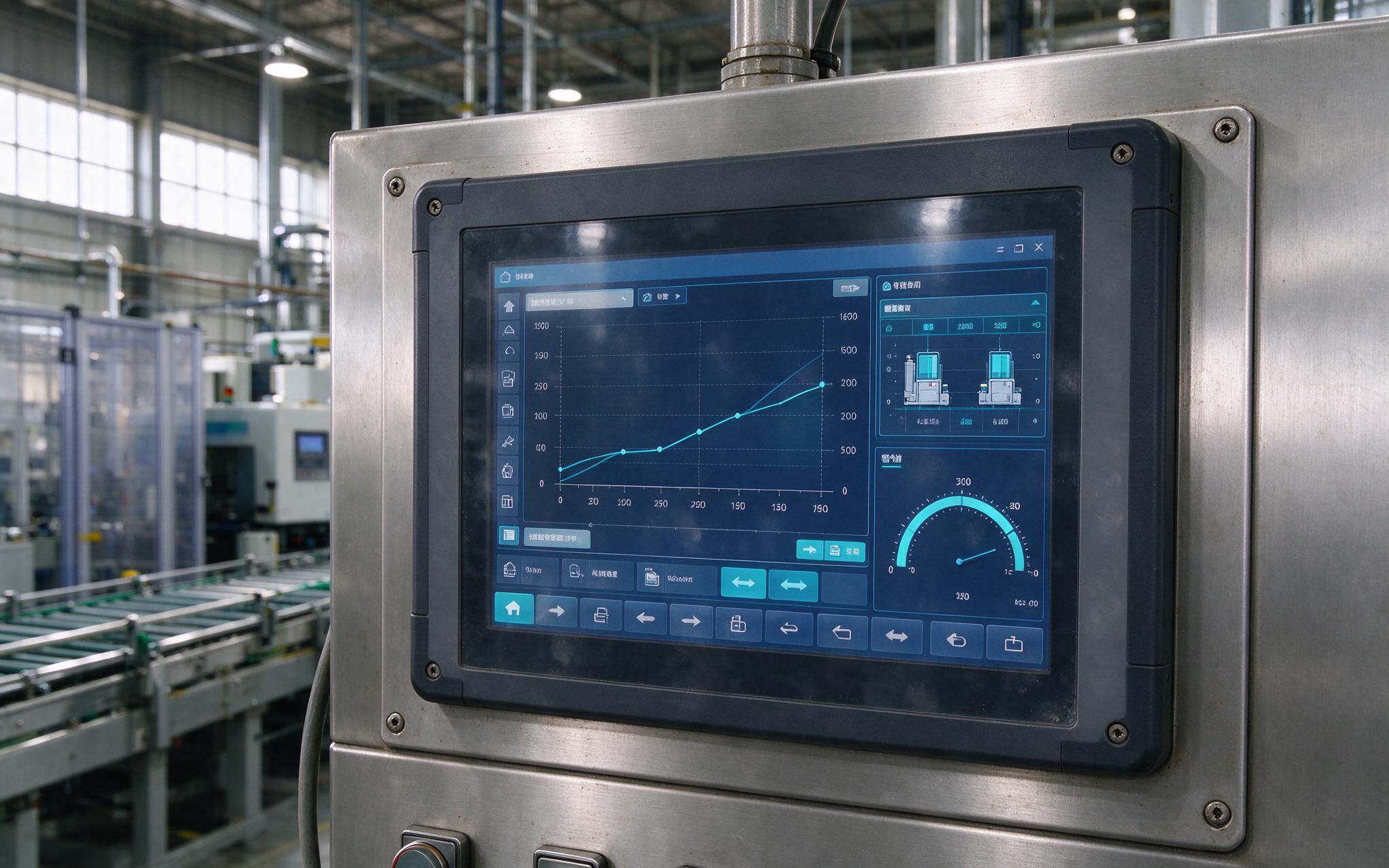
Long-Term Value Beyond the Initial Price Tag
Focusing solely on the upfront industrial touchscreen monitor price can lead to costly mistakes. A monitor with standard glass may save several hundred dollars at purchase but fail early in its deployment cycle in a high-vibration or high-traffic environment, requiring replacement and causing unplanned downtime. Tempered glass, by contrast, extends the operational lifespan of the display, reducing the total cost of ownership over a five-to-ten-year deployment cycle. Field observations from packaging and assembly facilities show that industrial displays built with tempered glass maintain optical clarity and touch responsiveness after years of continuous operation. When evaluating options, engineers should factor in replacement costs, downtime penalties, and maintenance labor alongside the purchase price. Configurations like those found in KOXIAN industrial touch screen monitors illustrate how tempered glass construction contributes to long-term reliability without excessive upfront cost.
Tempered glass is a fundamental factor in what factories pay for industrial displays, influencing not just the glass panel itself but also the frame design, mounting hardware, and surface treatment options. Engineers and procurement teams should evaluate the total cost of ownership rather than focusing on the initial purchase price. By matching the glass type, thickness, IK rating, and surface treatments to the actual demands of the installation environment, organizations can avoid both premature failure and unnecessary overspending on their display infrastructure.