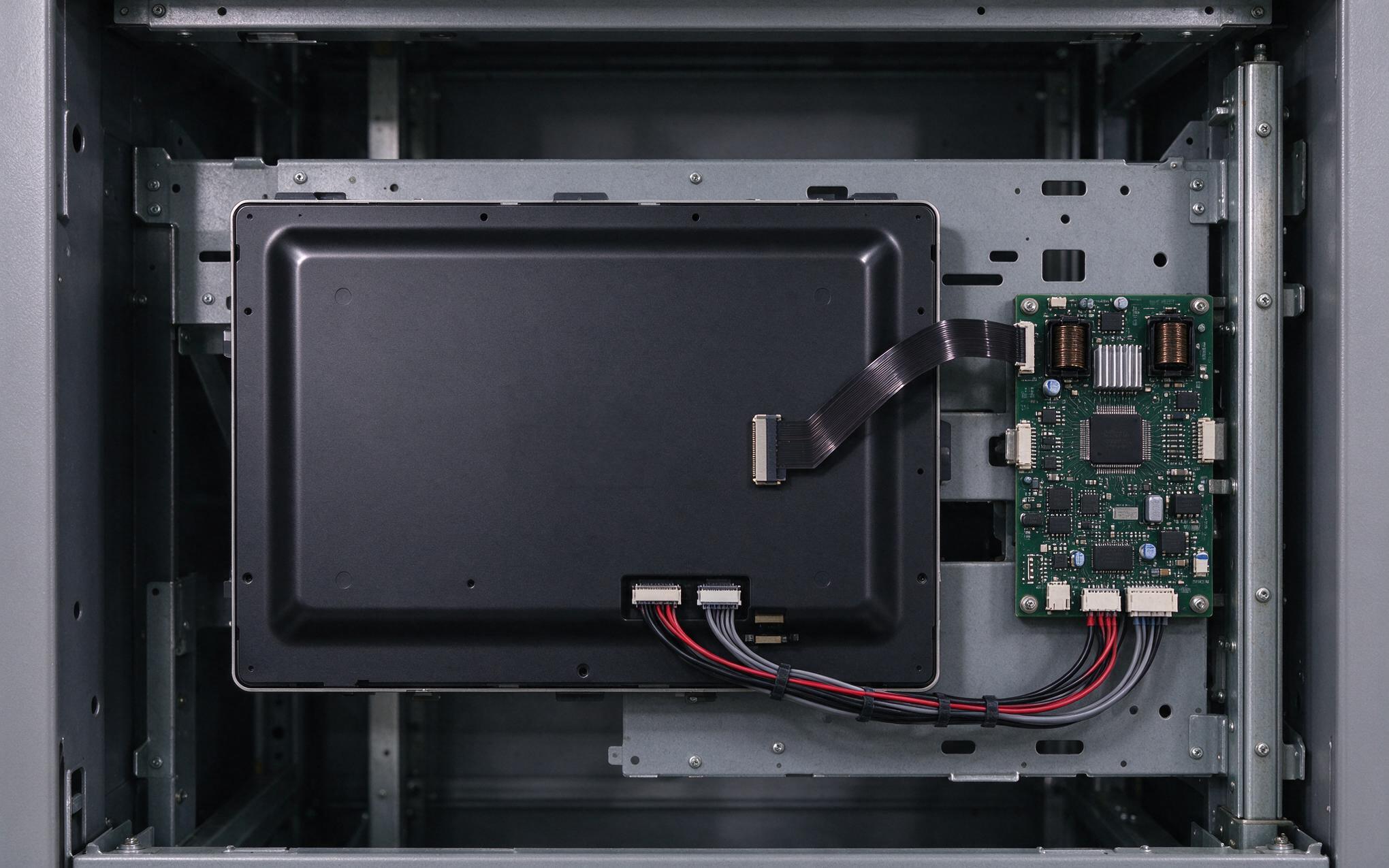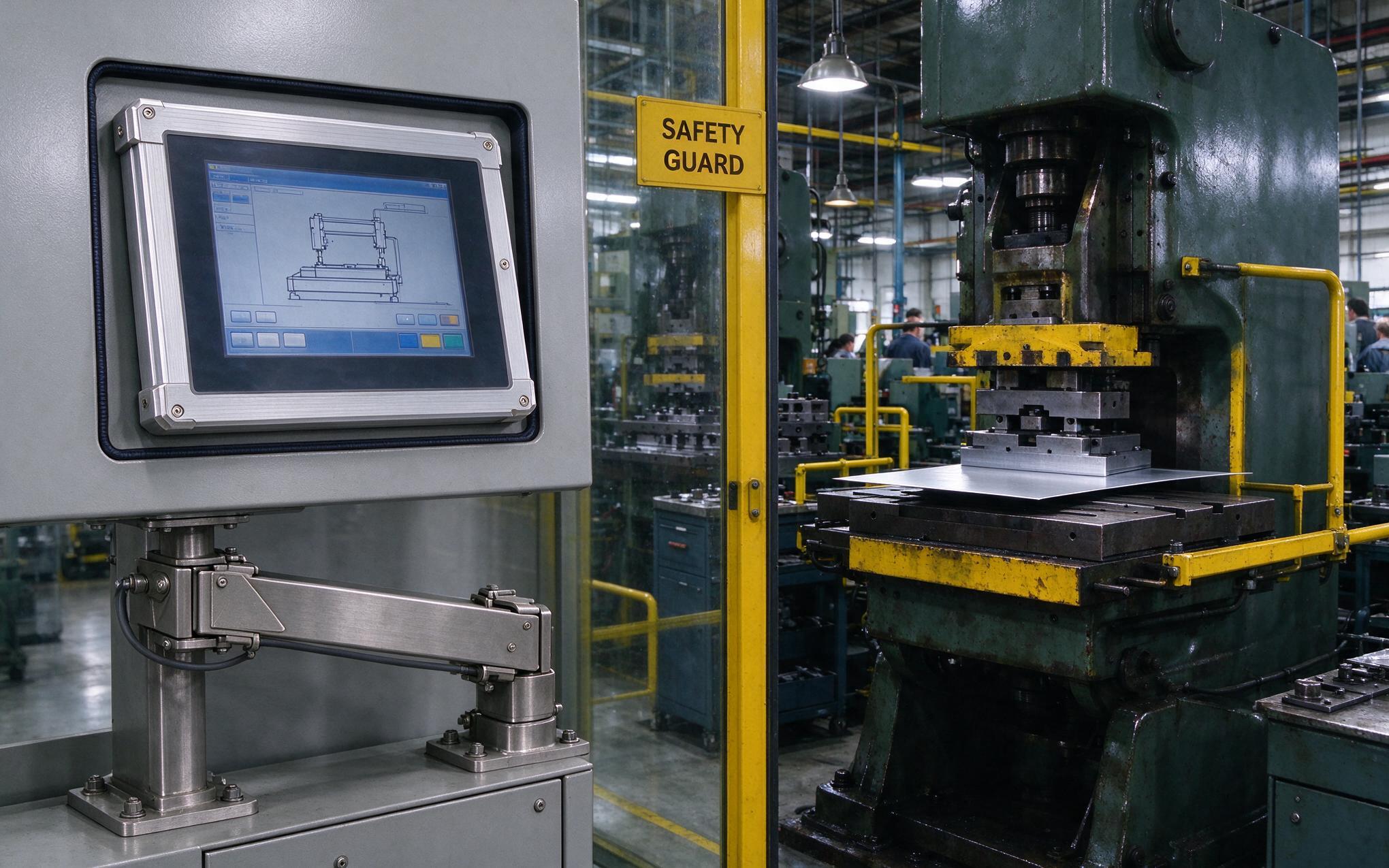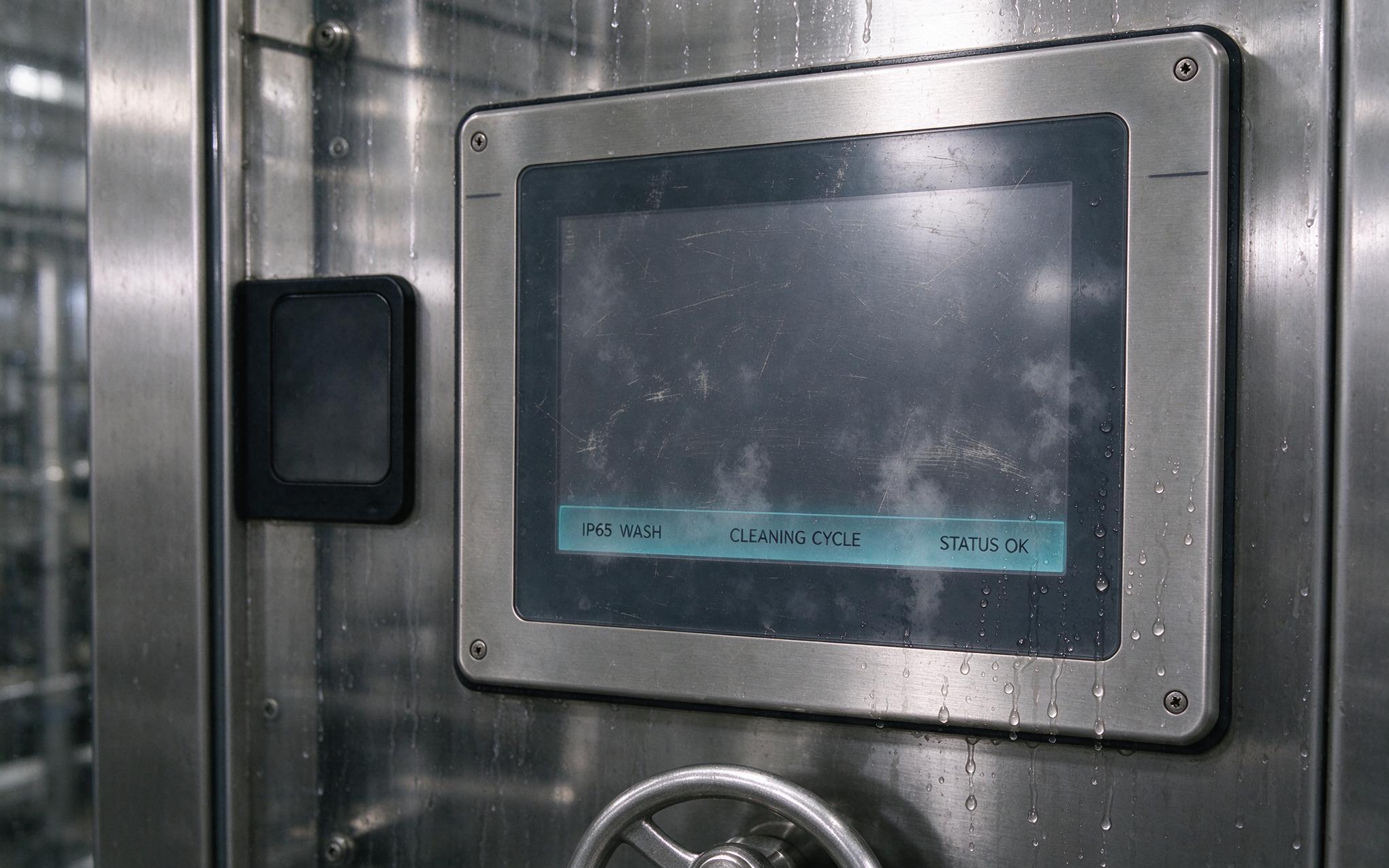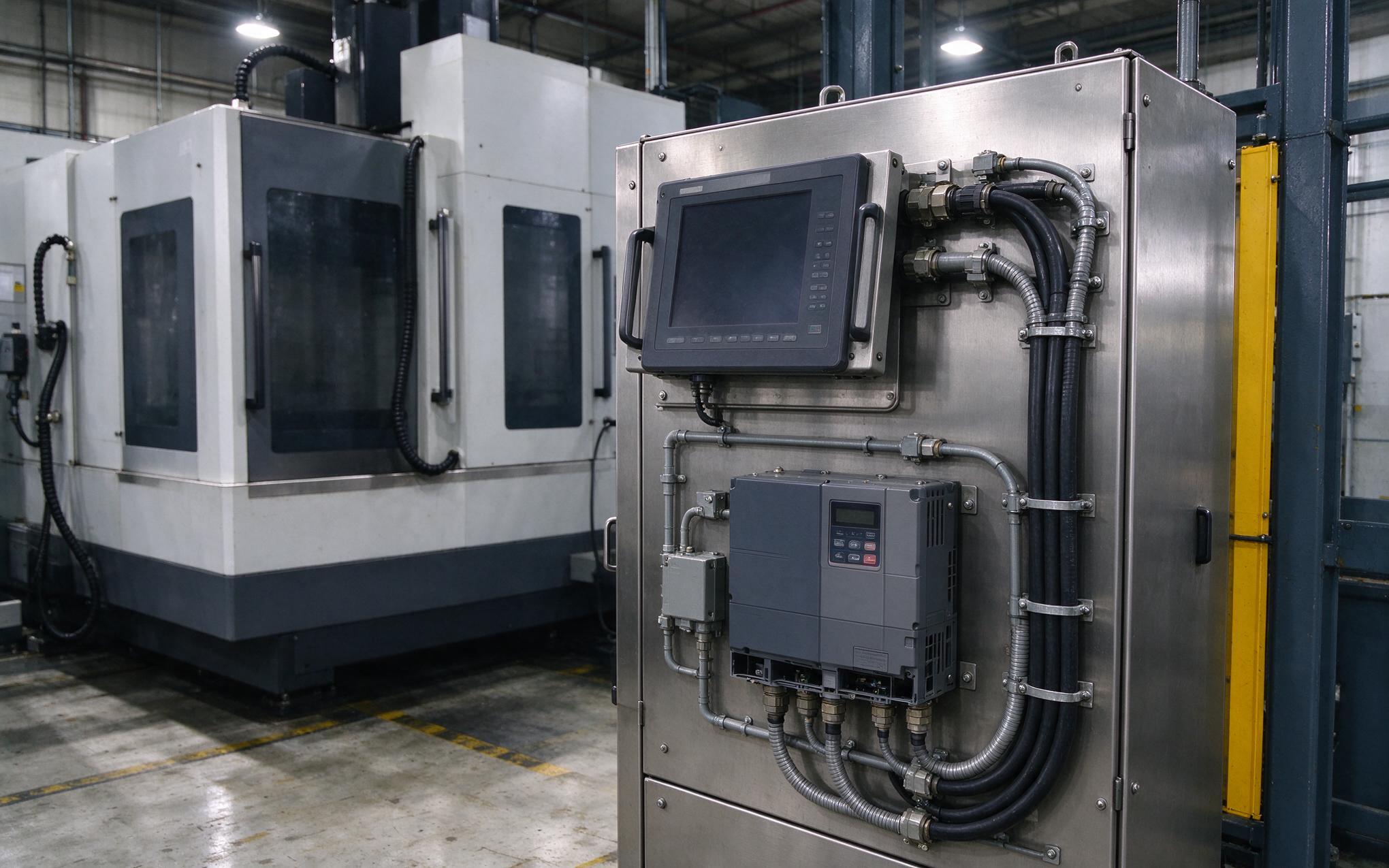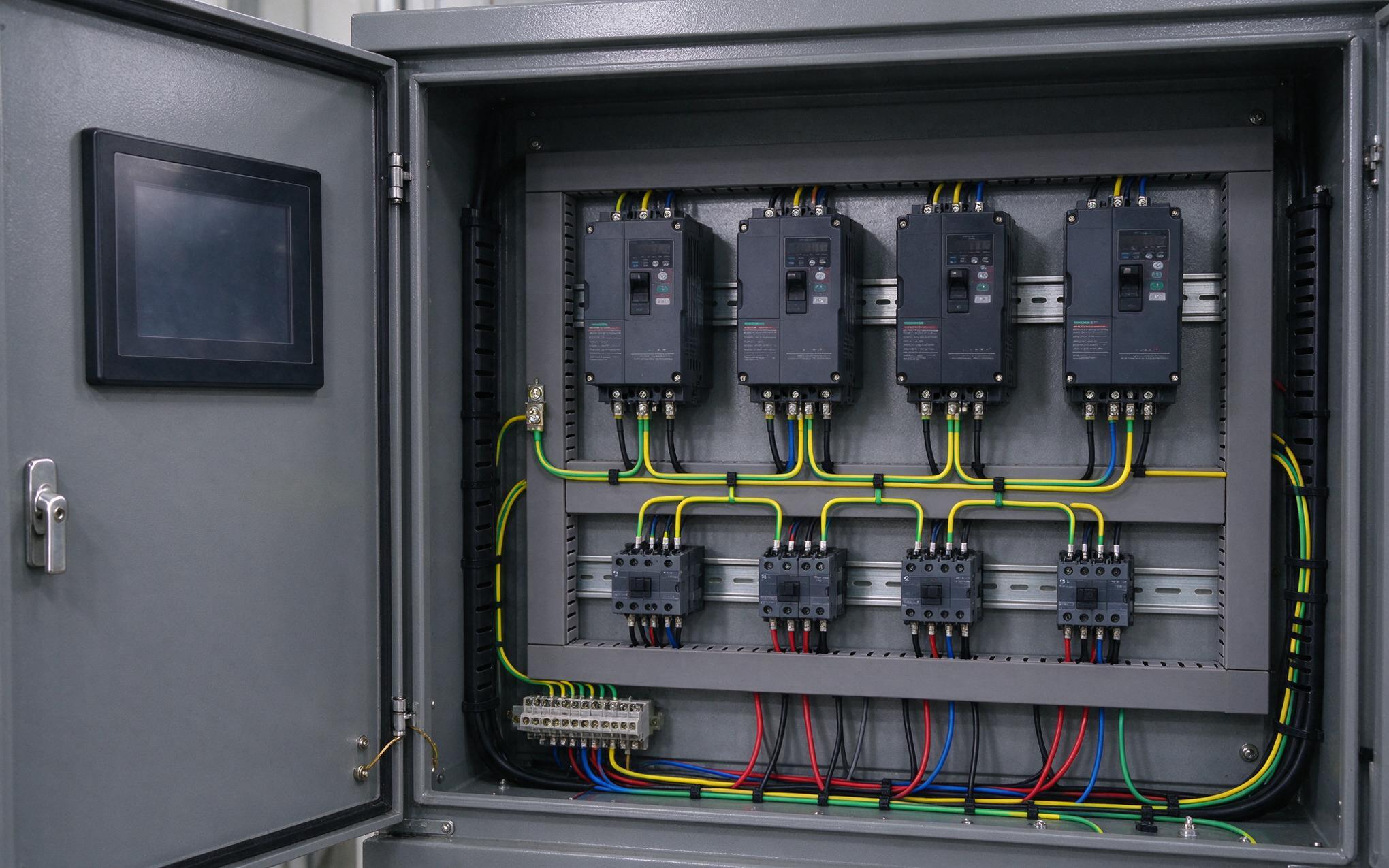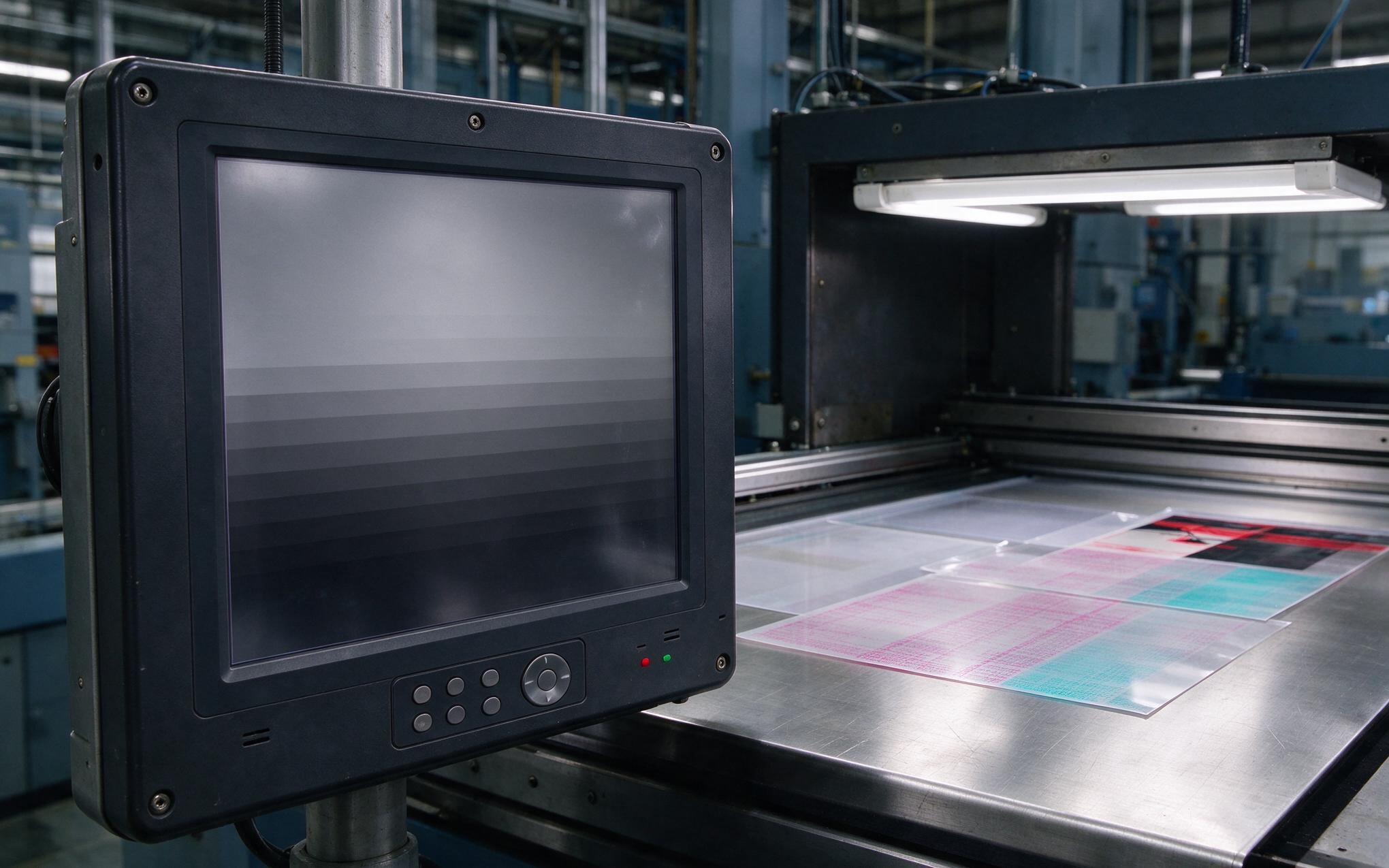
Maintenance technicians at a coastal food processing plant spent weeks tracing intermittent touch screen failures on the washdown line. Every industrial panel pc ip65 unit passed visual gasket inspection, yet moisture kept appearing on internal circuit boards each morning. The root cause turned out to be neither a seal breach nor a component defect but a pressure differential that developed inside each sealed housing as temperatures swung between hot washdown cycles and overnight cooling. This phenomenon affects every sealed electronic enclosure deployed in environments with significant thermal variation. Understanding the physics behind internal pressure buildup is essential for specifying hardware that remains truly sealed over years of service.
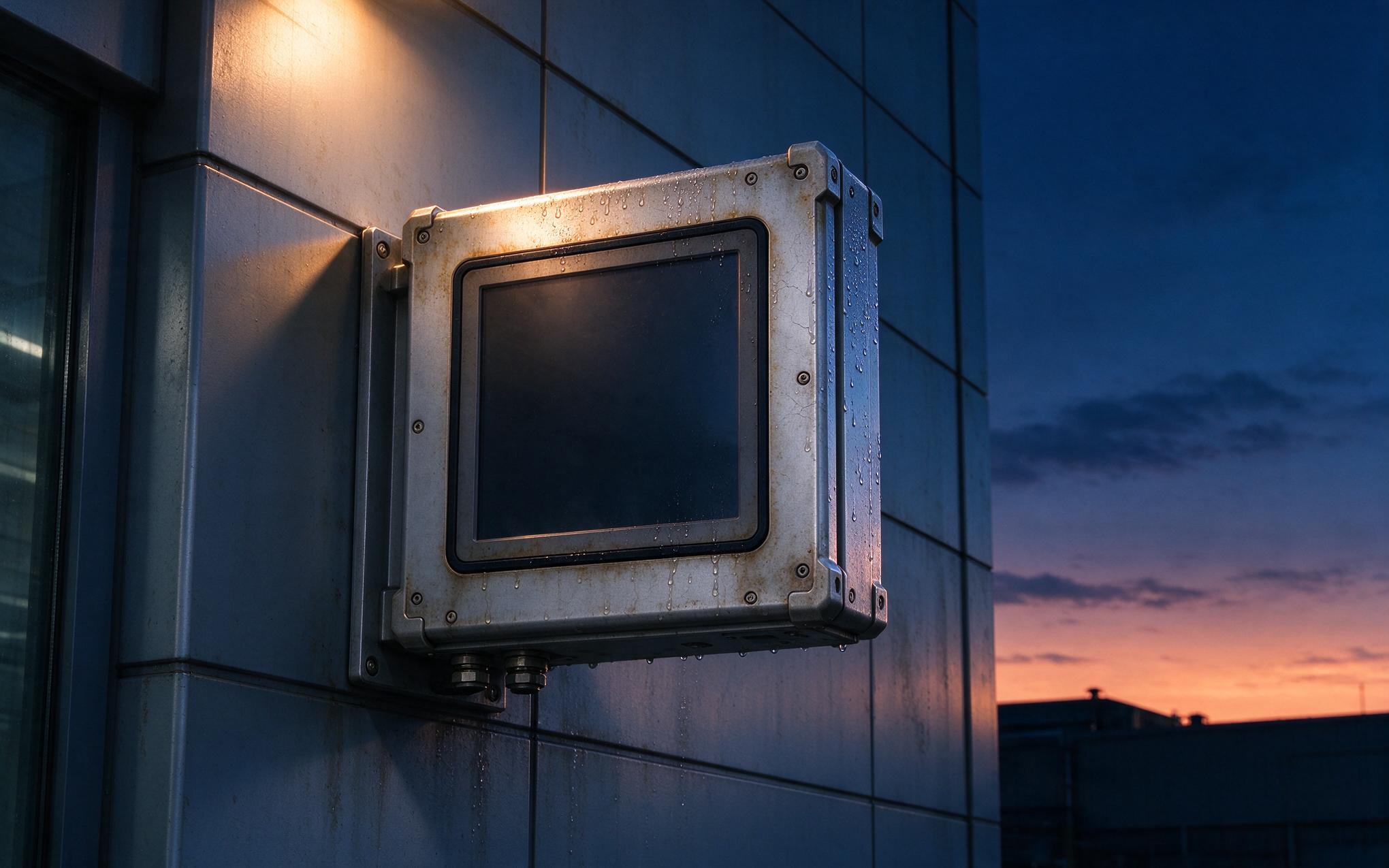
Under Daily Temperature Swings in Sealed Housings
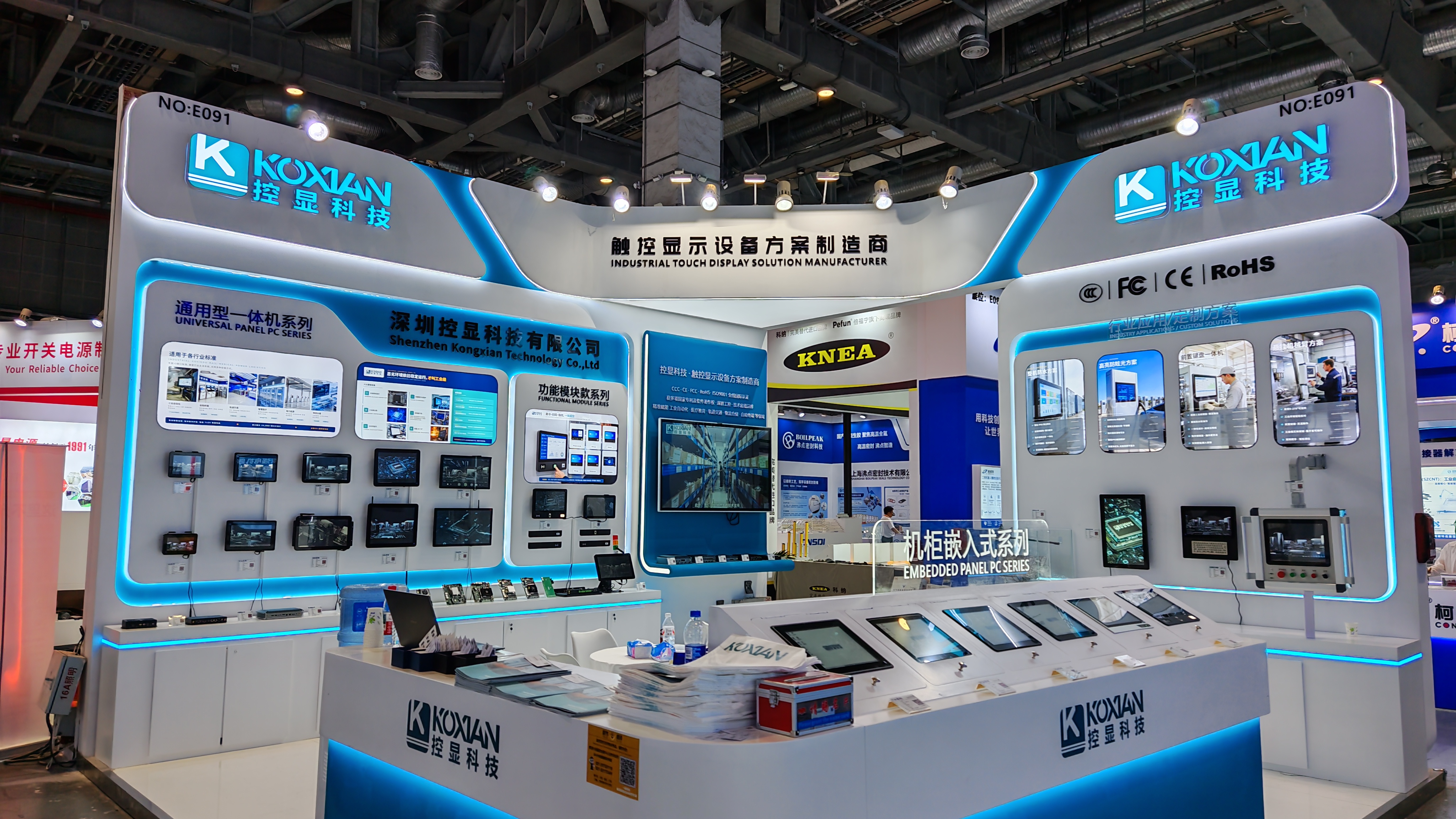
Sealed enclosures obey the ideal gas law. When internal air temperature rises by 30°C during afternoon solar loading, the air expands by roughly 10 percent in volume. In a rigid housing, that expansion translates directly into positive pressure against every gasket seam and cable gland penetration. Field observations from outdoor solar monitoring installations show that sealed panel PC units without pressure compensation experience measurable gasket deformation after repeated thermal cycles, and hardware designs from manufacturers such as KOXIAN that incorporate breathable membranes demonstrate significantly lower rates of seal degradation over comparable deployment periods. The reverse occurs at night: cooling air contracts, creating negative internal pressure that pulls external humid air toward any microscopic gap in the seal line. This daily expansion and contraction repeats hundreds of times per year, and the cumulative stress on elastomeric seals is substantial even when each individual event appears negligible.
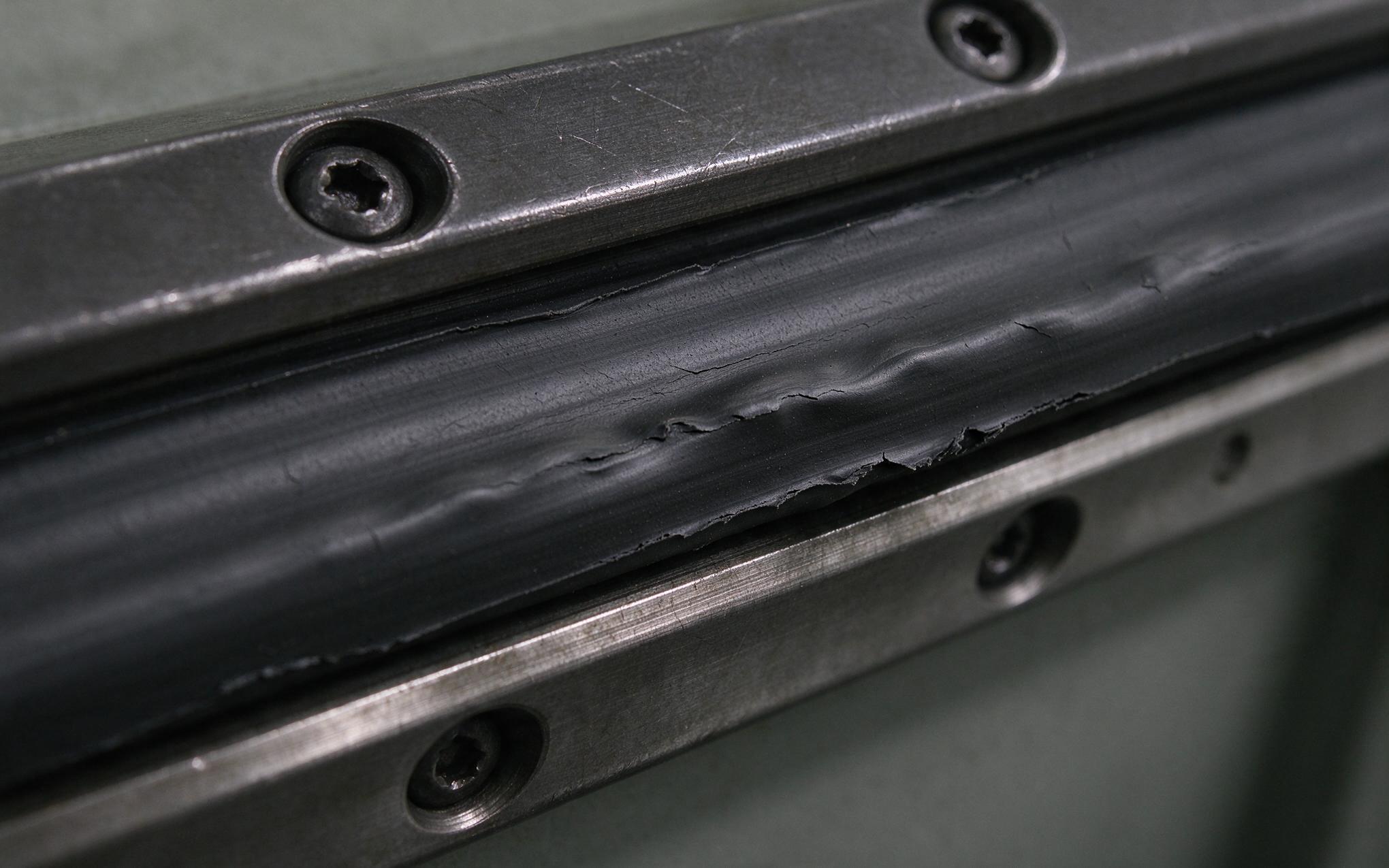
How Pressure Cycling Fatigues Gasket Seals Over Time
The mechanical impact of repeated pressure cycling on elastomeric gaskets follows a well-documented fatigue curve. Each positive pressure event compresses the gasket material beyond its designed preload, and each negative pressure event stretches it in the opposite direction. Over hundreds of cycles, the material develops compression set, permanently losing the elastic recovery needed to maintain a uniform seal line. Silicone and EPDM gaskets exhibit different resistance profiles, but both degrade faster under combined pressure and thermal stress than under either factor alone. The result is a gradual widening of microscopic leak paths that allow humid air to infiltrate during negative-pressure phases. Once inside, moisture condenses on cold internal surfaces during the next cooling cycle, initiating corrosion on connector pins, PCB traces, and terminal blocks long before visible water ingress would trigger a maintenance alert.
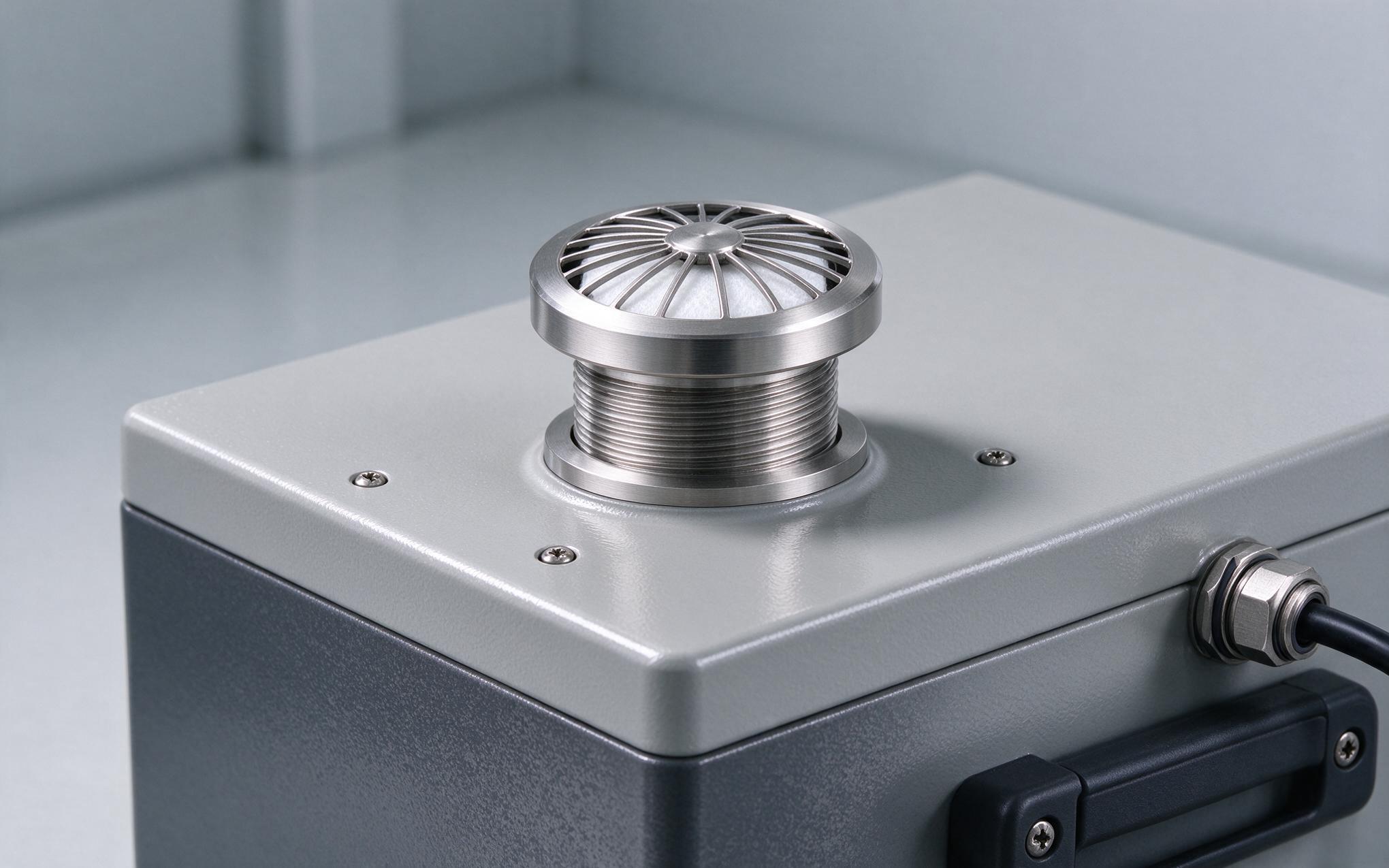
With Membrane Vents for Industrial Panel PC IP65 Units
Microporous membrane vents solve the pressure equalization problem without compromising ingress protection. An expanded polytetrafluoroethylene membrane contains billions of pores per square centimeter, each small enough to block liquid water droplets and dust particles but large enough to allow air molecules to pass freely. When integrated into an industrial panel pc ip65 housing, the vent continuously equalizes internal and external pressure, eliminating cyclic stress on gaskets and cable glands. The membrane element itself carries an IP65 or higher ingress protection rating, so the overall enclosure classification remains unchanged. Engineers evaluating venting solutions for sealed panel PC deployments can reference the membrane integration approaches used in KOXIAN industrial panel PC product lines as a practical baseline for airflow sizing and environmental durability.
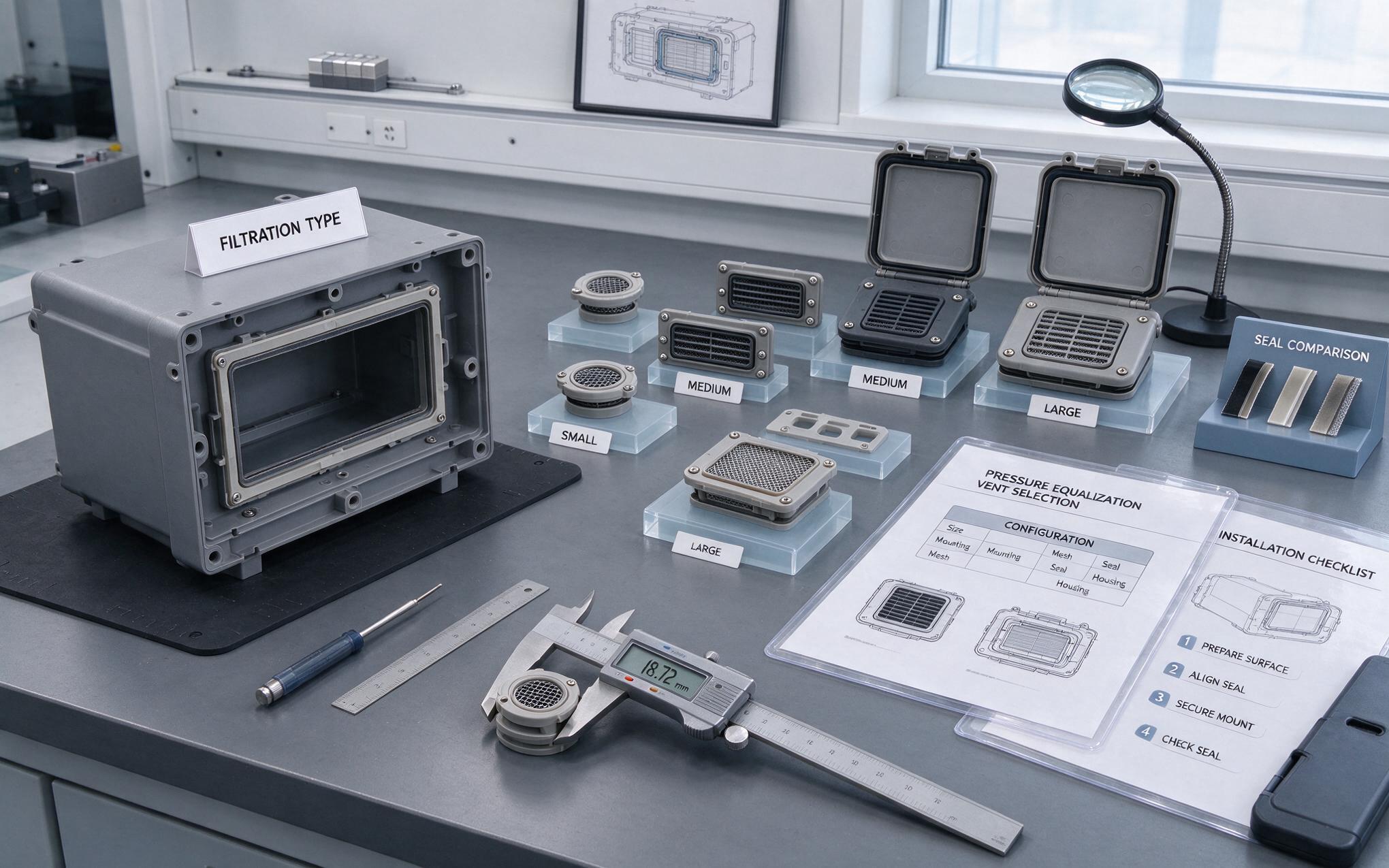
Selecting Pressure Equalization Hardware for Harsh Sites
Specifying a pressure equalization vent requires matching several parameters to the actual deployment environment. Airflow capacity must equalize pressure within the fastest expected temperature transition rate, which depends on enclosure volume, surface area, and local climate conditions. Membrane material must withstand the chemical exposure profile of the site, whether that involves caustic cleaning agents, salt spray, or industrial solvents. The vent housing material should match the corrosion resistance of the enclosure itself. For a sealed panel PC installation in a coastal food processing plant, a 316L stainless steel vent body with an oleophobic membrane provides corrosion resistance and protection against oil-based contaminants that would clog a standard membrane. The operating temperature range of the vent assembly must span the full rated temperature envelope of the enclosure to avoid becoming the new weakest link.
Pressure equalization is an often-overlooked aspect of sealed enclosure engineering that directly affects long-term reliability. An industrial panel pc ip65 rated housing provides robust protection against external contaminants, but without a mechanism to manage internal pressure dynamics, the gasket system becomes the predictable failure point. Membrane vent technology offers a proven solution that maintains the IP rating while eliminating the root cause of pressure-induced seal fatigue. Specifying engineers should evaluate pressure management alongside processing performance, display readability, and mounting compatibility when choosing hardware for thermally variable environments.