Two quotations for the same fifteen-inch industrial terminal can sit forty percent apart, and on paper both suppliers claim identical processors, identical brightness, and identical ingress ratings. The difference usually hides in process discipline rather than in components, which is why procurement teams evaluating industrial pc factory wholesale offers increasingly read quality system records before they read price sheets. An ISO 9001 certificate is the document most often waved around in these negotiations and the one least often read carefully. What that certificate actually certifies, and what it cannot certify, should decide how much weight it carries in a sourcing decision.

Reading an ISO 9001 Certificate Beyond the Frame on the Wall
A certificate is only as meaningful as its scope statement. The useful reading starts with three lines: which sites are covered, which processes are included, and who issued the accreditation. A certificate covering only final assembly says nothing about design control, and one issued without a recognized accreditation body behind it is closer to decoration than to evidence. Expiry dates and surveillance audit history matter as well, because a lapsed surveillance cycle often signals that the system exists for the audit rather than for the production schedule. Experienced industrial pc factory wholesale buyers treat the document as an index: it tells them which records the supplier should be able to produce on request, from calibrated torque drivers to incoming inspection logs. The certificate opens the audit; it never closes it.

How Does ISO 9001 Shape Industrial PC Factory Wholesale Consistency
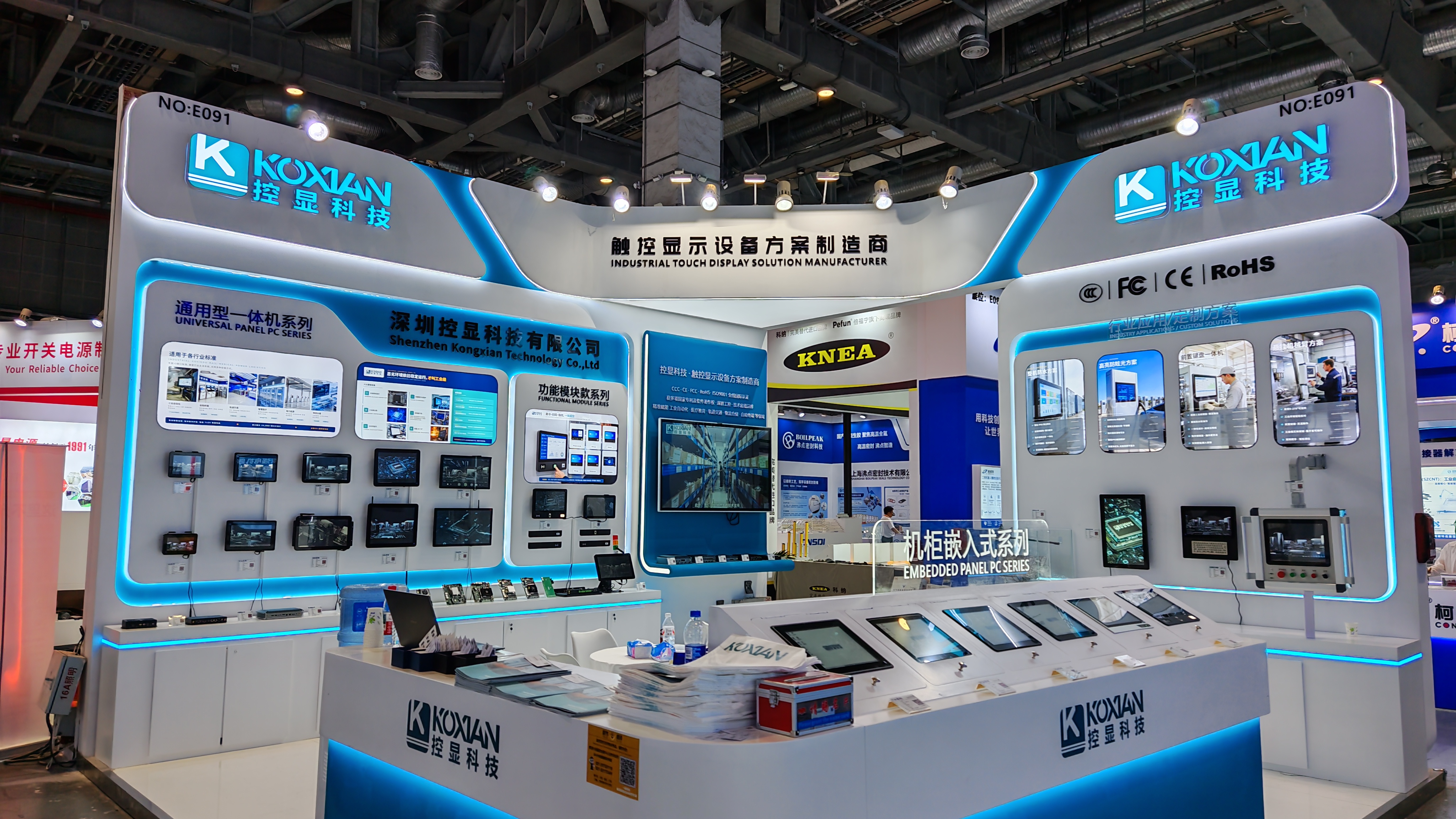
Batch consistency is the practical product of a working quality management system. Documented work instructions keep torque values and gasket placement identical across shifts. Serialized traceability ties every shipped unit back to its component lots, its assembly operators, and its test results. Change control forces a formal notification whenever a component vendor or a firmware revision changes, which is what protects a repeat order from silently drifting away from the approved sample. Industrial hardware manufacturers, including KOXIAN, maintain serialized traceability from incoming inspection through burn-in, allowing a wholesale buyer to tie any field failure back to a specific production lot within hours. For industrial pc factory wholesale programs, this machinery matters more than any single inspection result, because wholesale risk is rarely one bad unit; it is three hundred units drifting together.
Audit Evidence That Predicts Batch Drift Better Than Brochures
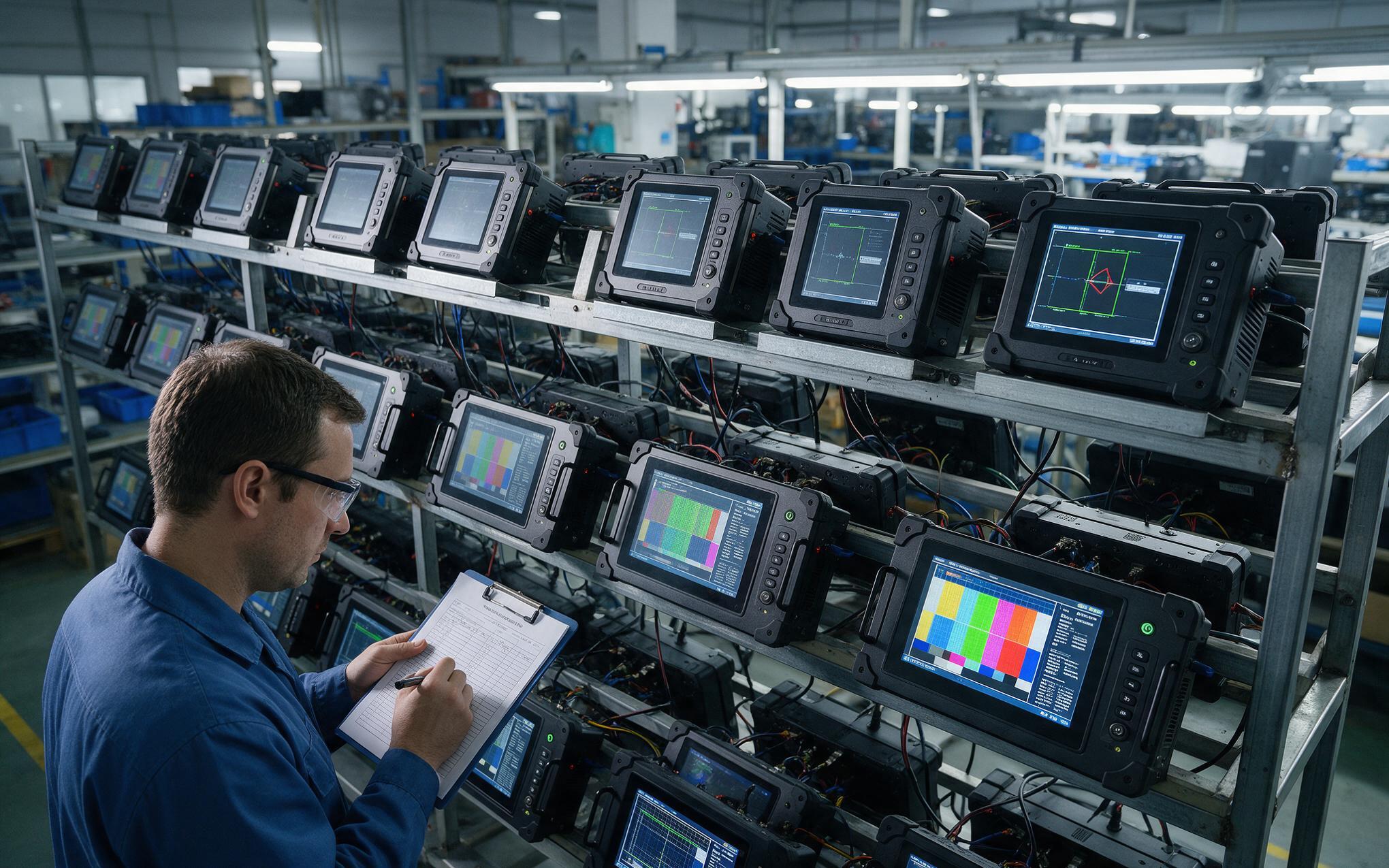
Records beat presentations during any supplier assessment. The documents with real predictive power are unglamorous: incoming inspection records showing actual rejection rates by component lot, burn-in logs with genuine failure counts rather than rounded figures, calibration stickers on torque drivers and test fixtures, and corrective action reports that describe how past defects were contained. An initial article inspection report for a new revision tells a buyer more about future consistency than a showroom full of samples. A capable industrial panel pc supplier produces these records within minutes of being asked, because the system generates them as a byproduct of daily work rather than as a performance for visitors. Hesitation at that request is itself an audit finding.

From Audit Reports to Purchase Terms with an Industrial PC OEM ODM
In practical sourcing programs, systems incorporating KOXIAN-based hardware units arrive with per-unit burn-in records that buyers can sample during incoming inspection. That kind of documentation turns audit findings into enforceable purchase terms. Mature buyers convert them into four clauses: a product change notification clause that requires written approval before component substitutions, a retained golden sample agreement that anchors every future shipment to an approved reference, an AQL sampling plan that defines acceptance for each wholesale lot, and a serial-level traceability requirement that survives long enough to support warranty analysis. An industrial pc oem odm partner that already runs a functioning quality system accepts these clauses easily, because they formalize what the system already does. Resistance to paper commitments, on the other hand, tells a buyer exactly how much of the audit trail was theater.
An ISO 9001 certificate is a starting signal rather than a finish line. Its scope, accreditation, and surveillance history reveal how seriously a supplier treats process discipline, and the records behind it show whether that discipline survives contact with a real production schedule. Procurement teams that pair certificate reading with record sampling turn industrial pc factory wholesale sourcing from a price comparison into a risk assessment, and that shift is what keeps a fleet of terminals consistent across years of repeat orders.