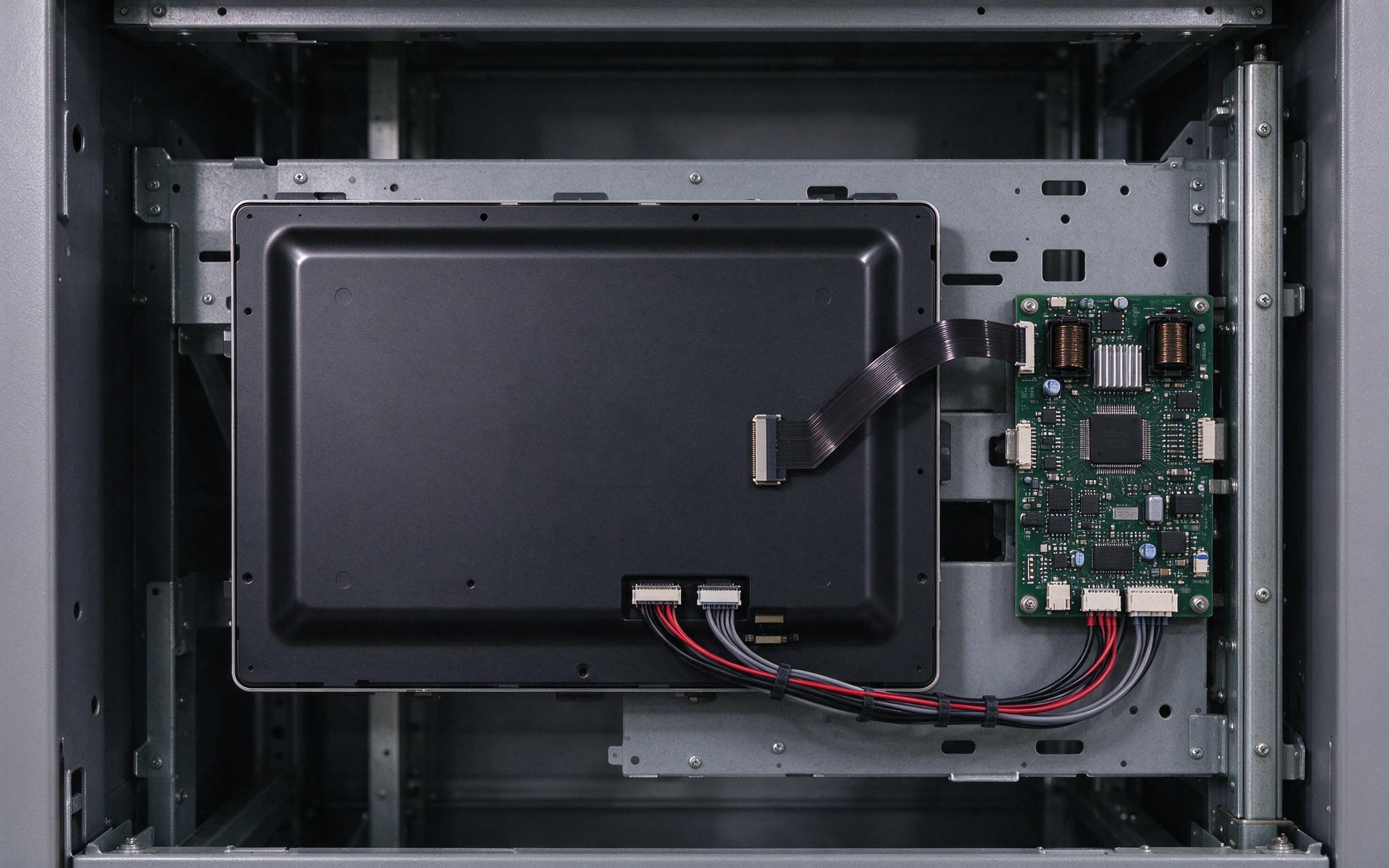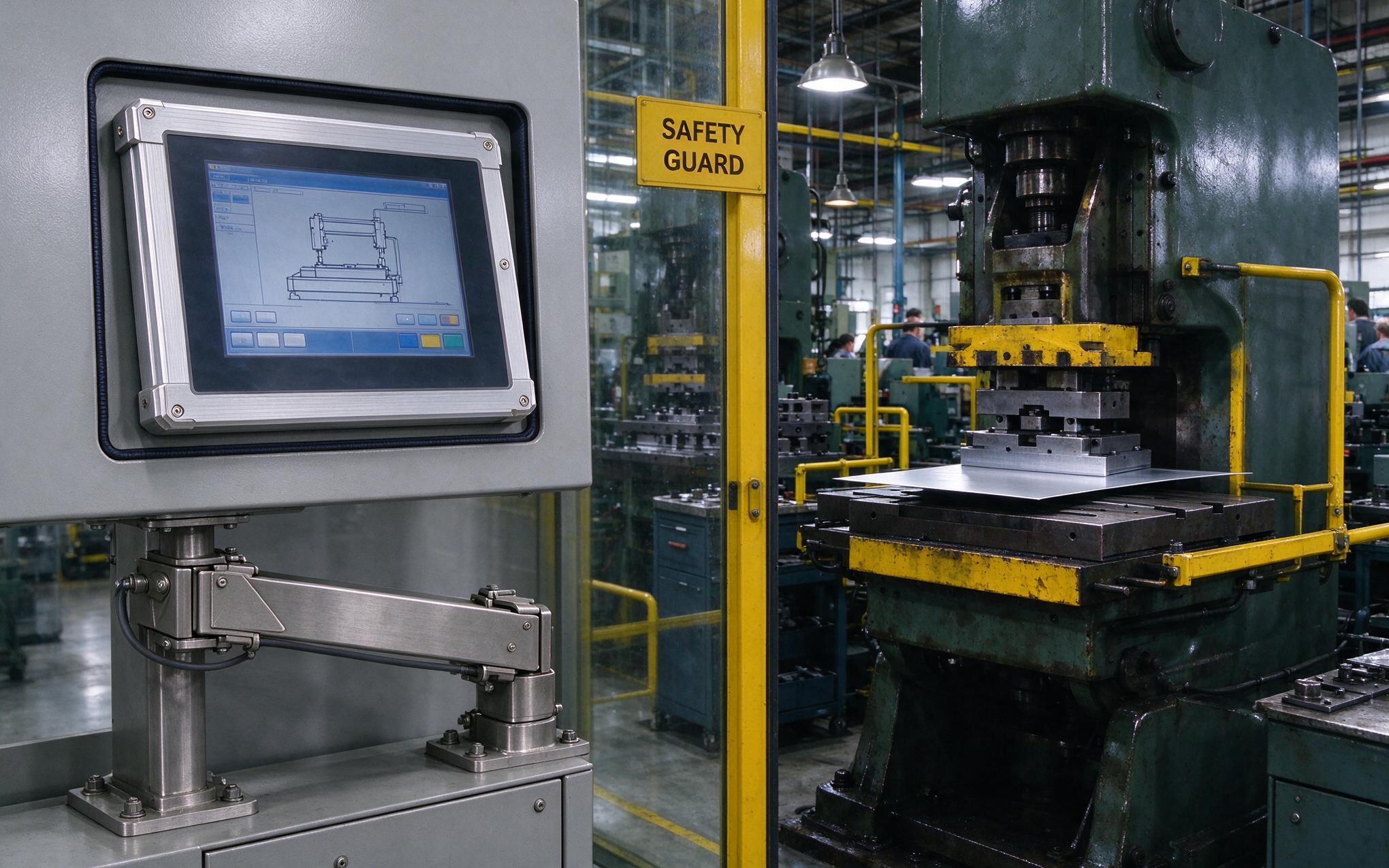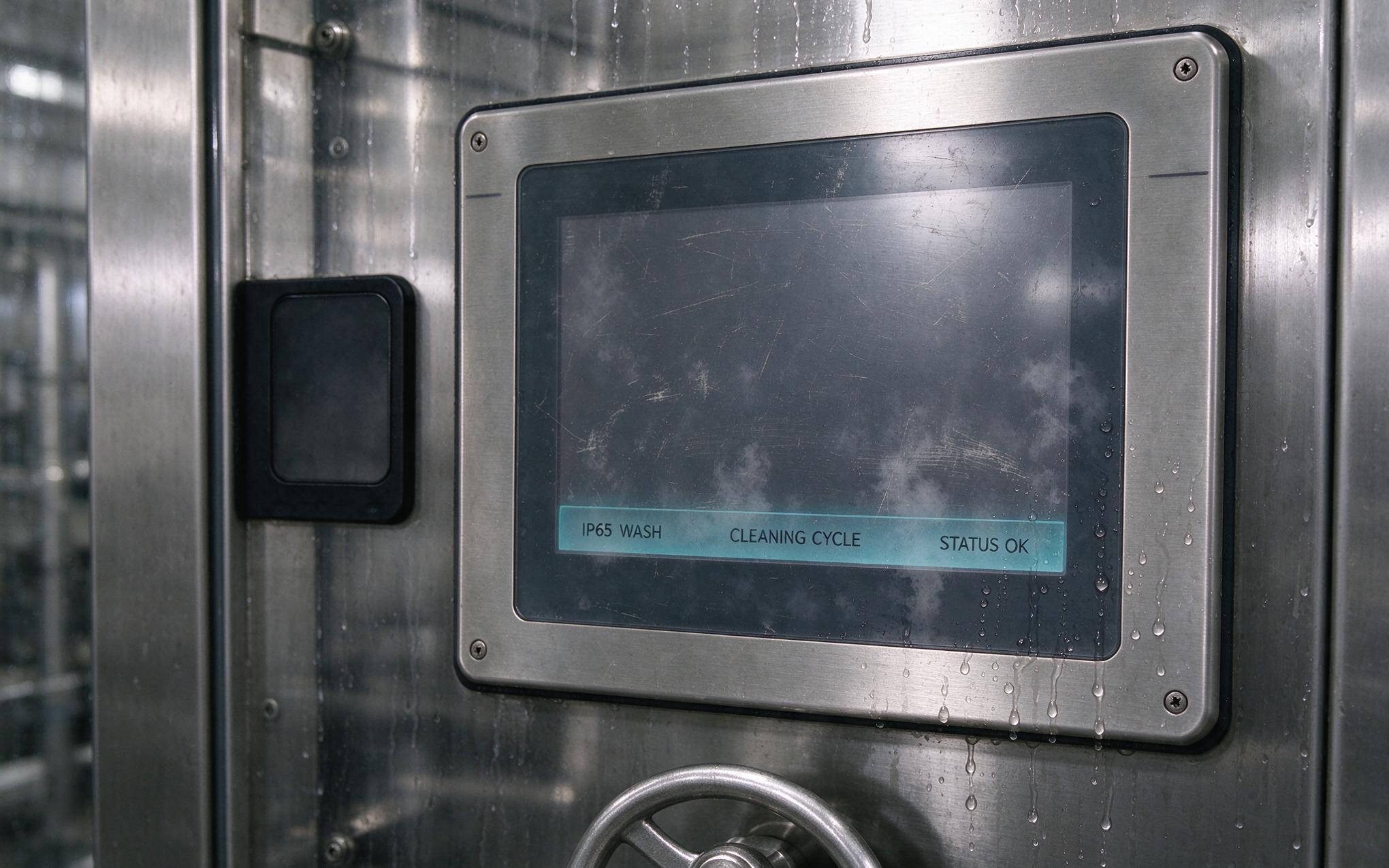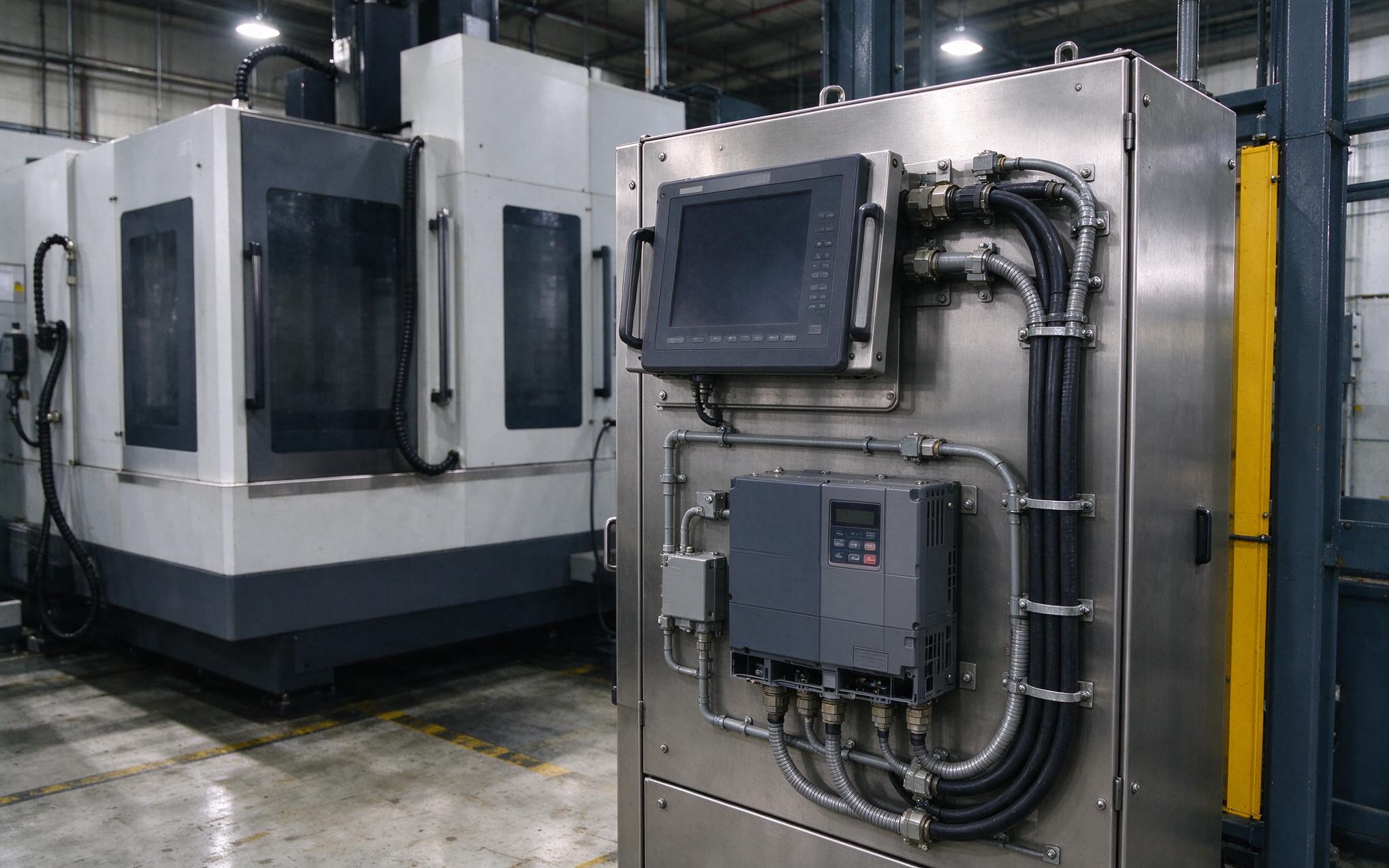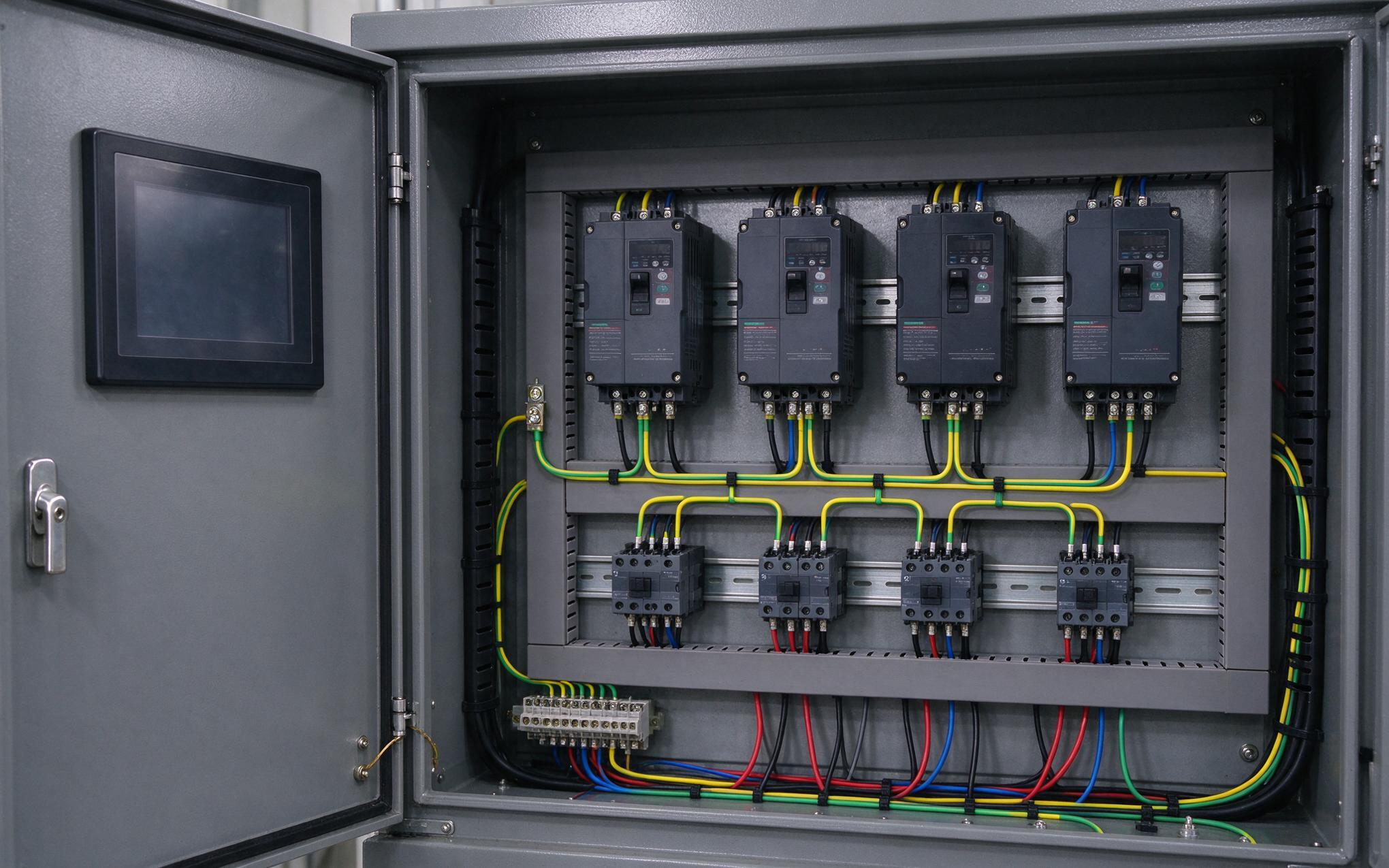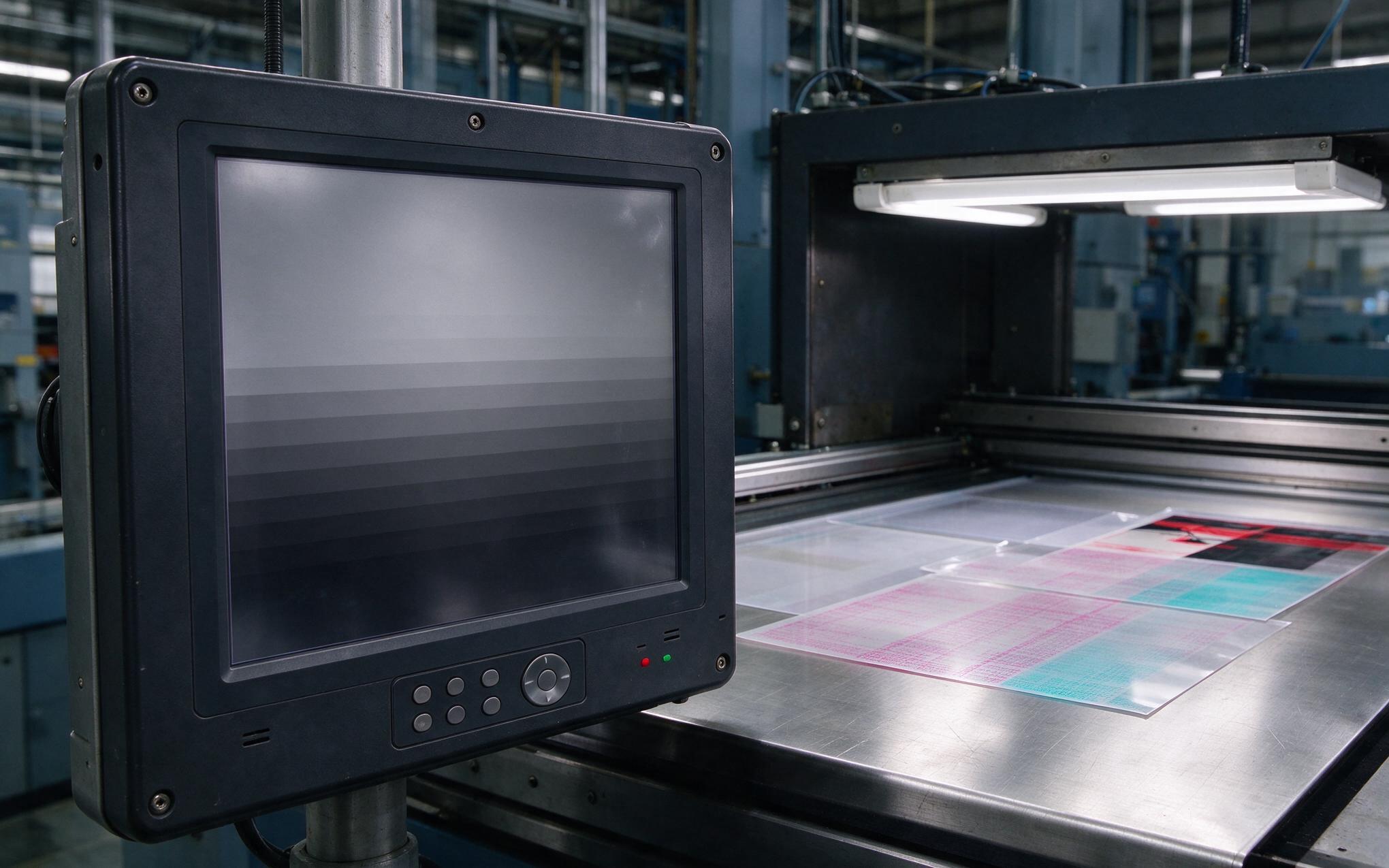
On a pharmaceutical packaging line, the morning startup sequence determines whether the shift begins on schedule. A production operator presses the power button on an industrial panel pc linux terminal, expecting the operator dashboard to load within seconds. Instead, the screen lingers on scrolling text as services start one by one. Scanners remain offline. The conveyor waits. Every minute of delay translates directly into lost throughput. The root cause traces to how the init system orchestrates the boot sequence.

Service Dependency Ordering in systemd
Traditional SysVinit scripts execute services sequentially, each waiting for the previous one to finish. In a Linux-based industrial deployment, non-essential services like print spoolers block critical components such as network managers and display controllers from launching. Systemd replaces this chain with a dependency graph mapping which services require others to be running beforehand.
Engineers define Before and After relationships alongside Requires and Wants dependencies through unit files. A touchscreen calibration daemon can declare Requires for the input subsystem but no relationship to the printing service. Systemd resolves these declarations into a directed acyclic graph and activates services in parallel wherever the structure allows, cutting boot time from minutes to seconds on typical industrial hardware.
This ordering also prevents race conditions that plague factory floors. When a SCADA data collector starts before the network stack initializes, it fails silently or connects to stale endpoints. Systemd eliminates these timing bugs by guaranteeing prerequisites are met before dependent services receive a start signal.

Parallel Socket Activation and Early-Boot Speed
Socket activation decouples service startup from port binding. Systemd creates the socket during early boot and holds connections until the actual service binary is ready, meaning network-facing services do not block on their full initialization sequence before the system accepts connections.
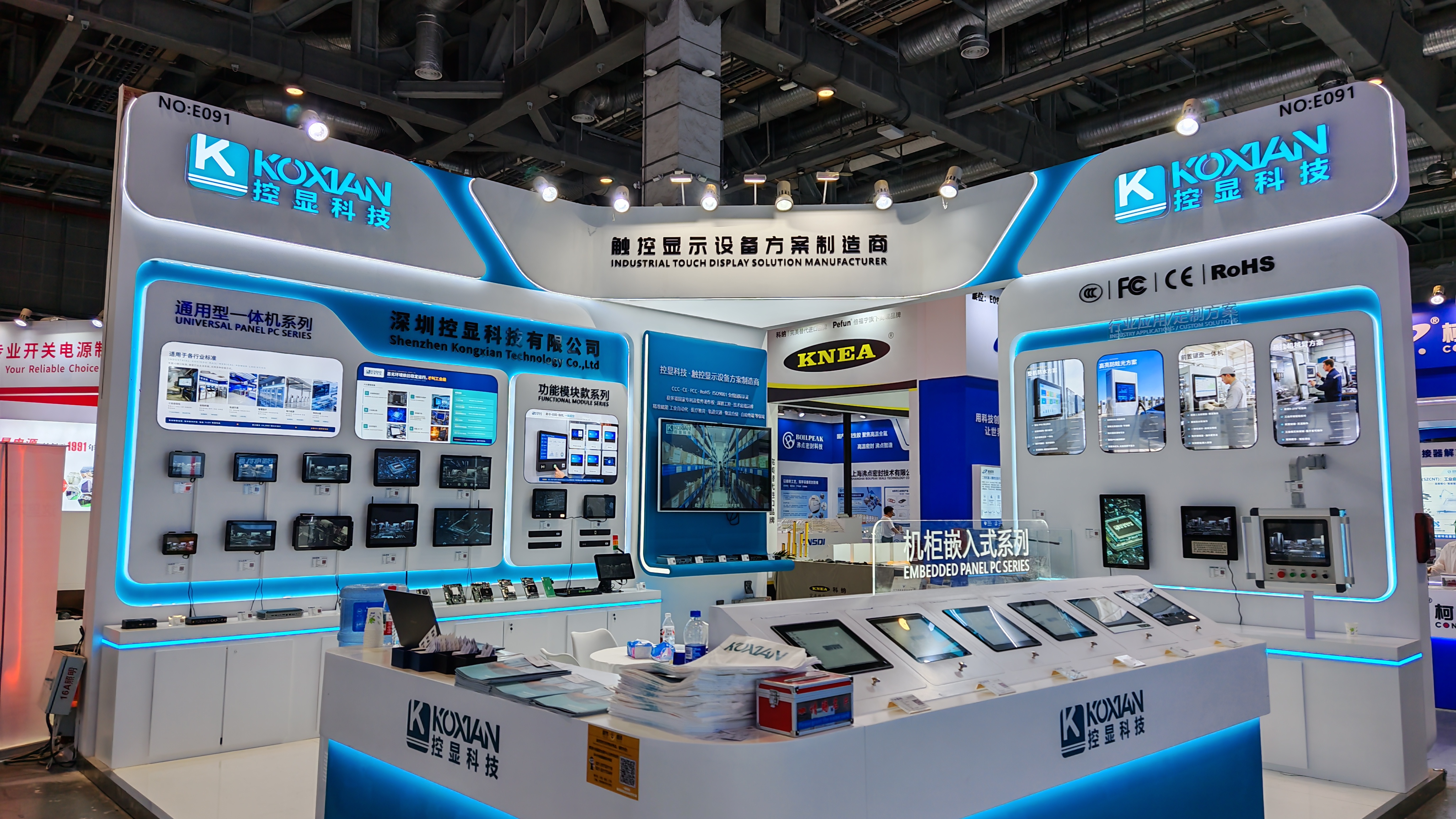
Manufacturers like KOXIAN ship panel PCs where the boot partition resides on industrial-grade eMMC or NVMe with deterministic read latencies. When systemd leverages socket activation on this hardware, the network stack becomes responsive almost immediately after the kernel hands off to userspace. Engineers configuring remote management or OPC UA gateways notice the panel responds to network probes within seconds of power-on.
Device enumeration follows a similar principle. Systemd-udev processes hardware events in parallel with service activation, making touch controllers, serial ports, and GPIO pins available to applications as soon as their drivers load. For industrial panel pc linux systems that must present a functional operator interface within a defined startup window, this parallelism is a design requirement.

Service Supervision and Automatic Recovery
Boot reliability extends beyond the initial startup. On a factory floor running around the clock, the panel must recover autonomously when a service crashes. Systemd provides built-in process supervision through Type=simple and Type=notify service models, automatically restarting failed services according to configurable policies. Deployments from vendors such as KOXIAN benefit from this supervision because it eliminates external process managers that would consume memory on resource-constrained hardware.
Restart=on-failure relaunches crashed services, while StartLimitBurst and StartLimitIntervalSec prevent restart loops. For industrial panel pc linux deployments, a transient network glitch does not permanently disable the data logging service—systemd detects the failure, waits for the backoff interval, and retries without human intervention.
Watchdog integration adds further resilience. A service periodically notifies systemd through sd_notify, and if the notification stops, systemd restarts the service. In environments where Linux-based panel terminals run unattended for months—such as remote water treatment stations—this watchdog catches frozen processes that would otherwise require a manual site visit.

Lean systemd Configuration for Industrial Deployments
A production industrial panel pc linux image should run only services required for its role. The Mask= directive completely disables a unit, preventing it from starting even as a dependency. By masking Bluetooth, Avahi, and other services irrelevant to a production line terminal, engineers reduce both attack surface and boot time.
Systemd timers replace cron with scheduling integrated into the same dependency and logging infrastructure. Timer units can depend on network availability or hardware states, ensuring scheduled tasks execute only when the system is in a known-good state. For Linux-based panel systems in harsh thermal environments, timers benefit from built-in jitter randomization, preventing all deployed units from hitting a central server simultaneously after facility-wide power restoration.
Journald configuration completes the strategy. Setting SystemMaxUse and SystemMaxFileSize caps journal size on storage-constrained panel PCs while retaining diagnostic data for troubleshooting. Persistent journal storage on industrial-grade flash ensures crash logs survive power loss, giving maintenance teams forensic data without consuming limited write cycles.
For teams managing fleets of Linux panel PCs, systemd transforms boot reliability from luck into a controllable engineering parameter. Dependency-aware service ordering, parallel activation, automatic recovery, and lean configuration deliver the deterministic startup behavior industrial environments demand. As Linux adoption in industrial automation grows, mastering systemd becomes a baseline competency for anyone deploying Linux-based panel PCs in production.