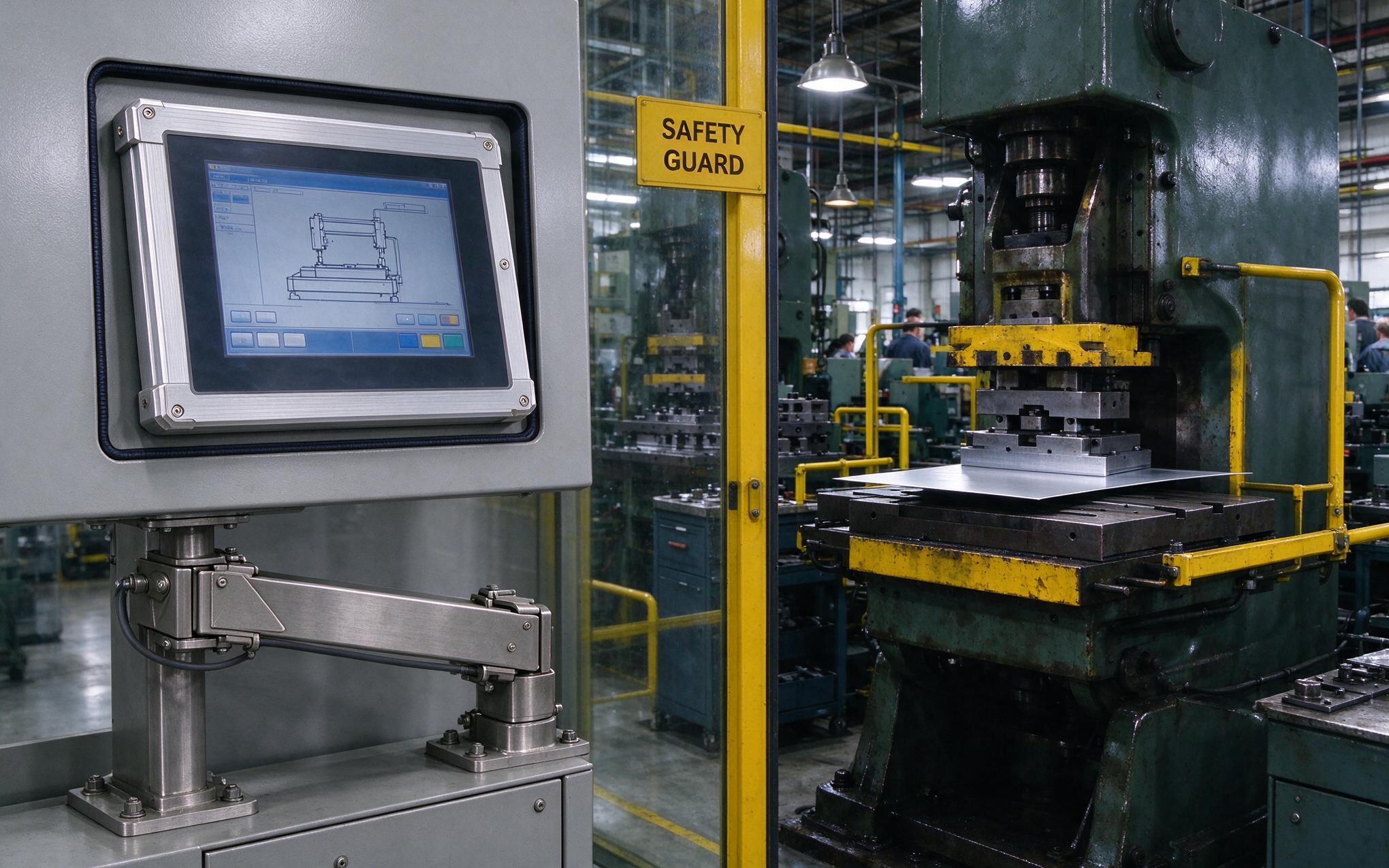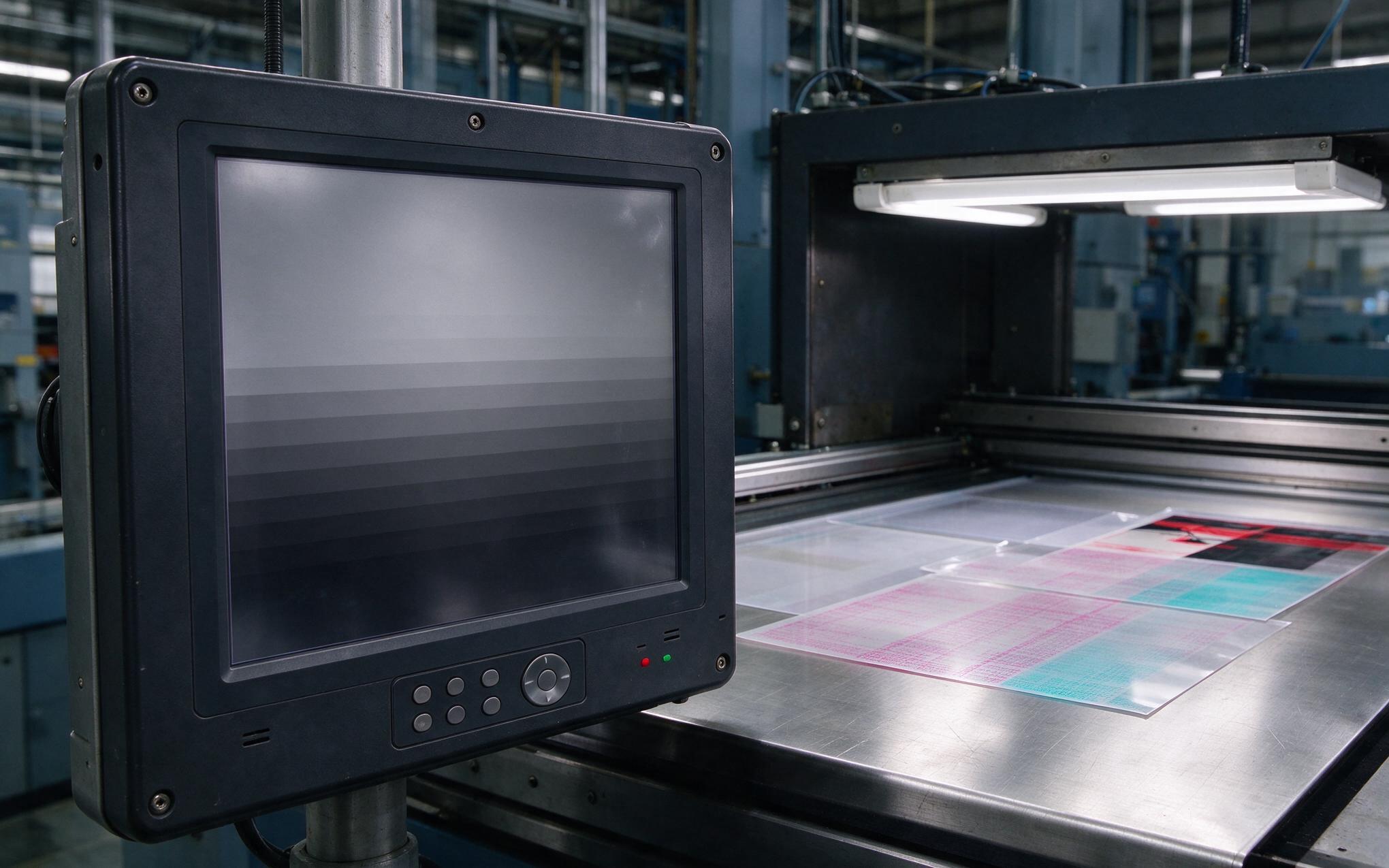
Three consecutive shifts of unreadable screen data pushed a metalworking plant to audit every display on its shop floor, and the audit found consumer-grade panels failing on all three fronts that matter: particulate ingress through unsealed bezels, contrast collapse under skylight glare, and intermittent reboots traced to vibration-damaged storage. A rugged industrial display designed for continuous service addresses these failure modes through purpose-built enclosure engineering, sealed front panels, and component selection rated for sustained operation. Specifying one correctly means matching sealing architecture, optical performance, and compute serviceability to the specific zone where the unit will live.

Beyond the Rating Plate in Enclosure Sealing Design
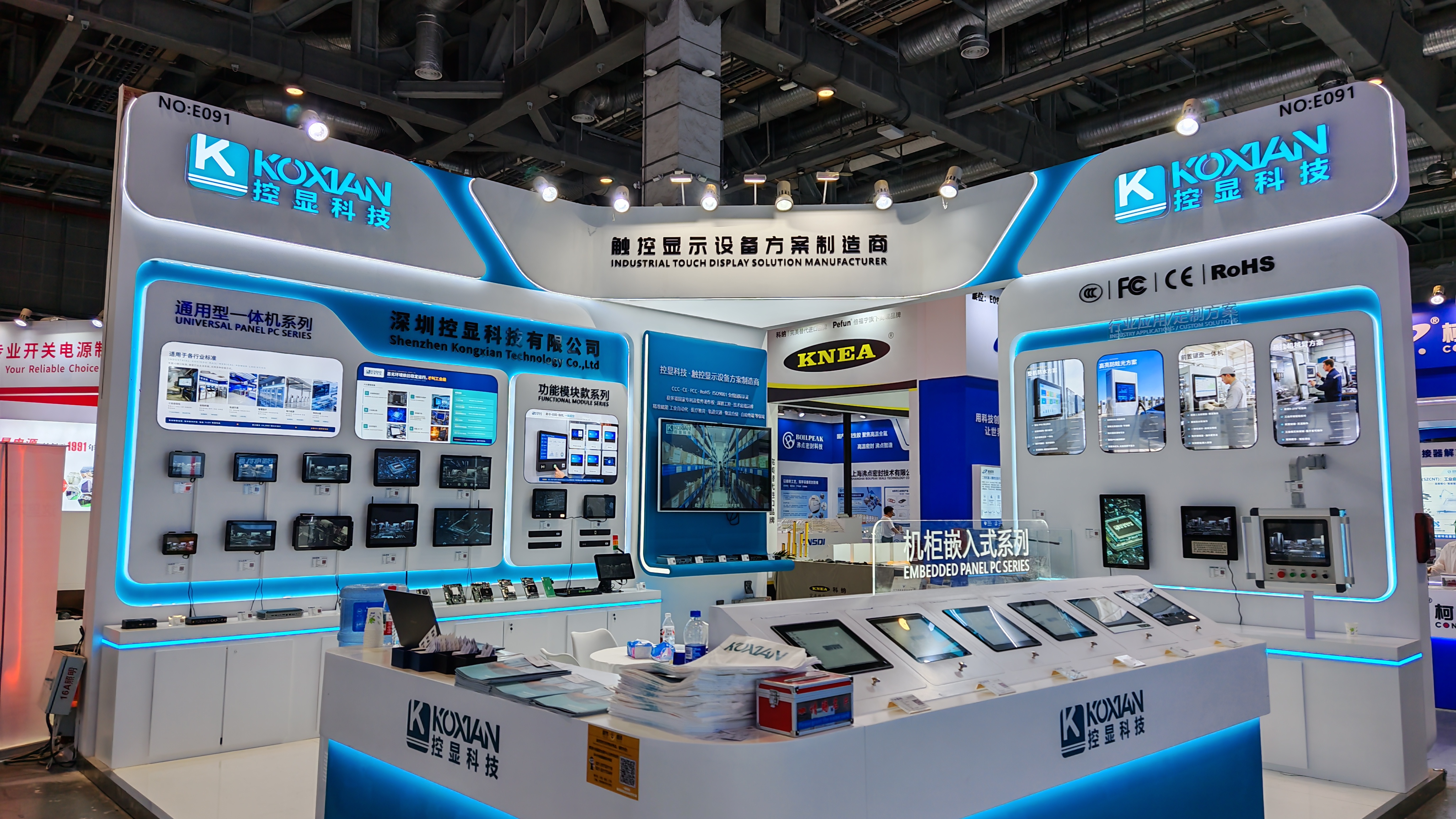
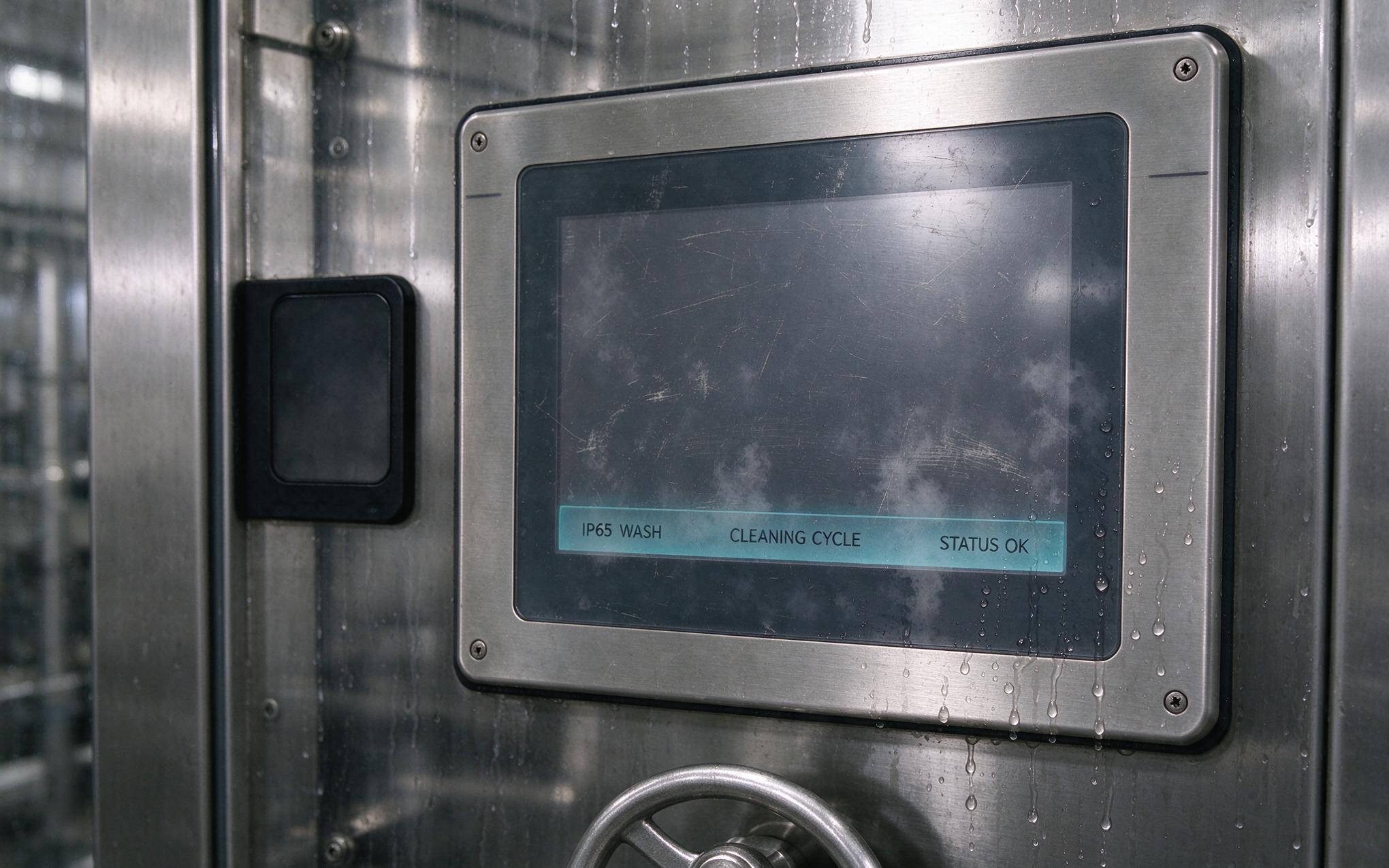
The ingress protection rating printed on a spec sheet tells only part of the story. An IP65-rated front panel prevents dust ingress and withstands low-pressure water jets, but achieving that rating consistently across temperature cycling requires precision gasket design and controlled panel flatness. Silicone gaskets compressed between the bezel and the LCD module must maintain their seal through thousands of thermal expansion cycles, particularly where ambient temperatures swing from near-freezing at night to above 40 degrees Celsius during daytime production. Enclosure material choice further influences long-term durability. Die-cast aluminum housings dissipate heat passively while resisting the chemical exposure common in metalworking and chemical processing plants. Powder-coated steel enclosures offer adequate protection at lower cost but corrode faster in coastal or washdown environments. When evaluating a rugged industrial display for a specific factory zone, the sealing architecture and housing material should be validated against the actual contaminants present, not just the nominal rating. Brands like KOXIAN specify die-cast aluminum with marine-grade coating for installations near chemical processing lines, demonstrating how material selection directly affects service intervals.

Optical Performance in High-Ambient-Light Factory Zones
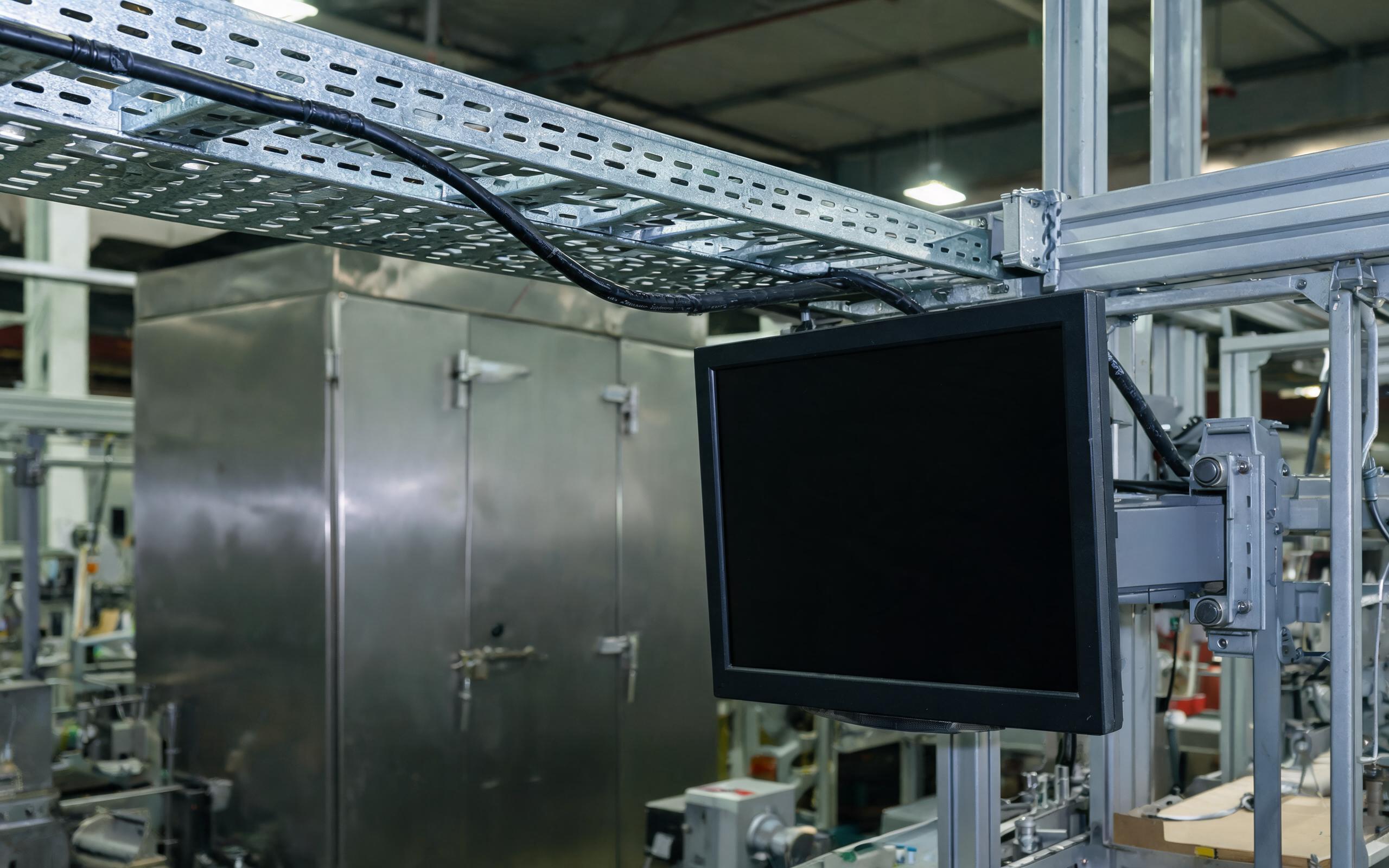
Operators stationed near loading docks, outdoor assembly areas, or under high-bay skylights face a different challenge: screen readability under intense ambient light. A standard 250-nit panel becomes nearly useless when direct sunlight strikes the screen surface. Sunlight readable display solutions employ high-brightness backlights rated at 1,000 nits or above, combined with anti-glare optical coatings that scatter reflected light without degrading image sharpness. Panels from vendors including KOXIAN publish measured nit values at the glass surface rather than at the backlight, a distinction that matters once optical bonding and anti-glare layers absorb part of the output. Optical bonding eliminates the air gap between the LCD cell and the protective cover glass, reducing internal reflections and improving contrast in bright conditions. For applications where operators view the screen from wide angles, such as overhead crane cabins or mezzanine walkways, wide viewing angle panels preserve color accuracy and text legibility from off-axis positions. A rugged industrial display equipped with these optical features maintains operator efficiency across the full range of lighting conditions encountered during a typical factory shift.

Processing Architecture and Long-Term Serviceability
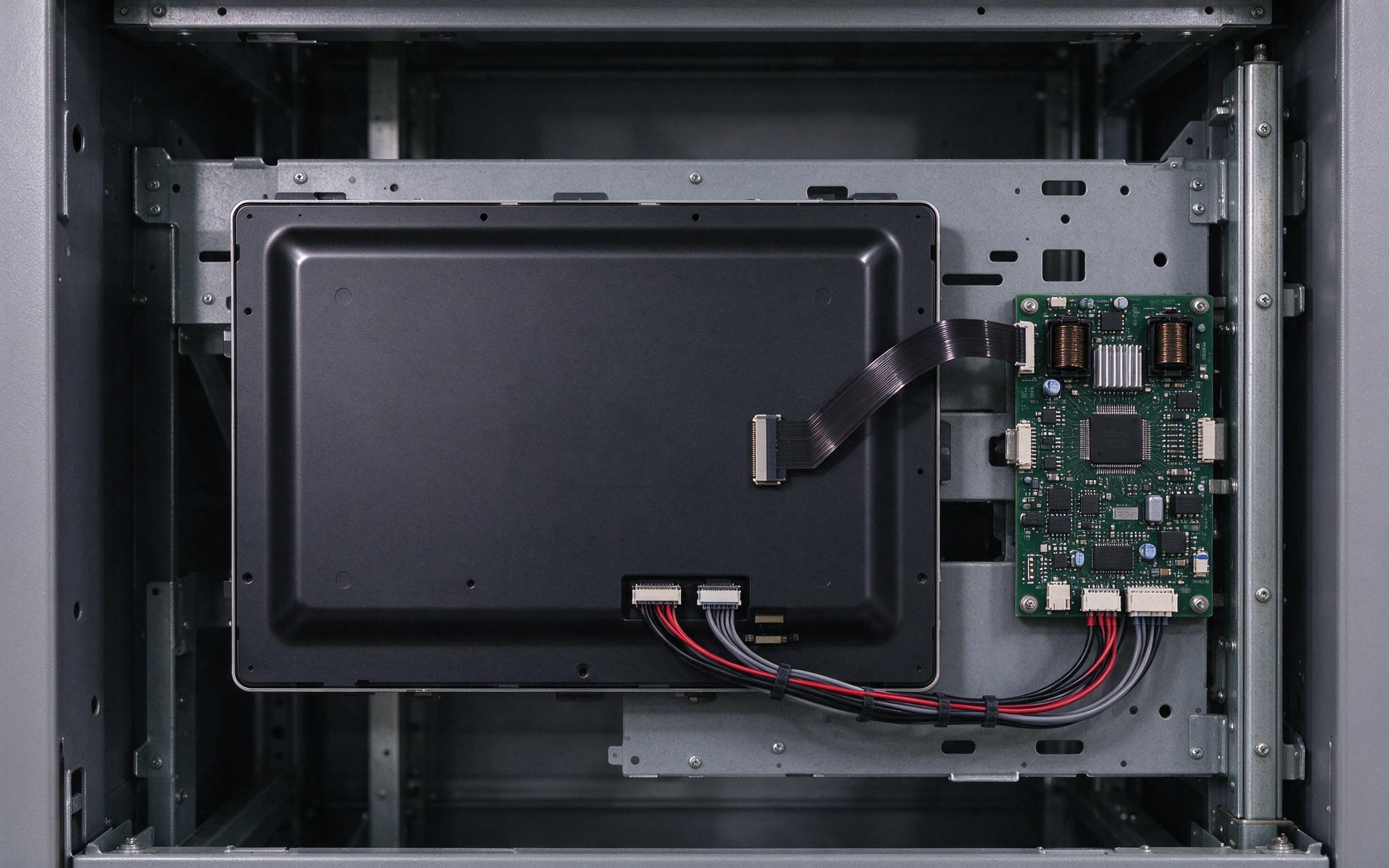
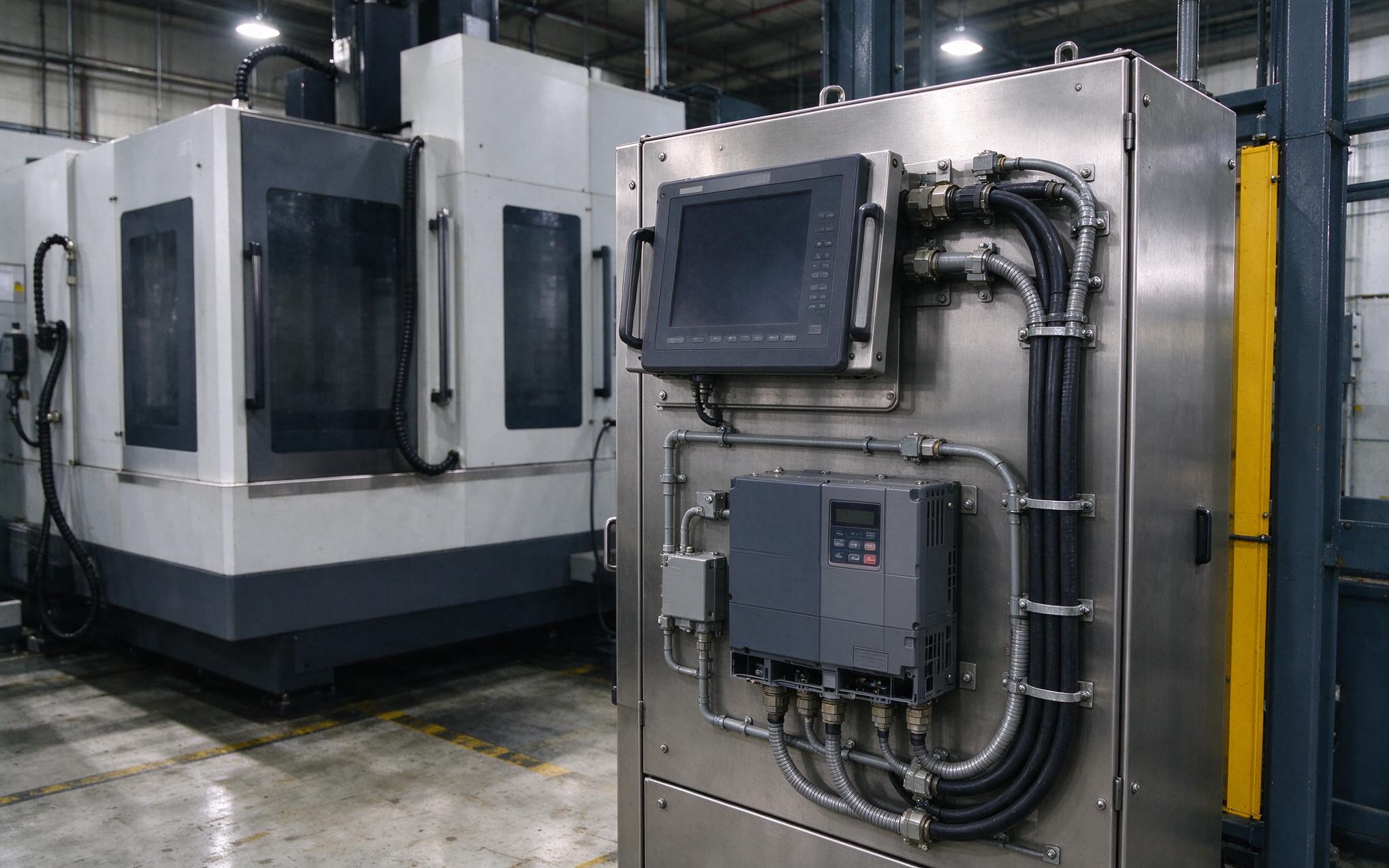
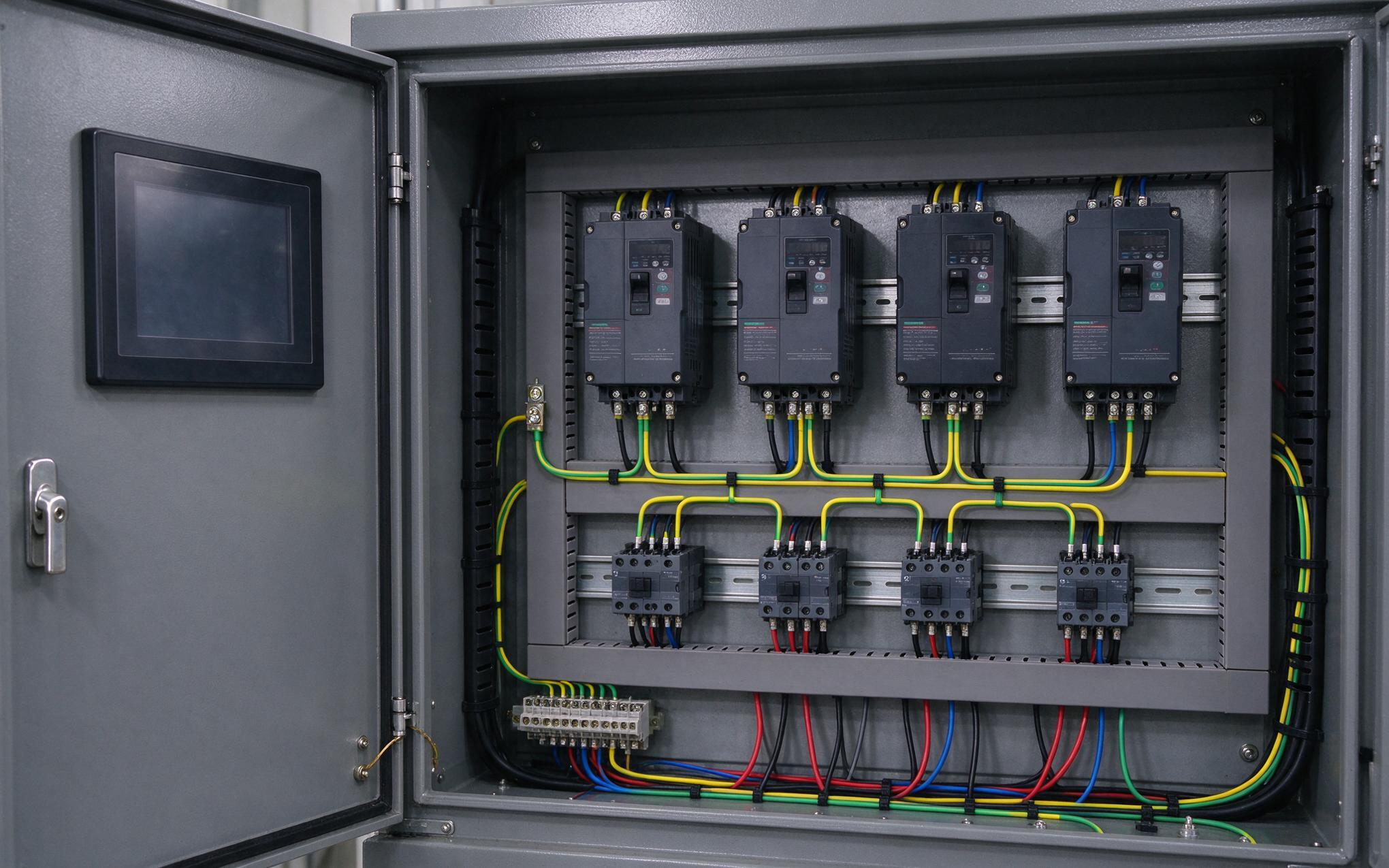
With edge computing spreading across factory automation, the processing power housed within a rugged industrial display matters as much as its exterior protection. Systems built around energy-efficient x86 or ARM platforms deliver sufficient compute for SCADA visualization, quality inspection dashboards, and real-time production metrics without generating excessive heat. Fanless architectures eliminate the most common mechanical failure point in industrial computing, while solid-state storage resists the vibration that conventional hard drives cannot tolerate. Industrial monitor suppliers such as KOXIAN address this balance by pairing sealed aluminum enclosures with modular I/O configurations, enabling one platform to serve applications from CNC machine monitoring to packaging line inspection. For system integrators, the deciding consideration is whether the internal hardware roadmap aligns with the plant’s five-year production cycle, since replacing an entire rugged industrial display because of an obsolete processor costs far more than upgrading a discrete compute module.
Selecting hardware for harsh factory service means treating the enclosure, the optical stack, and the compute module as three separate qualification exercises rather than one purchasing decision. A unit that seals reliably but washes out under skylight glare fails just as completely as one with excellent optics and a corroding bezel. Engineers who document actual zone conditions, ambient light levels, and expected service intervals before requesting quotes consistently deploy equipment that survives its full depreciation cycle. The specification effort spent up front costs a fraction of the downtime generated by a panel that was never suited to its installation zone.