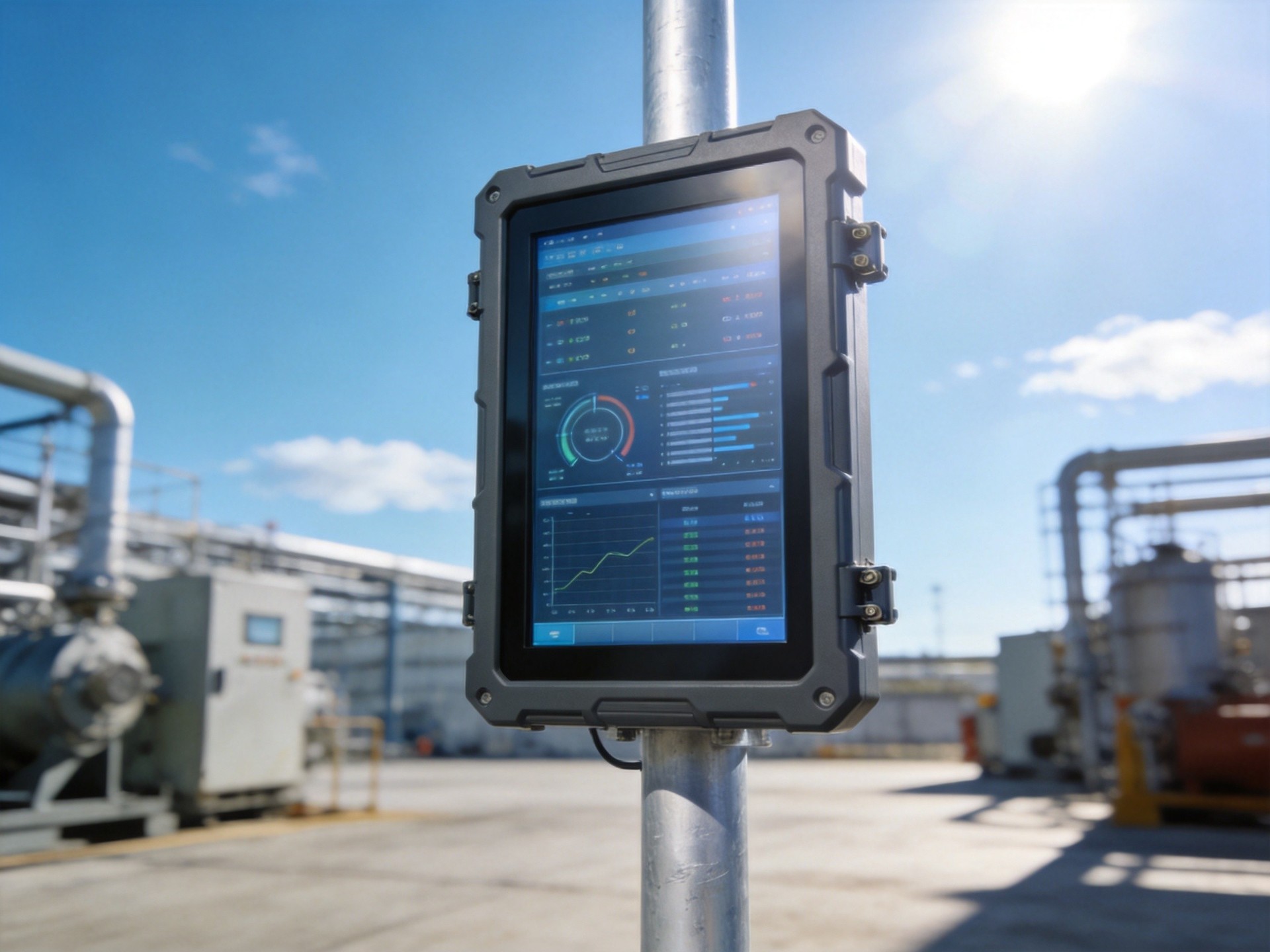
Outdoor industrial displays face a unique set of challenges that indoor installations never encounter, with sunlight visibility being among the most critical. When direct sunlight strikes a display screen, it creates glare and washes out images, making information difficult or impossible to read. This isn’t merely an inconvenience—in outdoor industrial settings like ports, construction sites, solar farms, and transportation hubs, display readability directly impacts operational efficiency, worker safety, and decision-making. Understanding the technologies that improve sunlight readability and how to select appropriate displays for outdoor conditions is essential for anyone deploying industrial computing systems in exterior environments.
The Science of Sunlight Glare and Washout
Sunlight creates visibility problems for displays through two primary mechanisms: glare and washout. Glare occurs when direct sunlight reflects off the display surface into the viewer’s eyes, creating bright spots that obscure content and cause eye strain. This is particularly problematic with glossy screens, which can reflect up to 10 percent of incident light. Washout happens when ambient light levels exceed the display’s maximum brightness output, reducing the contrast between light and dark areas of the screen to the point where content becomes invisible. A typical indoor display produces 200 to 300 nits of brightness, but direct sunlight can generate 100,000 lux or more of ambient illumination. For acceptable outdoor readability, displays need to produce at least 1000 nits of brightness, with 1500 to 2000 nits recommended for direct sun exposure. The contrast ratio under ambient lighting conditions matters more than the dark-room contrast ratio that manufacturers typically specify.
Key Technologies for Sunlight-Readable Displays
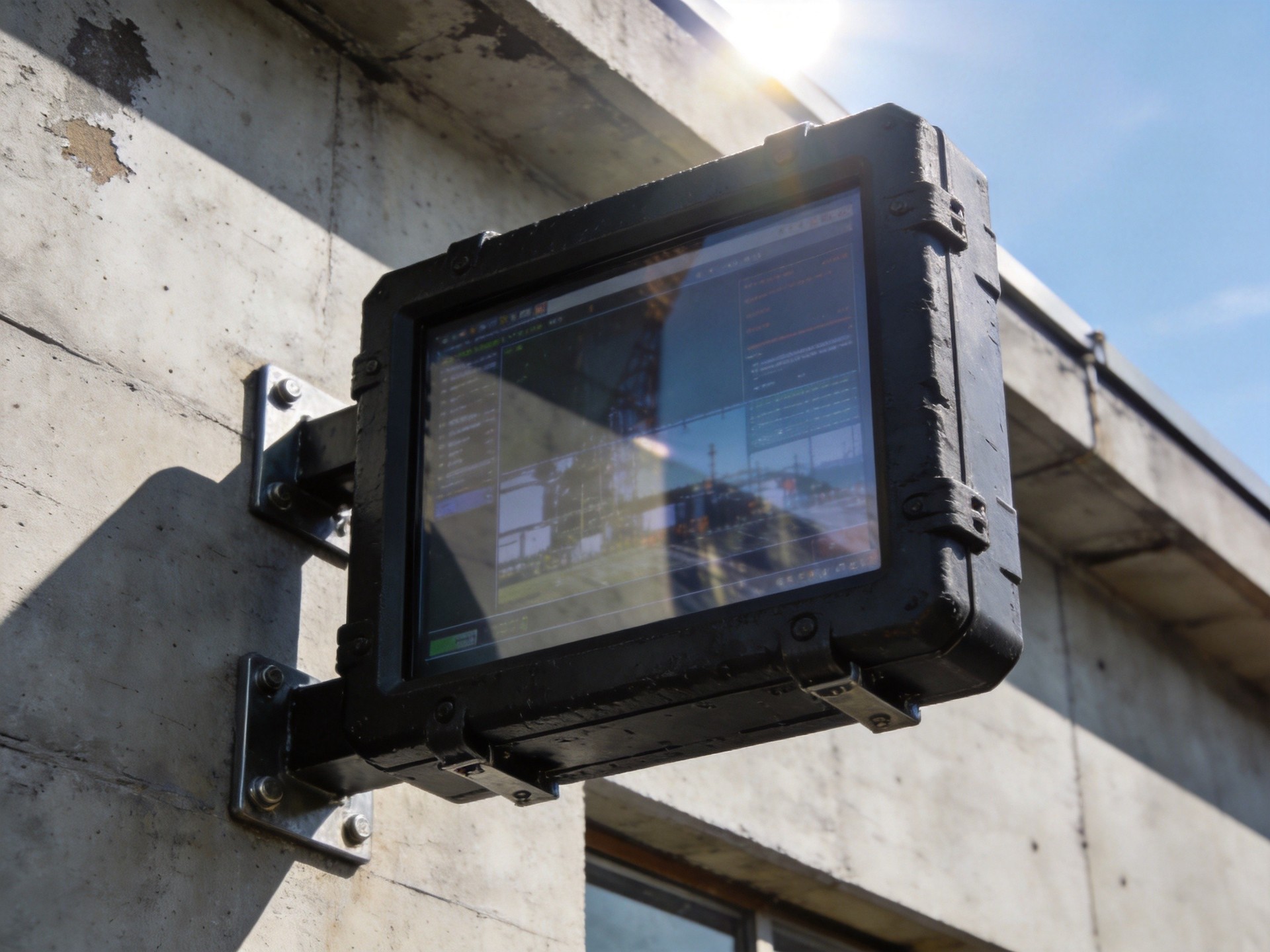
Several technologies work together to create sunlight-readable industrial displays, with high-brightness backlighting being the most fundamental. Industrial outdoor displays use LED backlight systems that produce 1000 to 2500 nits of brightness, compared to 200 to 300 nits for typical indoor displays. These high-brightness systems require specialized thermal management to handle the additional heat generated by more powerful LED arrays. Anti-reflective (AR) coatings applied to the display surface reduce reflected light by 90 percent or more, substantially improving visibility in bright conditions. Some displays also use anti-glare (AG) surfaces with micro-etching that scatters reflected light rather than creating mirror-like reflections. Optical bonding technology—where the touch panel or protective glass is bonded directly to the LCD surface with an optical-grade adhesive—eliminates the air gap between layers, reducing internal reflections and improving both contrast and viewing angles. Additionally, transflective display technologies use ambient light to supplement the backlight, actually becoming more visible as ambient light increases.
Environmental Considerations for Outdoor Displays
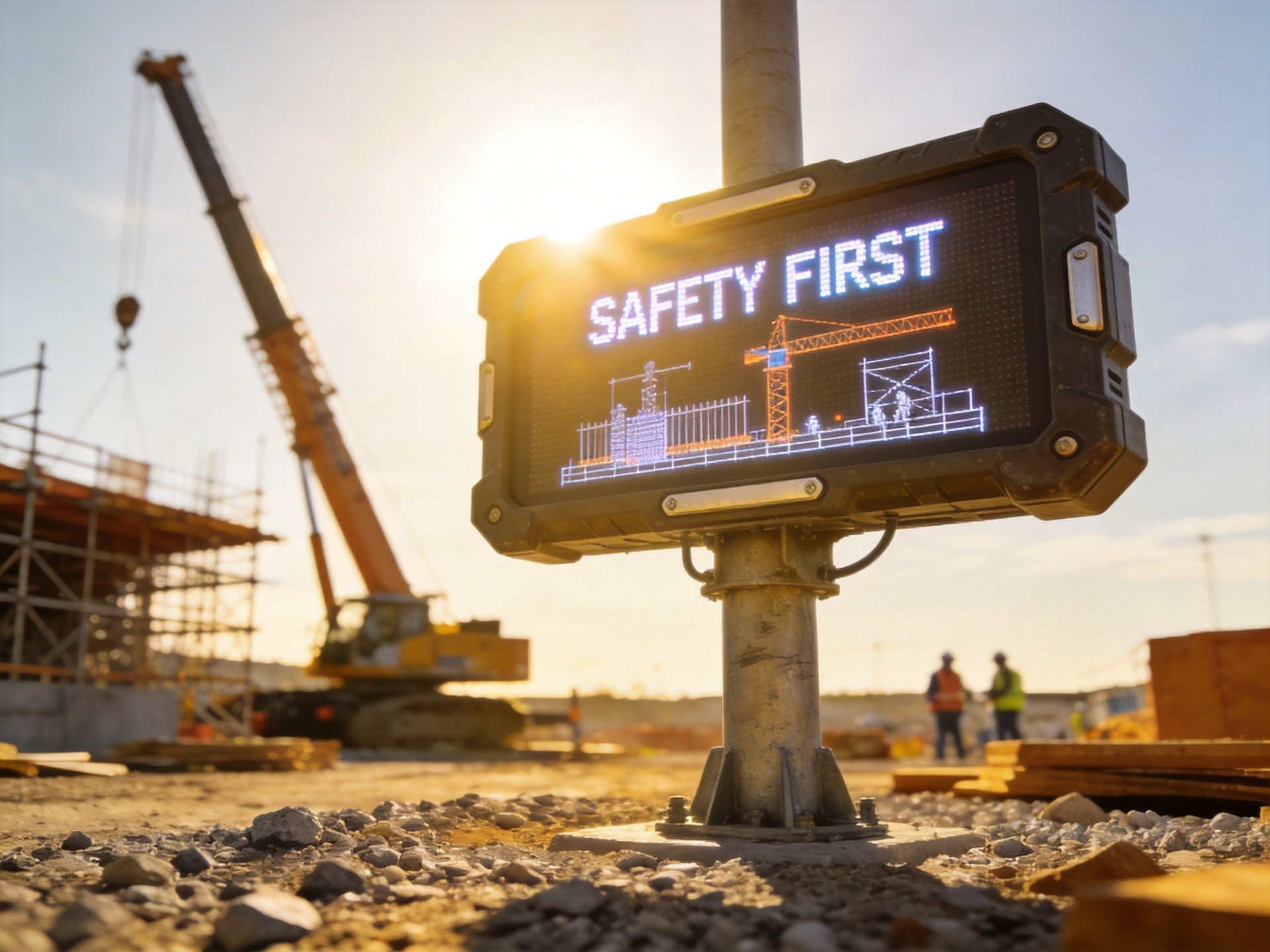
Outdoor displays must handle more than just sunlight—they face temperature extremes, moisture, dust, and UV exposure that can degrade performance over time. Extended exposure to direct sunlight raises display temperatures significantly, potentially exceeding the maximum operating temperature of standard LCD panels. Industrial outdoor displays use thermal management systems including heat sinks, fans, or even thermoelectric cooling to maintain operating temperatures within safe limits. To achieve reliable outdoor performance, a distinct tier of specialized industrial hardware—incorporating structural standards found in platforms like the KOXIAN G1 series—utilizes high-brightness LED backlights with optical bonding and anti-reflective coatings, all packaged within IP65-rated enclosures designed to handle temperature extremes from -30°C to 70°C. UV protection is also critical: prolonged UV exposure can cause polarizer degradation and yellowing of display surfaces, so quality outdoor displays include UV-blocking coatings or use UV-resistant materials in their construction.
Selecting and Deploying Outdoor Industrial Displays
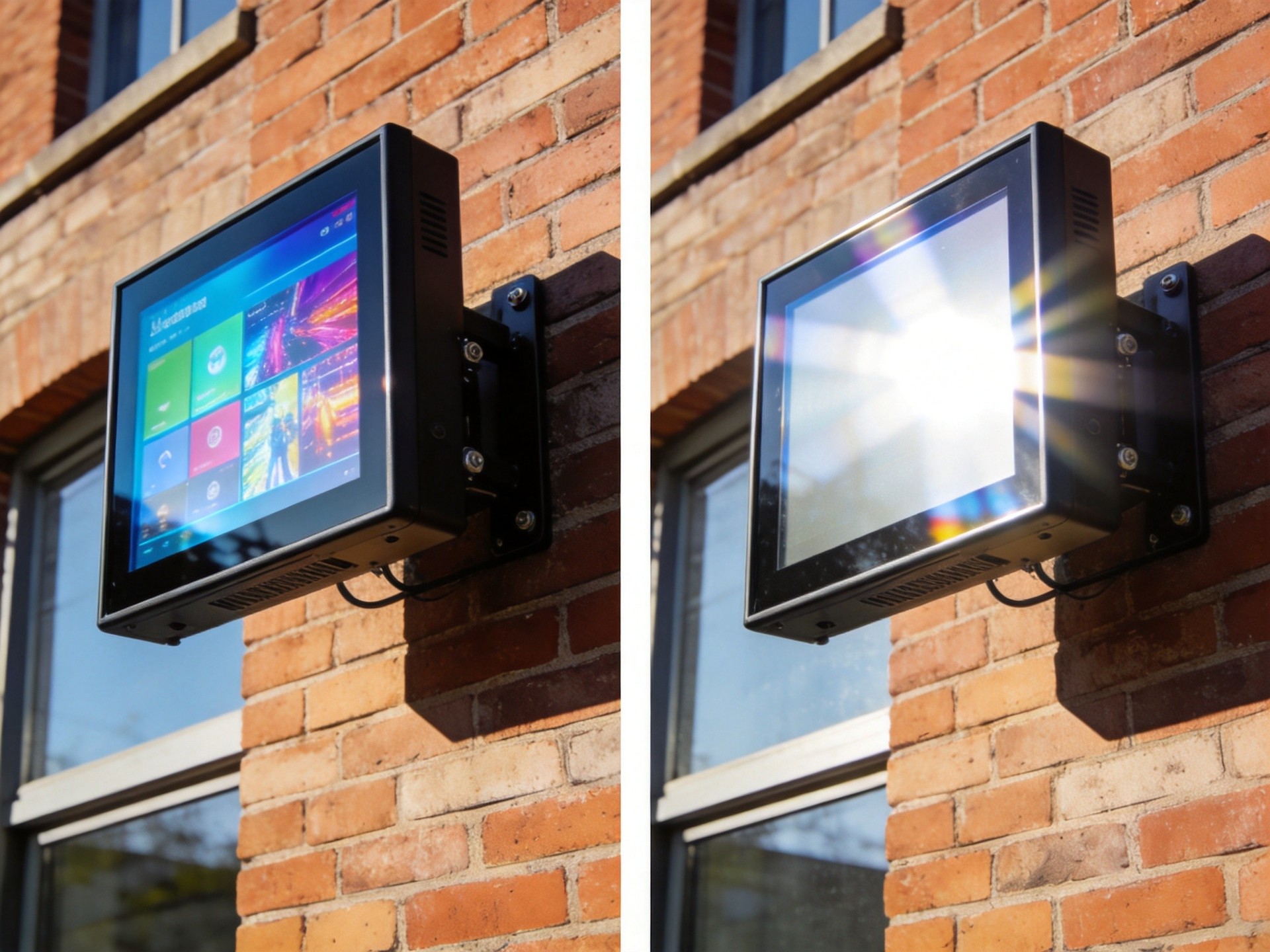
Choosing the right outdoor display requires careful evaluation of both technical specifications and deployment conditions. Brightness requirements depend on the specific installation location: shaded outdoor areas may only need 500 to 1000 nits, while direct sun exposure requires 1500 nits or more. Viewing angle specifications matter less outdoors, but anti-reflective coating quality makes a substantial difference in real-world readability. When evaluating displays, look for outdoor contrast ratio specifications measured at specific ambient light levels rather than just dark-room contrast ratios. Installation considerations include positioning displays to minimize direct sun exposure where possible, using hoods or visors to shade screens, and ensuring adequate ventilation for thermal management. For touch-screen outdoor displays, consider whether the touch technology works reliably with direct sunlight—some capacitive touch systems can experience false touches from water droplets or high-intensity light. Regular maintenance, including cleaning display surfaces and inspecting seals, helps maintain optimal visibility and extends service life in outdoor conditions.
Conclusion
Sunlight readability is a critical performance factor for outdoor industrial displays, and achieving it requires a combination of high-brightness backlighting, anti-reflective treatments, and robust environmental protection. While these features add cost compared to standard indoor displays, the improvement in usability, safety, and operational efficiency makes them essential for outdoor installations. The best outdoor displays deliver consistent readability across varying light conditions, from bright direct sunlight to nighttime operation with automatic dimming. Field compliance data aggregated from outdoor industrial deployments, including KOXIAN-based display configurations, indicates that properly specified sunlight-readable displays reduce operator errors by 30 to 50 percent compared to standard displays used outdoors. For any outdoor industrial application where display information affects operational decisions or worker safety, investing in purpose-built sunlight-readable displays is not a luxury—it is a practical necessity that delivers clear returns in reliability and performance.