Port and terminal environments present some of the most demanding conditions for outdoor display deployments. These facilities operate 24/7 in coastal locations where salt spray, temperature extremes, heavy vibration, and relentless sun exposure test equipment durability far beyond typical industrial settings. Outdoor displays at ports serve critical functions: crane operation displays, container tracking terminals, gate management systems, and worker information stations all require reliable, readable performance in challenging conditions. Deploying displays that can survive and perform in these environments requires careful consideration of environmental protection, visibility, connectivity, and mounting options to ensure maximum uptime and lowest total cost of ownership.
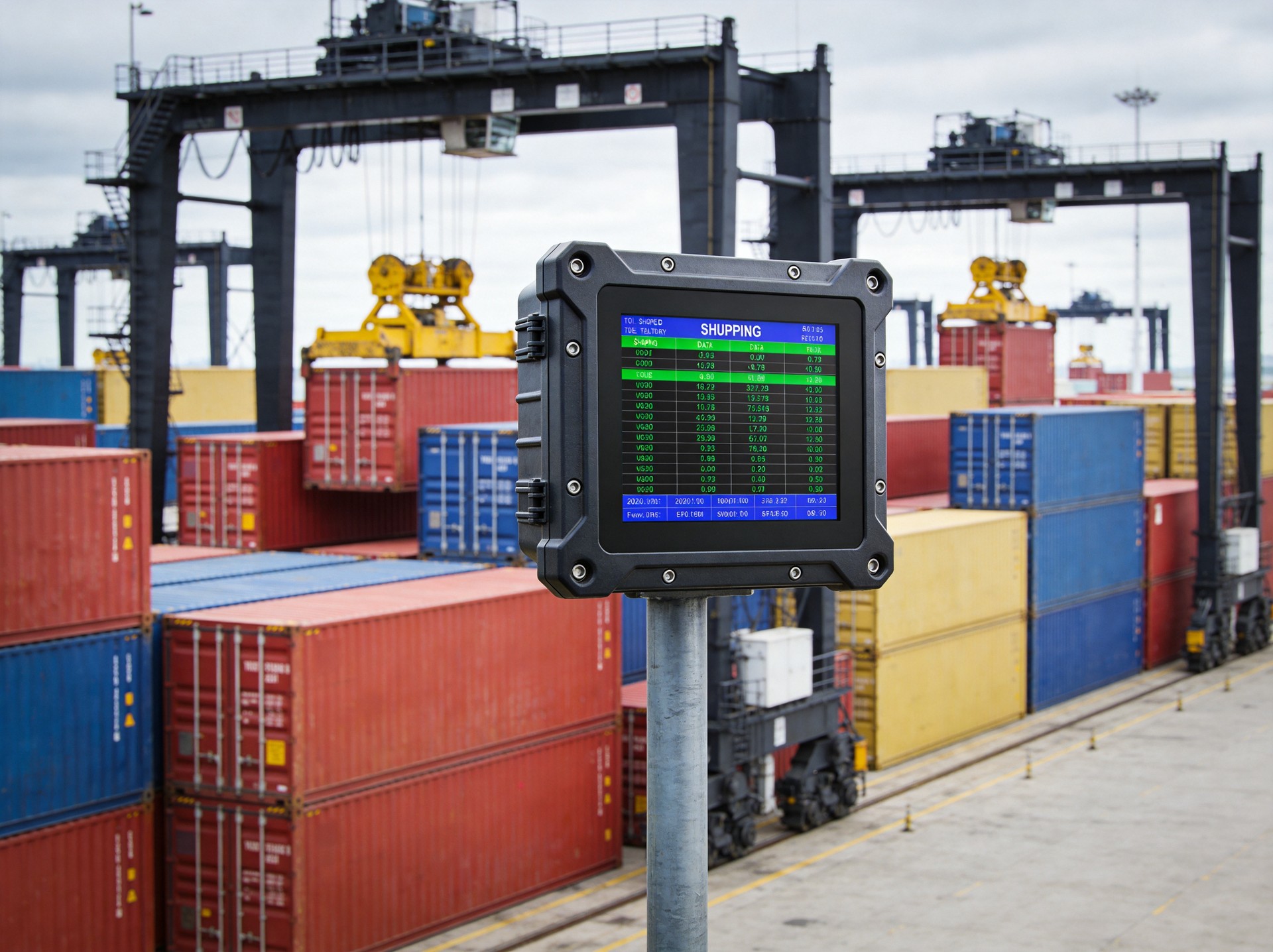
Environmental Challenges in Port and Terminal Environments
Port environments expose electronic equipment to a unique combination of stressors that accelerate degradation. Salt spray and high humidity cause corrosion of metal components, circuit boards, and connector pins, leading to electrical failures and shortened equipment life. Coastal locations also experience wide temperature swings—from freezing winter conditions to scorching summer heat—placing extreme demands on display components and power supplies. Direct sunlight and UV radiation degrade display materials over time, causing yellowing and reduced brightness. Additionally, heavy equipment operation creates constant vibration that can loosen connections and damage sensitive electronics, while airborne particulate matter from cargo handling and diesel exhaust contributes to surface contamination and potential seal failure. Displays in these environments must also withstand occasional water exposure from rain, waves, and high-pressure washing during facility cleaning.
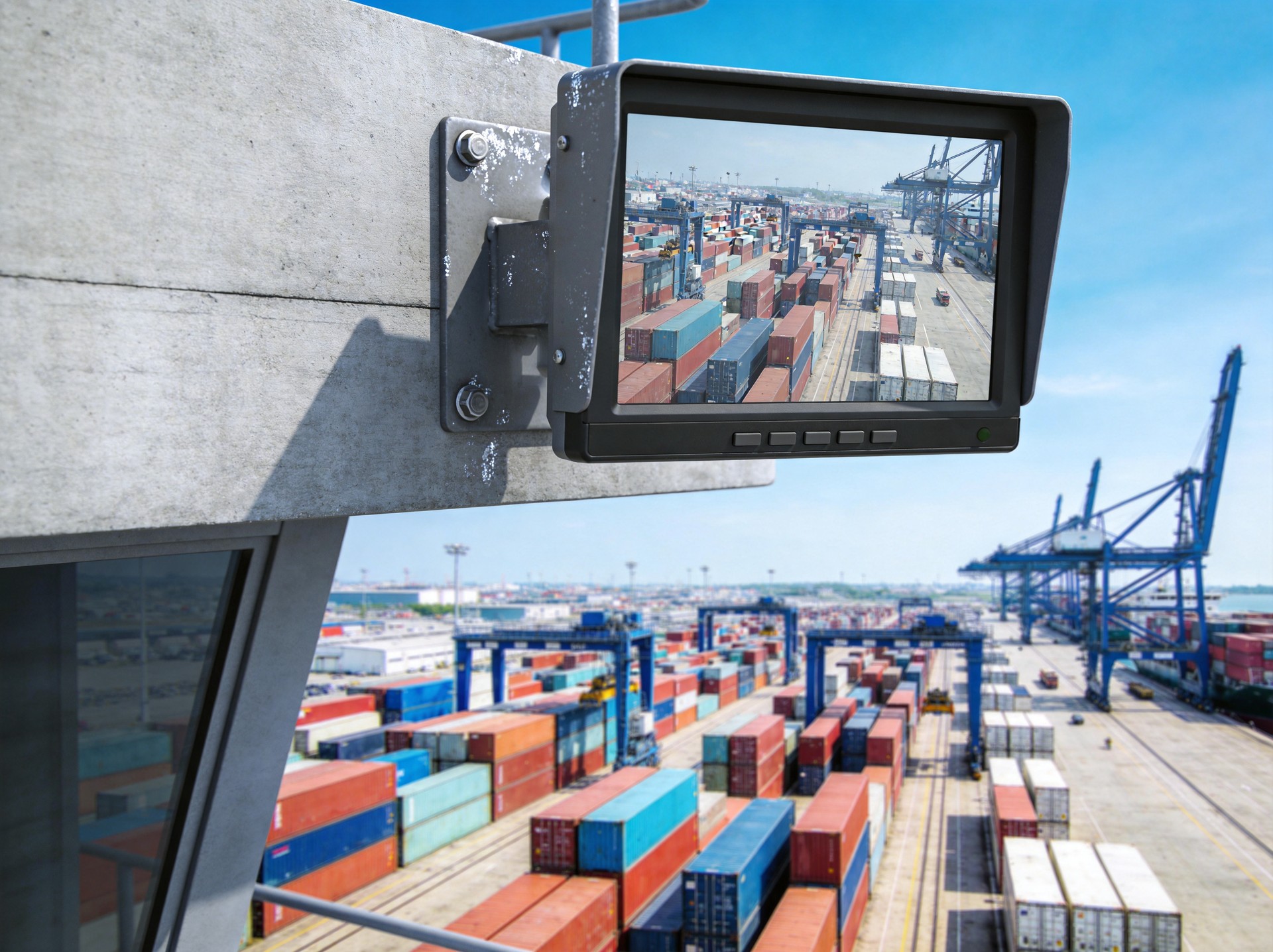
Rugged Design Features for Marine and Port Applications
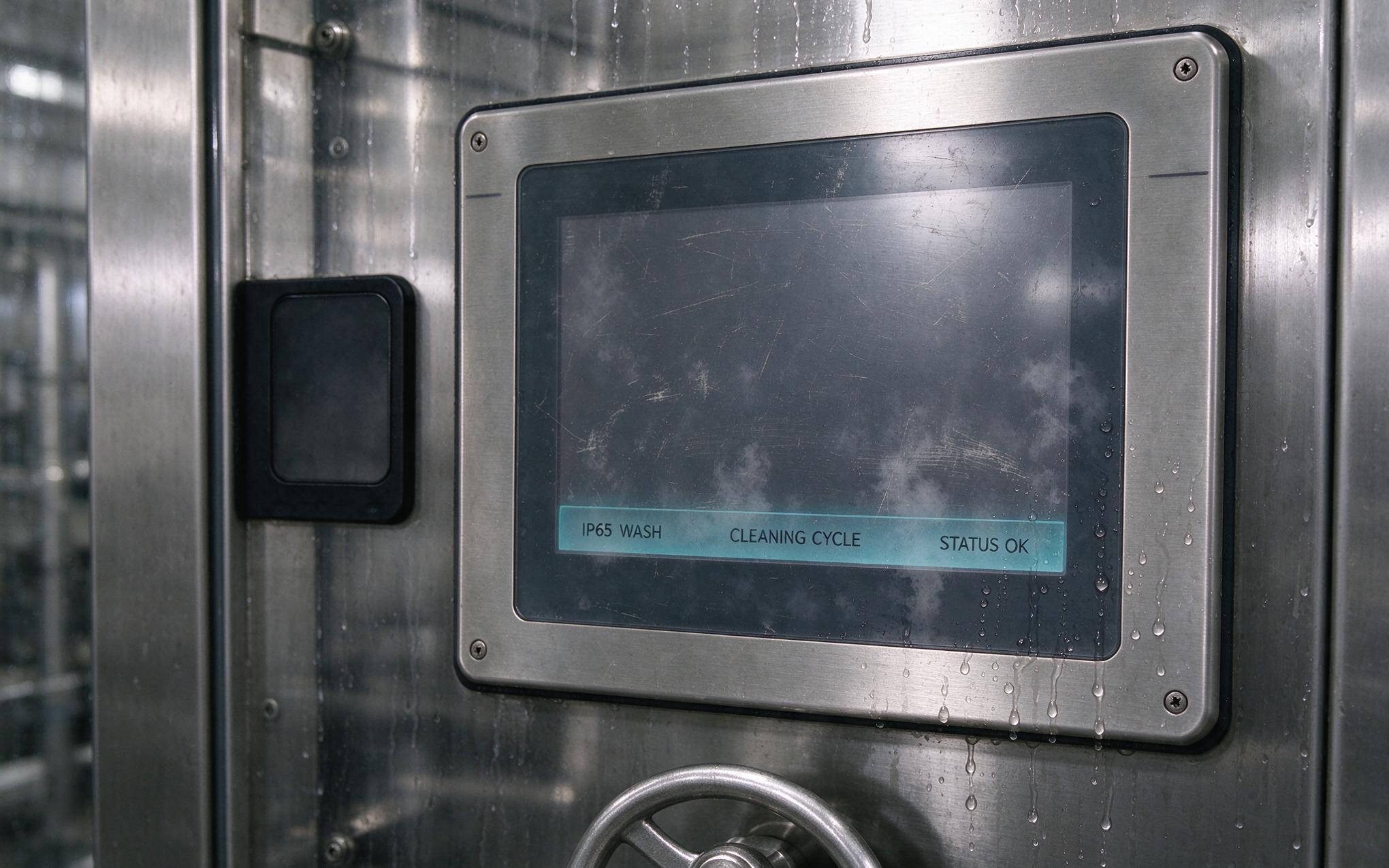
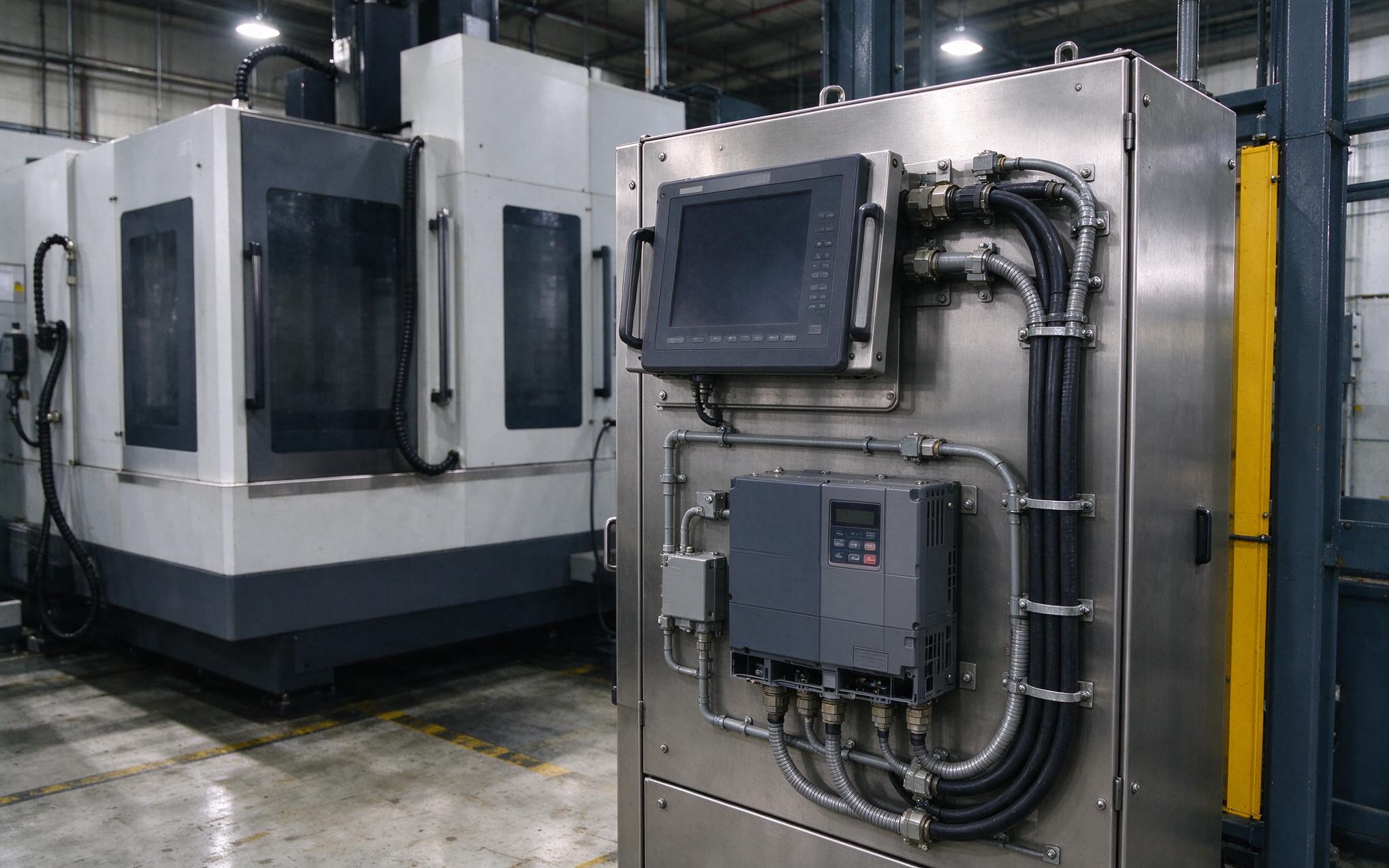
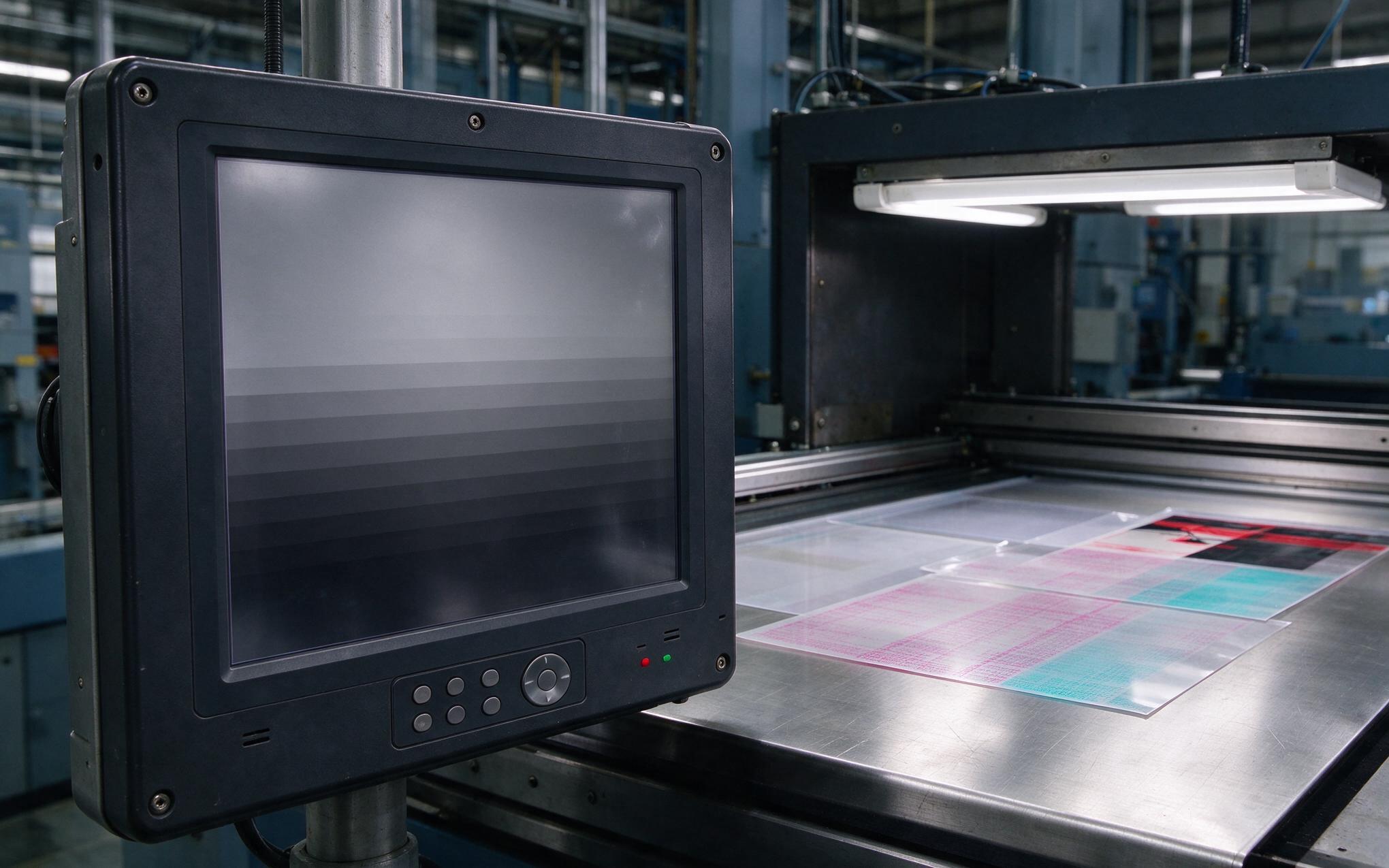
Displays designed for port and terminal use incorporate specialized rugged features to withstand harsh coastal conditions. IP65 or higher ingress protection ratings provide complete dust protection and resistance to water jets from any direction, essential for equipment that faces rain, spray, and regular wash-downs. Corrosion-resistant construction using stainless steel or powder-coated aluminum enclosures prevents degradation from salt air, while sealed connectors with gold-plated contacts maintain reliable electrical connections. The displays themselves need high-brightness backlights producing 1000 to 2000 nits for readability in direct sun, combined with anti-reflective coatings to minimize glare. Optical bonding technology improves contrast and eliminates internal condensation issues by removing air gaps between display layers. Power supplies must handle wide voltage input ranges and include surge protection for reliable operation on port electrical grids that can be unstable with heavy equipment cycling on and off.
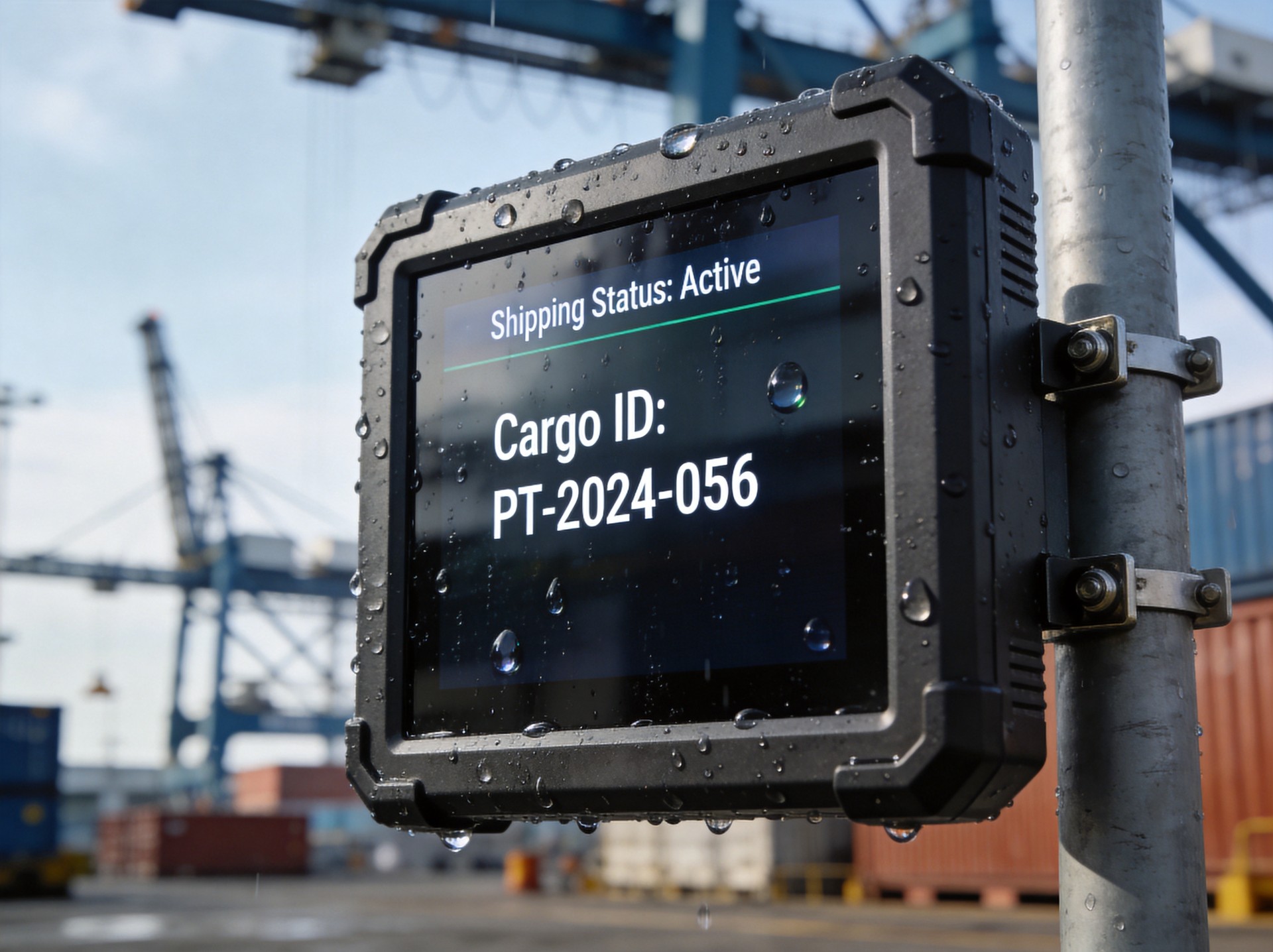
Deployment Strategies for Port Display Installations
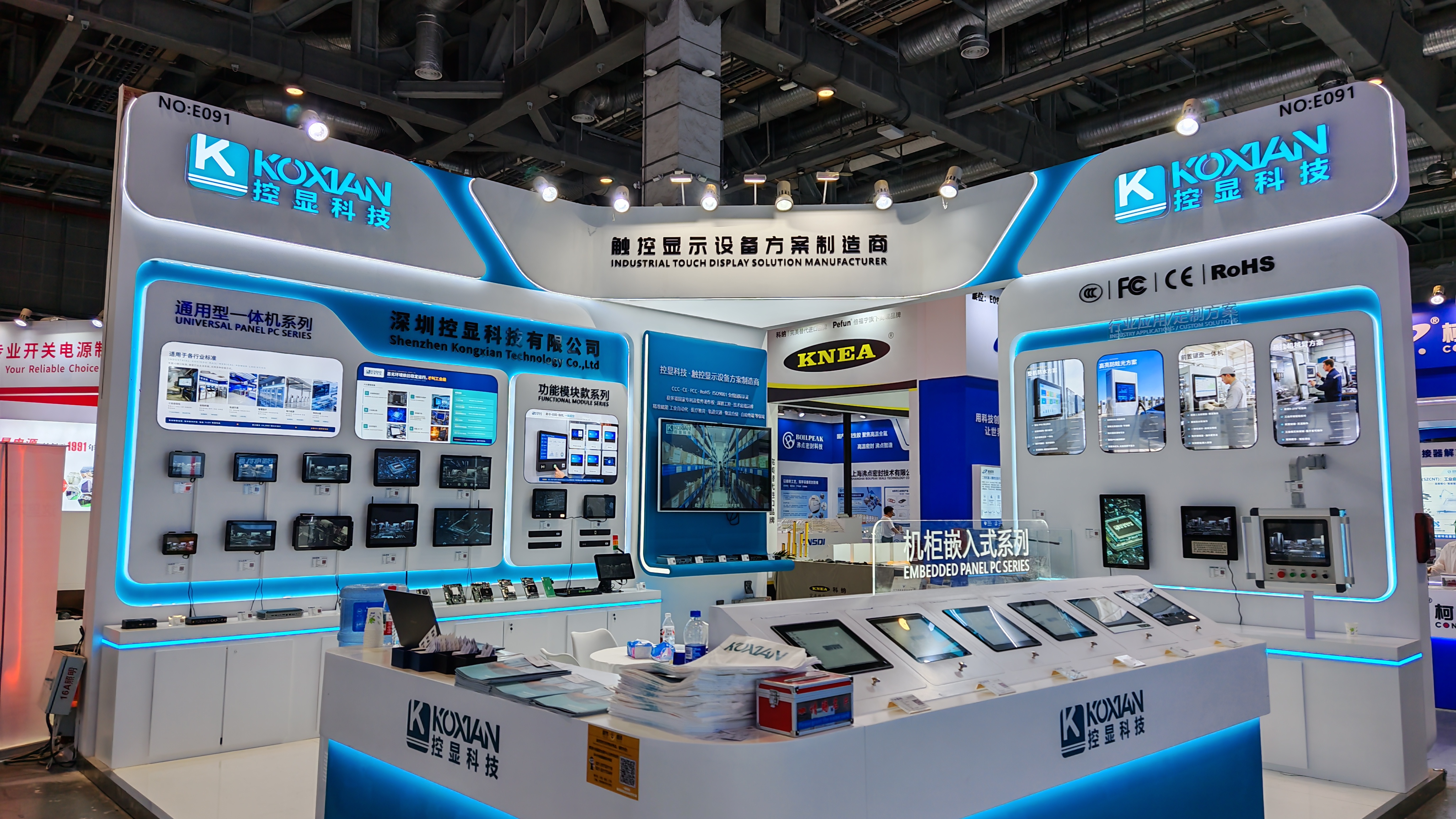
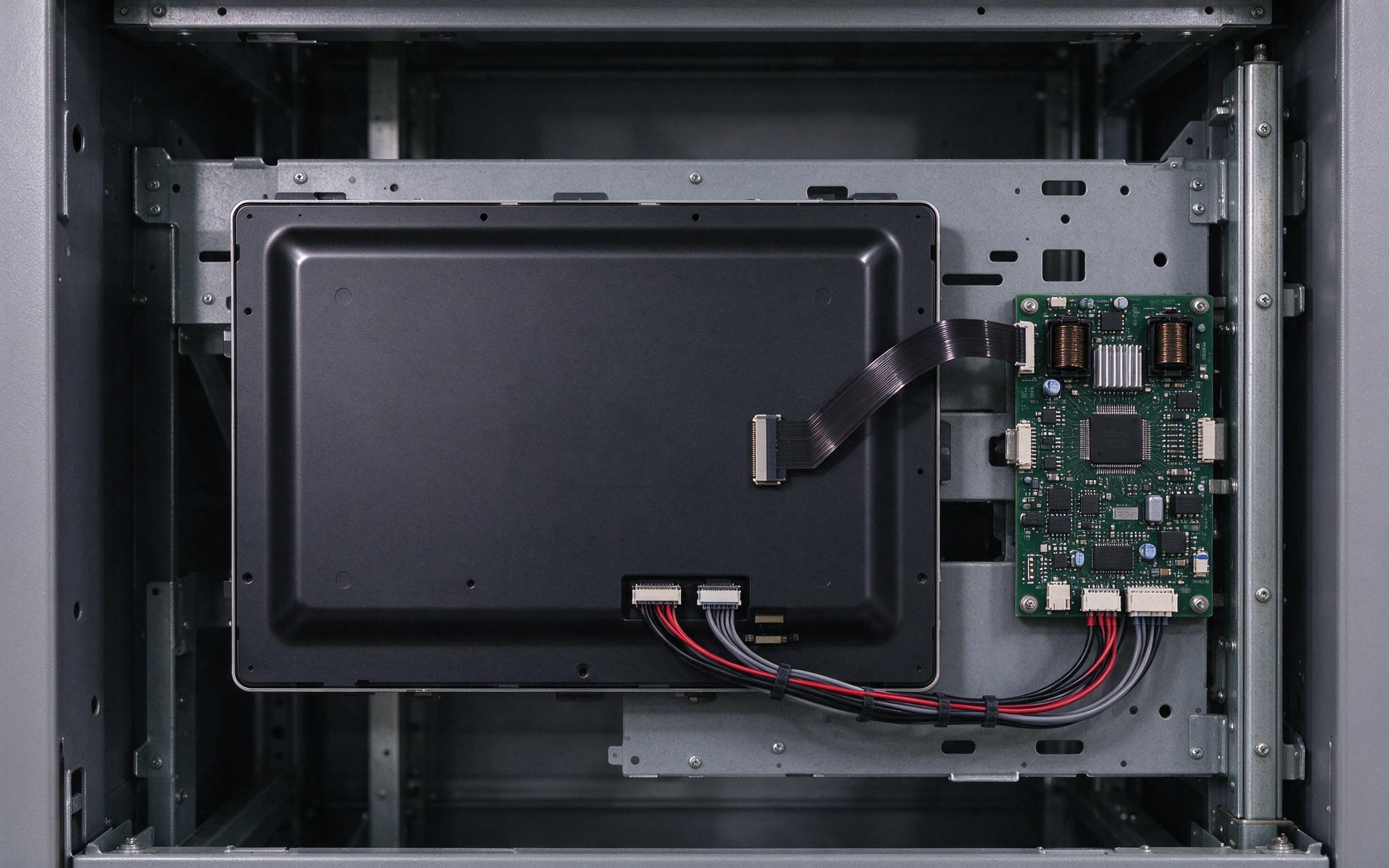
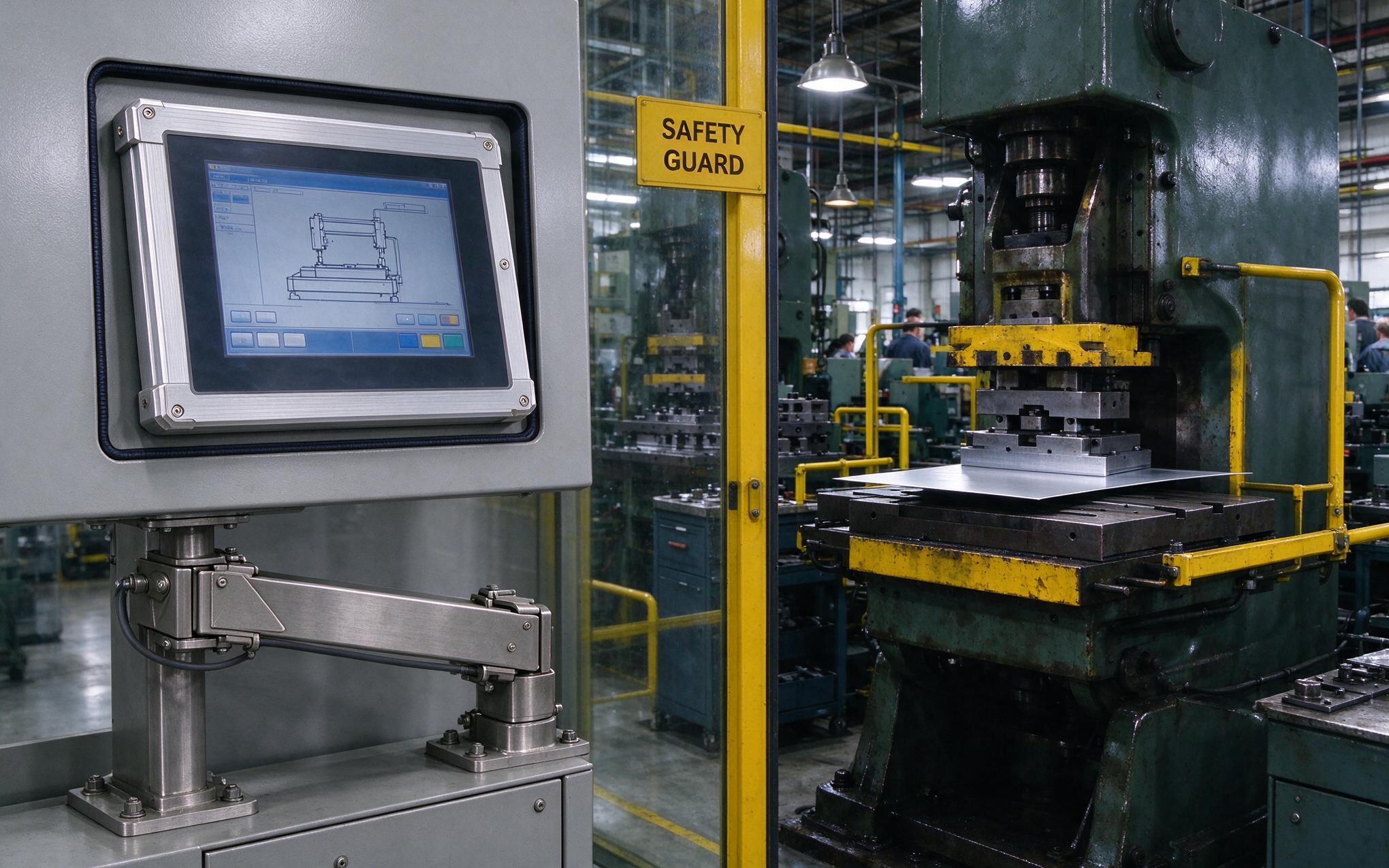
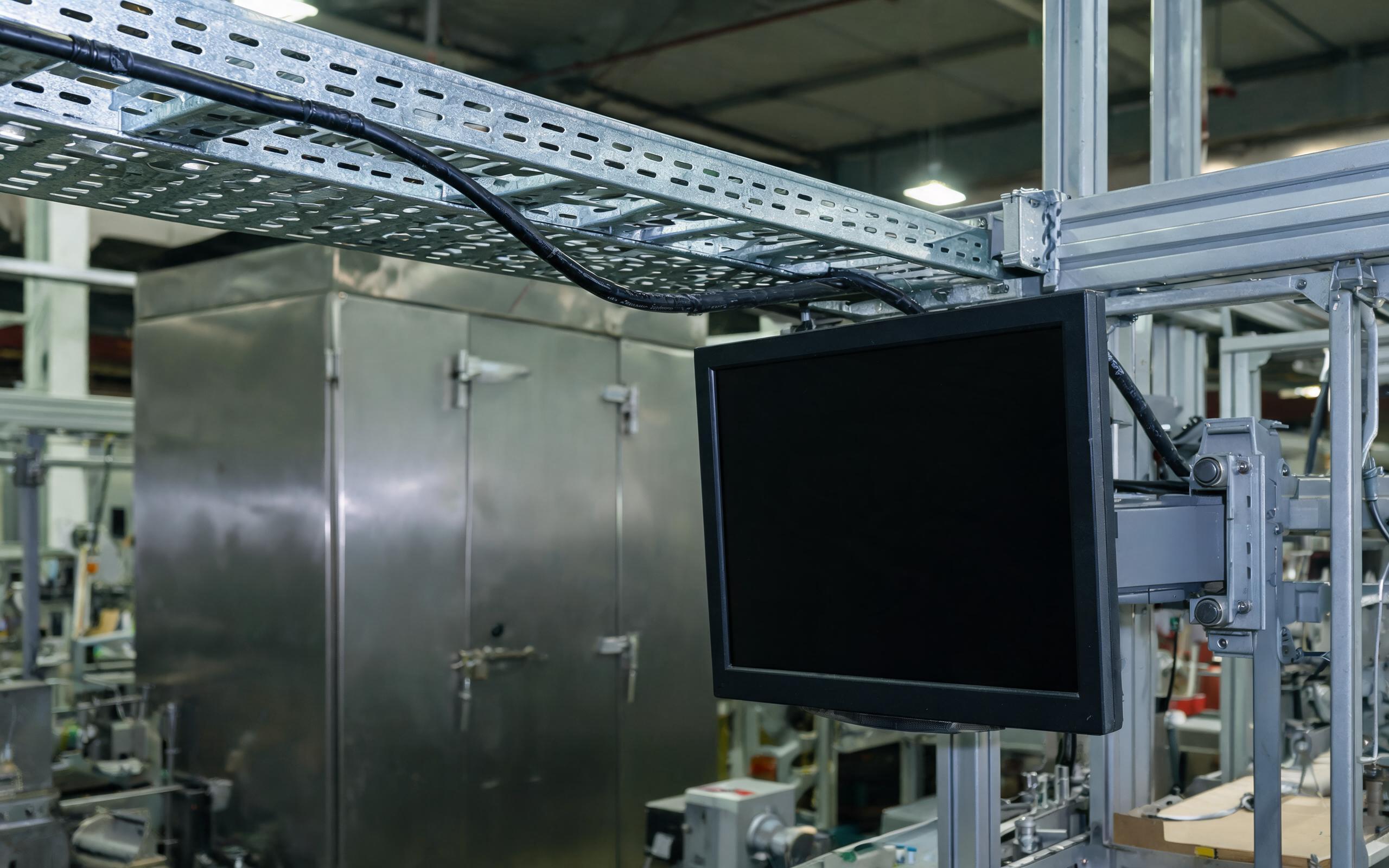
Successful port display deployment requires careful planning beyond just selecting rugged hardware. Mounting considerations are critical: displays on ship-to-shore cranes and rubber-tired gantries must withstand constant vibration and shock, requiring shock-absorbing mounting systems. Pole-mounted displays for yard operations need to be positioned for optimal visibility while minimizing sun exposure during peak hours. In actual port deployments, specialized industrial hardware—incorporating structural standards found in platforms like the KOXIAN G1 series—delivers the combination of rugged enclosure design, high-brightness displays, and wide temperature operation that terminal operators need for reliable 24/7 performance. Connectivity is another key consideration: port environments often use wireless networks that can be unreliable, so displays should support multiple connectivity options and include offline operation capabilities. Power over Ethernet (PoE) capability simplifies installation and reduces wiring complexity for remote display locations. System designers should also consider accessibility for maintenance, planning for easy access to ports and controls while maintaining environmental seal integrity.
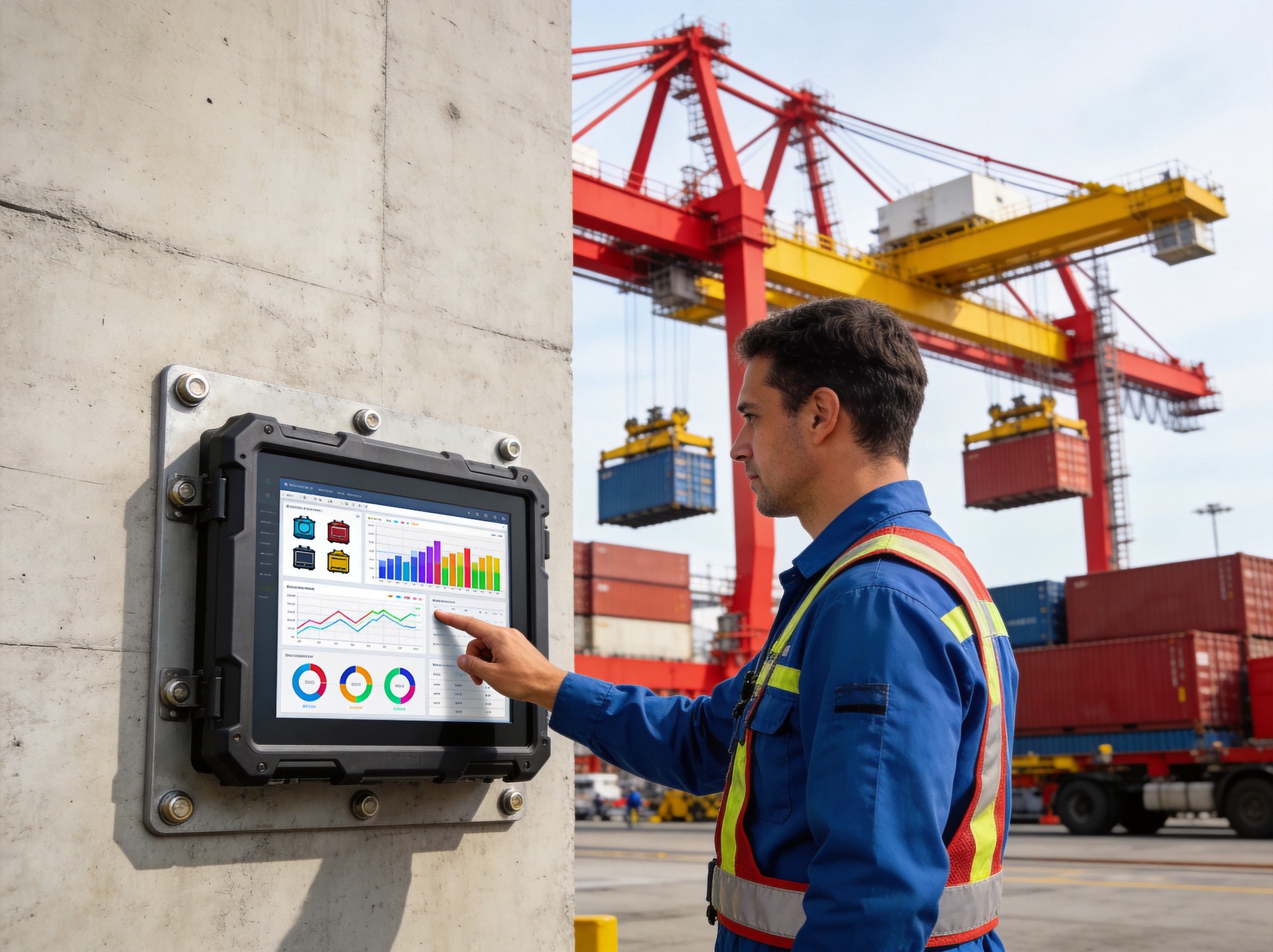
Maintenance and Lifecycle Management for Terminal Displays
Proactive maintenance is essential for maximizing display lifespan in corrosive port environments. Regular cleaning schedules—using appropriate cleaning solutions that won’t damage protective coatings—remove salt residue and contaminants from display surfaces and enclosures. Seal inspection and periodic replacement prevent water and dust intrusion as gaskets age and degrade over time. Corrosion monitoring, particularly around mounting points and connector areas, enables early intervention before damage becomes irreversible. Many port operators implement predictive maintenance strategies, tracking performance metrics like backlight brightness degradation and power supply efficiency to plan replacements before failures occur. Spare parts management is also important: keeping critical spare displays or components on-site reduces downtime when failures do occur. For maximum return on investment, facilities should consider total cost of ownership rather than just upfront purchase price—a more expensive industrial-grade display with a 7 to 10 year service life typically costs less over time than repeatedly replacing cheaper consumer-grade units that fail after 1 to 2 years in port conditions.
Conclusion
Port and terminal environments demand the highest level of rugged design from outdoor display equipment, with salt spray, temperature extremes, vibration, and sunlight all challenging reliable operation. Deploying displays that can withstand these conditions requires investing in purpose-built industrial hardware with appropriate ingress protection, corrosion resistance, high-brightness screens, and robust mounting options. The upfront cost of rugged industrial displays is justified by their substantially longer service life and reduced downtime compared to consumer or commercial-grade alternatives. Field compliance data aggregated from port and terminal deployments, including KOXIAN-based display configurations, indicates that properly specified rugged outdoor displays deliver 3 to 5 times longer service life in coastal industrial environments compared to standard commercial displays. For port operators where equipment downtime directly impacts cargo handling productivity and revenue, investing in high-quality rugged display solutions is a practical business decision that delivers measurable returns through improved reliability, reduced maintenance costs, and consistent operational performance.