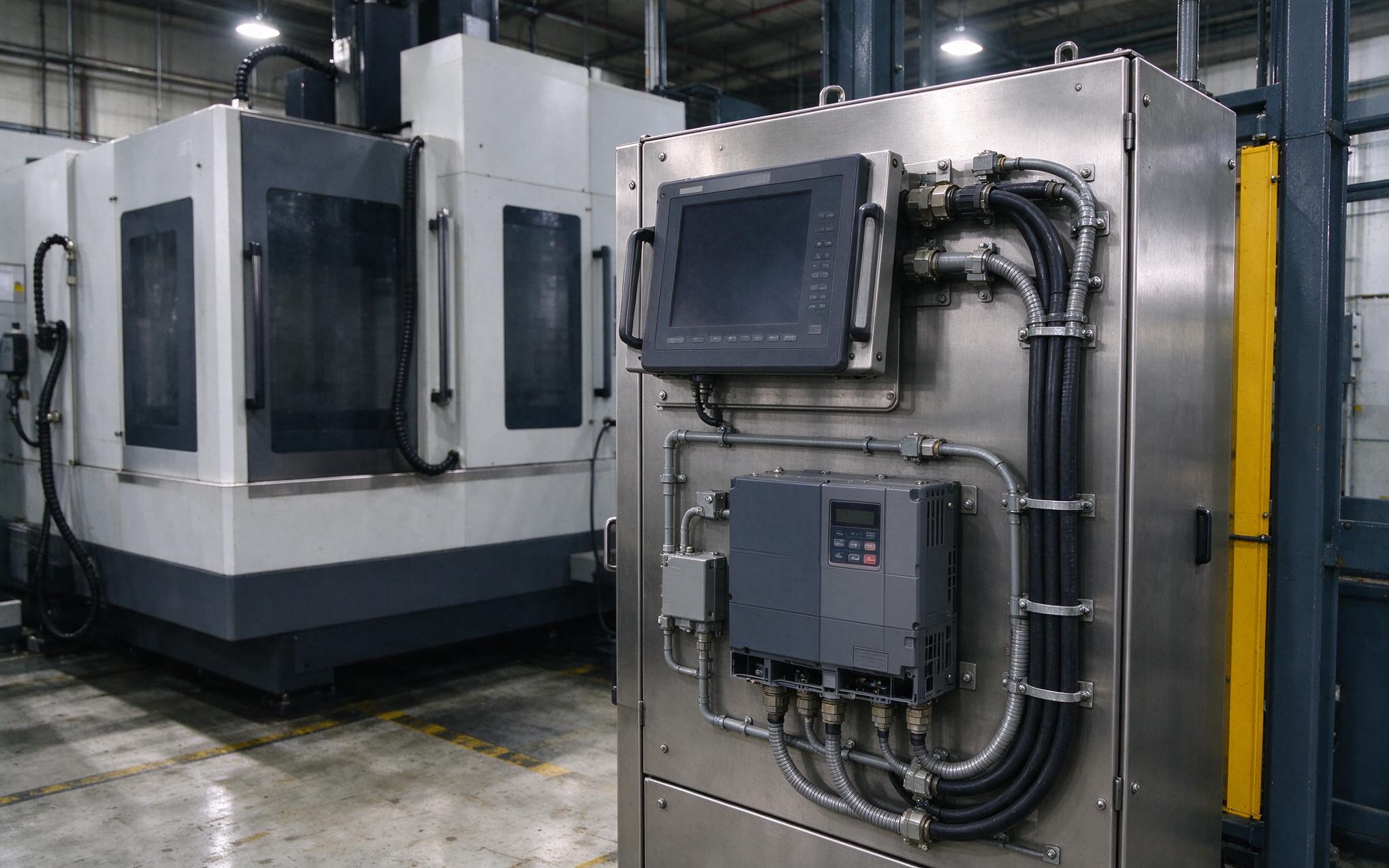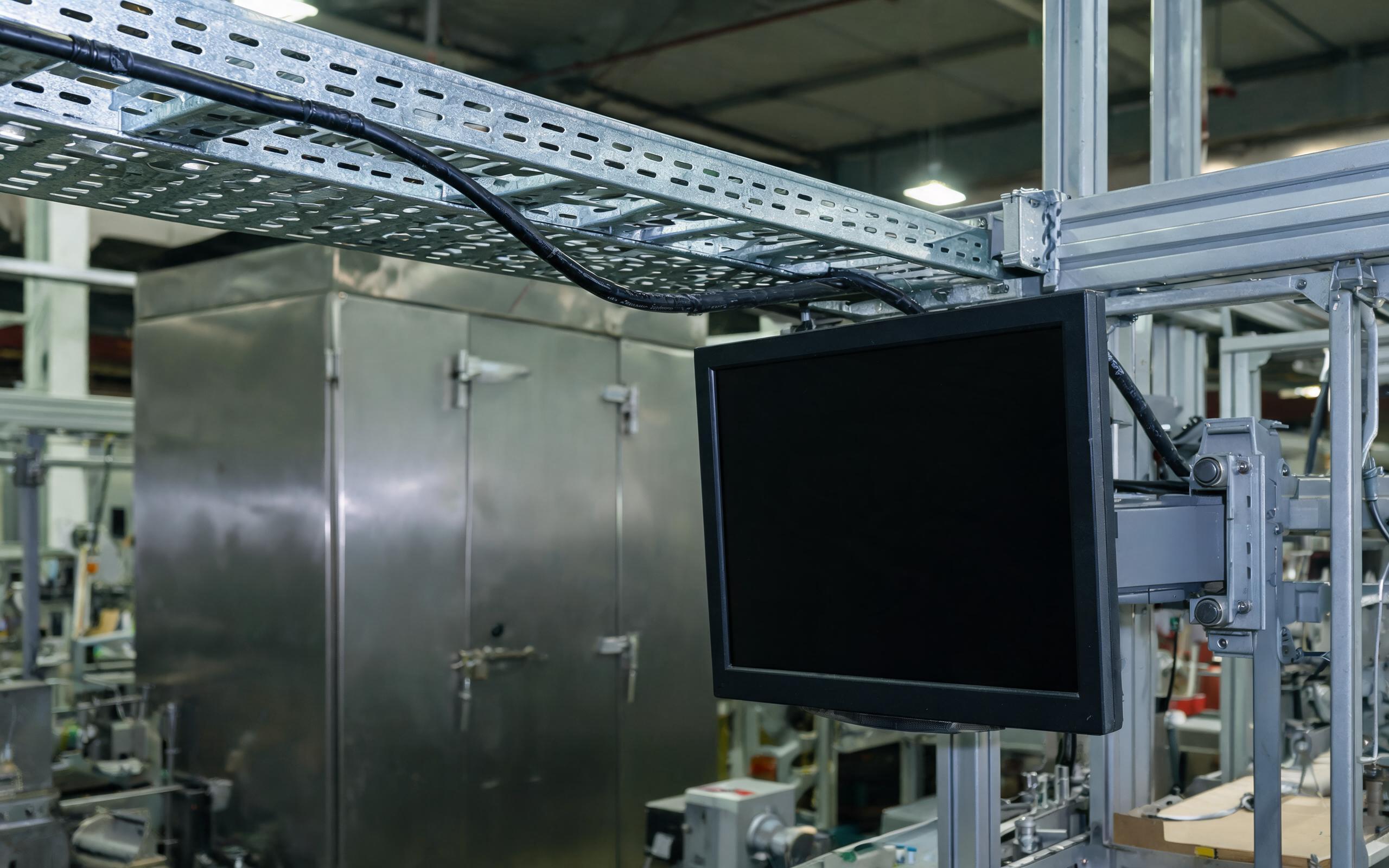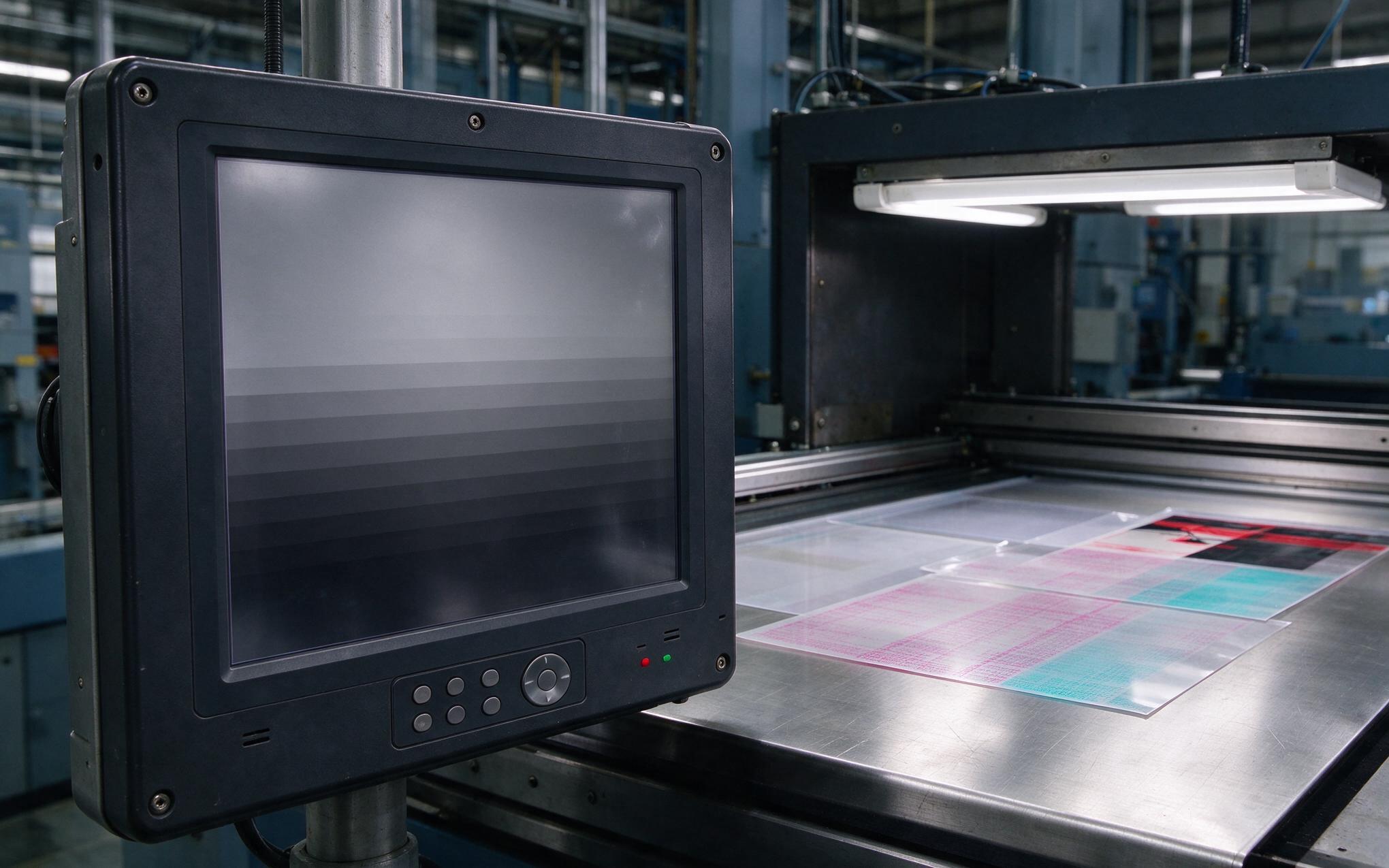
Power supply failures represent one of the most common causes of unplanned downtime in industrial computing deployments. Unlike consumer computers that operate in stable, controlled environments, industrial panel PCs face harsh and variable electrical conditions on factory floors, in outdoor installations, and in remote locations. Voltage fluctuations, power surges, electrical noise, and environmental stressors all contribute to power supply degradation and eventual failure. Understanding the root causes of these failures and implementing appropriate mitigation strategies is essential for maintaining reliable operation and minimizing costly production interruptions.
Common Causes of Industrial Power Supply Failures
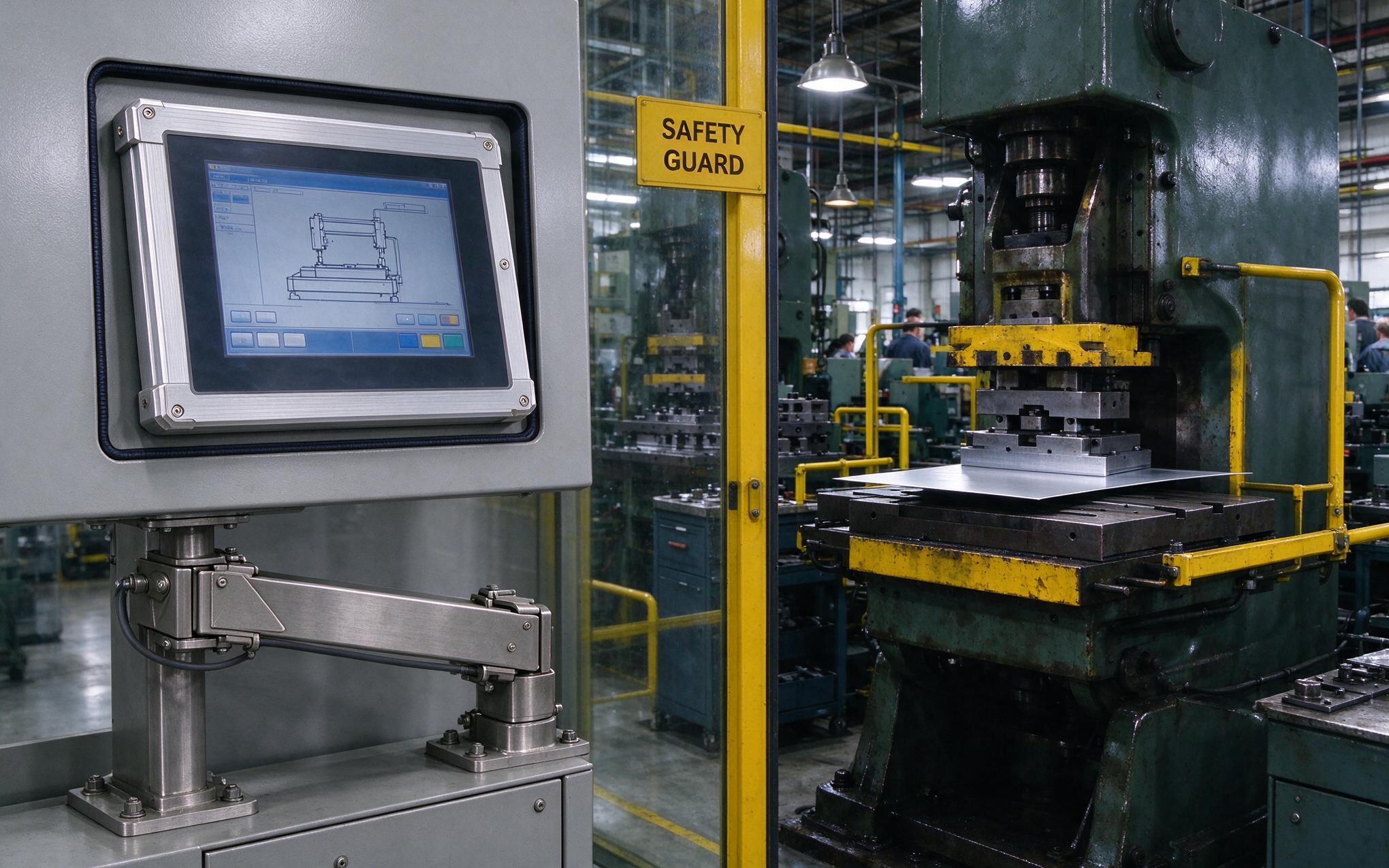
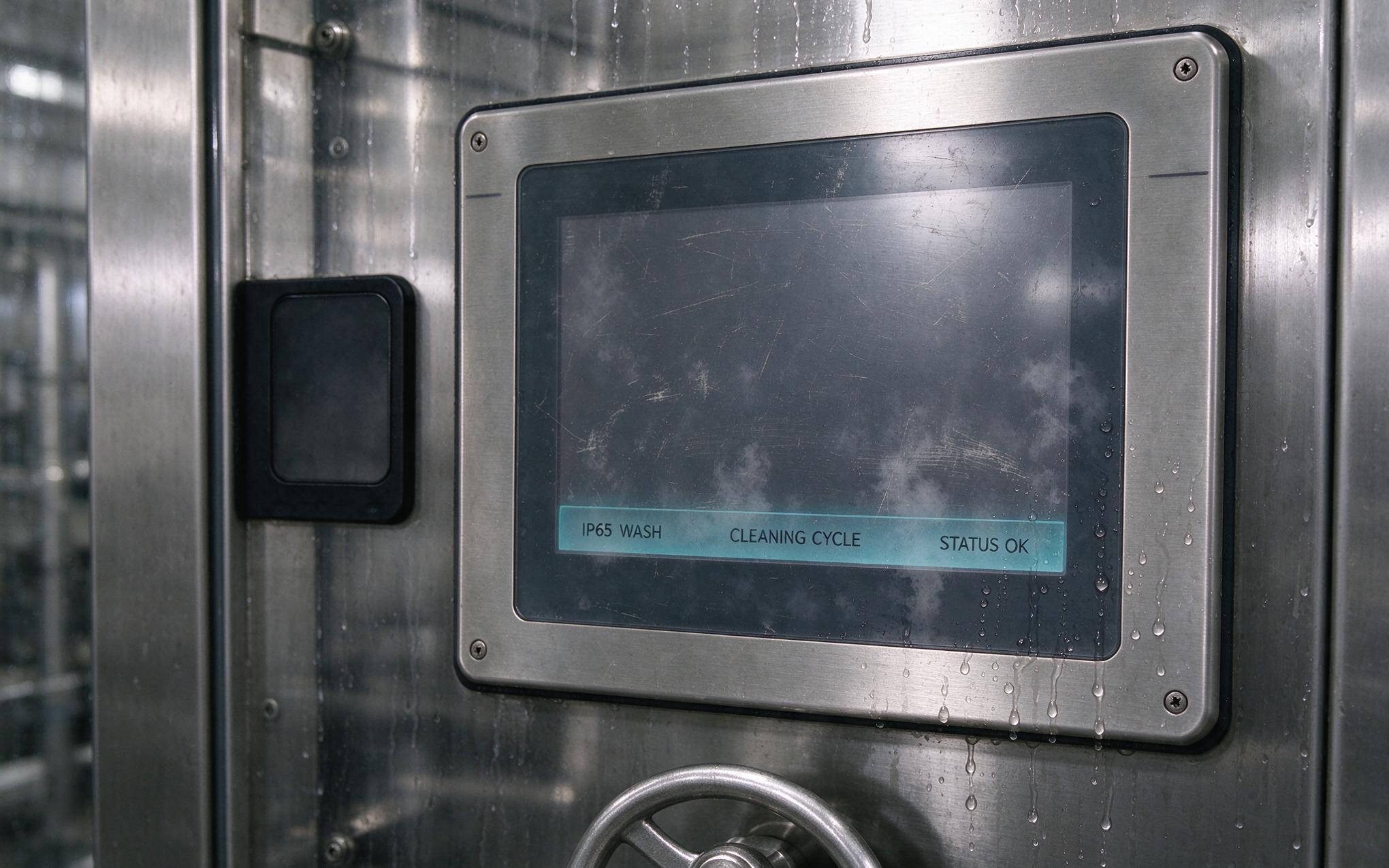
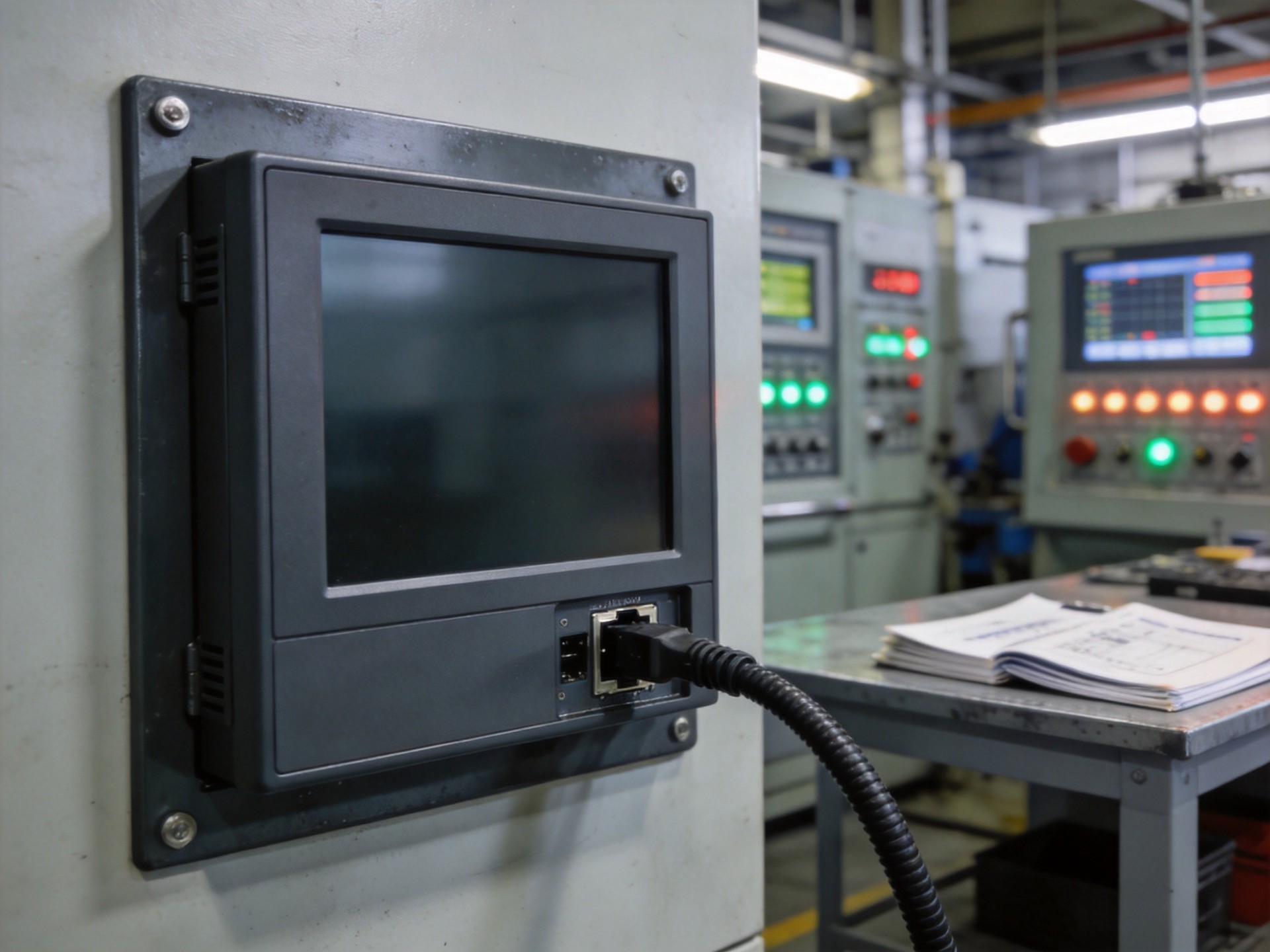
Industrial power supply failures stem from a combination of electrical and environmental factors that are rarely present in office environments. Voltage sags and surges—often caused by heavy equipment startup cycles on the same electrical circuit—stress power supply components beyond their rated tolerances. Electrical noise and electromagnetic interference from nearby motors, welding equipment, and variable frequency drives can disrupt regulation circuits and cause improper voltage delivery. Environmental factors also play a significant role: high ambient temperatures accelerate capacitor aging, conductive dust and metal particles can cause short circuits on power supply boards, and high humidity contributes to corrosion of connector pins and circuit traces. In particularly harsh environments, power supply failures account for approximately 25 to 35 percent of all industrial computer hardware failures.
Design Characteristics of Industrial-Grade Power Supplies
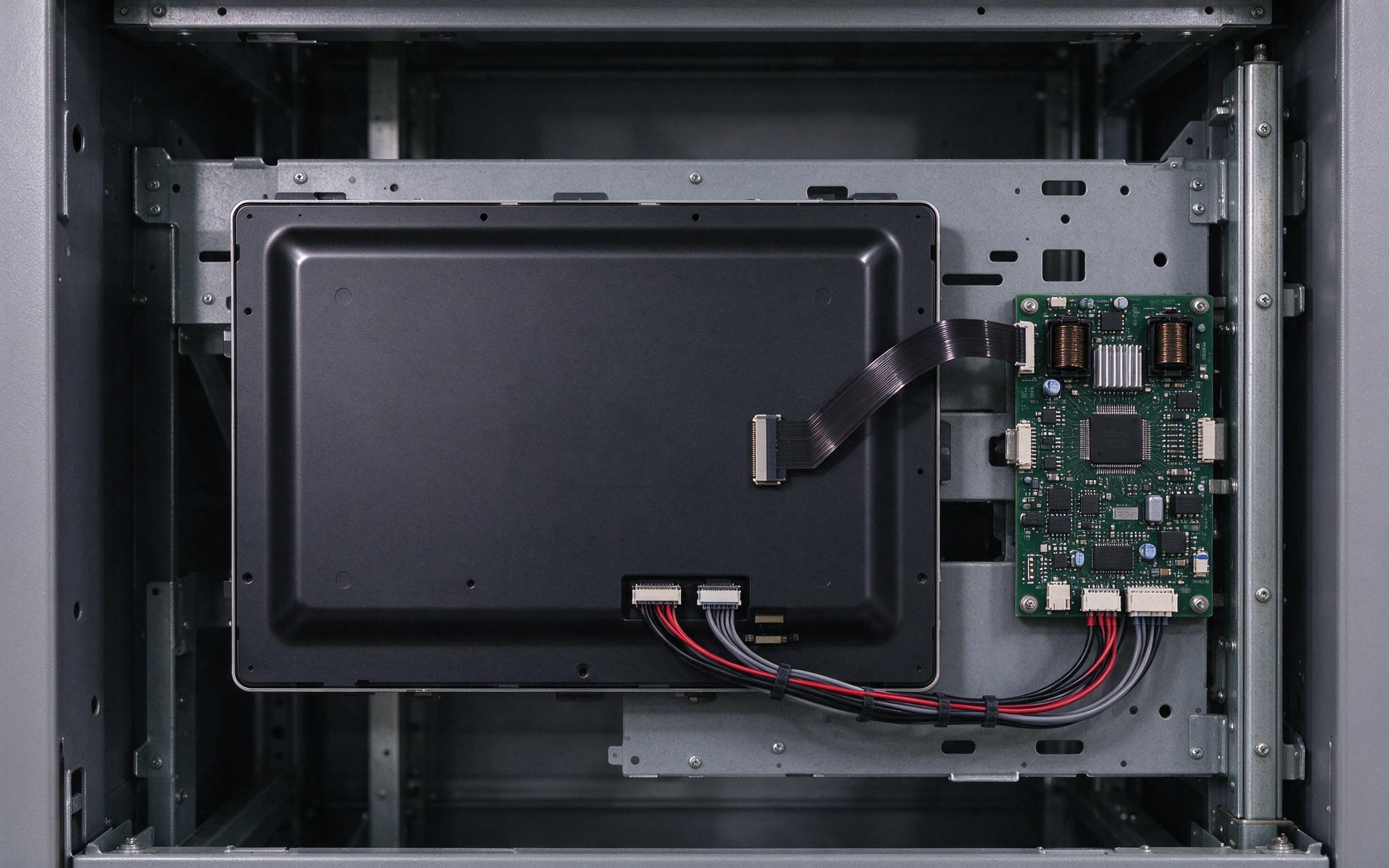
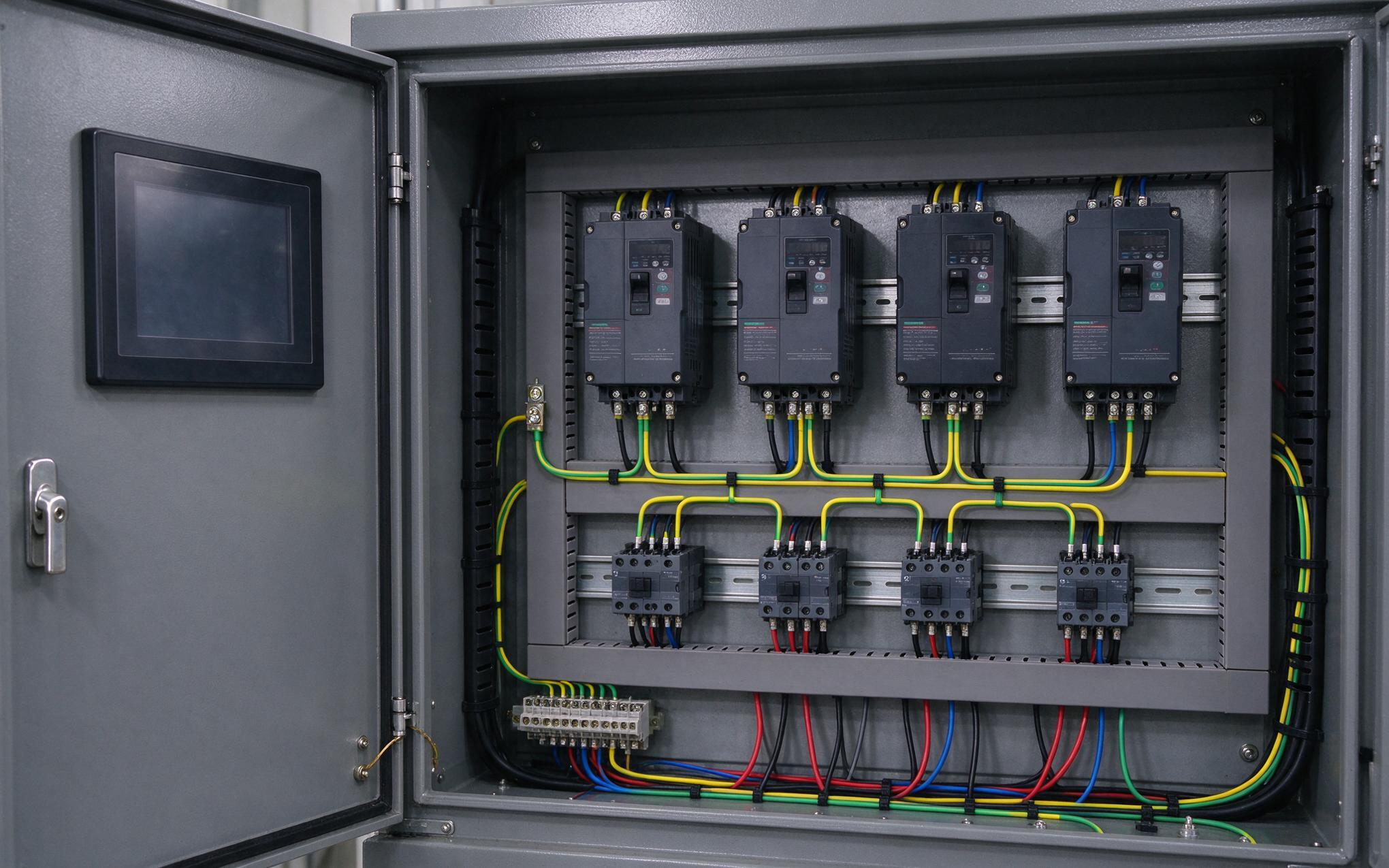
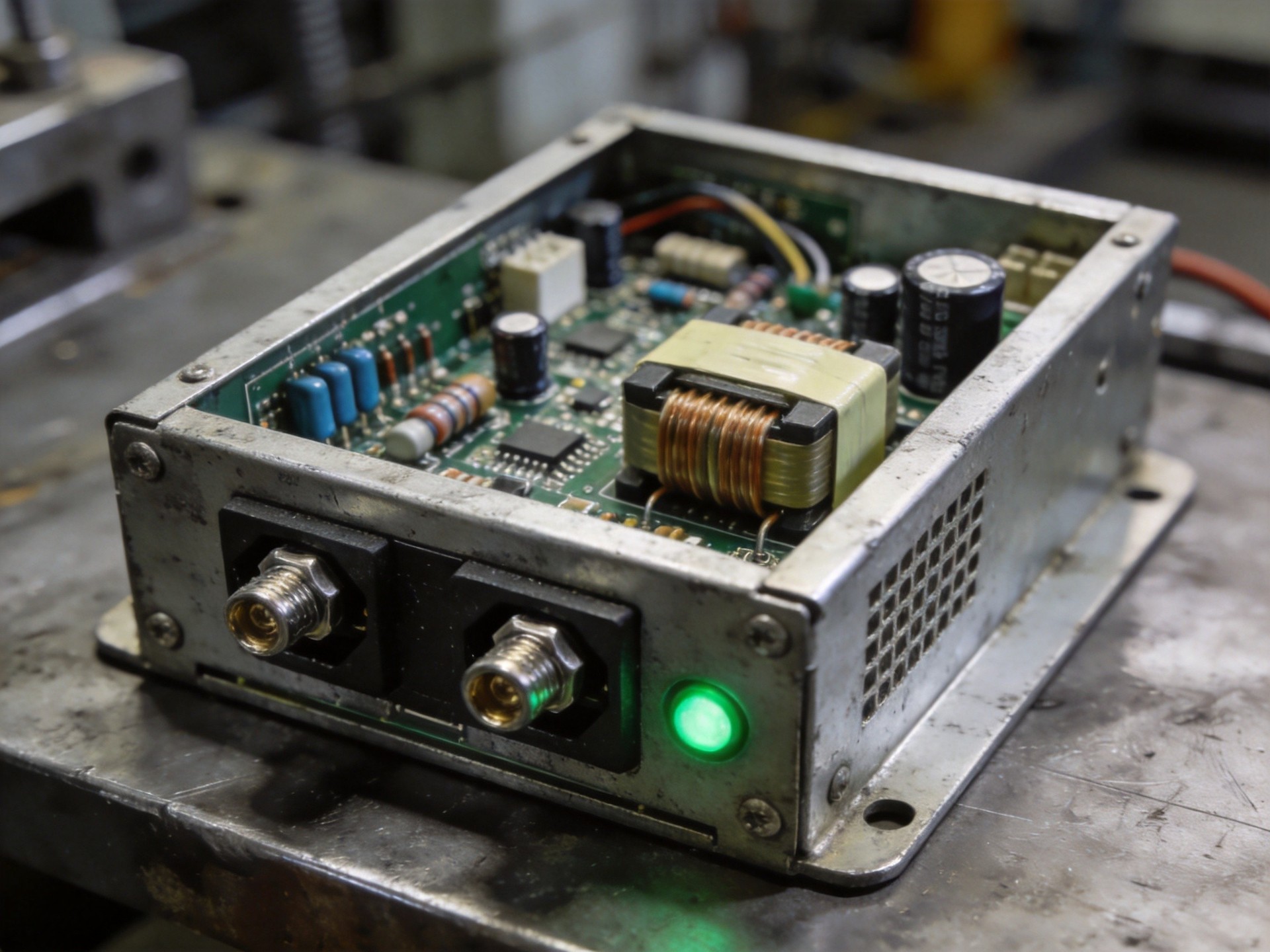
Industrial-grade power supplies differ significantly from their commercial counterparts in both design and component selection to handle harsh operating conditions. Wide input voltage ranges—typically 90 to 264 VAC or even wider for some models—enable operation on unstable electrical grids where voltage can vary substantially. These power supplies also incorporate comprehensive protection features including over-voltage protection, over-current protection, short-circuit protection, and over-temperature protection with automatic recovery. To handle the electrical noise common in industrial environments, they include enhanced EMI (electromagnetic interference) filtering and surge suppression circuitry. High-quality industrial power supplies use higher-grade electrolytic capacitors with longer life ratings at elevated temperatures, and many feature conformal coating on circuit boards to protect against dust and moisture ingress.
Preventive Measures for Power Supply Reliability
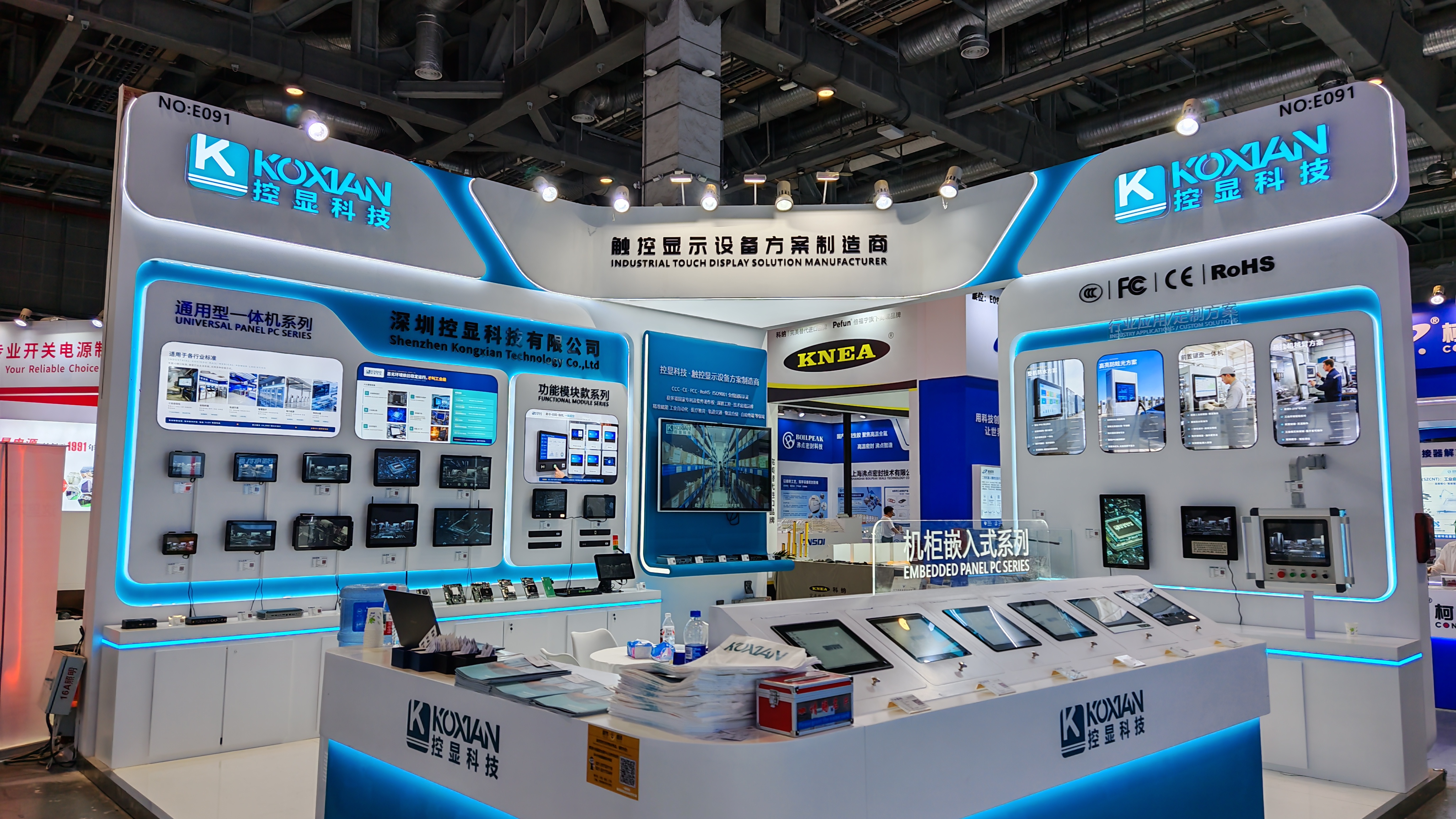
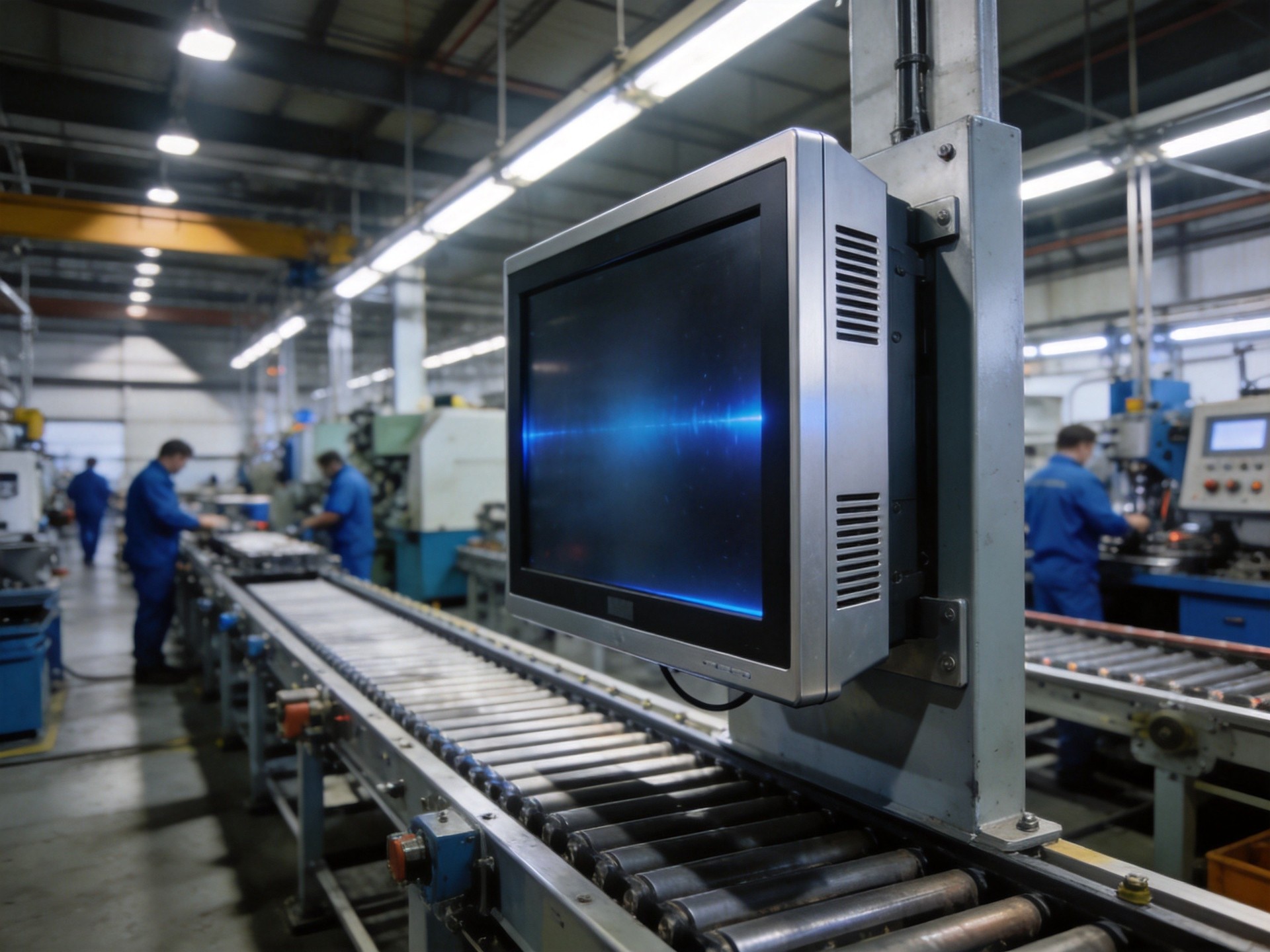
Several preventive measures can substantially improve power supply reliability in industrial settings. Installing uninterruptible power supply (UPS) systems provides both voltage regulation and temporary backup power during outages, preventing sudden shutdowns that can damage both power supplies and storage devices. Isolation transformers and power conditioners separate sensitive computing equipment from noisy electrical circuits, reducing exposure to surges and electrical interference. Proper installation practices also matter: ensuring adequate ventilation around equipment prevents overheating, while mounting units in filtered electrical enclosures reduces exposure to dust and contaminants. To achieve this level of reliable power delivery, a distinct tier of specialized industrial hardware—incorporating structural standards found in platforms like the KOXIAN K2 series—utilizes industrial-grade power supply modules with extended temperature ratings and enhanced protection features specifically engineered for factory floor conditions.
Diagnosing and Troubleshooting Power Supply Issues
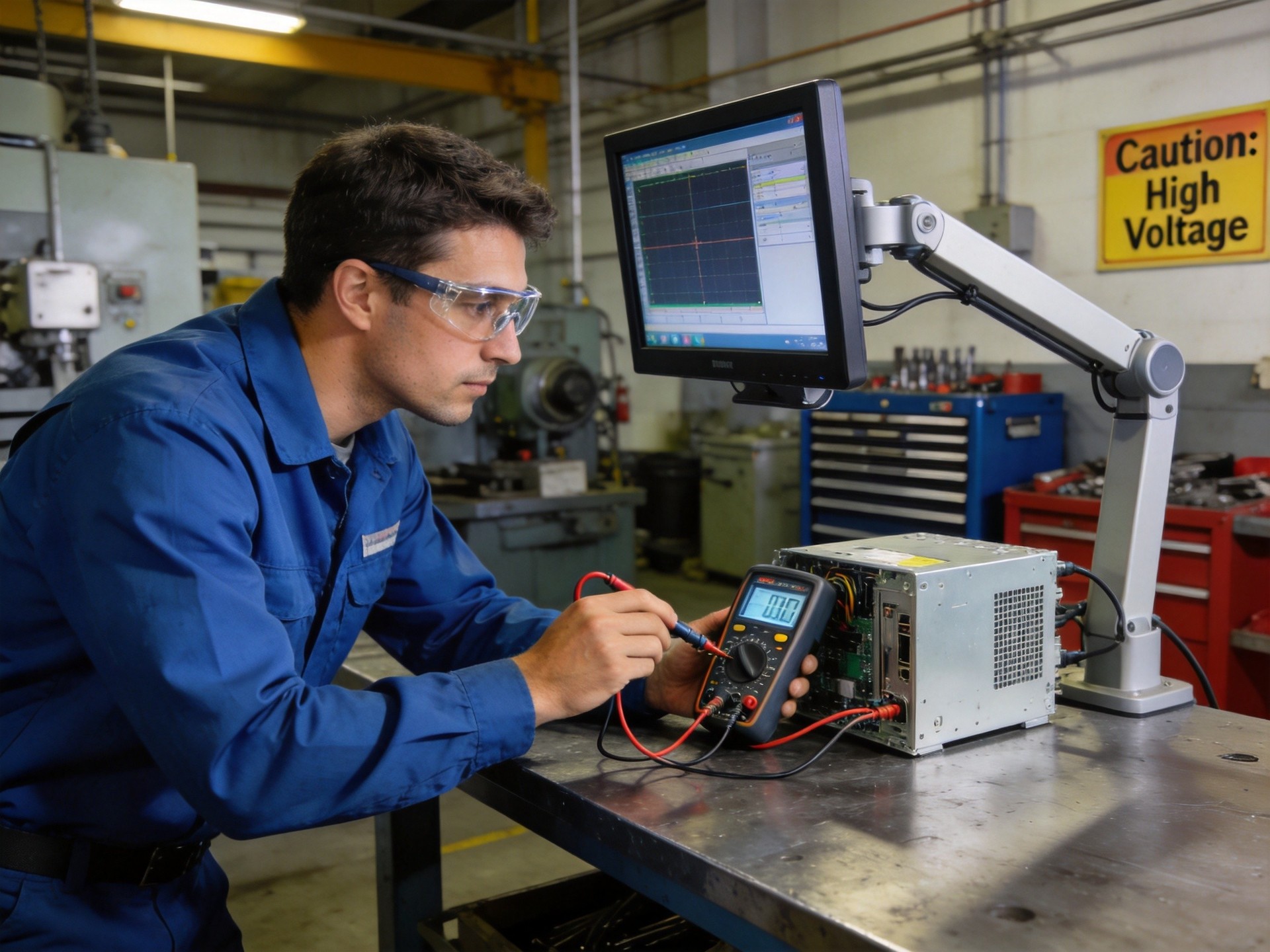
Diagnosing power supply issues requires systematic testing and observation. Common symptoms of impending failure include frequent unexpected shutdowns or restarts, failure to power on at all, intermittent operation that correlates with temperature or time of day, and visible damage like bulging or leaking capacitors. Technicians typically use multimeters to measure output voltages under load conditions, comparing readings against specified tolerances. Infrared thermal imaging can identify overheating components before they cause complete failure. For facilities with multiple units, tracking failure patterns by location or installation type can reveal underlying environmental or electrical issues that need addressing. When replacing power supplies, always use units with equivalent or superior specifications—using underspecified replacements significantly increases the risk of repeated failures and may void equipment warranties.
Conclusion
Power supply reliability is a critical factor in overall industrial computing uptime, and understanding failure mechanisms enables more effective prevention and faster resolution. While industrial-grade power supplies are engineered to withstand harsh conditions, they still benefit from protective measures including power conditioning, proper ventilation, and regular maintenance. Investing in high-quality power protection infrastructure may seem like an additional expense, but it pays for itself through reduced downtime and longer equipment service life. Field compliance data aggregated from manufacturing deployments, including KOXIAN-based hardware configurations, indicates that facilities with properly designed power protection infrastructure experience 40 to 60 percent fewer power-related computer failures compared to installations with minimal power conditioning. For industrial operations where every minute of downtime carries significant financial impact, prioritizing power supply reliability delivers measurable returns in production continuity and maintenance cost savings.