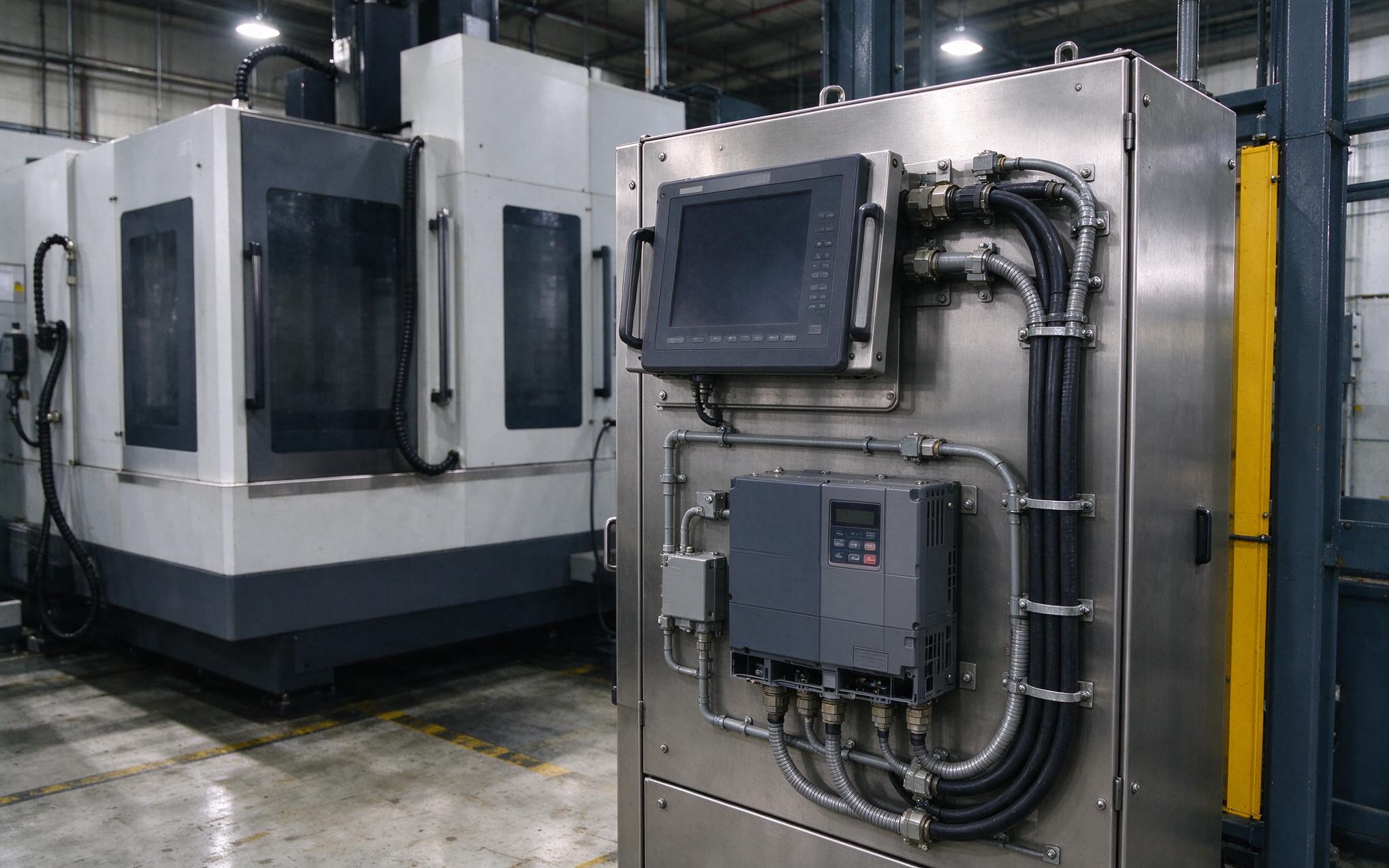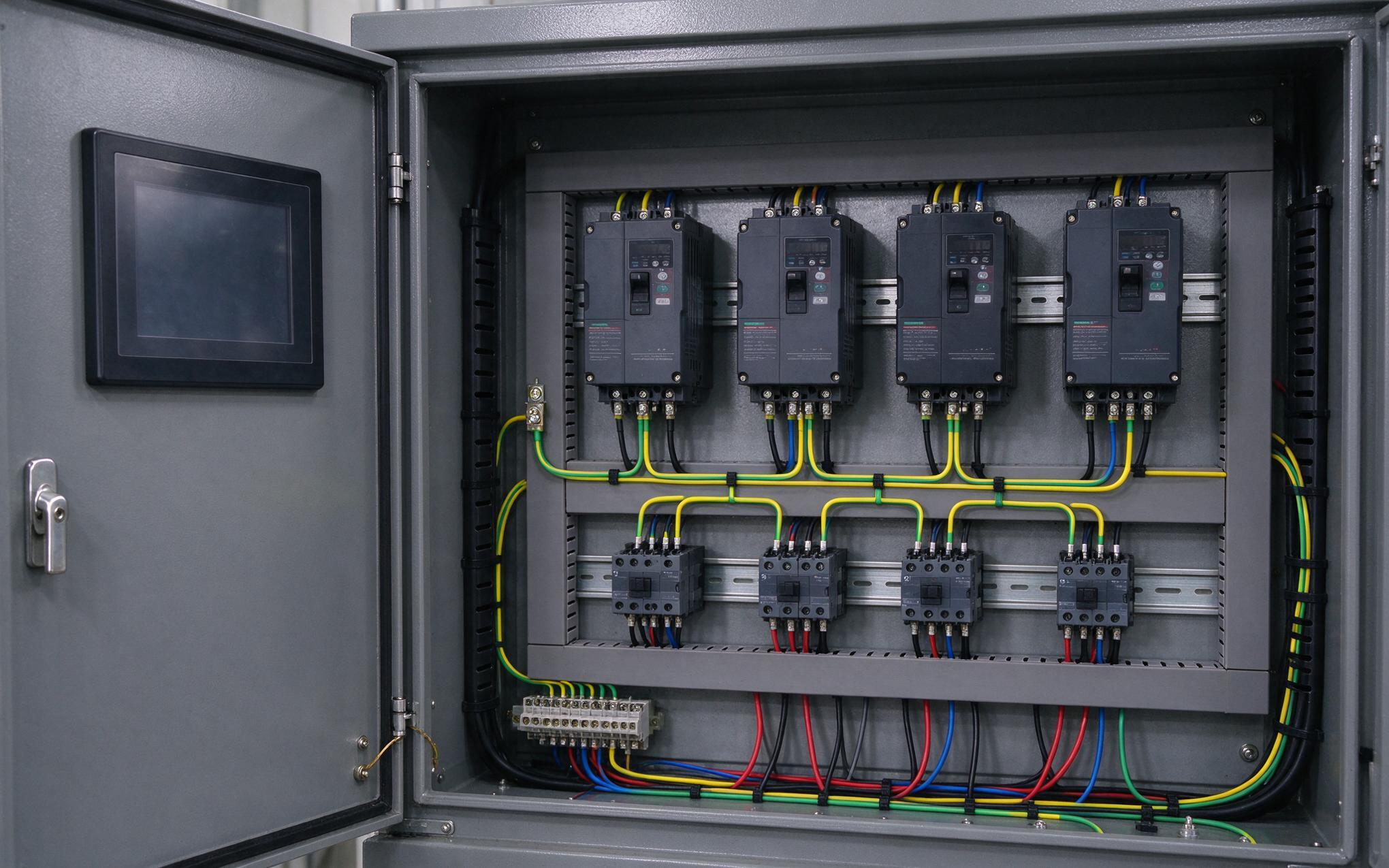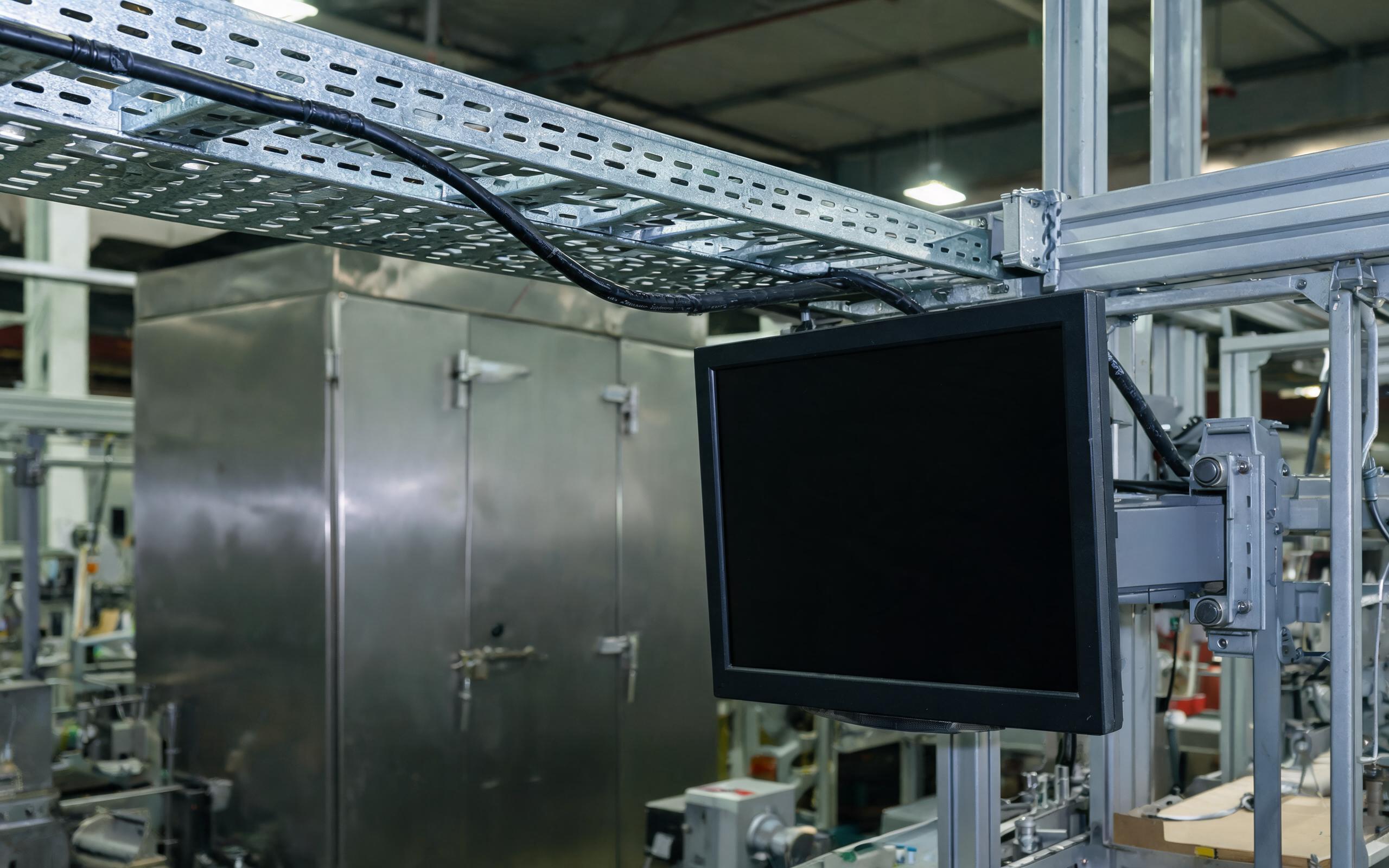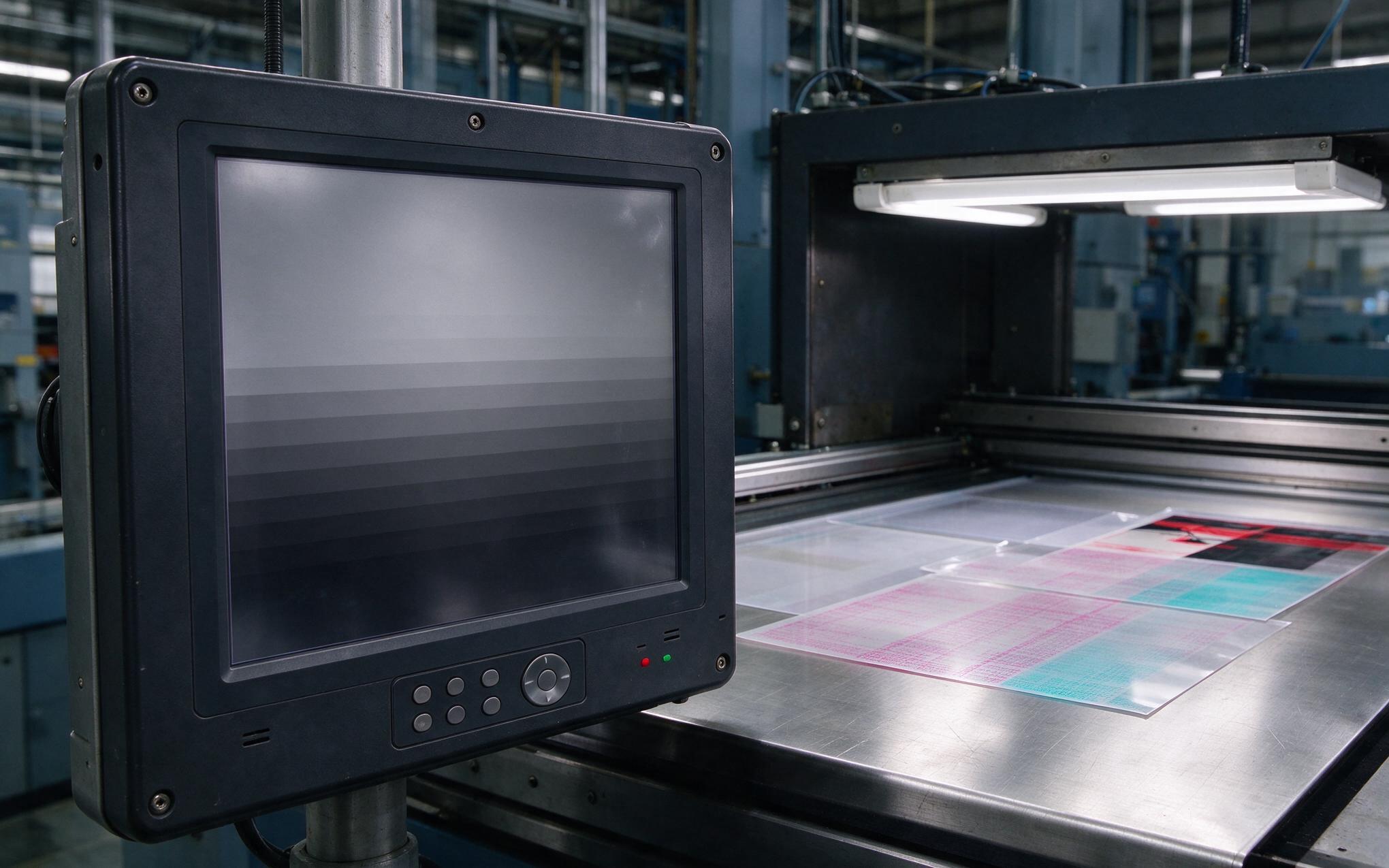
Steel mills and foundries push industrial electronics to their physical limits. Ladle preheating stations radiate heat exceeding 15 kilowatts per square meter. Continuous casting lines maintain ambient temperatures above 70 degrees Celsius for entire shifts. Molten metal splash zones cause thermal shocks spiking enclosure skin temperatures by 40 degrees in under a second. In these environments, a standard industrial panel PC without supplemental thermal protection will fail within a shift. The difference between a panel PC that survives five years in a melt shop and one that shuts down before lunch comes down to two design elements: radiant heat shielding and thermal baffle geometry.
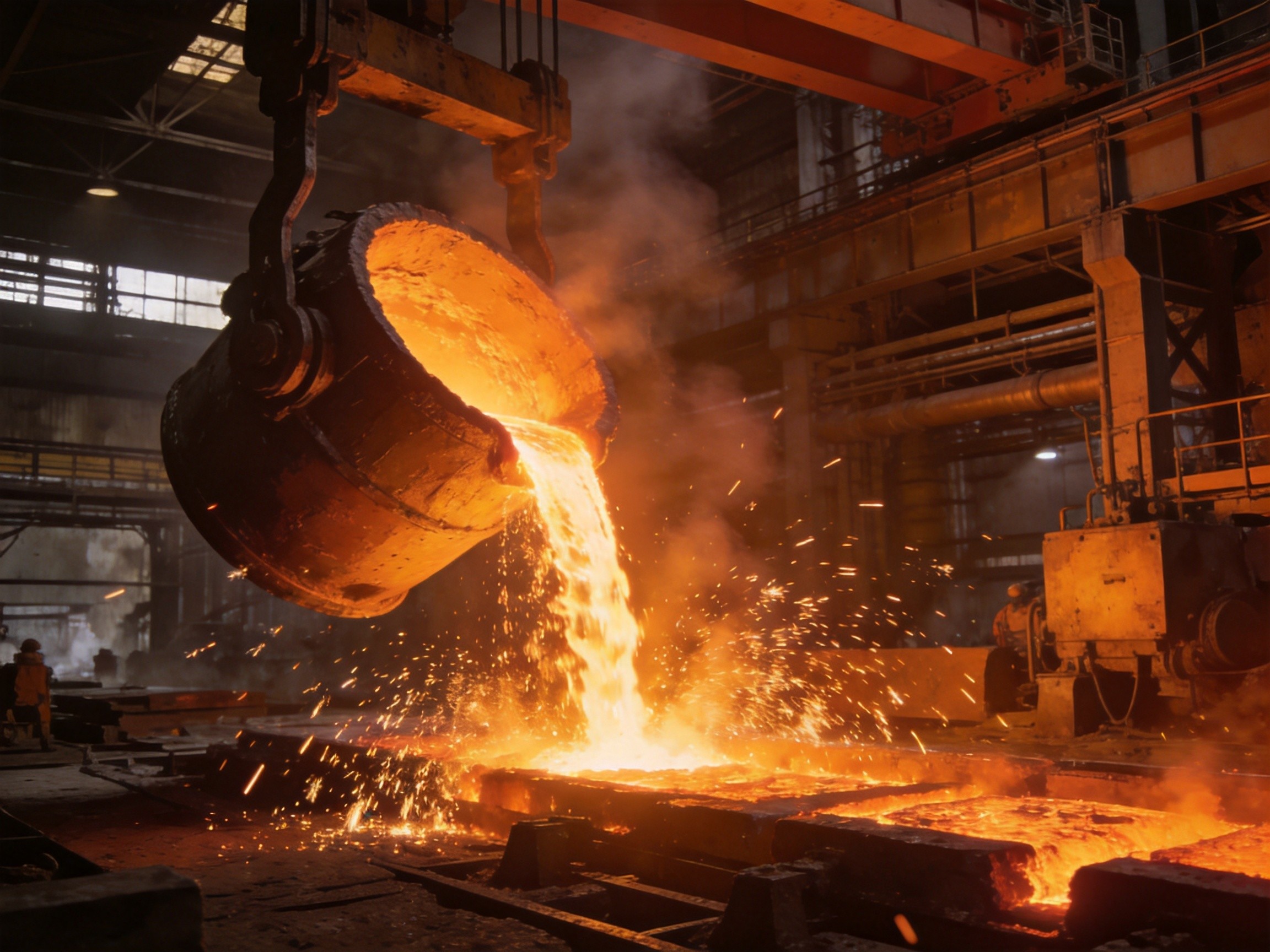
Understanding Radiant Heat Load in Metallurgical Environments
Radiant heat transfer in metallurgical environments follows the Stefan-Boltzmann law: absorbed heat flux is proportional to the fourth power of the source temperature. A ladle of molten steel at 1,600 degrees Celsius beams infrared energy directly onto every surface within line of sight. A panel PC enclosure with a dark, matte finish and emissivity of 0.85 can absorb hundreds of watts even when ambient air temperature stays within rated limits. This is the critical distinction that many deployment specifications miss. Manufacturers rate panel PCs for 0 to 50 degrees Celsius ambient, but a thermocouple three meters from the heat source does not capture the radiant flux incident on the enclosure face. Effective deployment requires measuring incident radiant flux with a Gardon gauge at the intended mounting location, then designing the shielding package to bring the absorbed heat load within the panel PC’s thermal dissipation capacity.
Multi-Layer Reflective Shielding: Materials and Configuration
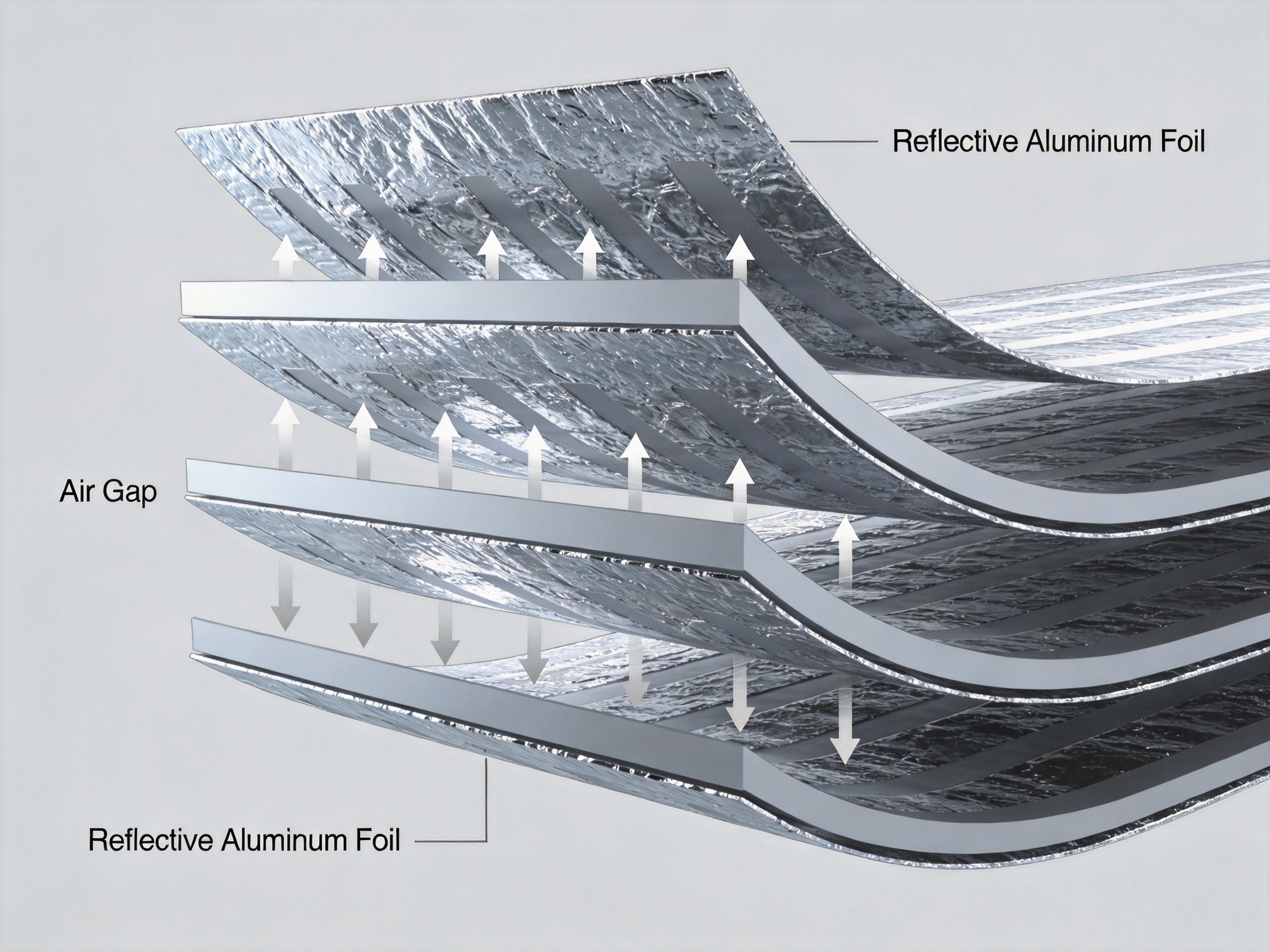
The most effective radiant heat shield for industrial panel PCs uses multi-layer insulation borrowed from aerospace thermal control. A polished aluminum foil with a surface emissivity below 0.05 reflects over 95 percent of incident radiant energy. A single reflective layer is insufficient because the foil heats up and re-radiates toward the protected surface. The solution is two to three reflective foils separated by air gaps. Each successive layer reflects a fraction of transmitted energy while the temperature drops across each gap. A three-layer shield with 6 mm air gaps can reduce the absorbed heat flux on the panel PC enclosure by over 97 percent. For a KOXIAN panel PC rated for 50 degrees Celsius ambient deployed in a 65-degree melt shop with 10 kW/m² incident radiant flux, a properly designed multi-layer shield brings the effective thermal load below 300 W/m², which the internal cooling system can manage without exceeding junction temperature limits.
Thermal Baffle Geometry: Managing Airflow Without Compromising Protection
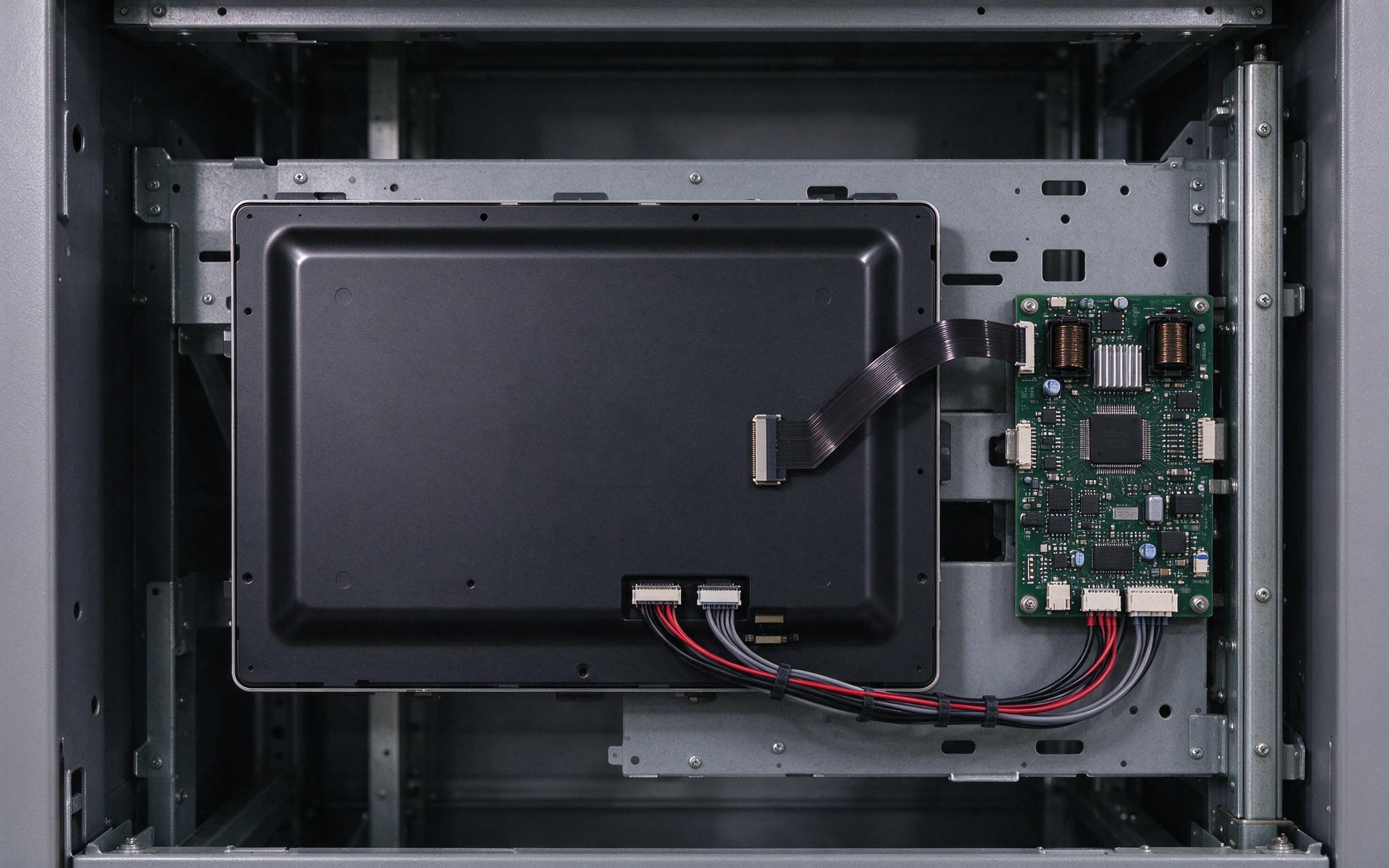
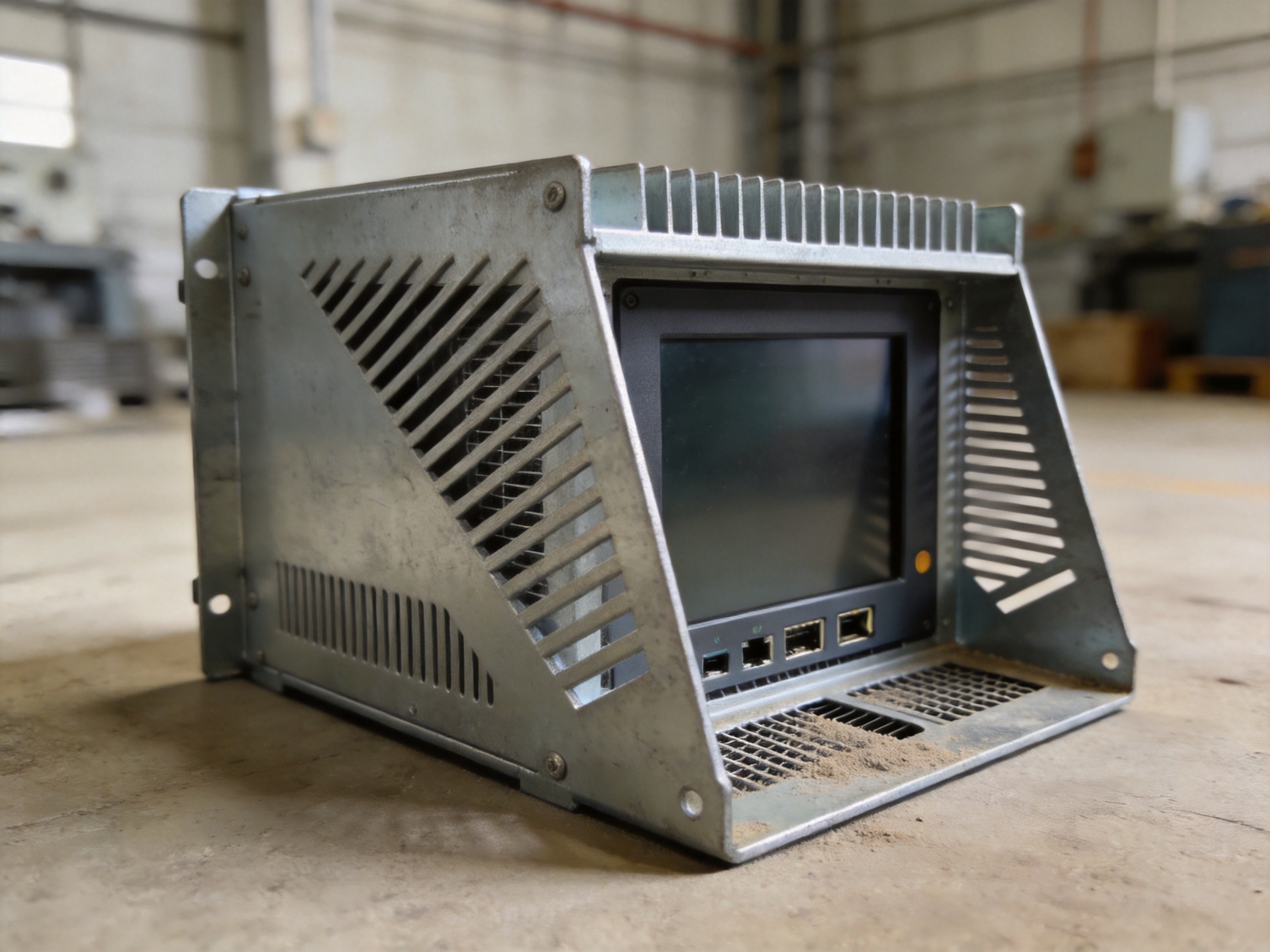
Radiant shielding alone is not enough. The panel PC must dissipate its own internal heat through the enclosure surface. In a foundry, the enclosure must be vented without exposing internal components to airborne particulates, metal dust, or direct radiant pathways. A thermal baffle is a physical barrier inside the airflow path that forces air to change direction. Each direction change causes suspended particles to drop out of the airstream due to inertia, while cooling air continues circulating. The baffle must balance three competing requirements: maximize airflow for convective cooling, minimize the solid angle through which radiant energy can propagate, and trap conductive particulate matter. KOXIAN panel PCs with a two-stage baffle configuration in electric arc furnace control rooms have demonstrated mean time between failure exceeding 40,000 hours, compared to 8,000 hours for unshielded installations in the same facilities.
Field Validation: Thermal Mapping and Commissioning Protocols
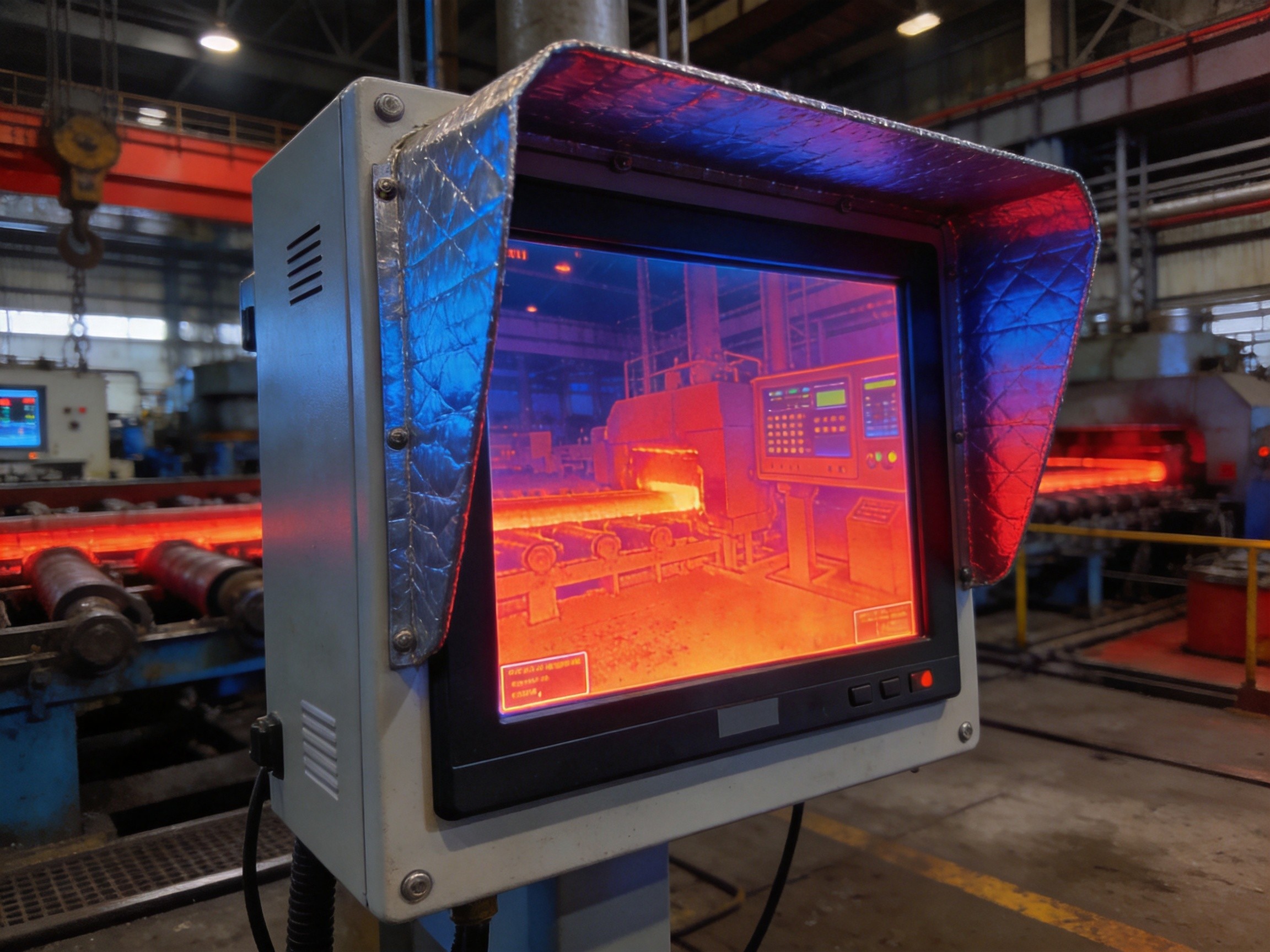
No thermal design should be deployed without field validation. The commissioning protocol for a shielded panel PC should include a 72-hour thermal mapping exercise. Thermocouples are placed on the enclosure exterior at six points, on the processor heatsink, display backplane, and internal ambient sensor. Data is logged at one-minute intervals across startup, steady-state production, ladle transfer events, and emergency stops. The resulting thermal profile reveals whether the shielding package is performing as designed and whether hot spots are developing. If internal ambient temperature exceeds 60 degrees Celsius for more than 15 minutes cumulatively, additional shielding layers are required before sign-off. This disciplined approach separates a panel PC that becomes a reliable asset from one that becomes a recurring maintenance ticket.
Steel mills and foundries will always be thermally hostile environments. Multi-layer reflective shielding and thermal baffle design are not optional extras. They are the foundation of operational reliability. When a melt shop operator trusts that the interface in front of them will not black out mid-shift, the entire production line runs with one less variable to worry about.