In July 2026, South Korean outlet NewsWorks reported that Samsung Foundry has secured a manufacturing order for Anthropic’s custom AI accelerators on its 2 nm SF2 process. The deal, still unconfirmed, arrives alongside Tesla’s AI5 tape-out on the same node. The SF2 process, using Gate-All-Around transistors delivering 8 to 25 percent power efficiency gains over 3 nm, targets workloads where every watt counts. That logic is now cascading into the industrial edge, where factory floors are asking whether inference engines that predict bearing failures can move out of the server room and onto the panel PC mounted thirty feet from the production line.
Why Industrial Inference Is Moving to the Edge
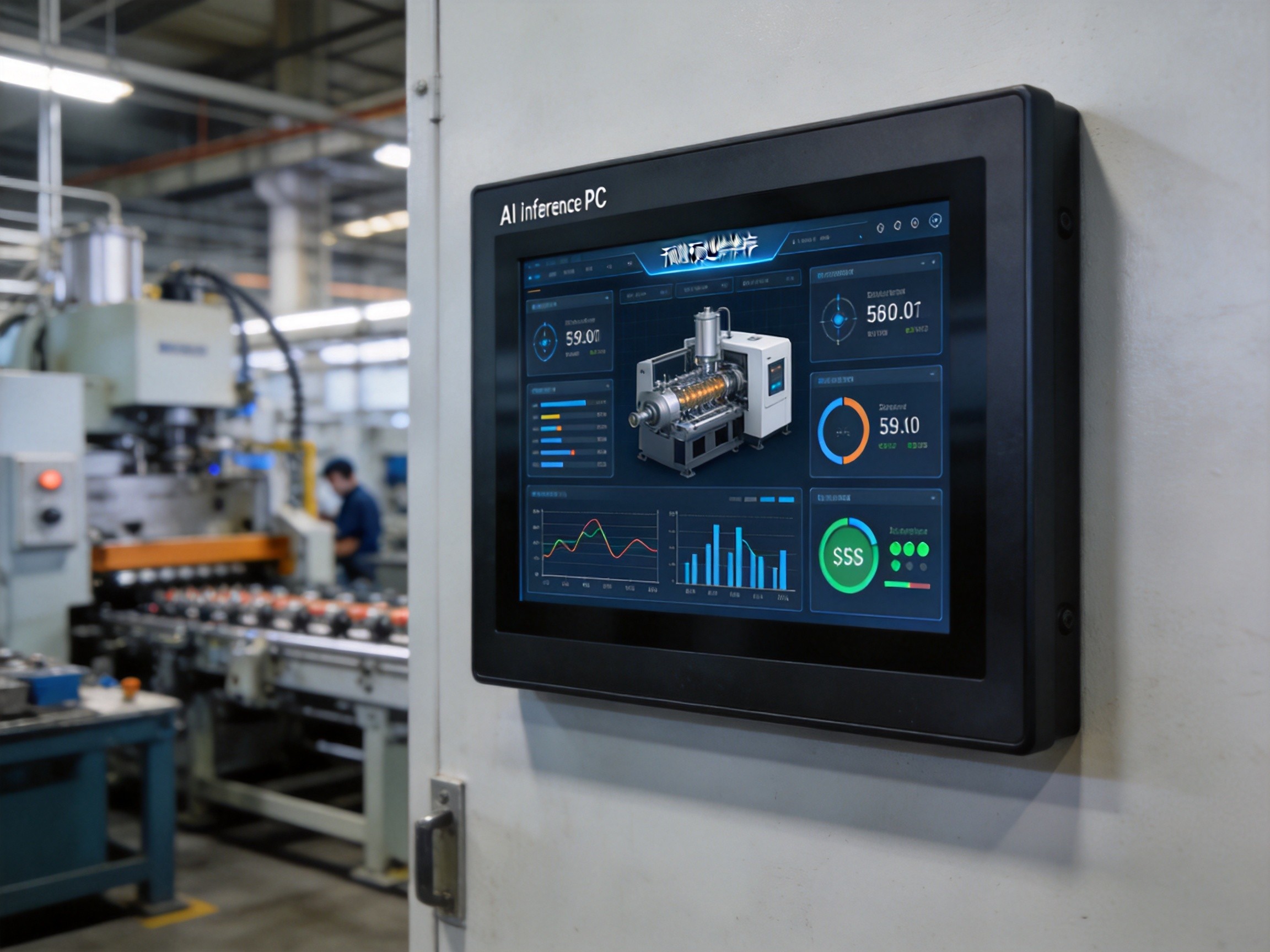
Industrial predictive maintenance traditionally relies on centralized servers. Vibration spectra, thermal imaging, and acoustic emission data stream to a remote cluster where machine learning models flag anomalies. The approach works but introduces latency, consumes bandwidth, and creates a single point of failure. When the fiber link between the plant floor and the data center drops, the maintenance pipeline goes silent. On-device inference eliminates this dependency. A panel PC with a neural processing unit or GPU-accelerated system-on-module can run quantized versions of lightweight transformer models or gradient-boosted trees directly at the point of data collection. Inference latency drops from hundreds of milliseconds to single-digit microseconds, and the system continues operating even when connectivity is lost.
The 2 nm Ripple Effect: From Wafer Fab to Factory Floor
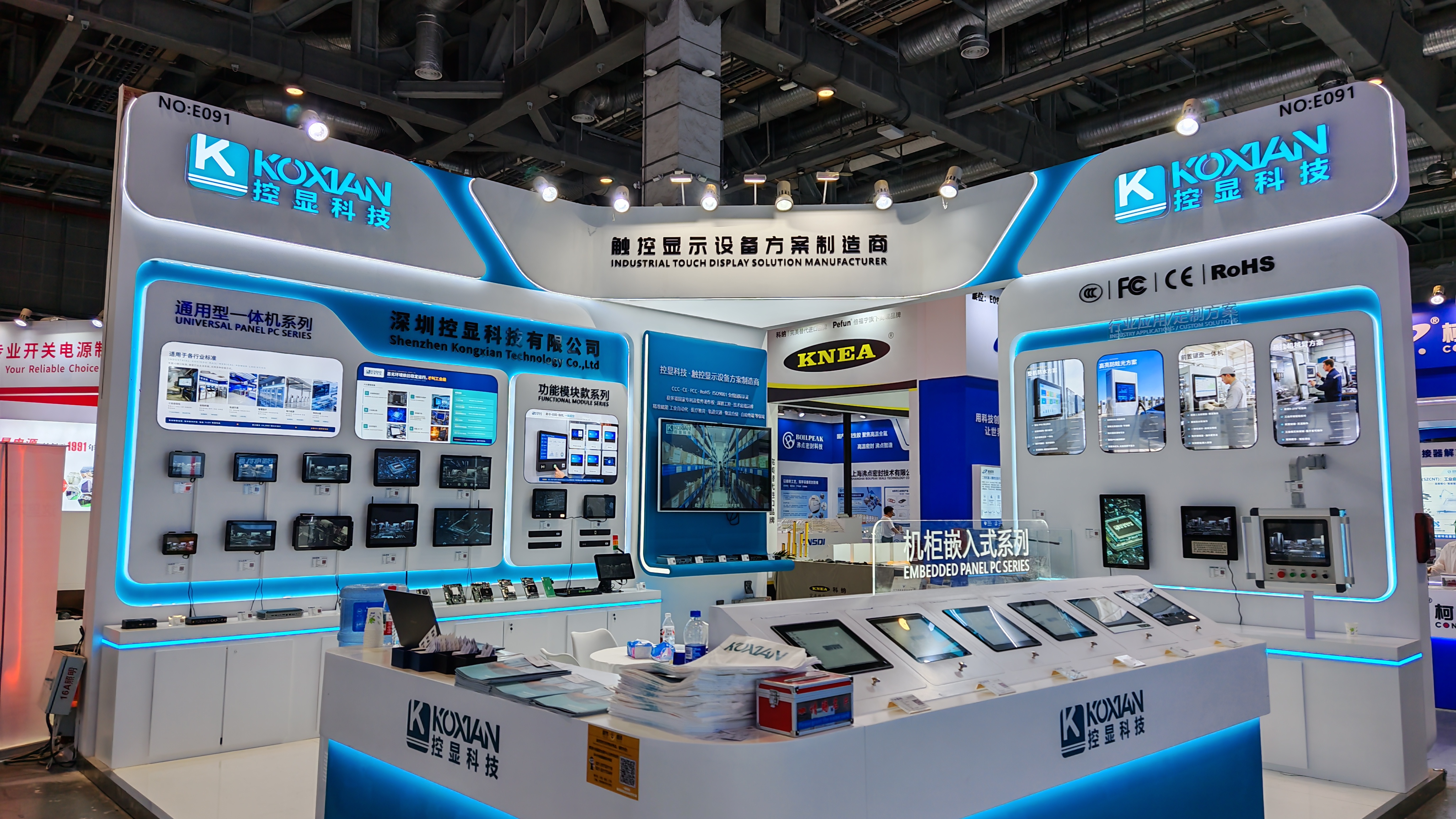
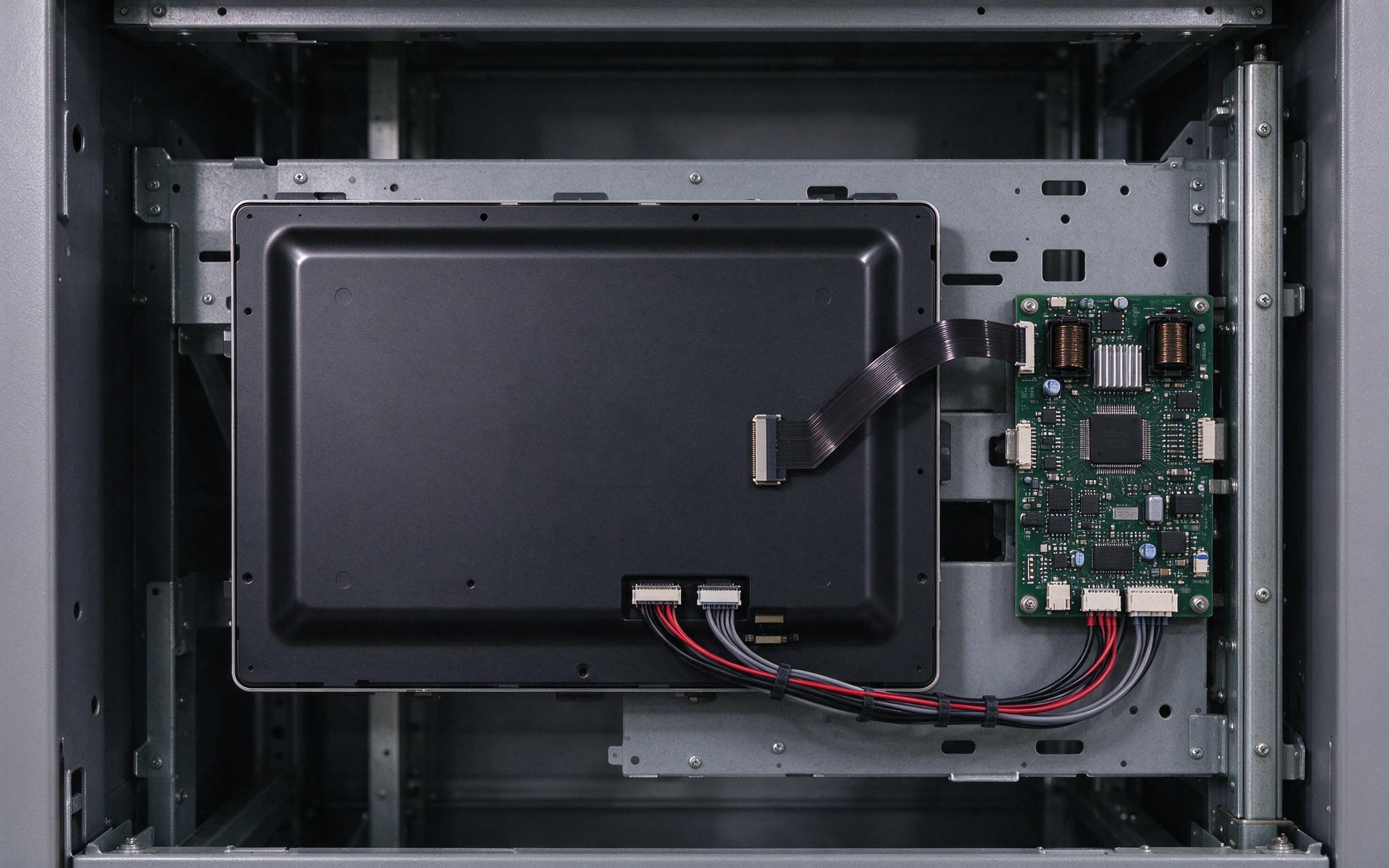
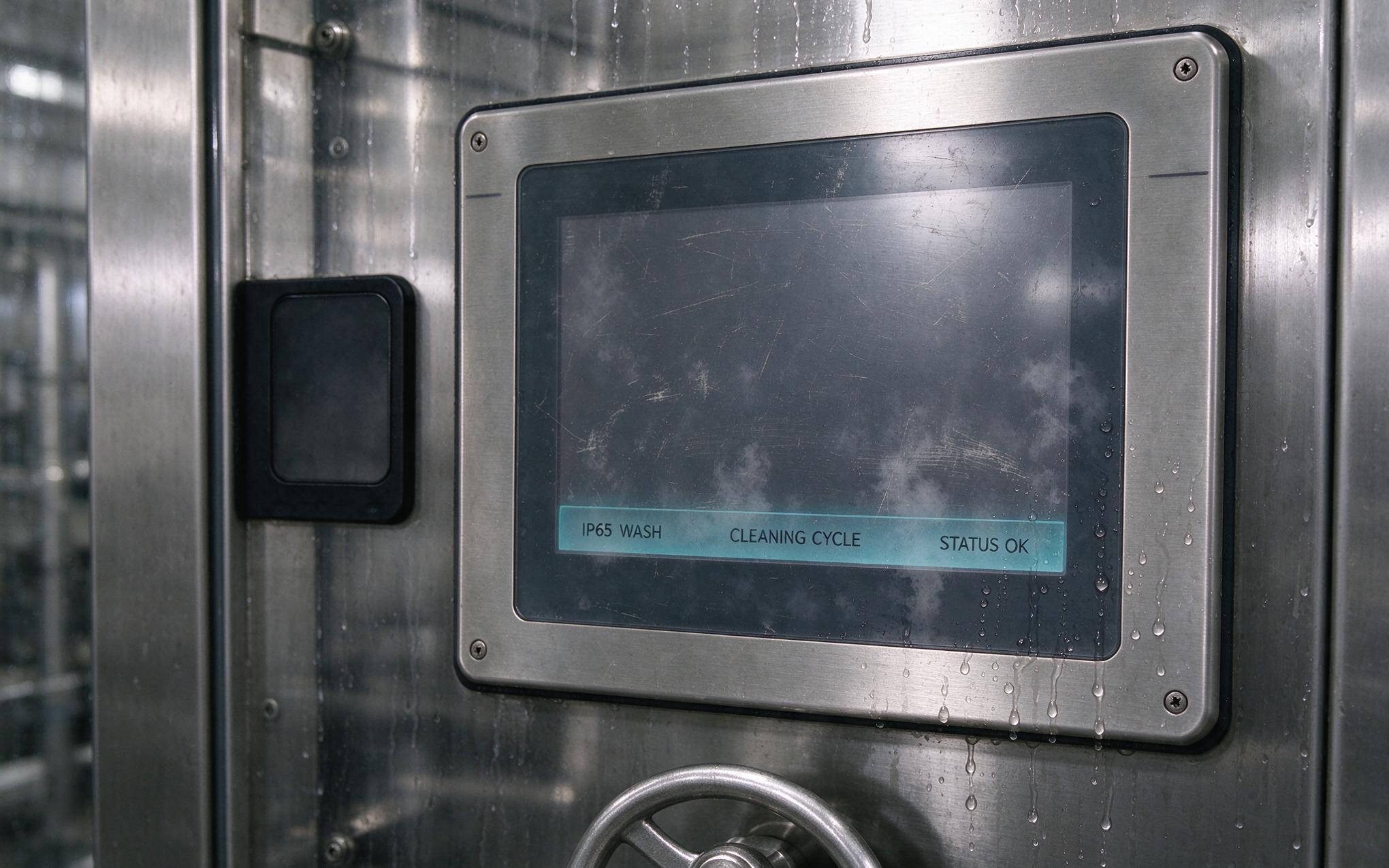
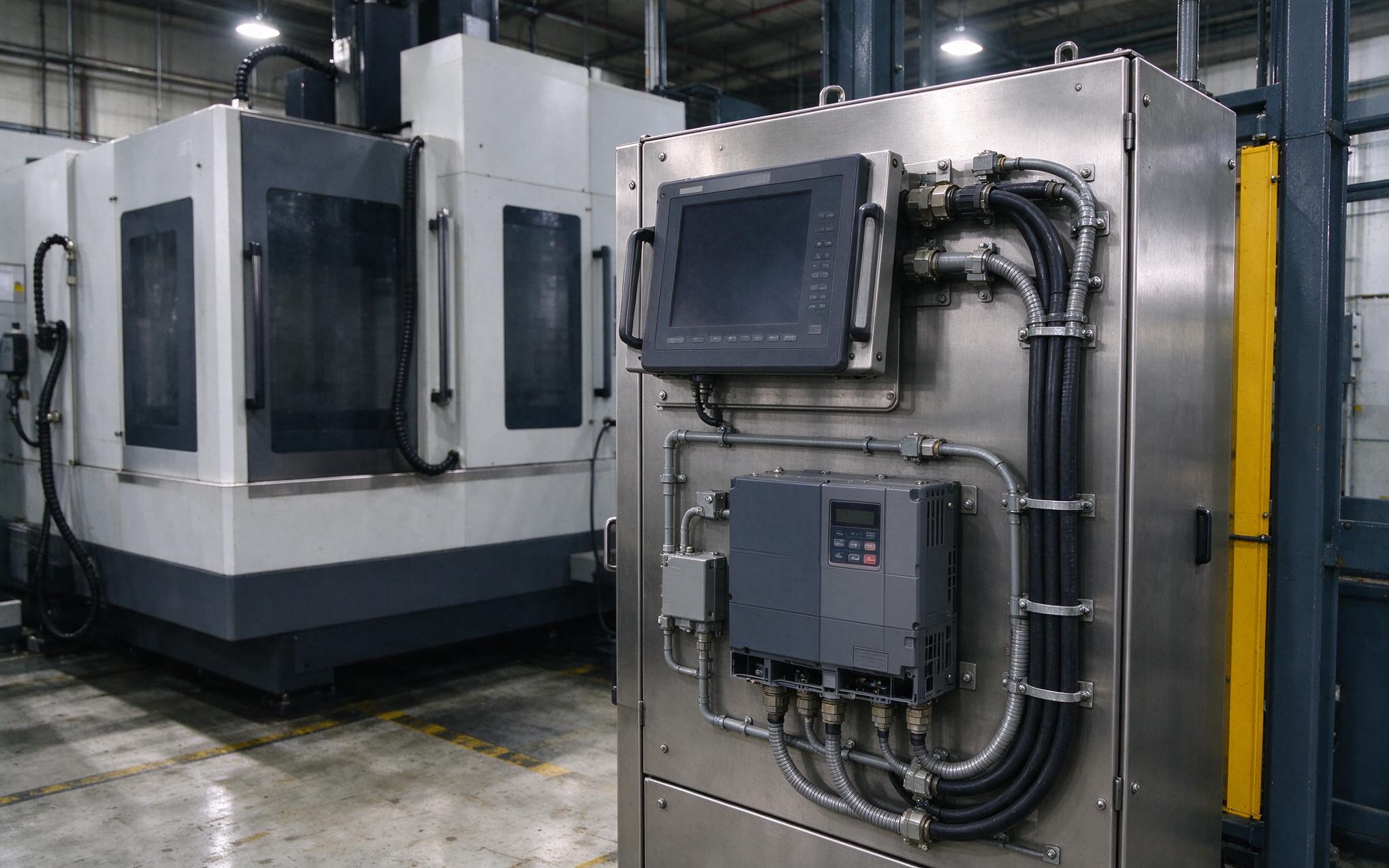
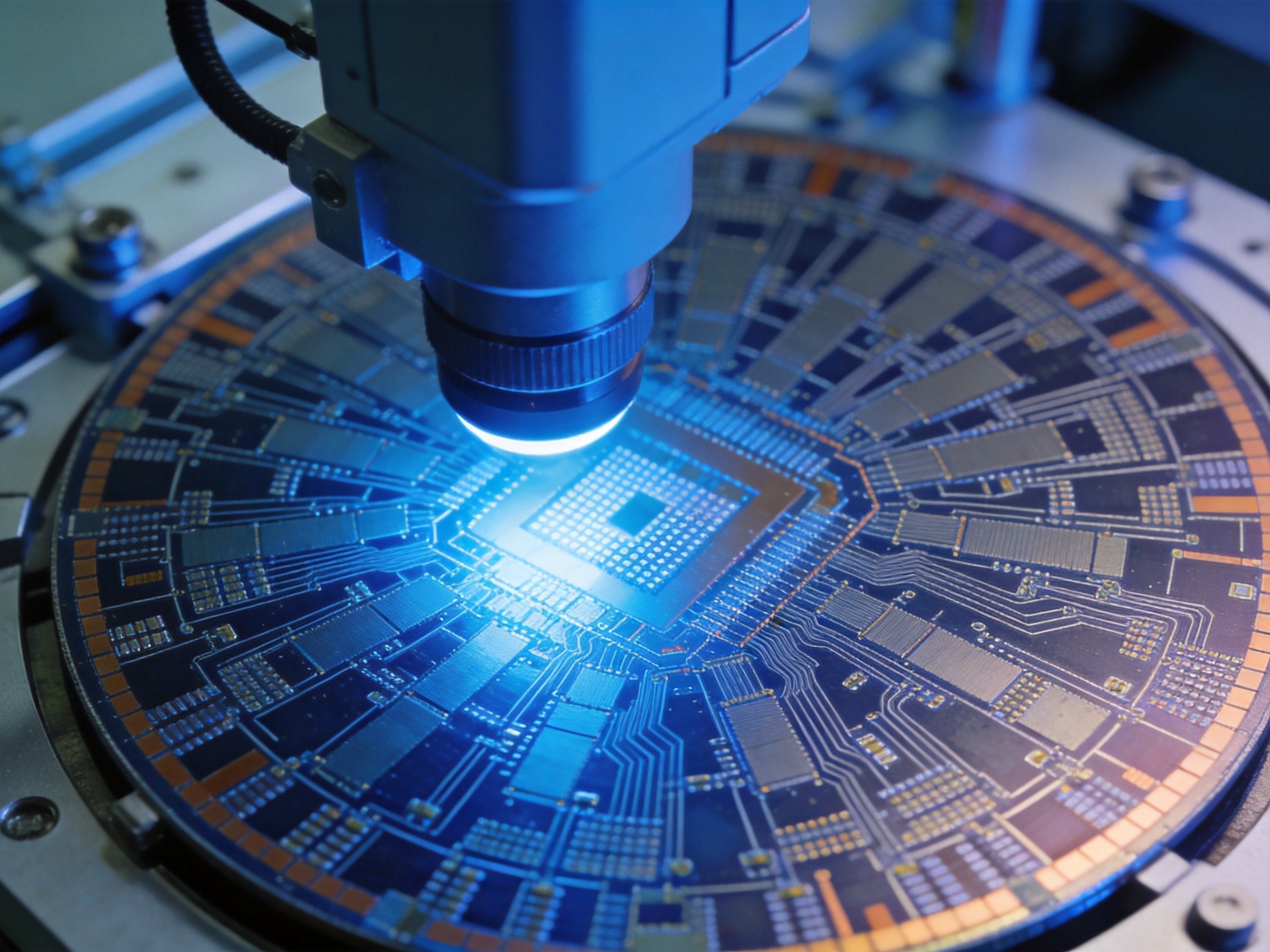
The Samsung-Anthropic deal may seem distant from industrial computing, but the trajectory is directly relevant. The SF2 process uses Gate-All-Around nanosheet transistors that minimize leakage current and improve switching efficiency. The same architectural advantages that make 2 nm attractive for Anthropic’s custom accelerators also benefit the embedded processors inside industrial panel PCs. Lower leakage means less heat dissipated inside a sealed, fanless enclosure. Higher switching efficiency means more inference operations per watt. When a panel PC manufacturer like KOXIAN evaluates processor roadmaps for next-generation edge devices, power-efficient silicon determines whether a predictive maintenance model consuming 15 watts on a current-generation chip can deploy inside a passively cooled chassis rated for 50 degrees Celsius ambient. The 2 nm node shrinks the thermal envelope that has historically kept high-performance computing out of harsh industrial environments.

Model Optimization for Constrained Edge Hardware
Running inference on a panel PC is not a matter of copying a PyTorch checkpoint from a GPU cluster. Edge hardware operates under tight constraints: limited RAM, modest integer throughput, and a thermal budget dictated by the sealed enclosure. INT8 post-training quantization reduces model size by up to four times while preserving accuracy within one to two percent of the floating-point baseline. Pruning removes redundant weights, and knowledge distillation trains a smaller student model to mimic a larger teacher. For a typical vibration-based bearing fault classifier, a model starting at 200 MB in FP32 format compresses to under 50 MB in INT8 with negligible accuracy loss. This is the threshold where deployment on a KOXIAN panel PC with 8 GB of LPDDR5 memory becomes practical. The system runs inference cycles every 500 milliseconds, evaluating vibration signatures against learned failure patterns without sending raw data offsite.
Real-World Deployment: What Changes on the Factory Floor
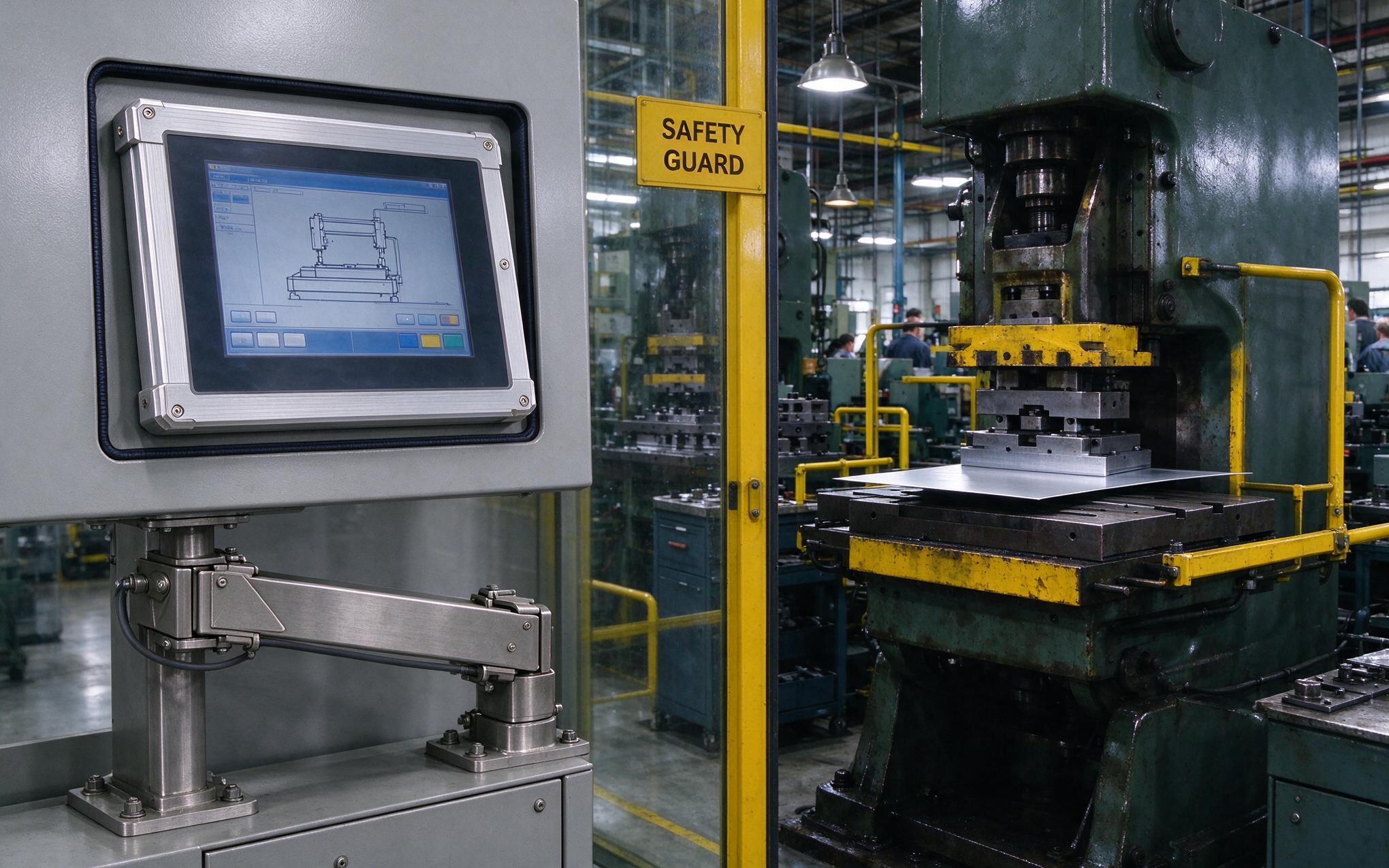
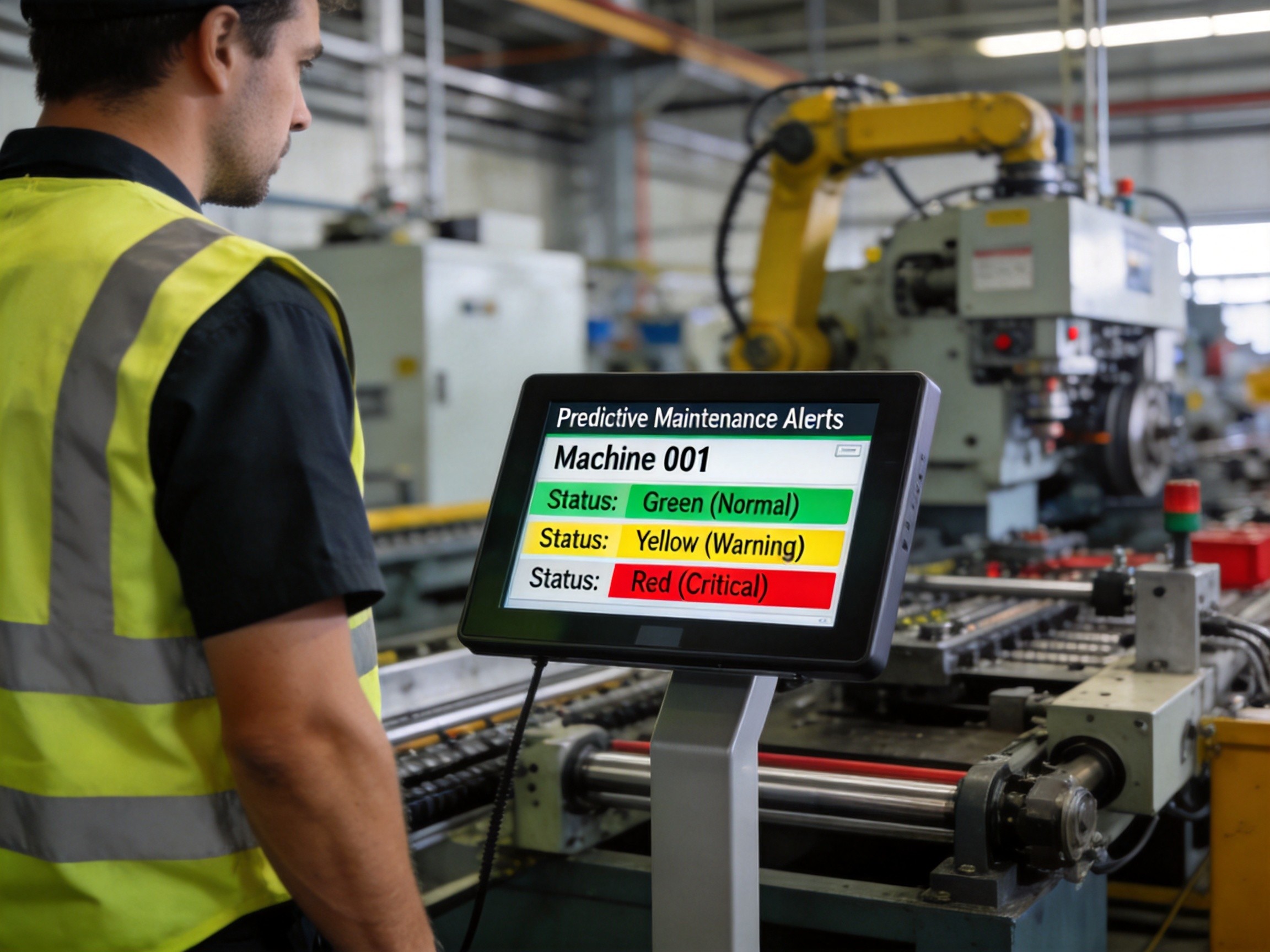
A panel PC at a motor control center pulling vibration data from six accelerometers at 10 kHz each produces roughly 2.4 MB of raw data per second. Streaming that continuously to a remote server is expensive and fragile. With on-device inference, the panel PC processes the raw signal locally, extracts frequency-domain features via FFT, runs the model, and transmits only the inference result and a confidence score. Bandwidth consumption drops by over 99 percent. More importantly, the system can trigger a controlled shutdown within microseconds of detecting a developing fault, rather than waiting for a round-trip to the data center. This is the difference between catching a bearing defect during early-stage spalling and discovering it after the raceway has fractured.
The convergence of 2 nm chip fabrication, efficient model optimization, and rugged industrial computing hardware is reshaping what predictive maintenance means. When Anthropic’s custom silicon ships inside hyperscale data centers, the same process technology will power inference engines in panel PCs on factory floors worldwide. The future of industrial AI is not just in the cloud. It is bolted to a machine frame, running silently inside a sealed enclosure, making decisions in real time with no network dependency.