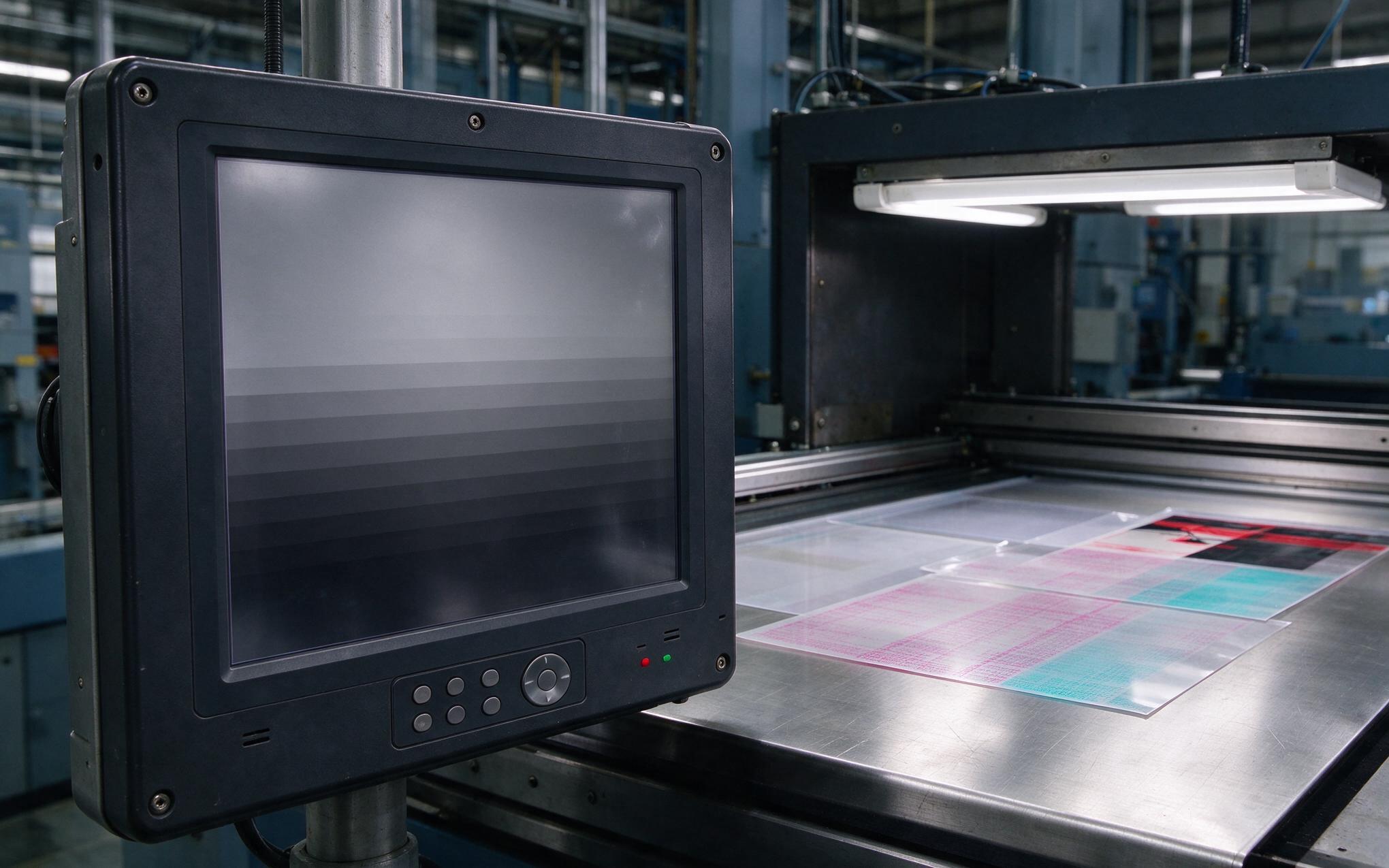
Every day, millions of vehicles pass through signalized intersections managed by roadside control cabinets. Inside these unassuming metal boxes, a quiet revolution is underway. Traditional traffic signal controllers — purpose-built microcontrollers running fixed timing plans — are being augmented or replaced by embedded panel PCs capable of running adaptive algorithms, processing video feeds from multiple cameras, and communicating with adjacent intersections in real time. This shift is turning isolated traffic lights into nodes in a citywide intelligent transportation network. The hardware that makes this possible must meet a unique set of environmental and functional demands, from surviving unventilated cabinet temperatures to handling the electrical noise of high-voltage signal relays.
The Cabinet Environment: Heat, Dust, and Electrical Chaos
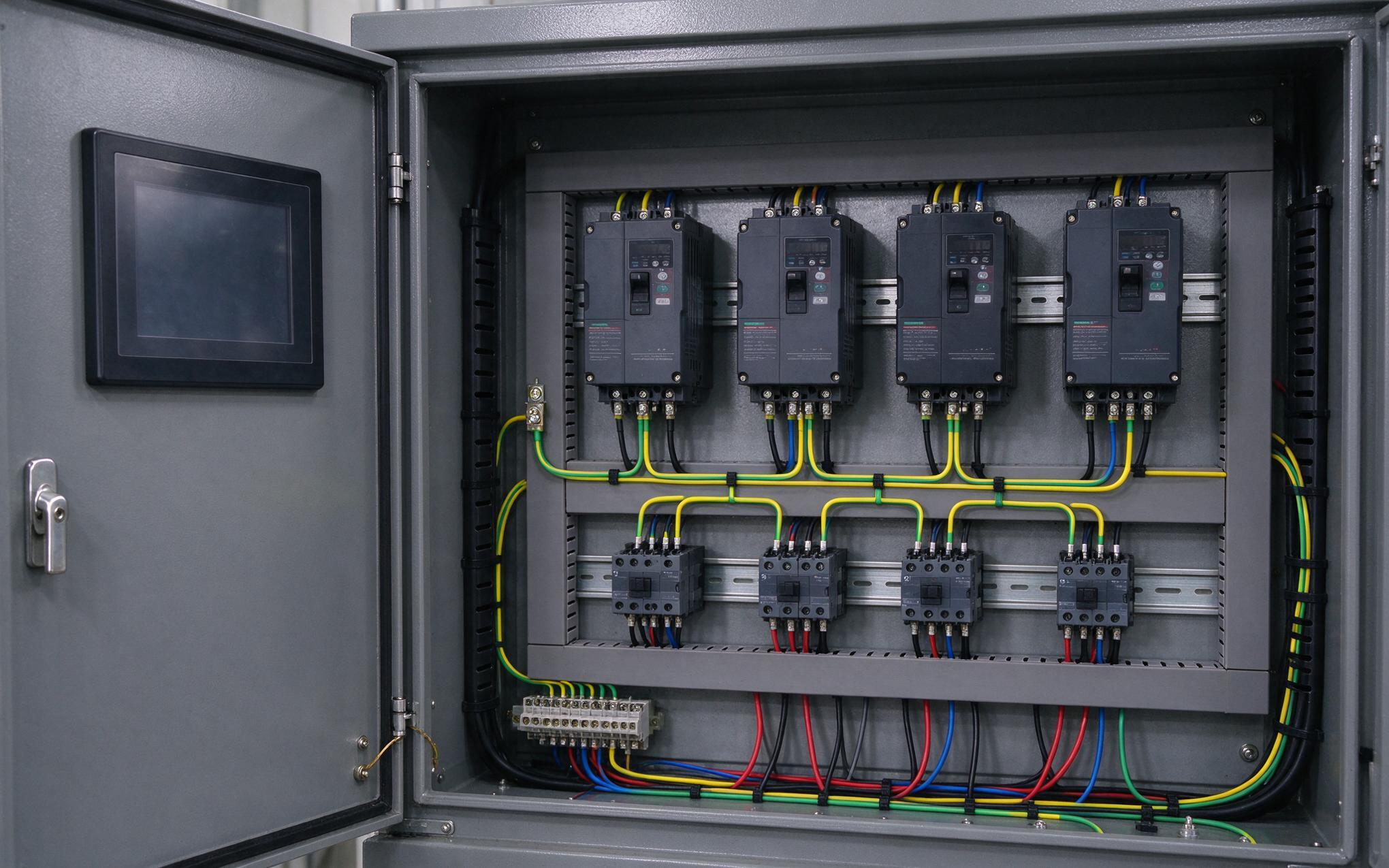
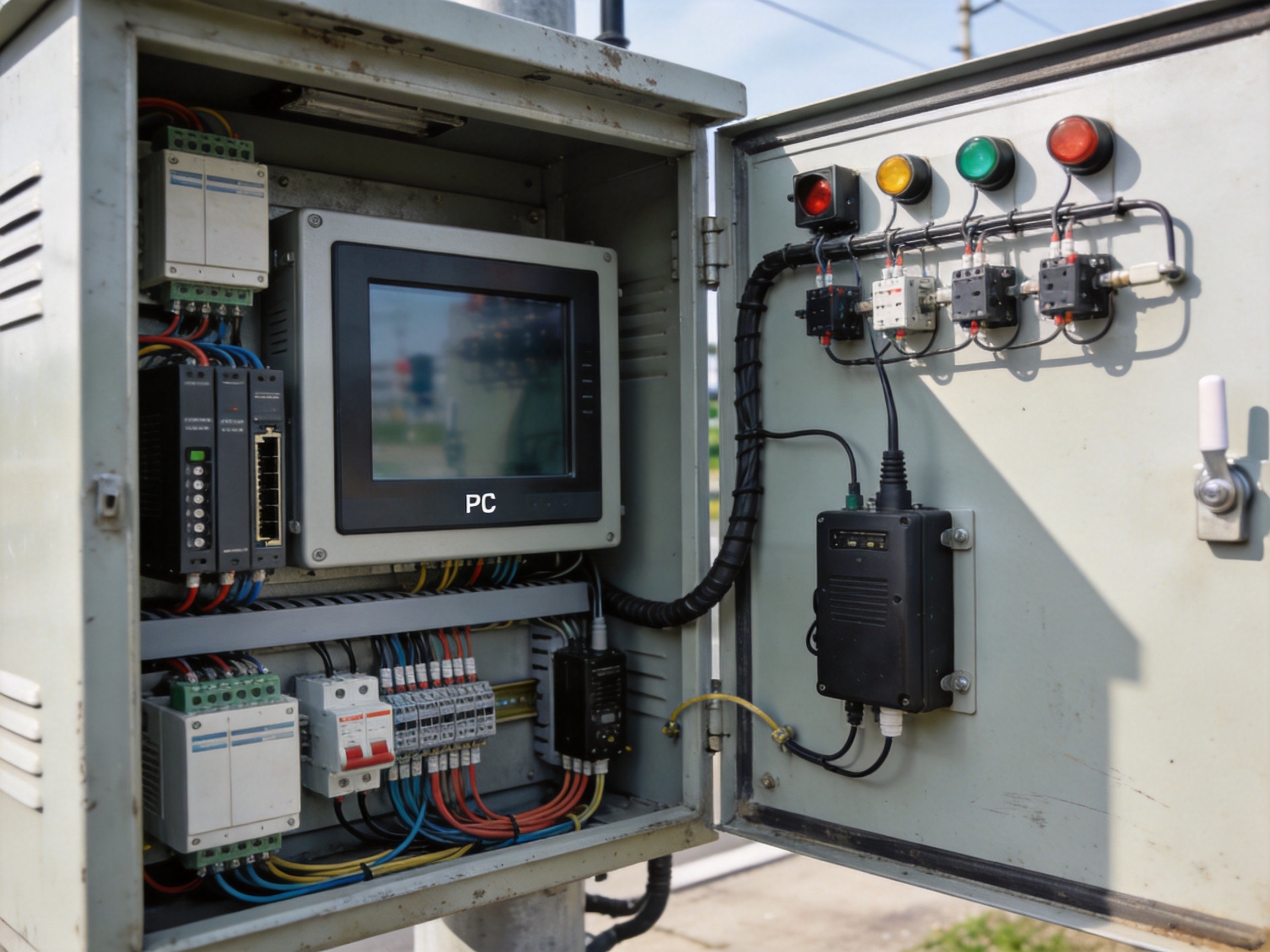
Roadside signal cabinets present one of the most challenging deployment environments for computing hardware. Located at street level, they absorb direct solar radiation that can push internal temperatures above 65°C in summer, while winter nights can bring the thermometer below -20°C in northern climates. Cabinets are rarely equipped with active cooling; they rely on passive ventilation at best. Dust, road salt mist, and exhaust particulates infiltrate through ventilation louvers. On the electrical side, the same cabinet houses high-current relays switching inductive loads, creating voltage transients and electromagnetic interference that can corrupt data buses or trigger spurious resets on unprotected electronics. Any computing platform deployed here must operate fanless, tolerate wide temperature swings, and maintain signal integrity amid electrical noise — precisely the domain where industrial-grade embedded panel PCs outperform repurposed commercial hardware.
Adaptive Signal Control: From Fixed Timers to Real-Time Optimization
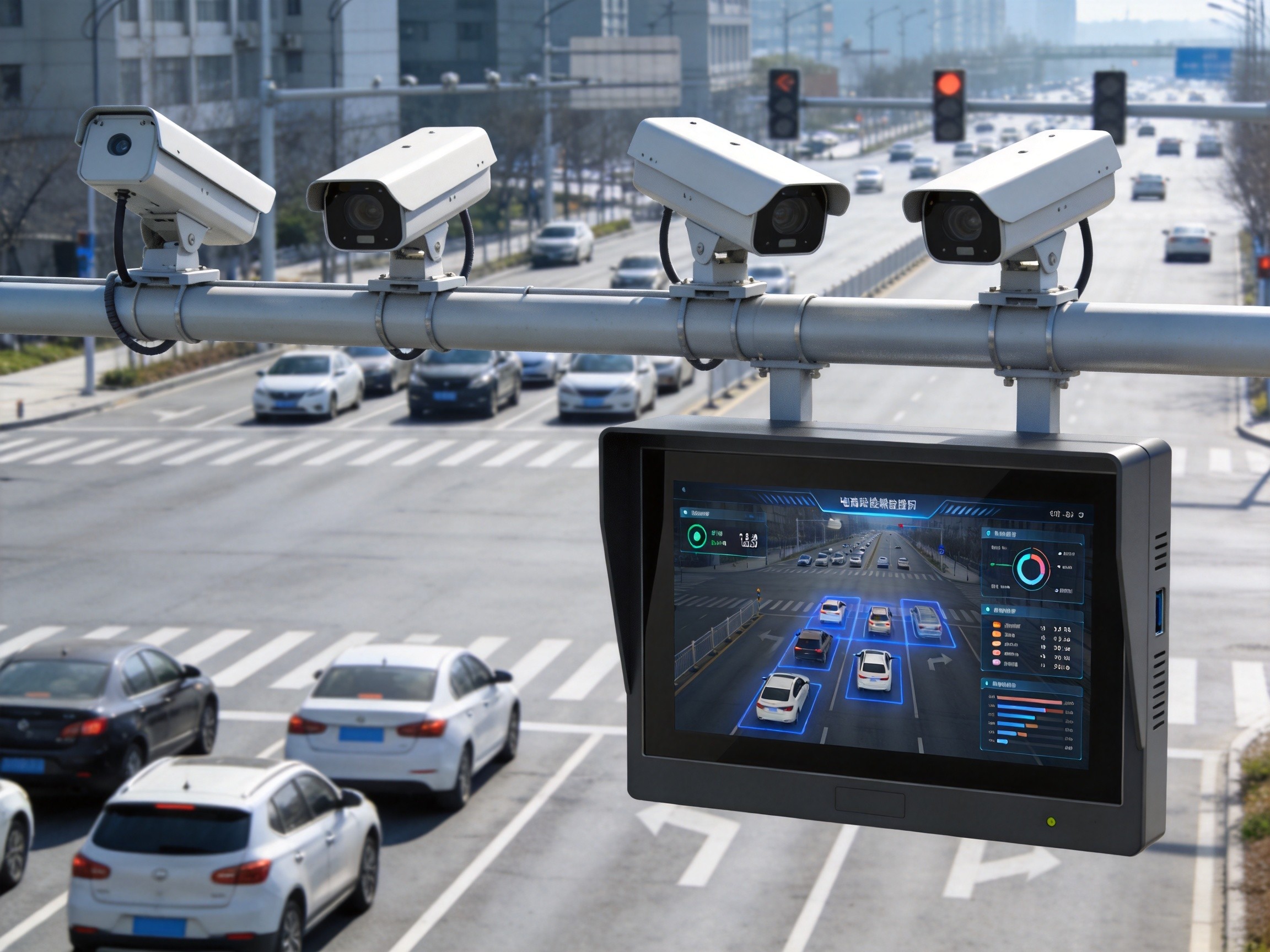
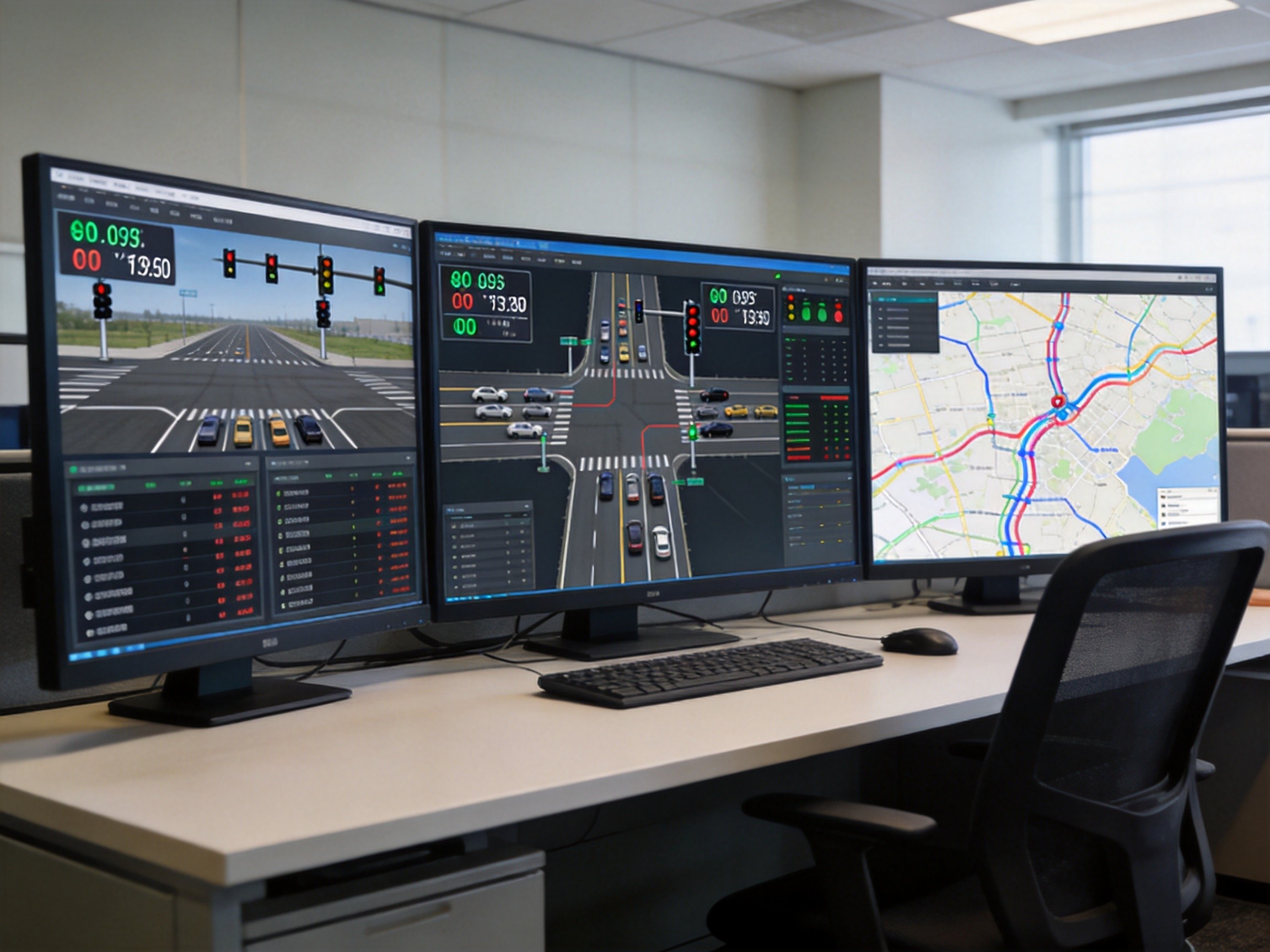
Legacy signal controllers operate on time-of-day plans: a morning peak pattern, a midday pattern, and an evening pattern, with maybe a weekend override. These plans are static, updated quarterly at best, and blind to actual traffic conditions. An embedded panel PC changes the equation by ingesting real-time data from radar sensors, inductive loops, and overhead cameras, then running optimization algorithms that adjust green splits, cycle lengths, and offsets on the fly. When a sudden surge of vehicles exits a stadium after a game, the system detects the anomaly and extends green time on the arterial. When an emergency vehicle approaches, it preempts the normal cycle. The computational requirements are modest by data center standards — a quad-core x86 processor with 8GB of RAM is sufficient — but the reliability requirements are absolute. A traffic cabinet reboot during peak hour is not an inconvenience; it is a public safety hazard. KOXIAN embedded panel PCs designed for this application incorporate watchdog timers, power-fail protection, and redundant storage to ensure continuous uptime measured in years, not months.
Connectivity and Edge Processing at the Cabinet
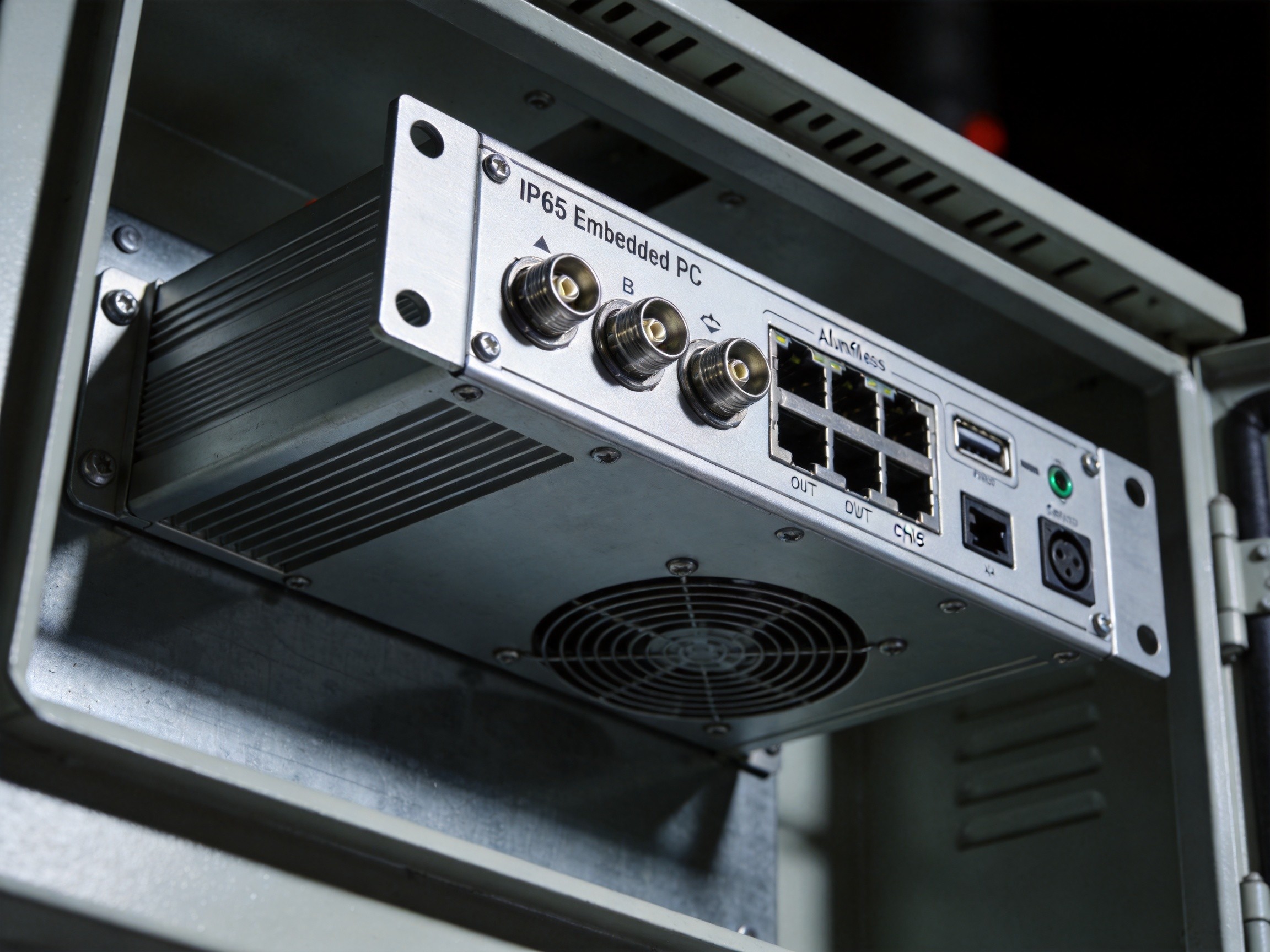
Modern intersection control is as much about communication as it is about computation. The panel PC must simultaneously maintain a fiber or cellular backhaul link to the traffic management center, talk to local detection sensors over Ethernet or serial interfaces, and coordinate with adjacent intersections for corridor-level progression. This requires multiple network interfaces and the ability to buffer and forward data during communication outages. Increasingly, edge-based video analytics are also being pushed to the cabinet. Rather than streaming raw video from four intersection cameras to a central server, the panel PC processes frames locally, extracting vehicle counts, classification data, and occupancy metrics, then transmitting only structured metadata. This reduces bandwidth demands by two orders of magnitude and keeps the system functional even when the backhaul link is degraded. The compute platform must balance these concurrent workloads without thermal throttling, which is where efficient processor selection and passive cooling design prove essential.
Future-Proofing Through Modular Architecture
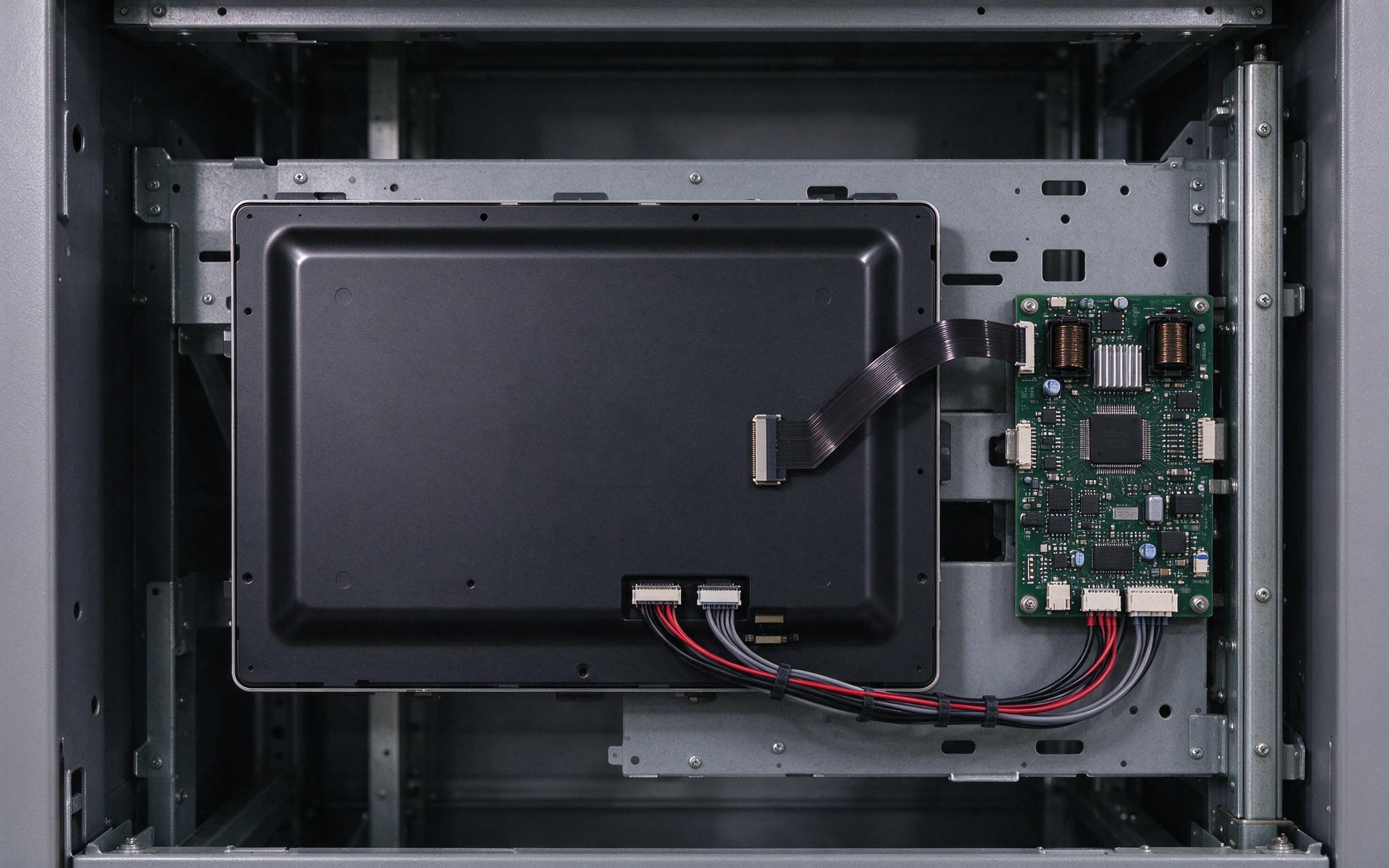
Transportation infrastructure has a lifecycle measured in decades. A traffic cabinet deployed today may still be in service in 2040. The computing platform inside must therefore be modular and upgradeable. Panel PCs with standardized mounting footprints, modular I/O expansion, and socketed processor boards allow agencies to upgrade compute capability without replacing the entire cabinet or rewiring field connections. This modularity extends to software: running a standard OS such as Windows IoT or Linux on x86 hardware means the platform can host new applications — vehicle-to-infrastructure communication, pedestrian detection, connected vehicle services — without a hardware refresh. KOXIAN has approached this by designing its embedded panel PC lineup with standardized mechanical interfaces and field-replaceable compute modules, giving transportation agencies a path to incrementally adopt new capabilities while preserving existing cabinet infrastructure.
The transformation of roadside signal cabinets from simple timer boxes into intelligent edge computing nodes is well underway, driven by industrial embedded panel PCs that can survive the environment and deliver the processing power needed for adaptive traffic control. The engineering challenge is not just about faster processors — it is about building a computing platform that remains reliable through years of thermal cycling, electrical noise, and continuous operation. Cities that invest in this hardware today are laying the foundation for a transportation network that can adapt to changing conditions in real time, reducing congestion, improving safety, and lowering emissions without expanding road capacity.