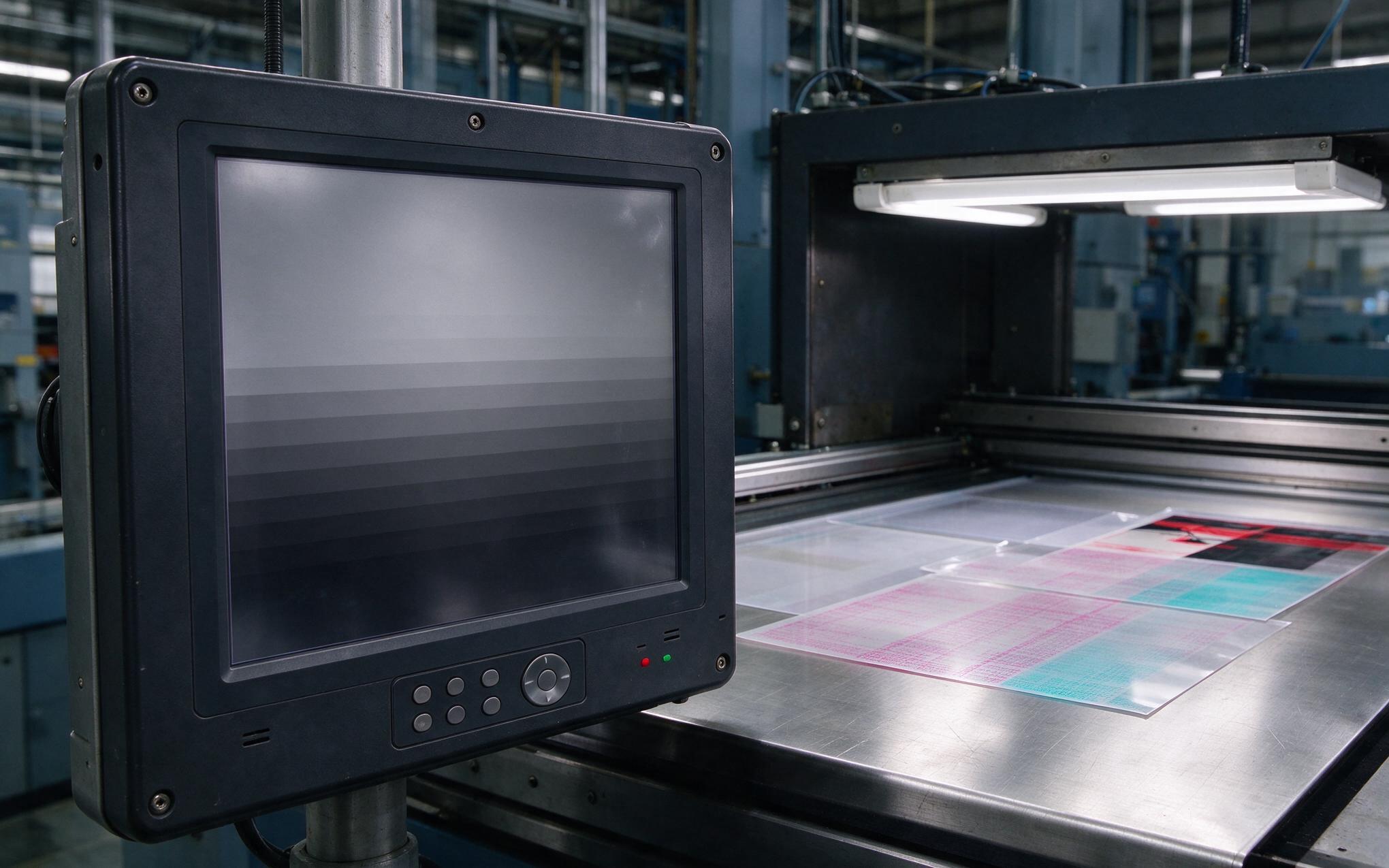
Manufacturing execution systems have been managing shop floor operations for decades, but the MES running in a smart factory today shares little with its predecessors. The modern MES is an AI-driven orchestration layer that ingests real-time data from hundreds of sensors, runs predictive models at the edge, and makes sub-second decisions about routing, quality, and maintenance. The central nervous system of this architecture is not a distant server rack—it is the industrial panel PC mounted at each production cell, functioning as a data hub that collects, processes, and distributes information across the factory floor. The World Economic Forum’s Global Lighthouse Network, which added 16 new sites in June 2026, has documented what happens when this architecture is deployed at scale: Foxconn Industrial Internet’s Bac Giang facility in Vietnam achieved a 190 percent increase in labor productivity, a 45 percent reduction in production costs, and a 99.5 percent on-time delivery rate through more than 40 Industry 4.0 solutions.
The Data Hub Architecture: Why Centralized MES Falls Short
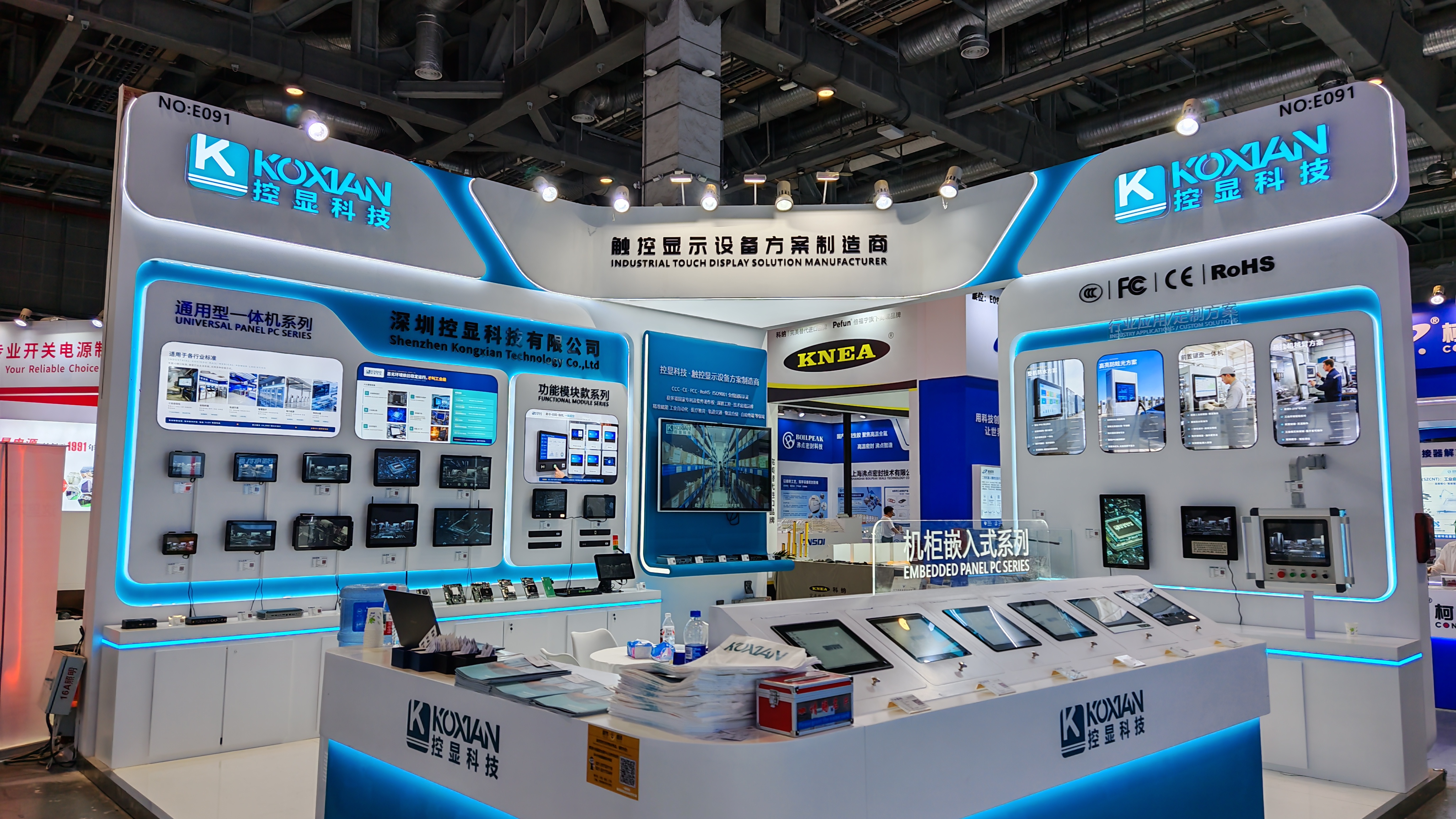
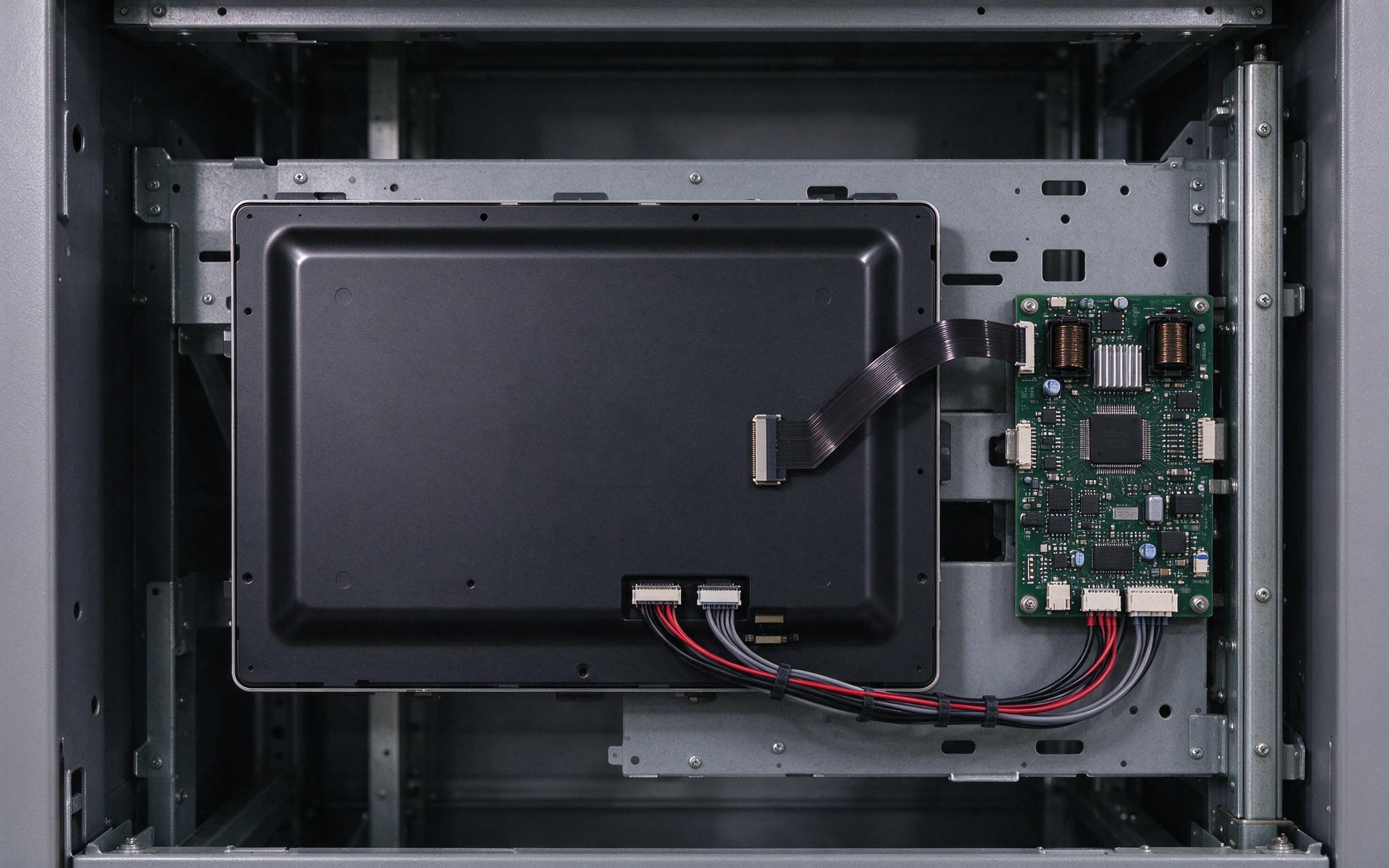
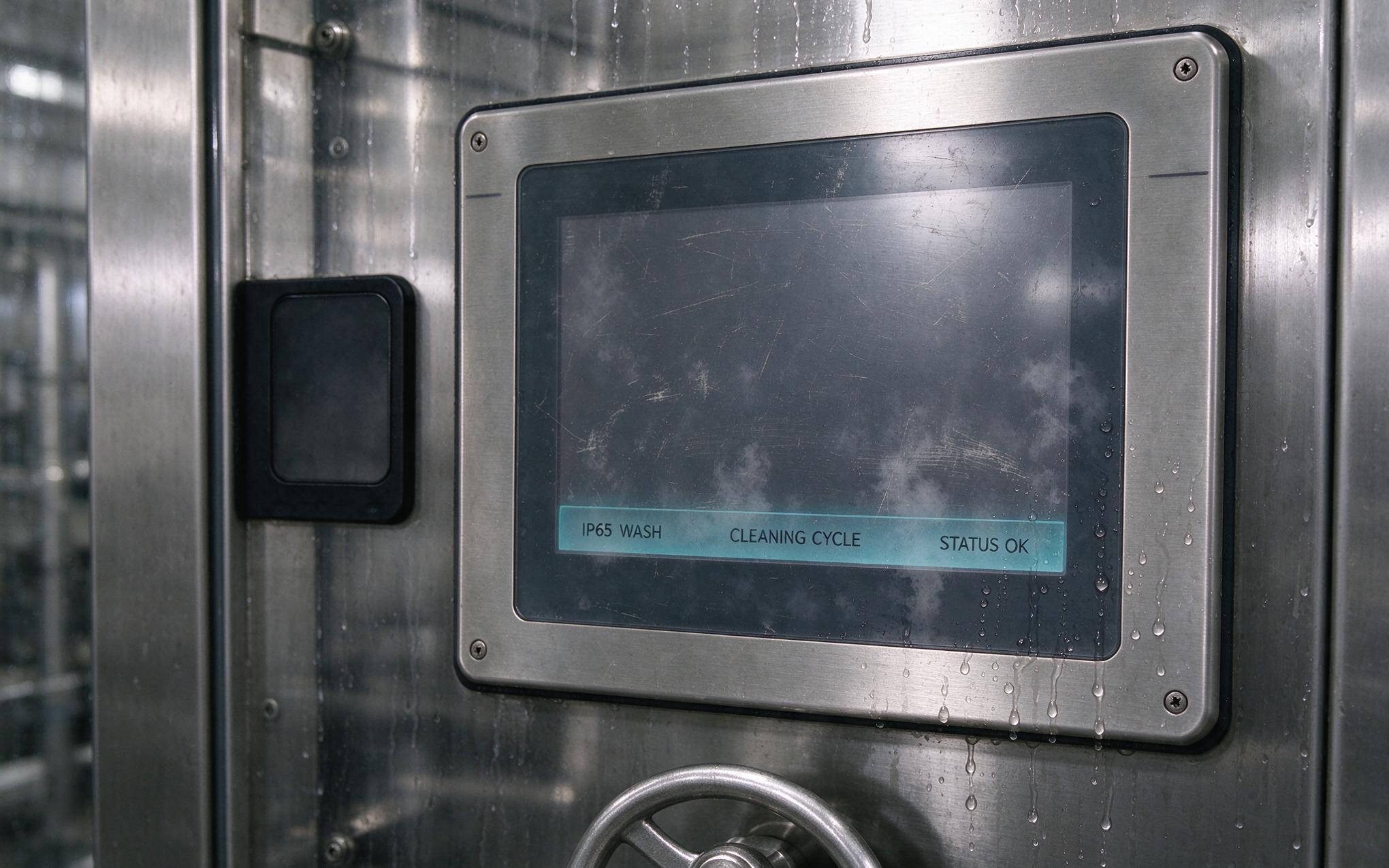
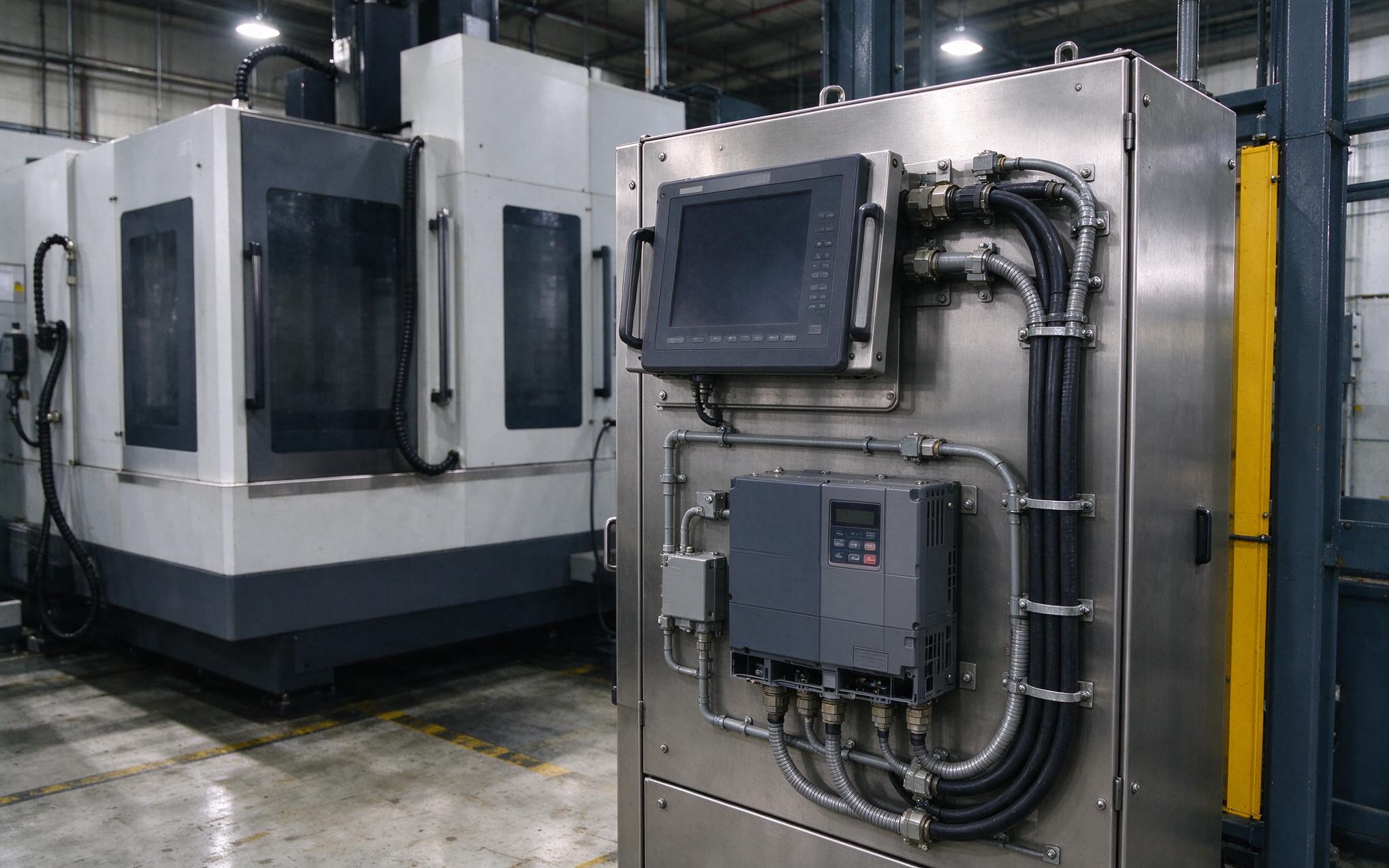
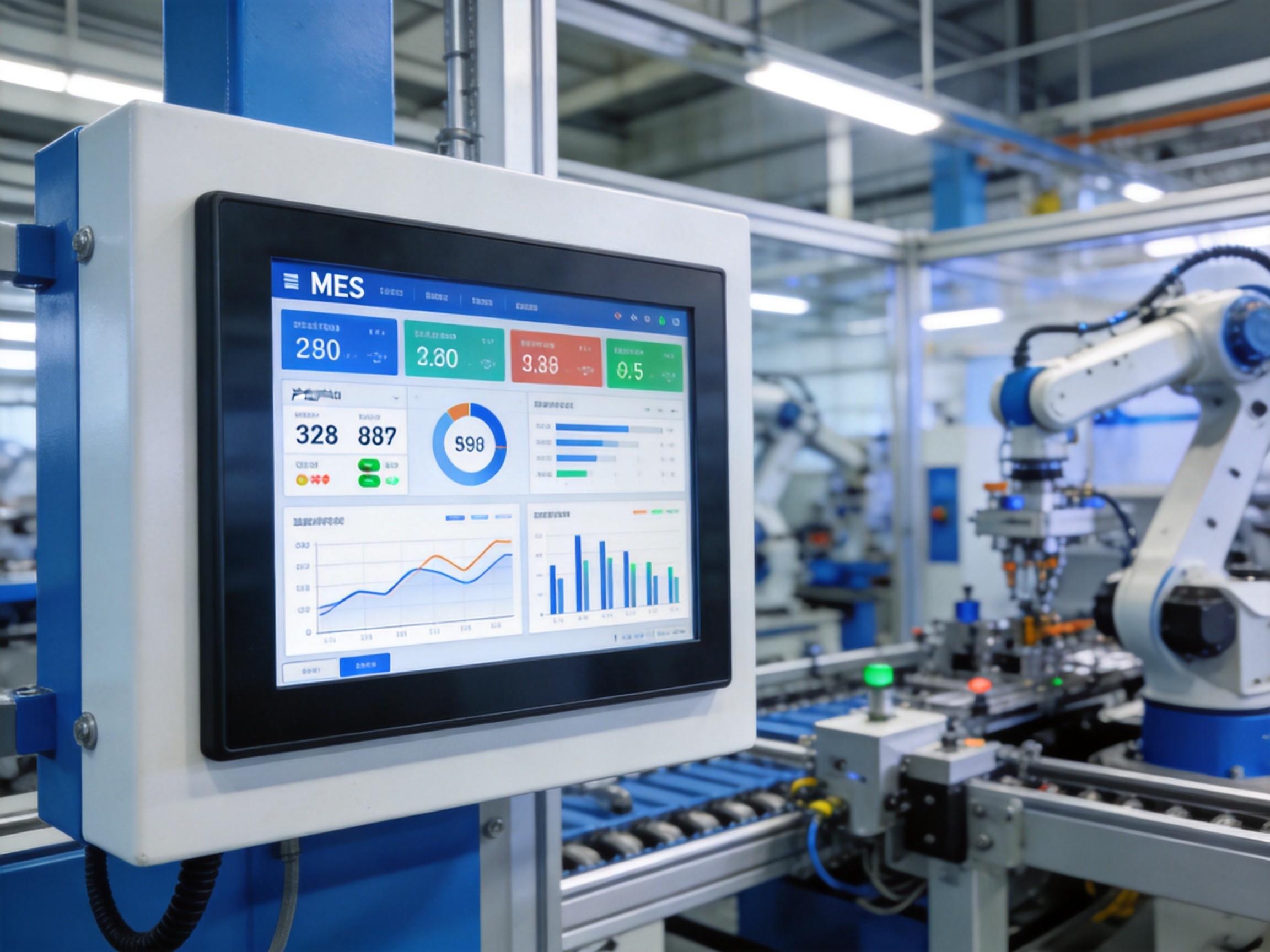
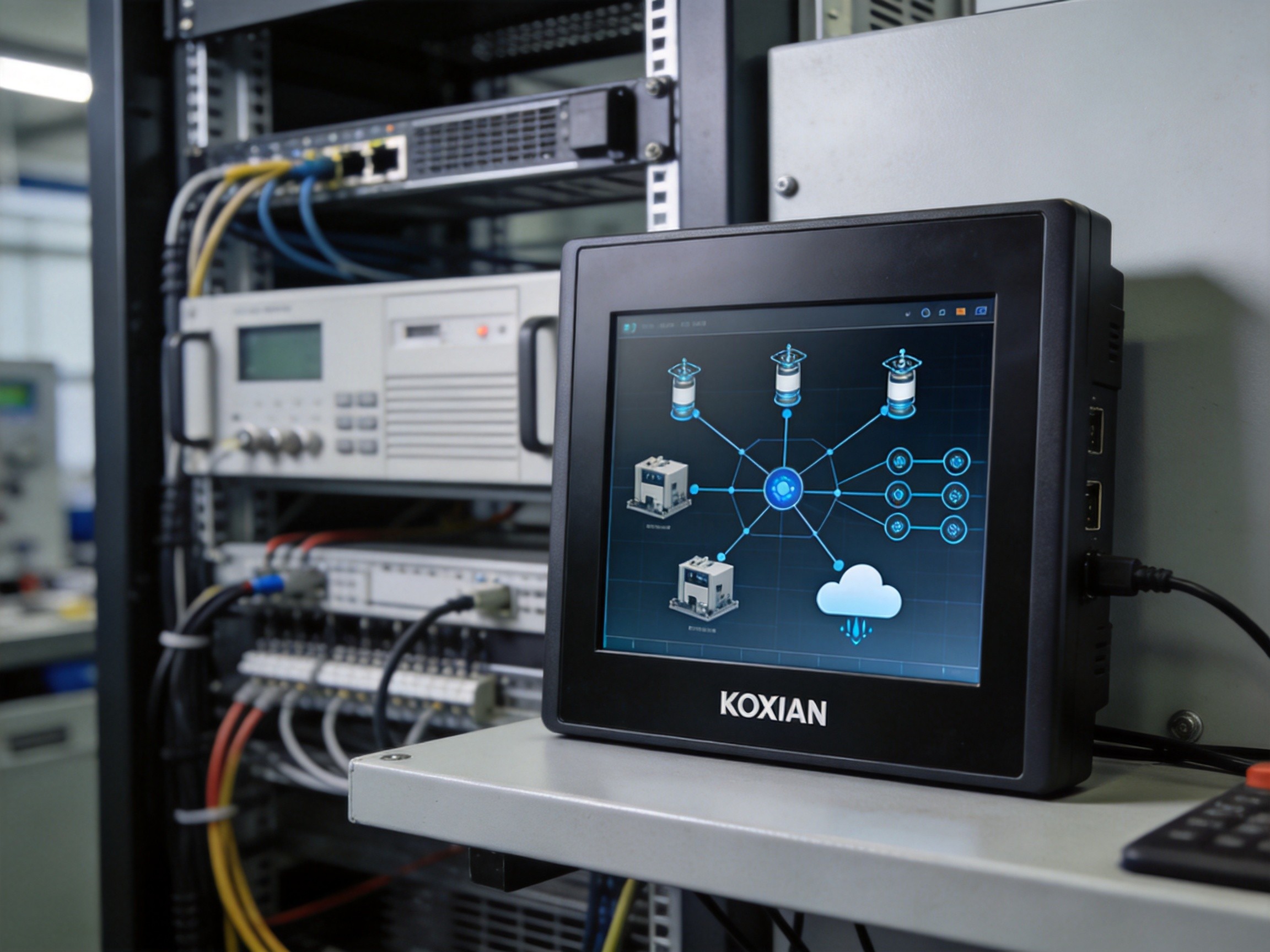
A centralized MES architecture routes all sensor data to a server room, processes it, and sends instructions back to the floor. The approach works in theory but breaks down when a factory deploys thousands of IoT sensors generating data at millisecond intervals. The latency introduced by network round-trips makes real-time decision-making impossible, and bandwidth requirements strain industrial network infrastructure. The alternative is a distributed architecture where panel PCs at each production cell perform local data aggregation, filtering, and preliminary analytics before sending structured summaries upstream. This edge-first approach reduces network load by an order of magnitude and enables sub-second response times for applications like automated quality hold and dynamic line rebalancing. KOXIAN panel PCs are designed for this role, with physically isolated network interfaces that separate sensor data acquisition from upstream MES communication, preventing cross-traffic from introducing latency into time-critical control loops.
Lighthouse Lessons: What Foxconn and Schneider Electric Prove
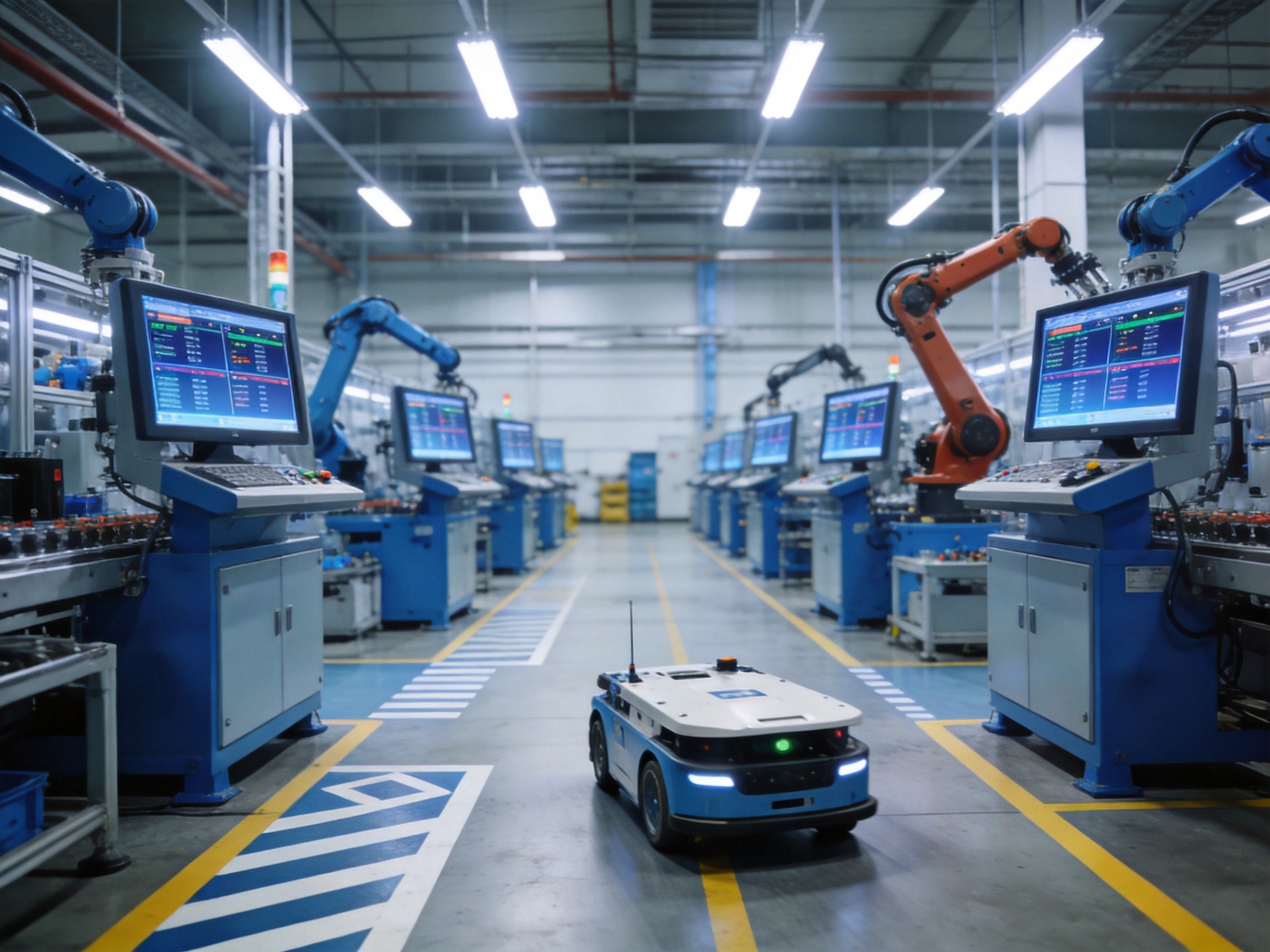
The Global Lighthouse Network provides the most rigorous data on what AI-driven MES deployments actually deliver. Schneider Electric’s El Paso facility, recognized as the first Engineer-to-Order Lighthouse site in the network, increased on-time delivery from 61 percent to 97 percent by digitizing complex engineer-to-order processes end to end. The site deployed IoT sensors and AI-enabled tools across its entire value chain, reducing lead times by up to 35 percent and eliminating $43 million in backorders. The common thread across Foxconn’s Bac Giang and Schneider’s El Paso facilities is not the specific software—it is the architectural decision to place intelligent compute at the point of data generation. Every production cell, test station, and quality checkpoint becomes a node in a distributed computing fabric, with the panel PC acting as the local brain that operates independently even when upstream connectivity is interrupted.
AI Inference at the Edge: Moving Beyond Dashboards
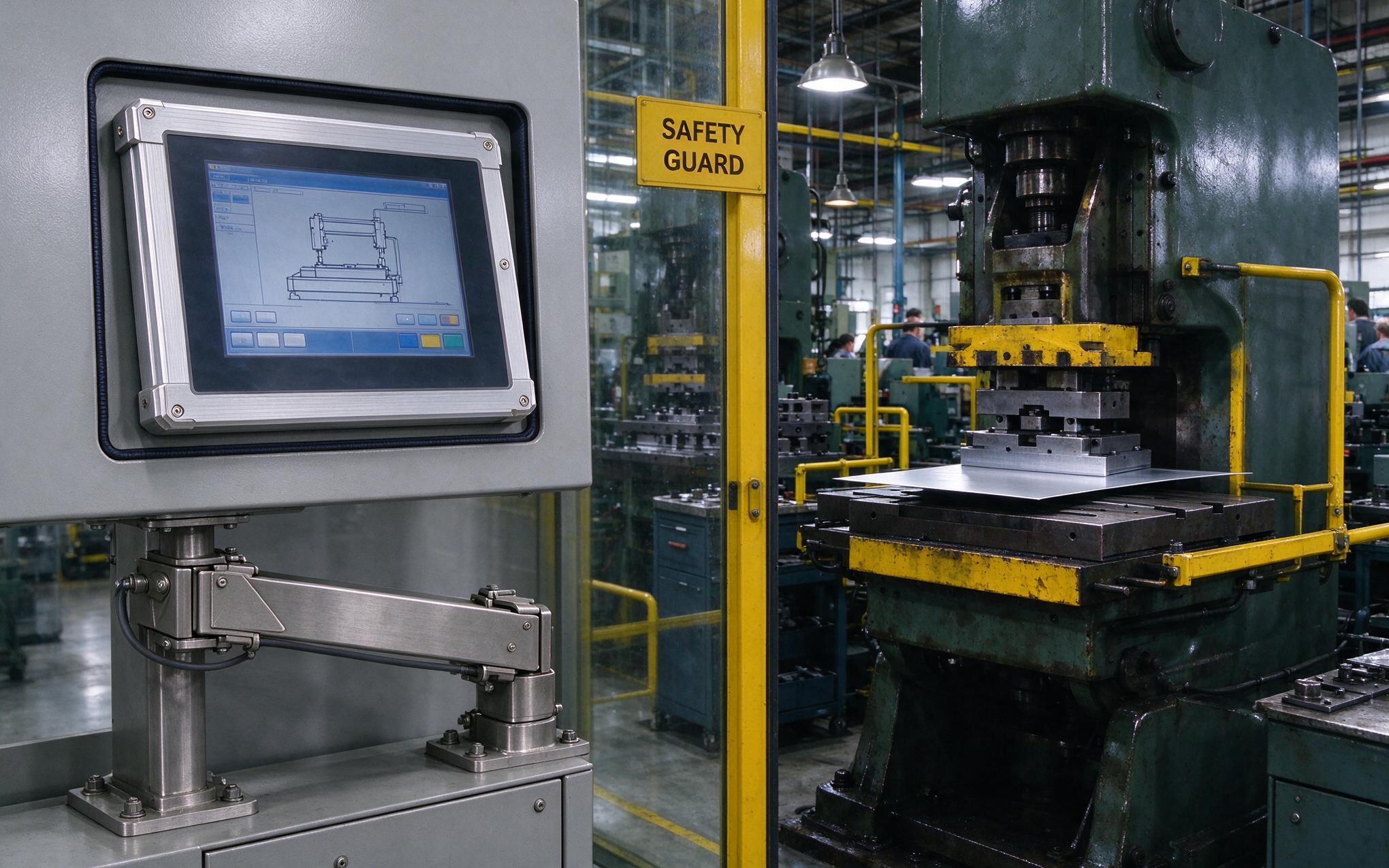
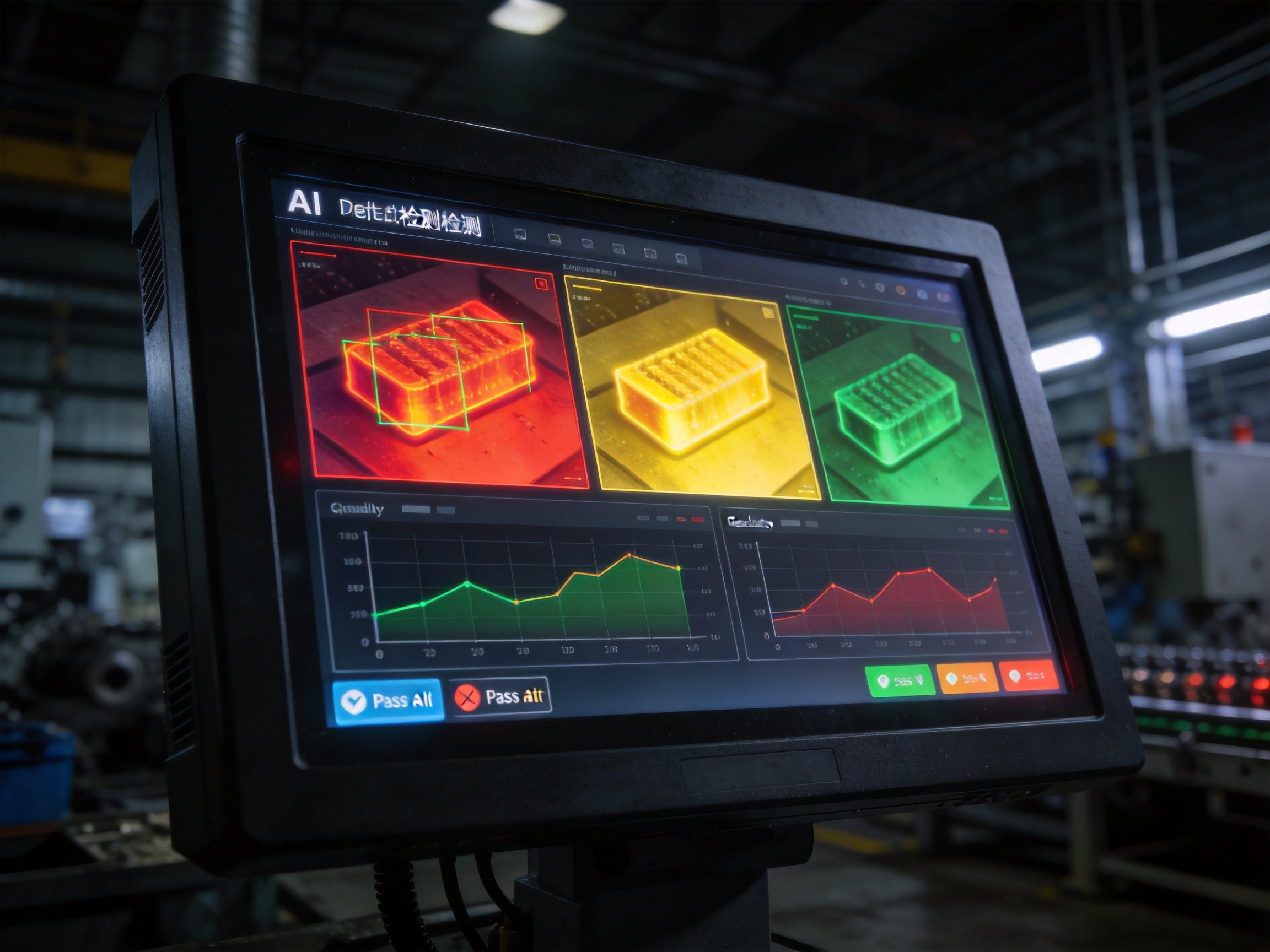
The MES of five years ago was primarily a reporting tool—it collected data and displayed dashboards that humans interpreted. The AI-driven MES running on today’s panel PCs is fundamentally different. It runs inference models locally that predict quality deviations before they occur, adjusting process parameters without human intervention. Vision inspection models running on the same panel PC that hosts the MES interface can identify surface defects, classify them by type, and trigger material holds within milliseconds. Predictive maintenance algorithms analyze vibration spectra and thermal signatures to flag bearing wear and coolant degradation days before failure. This convergence of MES orchestration and AI inference on a single edge platform eliminates the data silos that historically separated quality, maintenance, and production functions. The panel PC becomes not just a display terminal but an autonomous decision engine operating at machine speed. KOXIAN hardware supports this convergence with GPU-accelerated processing that handles inference workloads without compromising operator interface responsiveness.
Deployment Practicalities for System Integrators
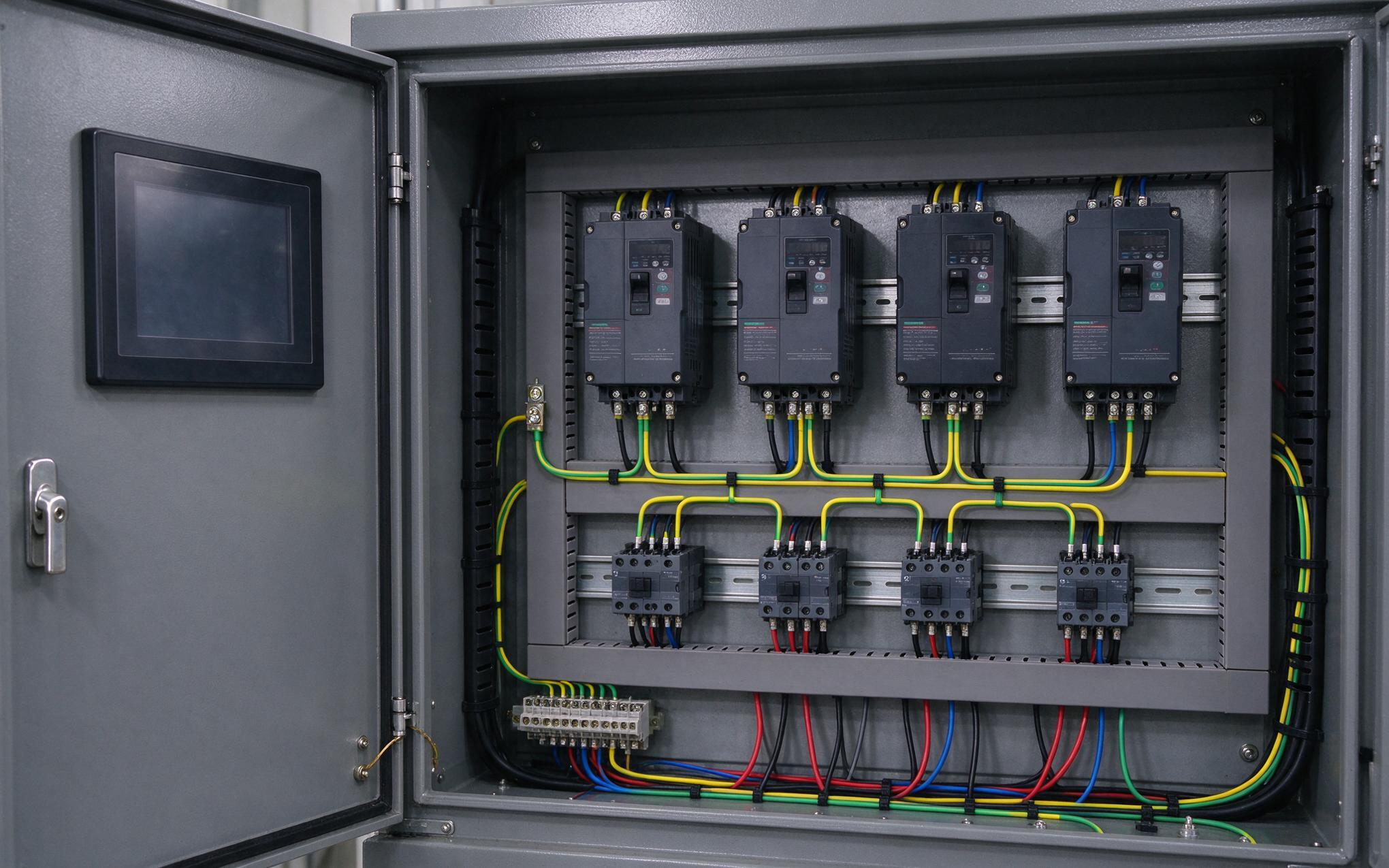
Deploying panel PCs as MES data hubs requires addressing three practical concerns. First, network segmentation: production data traffic must be physically isolated from enterprise traffic to prevent intermittent congestion from introducing latency into control loops. Panel PCs with multiple independent Ethernet interfaces solve this at the hardware level. Second, data persistence: the edge hub must buffer production data locally during network outages and forward it when connectivity is restored, ensuring no loss of traceability records. Third, application isolation: the AI inference workload and the MES operator interface must run in separate compute contexts to prevent a memory-intensive inference task from freezing the touchscreen that operators rely on. These are not theoretical concerns—they are the specific failure modes that smart factory deployments encounter when edge hardware is treated as a generic IT asset rather than an industrial computing platform purpose-built for the manufacturing environment.
The factories that have earned Lighthouse status are not using exotic technology. They are applying proven edge computing principles—distributed data processing, local AI inference, and hardware-level network isolation—to the specific demands of manufacturing execution. The panel PC at the production cell is the physical embodiment of that architecture, and the results are measurable in productivity, quality, and delivery performance.