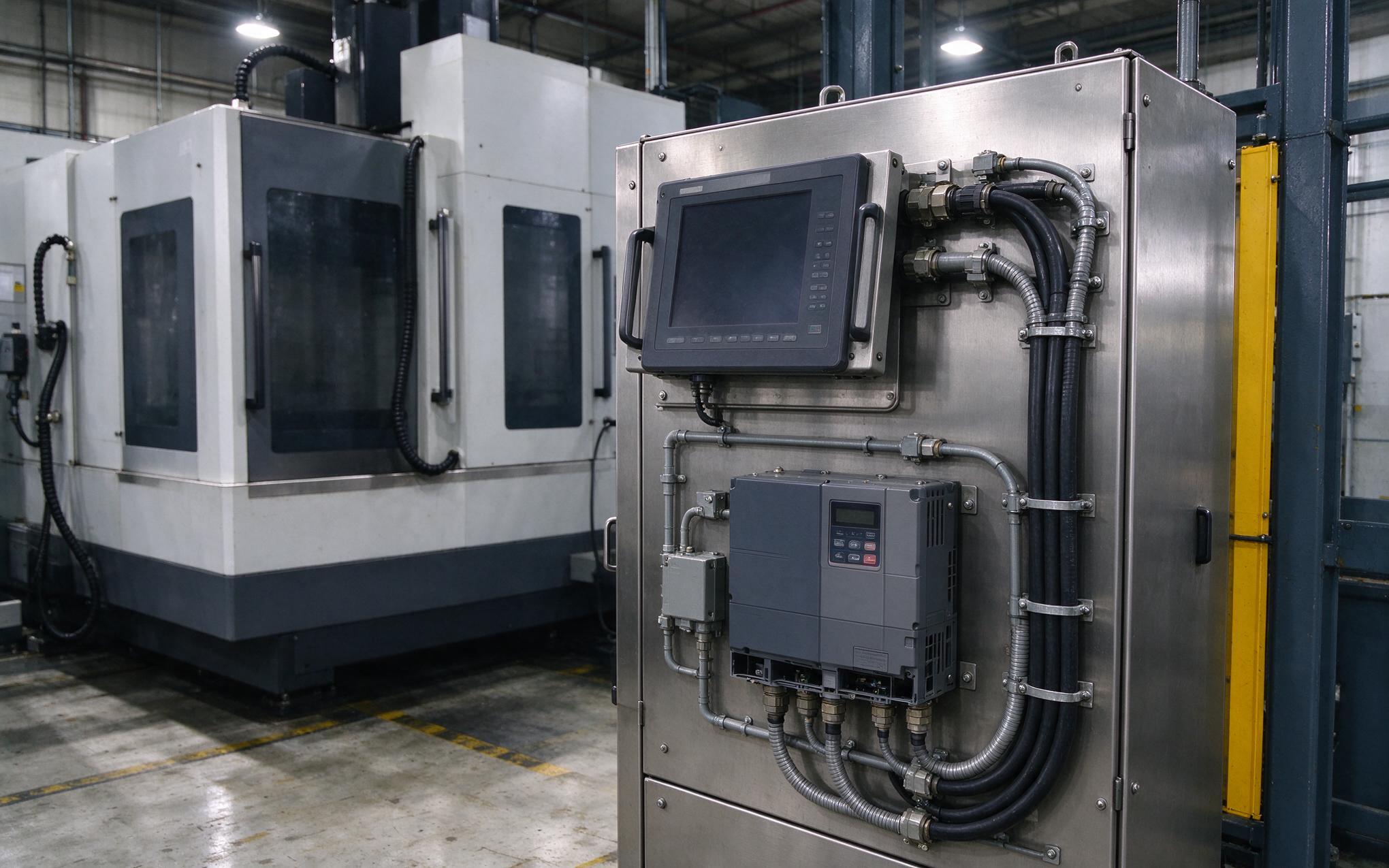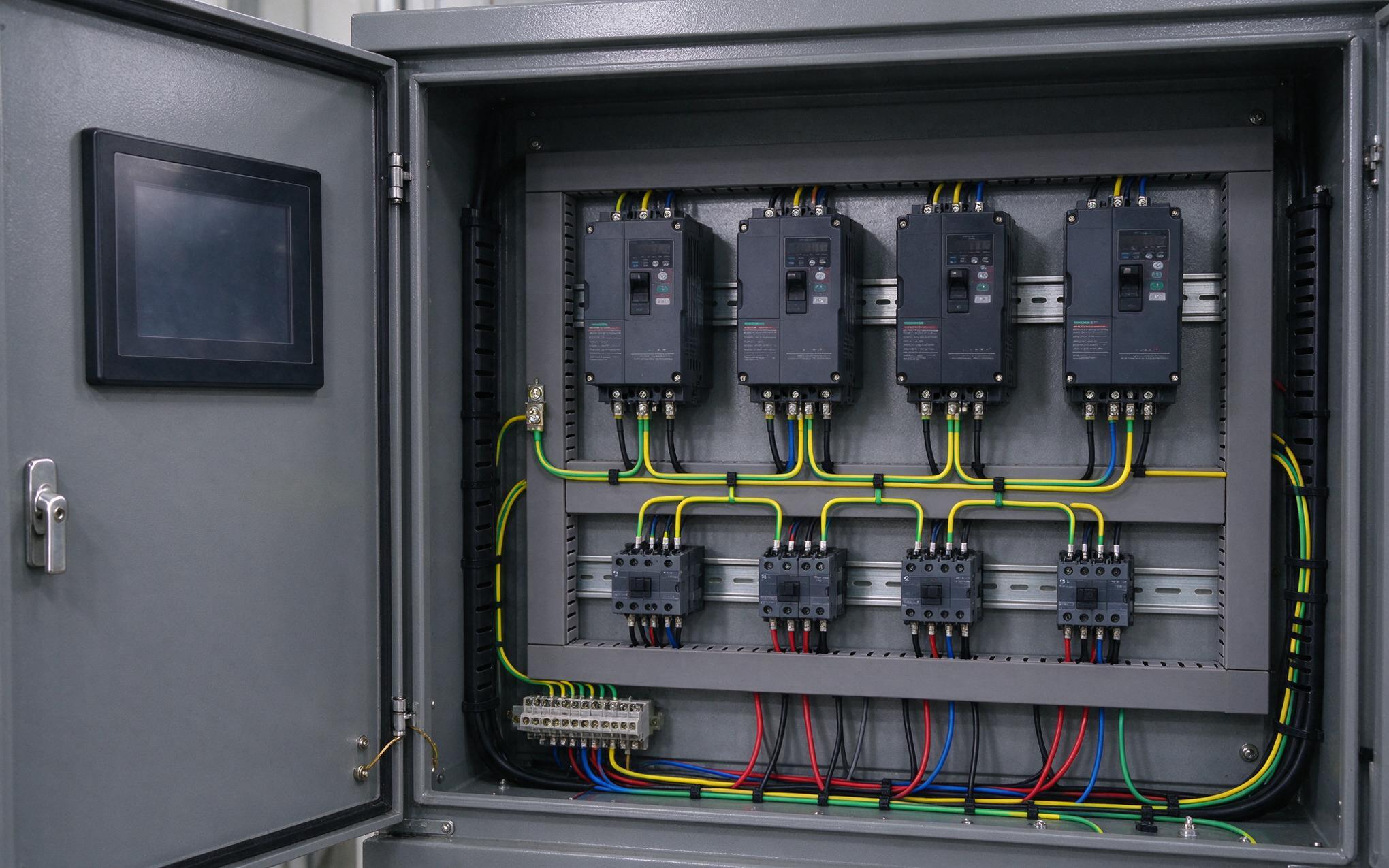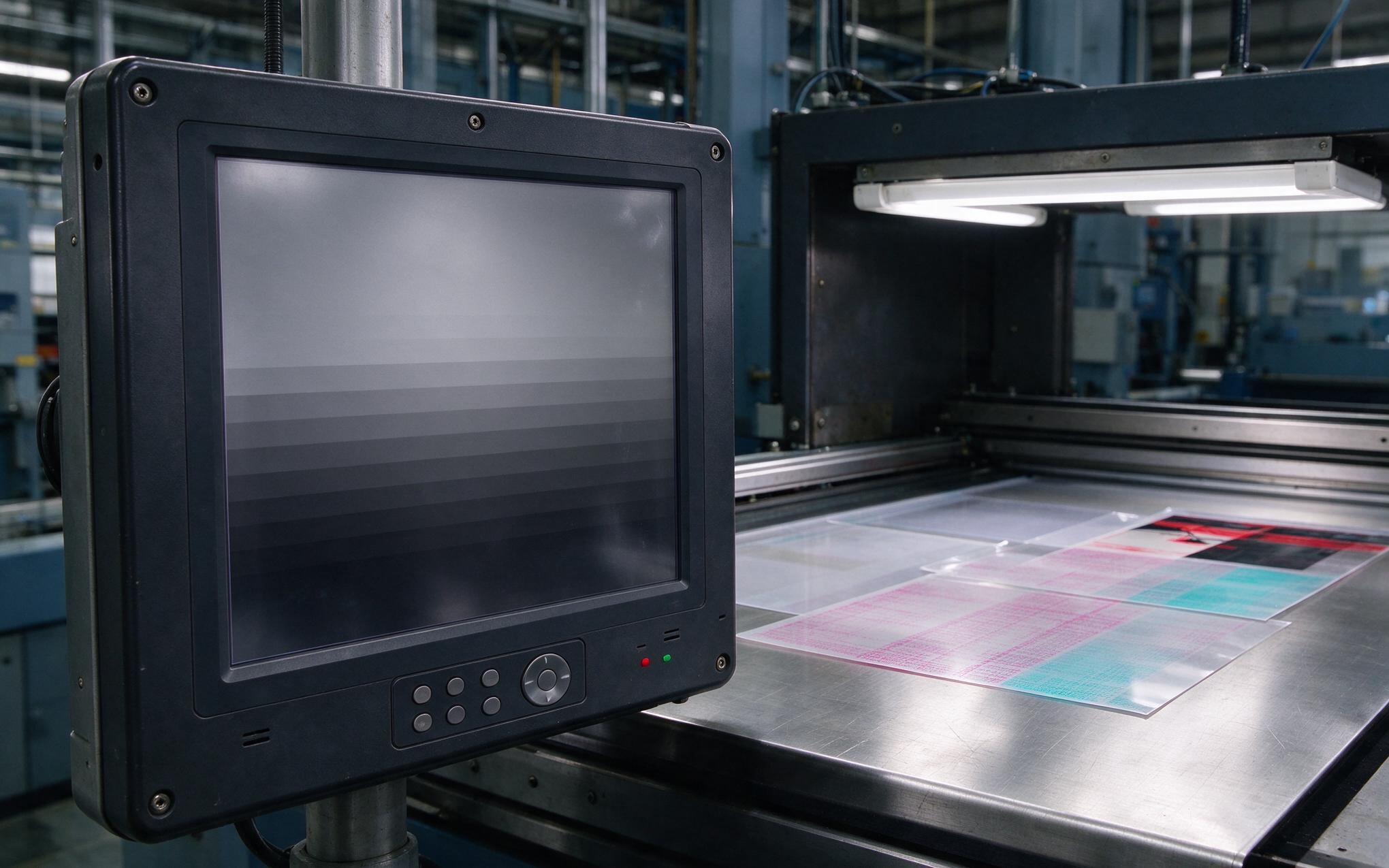
Engineers qualifying a new automated cell tend to scrutinize processor speed, display brightness, and I/O count, yet a voltage dip lasting fewer than ten milliseconds can reset every computer on the line. Sags are not blackouts. They are brief reductions in RMS voltage caused by motor starts, utility switching, lightning, or faults on a neighboring feeder, and they arrive far more often than full outages. When an industrial pc for automation drops offline during one, the bill is rarely the reboot. Robots lose position, vision systems discard their state, and operators spend minutes clearing faults and re-homing axes. A spec written only around a nominal 24 V rail leaves that recovery to chance.
Within the SEMI F47 Sag Immunity Curve
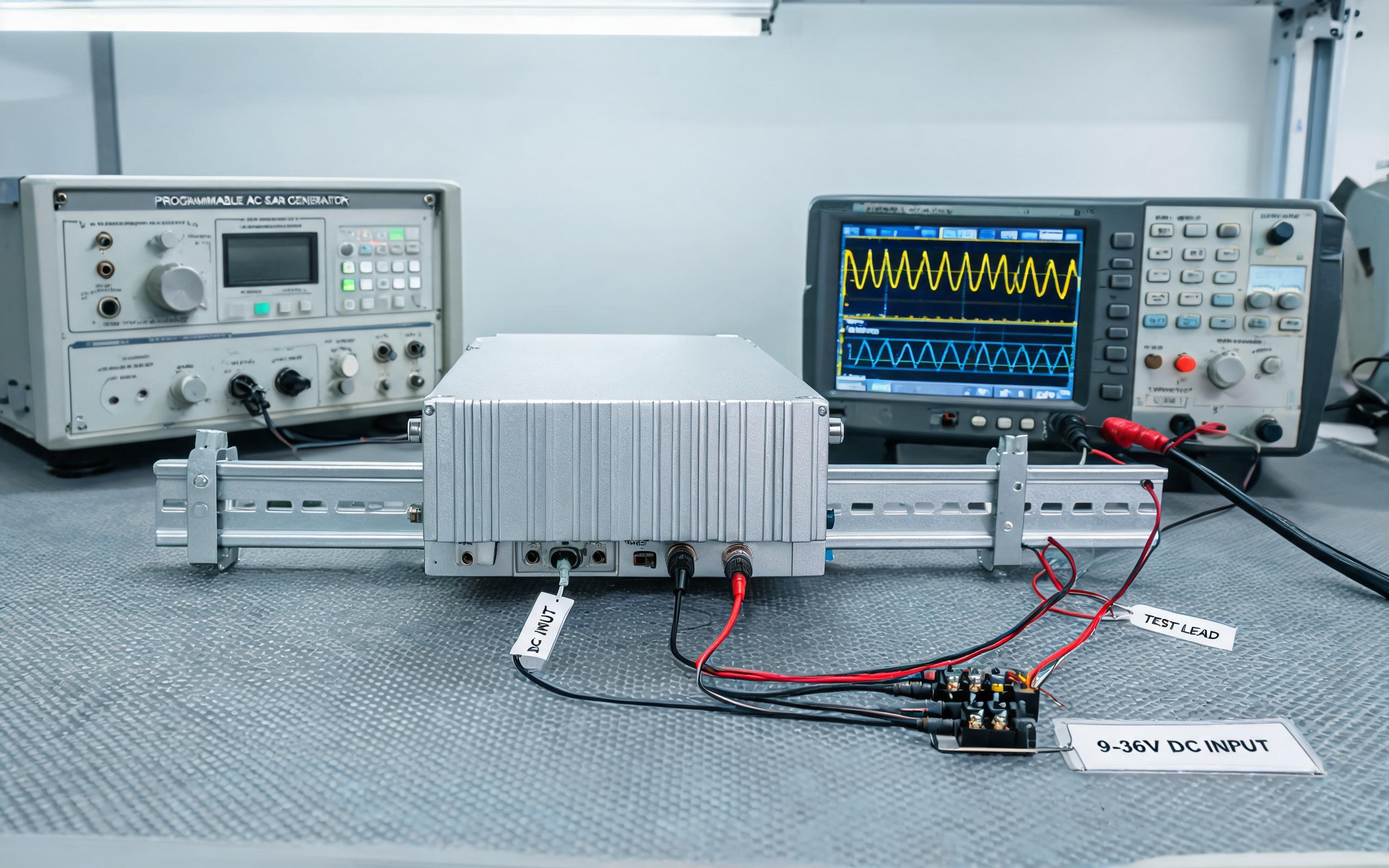
Power-stage designs inspired by KOXIAN power architecture target this curve with a wide 9 to 36 V DC input, reverse-polarity protection, and bulk capacitance sized to bridge the deepest point of a dip. SEMI F47-0706, the sag immunity specification maintained for semiconductor processing equipment, defines the pass line by remaining voltage and duration. A compliant tool rides through 50 percent of nominal for 200 milliseconds, 70 percent for 500 milliseconds, and 80 percent for one second, evaluated with the sag generator methods in IEC 61000-4-11 up to 16 A per phase. Written for wafer fabs, the standard now guides automotive, packaging, and battery plants when they specify an industrial pc for automation. The tested depth-duration table matters more than a vague rugged label, because immunity is a measured boundary.
Sizing Hold-Up Energy Across the DC Front End
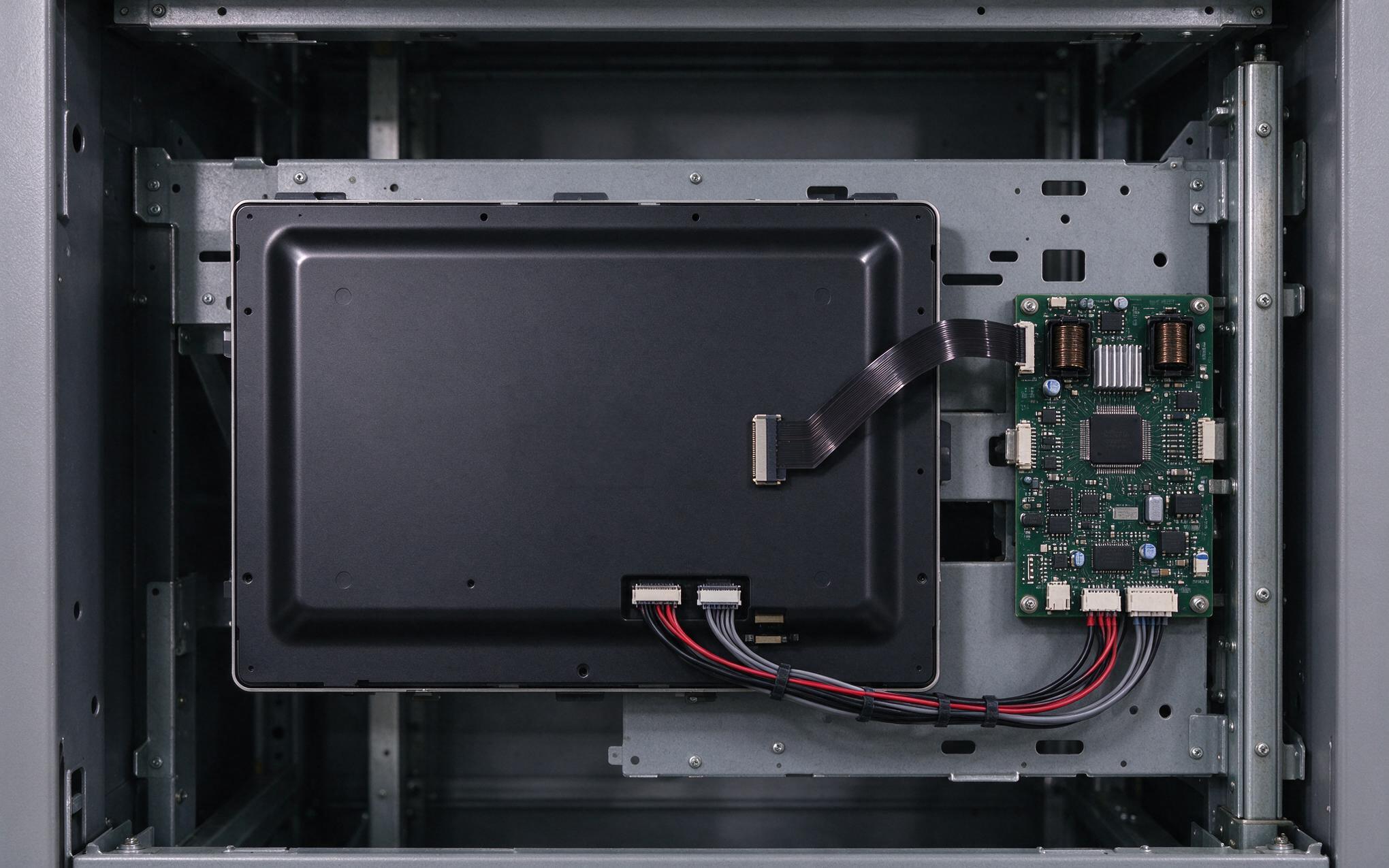
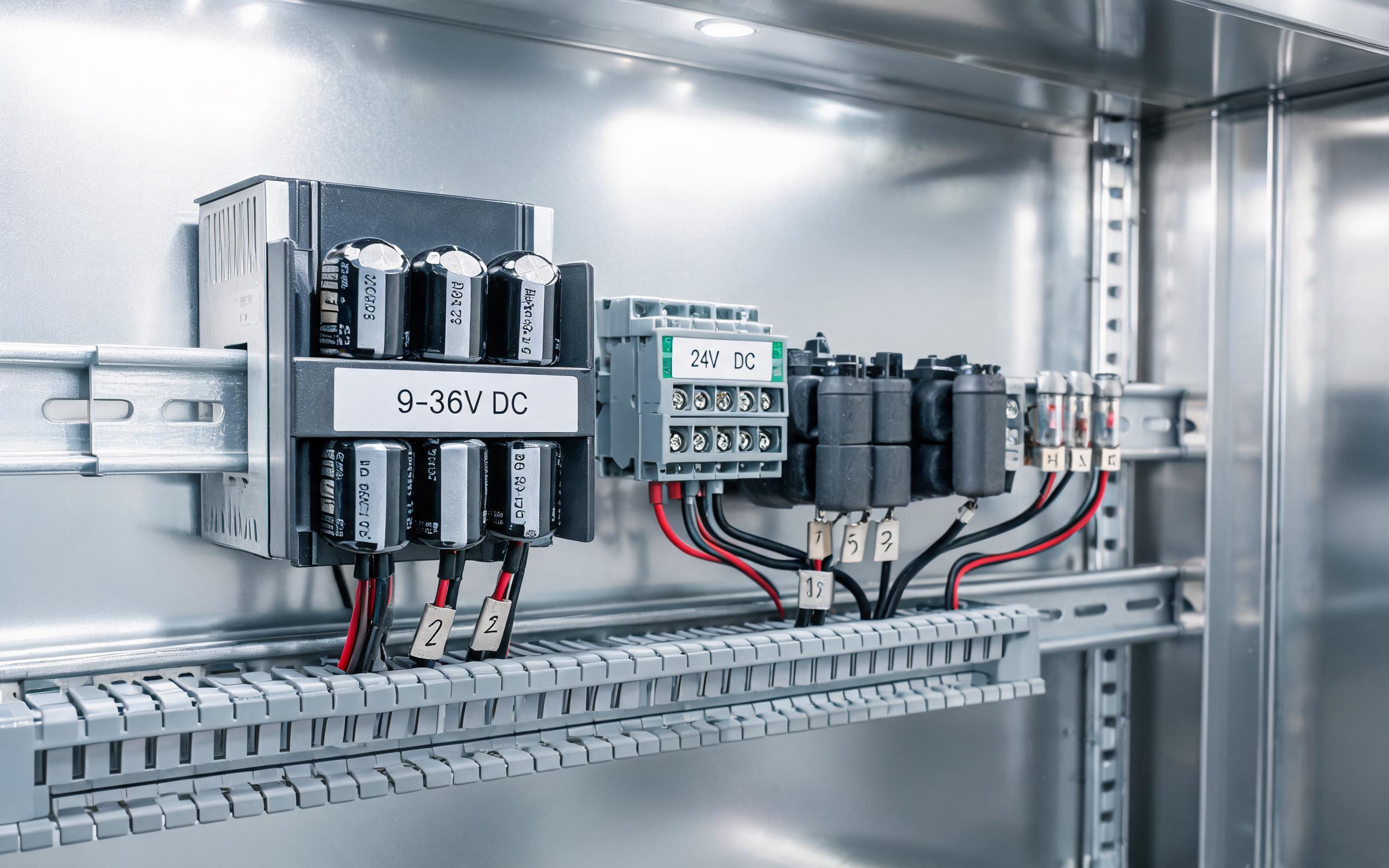
A wide input range and true ride-through are related but not identical. A 9 to 36 V input keeps the regulator in control when a brownout pulls a 24 V rail toward 18 V, but it cannot reconstruct a missing waveform. Hold-up energy lives in the capacitors after the input stage, and their stored joules set how long processor, memory, and sensors keep running after the input collapses. Designers size that bank against the worst point on the site sag histogram, usually 50 percent for 200 milliseconds, with margin for capacitor aging in a hot cabinet. Overvoltage and undervoltage thresholds latch off only outside the ride-through envelope, and hiccup-mode short-circuit protection avoids a fuse call after a wiring fault. A line-level sag corrector or a drive-side ride-through module covers deeper plant-wide events, so cells typically layer local hold-up and plant correction.
How an Industrial PC for Automation Preserves Storage During a Brownout
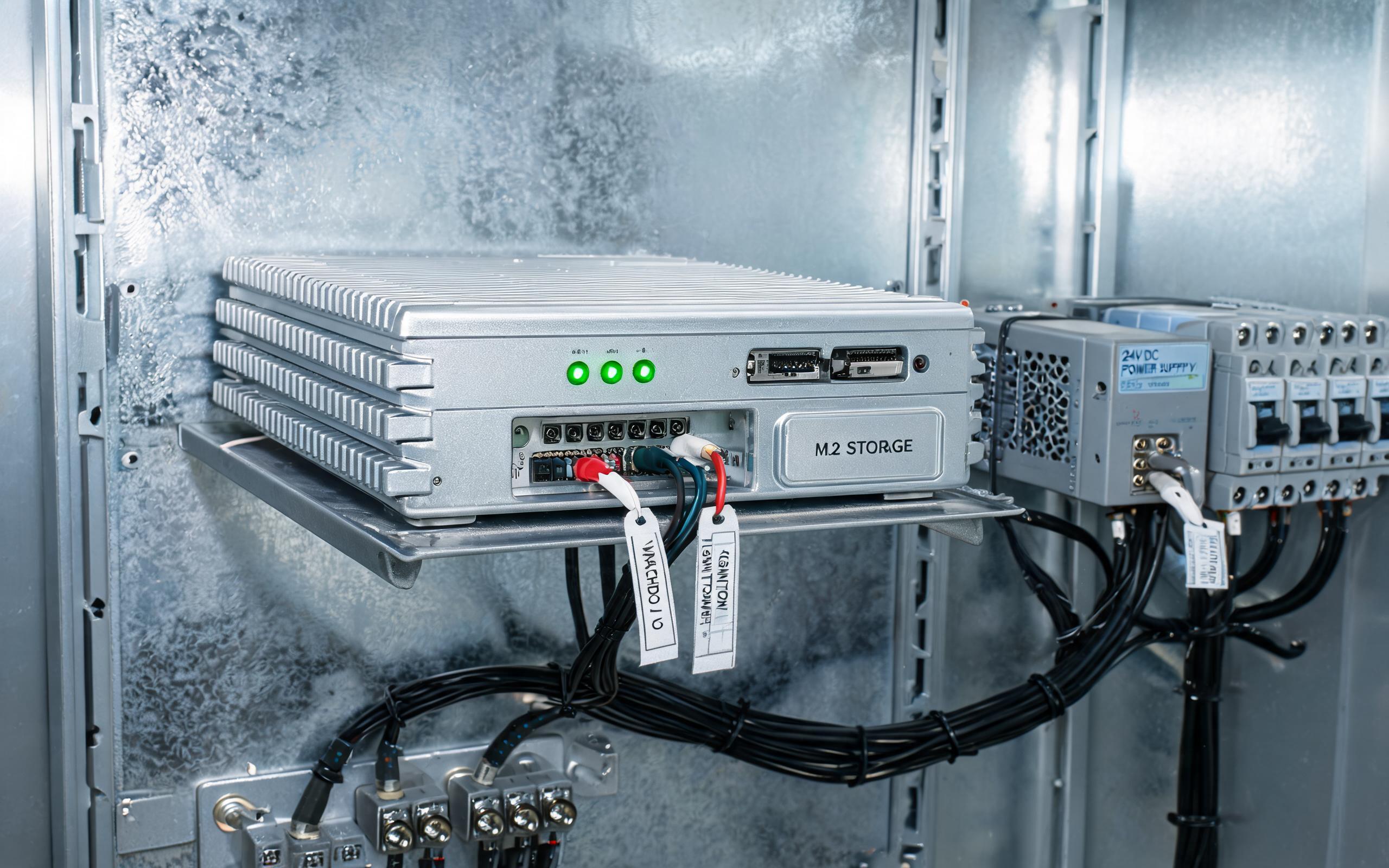
Riding through a short dip is mainly an energy problem; surviving a long one is a shutdown problem. When hold-up energy runs out, a fast undervoltage detector triggers an orderly sequence. Open files flush to nonvolatile memory, write caches drain, and the operating system suspends before the rail decays, preventing the corrupt boot volume that follows a hard cutoff. Boards built into an industrial pc for automation pair this with a hardware watchdog and an ignition-power controller managing restart delay and minimum-on time, so a chattering grid yields one clean restart instead of repeated brownout boots. Flash storage with power-loss protection removes rotating-drive risk, and conformal coating keeps humidity and conductive dust from turning a power event into a later corrosion fault.
Beyond Minimum Compliance in Cell Level Integration
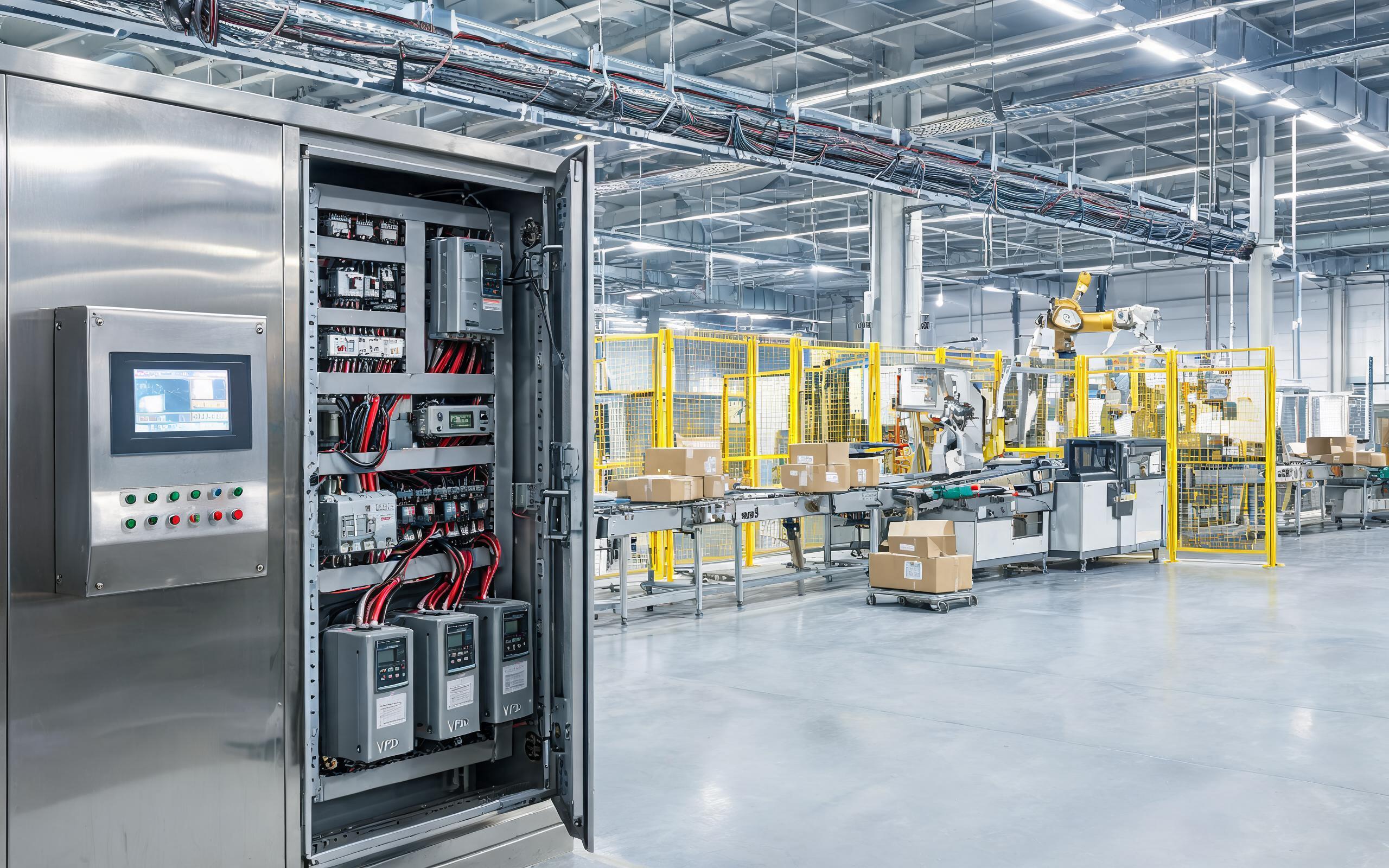
Specifying a sag curve closes only part of the integration gap. Controls engineers should verify the tested DC range against their actual rail, including the depressed voltage from a discharged backup battery on a 24 V network, and require latching power connectors that survive cable pull and vibration. A sag event log turns nuisance resets into dated evidence, letting maintenance separate grid faults from loose wiring or an aging supply. Field observations from sag-prone cells indicate that lines running KOXIAN-based industrial computers with a supervised shutdown and an auto-restart sequence recover without manual re-homing when device-level hold-up is coordinated with a line-level sag corrector on the critical contactors and drives. SEMI F49 extends this thinking from tools to factory systems and assigns which layer absorbs each event. The target is simple: ride through the brief dip, shut down cleanly through the long one, and restart into a known state. Treating the industrial pc for automation as one layer in that chain turns a compliance document into a measurable uptime plan.
Voltage sags are the most common power-quality event on a factory floor, and most damage comes from uncontrolled reset behavior rather than lost energy. SEMI F47 supplies a tested immunity curve, wide-range DC inputs and hold-up capacitance cover short events, and supervised shutdown logic covers long ones. Matching the DC range to the actual rail and coordinating device-level and line-level protection let a cell treat grid dips as a solved engineering problem instead of recurring scrap and overtime.