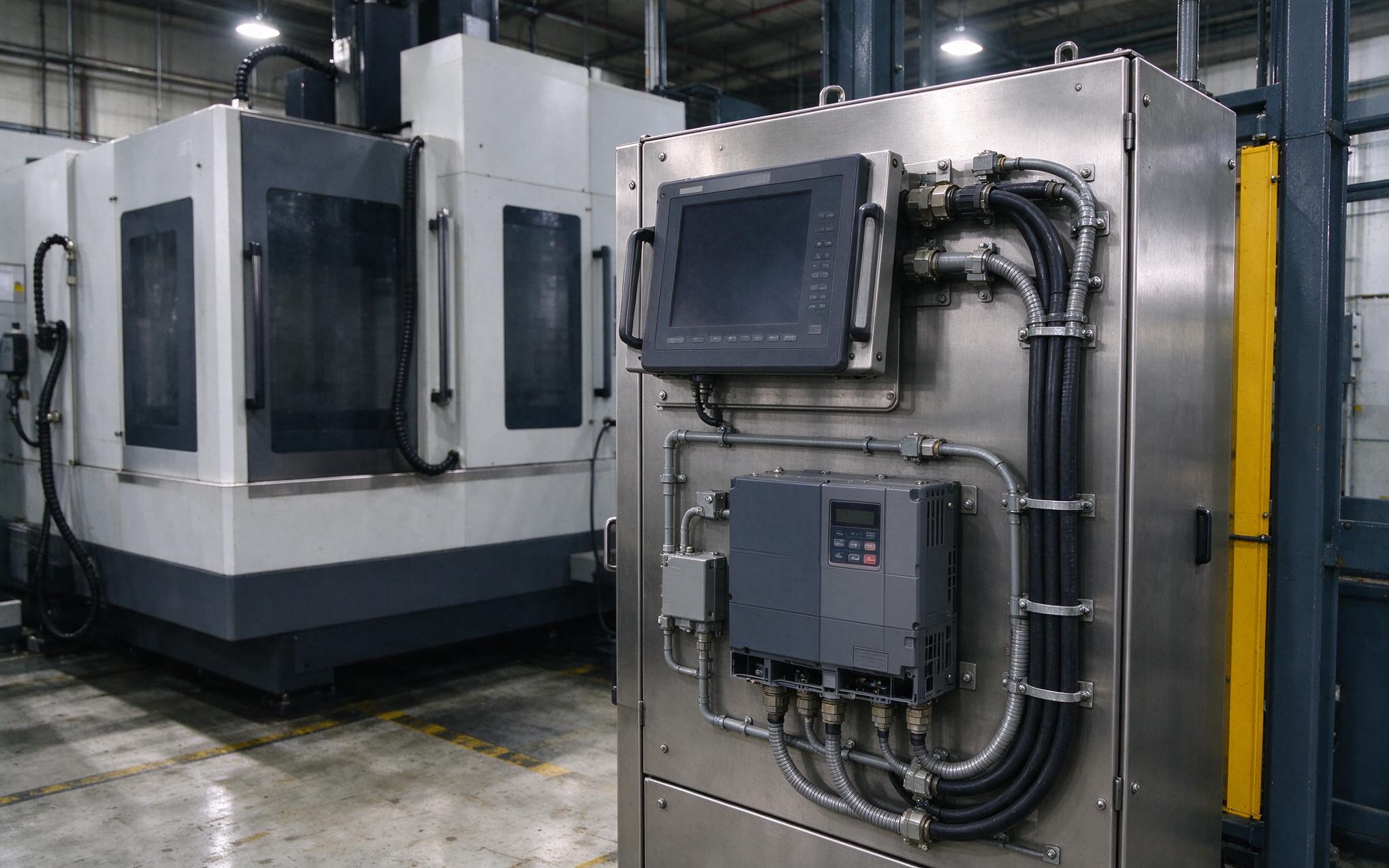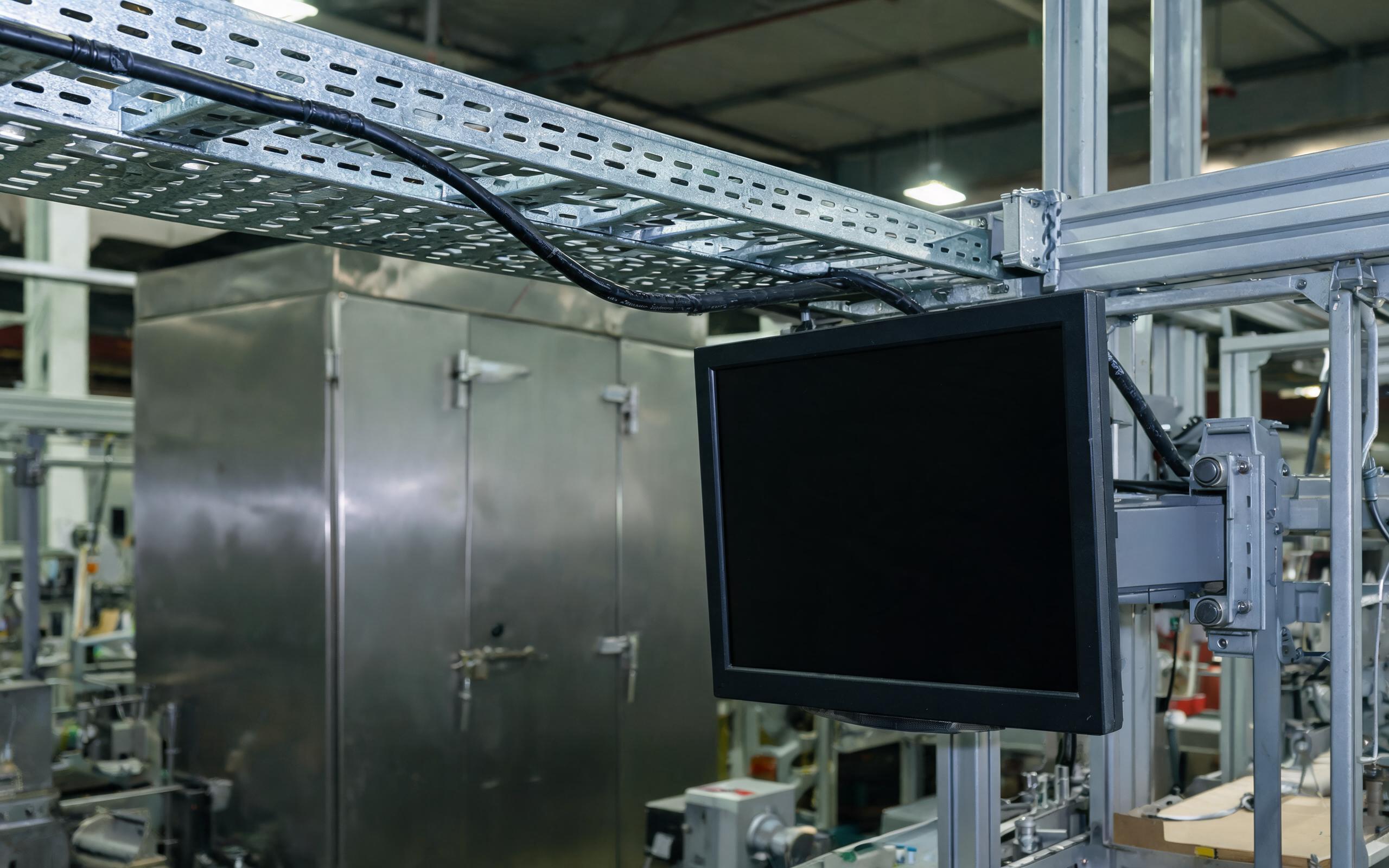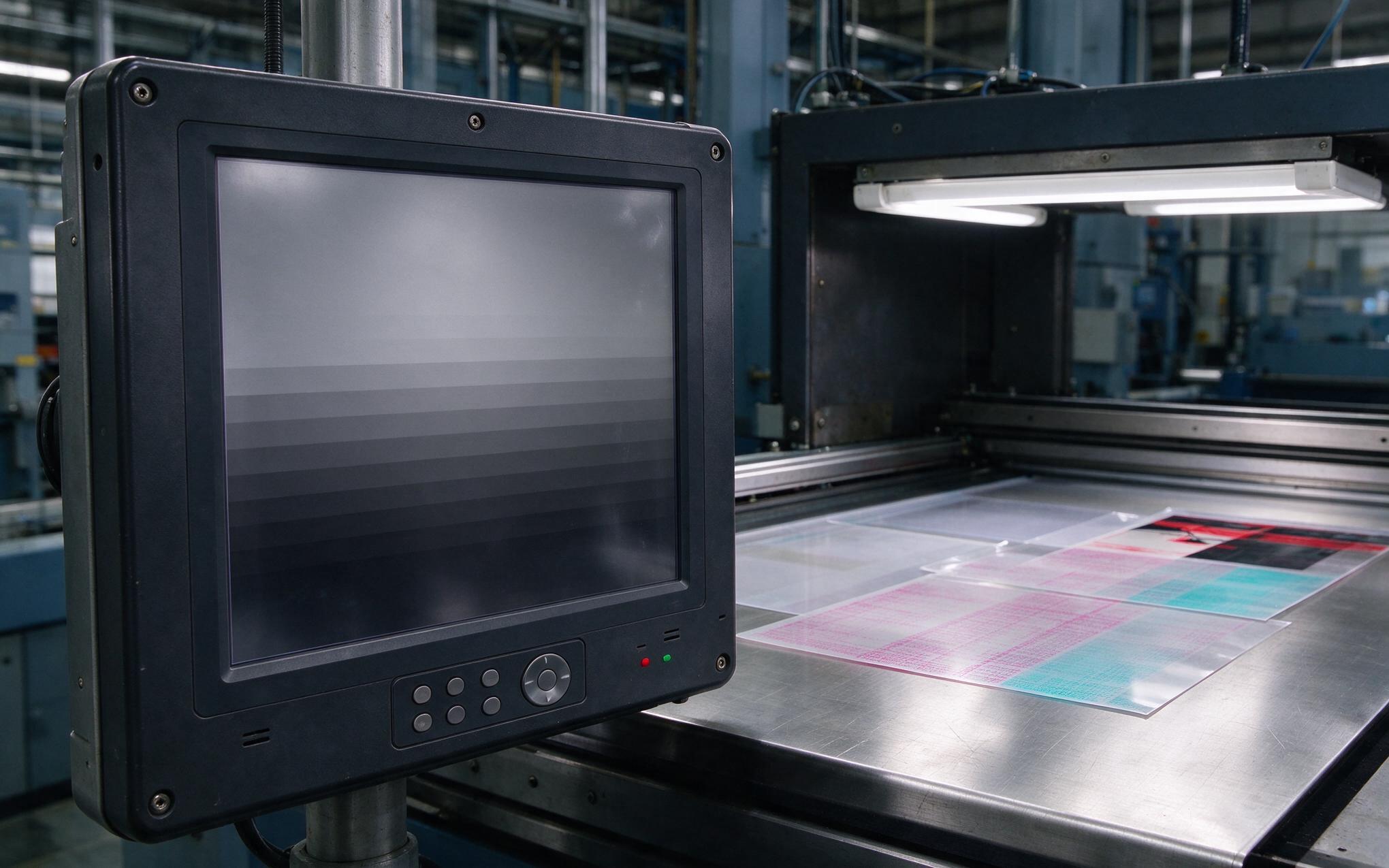
Control room operators in oil and gas pipeline monitoring face a unique challenge: they must maintain continuous situational awareness across hundreds of kilometers of pipeline infrastructure while tracking pressure curves, flow rates, valve positions, and security camera feeds. A single display cannot provide the visual real estate this mission demands. Multi-screen deployments have become the standard architecture for modern SCADA control rooms, but the hardware selection behind those screens determines whether the setup delivers reliable 24/7 operation or becomes a maintenance headache. Panel PCs, purpose-built for industrial environments, have emerged as the preferred compute platform for these multi-display configurations.
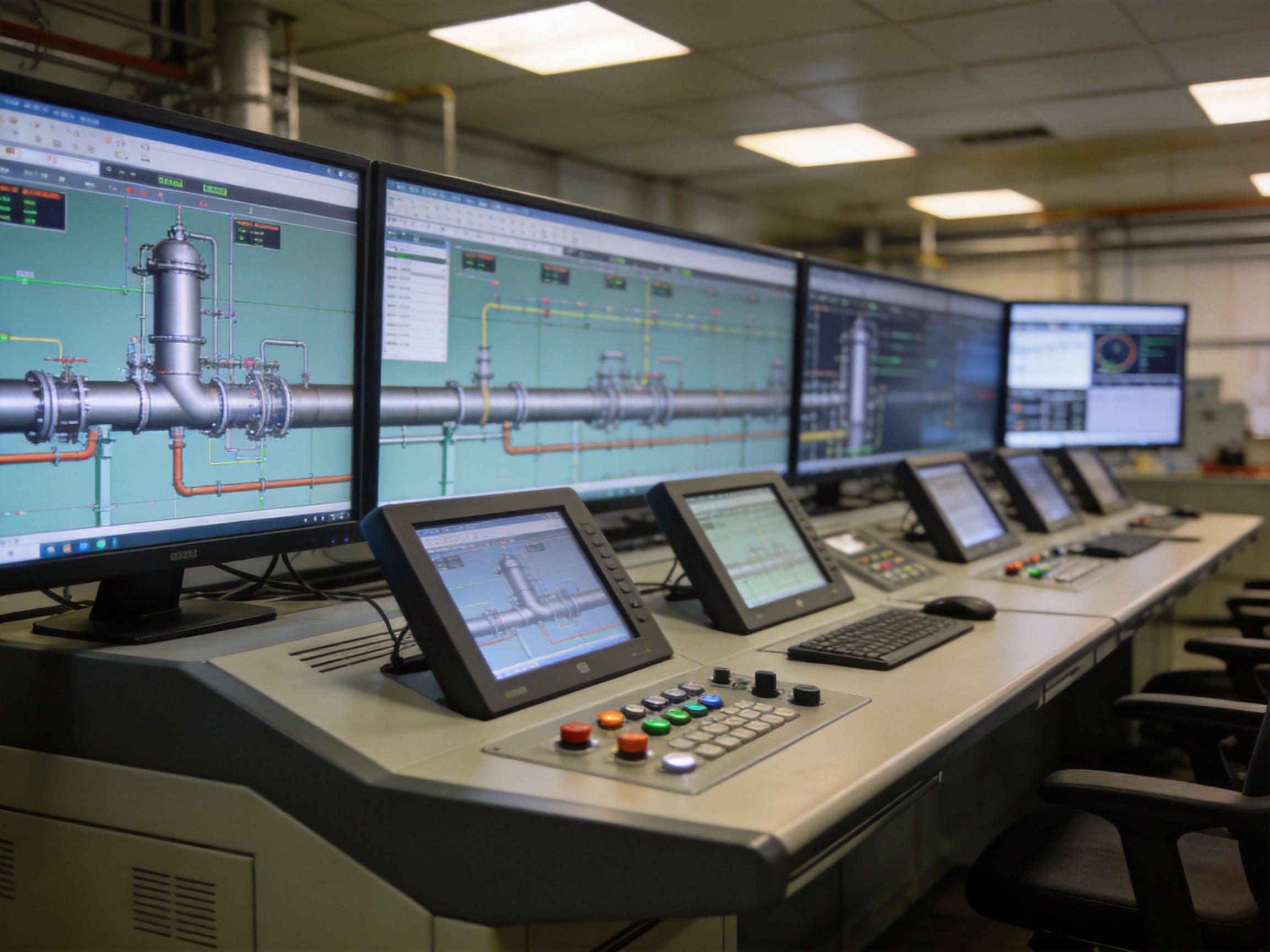
Why Multi-Screen Architecture Matters in Pipeline Operations
Pipeline SCADA environments differ fundamentally from discrete manufacturing control rooms. Operators monitor slowly evolving parameters—pressure trends over hours, flow volumes across shifts—alongside real-time alarms demanding immediate attention. A single-screen workflow forces constant window switching, which studies have shown increases response latency to critical alarms. In pipeline operations, that delay can mean the difference between a controlled pressure release and an uncontrolled rupture. The standard configuration pairs two to four panel PC displays per operator station, with dedicated screens for alarm management, process visualization, trend analysis, and CCTV surveillance. KOXIAN deployments in pipeline monitoring have demonstrated that a four-screen layout reduces operator cognitive load measurably, with eye-tracking studies showing a significant reduction in unnecessary screen transitions during high-workload periods.
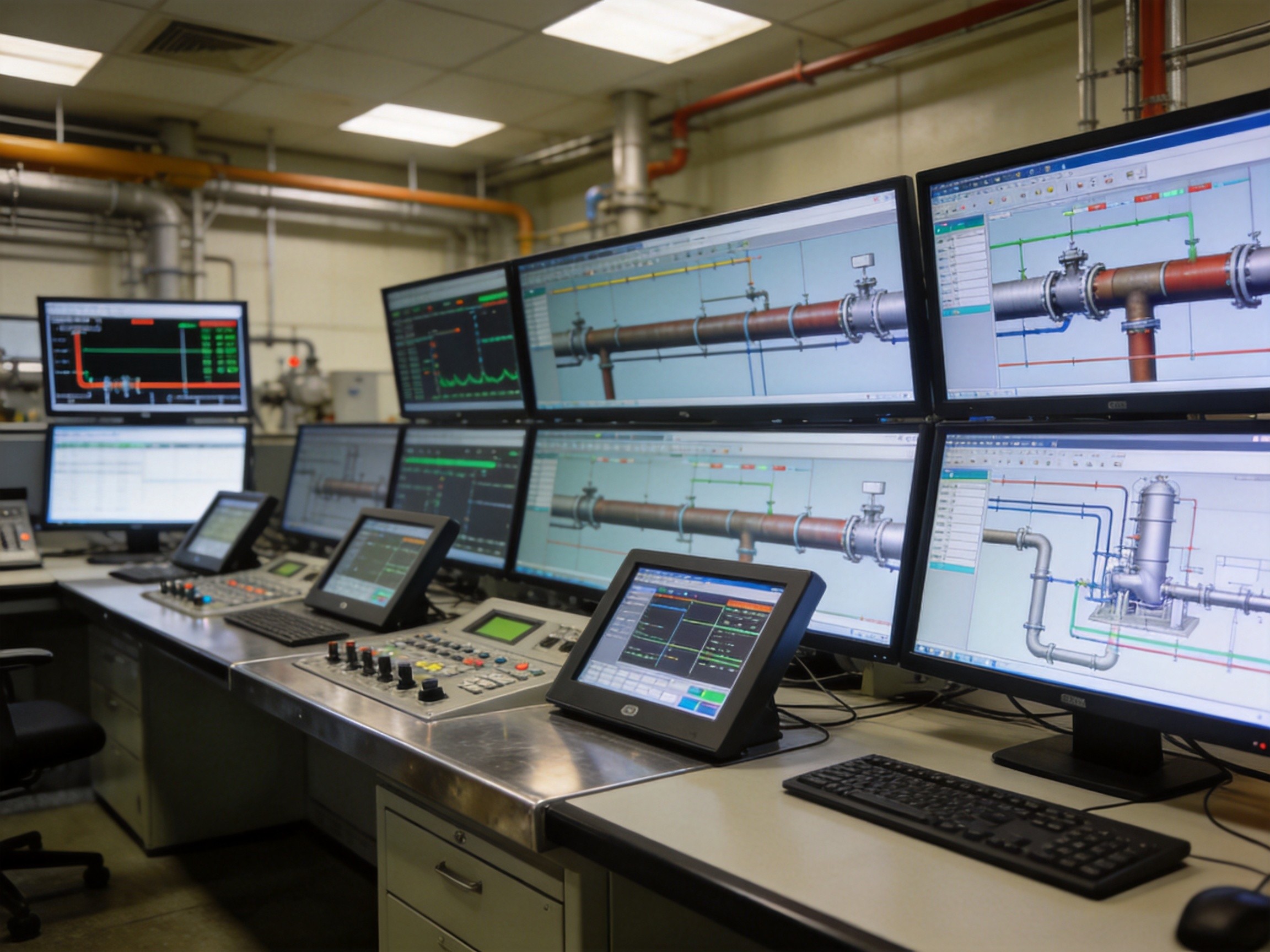
GPU and Display Output Requirements
Driving four displays simultaneously requires more than just multiple video ports. The GPU must sustain rendering performance across all screens without frame drops, even when one display renders a high-density SCADA mimic with thousands of animated elements. Integrated graphics that work adequately for single-display stations often buckle under the pixel throughput demands of four 1920×1080 or higher resolution panels. The correct hardware includes panel PCs with embedded discrete graphics or SoCs featuring multi-display pipelines validated for continuous 24/7 rendering. Thermal design becomes critical: GPUs running at sustained load in a sealed, fanless chassis can push junction temperatures into throttling territory if the thermal solution was not engineered for multi-display use. Systems with strategically routed internal airflow or external heat pipe coupling maintain stable temperatures under continuous multi-screen rendering loads.
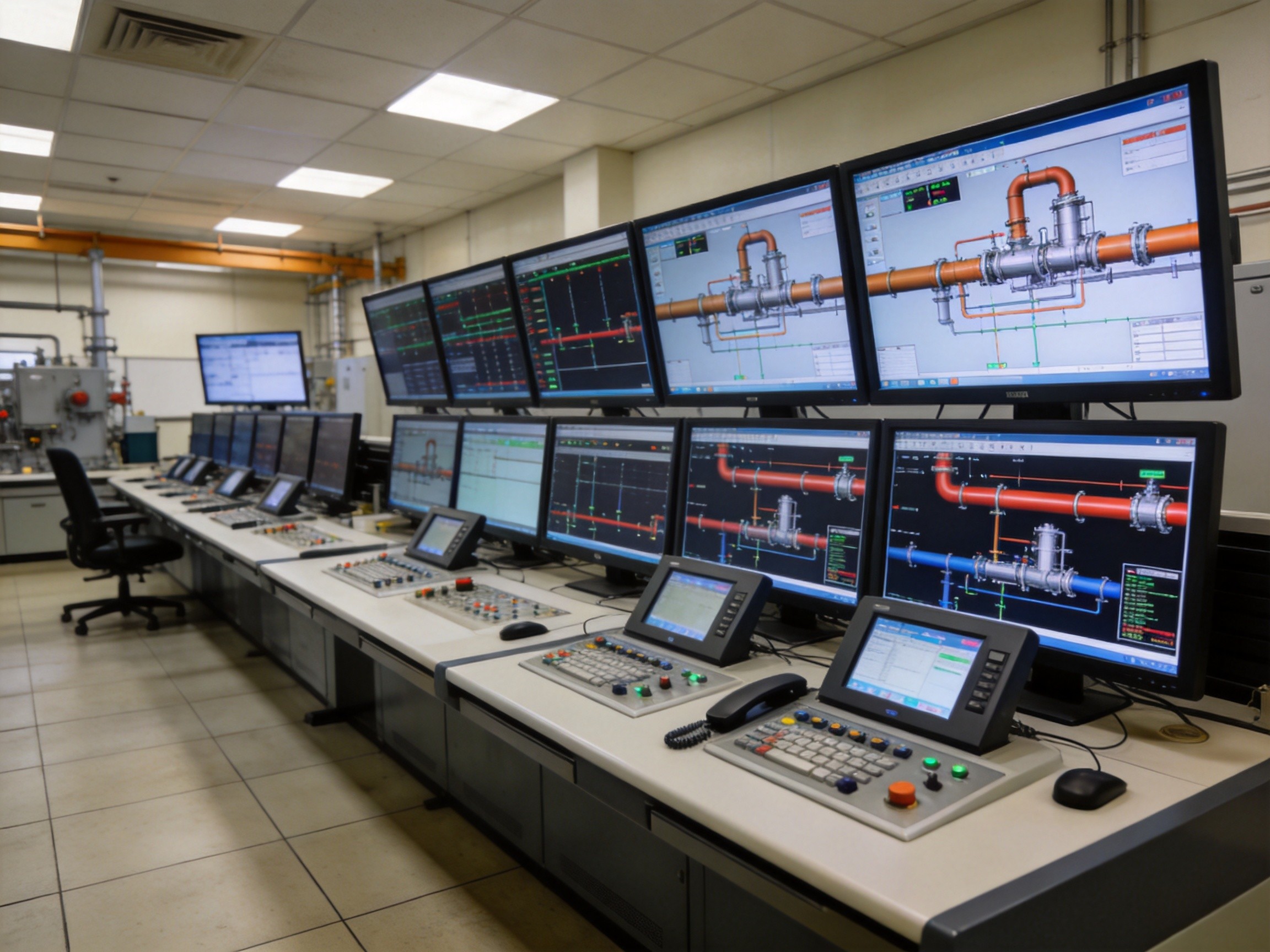
Redundancy and Failover in Multi-Screen Environments
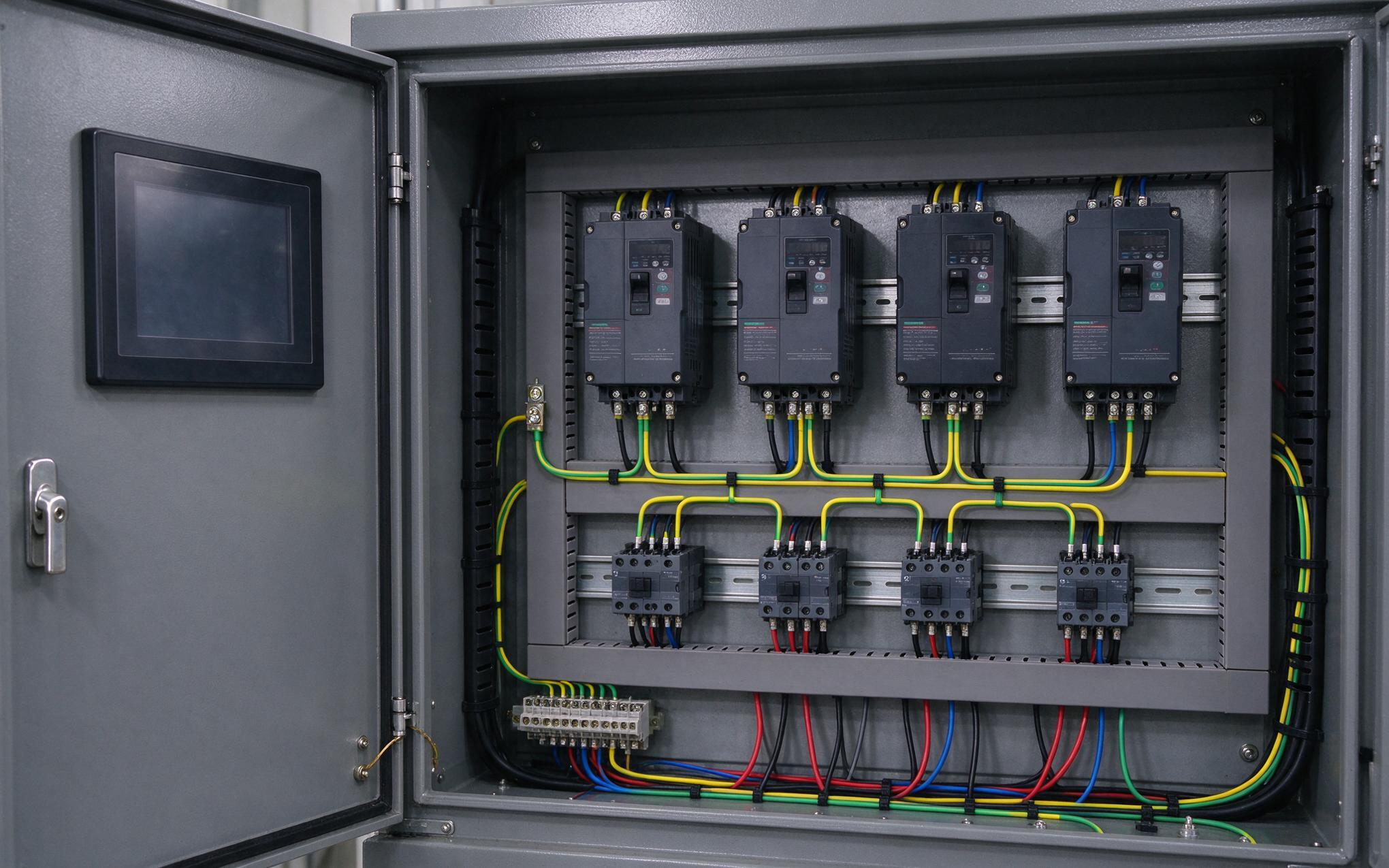
In pipeline monitoring, display failure is not an inconvenience—it is a safety incident waiting to happen. The multi-screen architecture must incorporate redundancy at every layer. Dual redundant power supplies ensure that a single PSU failure does not black out the operator station. Panel PCs with automatic display failover can detect a screen outage and reallocate critical alarm windows to remaining functional displays within seconds. Network redundancy is equally important: the panel PC should support dual Gigabit Ethernet ports with independent MAC addresses, connected to separate network fabrics. KOXIAN engineering specifications for pipeline installations mandate dual power inputs, dual Ethernet, and display failover scripting as baseline requirements—not optional extras—for any panel PC deployed in a pipeline control room context.
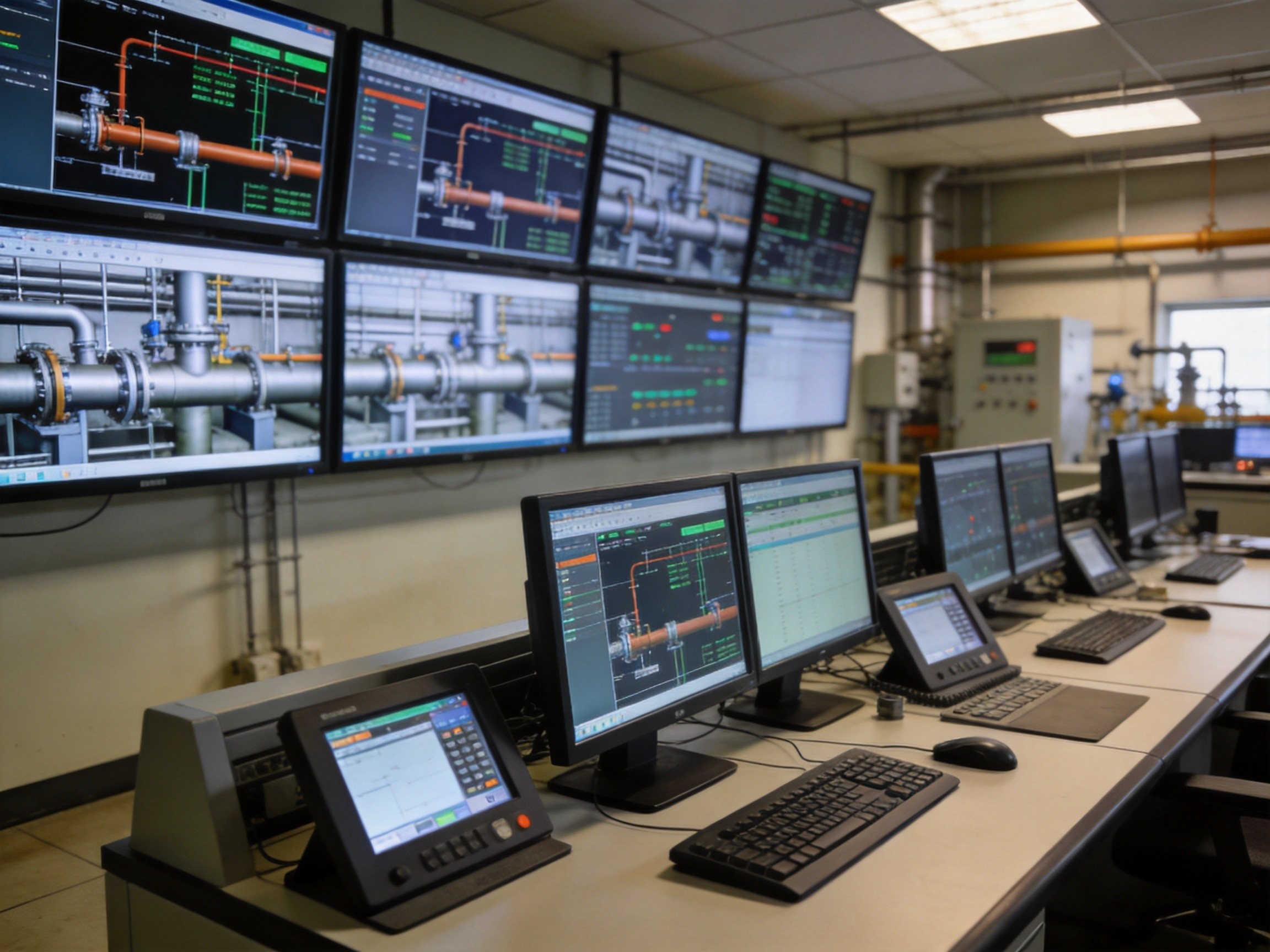
Environmental Hardening for Control Room Realities
Pipeline control rooms are not always the pristine, climate-controlled environments that server room specifications assume. Many are located in remote compressor stations, desert pump facilities, or arctic valve sites where temperature swings and airborne particulates are daily realities. Panel PCs deployed in these environments need wide-temperature ratings—typically covering -20°C to 60°C operational range—and sealed front bezels to prevent dust ingress into display electronics. Touchscreen technology selection also matters: resistive touchscreens remain common in oil and gas because they function reliably with gloved hands, while projected capacitive touchscreens offer multi-touch gesture support but require compatible glove materials. The choice should be driven by operator workflow requirements rather than default specifications.
The multi-screen SCADA control room has become the operational backbone of modern pipeline monitoring. Selecting the right panel PC platform—one with adequate GPU throughput, proven thermal management, built-in redundancy, and appropriate environmental hardening—transforms the operator station from a potential point of failure into a resilient node in the monitoring architecture. For pipeline operators managing infrastructure spanning hundreds of kilometers, that resilience translates directly into safety outcomes and regulatory compliance.