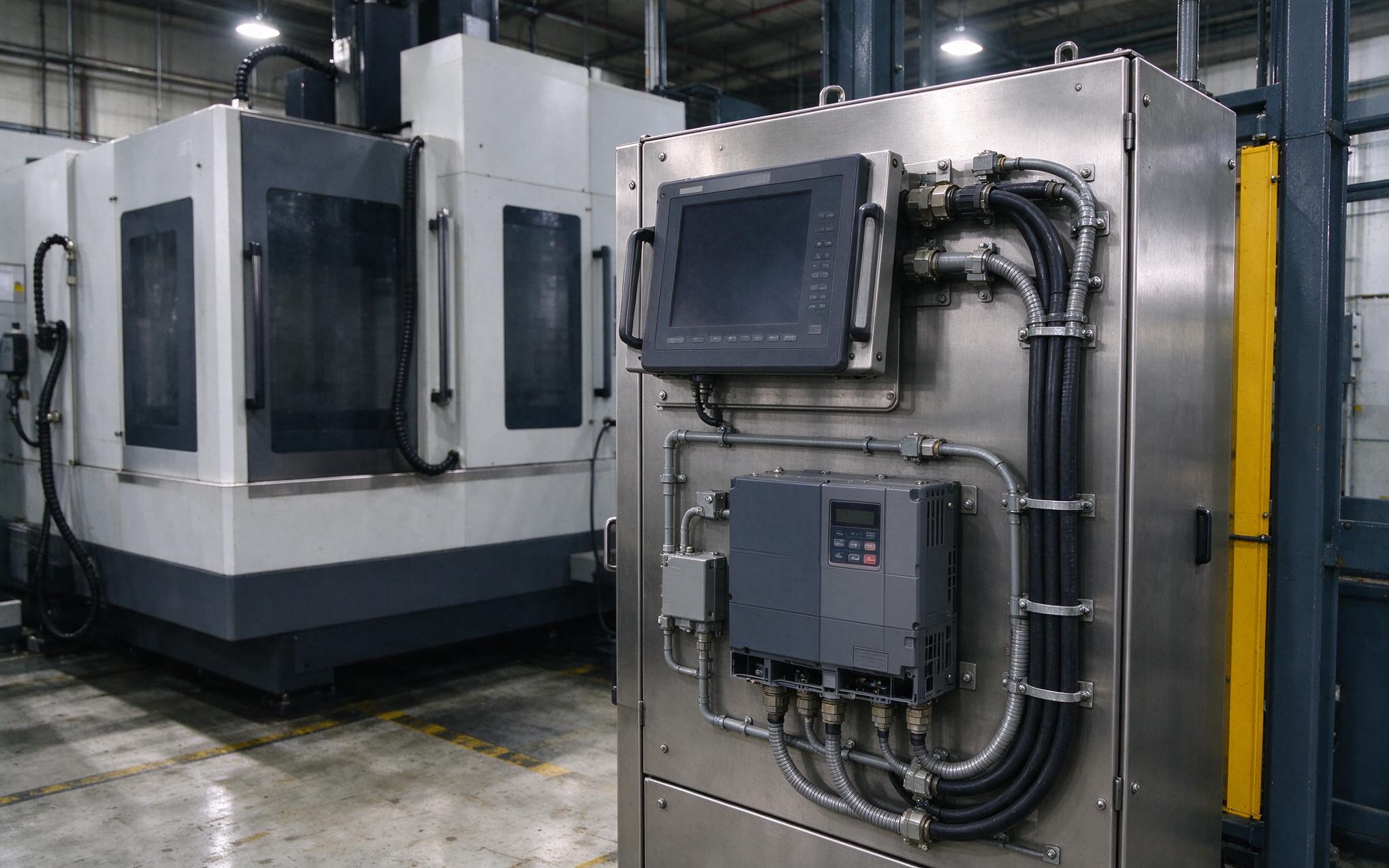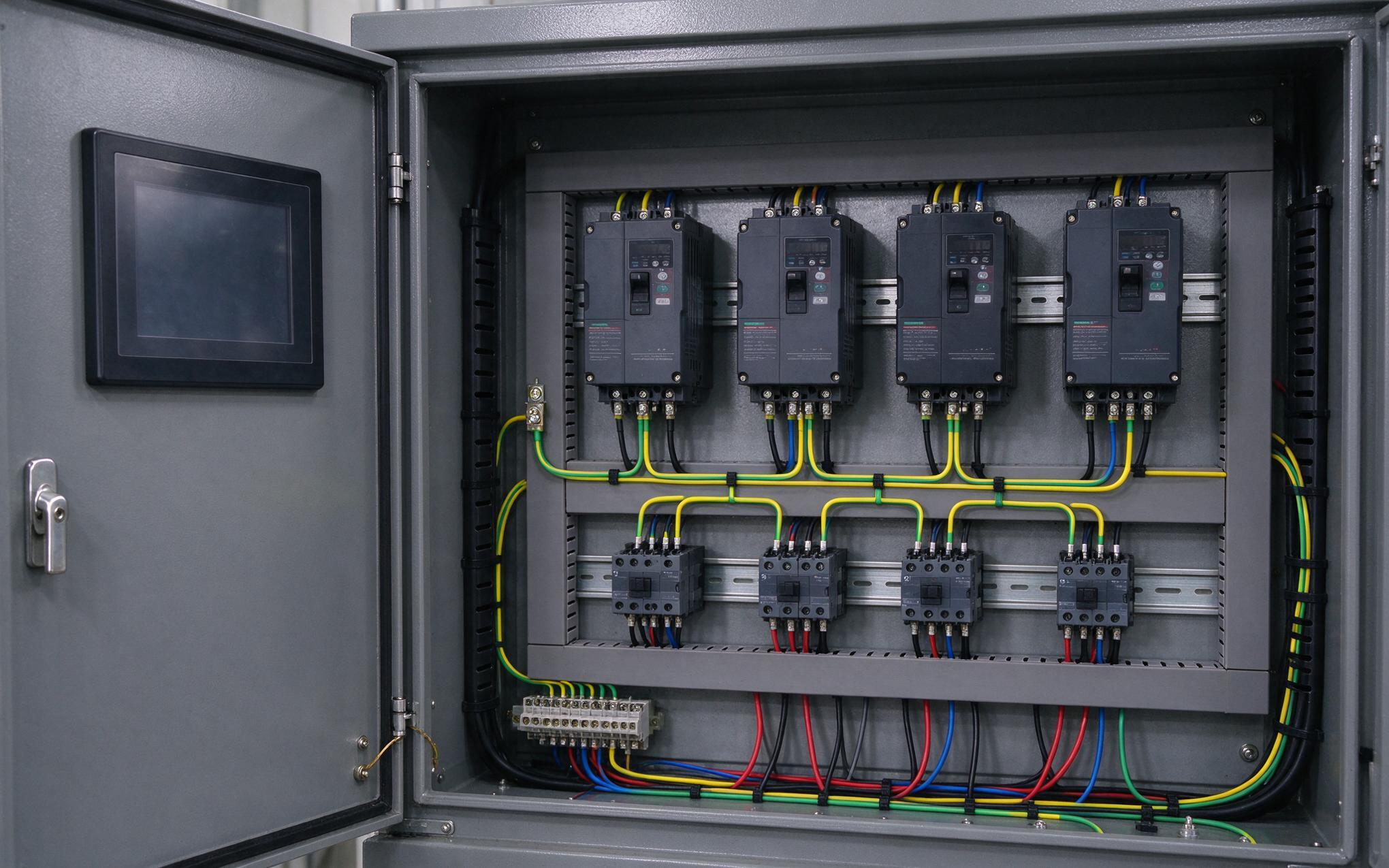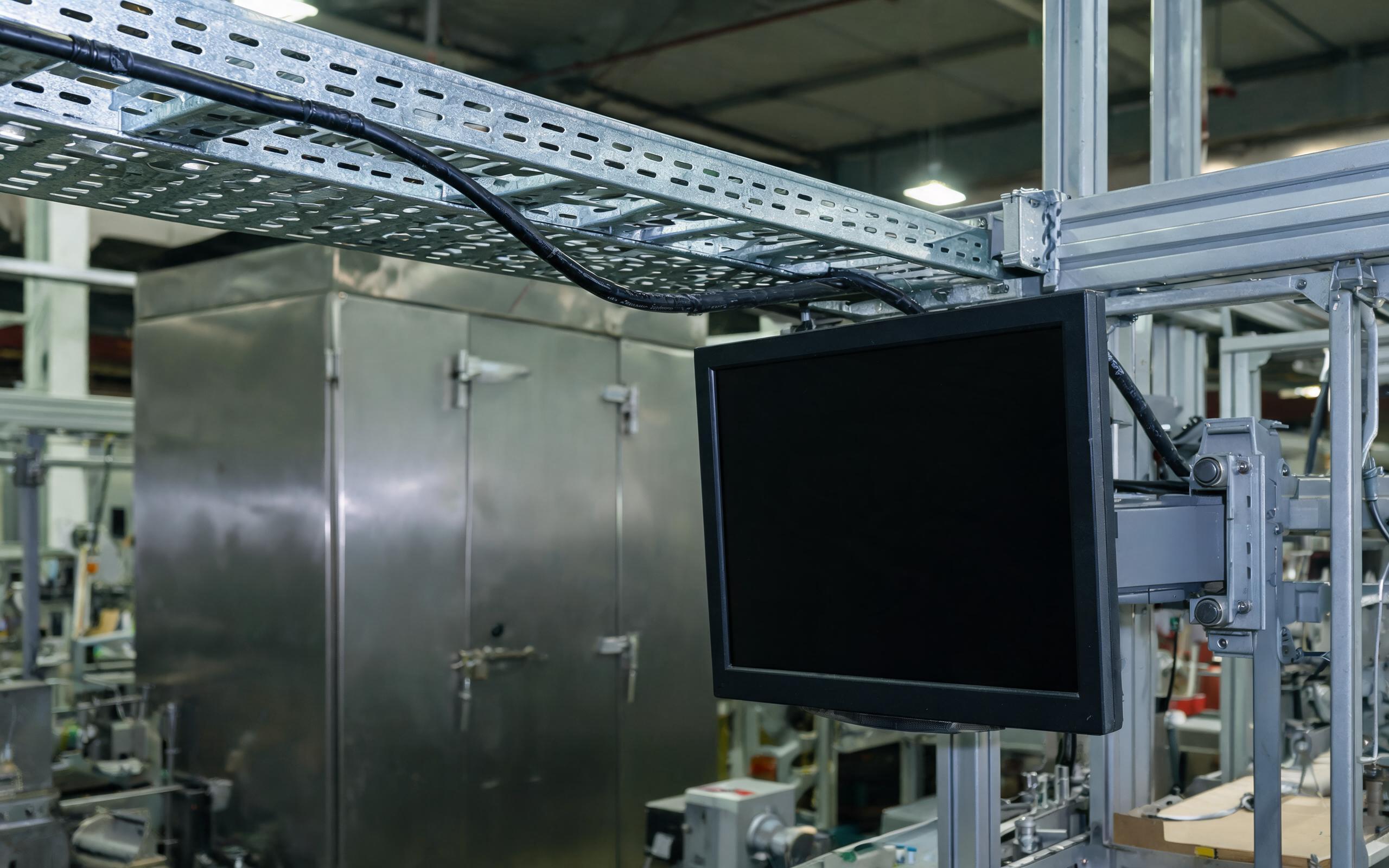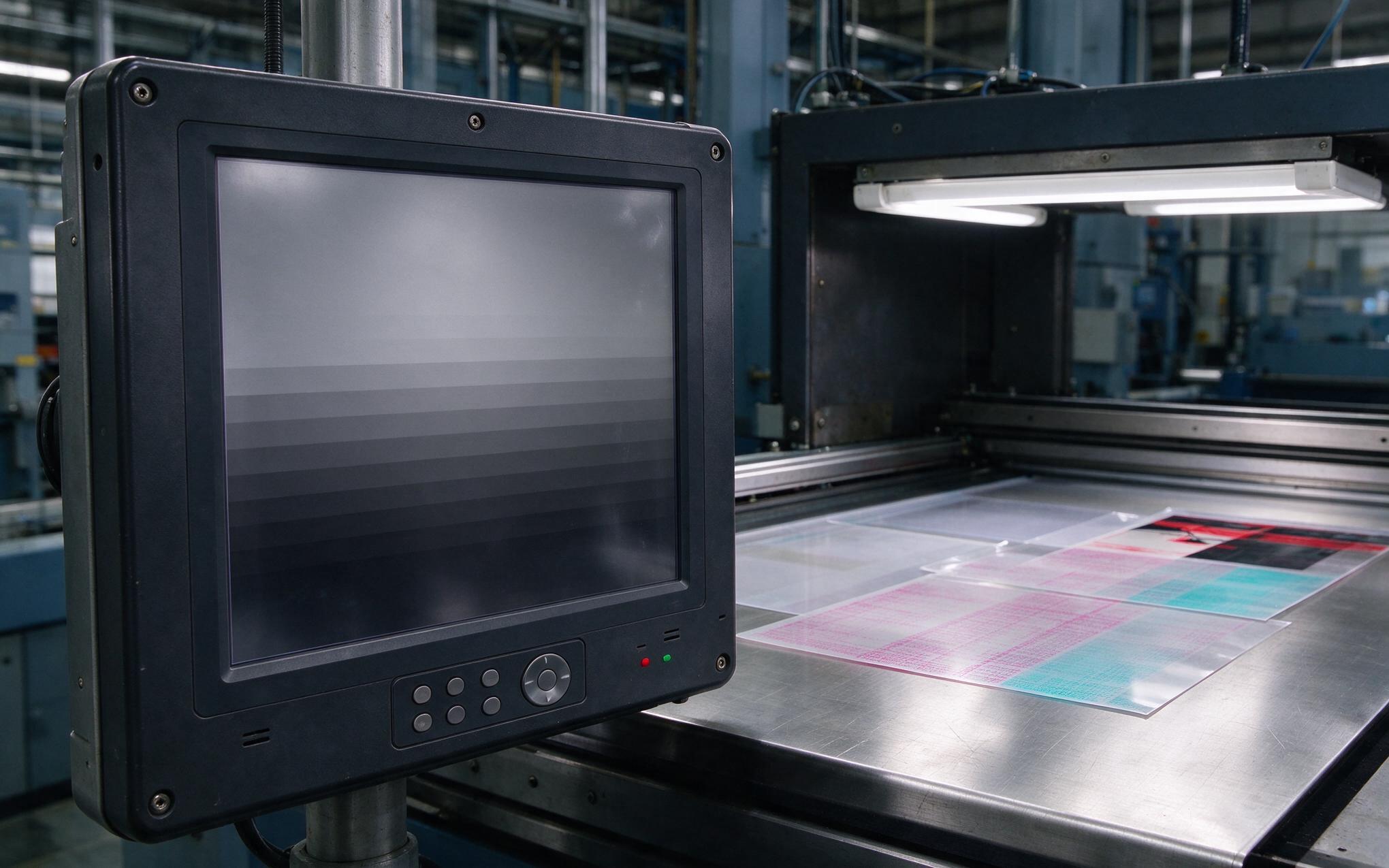
Industrial panel PC deployments rarely begin with a clean blueprint. The physical environment—whether a climate-controlled enclosure, a vibration-heavy machining bay, or a washdown-grade food processing line—dictates structural choices long before processing specs enter the conversation. Among those choices, the open frame versus enclosed chassis decision carries outsized weight. It influences thermal behavior, mounting flexibility, serviceability, and ultimately the total cost of integration. Yet the distinction is frequently reduced to an “open equals cheaper” shorthand that misses the deeper engineering tradeoffs.
Defining the Structural Boundary
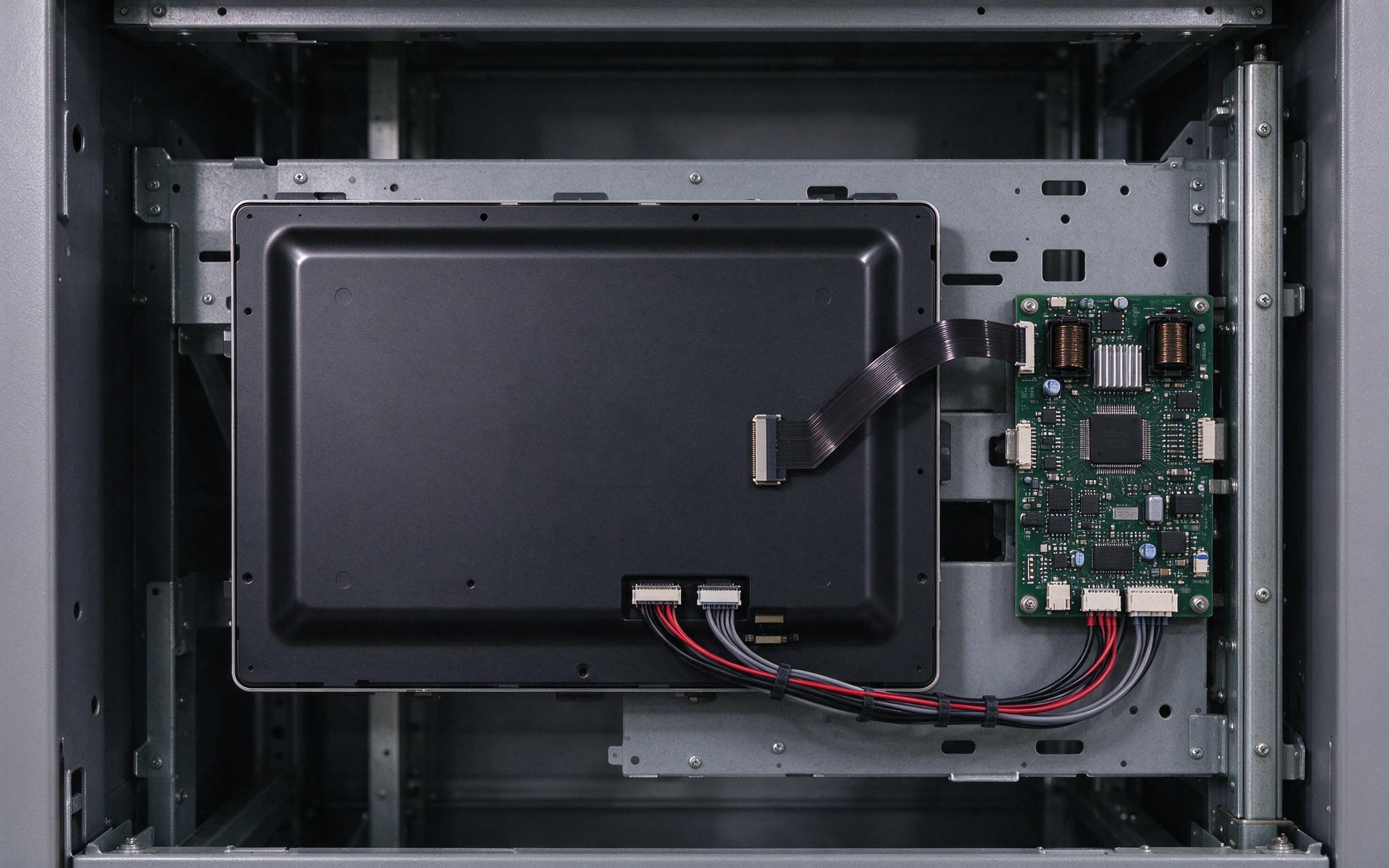
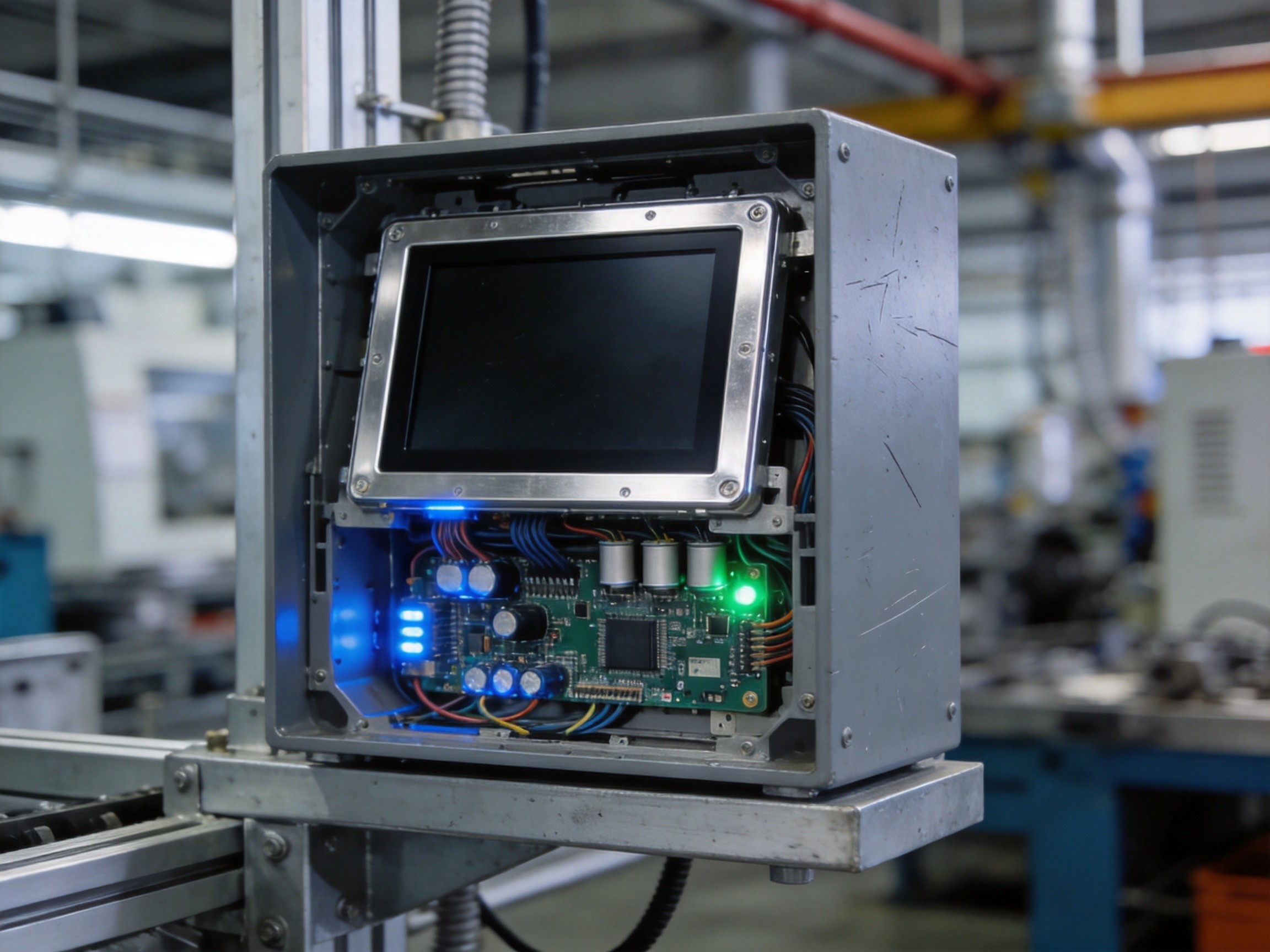
An open frame panel PC is essentially a display assembly with an attached computing module, designed to be mounted into a larger enclosure provided by the systems integrator. The chassis is intentionally minimal—front bezel, rear housing for the mainboard, and standardized VESA or panel-mount cutout dimensions. An enclosed panel PC ships as a self-contained unit with a fully sealed chassis, integrated cooling pathways, and factory-validated ingress protection ratings. The open frame approach shifts enclosure design responsibility to the integrator; the enclosed approach centralizes it with the hardware vendor. Neither is inherently superior, but the boundary line determines who owns thermal simulation, sealing validation, and regulatory recertification when the system is deployed. KOXIAN engineering teams have worked with both configurations across hundreds of integration projects and recommend evaluating this boundary before any component selection begins.
Thermal Management and the Enclosure Penalty
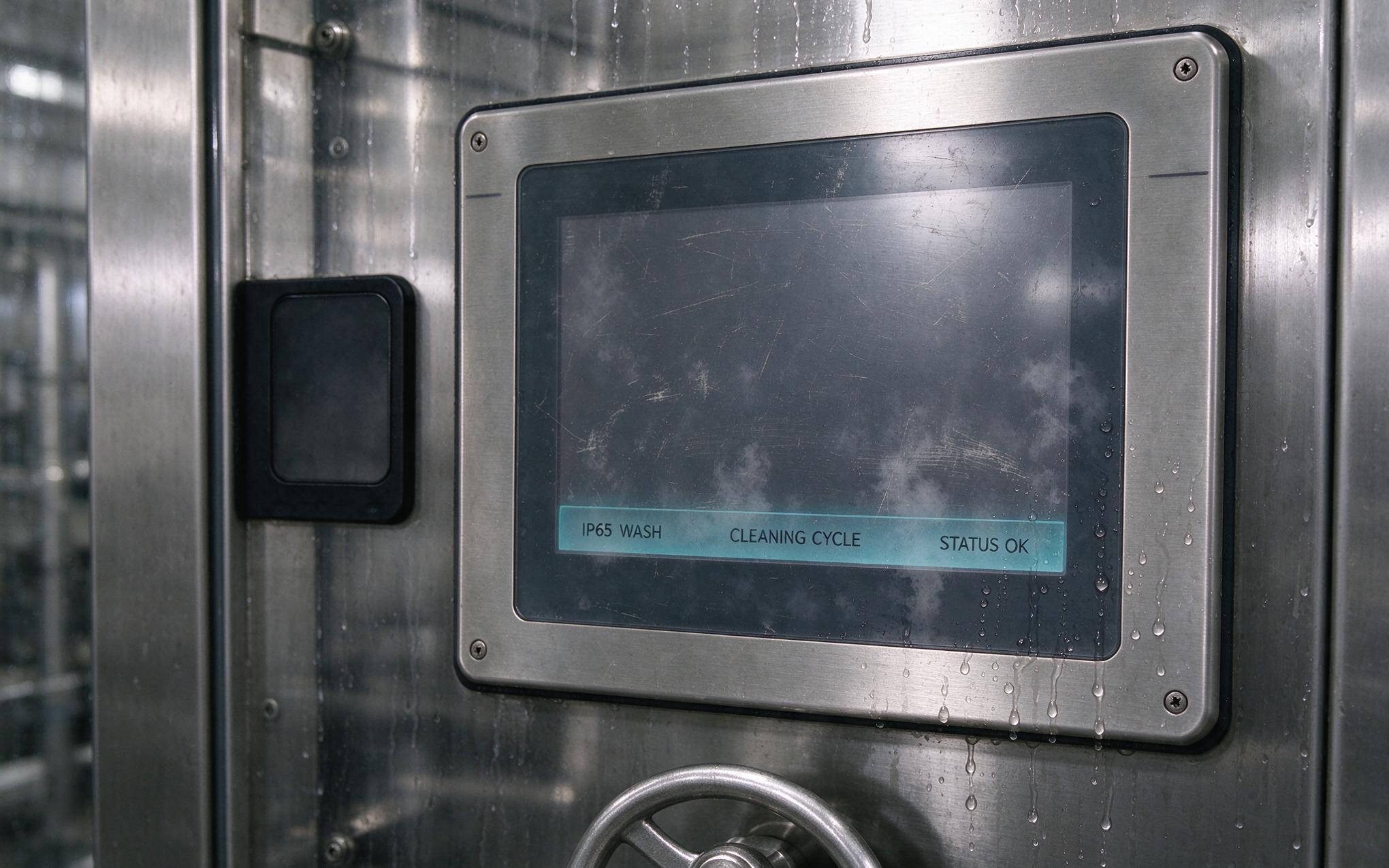
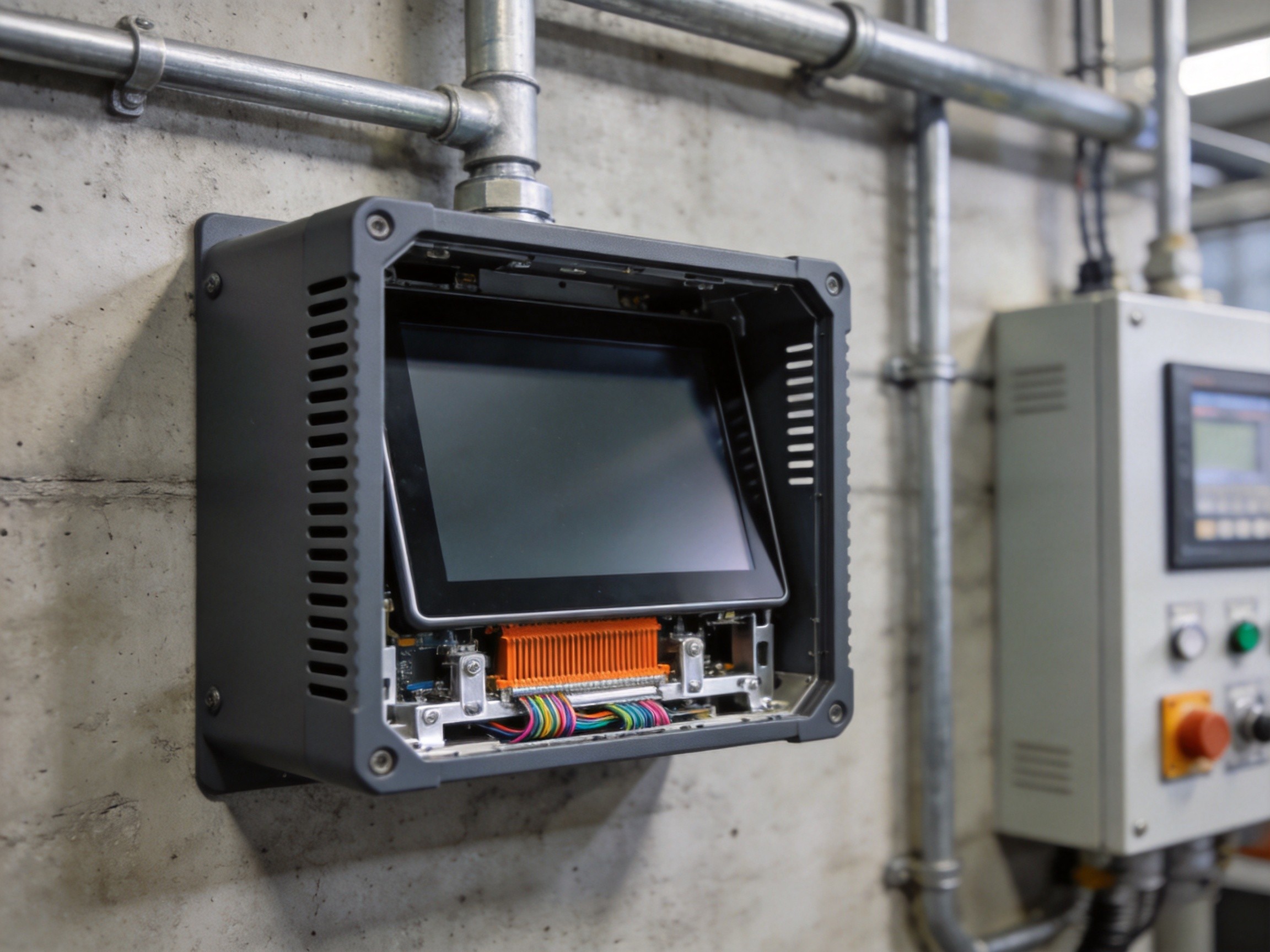
Every sealed chassis introduces a thermal penalty. When an open frame panel PC is integrated into a well-designed external enclosure with active ventilation, the system can operate at lower internal ambient temperatures than an equivalent enclosed unit relying solely on passive heat dissipation through a finned rear housing. This is especially relevant for fanless designs. Field data from KOXIAN deployments shows that open frame configurations paired with ventilated OEM housings can sustain 10–15°C lower junction temperatures compared to fully sealed units in the same ambient environment. However, this advantage vanishes when the integrator’s enclosure is poorly ventilated or subjected to airborne contaminants that force a sealed design. The enclosed panel PC earns its place when the external environment is fundamentally hostile to open airflow—dust, moisture, corrosive mists, or pressurized washdowns dictate the choice.
Mounting, Serviceability, and the Integration Lifecycle
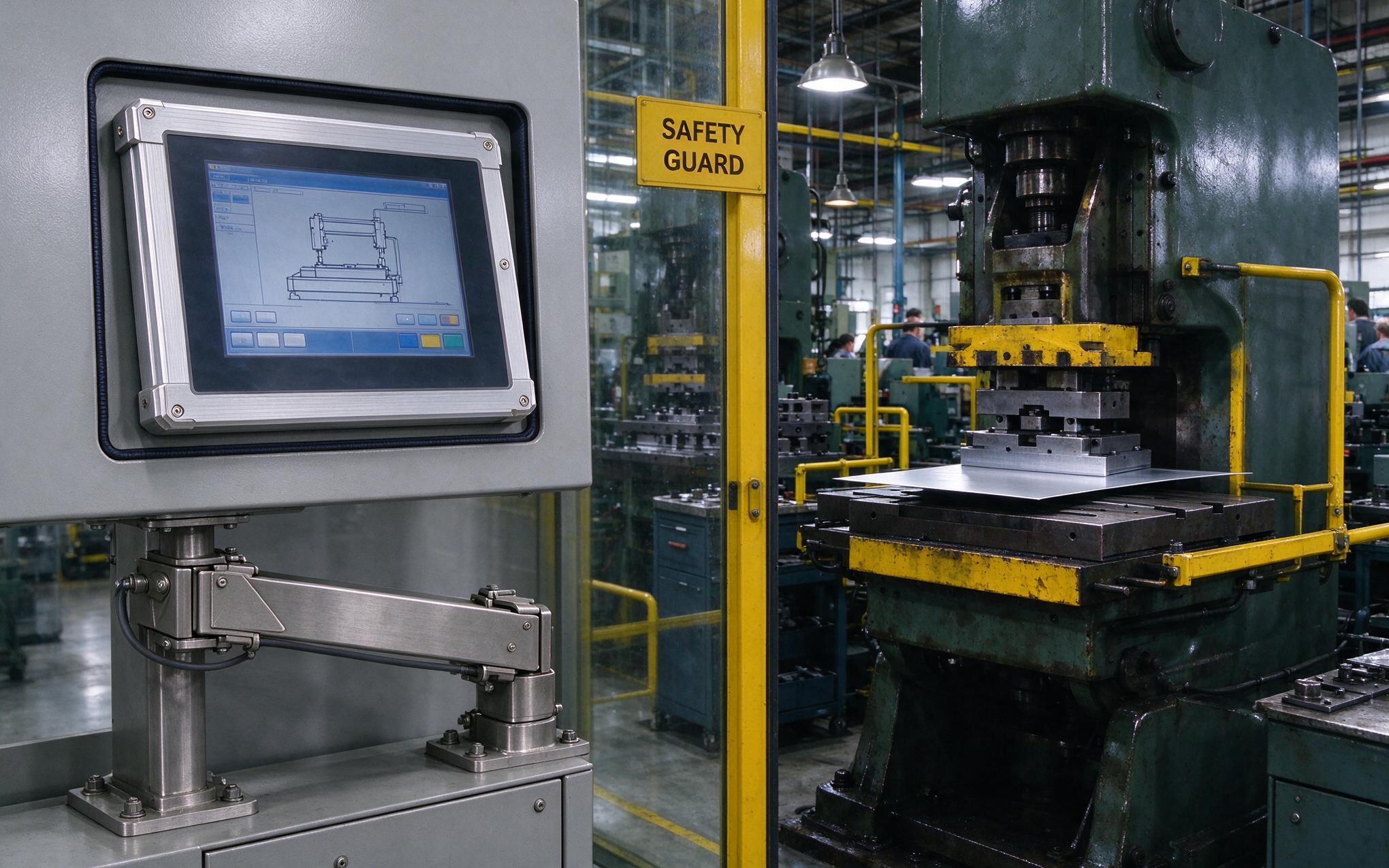
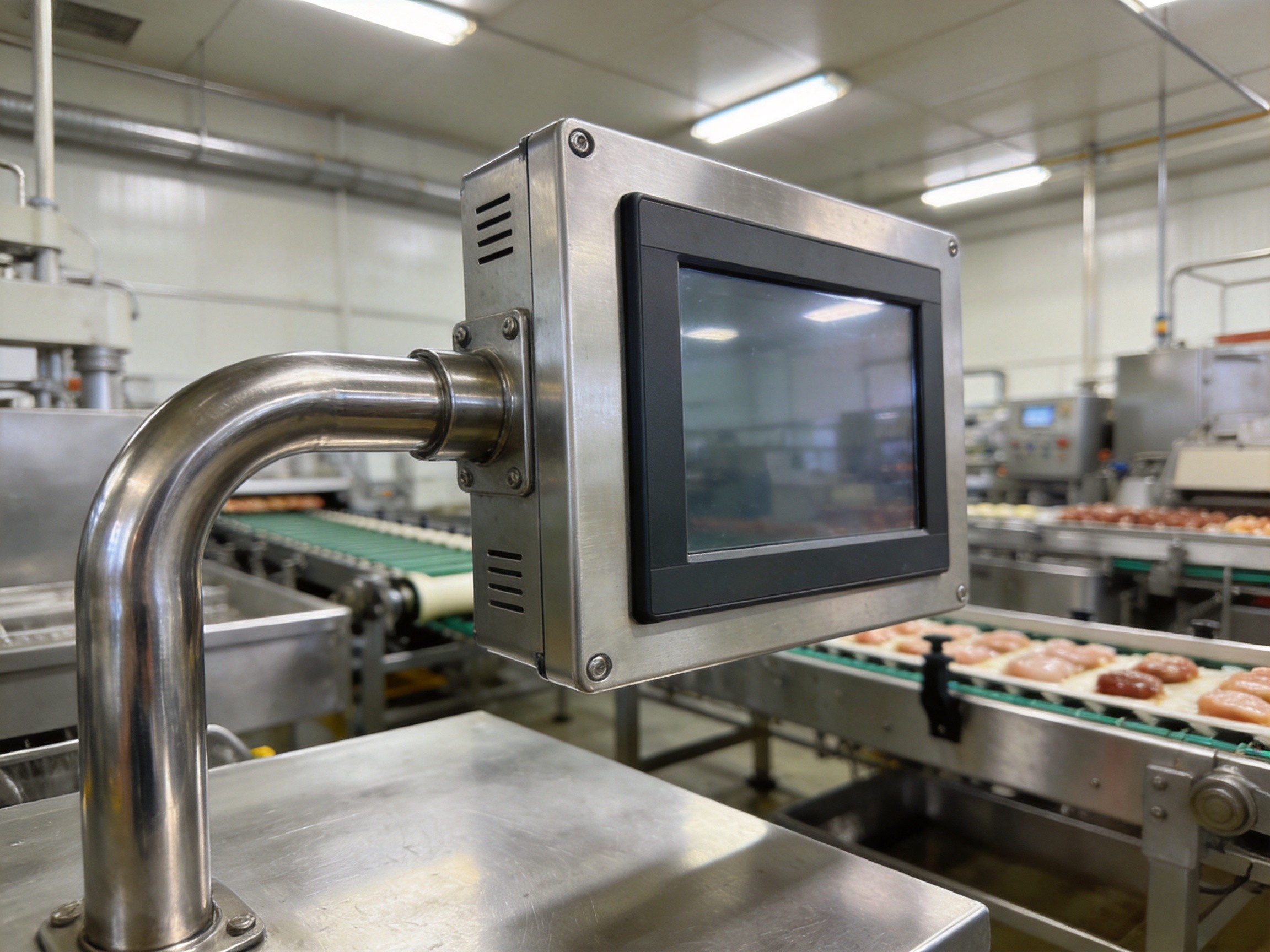
Open frame panel PCs offer a distinct advantage in complex OEM integrations where the computing display must sit flush within a custom control panel fascia, often alongside physical buttons, indicator lights, and secondary displays. The integrator can design the bezel interface precisely, with no redundant housing material. Service access is also simplified: technicians can reach the mainboard, storage, and expansion slots from the rear without dismounting the entire unit. Enclosed panel PCs, conversely, are installed as complete assemblies using VESA arms, pedestal mounts, or panel clamps—simpler to deploy initially but potentially more cumbersome to service in situ. Field reports indicate that in multi-site SCADA control room rollouts, the enclosed approach reduces per-site installation time by approximately 40%, while open frame configurations cut long-term component replacement labor by roughly 25%.

The Certification and Compliance Variable
One of the most overlooked factors in the open frame versus enclosed decision is the compliance chain. An enclosed panel PC carries factory-validated IP ratings, EMC certifications, and safety approvals that apply to the complete unit as shipped. When an integrator uses an open frame panel PC and builds a custom enclosure around it, the finished assembly may require recertification—particularly for ingress protection, electromagnetic compatibility, and electrical safety. This can add weeks to project timelines and thousands of dollars in testing costs. For integrators with established in-house compliance capabilities, this is manageable. For smaller OEMs or end users deploying a handful of units, the enclosed route offers a cleaner regulatory path. The decision framework should include not just the bill of materials but the full certification burden carried by each approach across the intended deployment geography.
The open frame versus enclosed decision is an engineering tradeoff assessed against the thermal environment, the integrator’s enclosure design capability, service access requirements, and the regulatory pathway for the finished system. Projects that treat this choice as an afterthought routinely absorb cost overruns that a structured evaluation at the design stage could have avoided.