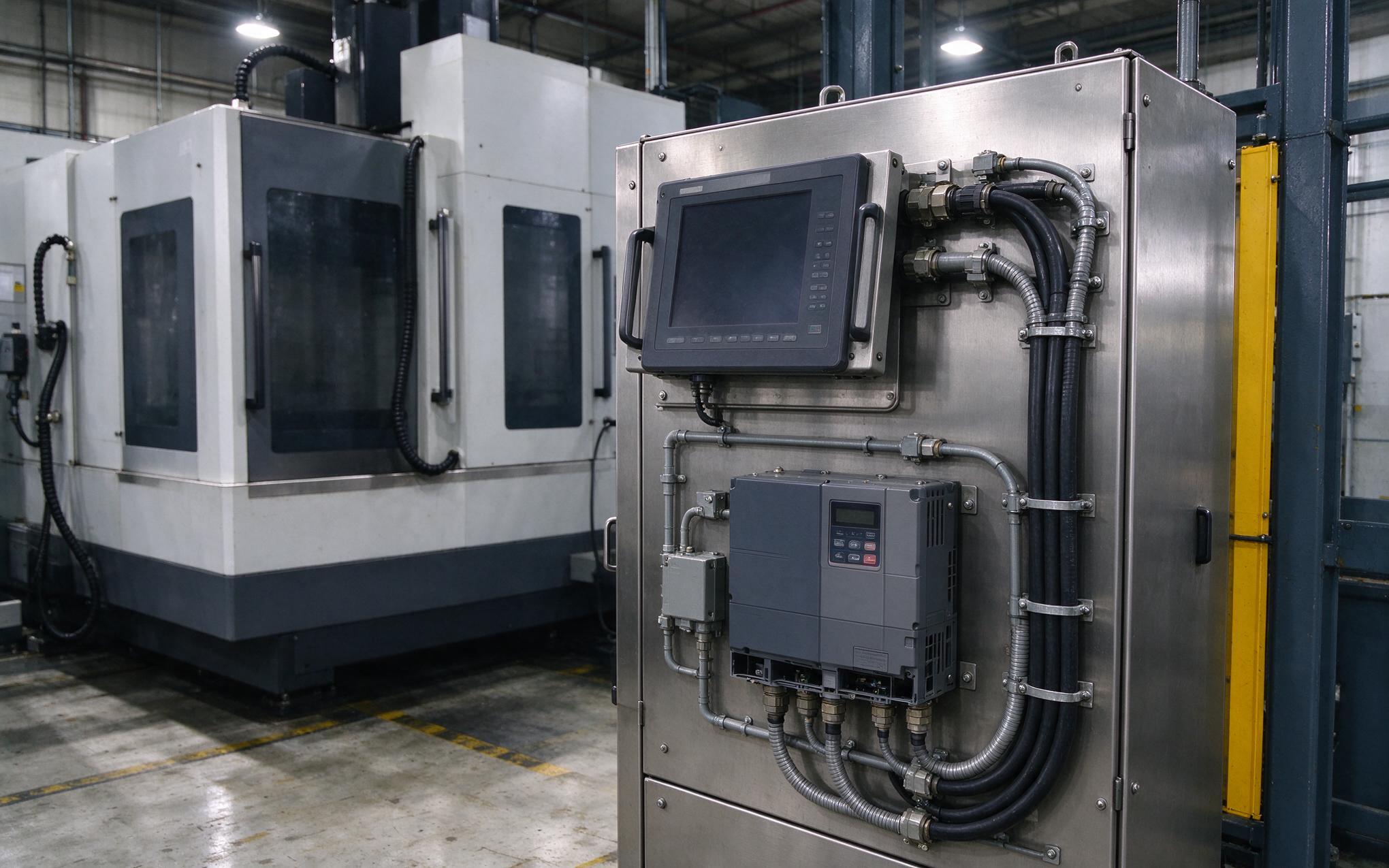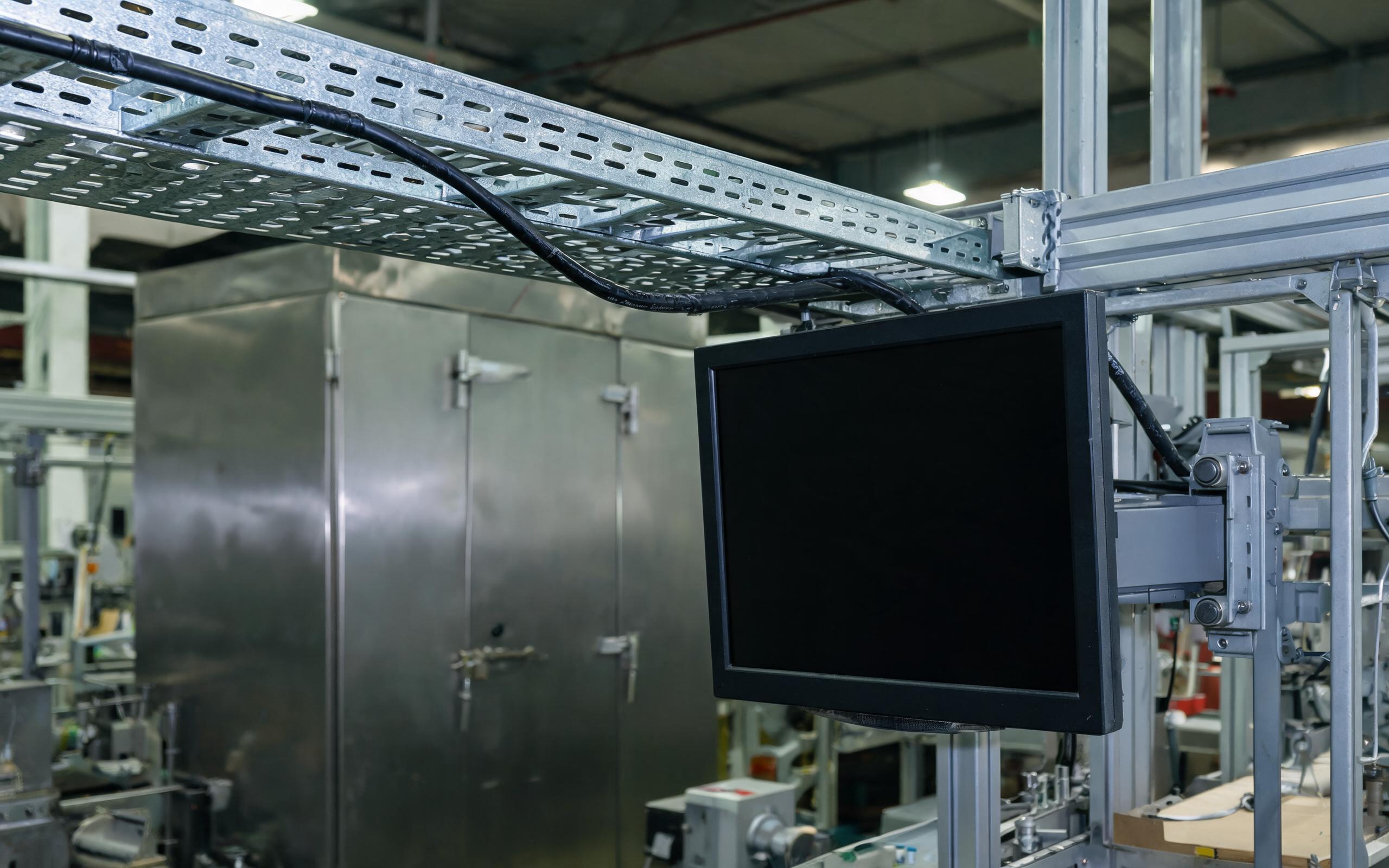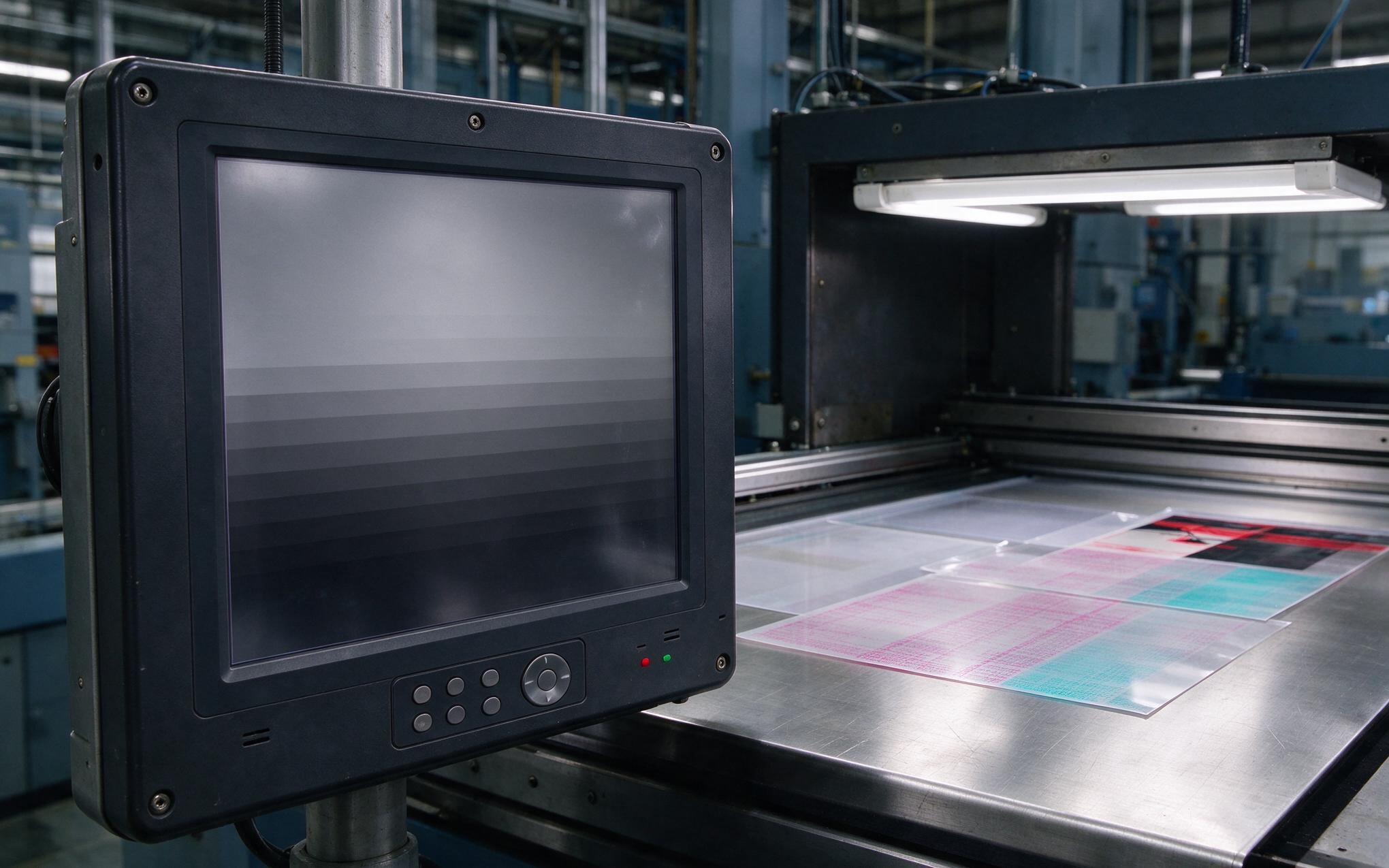
A failure on the receiving dock rarely begins with drama. A forklift-mounted terminal simply stops registering touches after months of crossing dock plates, or its display goes dark after a hard impact against a mast roller. For any rugged touch screen pc bolted to a vehicle, these small events add up to the same engineering question: how much shock can the hardware absorb before solder joints, connectors, and the touch layer give up? MIL-STD-810H exists to answer that question with numbers instead of adjectives.
Understanding MIL-STD-810H Method 516.8 Shock Procedures
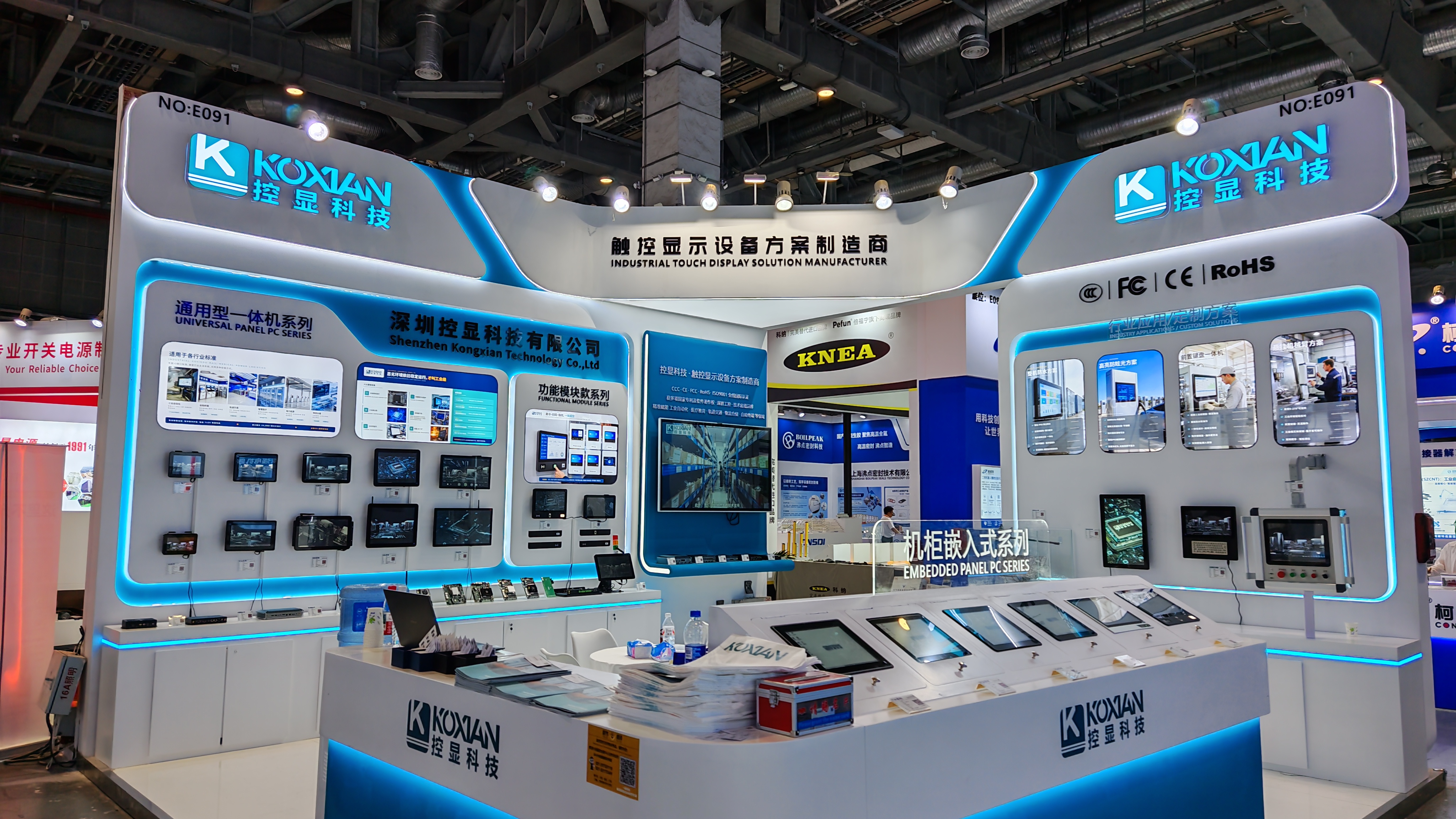
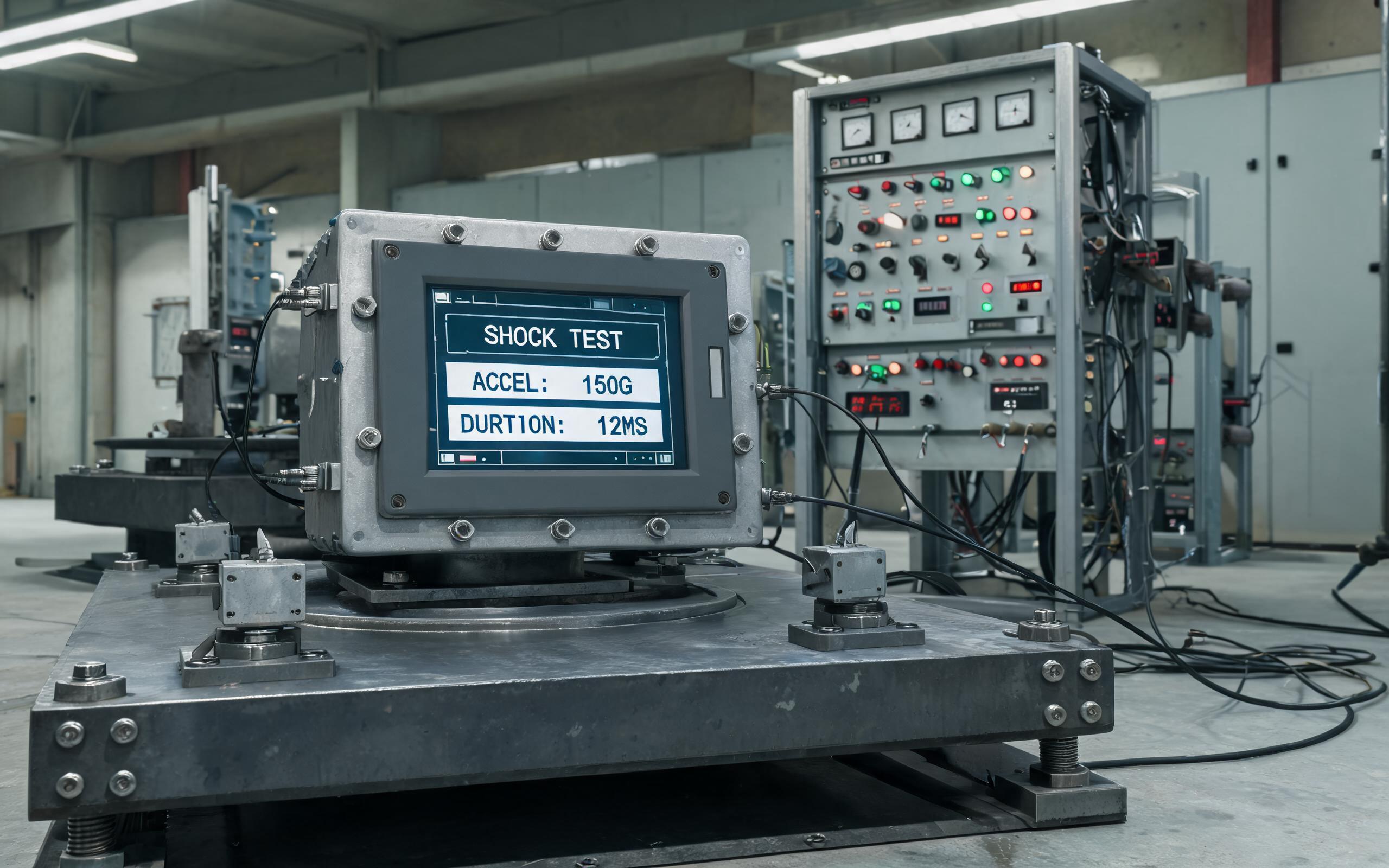
Hardware designs such as the reinforced front frame and elastomer-isolated display stack used in the KOXIAN G1 series illustrate how laboratory pulses translate into concrete mounting decisions. Method 516.8 defines the shock procedures of MIL-STD-810H, and its Procedure I functional shock is the test most relevant to a rugged touch screen pc. The unit under test is powered, configured as it would be in service, and subjected to terminal peak sawtooth pulses, typically 20 to 40 g for 11 ms. Each of the six faces receives three shocks per direction, for a total of eighteen events, and the equipment must operate normally during and after the sequence. Procedure IV adds transit drop coverage for hardware that is moved between vehicles or carried through the plant. The numbers matter because they are repeatable: any buyer can map a published rating back to a specific waveform, duration, and axis count.
Why Warehouse Floors Exceed Laboratory Shock Assumptions
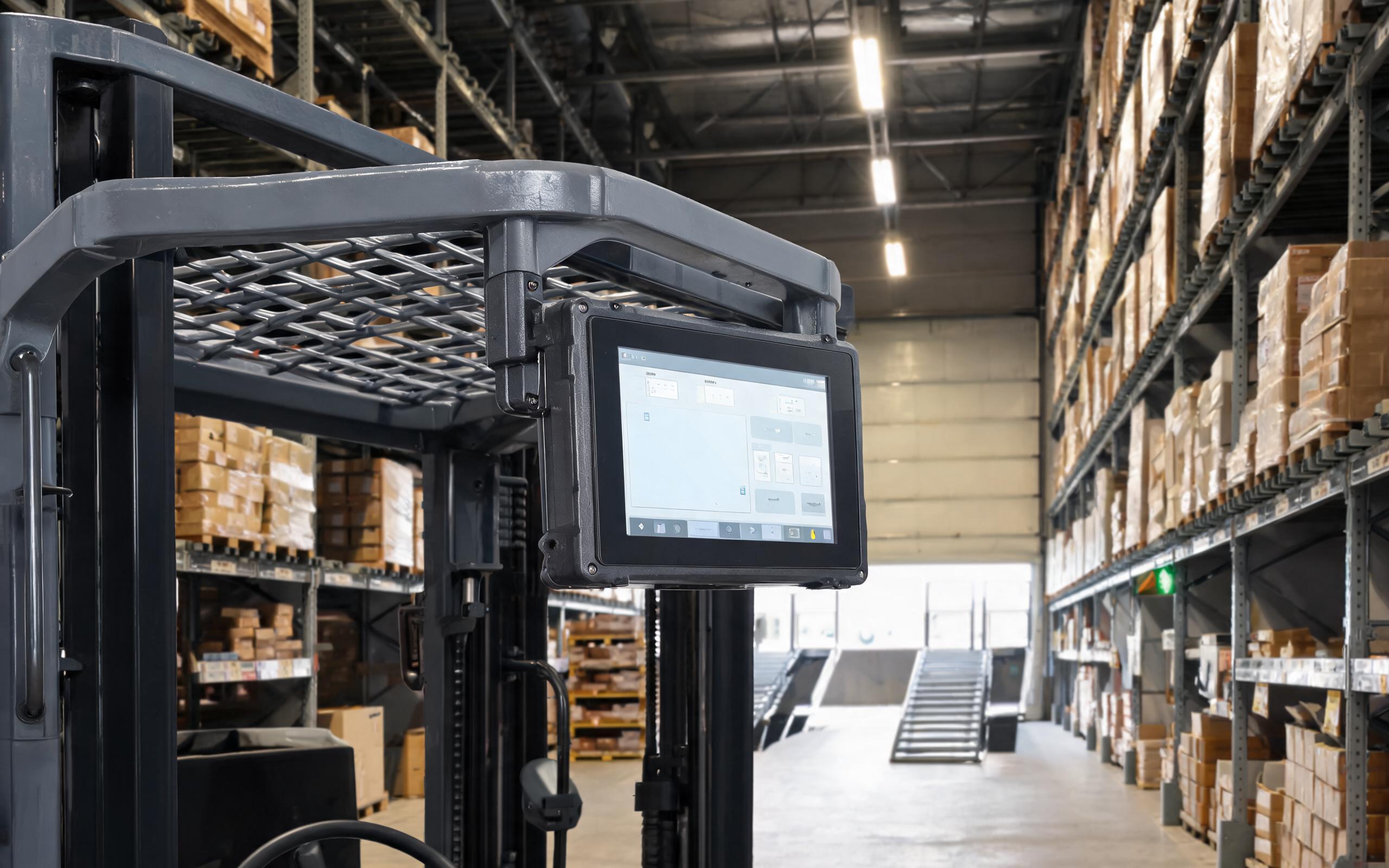
Laboratory shock tables deliver clean, isolated pulses, but a warehouse vehicle produces something messier. Crossing a dock plate at speed sends a short 5 to 15 g jolt through the chassis, and a busy forklift can repeat that event hundreds of times per shift. Mast contact with a pallet, a pothole at the yard entrance, and a hard brake with a raised load each add their own transients. None of these events alone matches the severity of a 20 g test pulse, yet their cumulative count dwarfs the eighteen shocks of the standard procedure. This is why a vehicle-mounted rugged all in one pc that passes functional shock testing can still develop cracked solder joints or fretted connectors after a year on the docks. Fatigue, not peak acceleration, is the quieter enemy.
Design Features That Convert Shock Ratings Into Uptime
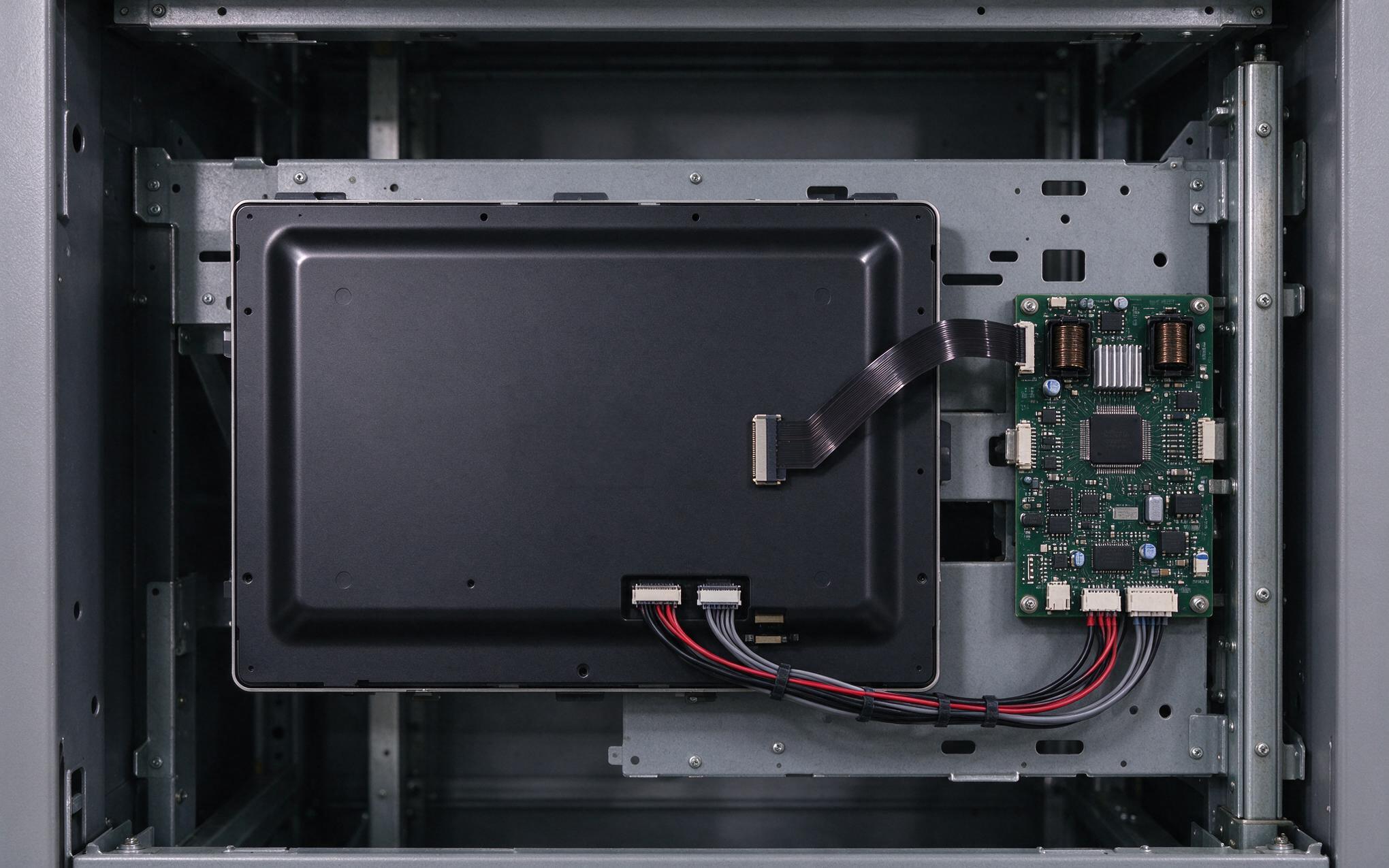
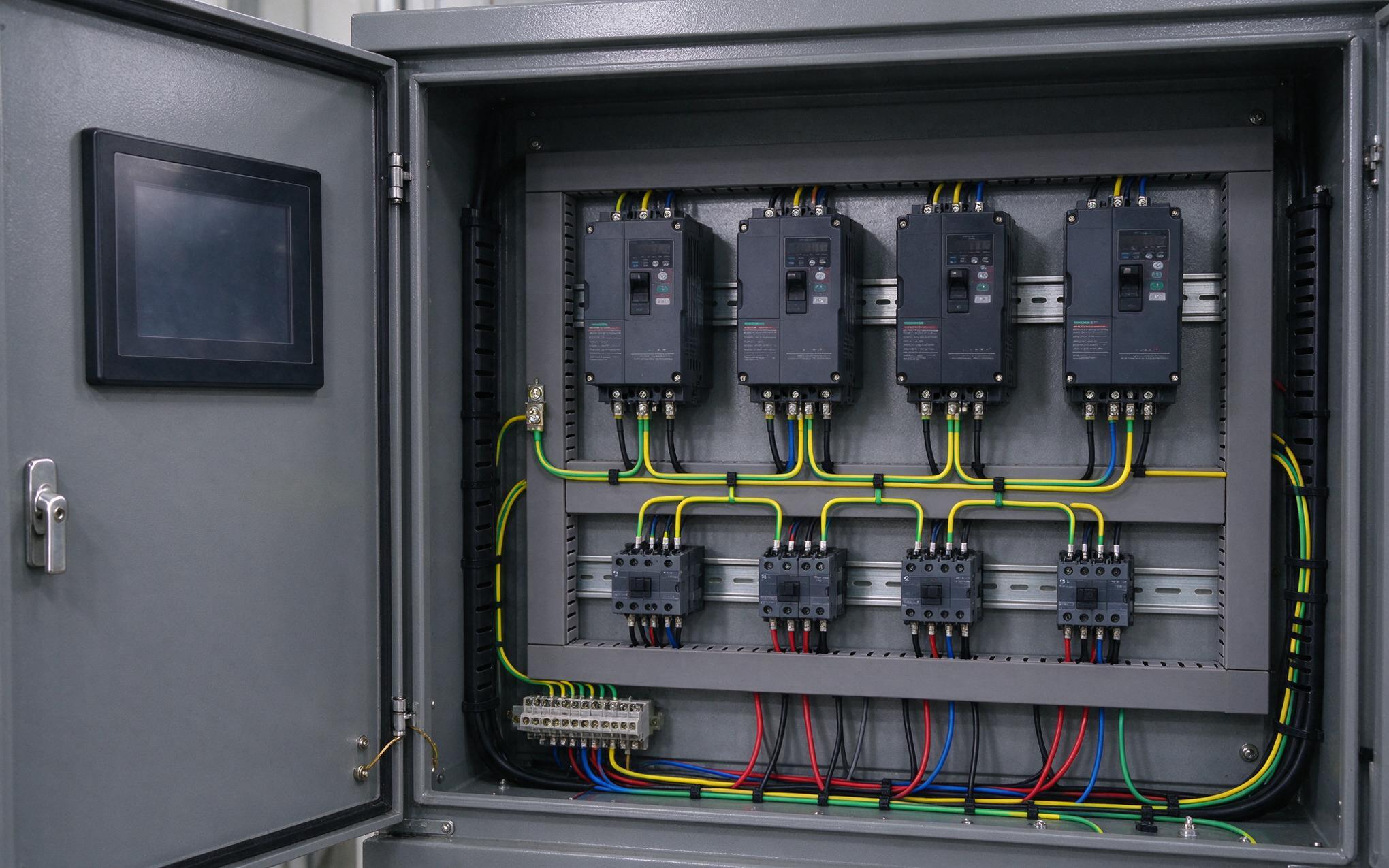
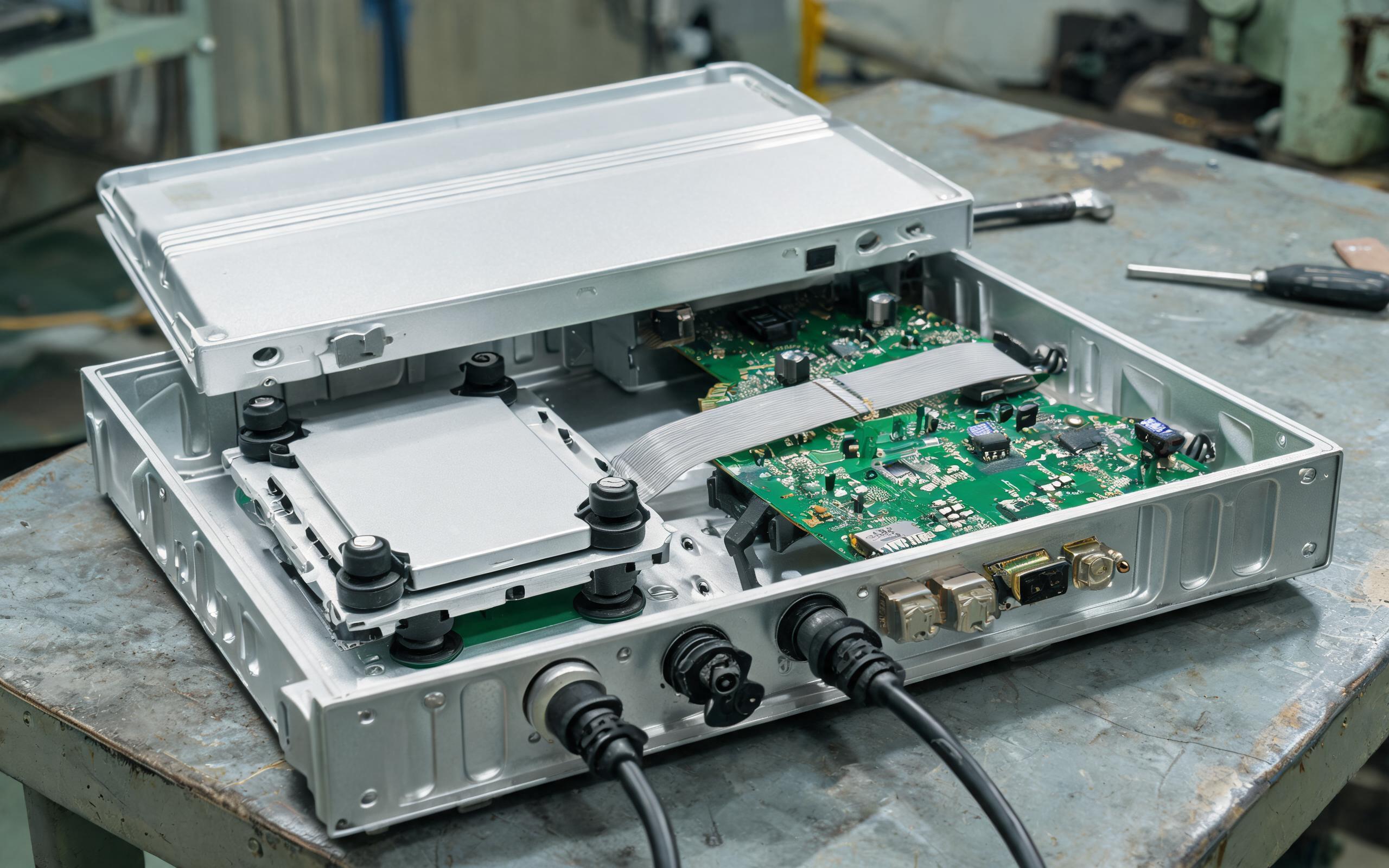
Shock survival is decided long before the test report, inside the chassis. Locking connectors with threaded or latched shells keep cables seated when the structure rings from an impact. Solid-state storage on damped mounts avoids the connector fretting that kills hard drives under repeated jolts. A fanless panel pc removes one entire class of moving parts, so nothing inside relies on a spinning bearing that could wobble under acceleration. The industrial touch screen itself needs laminated cover glass bonded to the sensor stack, because an air gap lets the glass flex and crack at the corners. Elastomer isolators between the enclosure and the vehicle bracket shift the system resonance away from the chassis frequencies. None of these features appears in a datasheet headline, yet together they decide whether a rating survives contact with reality.

Evaluating Shock Claims When Selecting Vehicle Terminals
Published shock claims deserve the same scrutiny as any other specification line. The meaningful question is not whether a datasheet mentions MIL-STD-810H, but which method, procedure, waveform, and axis count were actually executed. When comparing vehicle terminals, selection frameworks like those applied to KOXIAN K2 series units treat documented test methods as a baseline for shortlisting rather than a decorative badge. A serious vendor can produce a report that names the laboratory, the pulse shape, the g level, and the pass criteria for its rugged touch screen pc. Vague phrases such as designed to meet or military grade without a method number signal marketing language, not engineering evidence. Buyers who ask these questions early avoid discovering the answers during a dockside outage.
Shock ratings are only useful when they can be traced back to a method, a waveform, and a laboratory report. MIL-STD-810H gives buyers that traceability, and it gives engineers a shared language for comparing hardware across vendors. For any rugged touch screen pc mounted on a vehicle, the standard is not the finish line; it is the starting point for asking how the design behaves after ten thousand dock plates.