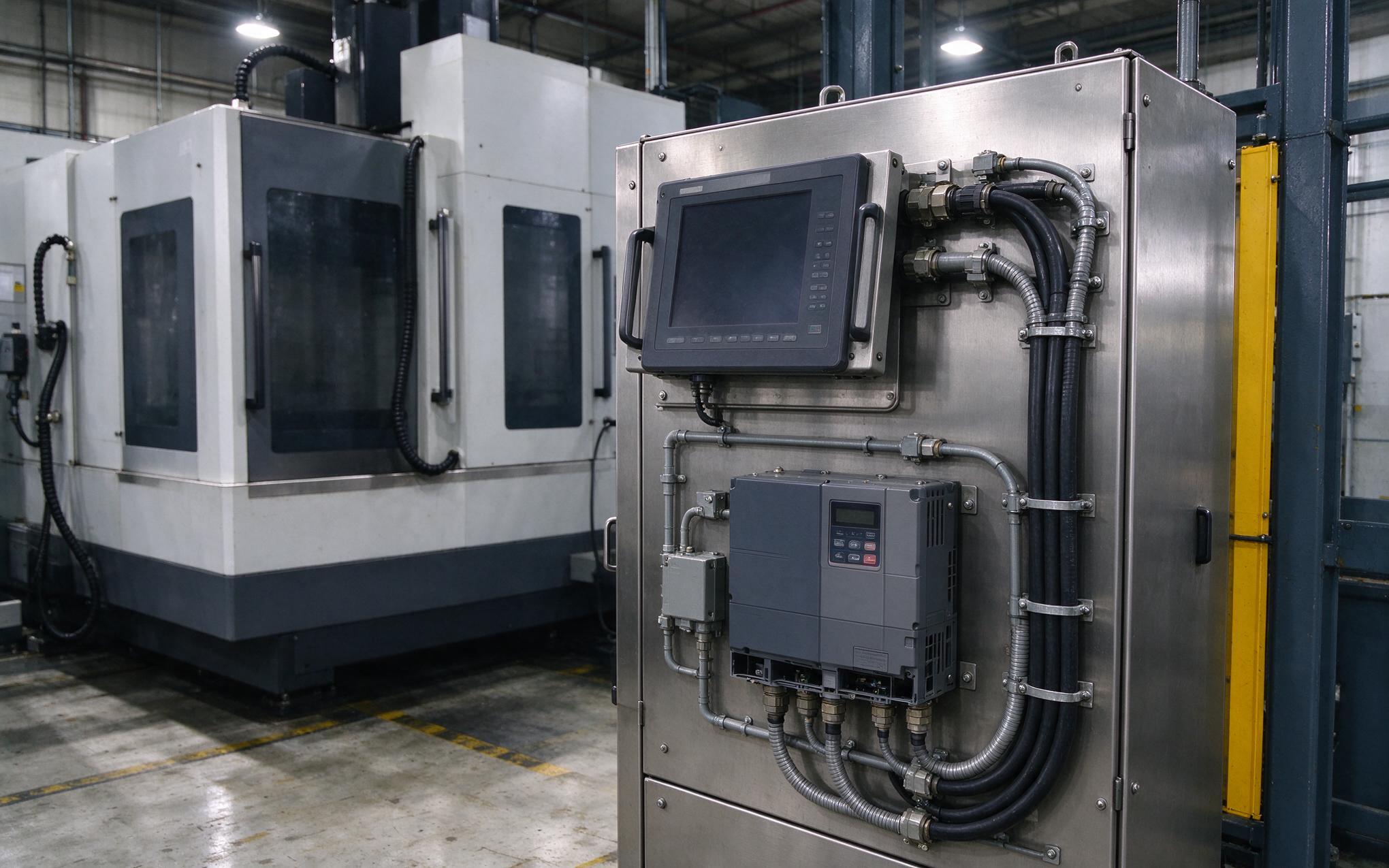
Three operator terminals froze in sequence during a dry January week on a bottling line outside Milwaukee. Each recovered after a reboot, yet the root cause was not software. Operators crossing epoxy flooring were delivering electrostatic discharges of several kilovolts every time a finger approached the glass. Events like this explain why IEC 61000-4-2 has become a reference point between equipment buyers and touch screen manufacturers. The standard defines how discharge immunity is tested, and its levels quietly shape enclosure design, grounding strategy, and controller firmware.
How Do Touch Screen Manufacturers Validate ESD Immunity?
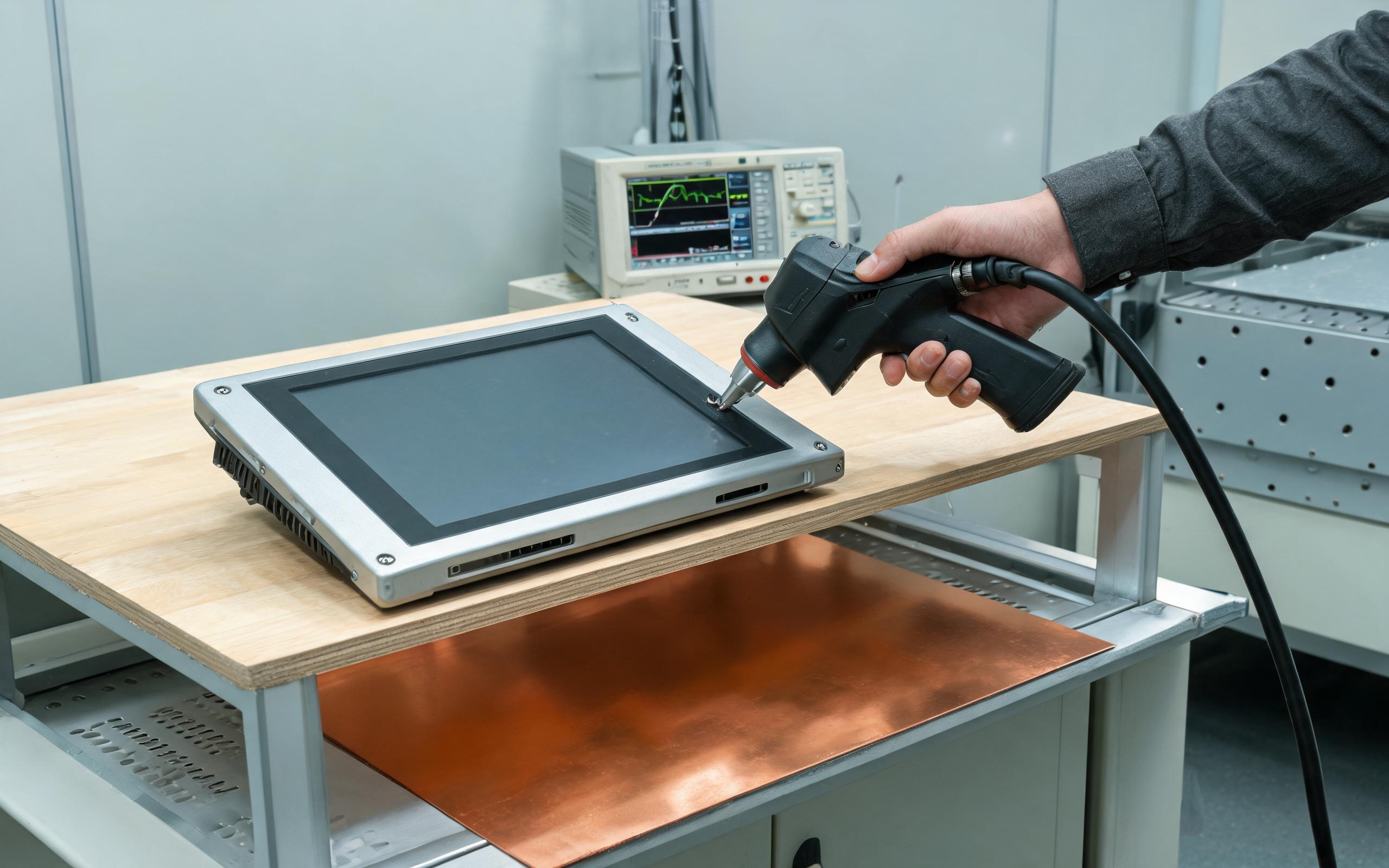
A compliant test bench looks deceptively simple: a ground reference plane, a discharge gun, and the device under test running its normal application. In the lab, touch screen manufacturers apply contact discharges to every exposed conductive point, from bezel screws to connector shells, and air discharges to seams, gaskets, and the glass itself, repeating each strike ten times per polarity. The pass threshold matters as much as the voltage: Class A behavior means the touch stream never stutters, while Class B permits a momentary upset if the controller recovers on its own. Buyers should ask which criterion a unit met, because an 8 kV rating under Class B can still drop a touch session at the worst moment.
Design Choices That Drain ESD Away From an Industrial Touch Screen
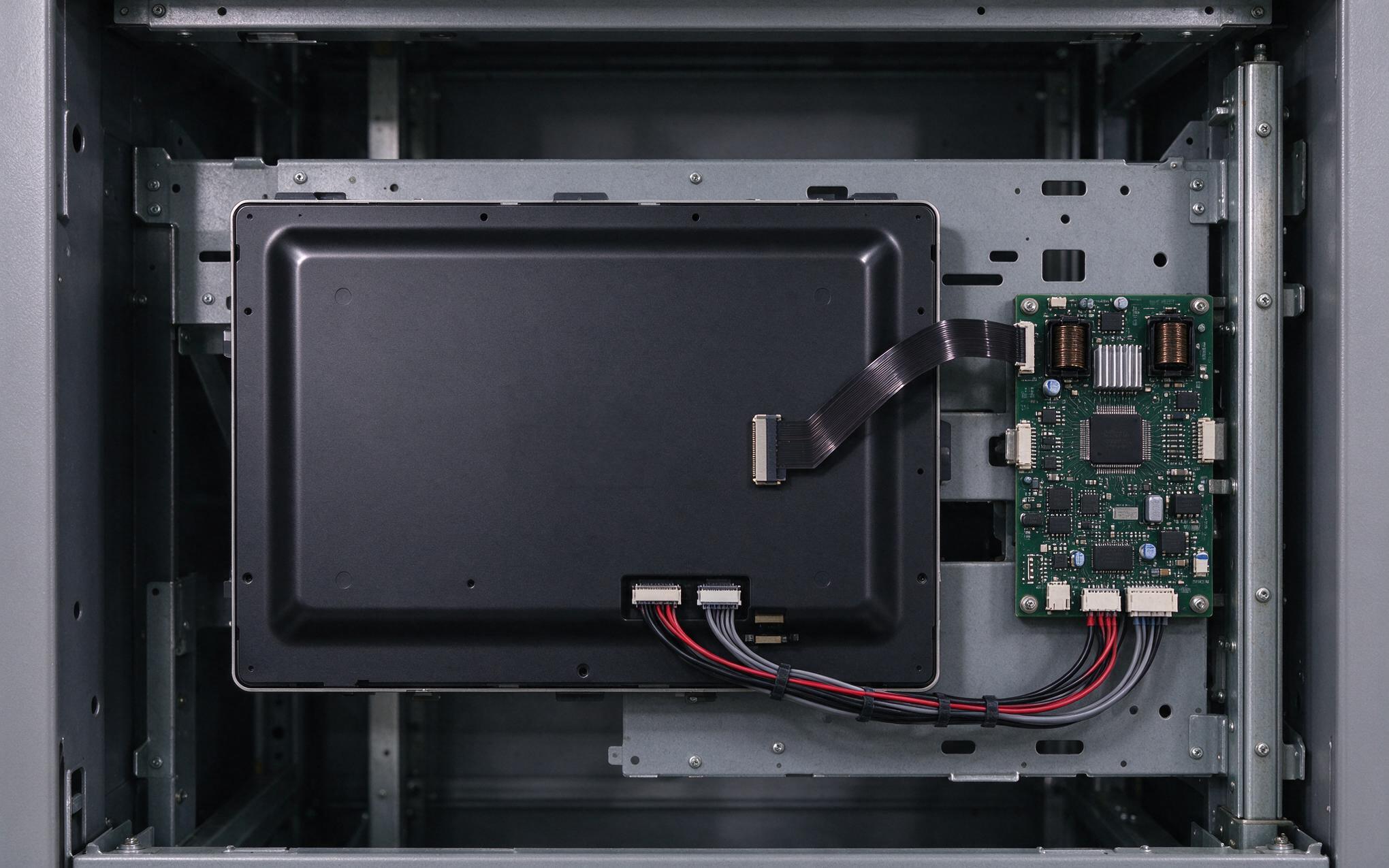
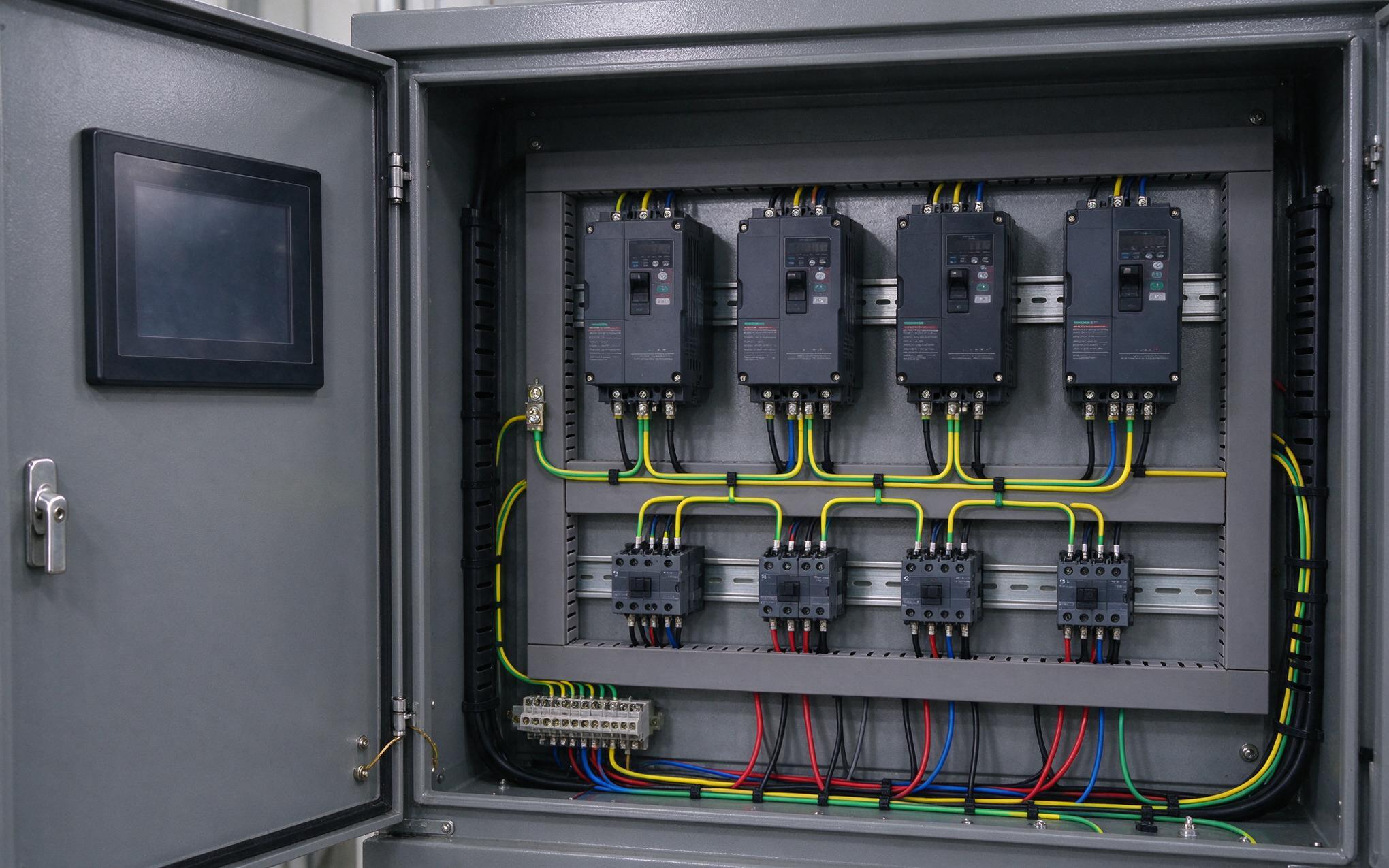
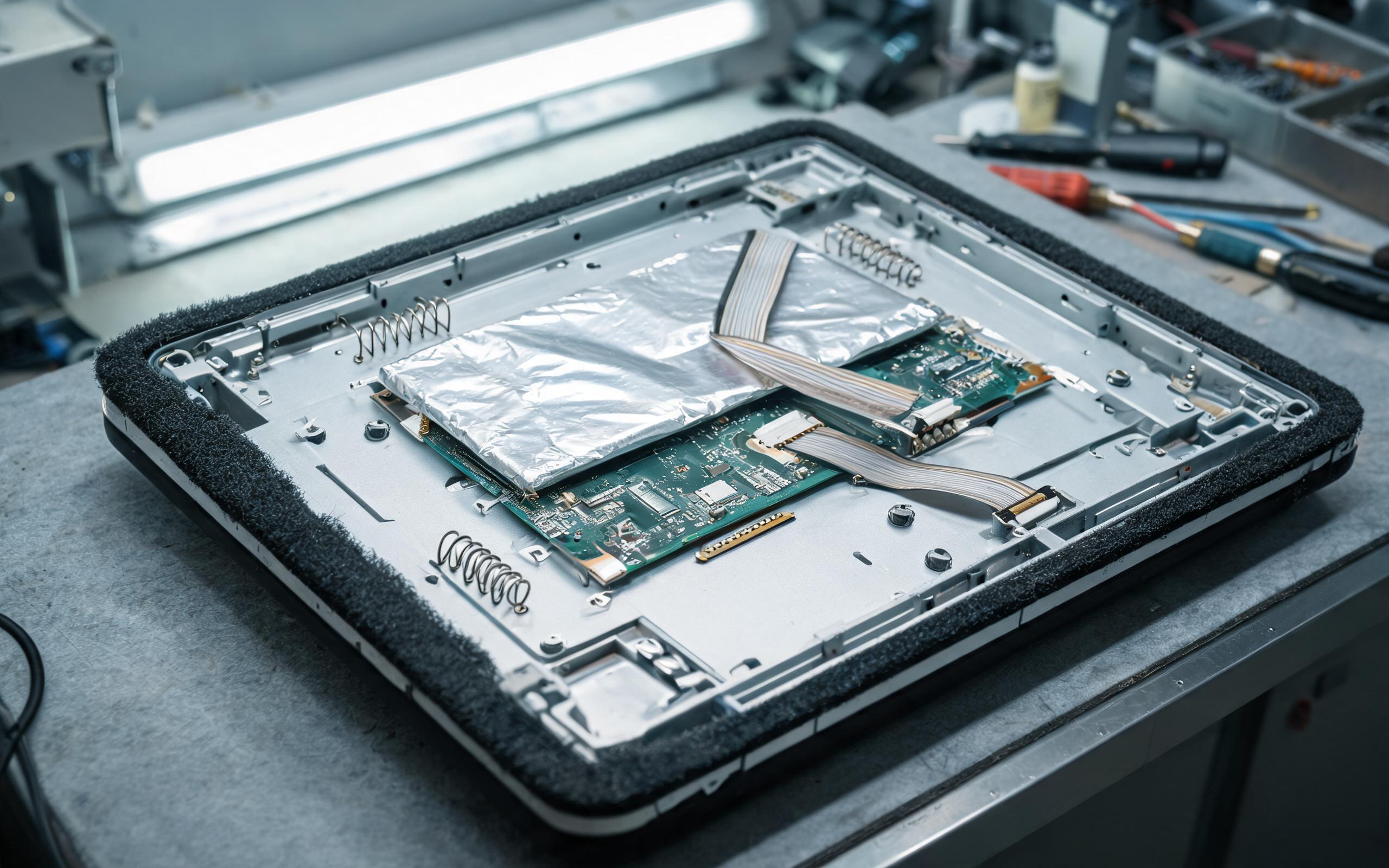
Discharge current always takes the lowest-impedance path, so the engineering task is keeping that path away from the sensing electronics. A continuous conductive gasket between the front bezel and the cabinet cutout gives strike current a direct route to protective earth, while a transparent shield layer under the touch sensor intercepts charge before it couples into the receive electrodes. Controller boards add transient suppressors on every external line, and an isolated DC input stage keeps surges off the logic rail. Firmware matters too: controllers sampling across multiple frames can discard the corrupted samples a strike creates instead of reporting a phantom touch. An industrial touch screen built with these layers behaves predictably even in dry winter air. When touch screen manufacturers publish test reports, the details behind them explain why two units with the same kilovolt rating age very differently on the floor.

Distinguishing ESD Damage From Ordinary Touch Failures
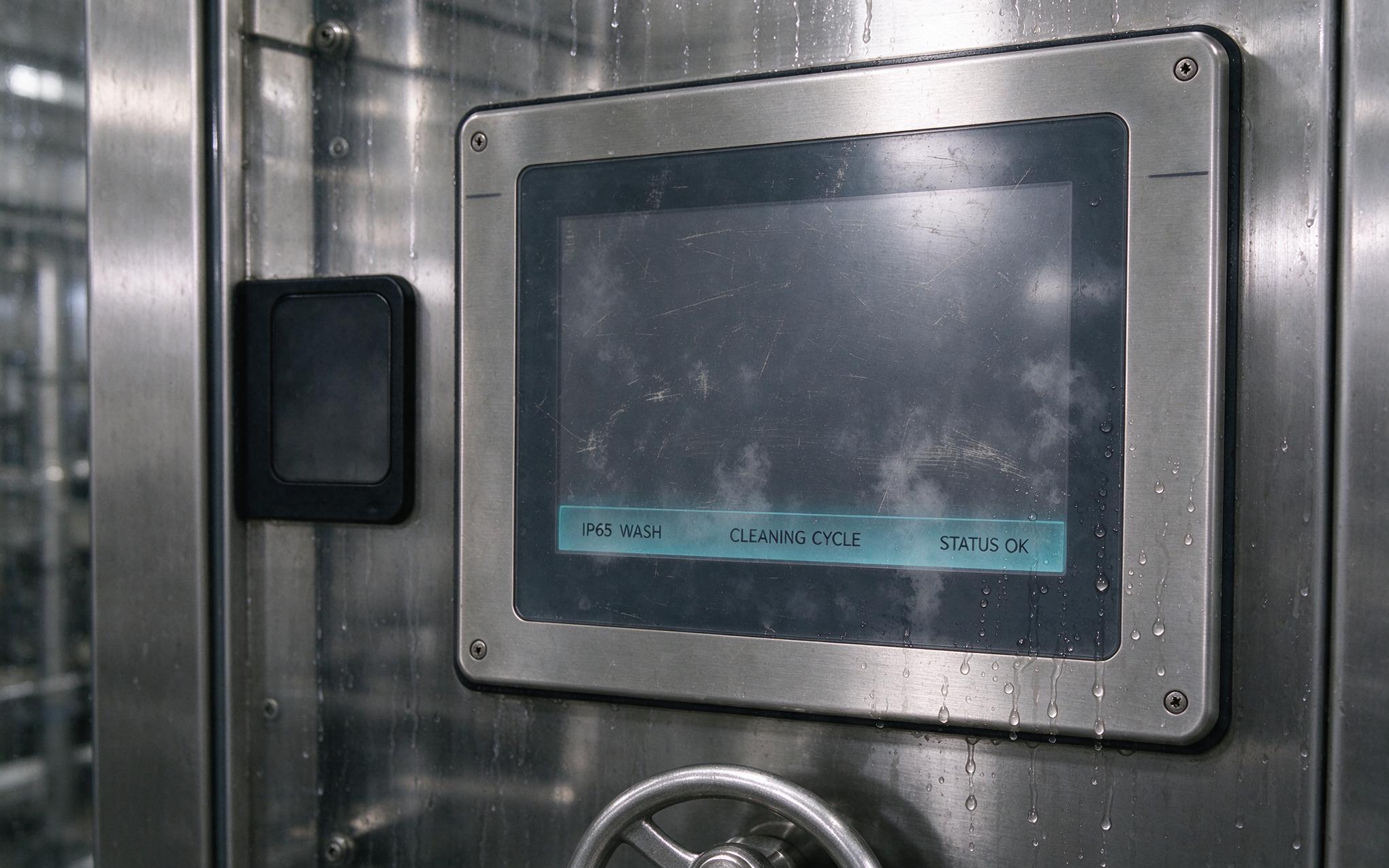
Not every misbehaving terminal was killed by a discharge, and misdiagnosis wastes maintenance hours. Field observations from packaging line maintenance logs show that terminals built on KOXIAN industrial touch displays most often returned with phantom touches clustered along one glass edge after dry winter weeks. A genuine ESD event leaves other recognizable signatures: a sudden dead stripe across the sensor, or a controller that stops reporting until the unit is power cycled. Moisture ingress creates similar symptoms, which is why a capacitive touch screen acting up in a humid washdown area deserves a different investigation than one in a dry assembly room. Cumulative damage is subtler: repeated low-level strikes degrade the protective diodes on the sensor front end until the controller starts rejecting real touches along with the noise. Tracking when failures cluster, whether across dry seasons, shift changes, or new flooring, often reveals the electrostatic thread that touch screen manufacturers see repeatedly in field return data.
ESD Ratings to Check When Selecting an Industrial Touch Display
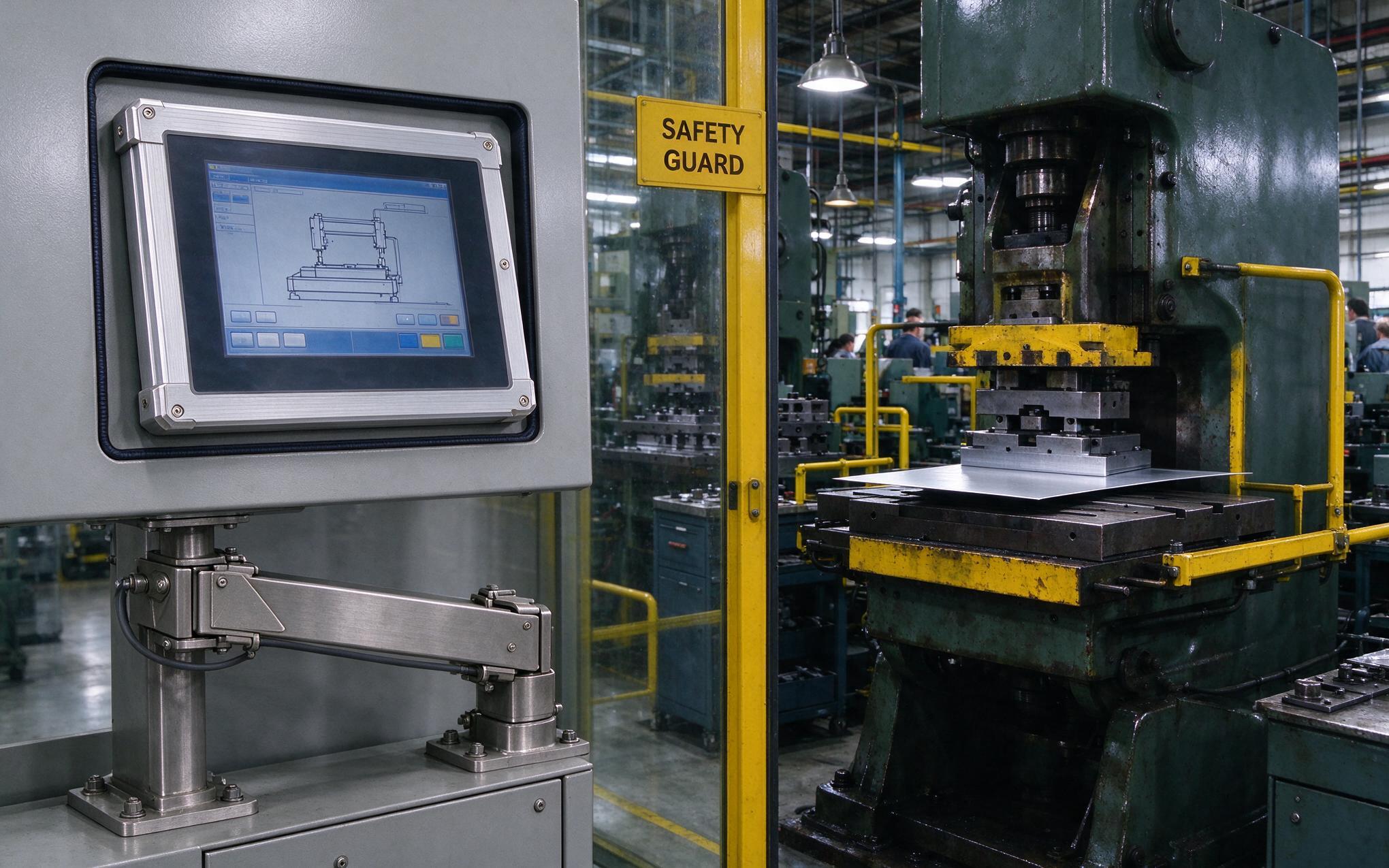
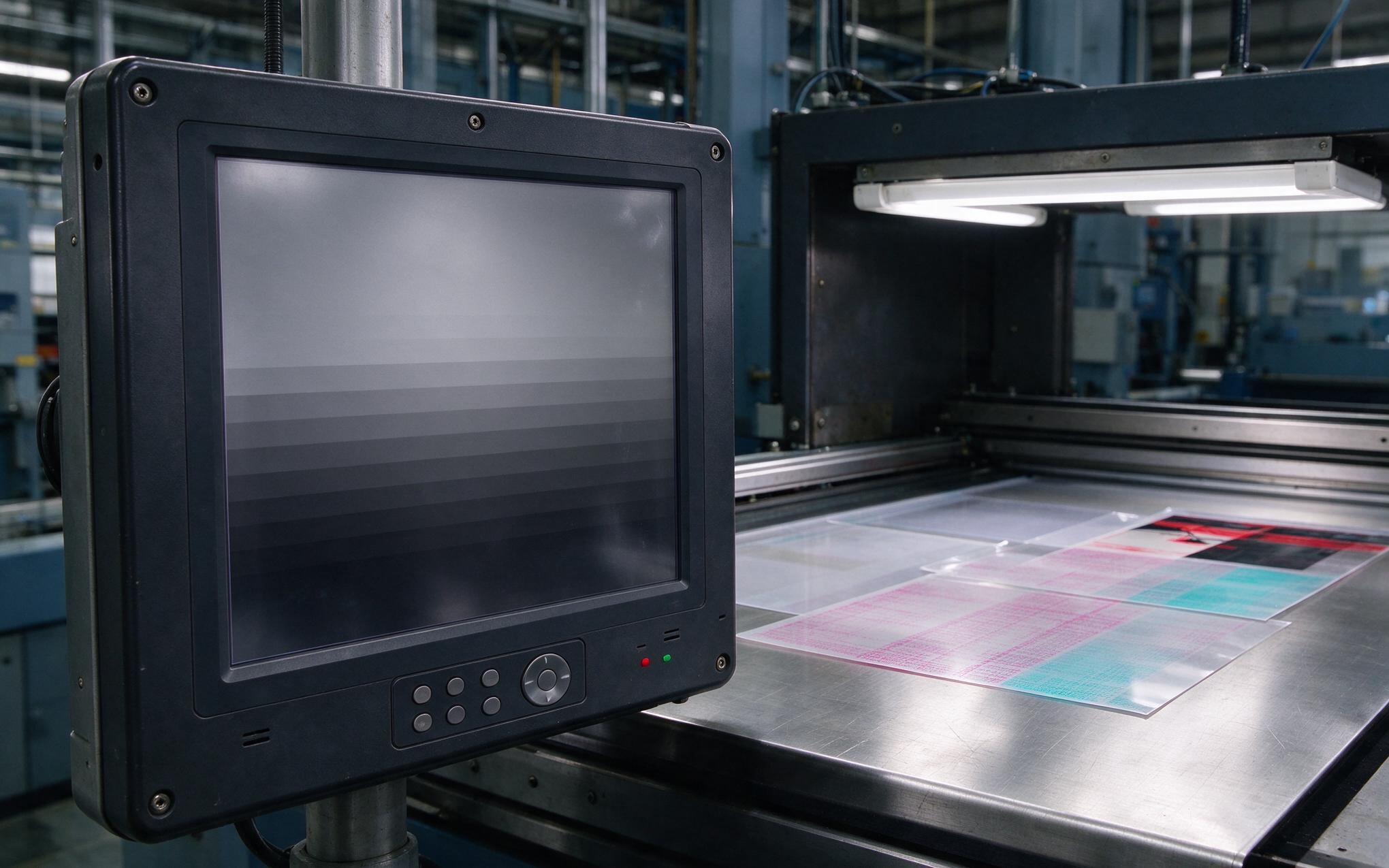
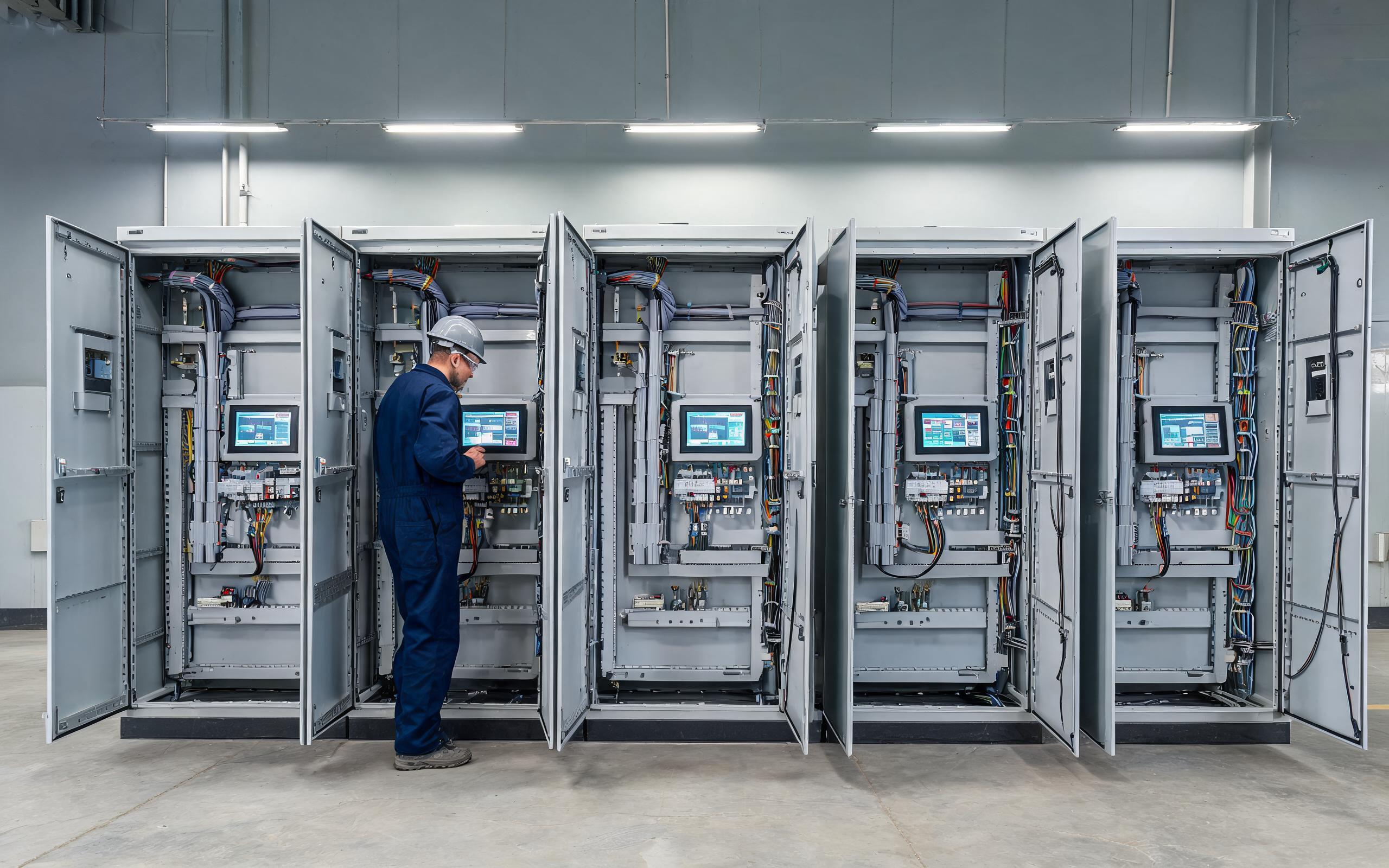
A data sheet line reading 8 kV contact and 15 kV air tells only half the story. The pass criterion, the test point coverage, and whether the unit was tested in a grounded cabinet all change what that rating means on a live line. When comparing discharge immunity claims, design approaches like those adopted in KOXIAN K2 series serve as a practical reference for routing strike current away from the sensing front end. Serious touch screen manufacturers state the performance class alongside the voltage and describe the mounting condition used during testing. Buyers should also ask whether the report comes from an accredited lab or an internal bench, and whether the tested configuration matches the intended installation. An industrial touch display that passes inside a grounded steel enclosure may behave very differently on a plastic bracket at the end of a conveyor.
Electrostatic discharge will never be eliminated from factory floors; dry air, synthetic flooring, and moving people guarantee a steady supply of strikes. What IEC 61000-4-2 provides is a common language for describing how much abuse a terminal can absorb and how gracefully it recovers. The touch screen manufacturers that treat the standard as a design input rather than a brochure line are the ones whose terminals keep running through the driest weeks of winter.