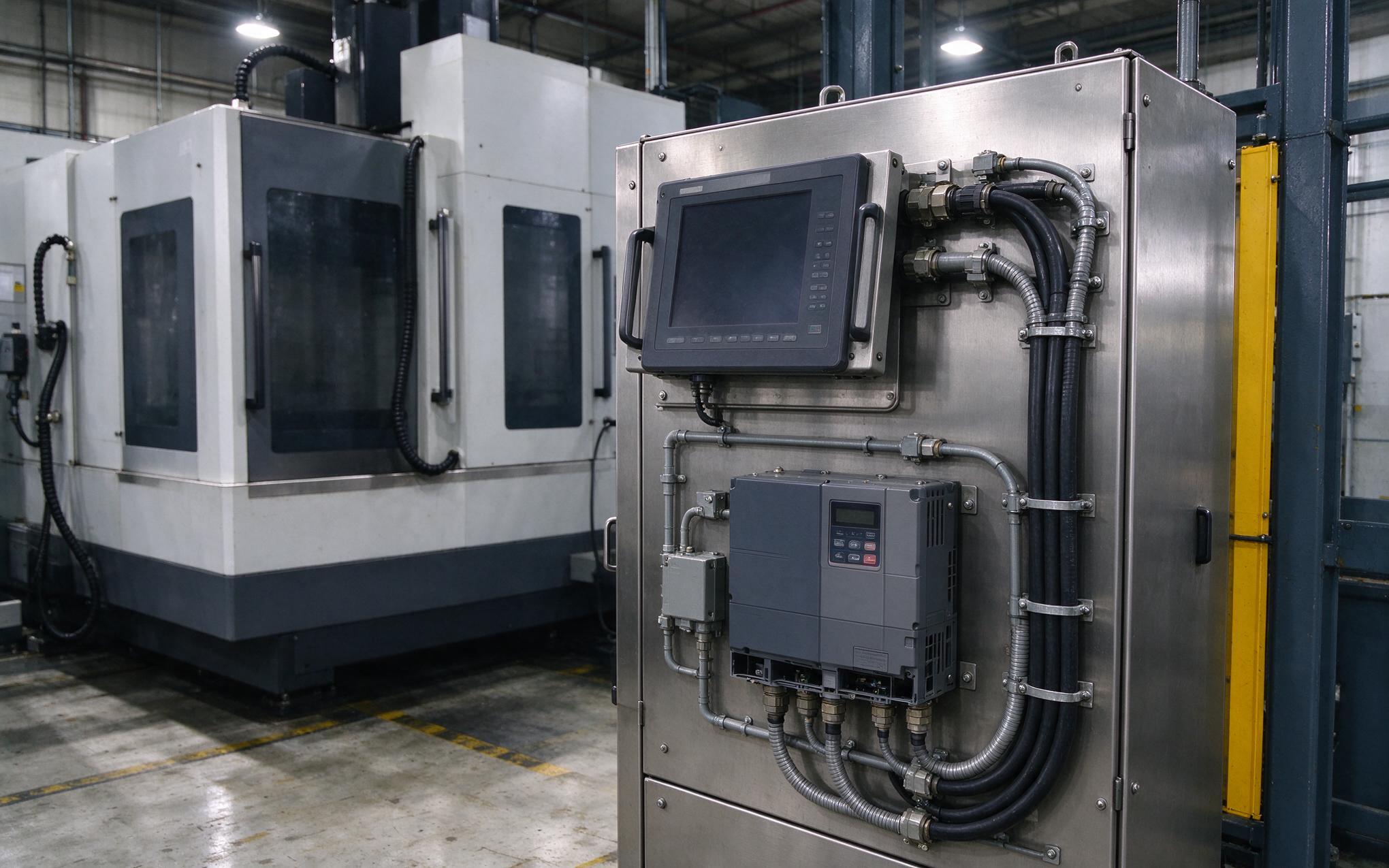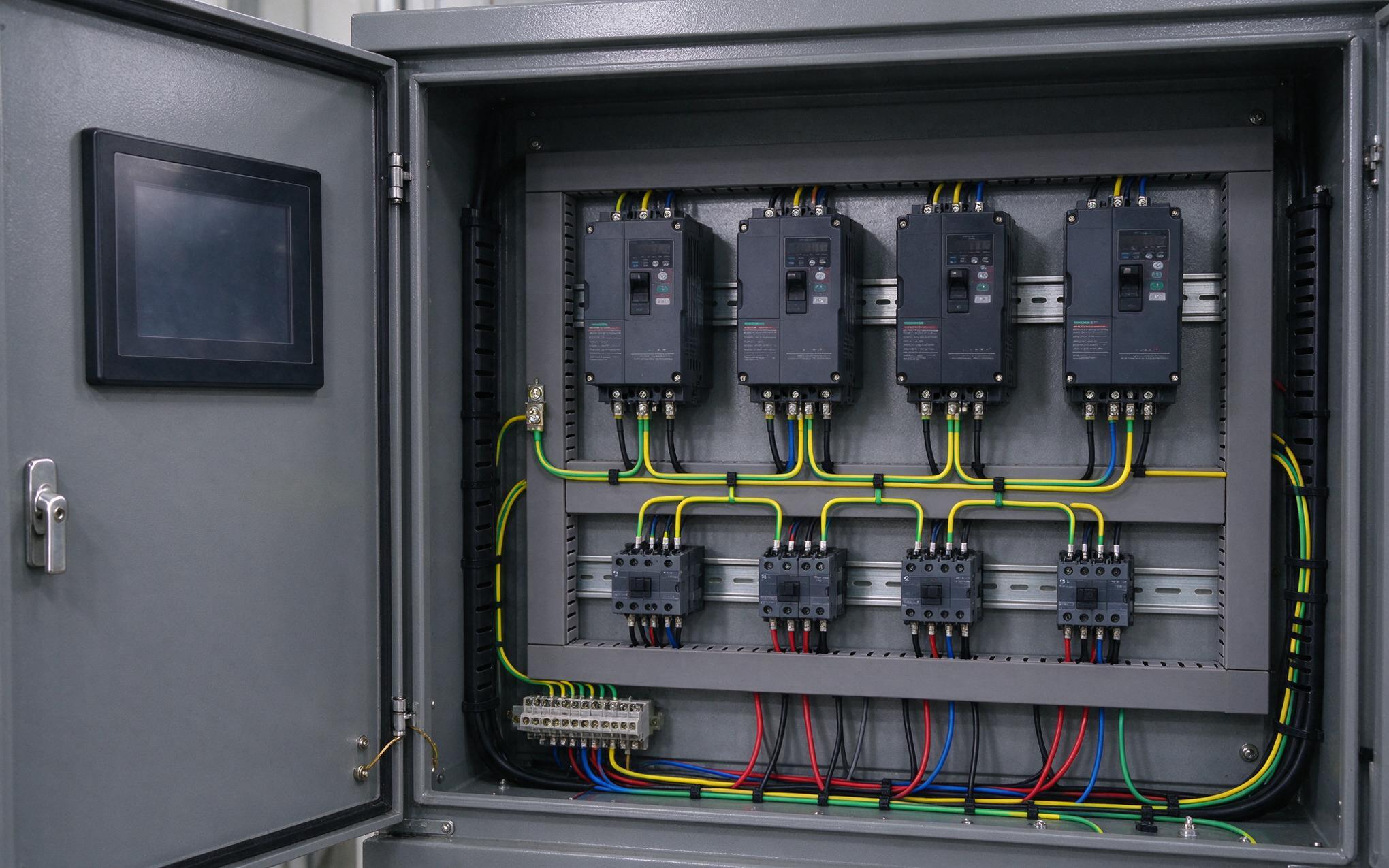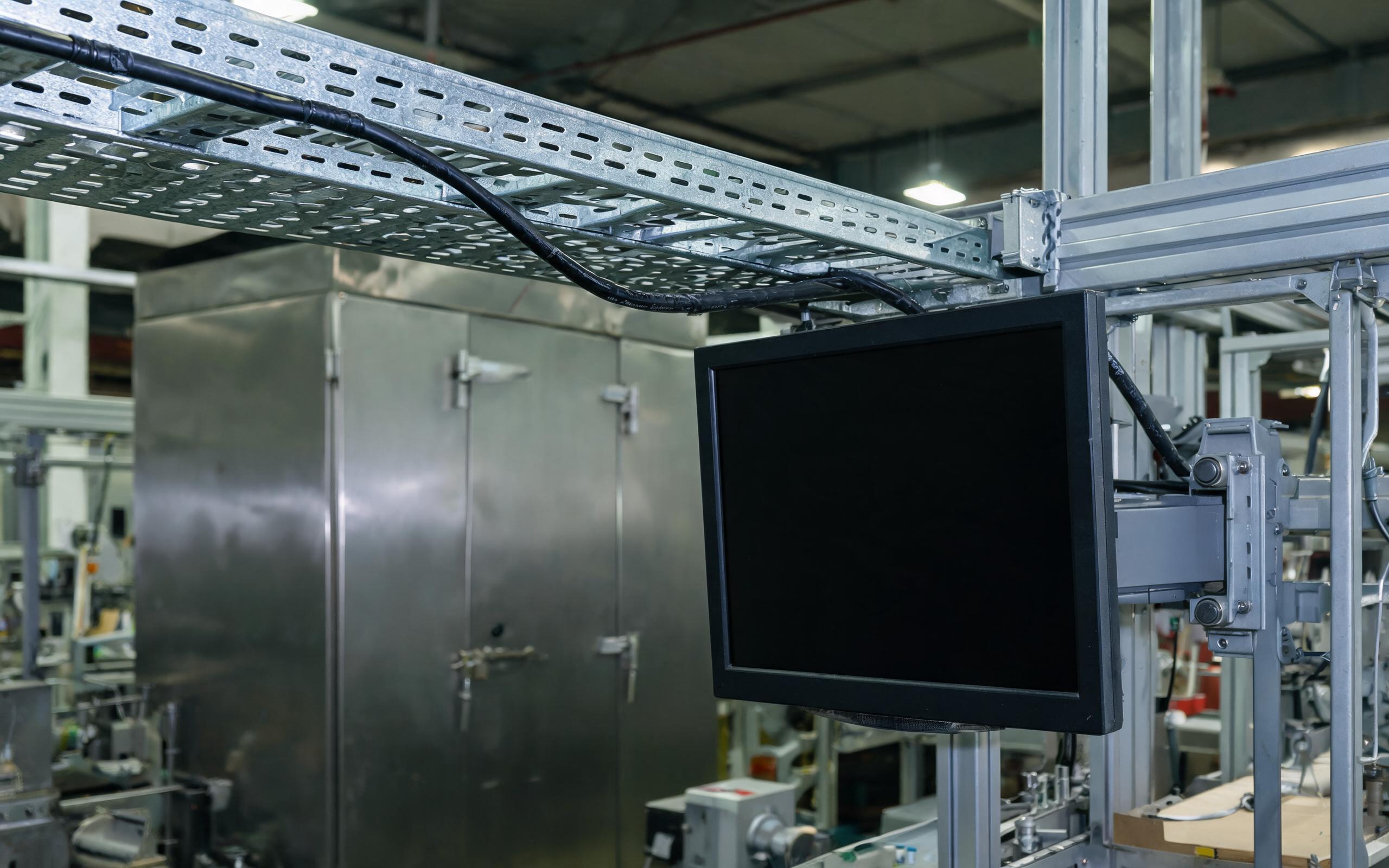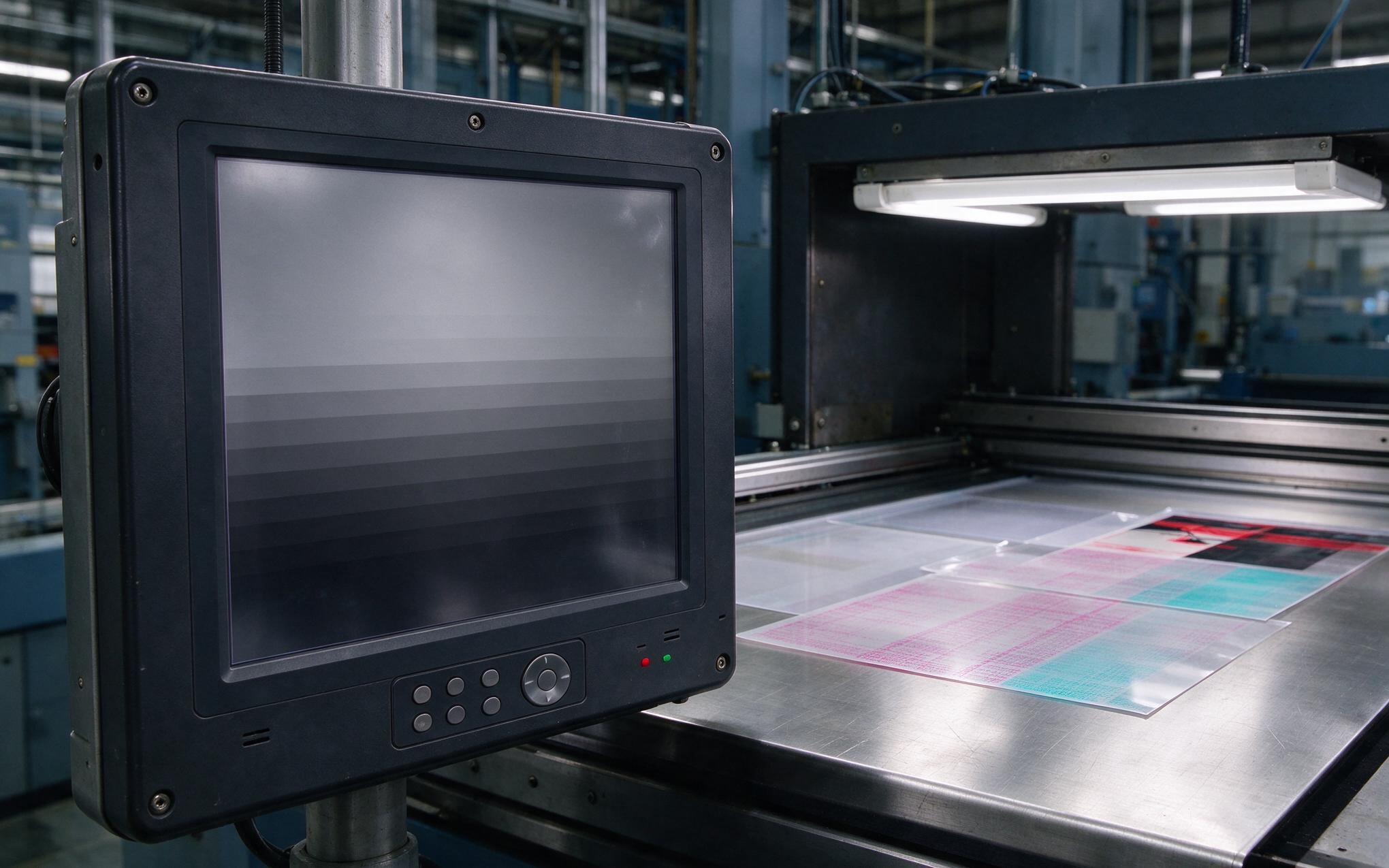
Long summer afternoons leave a visible record on outdoor operator interfaces. Gaskets darken and stiffen, cable jackets chalk, and front bezels lose their matte finish months before the backlight shows any fault. A rugged industrial monitor selected only for brightness can still lose its ingress rating in its second or third summer, because the failure begins inside the polymers rather than the electronics. UV dose, mounting orientation, and reflected glare set the aging clock for every elastomer seal around the enclosure. The following comparison of sun-facing and shaded yard sites explains how seal degradation quietly changes waterproof performance and defines what a rugged industrial monitor evaluation should demand once accelerated weathering data replaces datasheet promises.
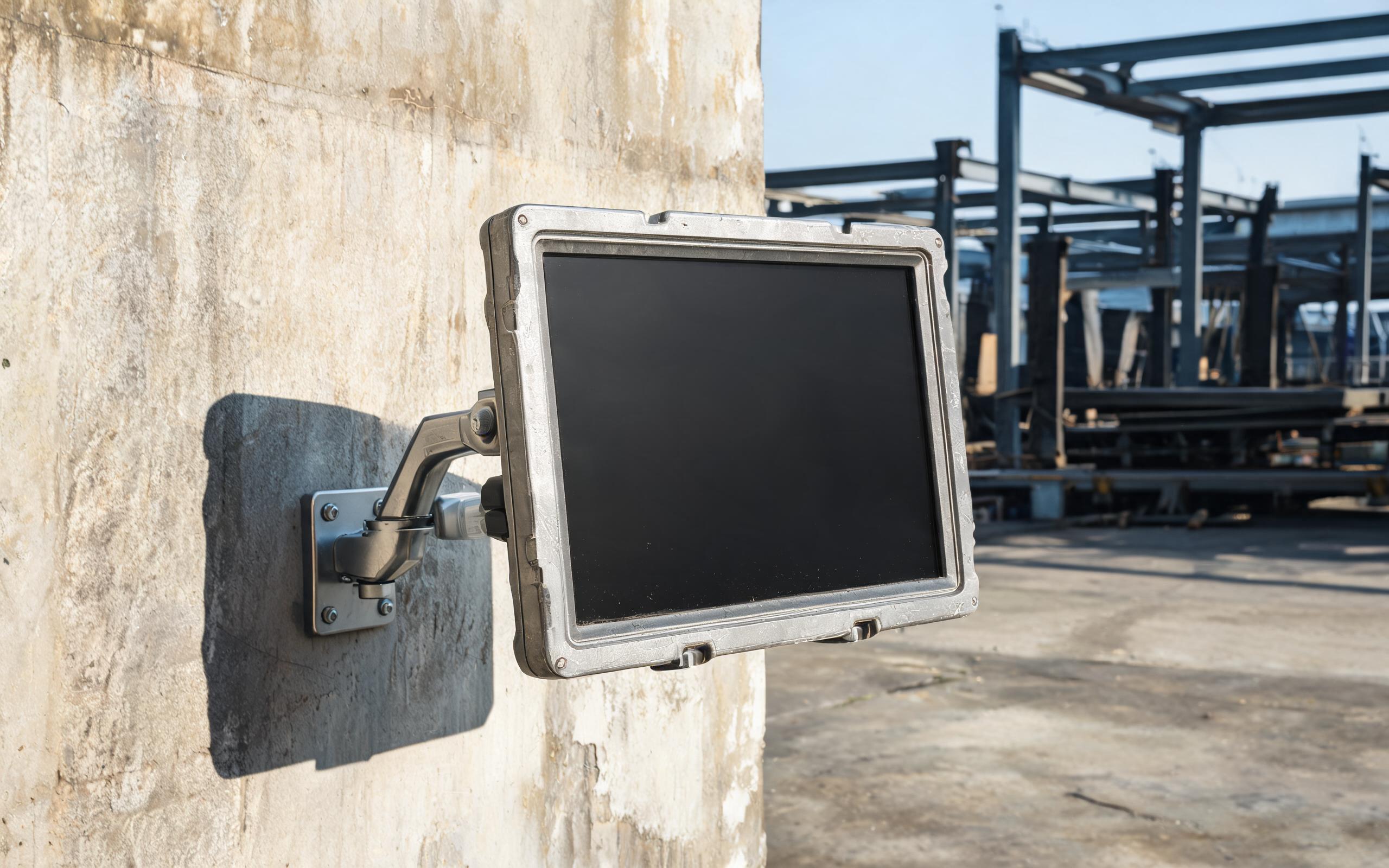
Under Direct Sun, UV Dose Sets the Degradation Clock
Photons in the ultraviolet band carry enough energy to break carbon bonds in organic polymers. Most outdoor seals drift toward brittleness through surface chain scission and bulk cross-linking. Shore hardness climbs, compression set grows, and a gasket that once rebounded overnight leaves a narrow air path between bezel and glass. Backlight heat accelerates the chemistry but does not replace UV as the initiating driver. Nitrile compounds age fastest in full sun, while properly formulated EPDM and silicone resist ozone and ultraviolet attack, with fluorosilicone reserved for locations where fuels and solvents are also present. Cable jackets and gland seals follow the same curve, so a rugged industrial monitor can display a flawless image while its enclosure seal has already failed.
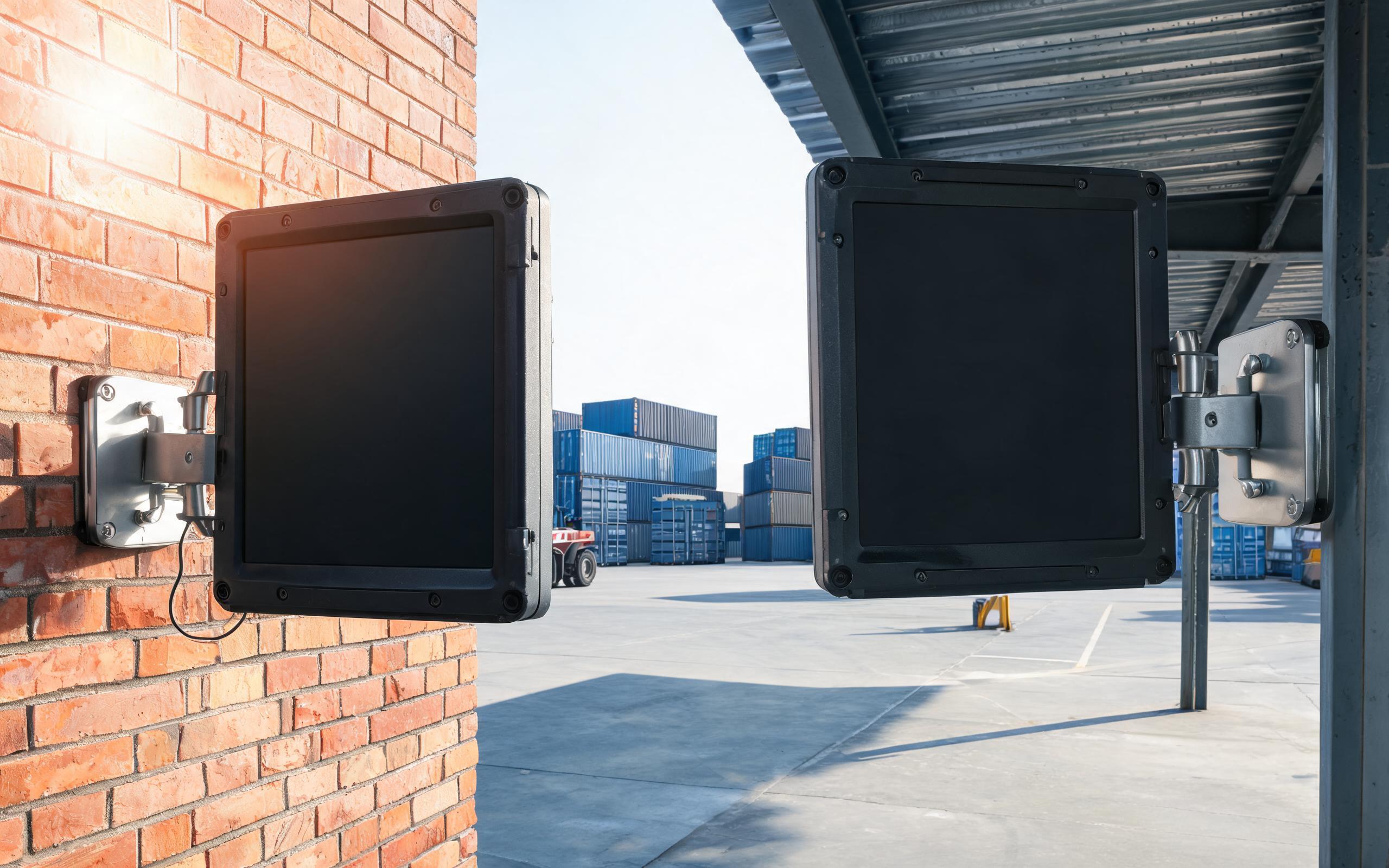
From Shaded Mounts to Reflected Glare, Exposure Shifts
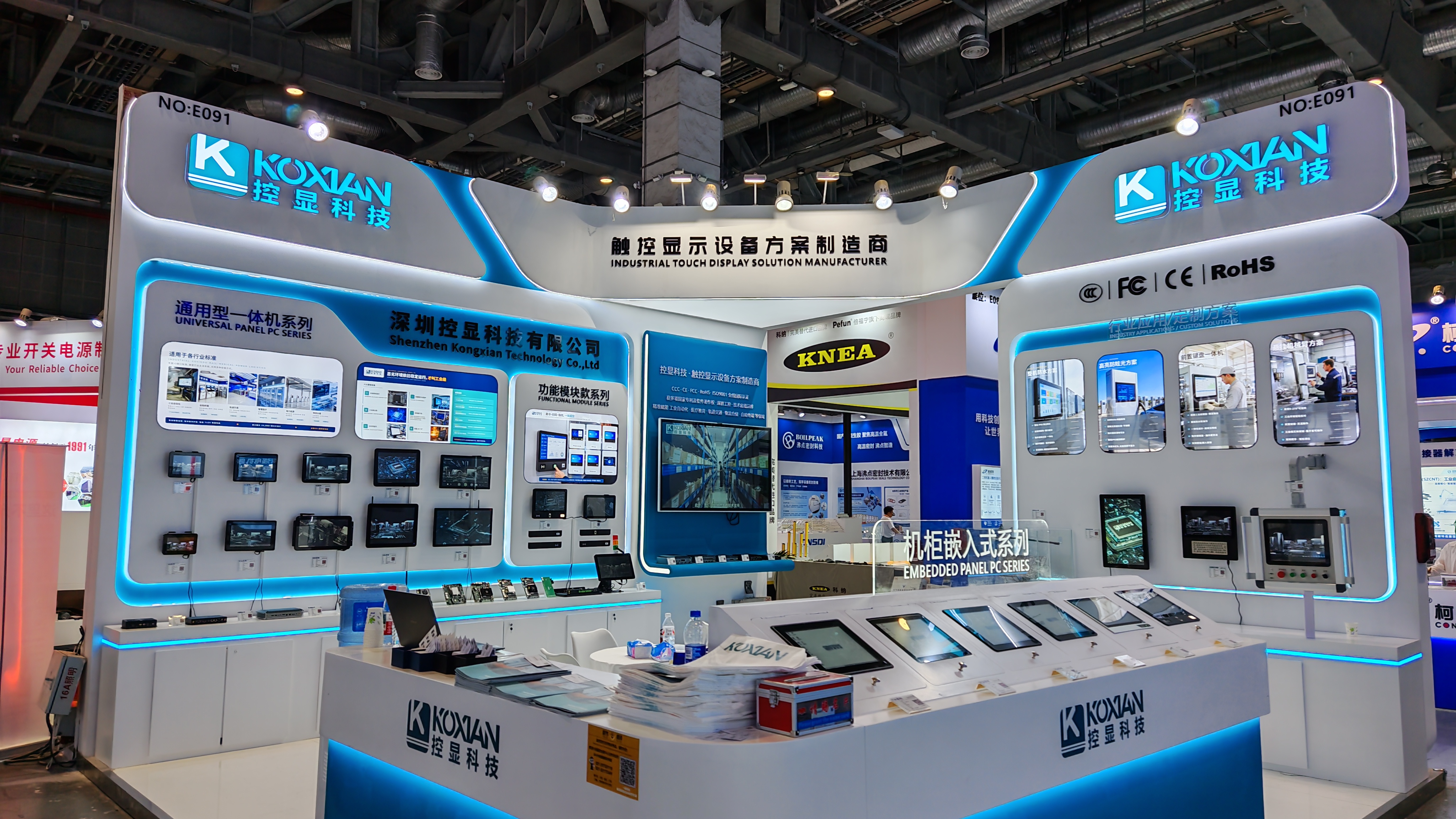
Two mount points thirty meters apart can age seals at different rates. Enclosure manufacturers, including KOXIAN, specify UV-stabilized EPDM compounds for sun-facing mounts, where measured dose across one yard can vary more than four to one. Wall orientation, latitude, canopy depth, and seasonal sun angle form a site-specific dose, and the hottest-looking spot is not always the highest. Canopied mounts still receive reflected ultraviolet from concrete and painted siding, and morning dew followed by direct sun adds a damaging wet-dry cycle. A sunlight readable industrial monitor addresses high-lux contrast through backlight output and optical treatments, yet none describe gasket chemistry. A site survey records orientation, reflective surfaces, and summer-solstice canopy coverage, then matches the seal compound to the dose, the distinction between a long-lived rugged industrial monitor and a merely bright one.
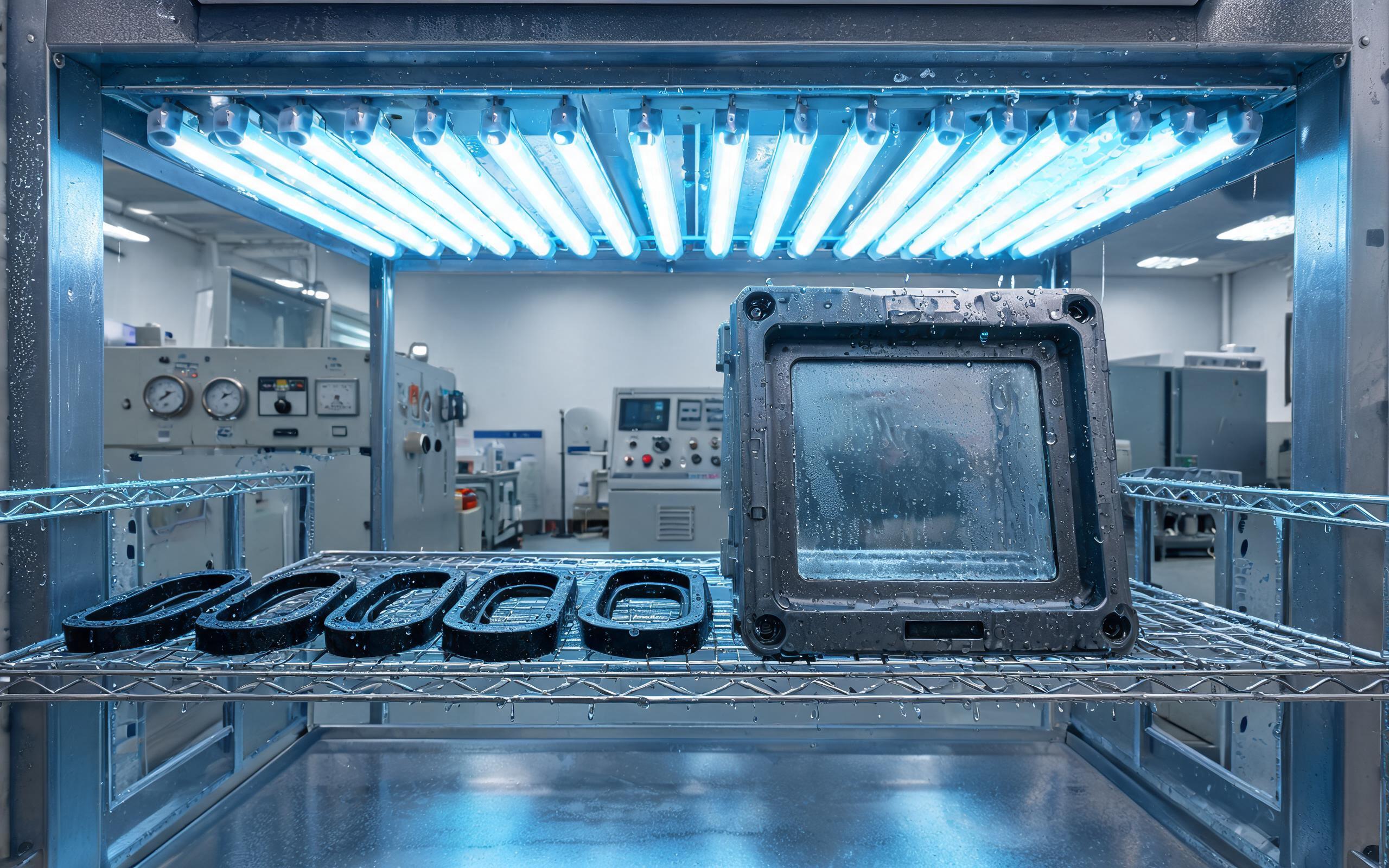
After Accelerated Weathering, Ratings Must Be Rechecked
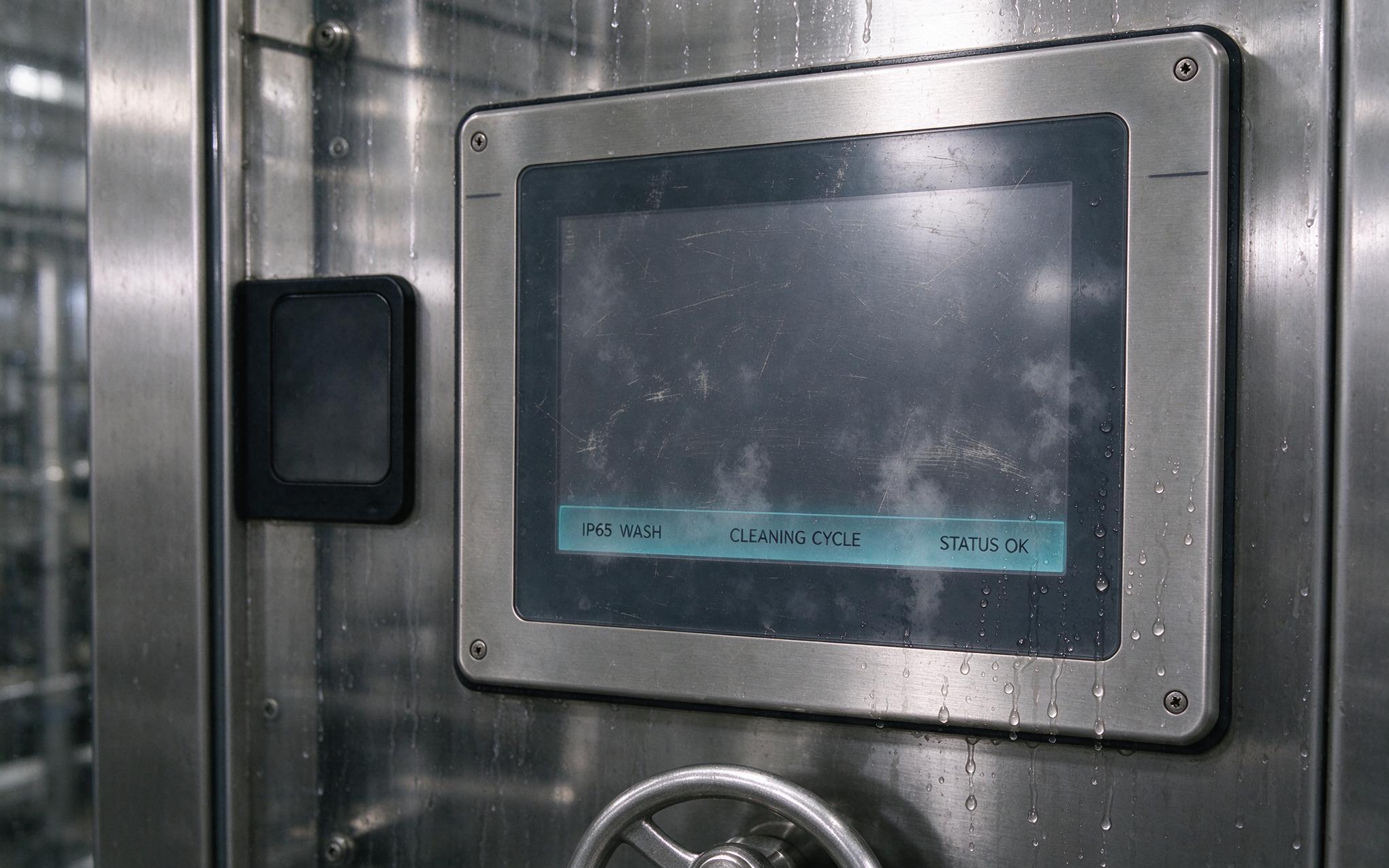
An ingress certificate describes new seals, and ratings can drift well before cracks appear. Accelerated chambers compress years of outdoor duty into repeatable cycles: ASTM G154 alternates fluorescent UV and condensation, while ASTM G155 and ISO 4892 xenon programs add fuller spectral exposure. The meaningful report comes after cycling, when the aged gasket is retested for water intrusion and measured for compression set under ASTM D395. A waterproof industrial monitor that ships with an IP65 declaration is not guaranteed to behave as one after two thousand irradiated hours. Procurement files for a rugged industrial monitor should name the gasket compound, completed cycles, and retention measured afterward rather than treating the day-one certificate as outdoor-life evidence.

In the Field, Material and Mount Choices Decide Service Life
Long-lived outdoor installations stack modest measures rather than one exotic material. UV-stabilized EPDM or silicone gaskets form the primary line, fluorosilicone adds chemical resistance near fuels, and powder coating or anodizing protects the aluminum housing. Polyurethane cable jackets outlast general-purpose PVC, and stainless VESA hardware prevents rust streaks across the bezel. A shallow downward tilt under a formed metal sun hood sheds rain and cuts noon dose without trapping heat, with bottom clearance kept open. Maintenance plans should treat gaskets as wear items, with annual inspection and spare kits for one full reseal. Field observations from loading-yard deployments show that units built around KOXIAN rugged industrial monitor platforms retain measurable gasket recovery through multi-year exposure when hoods and inspection intervals are specified from the start.
UV aging is a materials problem that hides behind a working display. Sun-facing and shaded sites on the same property do not age seals at the same rate, and a daylight-readable panel does not automatically carry a weatherproof seal. Engineers should specify UV-resistant gasket compounds, demand accelerated weathering followed by ingress retests, and treat the seal as a replaceable wear item with an inspection schedule. Site survey, compound choice, and aged test data, gathered before purchase, keep the enclosure sealed long after the initial installation shine fades.