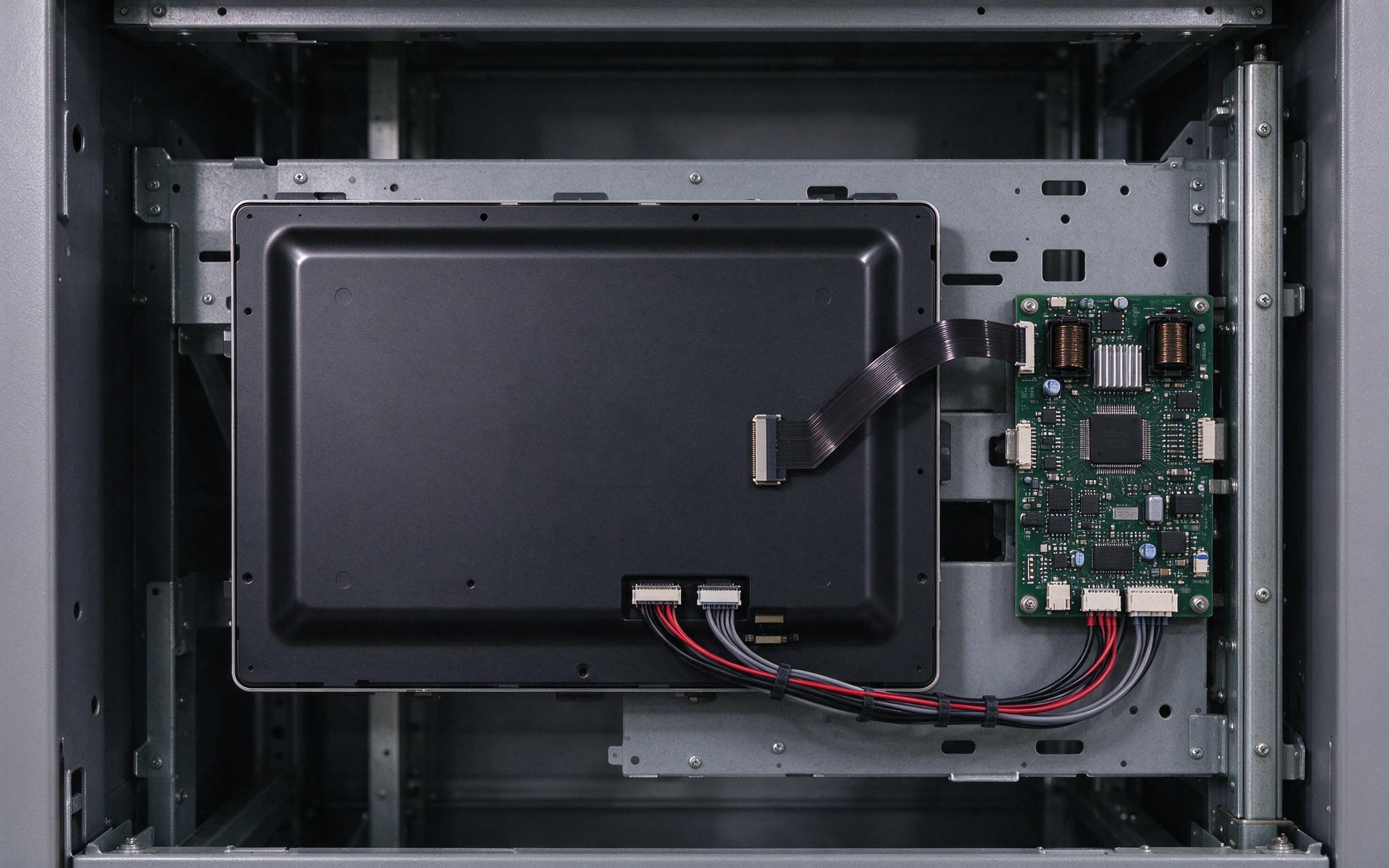
Every embedded panel PC carries a tiny lithium coin cell on its motherboard — the RTC battery — whose sole job is to keep the real-time clock running when main power is removed. It costs less than a dollar and is almost never thought about until it fails. When it does, consequences cascade: file timestamps become unreliable, authentication tokens expire, scheduled tasks fire at wrong intervals, and event logs lose chronological integrity. In industrial environments where panel PCs run unattended for years inside sealed enclosures, RTC battery depletion is a slow-motion failure that can be difficult to detect before it causes operational damage.
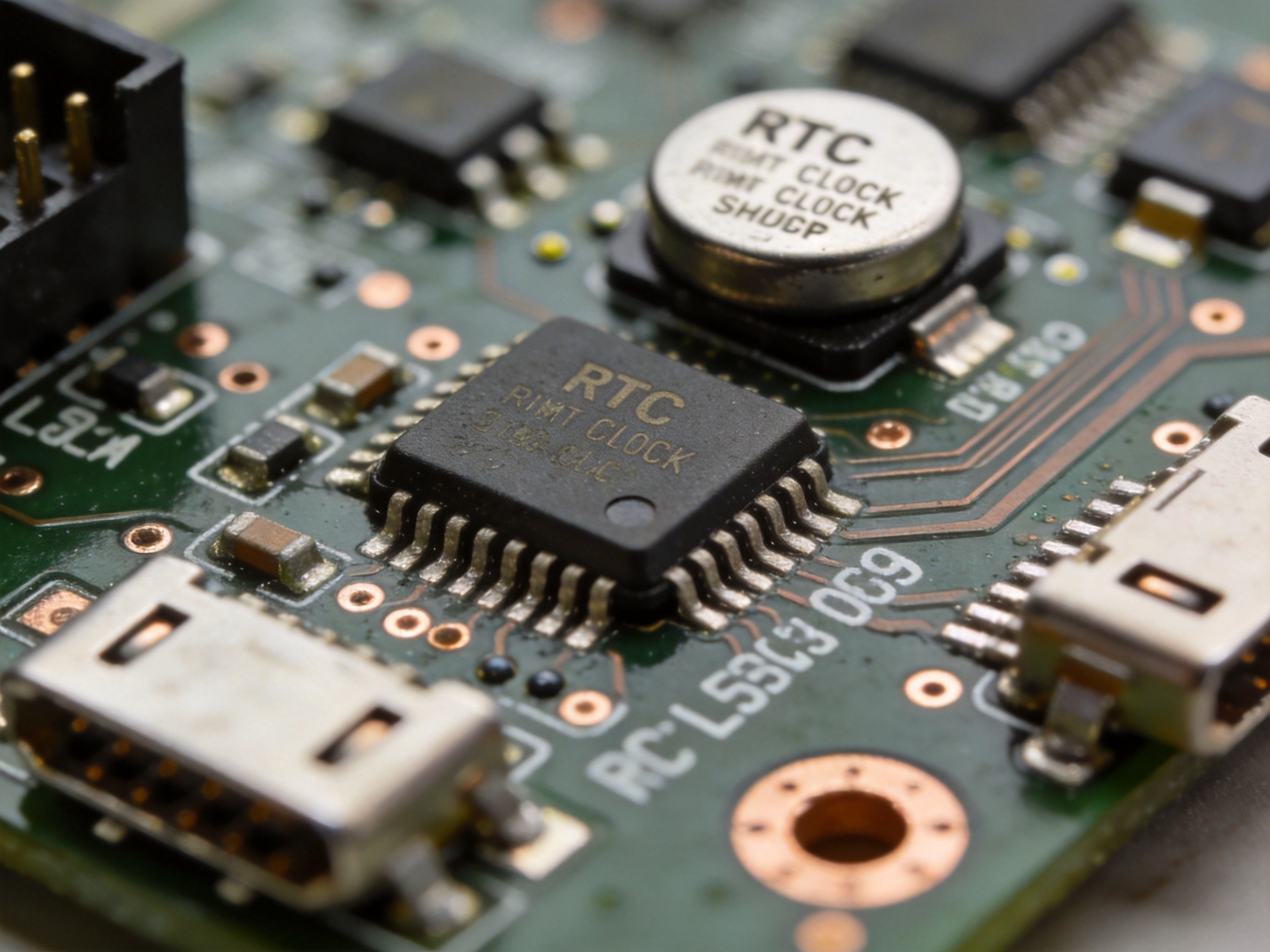
Why RTC Accuracy Matters in Unattended Industrial Systems
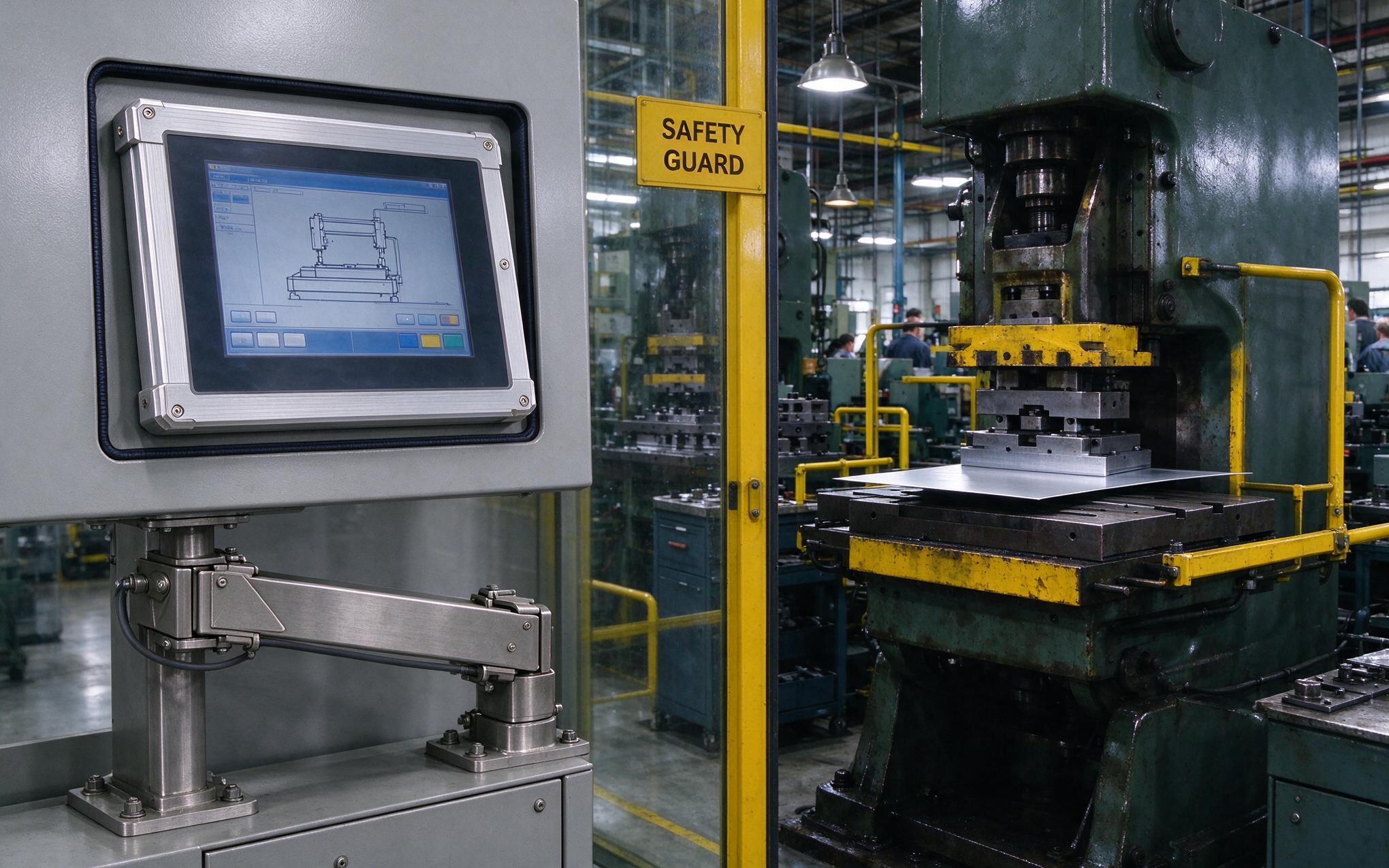
In a factory panel PC running a production monitoring dashboard, a drifting clock might seem harmless — until it causes shift-change reports to misalign with the payroll system. In a transportation kiosk, an incorrect timestamp on a ticket transaction can trigger audit failures and revenue disputes. In a pharmaceutical cold storage monitoring station, a clock error of even a few minutes can invalidate temperature log compliance with GxP regulations. When the RTC battery dies and the clock resets to a default epoch — typically January 1, 1970, or the firmware build date — the system continues operating without any obvious error. The failure is silent, and the damage accumulates until someone notices that log entries are dated years before the equipment was installed.
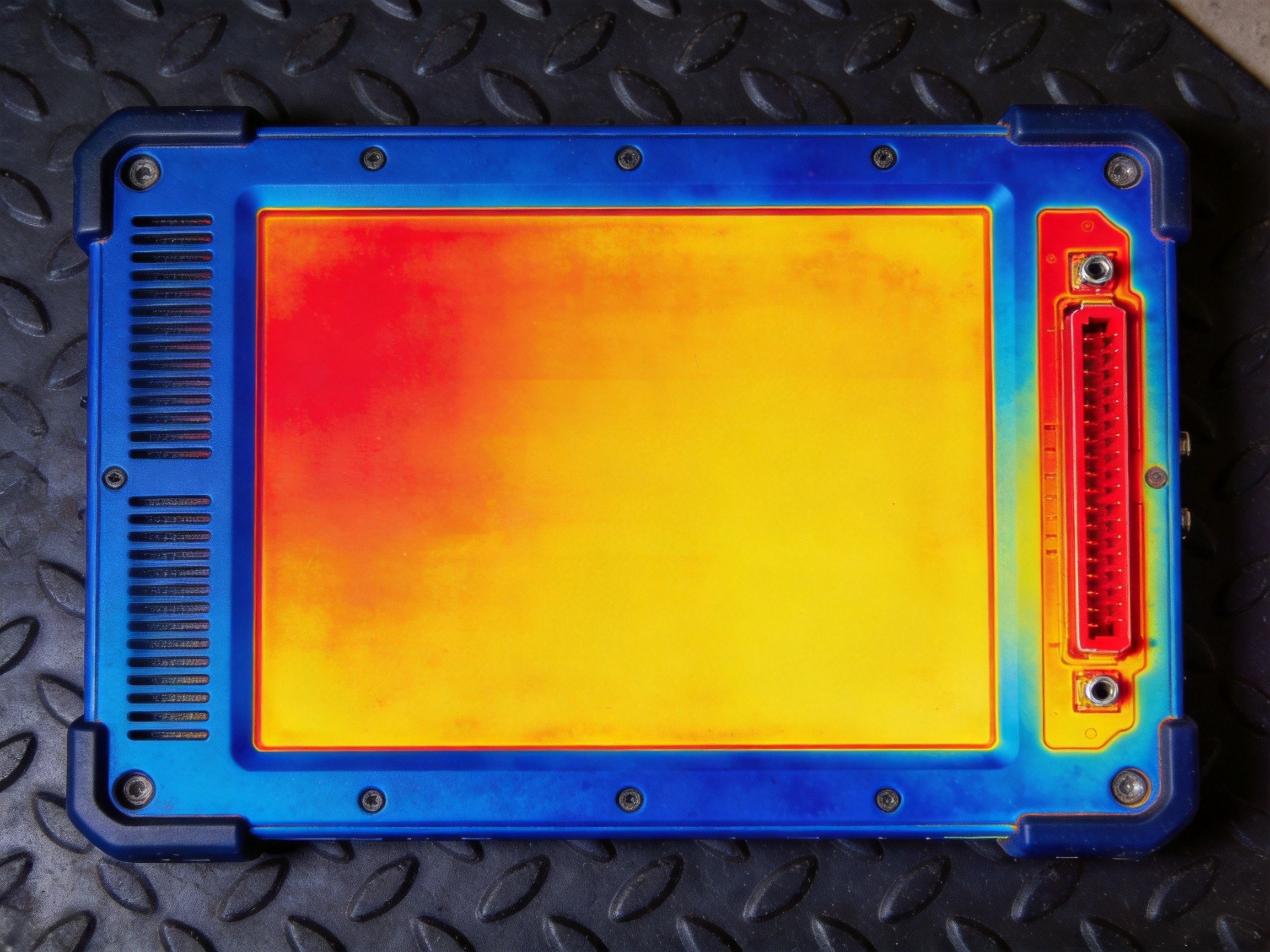
Common Causes of Premature RTC Battery Depletion
Manufacturers rate RTC coin cells for three to five years under normal conditions. In the field, actual battery life falls well short. The primary accelerant is temperature. Sealed fanless panel PCs in outdoor kiosks or hot factories can see internal temperatures exceeding 70°C, and lithium coin cell discharge rates approximately double for every 10°C rise above 25°C. A battery rated for five years at room temperature may last barely 18 months in a solar-heated enclosure. Power cycling also matters. Equipment that is frequently power-cycled — kiosks on timer-controlled circuits or machines shut down nightly — drains the battery faster than continuously powered systems. KOXIAN panel PC designs address these challenges with low-leakage RTC circuits and temperature-rated battery holders that maintain reliable contact across thermal expansion cycles.
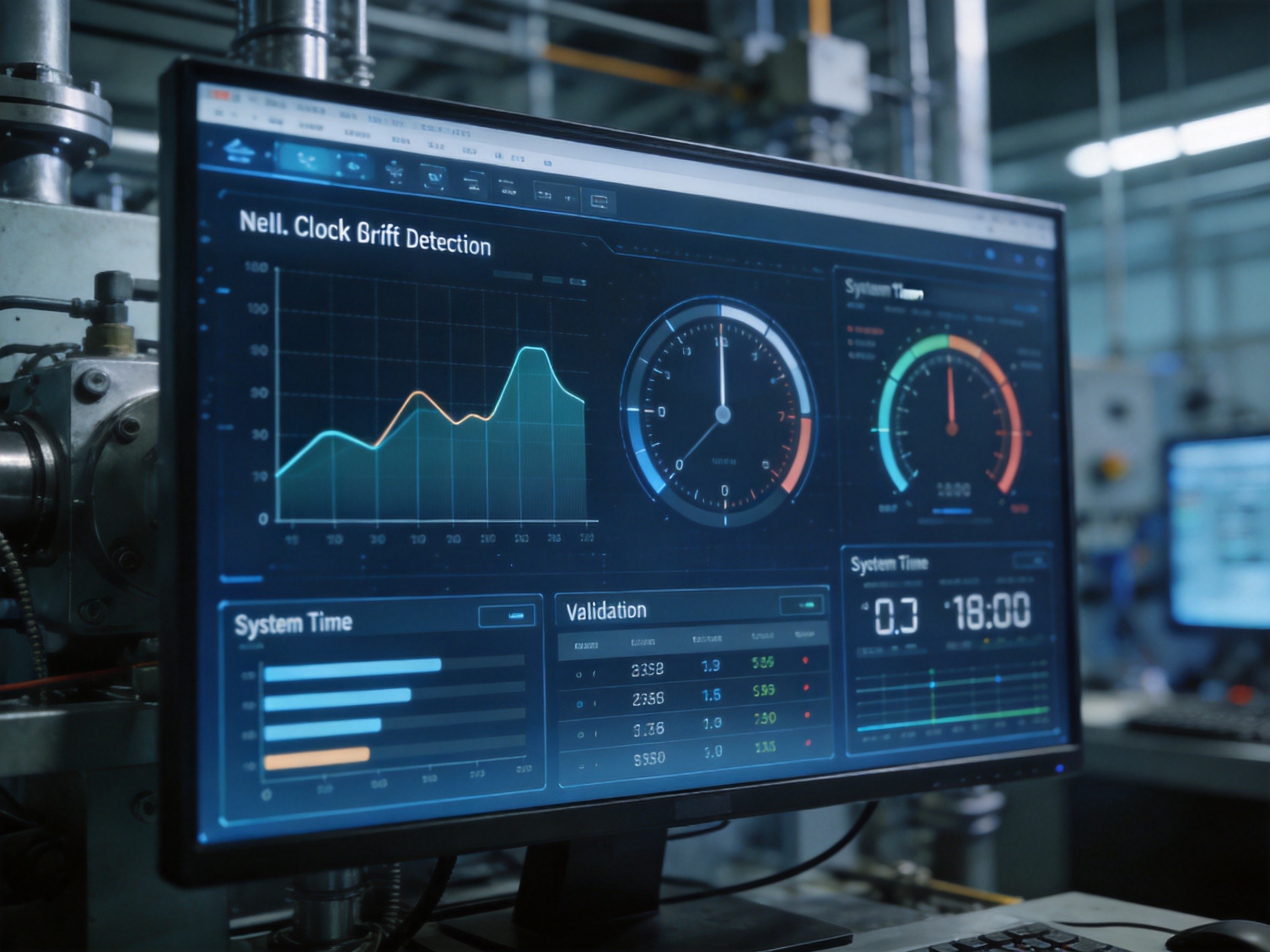
Detecting Clock Drift Before It Causes Operational Failures
Most operating systems continue running with a wrong hardware clock. Linux-based panel PCs read the RTC once at boot and rely on the system clock maintained by kernel timer interrupts. If the RTC resets to epoch zero between boots, the OS sets its system clock to that incorrect value before NTP can correct it. The window between boot and NTP sync — typically 30 to 90 seconds — is long enough to write incorrect timestamps to log files and databases. Detection requires proactive monitoring. A health-check script that reads the RTC hardware clock and compares it against NTP-synchronized system time can flag drift before it reaches a critical threshold. The script should also check RTC battery voltage, logging a warning when it drops below the manufacturer’s minimum. Running this check at boot and daily catches silent failures before they contaminate operational data.
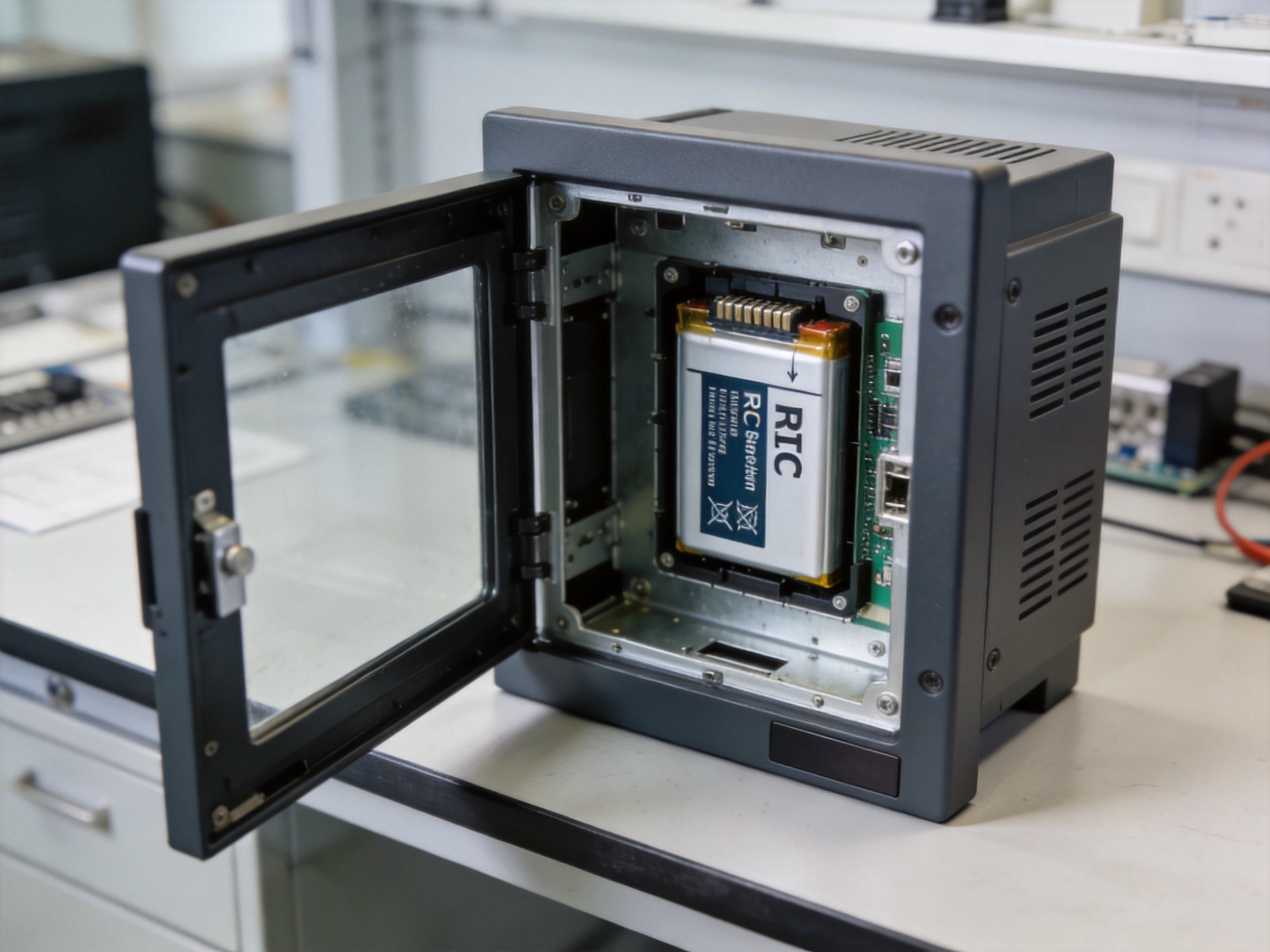
Prevention Strategies and Hardware Design Considerations
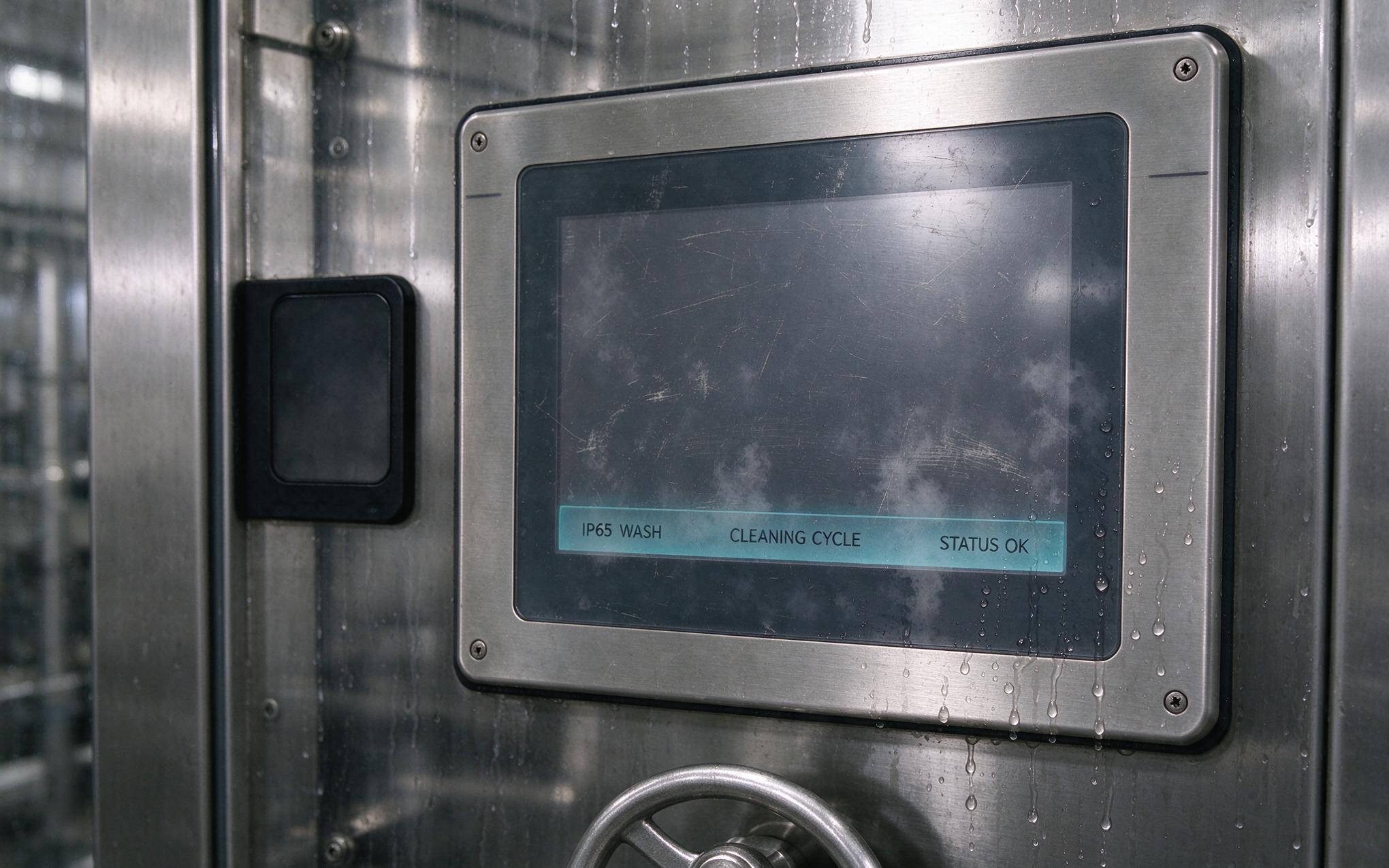
Preventing RTC-related failures starts at hardware selection. Panel PCs with supercapacitor-backed RTC circuits eliminate the battery replacement problem entirely, using a capacitor that charges from main power and holds the clock for days or weeks. For systems where battery replacement is unavoidable, look for designs with externally accessible battery compartments — opening a sealed IP65 enclosure to replace a coin cell is a maintenance headache most teams postpone indefinitely. On the software side, configure NTP with aggressive correction on boot: force an immediate time sync before application services start, and set a maximum acceptable clock skew that triggers a logged alert if exceeded. For KOXIAN panel PCs in high-temperature environments, a scheduled battery replacement interval of 18 to 24 months prevents most field failures. Combining hardware choices with proactive monitoring and preventive replacement turns the RTC battery from a silent failure into a managed maintenance item.
RTC battery depletion costs almost nothing to prevent but is expensive to diagnose after the fact. For industrial panel PCs running unattended in critical infrastructure, the difference between proactive replacement and a reactive repair call is measured in hours of downtime and corrupted data. The coin cell deserves more attention than it gets — when it dies, the clock it was keeping becomes everyone’s problem.