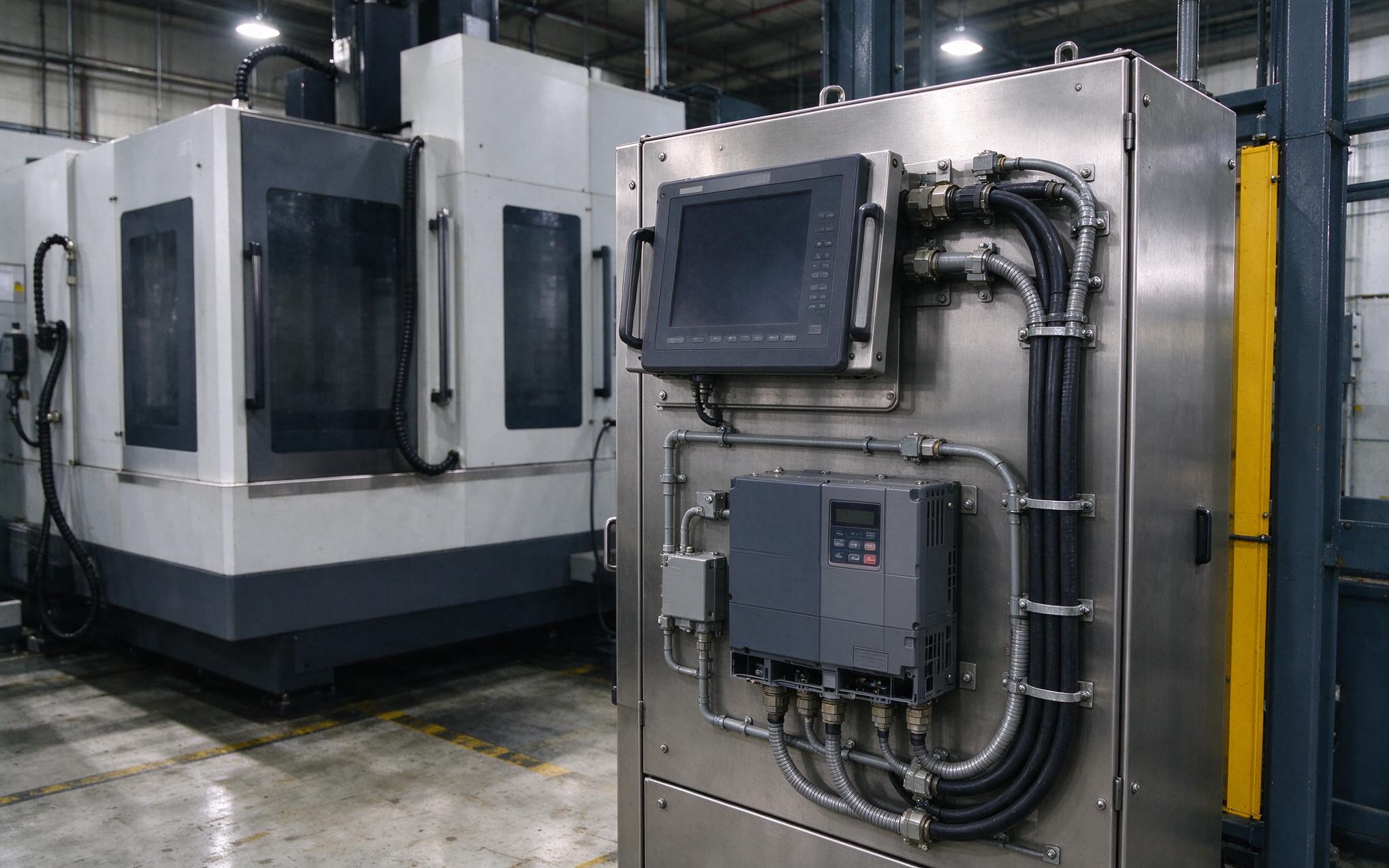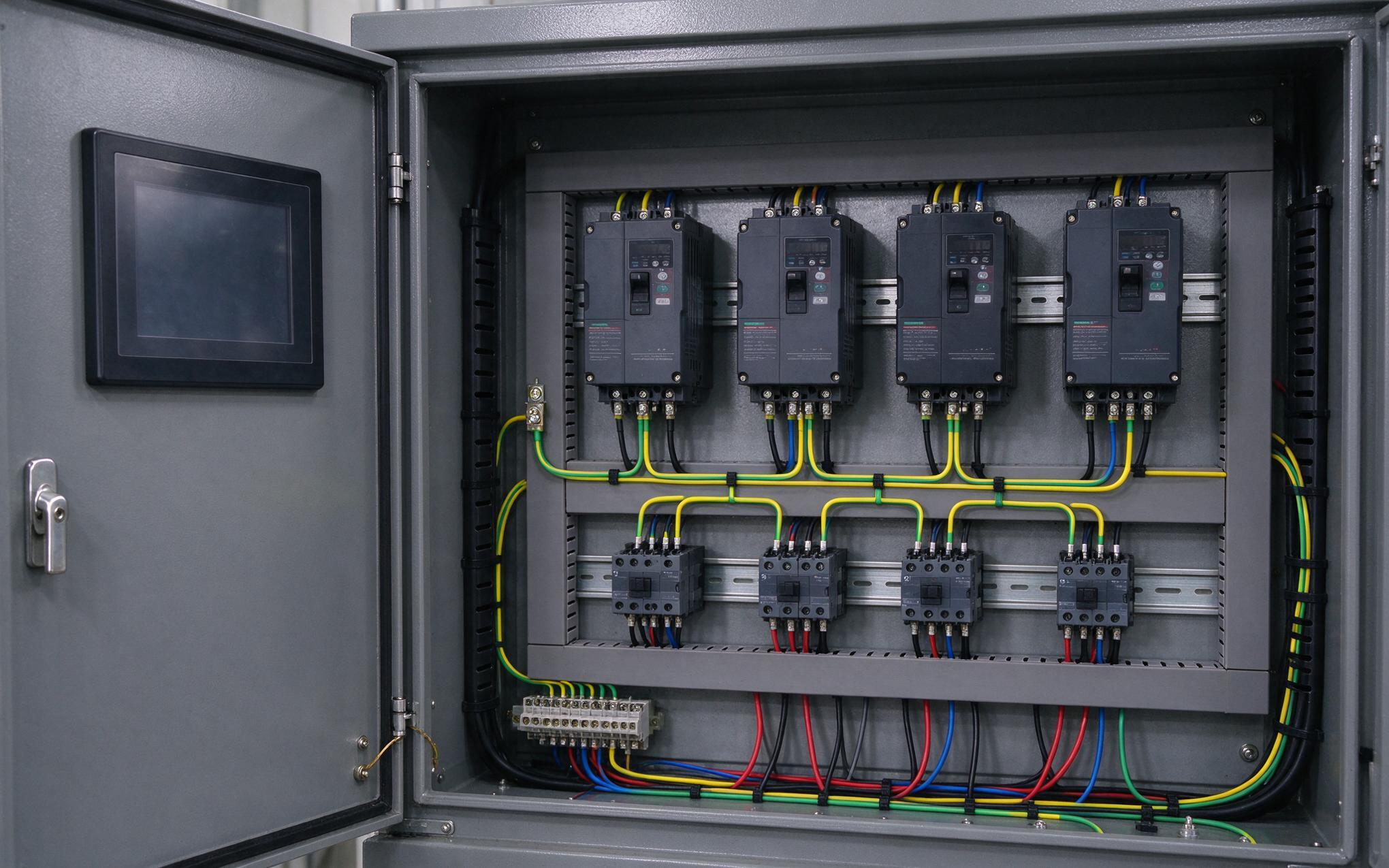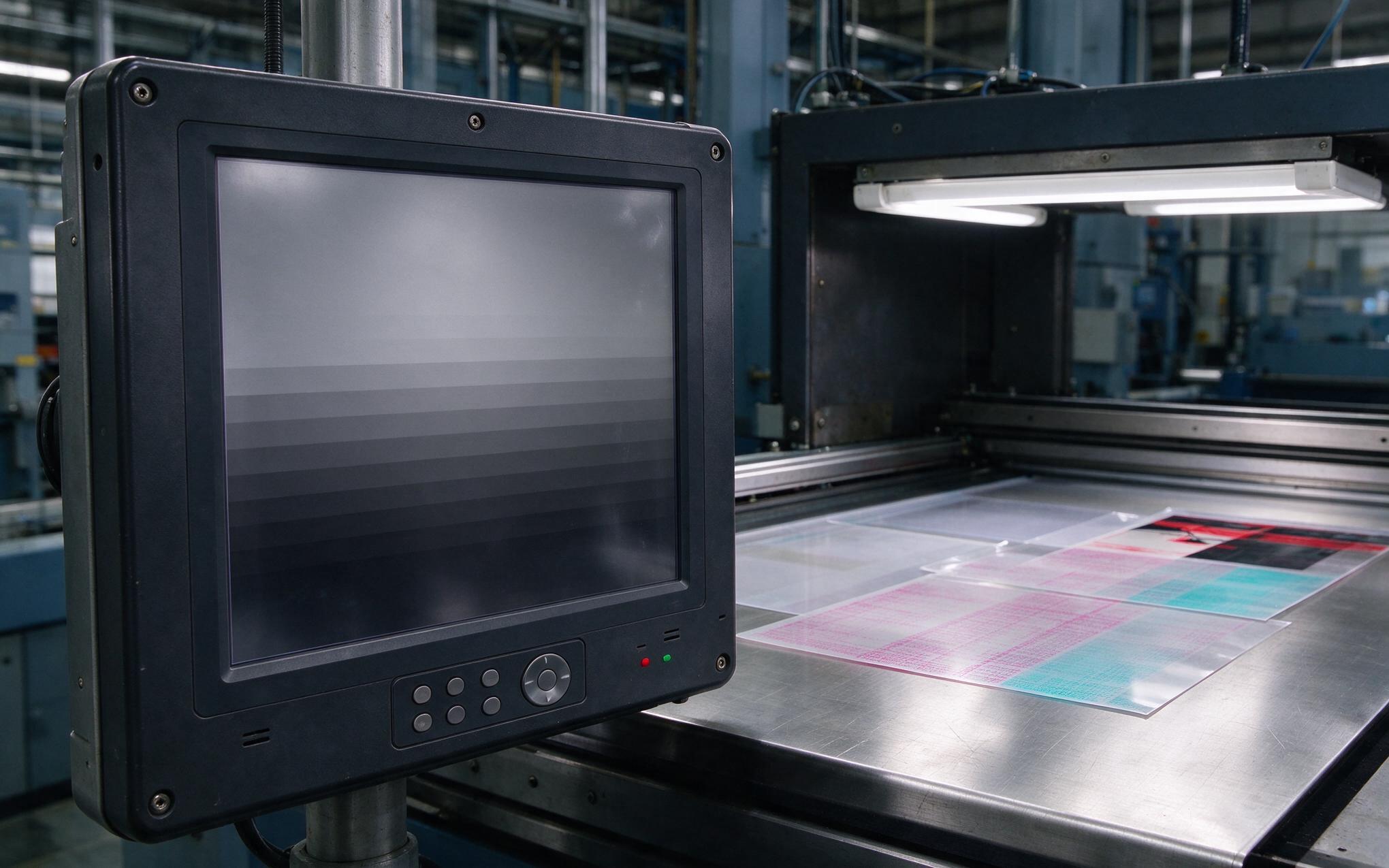
Automated parking garages and electronic toll collection plazas process thousands of vehicles daily without a human attendant on site. The computing backbone that makes this possible — outdoor-rated panel PCs mounted inside ticketing kiosks, ANPR camera housings, and payment terminals — operates in conditions that would destroy ordinary office equipment within weeks. From sub-zero winter mornings on highway toll lanes to summer heat buildup inside sealed parking kiosks, these systems demand a computing platform engineered for unattended outdoor deployment.
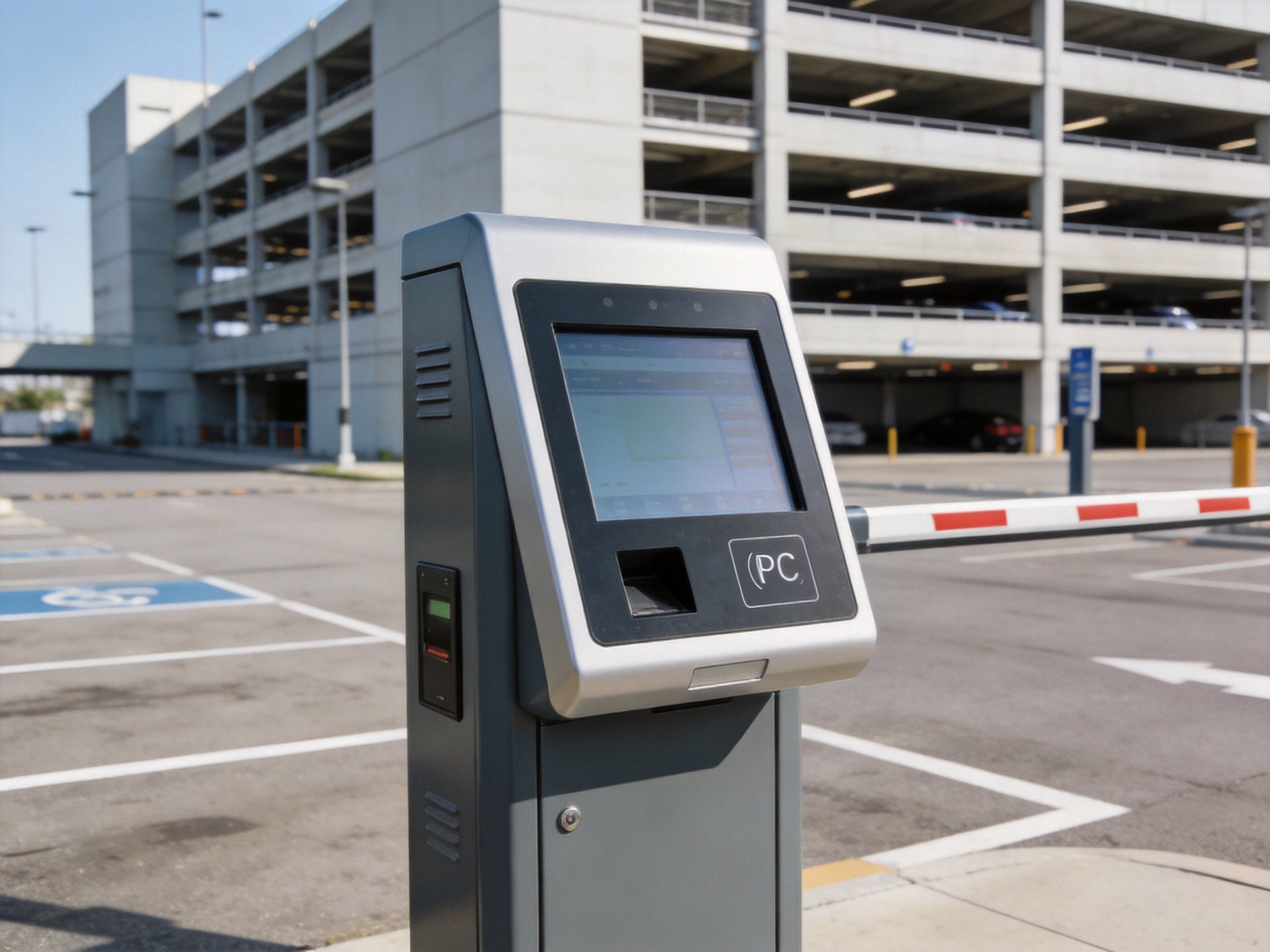
The Computing Core of Modern Ticketing Infrastructure
A parking entry kiosk does more than dispense a paper ticket. The panel PC inside handles license plate recognition, barcode scanning, thermal printer control, barrier gate communication, and transaction logging — all within seconds of a vehicle pulling up. Toll collection systems add RFID tag reading, axle counting, and vehicle classification to the workload. The panel PC must maintain a responsive touchscreen for drivers while simultaneously running background threads for image capture, payment processing, and backend synchronization. KOXIAN outdoor-rated panel PCs address this with wide-temperature components rated from -20°C to 70°C and sealed enclosures that prevent dust and moisture ingress, ensuring the computing core remains operational even when the kiosk exterior is coated in road salt or exposed to direct desert sunlight for 14 hours a day.
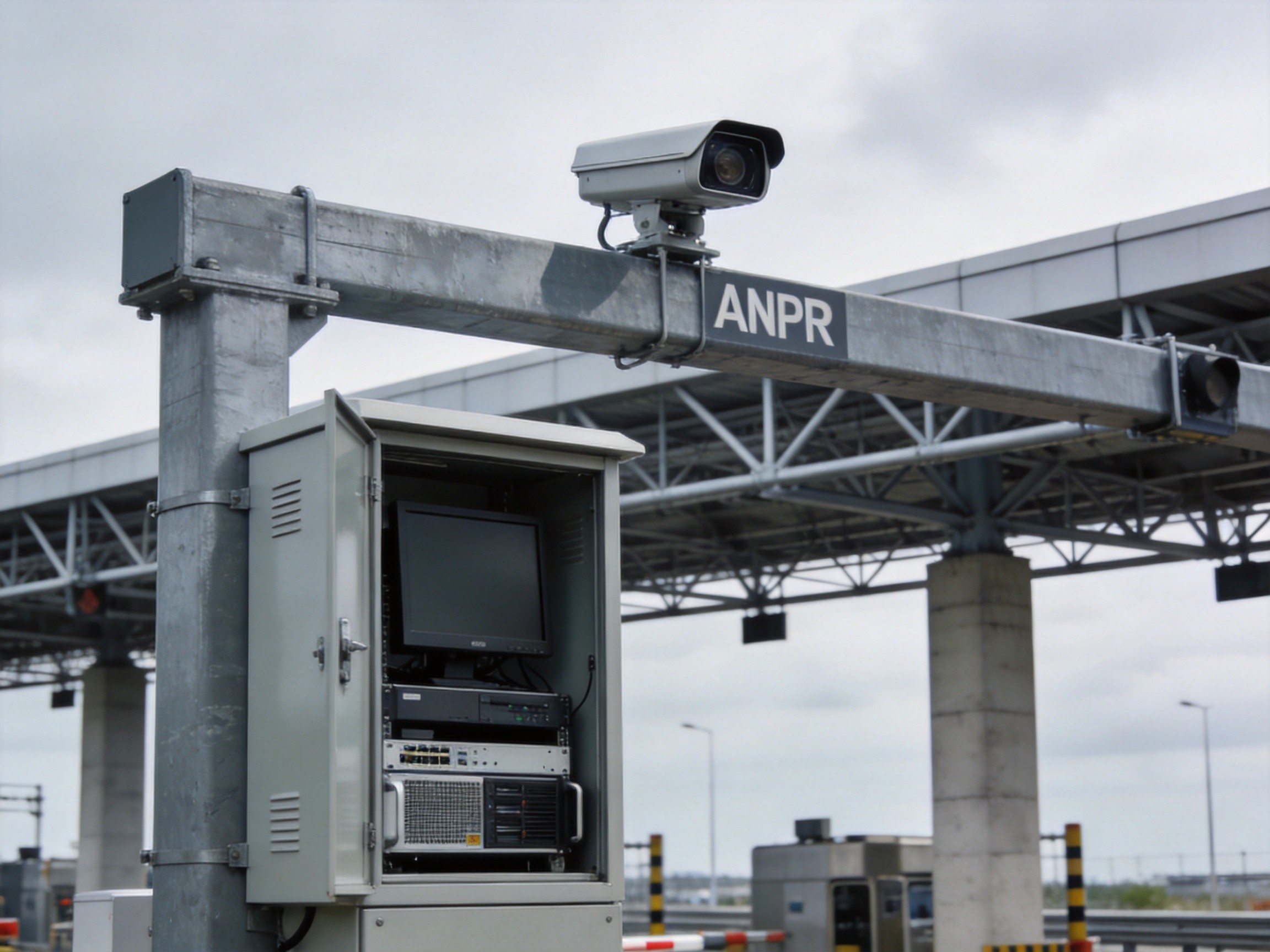
ANPR Integration and Real-Time Data Processing at the Lane
Automatic Number Plate Recognition is the most computationally demanding subsystem in a tolling or parking deployment. High-resolution cameras capture plate images at speeds exceeding 70 miles per hour, and the panel PC must run optical character recognition, validate results against a database, and trigger the appropriate lane action — all within 300 milliseconds. Processing must continue through rain, fog, headlight glare, and dirty plates. The panel PC serves as the local processing node handling image capture, OCR execution, database lookup, and barrier gate signaling in a single deterministic pipeline. When the backend connection drops, the panel PC continues processing locally using cached plate data, queuing transactions for upload when connectivity is restored. This edge-processing capability is what separates toll-grade systems from consumer hardware, and it is why industrial panel PCs with fanless thermal design and solid-state storage have become the standard for ANPR-integrated lane controllers.
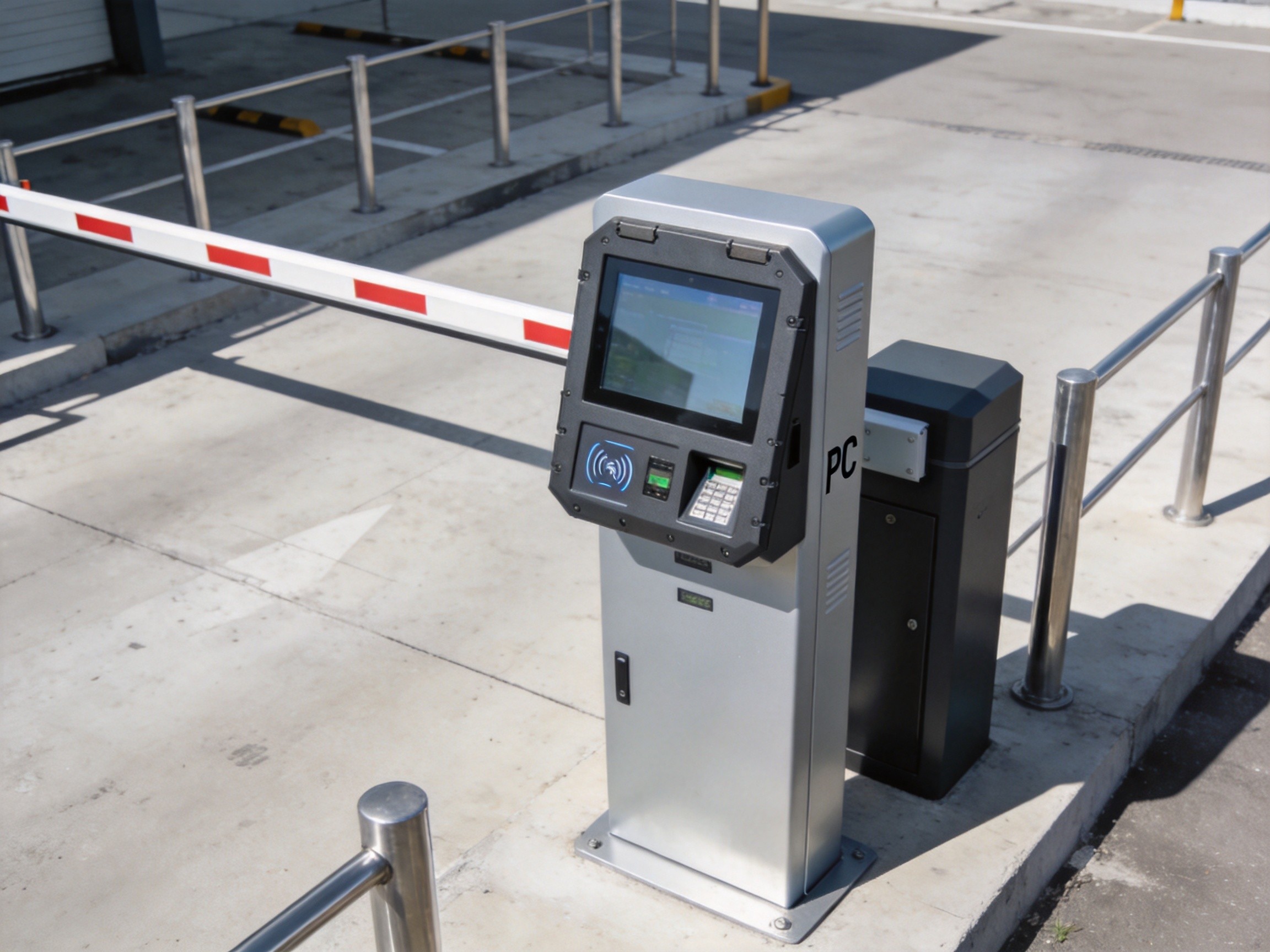
Payment Terminal Reliability in Unattended Outdoor Environments
Payment terminals present a unique set of challenges. The panel PC must drive a high-brightness touchscreen that remains readable in direct sunlight and responsive when the user is wearing gloves. It must interface with contactless card readers, PIN pads, receipt printers, and sometimes cash acceptors — all while maintaining PCI-compliant transaction security. The enclosure must resist vandalism, withstand temperature swings from freezing nights to solar-heated afternoons, and keep condensation from forming on internal electronics. KOXIAN panel PCs use optically bonded displays that eliminate the air gap between the LCD and touch layer, dramatically improving sunlight readability while preventing internal fogging. The sealed chassis design, combined with wide-voltage power input tolerance, means the same hardware platform can be deployed across parking facilities, highway toll plazas, and curbside payment kiosks without modification.
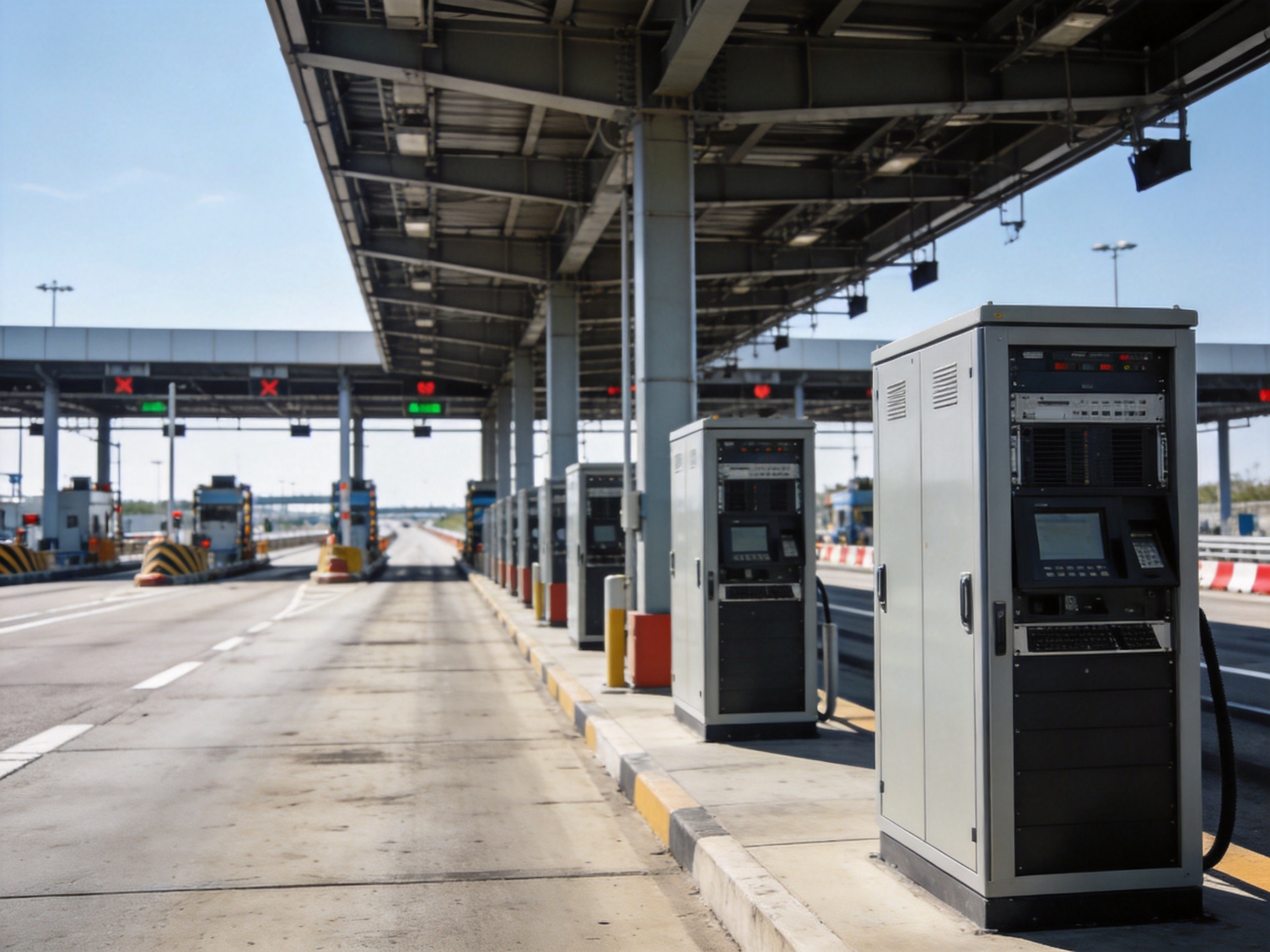
Deployment Considerations for Multi-Lane Tolling and Parking Facilities
Scaling from a single kiosk to a 20-lane toll plaza introduces coordination requirements that the panel PC hardware must support. Lane controllers need to share vehicle counts, lane status, and alarm conditions across a local network with sub-second latency. The computing hardware must support multiple Ethernet ports for segregated networks — one for camera data, one for backend communication, and one for lane-to-lane coordination. Power over Ethernet simplifies camera wiring, but the panel PC itself needs a stable supply with surge protection to survive lightning strikes and grid fluctuations common at roadside installations. Remote management is essential: a technician must be able to reboot a frozen lane controller, pull diagnostic logs, or push a firmware update without dispatching a truck. These operational realities drive hardware selection toward industrial-grade panel PCs with dual power inputs, watchdog timers, and out-of-band management — features absent from commercial-grade tablets sometimes spec’d into parking projects by cost-focused teams.
Automated parking and toll collection systems are only as reliable as the computing hardware that runs them. When a lane controller fails at 3 a.m. during a winter storm, the cost of a service call dwarfs any upfront savings from choosing lighter-duty hardware. The panel PCs inside those kiosks and gantries need to be specified with the same rigor as any other mission-critical infrastructure component.