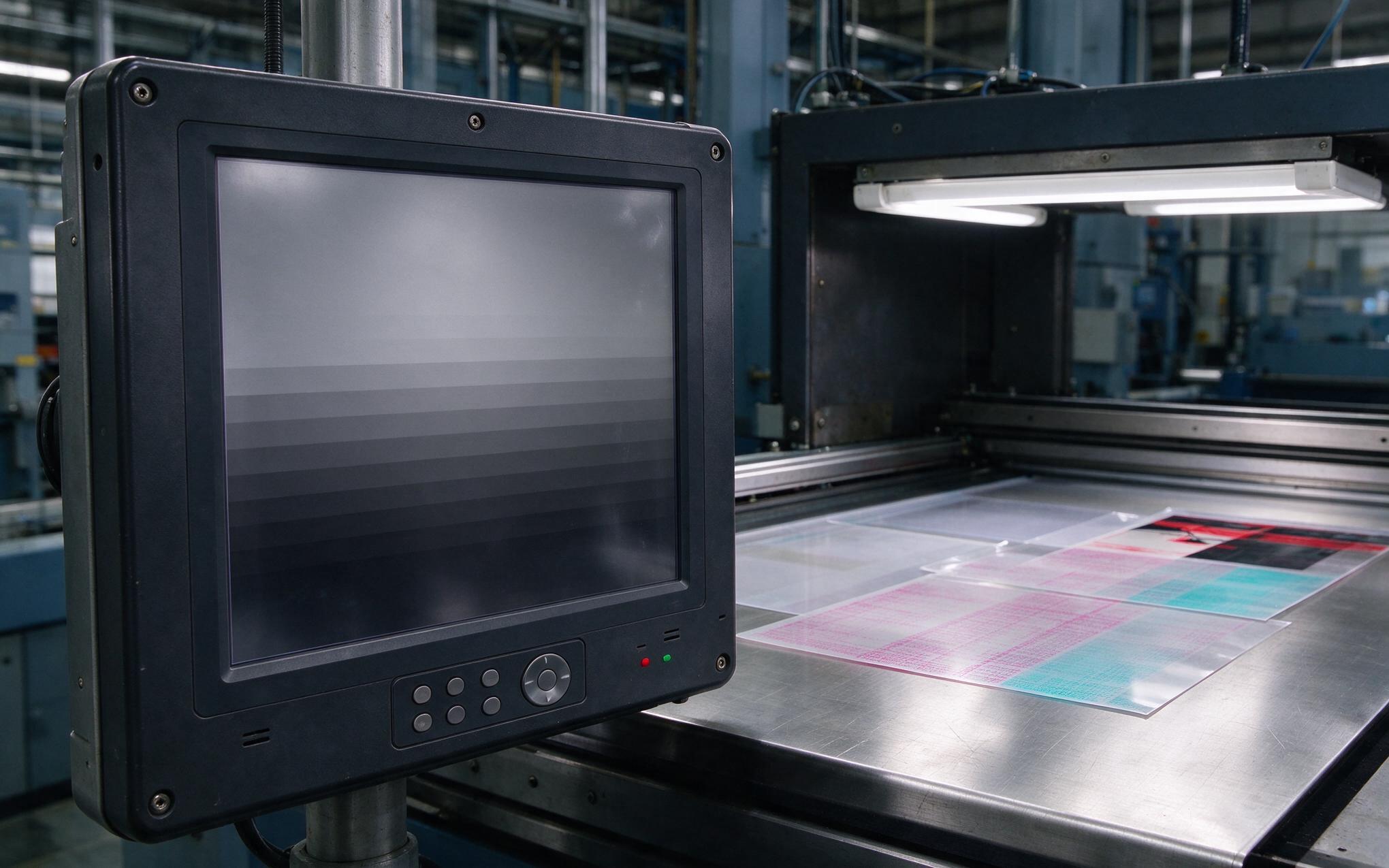
Arm-based processors have established a commanding position in embedded industrial systems, and according to the latest IndexBox report on Arm-Based Computers, the architecture’s share in industrial automation is projected to rise from roughly 35 percent in 2020 to over 60 percent by 2035. The momentum is undeniable. Yet a challenger is emerging from the open-source hardware movement: RISC-V, an open instruction set architecture that promises to reshape how industrial panel PCs are designed, licensed, and deployed at the edge.
The Arm Incumbency: Why Change Is Hard
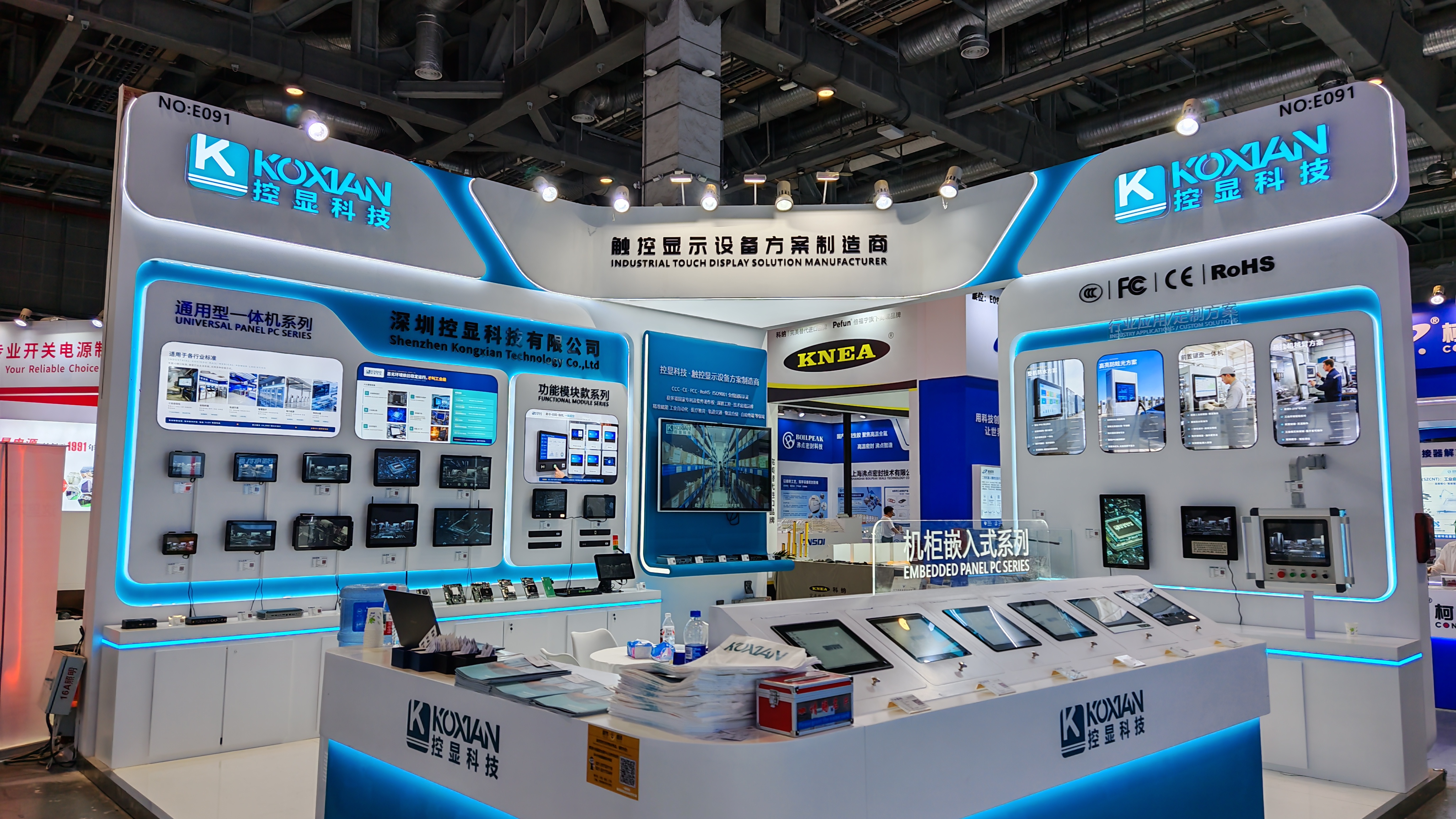
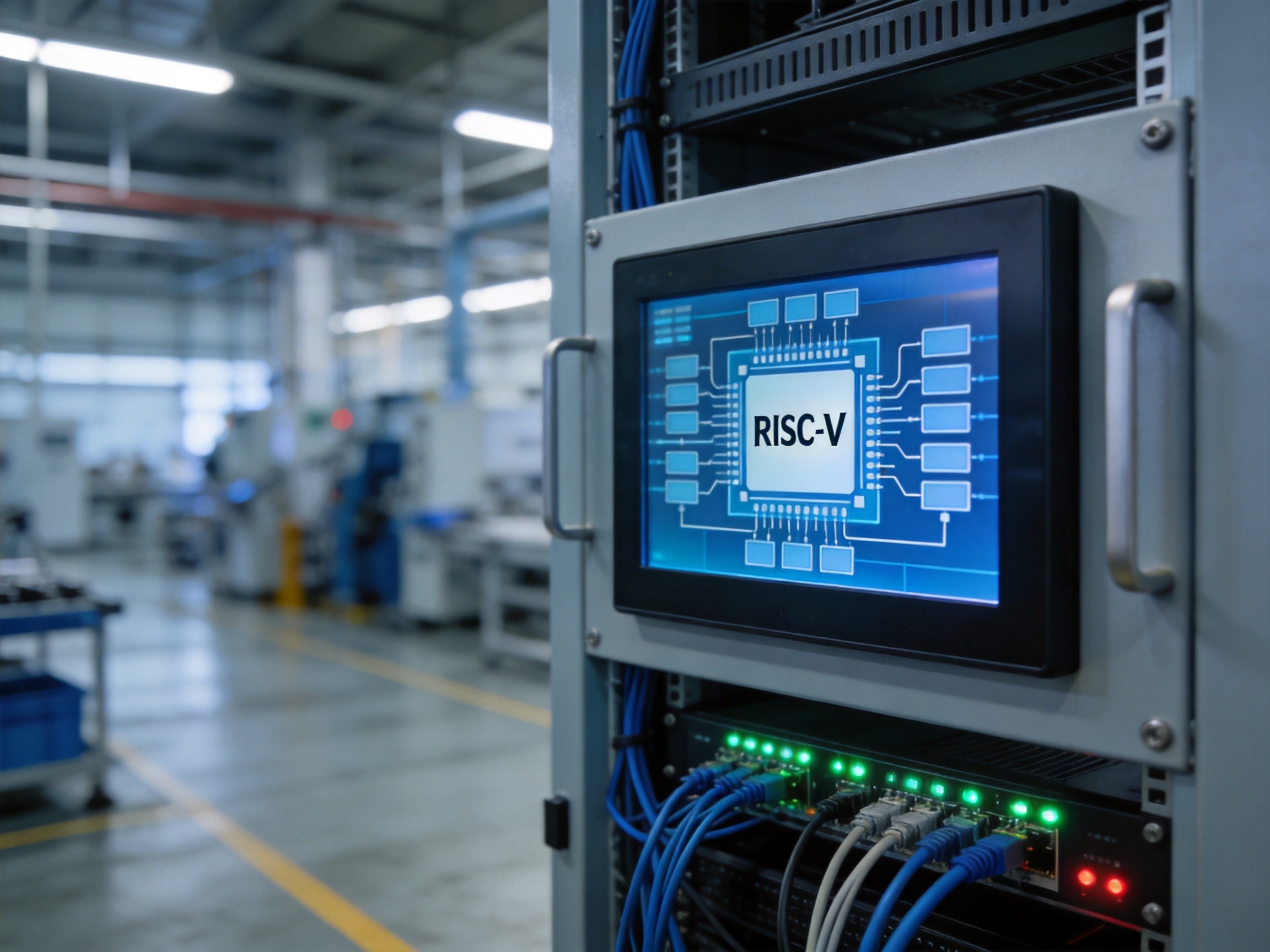
Arm’s dominance in industrial embedded computing is not accidental. The Cortex-A and Cortex-R families offer a mature ecosystem with validated real-time operating systems, extensive middleware support, and safety certifications spanning IEC 61508 and ISO 13849. For system integrators building automated production lines, the availability of pre-certified Arm-based system-on-modules from vendors like NXP, Texas Instruments, and STMicroelectronics dramatically shortens time-to-market. The IndexBox data further notes that Arm-based integrated systems now account for 55 to 65 percent of procurement value in the industrial computer segment, reflecting deep supply chain entrenchment. KOXIAN, as a supplier of industrial panel PCs, observes that customers overwhelmingly default to Arm-based platforms when specifying edge computing hardware for new deployments. The combination of software maturity, long lifecycle support commitments exceeding ten years, and a deep pool of experienced embedded developers creates a formidable barrier to architecture switching.
RISC-V Enters the Industrial Conversation
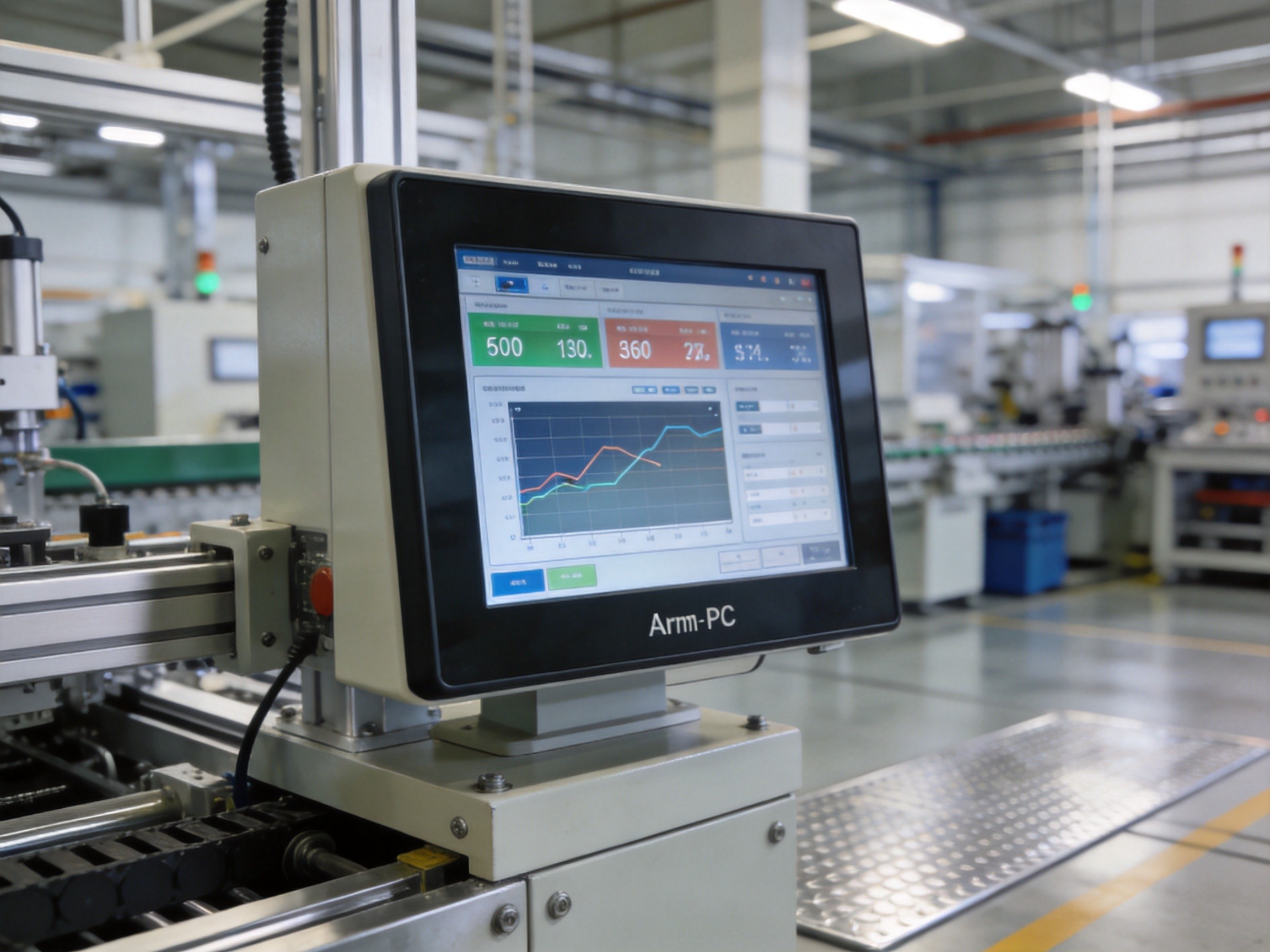
RISC-V’s value proposition in industrial computing centers on architectural freedom and licensing economics. Unlike Arm, which charges upfront license fees and per-unit royalties, RISC-V is an open standard maintained by RISC-V International. This means chip designers can implement custom instruction extensions for deterministic control loops, real-time sensor fusion, or hardware-accelerated security without negotiating proprietary terms. The European DARE project, backed by a EUR240 million budget through the EuroHPC Joint Undertaking, is building a comprehensive RISC-V hardware and software ecosystem targeting next-generation supercomputing and edge applications. With 38 partners across 29 work packages, DARE is developing specialized chiplets including a general-purpose processor, an AI processing unit, and a vector processor, all based on the open RISC-V standard. Meanwhile, the OpenTitan project’s Earl Grey 2 roadmap, announced in July 2026, introduces CHERI-based memory safety extensions for RISC-V cores, directly addressing the industrial security concerns that have historically favored Arm’s locked-down TrustZone implementations.
The Gap Between Potential and Production
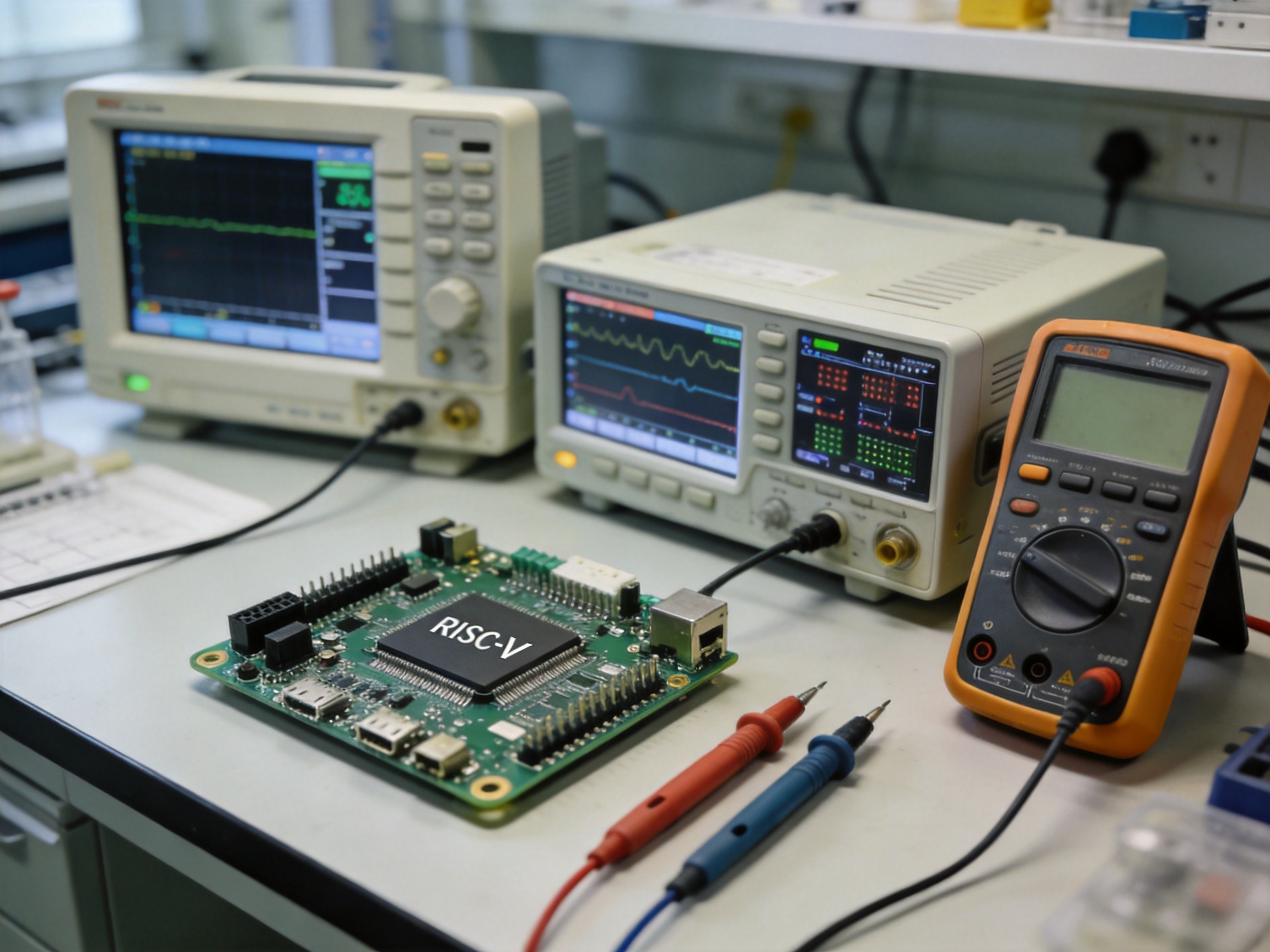
Despite the enthusiasm, RISC-V faces a credibility gap in industrial deployments. The architecture currently lacks the breadth of safety-certified board support packages that Arm has accumulated over two decades. Industrial qualification cycles for new processor architectures typically span 12 to 18 months, and the absence of equivalent SIL-certified RISC-V software stacks means brownfield replacements are unlikely in the near term. KOXIAN engineers note that while RISC-V development boards are increasingly available for evaluation, the transition from prototype to production-grade panel PC requires ecosystem maturity that remains several years away. Foundry capacity for RISC-V-based industrial SoCs is also limited, with most advanced RISC-V designs targeting consumer IoT and academic applications rather than the extended-temperature, high-reliability requirements of factory floor computing.
A Dual-Architecture Future
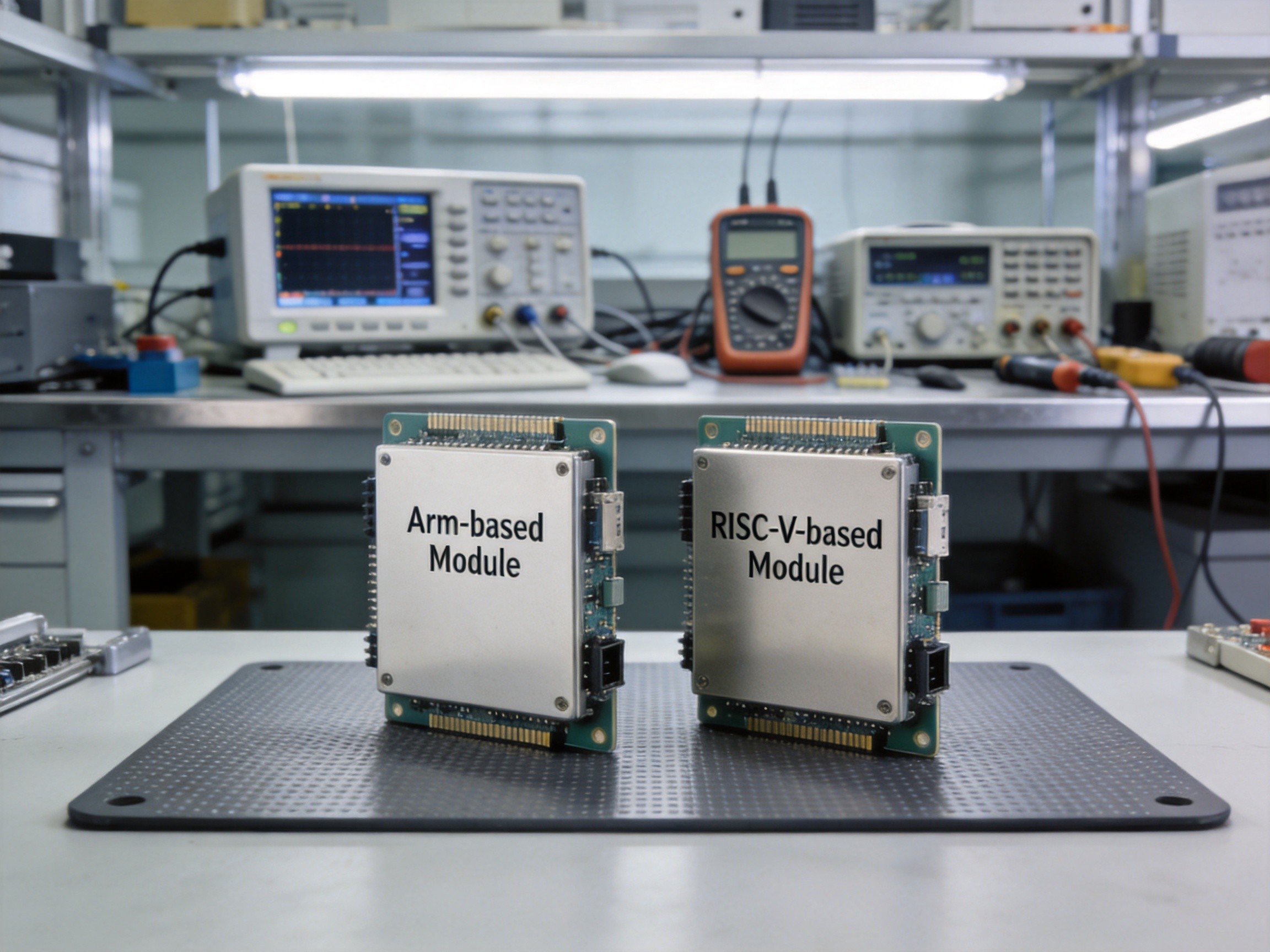
The most realistic trajectory for the next decade is coexistence. Arm will continue to dominate applications requiring safety certification and broad software compatibility, while RISC-V gains traction in greenfield deployments where customization and cost optimization outweigh ecosystem convenience. The European Union’s push for digital sovereignty, combined with initiatives like DARE and Spain’s semiconductor MatchMaking Day in Madrid, signals substantial institutional backing for RISC-V. For industrial panel PC manufacturers, including KOXIAN, the pragmatic approach is to maintain architecture-agnostic platforms that accommodate both Arm and RISC-V compute modules, preserving customer choice while hedging against licensing and geopolitical risks. The IndexBox forecast of 60 percent Arm share by 2035 leaves a meaningful addressable market for RISC-V, and the open ISA’s true impact may be measured not in market share captured, but in the competitive pressure it exerts on Arm’s pricing model across the industrial edge computing segment.
The industrial computing industry stands at the beginning of what could be the most significant architecture transition since the x86-to-Arm shift in embedded systems. Whether RISC-V fulfills its promise depends less on technical merit than on the pace of ecosystem development, the willingness of industrial automation vendors to invest in dual-architecture validation, and the broader geopolitical currents shaping semiconductor supply chains. What is certain is that the era of architecture monoculture in industrial edge computing is drawing to a close.