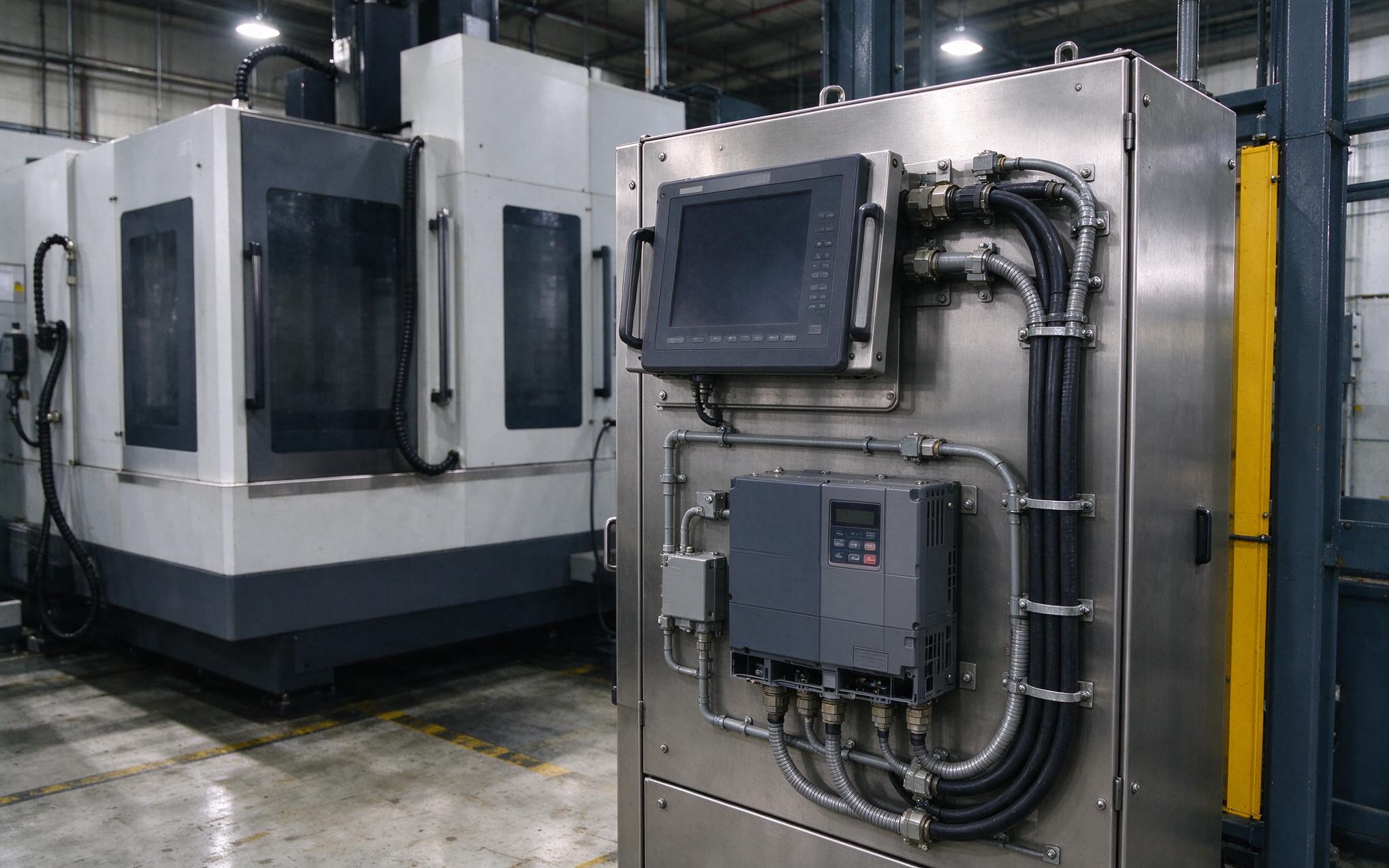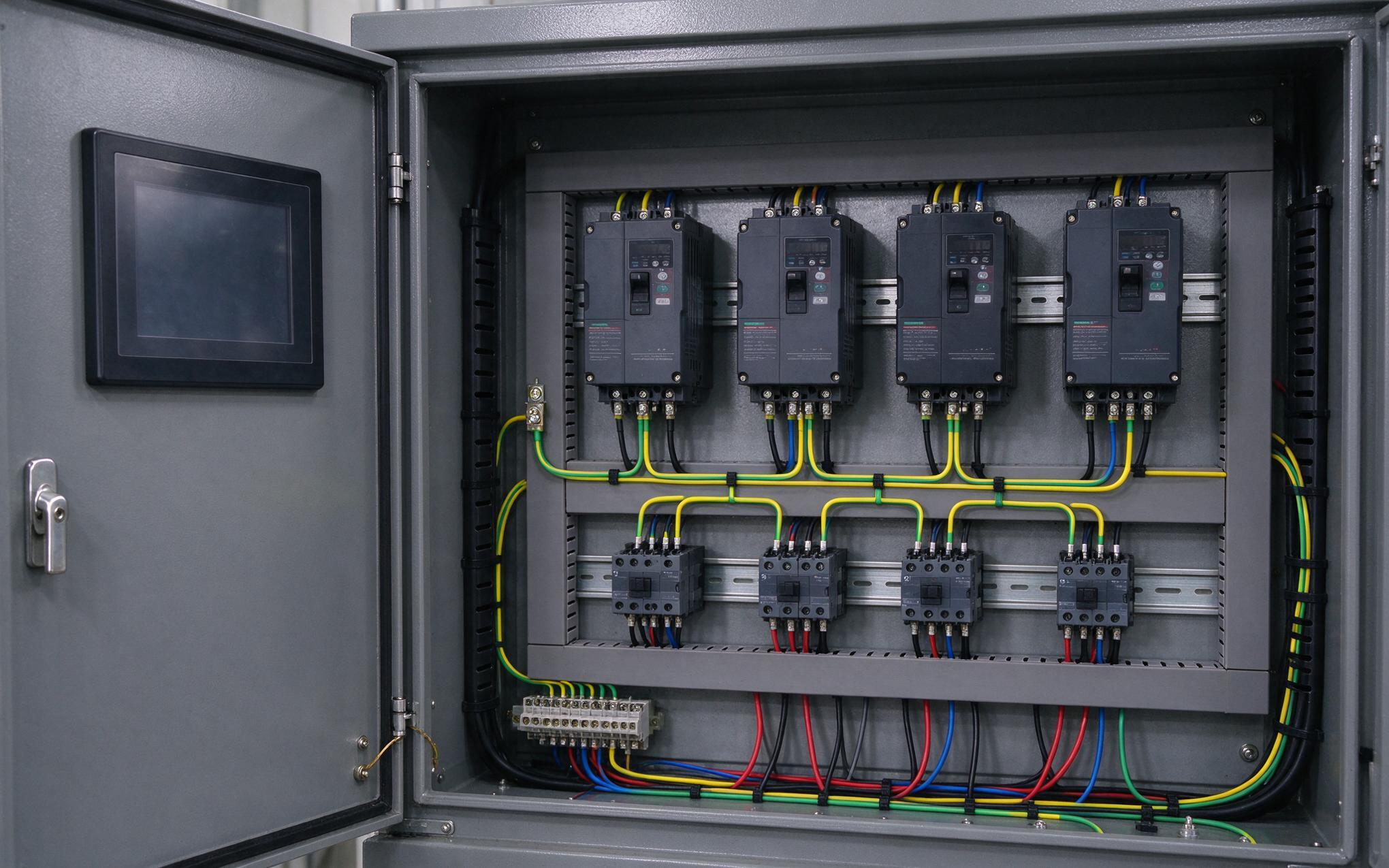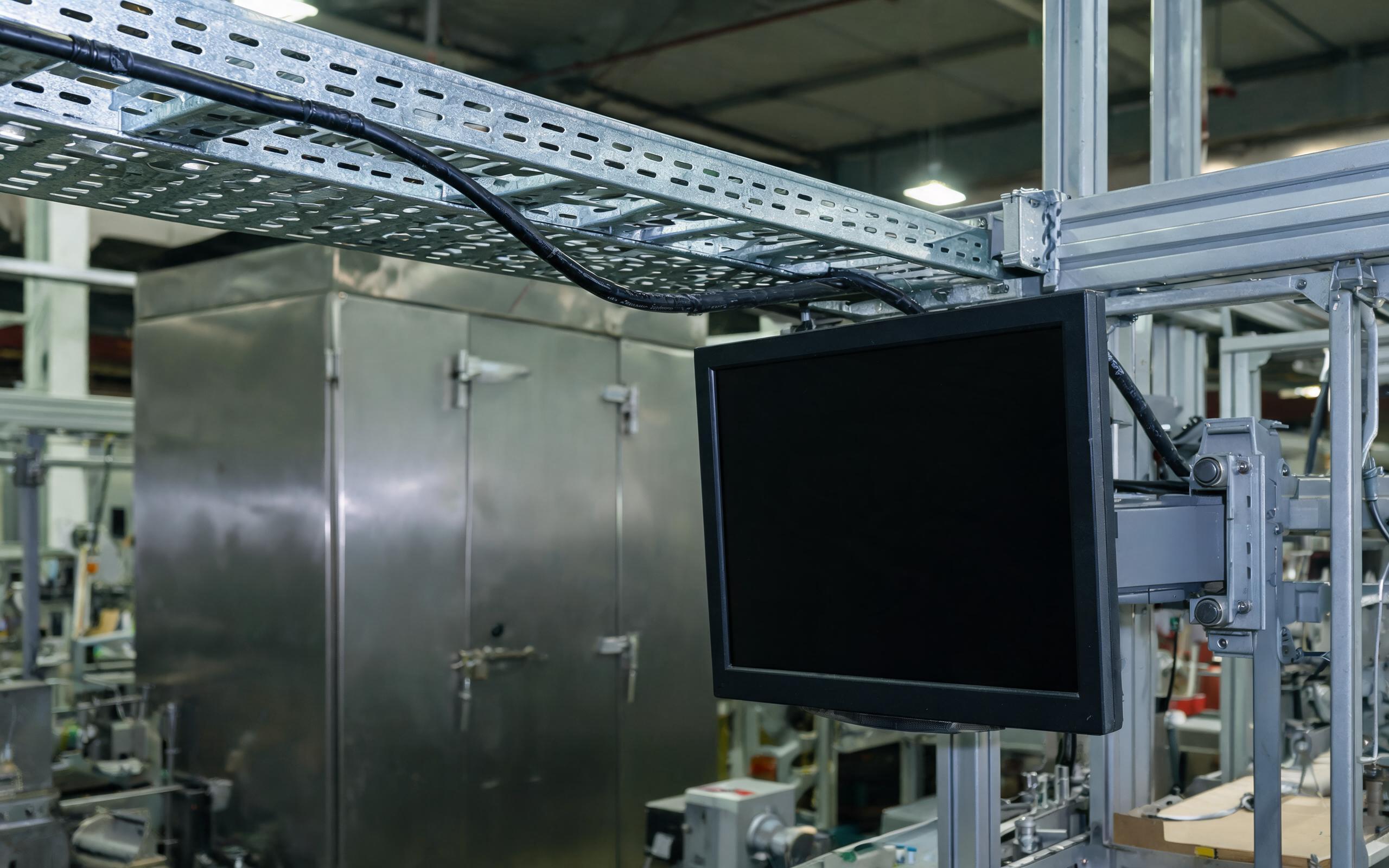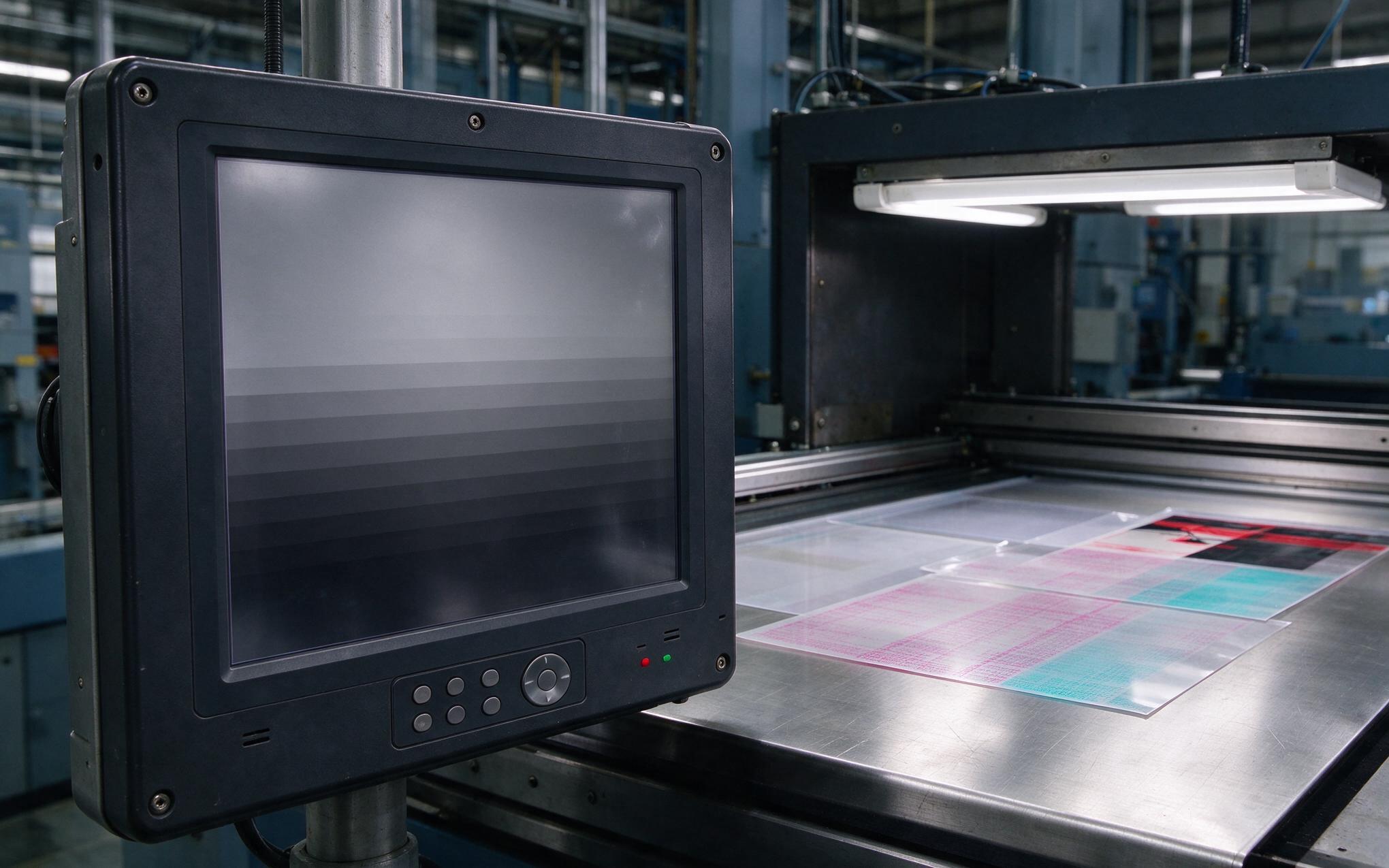
The global electric vehicle battery manufacturing sector is undergoing a historic capacity buildout. From Tesla’s dry electrode coating lines in Austin to emerging gigafactories in Southeast Asia, production facilities are scaling at an unprecedented pace. Each stage of lithium-ion cell manufacturing—electrode coating, cell formation, and end-of-line testing—demands computing hardware that operates reliably amid solvent vapors, precision temperature control, and sub-millisecond data acquisition. Industrial panel PCs have become the computing backbone of these lines, interfacing between operators, automation systems, and quality management across the battery manufacturing workflow.
Electrode Coating: Precision Beneath the Slurry
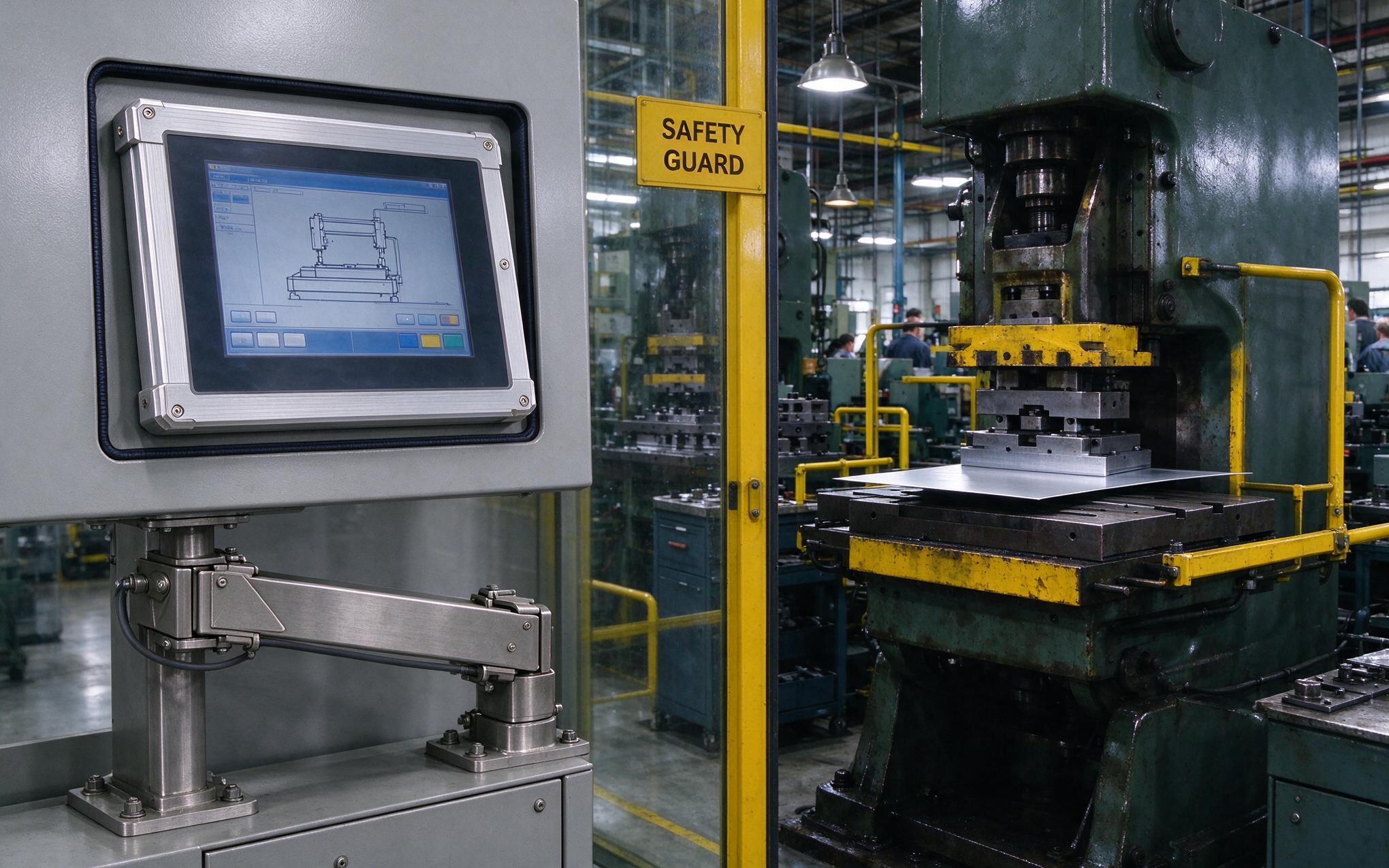
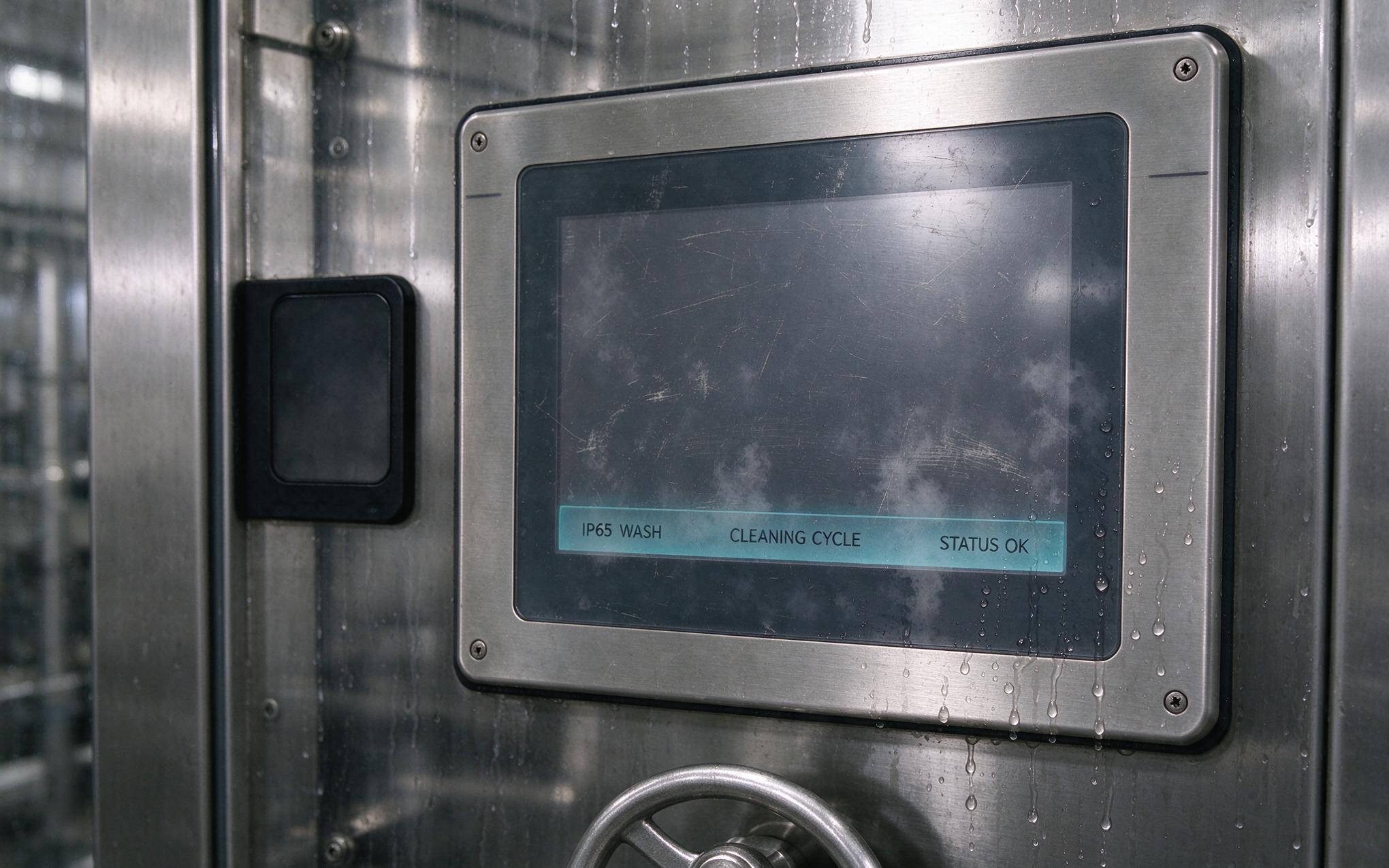
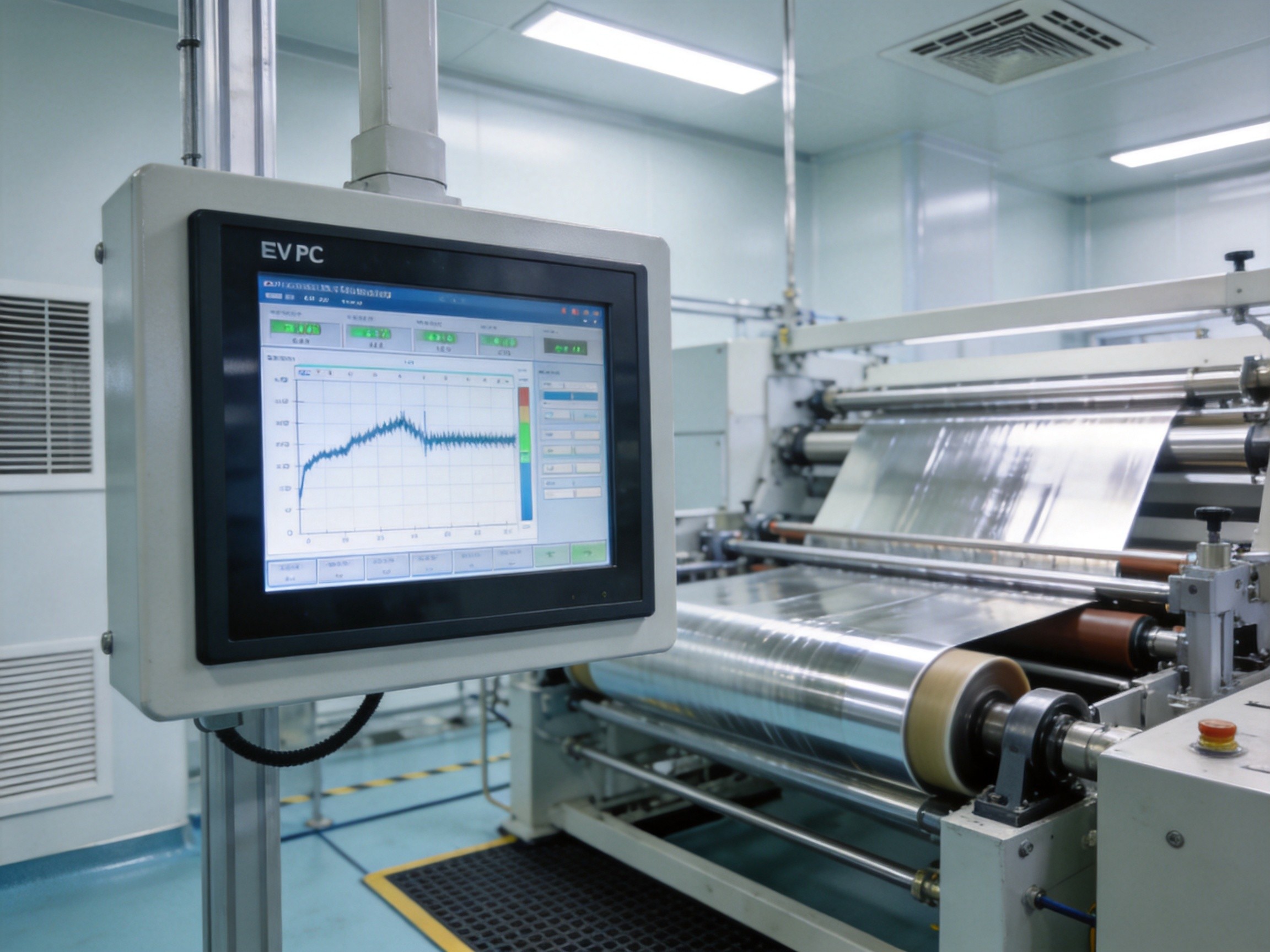
Electrode coating is the most demanding stage in battery cell production. A slurry of active material, conductive additives, and binders is applied to metal foil current collectors at line speeds exceeding 80 meters per minute, with thickness tolerances in single-digit microns. The Korea Institute of Materials Science recently announced a breakthrough in PTFE-free dry electrode manufacturing, eliminating organic solvents. Coating uniformity directly determines cell capacity, internal resistance, and cycle life. Panel PCs at coating stations process continuous data from laser displacement sensors, beta-ray thickness gauges, and vision inspection cameras, displaying real-time process control charts. The environment demands fanless thermal design, sealed front bezels resistant to N-methyl-2-pyrrolidone vapor, and multi-touch interfaces operational with gloved hands. KOXIAN industrial panel PCs are engineered for these conditions, with extended temperature tolerance and front-panel sealing that isolates electronics from process chemistry.
Cell Formation and Aging: The Marathon Stage
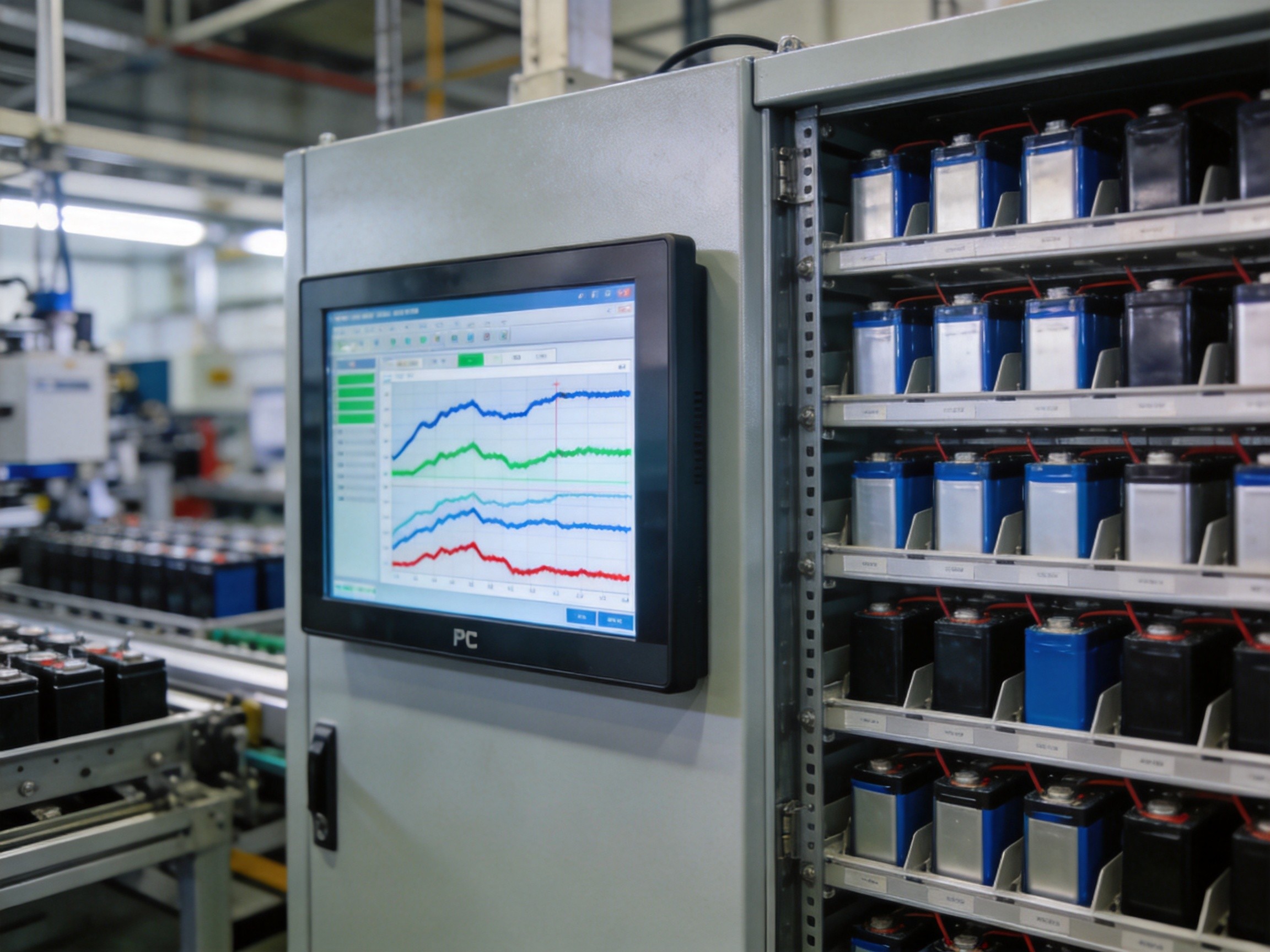
Cell formation is the electrochemical activation process where freshly assembled cells undergo controlled charge-discharge cycling to build the solid-electrolyte interphase layer. This stage spans 24 to 72 hours per batch and involves thousands of cells cycling simultaneously across formation racks. Each channel requires individual voltage and current monitoring, generating terabytes of time-series data per shift. Panel PCs in formation areas serve as local data concentrators and visualization nodes, aggregating channel data and presenting it to process engineers through trend dashboards and anomaly detection interfaces. The operating environment is thermally demanding: formation racks dissipate significant heat, and ambient temperatures can exceed 40 degrees Celsius. This necessitates panel PCs with wide-temperature embedded processors, solid-state storage, and passive cooling that sustains continuous operation without thermal throttling. Extended-temperature Arm boards are among the fastest-growing industrial computing categories, with battery manufacturing as a primary demand driver.
End-of-Line Testing: The Gatekeeper
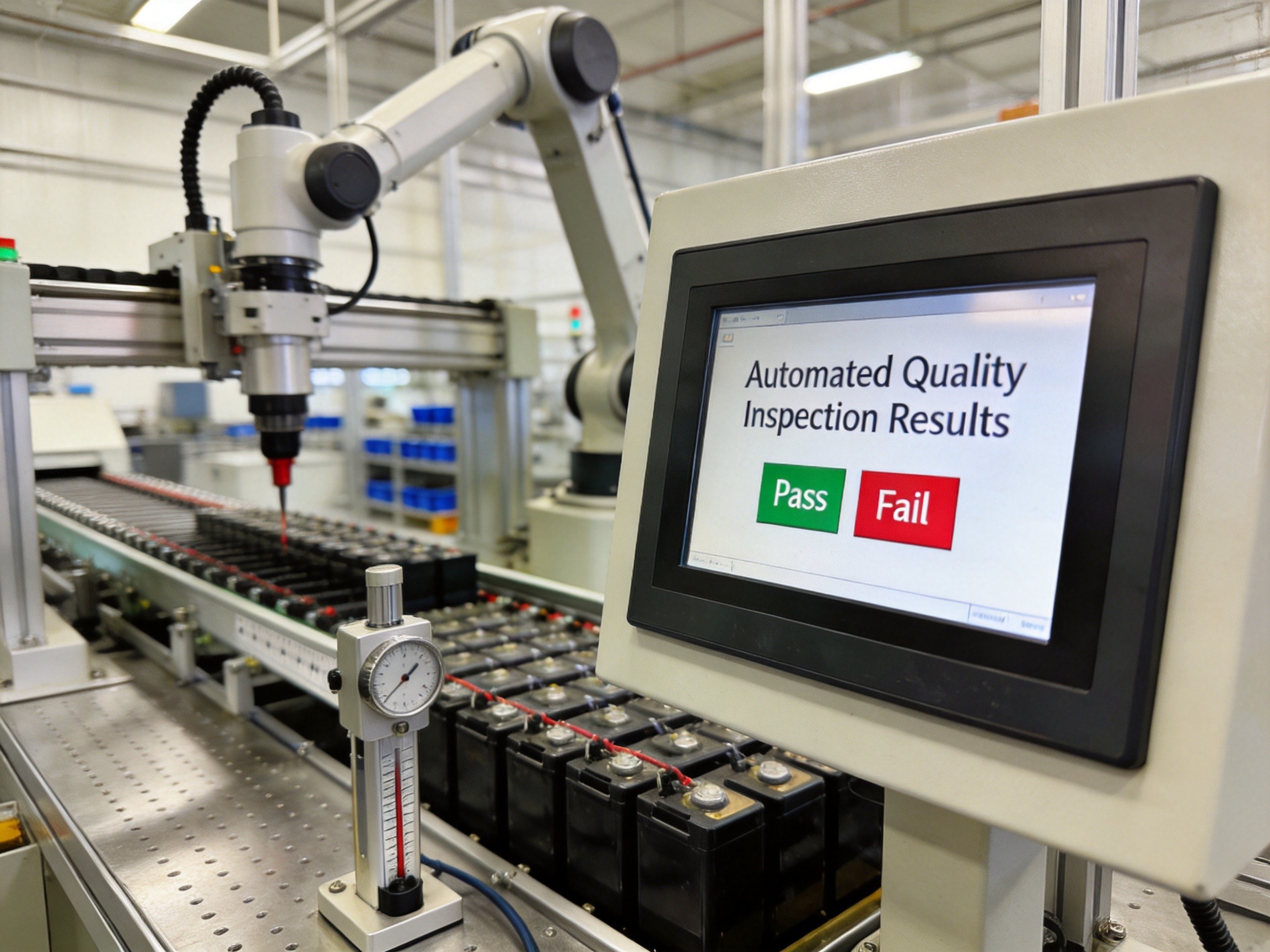
End-of-line testing is the final quality gate before battery cells, modules, or packs ship to automotive customers. The test sequence includes AC internal resistance measurement, open-circuit voltage verification, insulation resistance testing, and electrochemical impedance spectroscopy. Defective cells must be identified with near-zero false-negative rates, as a single failed cell can compromise an entire vehicle battery pack. Panel PCs at end-of-line stations interface with precision measurement instruments over Ethernet-based protocols, executing pass-fail algorithms and logging results to manufacturing execution systems. A typical prismatic cell line produces 20 to 30 cells per minute, each test cycle completing in under two seconds. KOXIAN panel PCs configured for end-of-line testing incorporate high-speed data acquisition and real-time operating system support to meet these cycle-time constraints while maintaining full traceability for every cell processed.
From Single Line to Multi-Gigawatt Scale
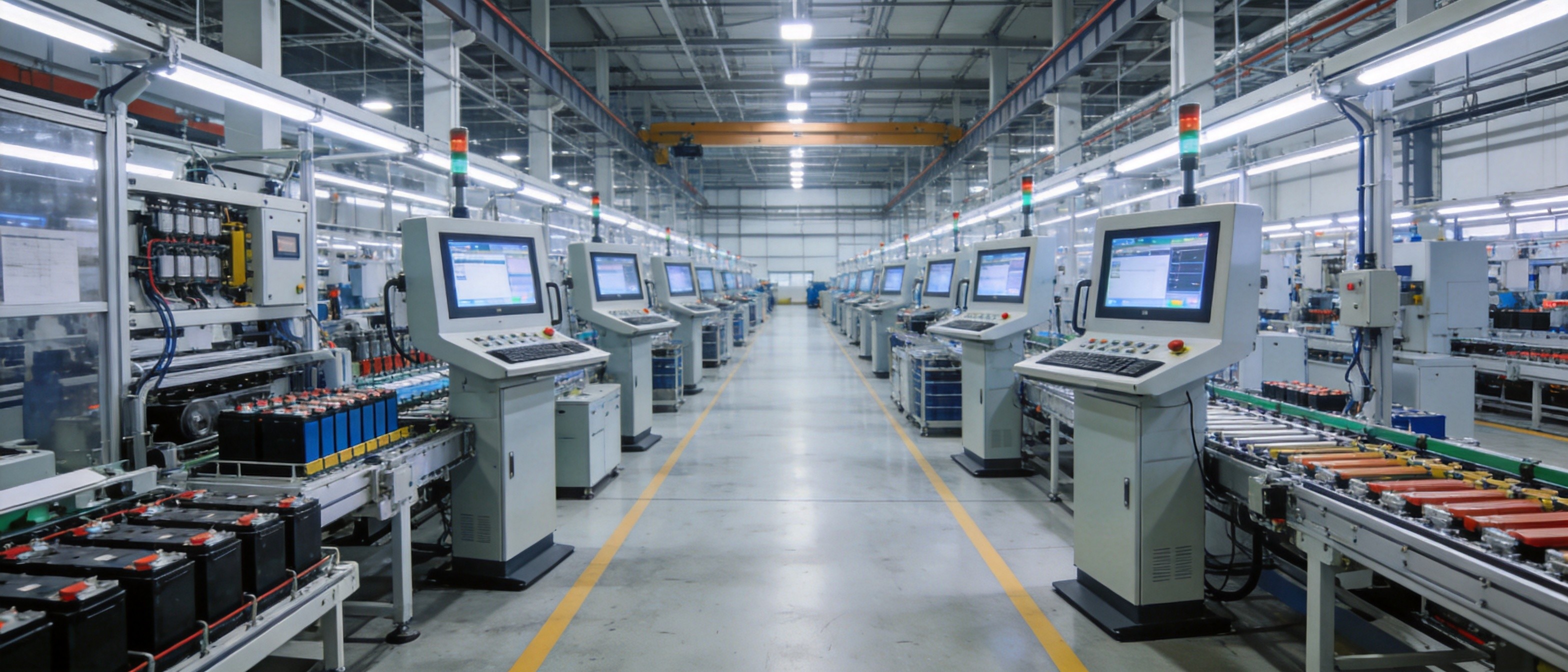
As gigafactories multiply across North America, Europe, and Southeast Asia, the computing infrastructure supporting battery production is evolving from standalone terminals to networked, data-driven architectures. The shift toward dry electrode coating processes, pioneered by Tesla and pursued by PowerCo, LG, and Samsung SDI, will further transform computing requirements by eliminating solvent management and introducing new process control variables. The industry’s trajectory points toward more integrated, intelligent, and resilient computing at every stage of the battery manufacturing value chain.
Battery gigafactories represent one of the most demanding computing environments in modern manufacturing. The combination of chemical exposure, thermal stress, high-speed data acquisition, and zero-tolerance quality requirements creates unique specifications for industrial panel PCs. As the global battery industry races toward terawatt-hour-scale production capacity, the reliability of these computing platforms directly influences cell quality, production yield, and the safety of the electric vehicles they power.