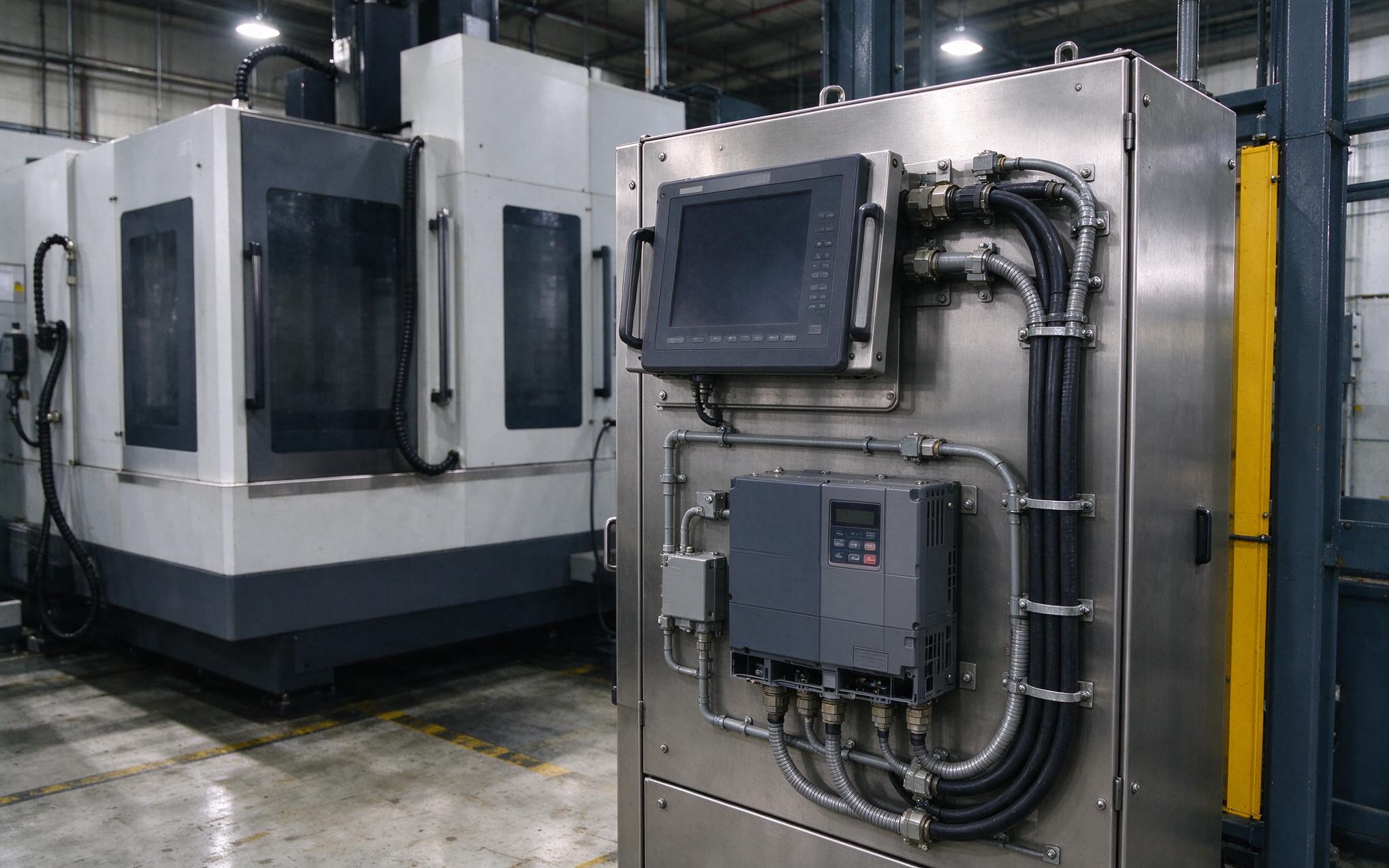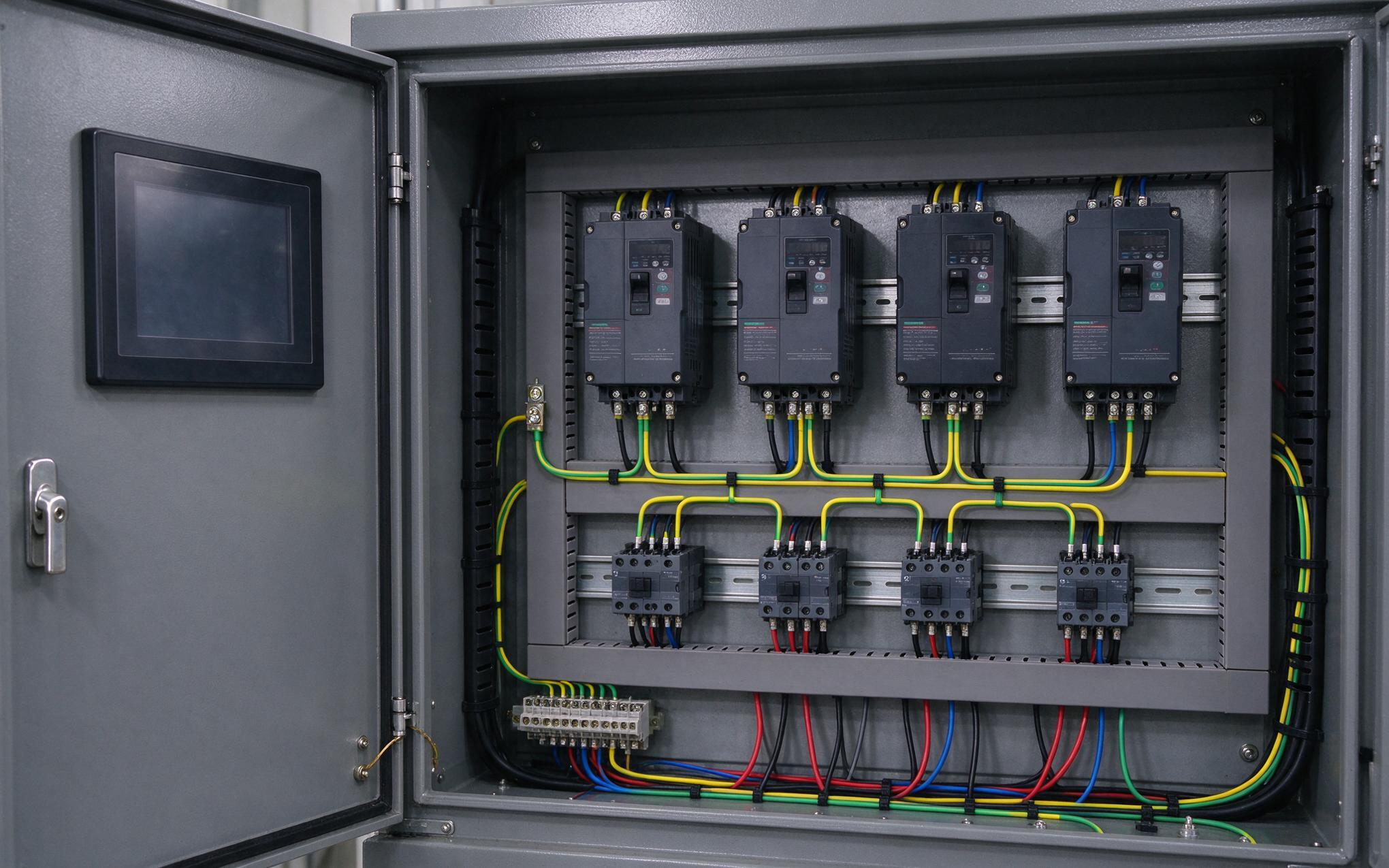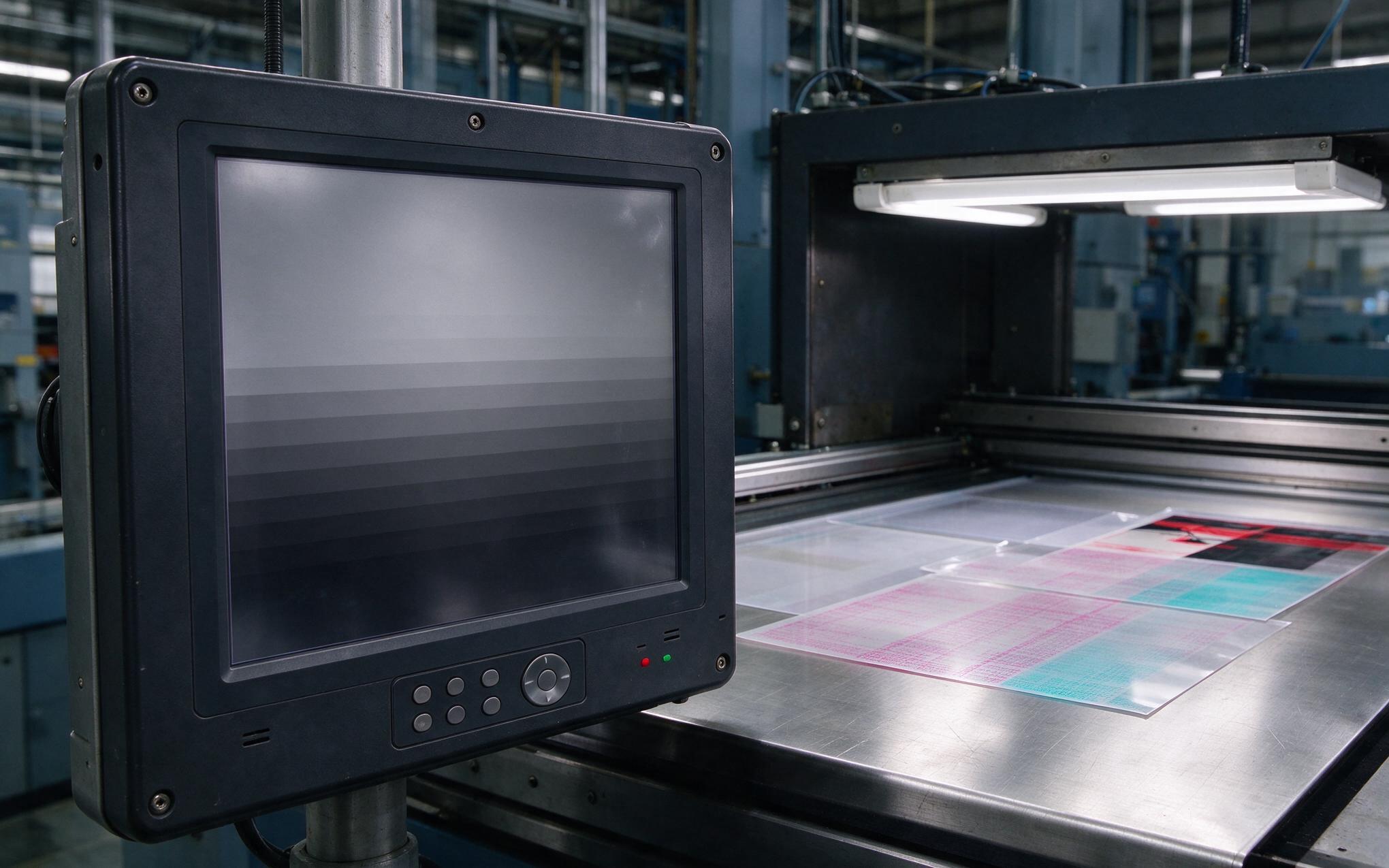
Solar farms, wind turbine arrays, and battery energy storage stations share a common operational challenge: they spread across hundreds of acres in remote locations, yet operators need real-time visibility into every inverter, transformer, and power conditioning unit. The recent publication of mandatory energy efficiency standards for photovoltaic components and inverters—scheduled for enforcement in early 2027—has added new urgency. Operators must now demonstrate continuous compliance with efficiency thresholds at the individual equipment level. This regulatory shift transforms remote monitoring from a nice-to-have into a compliance necessity, placing industrial panel PCs at the center of the data acquisition architecture.
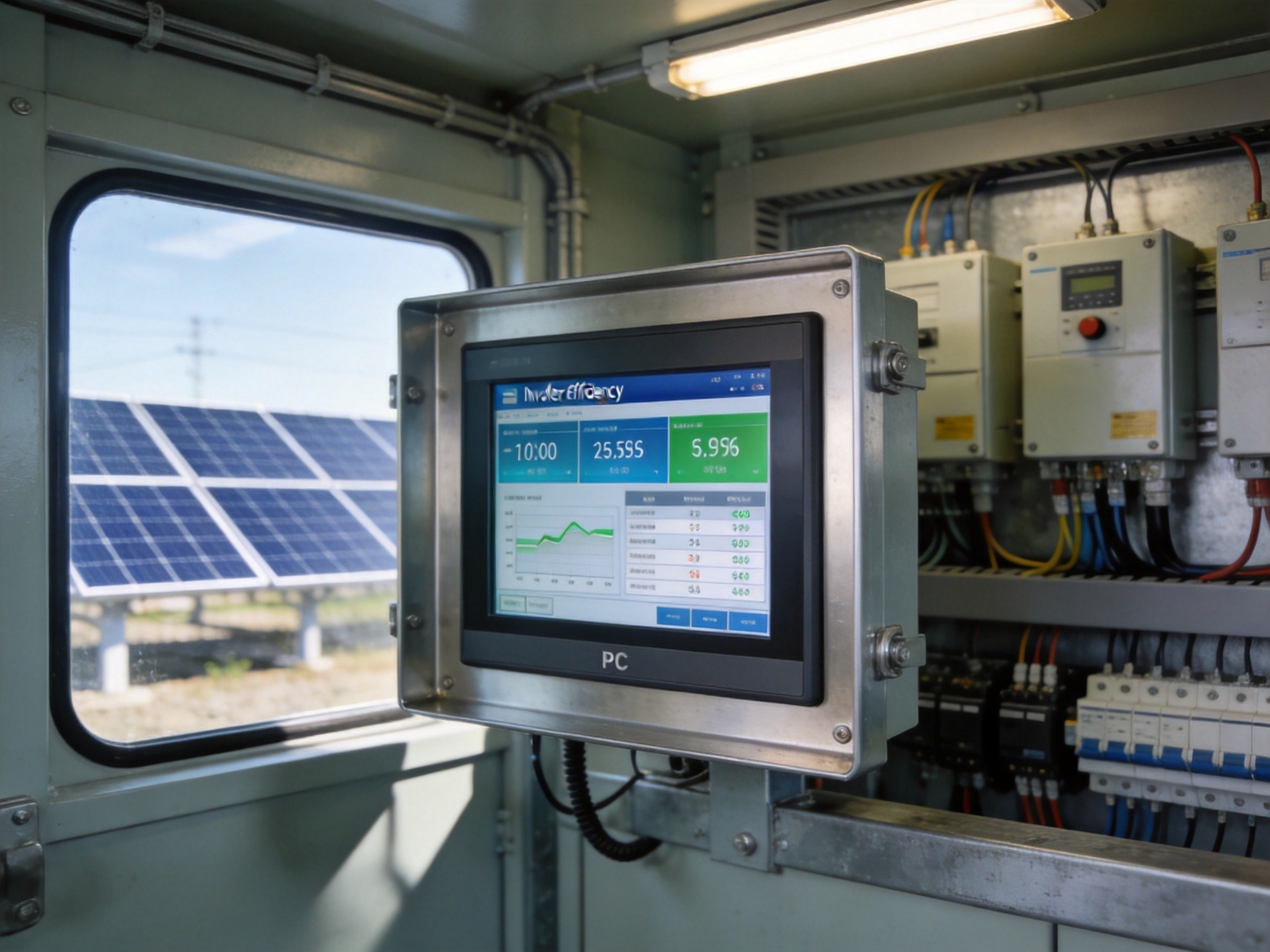
The Data Acquisition Chain in Renewable Energy Stations
A typical utility-scale PV installation contains hundreds of string inverters, each generating operational parameters that must be captured, time-stamped, and forwarded to a central monitoring system. The data acquisition terminal polls each inverter for DC input voltage, AC output power, conversion efficiency, internal temperature, and fault codes. For wind farms, the terminal additionally collects pitch angle, yaw position, generator speed, and gearbox vibration data. Battery storage stations add state-of-charge, cell voltage balance, and thermal management status. The industrial panel PC serving as the data concentrator must handle multi-protocol polling across hundreds of endpoints while maintaining a sampling interval tight enough to detect sub-second transient events—an inverter trip, a sudden wind gust causing overspeed, a cell thermal runaway precursor.
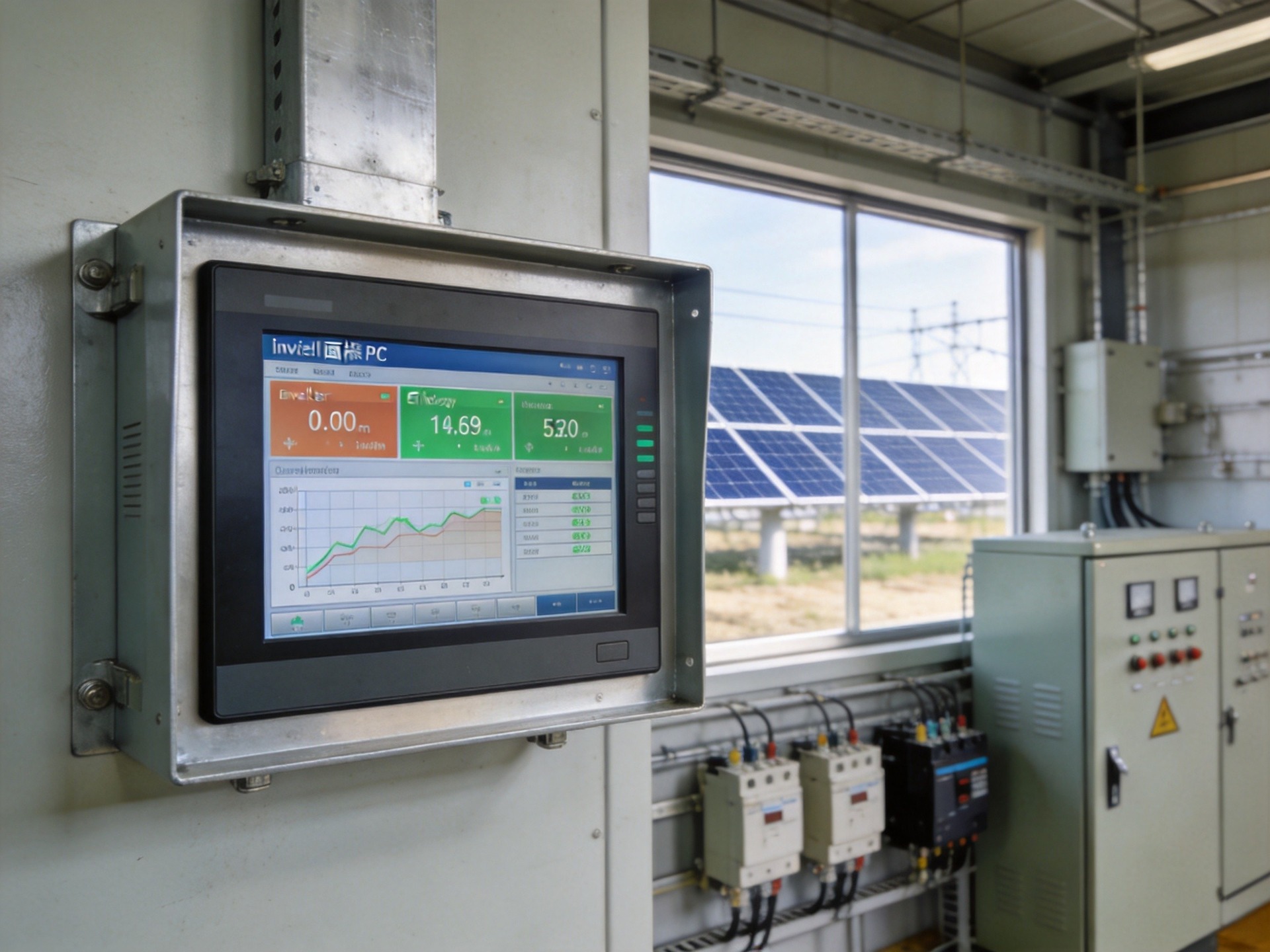
Environmental Hardening for Outdoor Substation Deployment
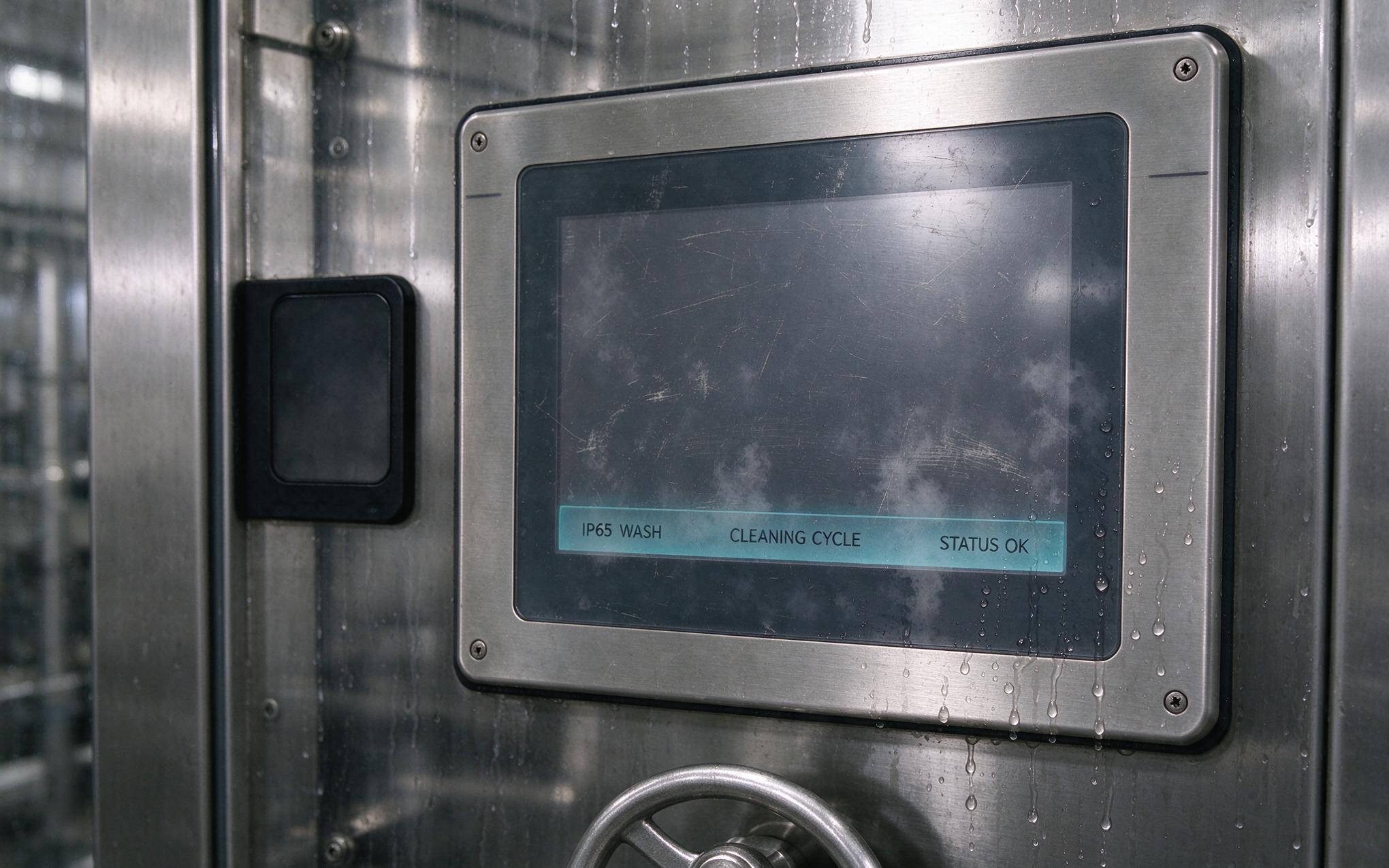
Renewable energy stations expose monitoring hardware to conditions that destroy commercial-grade electronics within weeks. Solar farms in desert regions subject equipment to 50°C ambient temperatures and fine dust that penetrates unsealed enclosures. Offshore wind installations add salt spray corrosion. An IP65-rated enclosure with an all-aluminum alloy chassis provides the necessary ingress protection while acting as a passive heat sink. The display must remain readable in direct sunlight, requiring optical bonding and a minimum luminance of 1,000 cd/m². Industrial panel PCs designed for outdoor energy applications incorporate these hardening measures as standard, not as options, because the cost of a single monitoring failure during a grid compliance audit far exceeds the incremental hardware investment.
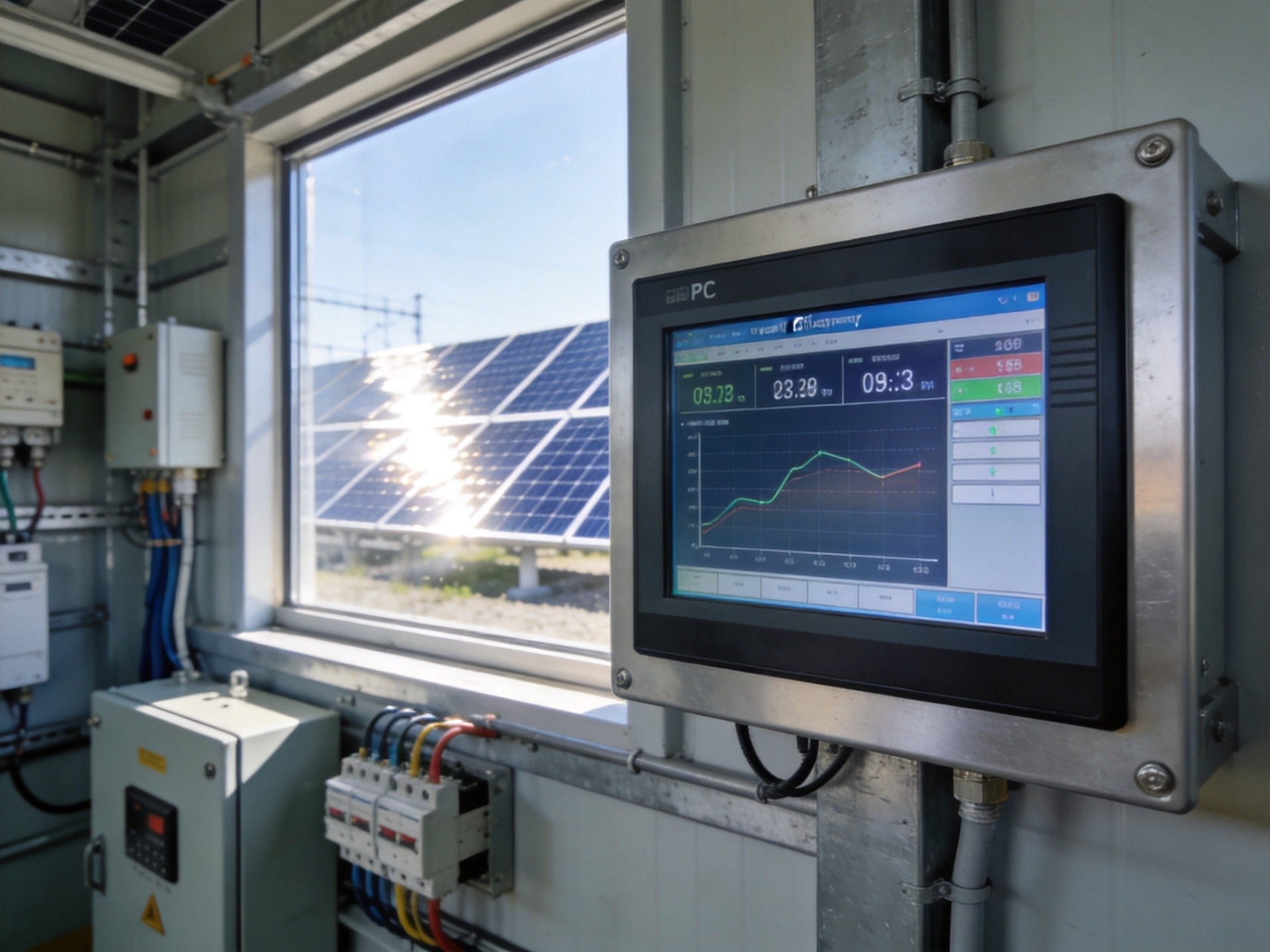
Edge Analytics for Efficiency Compliance
The new efficiency standards require operators to track weighted average conversion efficiency and maximum conversion efficiency for each inverter. Raw polling data alone does not satisfy this requirement; the terminal must compute rolling averages, detect degradation trends, and flag inverters drifting below the compliance threshold. Running these analytics at the edge avoids the latency and bandwidth cost of streaming raw data to a cloud platform. The edge node calculates key performance indicators locally, transmits only aggregated compliance reports, and retains high-resolution data for audit purposes. This architecture also enables autonomous response: if an inverter’s efficiency drops below a configurable threshold, the edge terminal can trigger an alert or initiate a graceful shutdown without waiting for a command from the central control room. Industrial panel PCs from manufacturers focused on renewable energy applications provide the compute capacity and environmental resilience for this distributed analytics model.
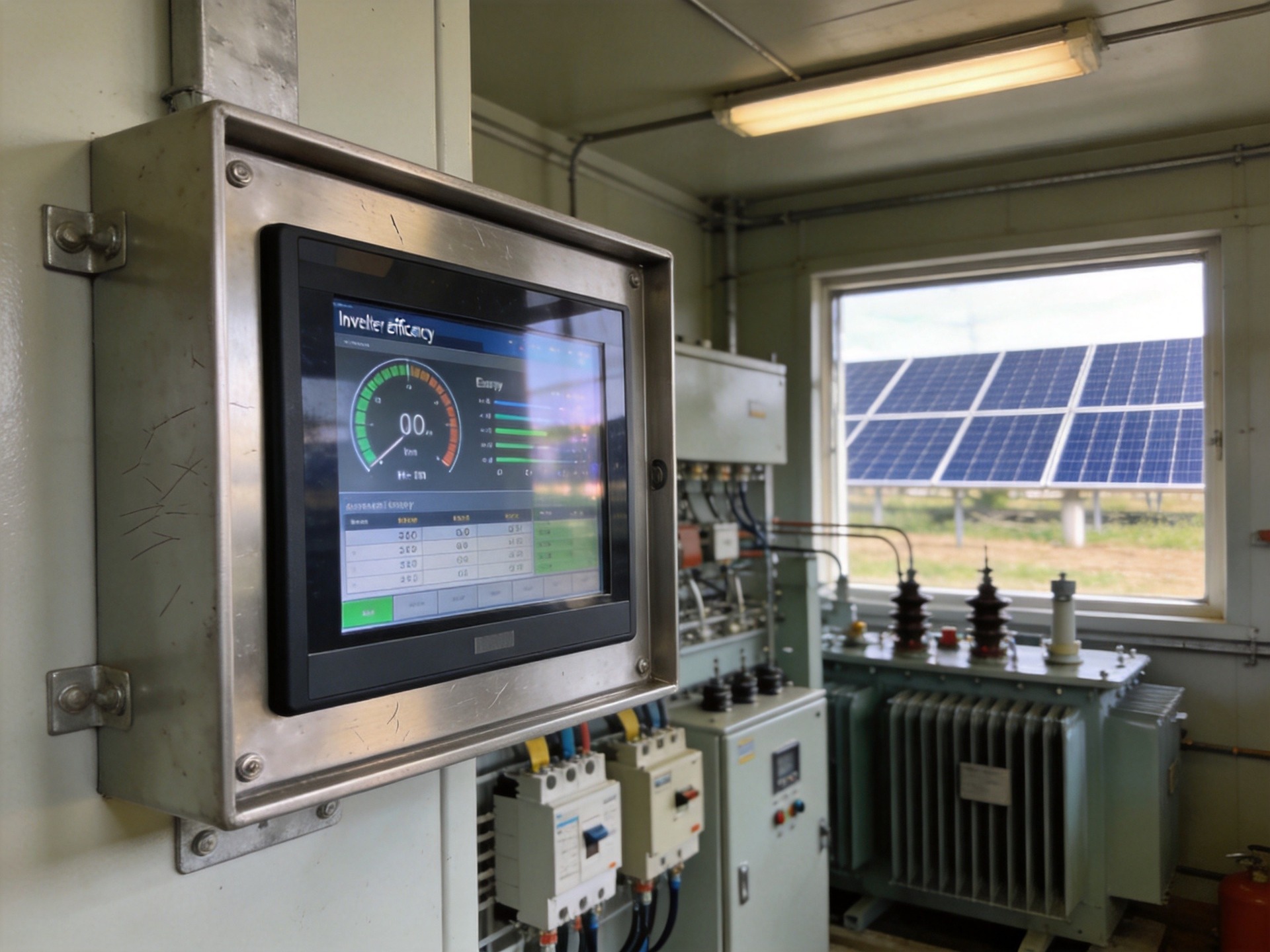
Communication Redundancy for Remote Sites
Remote energy stations cannot rely on a single communication path. Fiber cuts, cellular congestion, and satellite link degradation are all foreseeable failure modes. The data acquisition terminal should support dual-SIM cellular with automatic failover, an Ethernet port for local fiber backhaul, and optionally a satellite modem interface. The terminal must implement store-and-forward buffering: when all uplinks are down, data continues to be collected and stored locally, then transmitted in bulk when connectivity is restored. Industrial panel PCs with multiple communication interfaces and solid-state storage exceeding 256 GB can buffer weeks of high-resolution inverter data, providing a safety margin that makes the monitoring architecture resilient to extended connectivity interruptions.
As mandatory efficiency standards reshape operational requirements for renewable energy assets, the role of the data acquisition terminal evolves from passive data logger to active compliance engine. The industrial panel PC at the substation edge is no longer just a display—it is the computational core of a distributed monitoring architecture that must deliver sub-second data capture, continuous analytics, and fail-safe communication in some of the harshest environments on the planet.