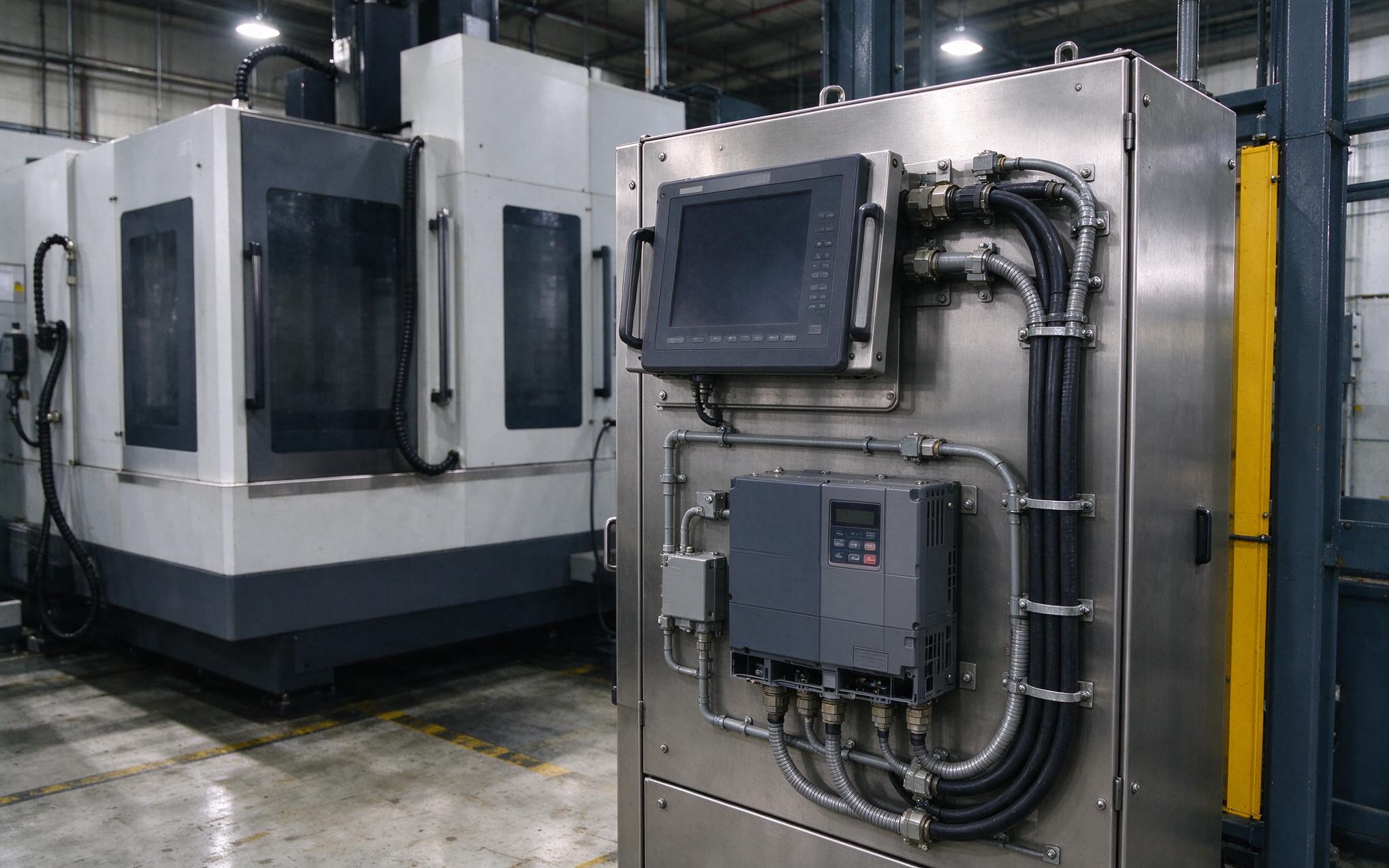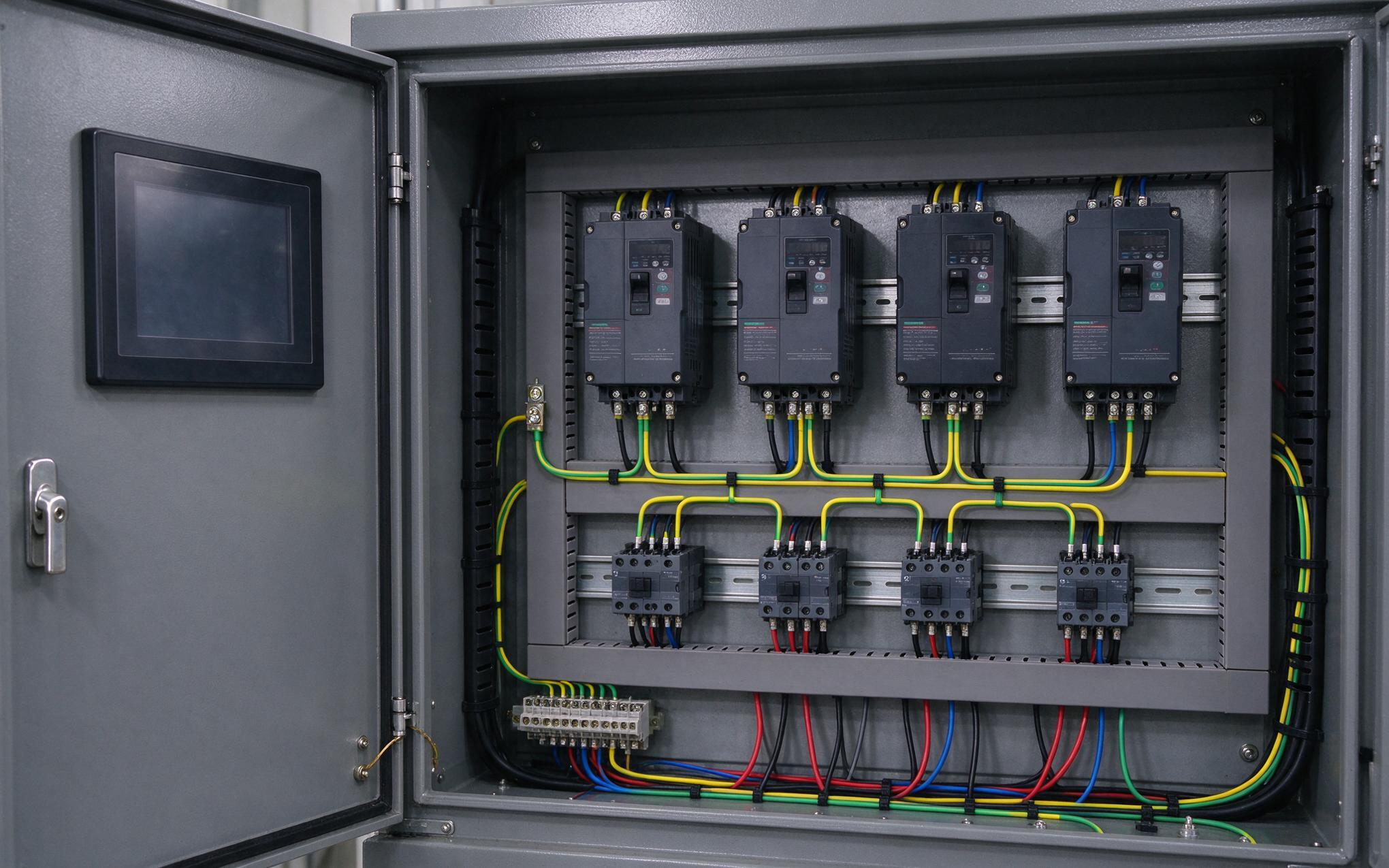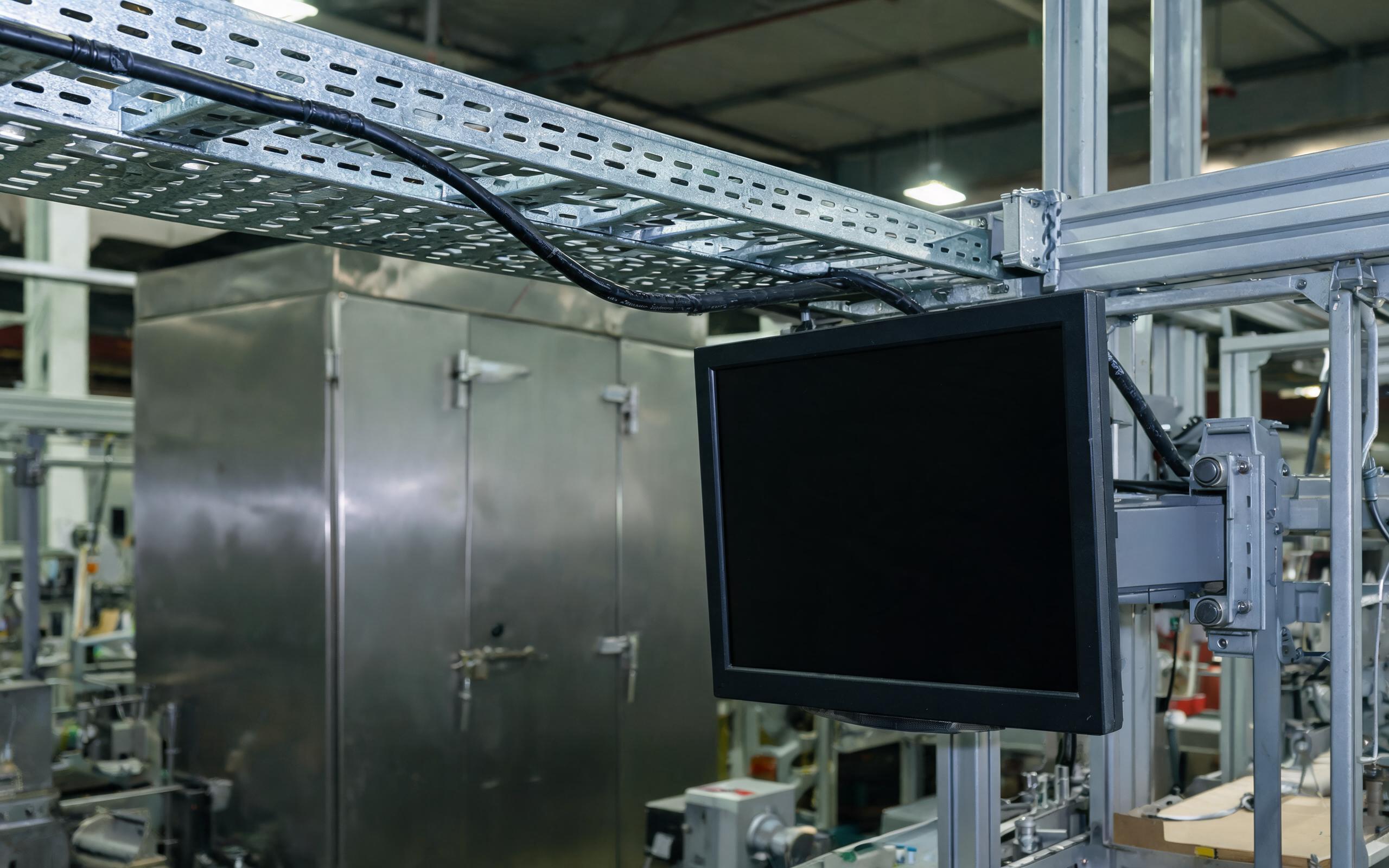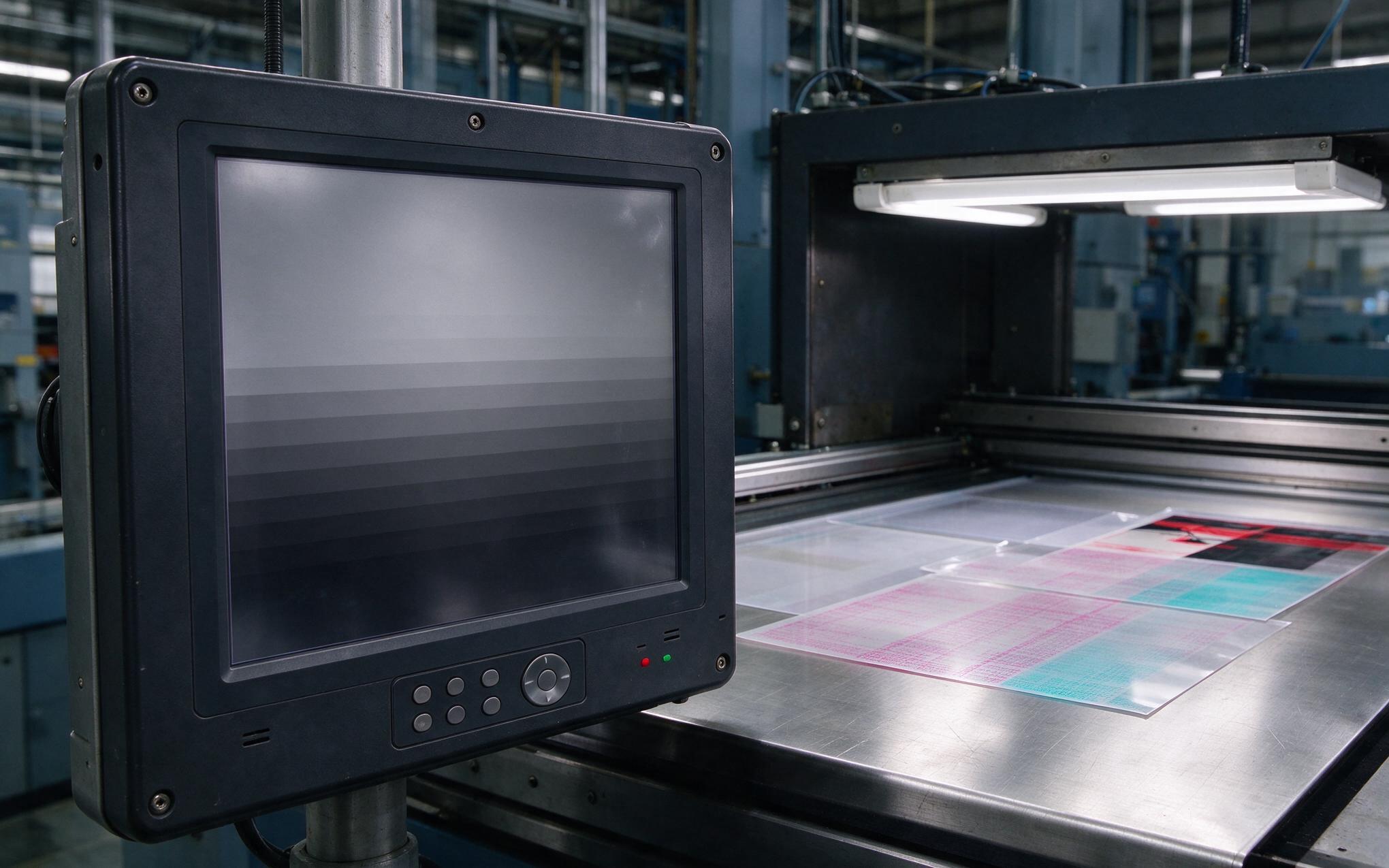
Edge computing has quietly reshaped how industrial facilities process the torrent of data streaming off their production floors. Rather than shipping every sensor reading to a distant cloud server, edge architectures place computational resources directly on the factory terminal—within meters of the machinery generating the data. This shift is not about replacing the cloud; it is about acknowledging that some industrial decisions cannot afford the round-trip latency of a remote data center, especially when a critical process parameter drifts out of tolerance and corrective action must happen in milliseconds.
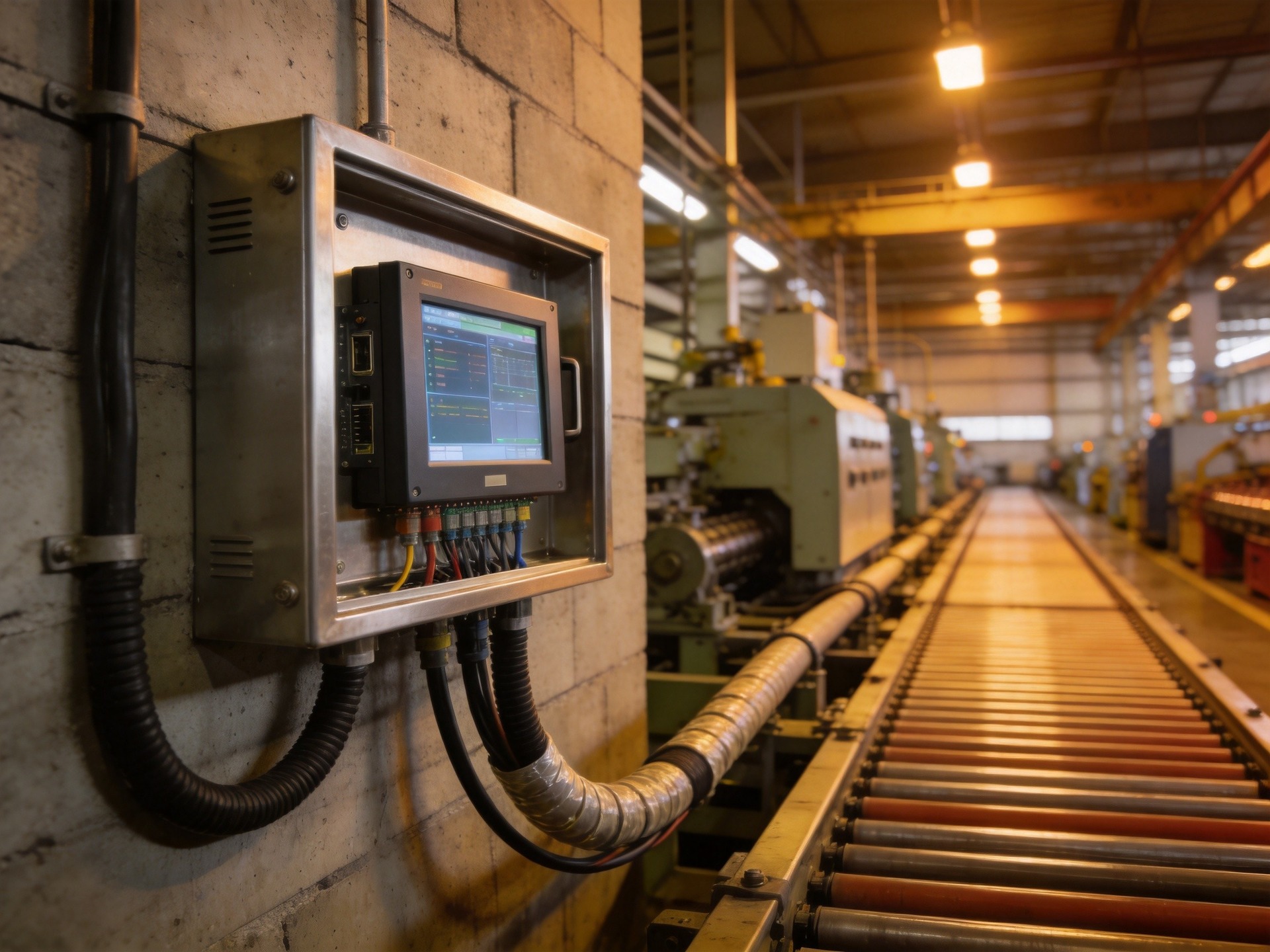
Why Latency Matters in Industrial Environments
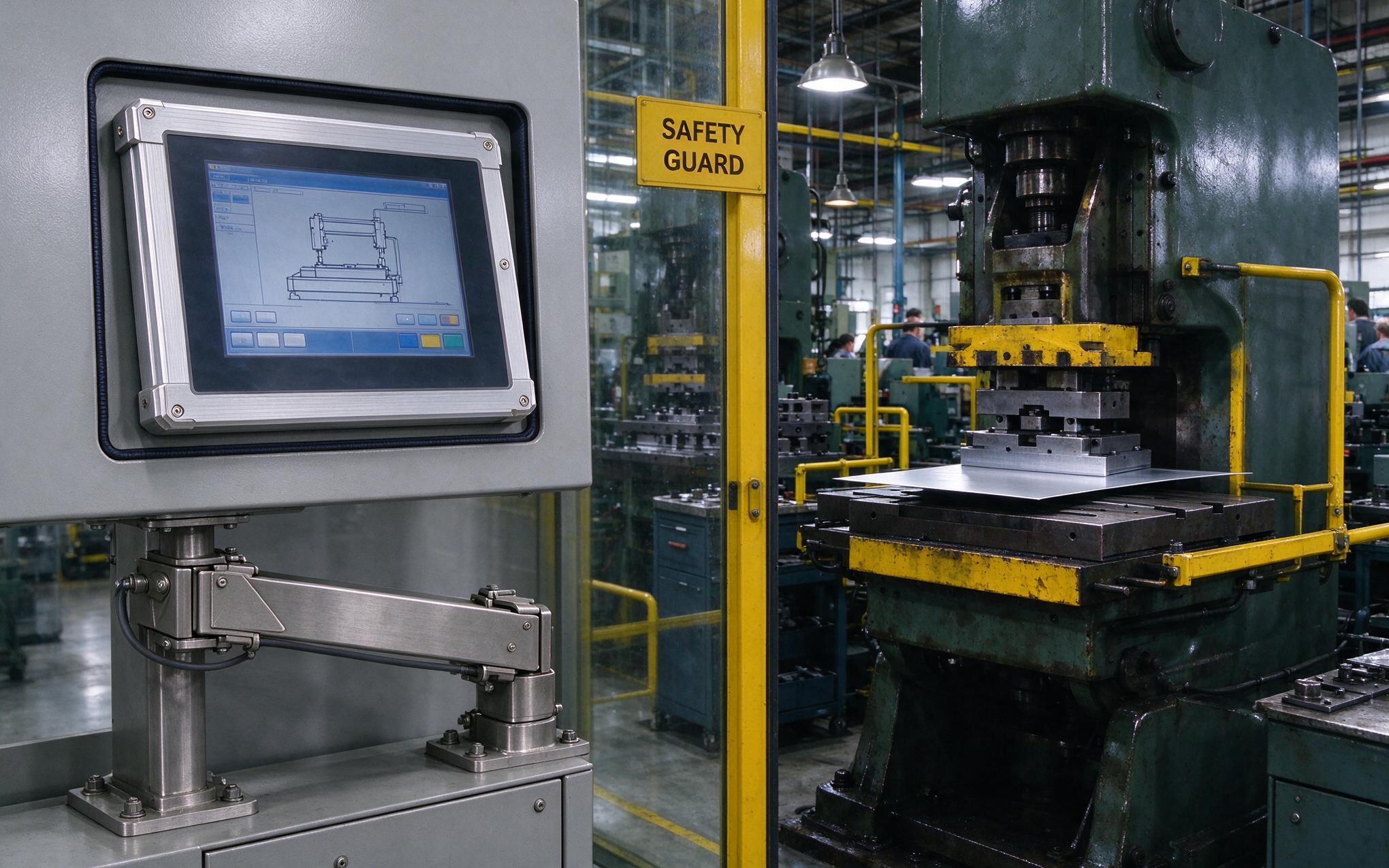
In a high-speed bottling line, a pressure anomaly must trigger a valve adjustment within 50 milliseconds. Send that data to a cloud instance 300 miles away and the valve misses its window before the response returns. Edge computing collapses this decision loop to single-digit milliseconds by running inference models on a local processing unit inside the industrial terminal itself. For facilities with intermittent connectivity—offshore platforms, remote mining sites, mobile containerized plants—this local autonomy is not a luxury; it is the difference between continuous operation and unplanned downtime. The architecture strips away the network dependency that makes cloud-only approaches unsuitable for real-time closed-loop control.
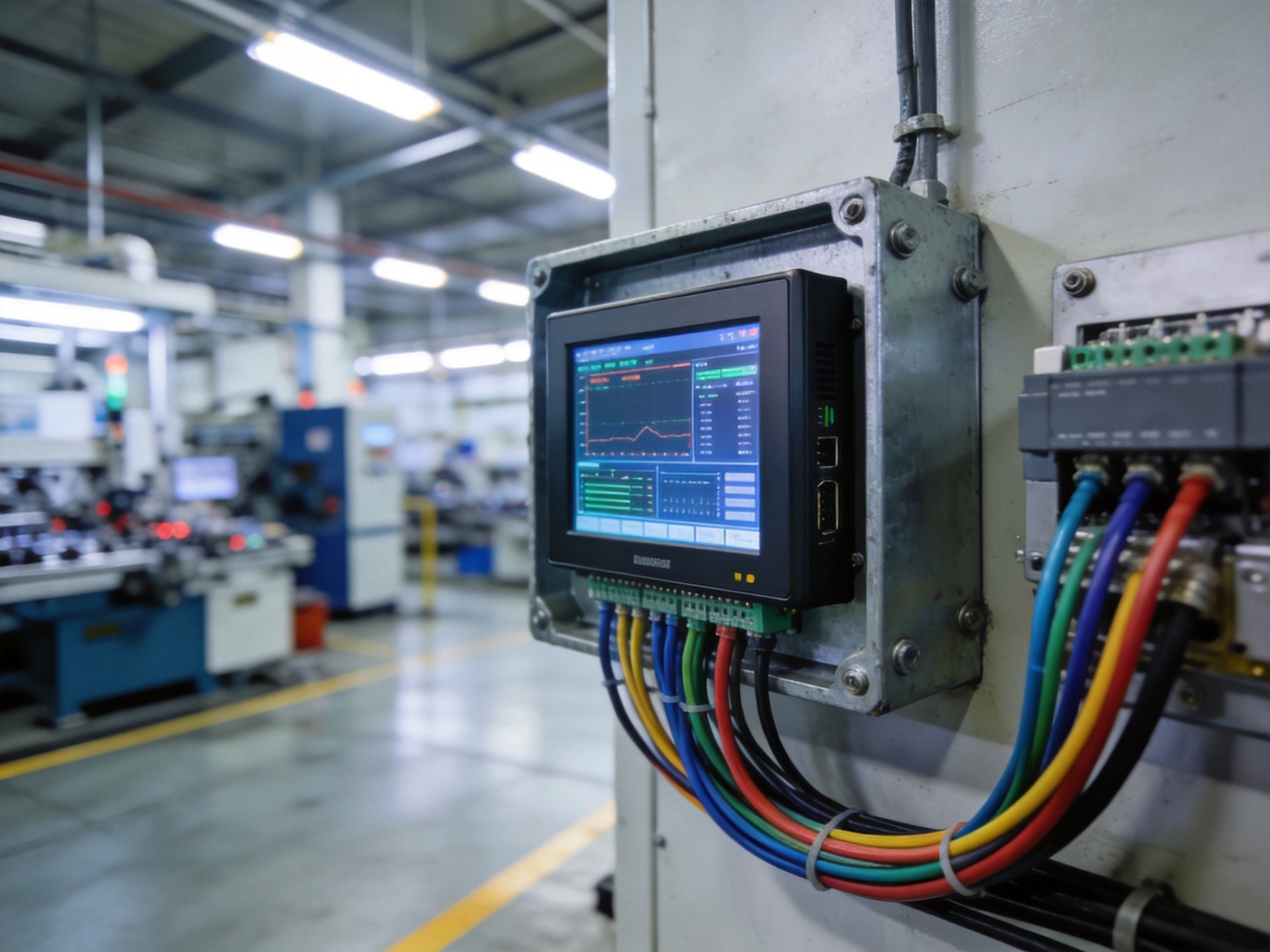
The Edge Architecture Stack on Industrial Terminals
Deploying edge computing on an industrial terminal involves three functional layers on the same physical hardware. A data ingestion layer normalizes signals from disparate sensors—thermocouples, accelerometers, current transducers—into a unified time-series stream. The middle layer runs containerized analytics engines that execute anomaly detection, statistical process control, and predictive maintenance classifiers. The top layer manages northbound communication, pushing aggregated results to a centralized monitoring platform while retaining raw data locally for forensic analysis. Industrial panel PCs built on x86 architectures provide the compute headroom for this stack, while ARM-based variants offer lower power envelopes for thermally constrained deployments. The choice depends on the computational intensity of the inference workload and the physical environment of the installation point.
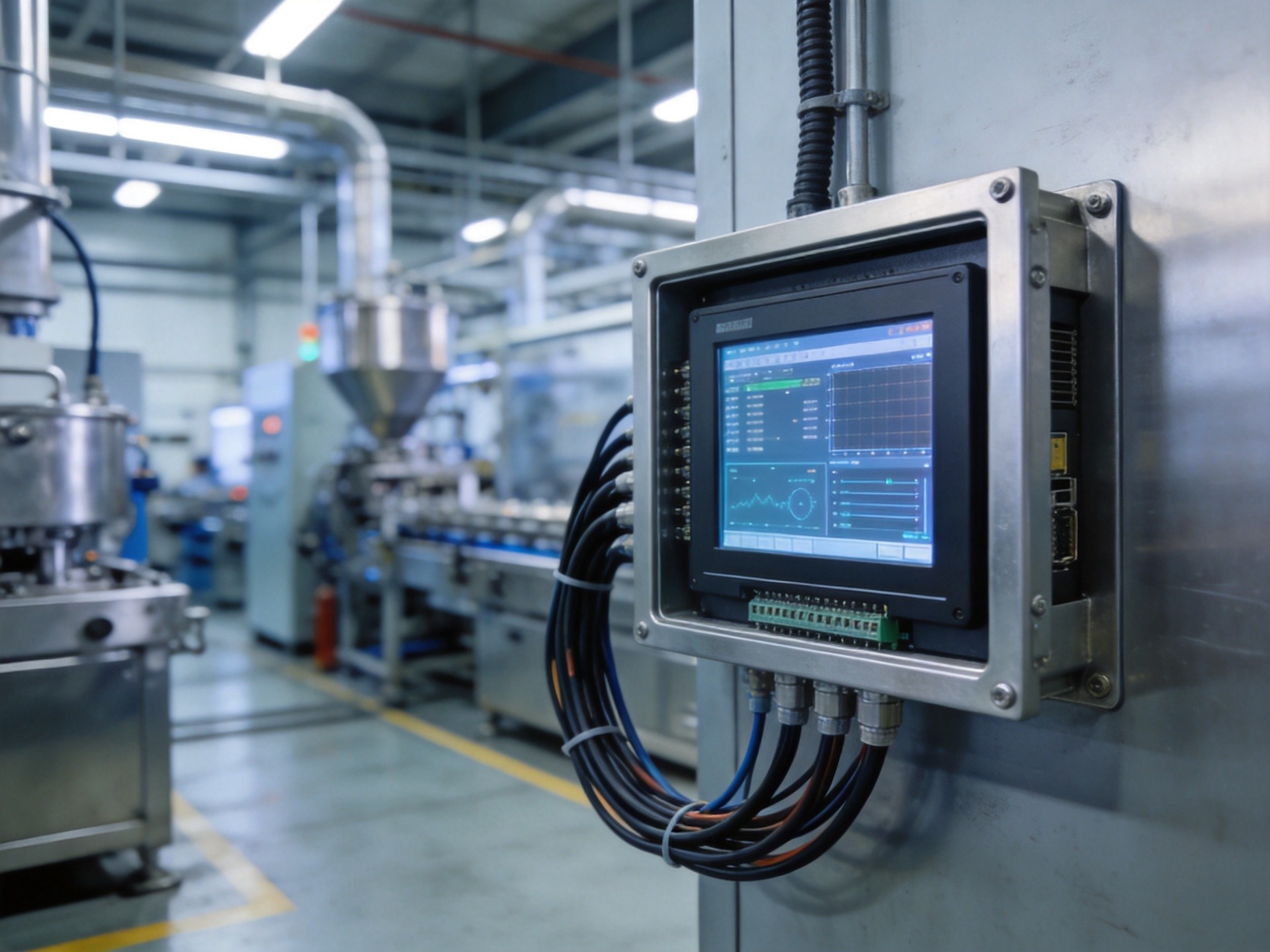
Local Data Processing and the Bandwidth Equation
A single vibration sensor sampling at 20 kHz generates roughly 16 megabytes of data per minute. Multiply that by 200 sensors on a production line and the bandwidth cost of streaming everything to the cloud becomes untenable. Edge computing solves this through intelligent data reduction at the source. The edge node performs fast Fourier transforms on raw vibration waveforms, extracting only the frequency-domain features relevant to bearing health assessment. Instead of shipping megabytes of raw data, it transmits a few kilobytes of structured health indicators. This approach cuts cellular data costs by over 90 percent in typical deployments. The local storage buffer also serves as a black box recorder: when a fault event occurs, engineers retrieve high-resolution pre-incident data from the edge node for root cause analysis impossible with cloud-only logging.
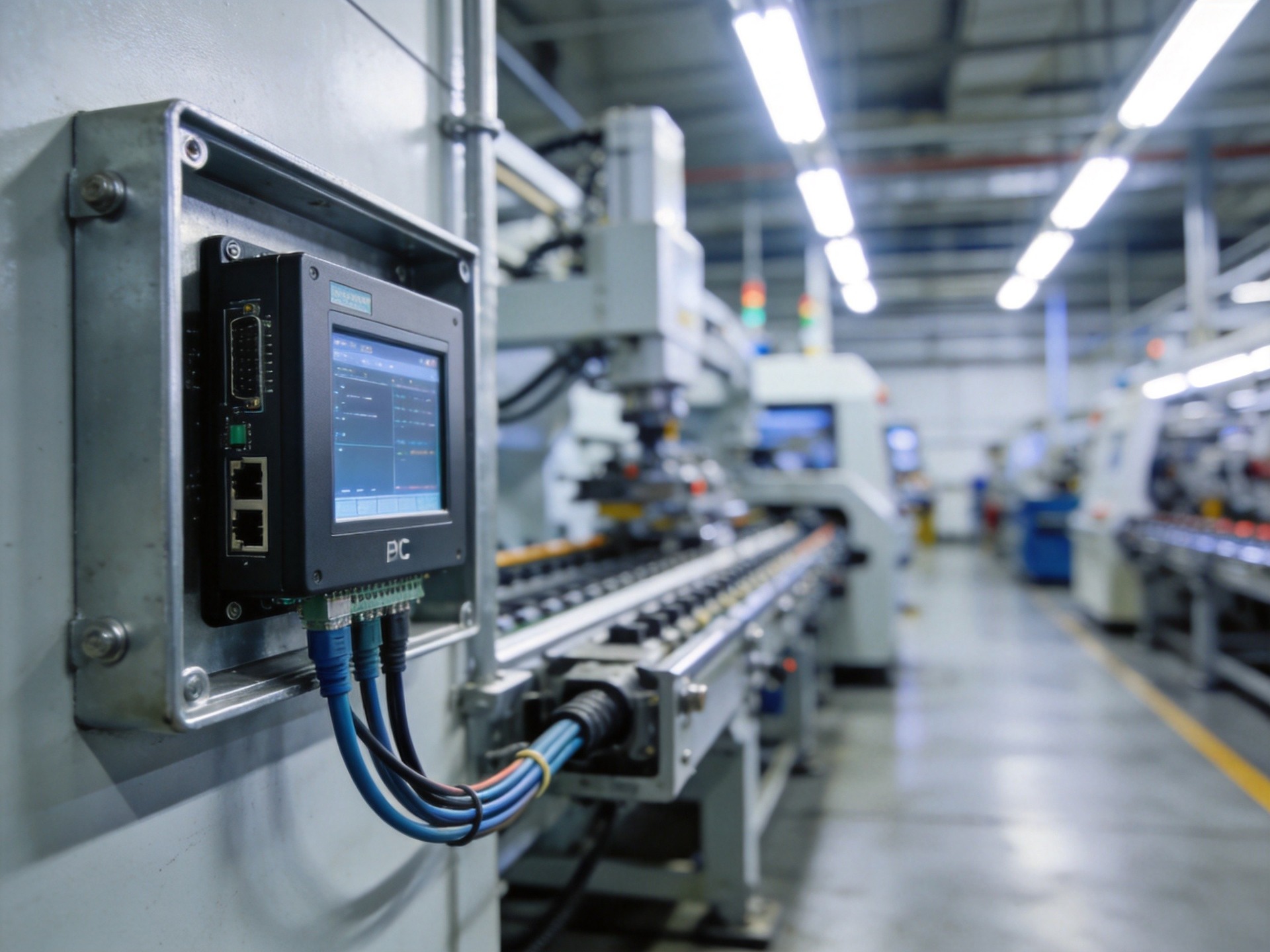
Hardware Considerations for Edge Deployment
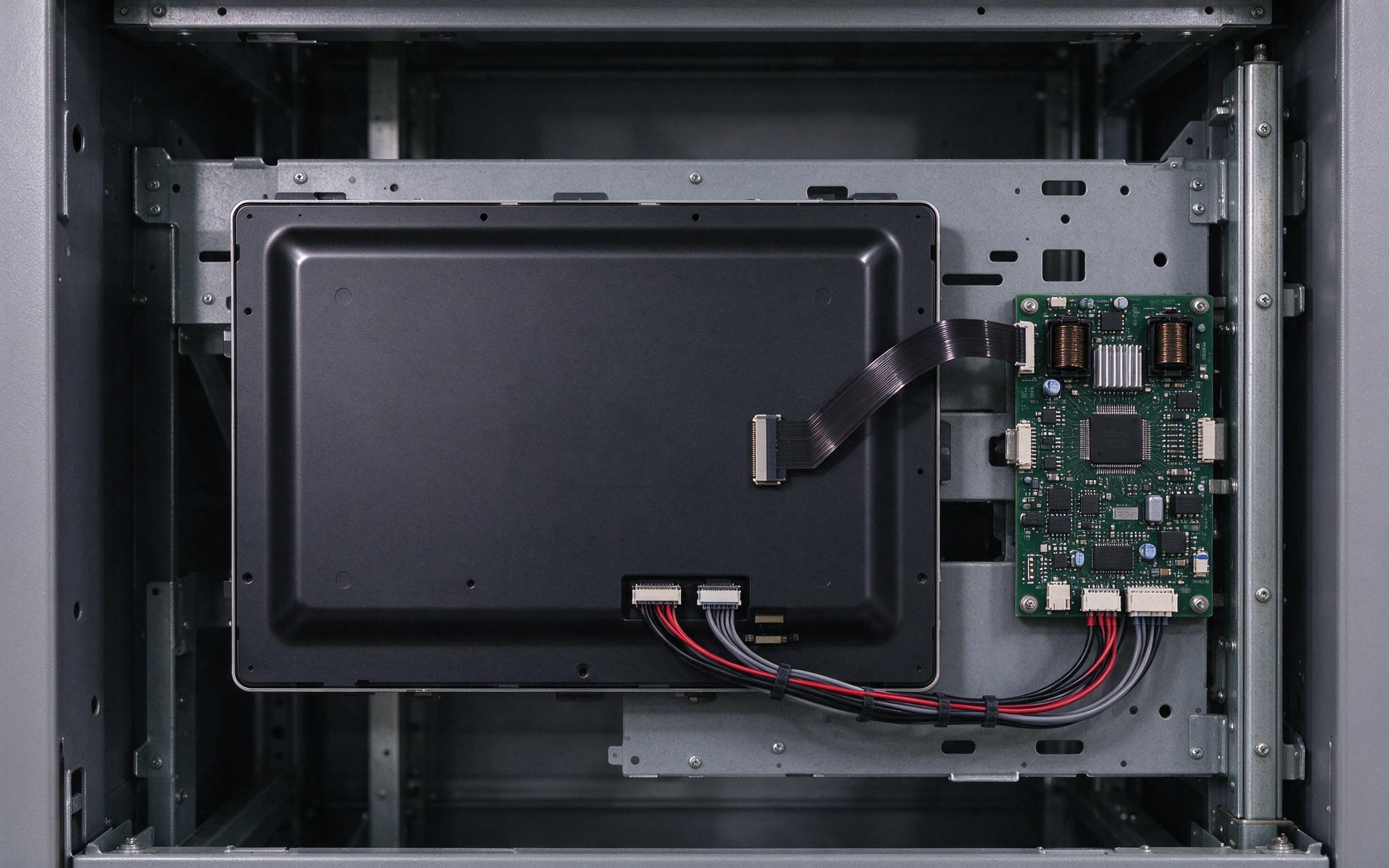
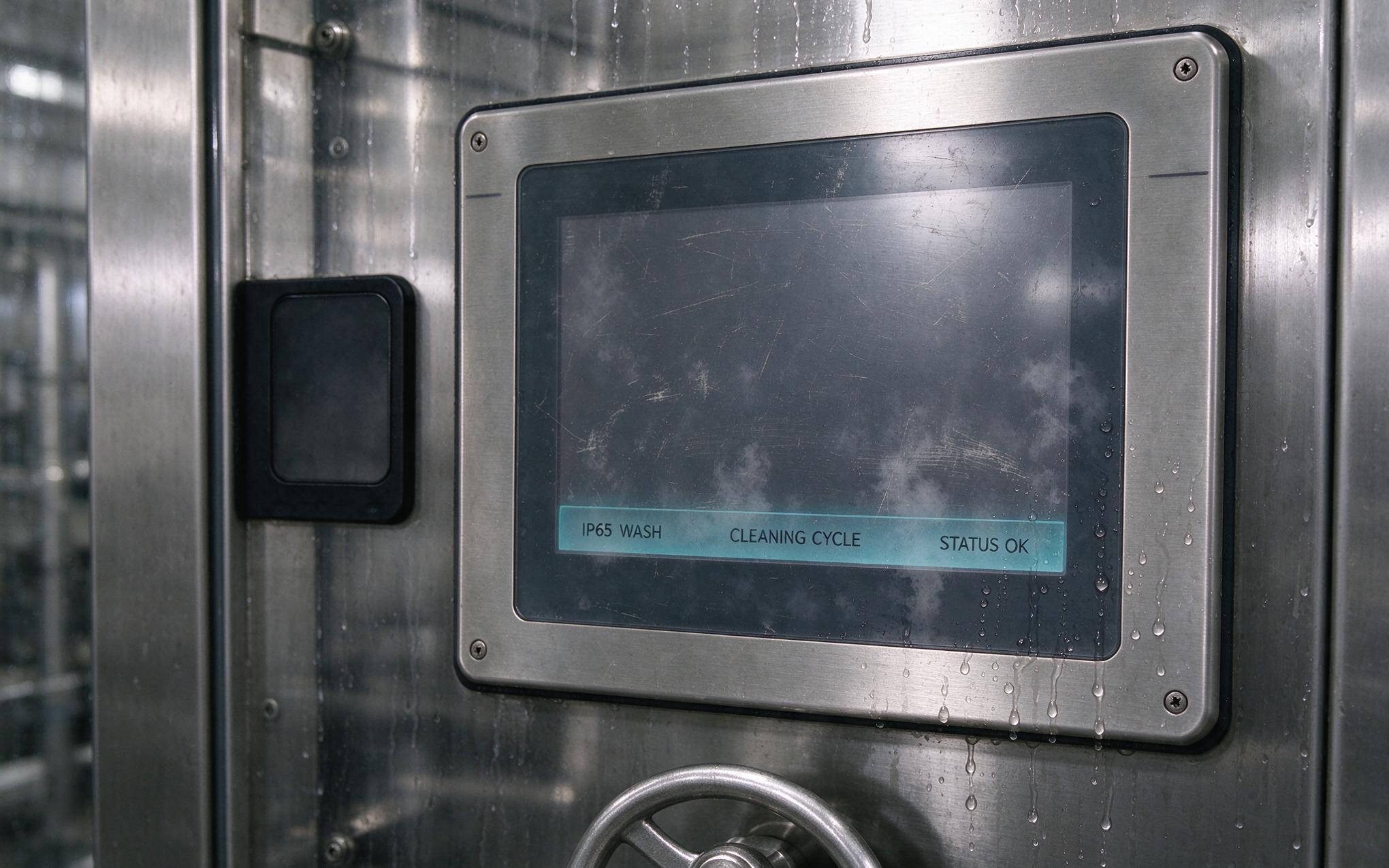
Not every industrial terminal is built to host an edge computing stack. Fanless thermal designs are essential because active cooling fans ingest conductive dust that eventually shorts motherboard traces. Solid-state storage eliminates the mechanical failure point of spinning disks. Wide operating temperature tolerance—spanning from sub-zero cold storage to foundry-adjacent heat—ensures the edge node does not become the weakest link. Industrial panel PCs with fully enclosed aluminum alloy chassis provide the thermal dissipation and particulate isolation required for sustained edge operation. These hardware platforms, developed by manufacturers focused on industrial-grade computing, consolidate data acquisition, processing, and visualization into a single unit, reducing component count and potential failure points at the edge.
Edge computing on industrial terminals is not a theoretical future state. It is an operational reality in facilities where milliseconds matter and connectivity is not guaranteed. The convergence of ruggedized computing hardware with containerized analytics software has created a deployment model that is both technically mature and economically compelling. For plant engineers evaluating their digital infrastructure roadmap, the question is no longer whether to deploy edge intelligence, but which processes to prioritize and what hardware architecture best serves the specific latency, bandwidth, and environmental constraints of their facility.