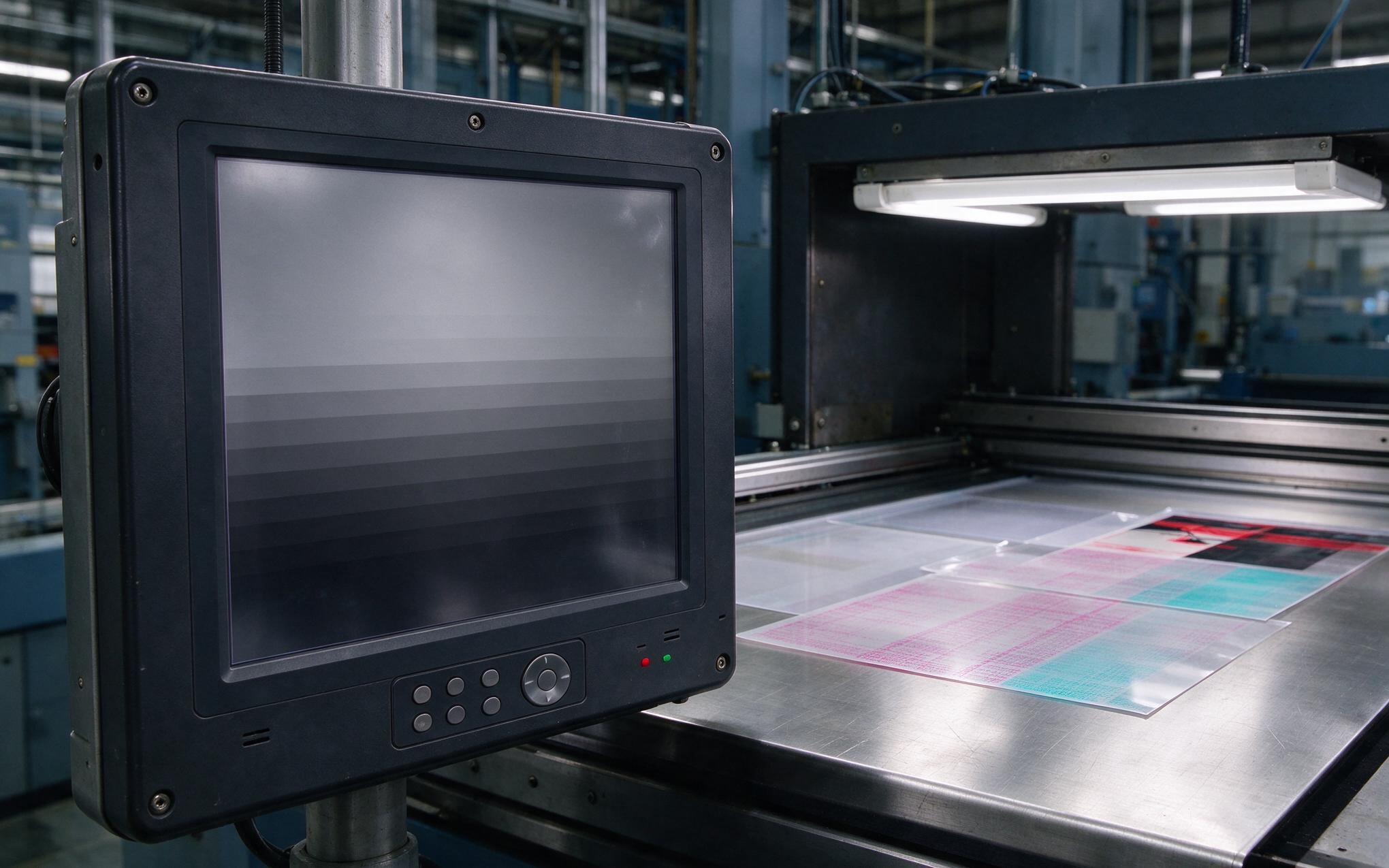
A failure investigation at a Gulf Coast chemical processing plant revealed green corrosion spreading across the solder joints of an unprotected controller board. The unit had been in service for just fourteen months before signal intermittency forced an emergency shutdown of the entire batch line. Post-failure analysis identified the root cause: the board lacked adequate conformal coating industrial PCB protection rated for its chloride-rich operating atmosphere. Selecting the correct coating chemistry, whether acrylic or silicone, would have prevented the failure entirely and saved an estimated forty hours of unplanned production downtime.
Acrylic Chemistry in Conformal Coating Industrial PCB Protection
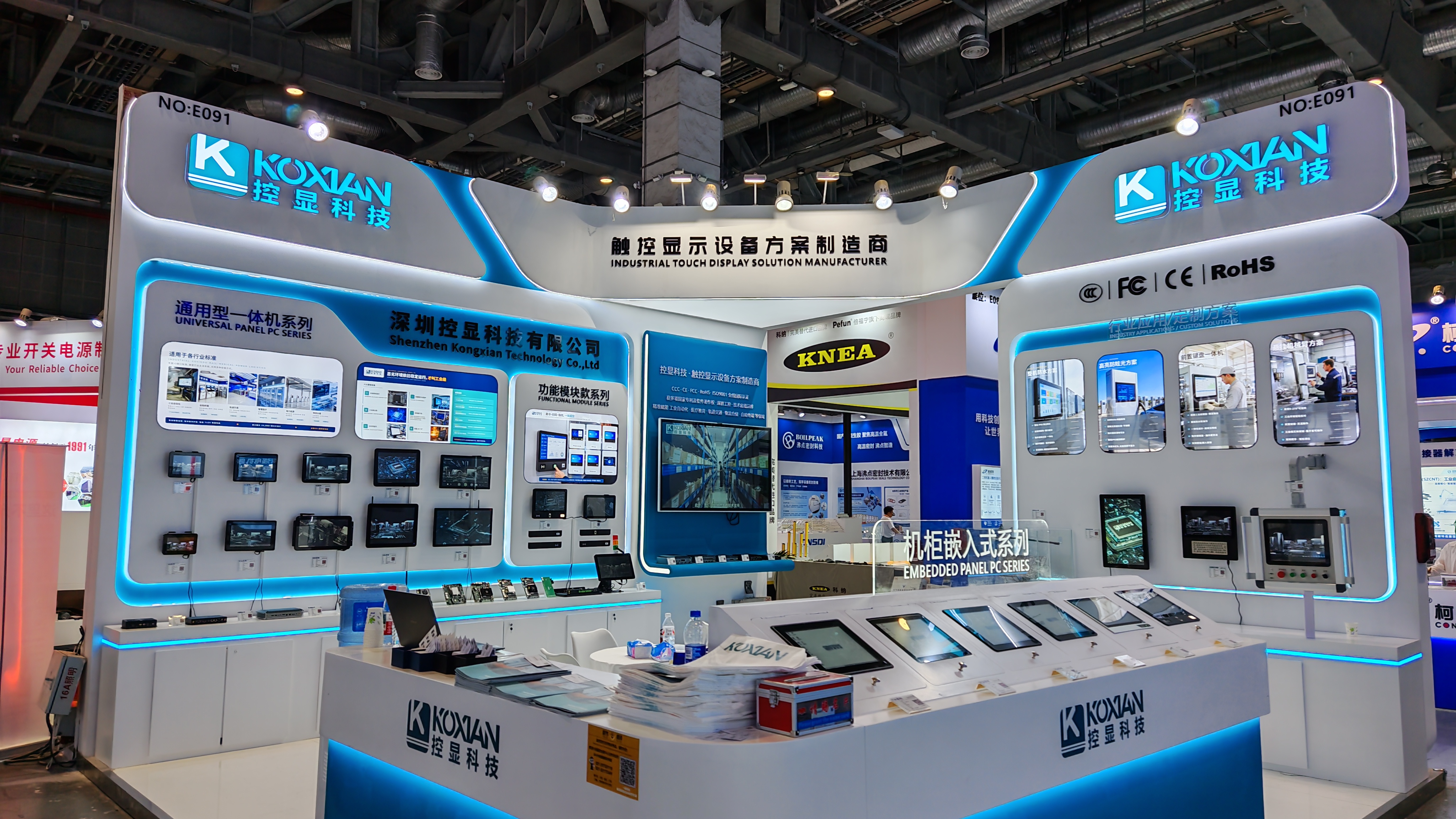
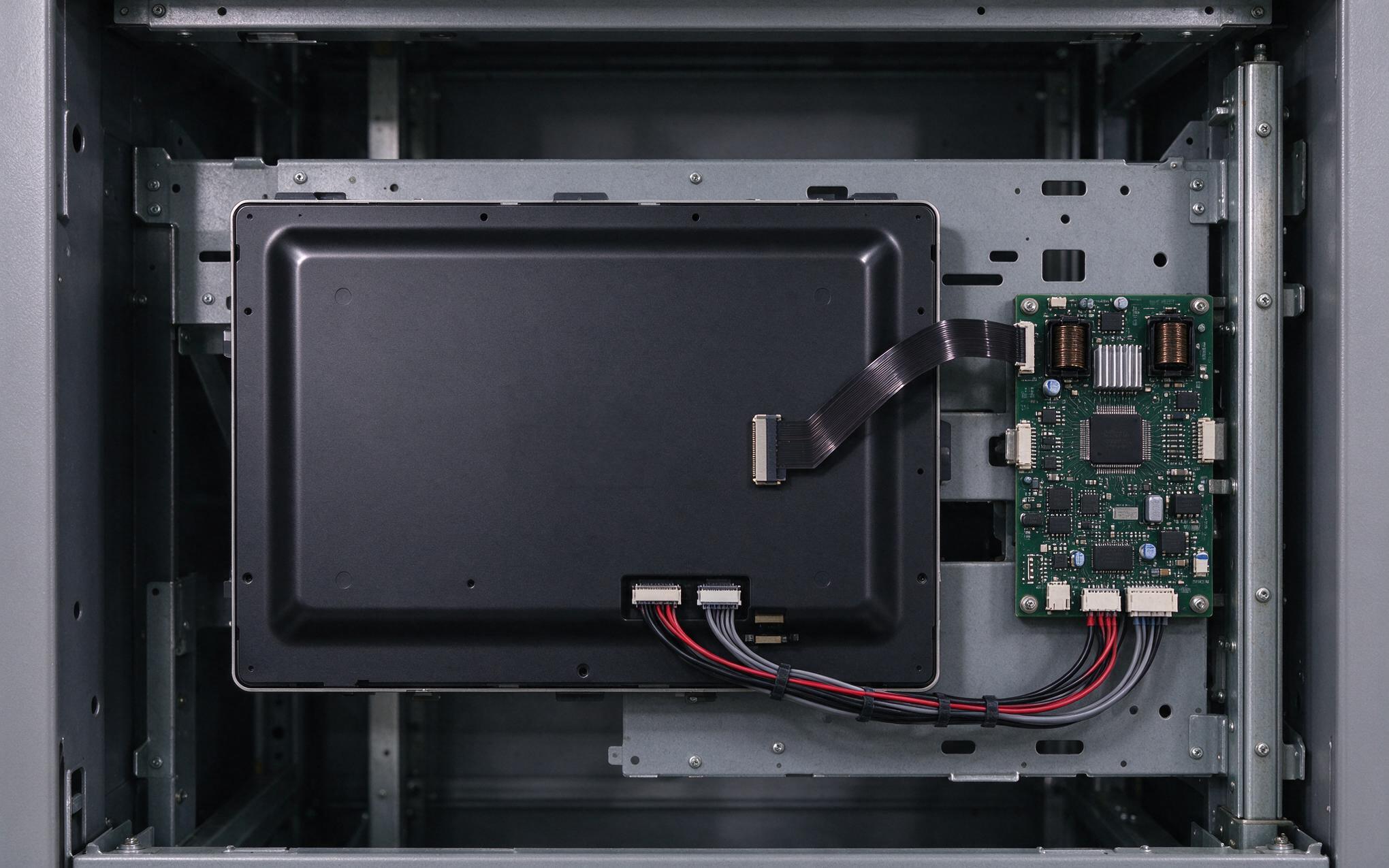
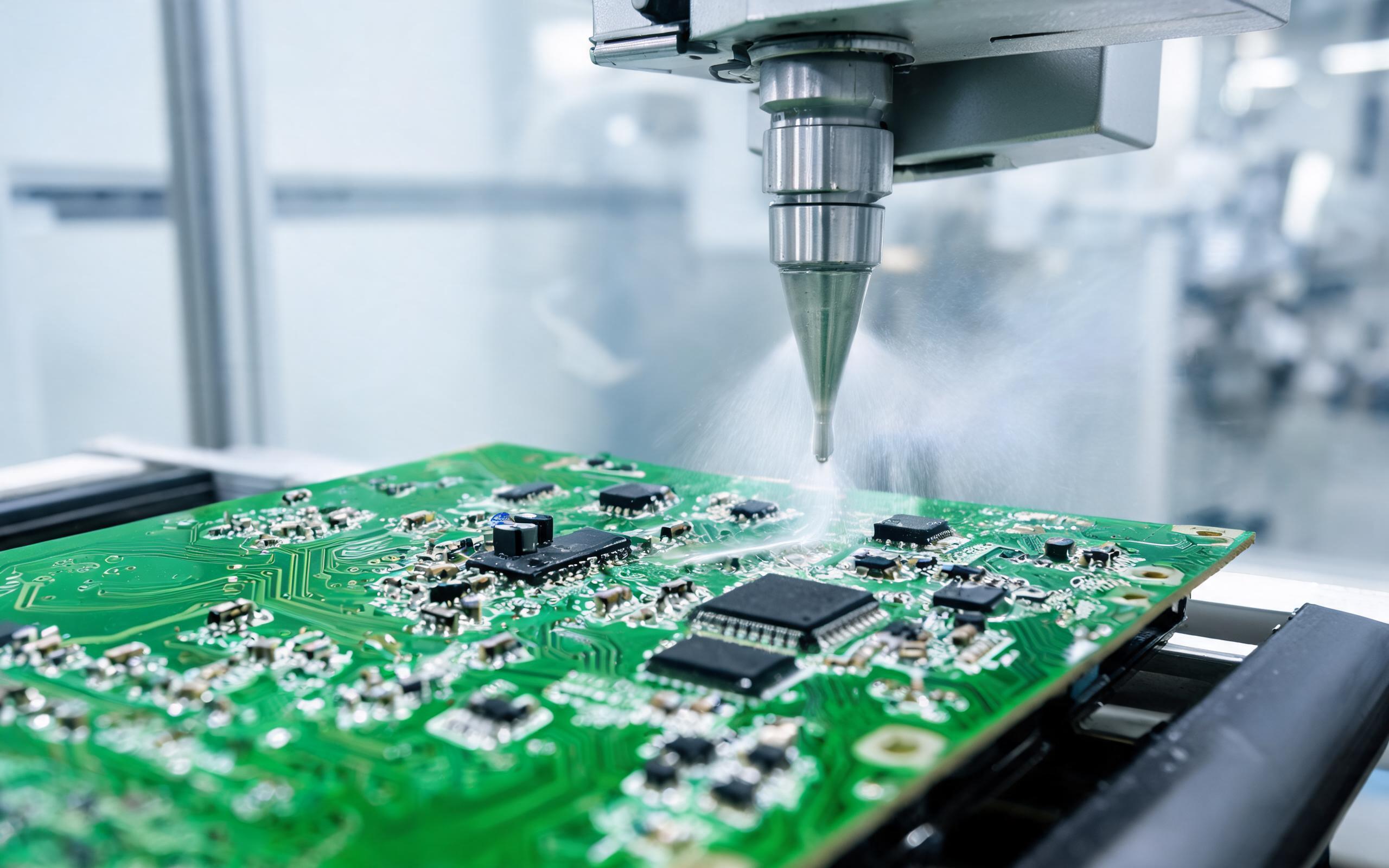
Acrylic conformal coatings remain the most widely adopted chemistry in industrial electronics, accounting for roughly 37 percent of the global market according to industry research. Their popularity stems from a practical combination of fast room-temperature drying, straightforward rework, and low material cost. Acrylic films dissolve readily in common solvents such as isopropyl alcohol, which means a field technician can strip a section, replace a failed component, and recoat the repaired area without specialized stripping equipment. This reworkability makes acrylic a strong candidate for embedded industrial PC boards installed in climate-controlled indoor cabinets where periodic maintenance is expected. Manufacturers including KOXIAN often apply acrylic coatings to boards destined for these controlled zones, reserving silicone or parylene for harsher deployment environments. However, acrylic coatings have clear limitations when a conformal coating industrial PCB must operate in chemically aggressive settings. They provide moderate moisture resistance but degrade when exposed to solvents, fuels, and strong acids. Their glass transition temperature typically falls between 80 and 110 degrees Celsius, which restricts their use in high-temperature power electronics and motor drive enclosures.
Silicone Behavior Under Thermal Cycling and Vibration
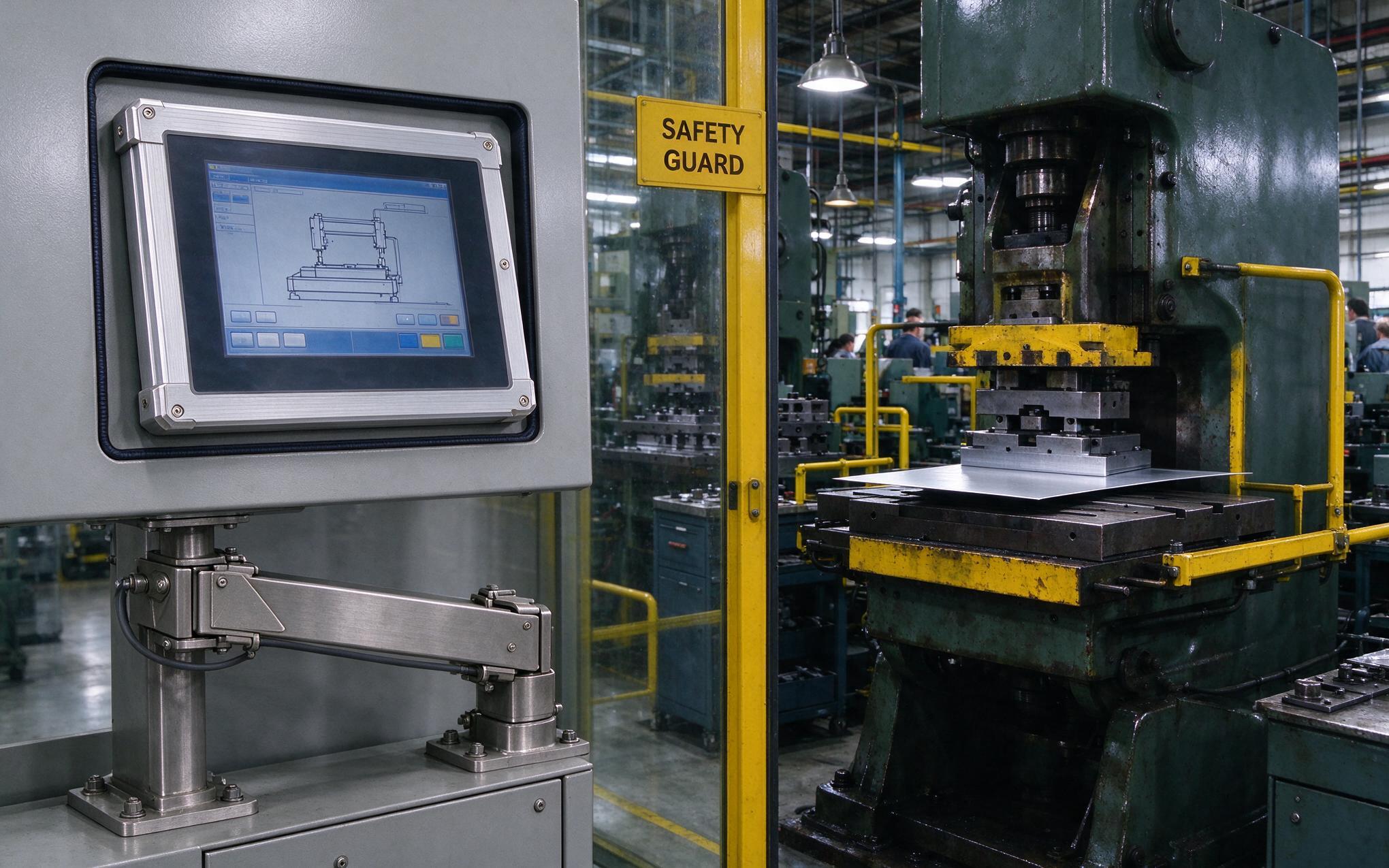
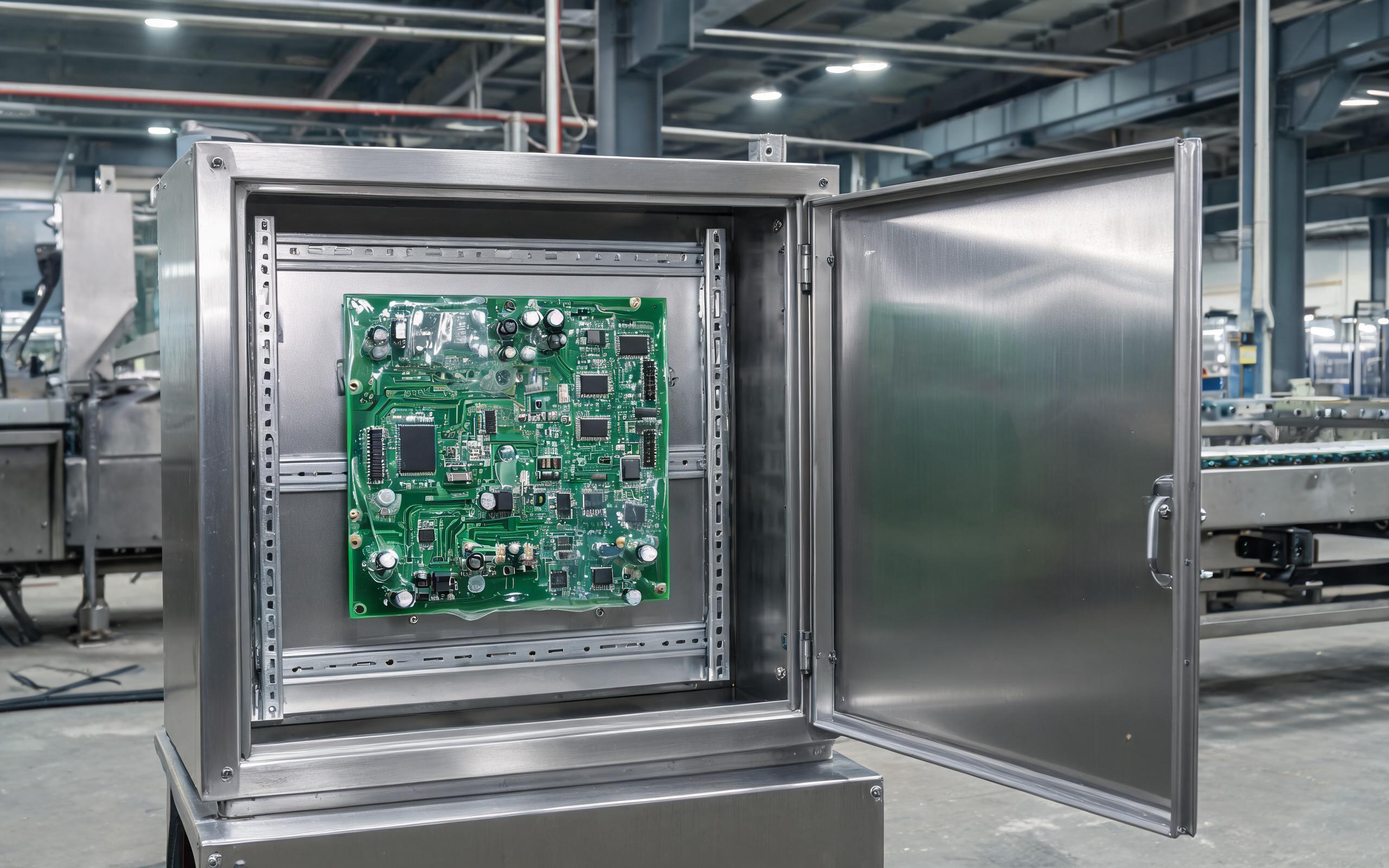
Silicone conformal coatings occupy the opposite end of the performance spectrum. Their elastomeric molecular structure absorbs mechanical stress rather than transmitting it directly to solder joints, making them particularly effective in high-vibration environments such as compressor stations, stamping presses, and mobile heavy equipment. Silicone coatings retain flexibility across an exceptionally wide temperature range, typically from minus 55 to plus 200 degrees Celsius, which covers virtually every industrial operating condition from arctic outdoor enclosures to engine-adjacent mounting locations. The trade-off for this thermal and mechanical resilience is reduced resistance to hydrocarbon solvents and more difficult rework. Silicone films handle moisture and salt fog well, but they swell on contact with fuels and petroleum-based fluids. Removing silicone for component replacement requires mechanical abrasion or specialized chemical strippers, adding both time and cost to field repairs. For a fanless panel PC installed in an outdoor enclosure subject to daily thermal cycling, however, silicone’s ability to flex repeatedly without cracking often outweighs the rework penalty.
Coating Selection for Fanless Panel PC Field Reliability
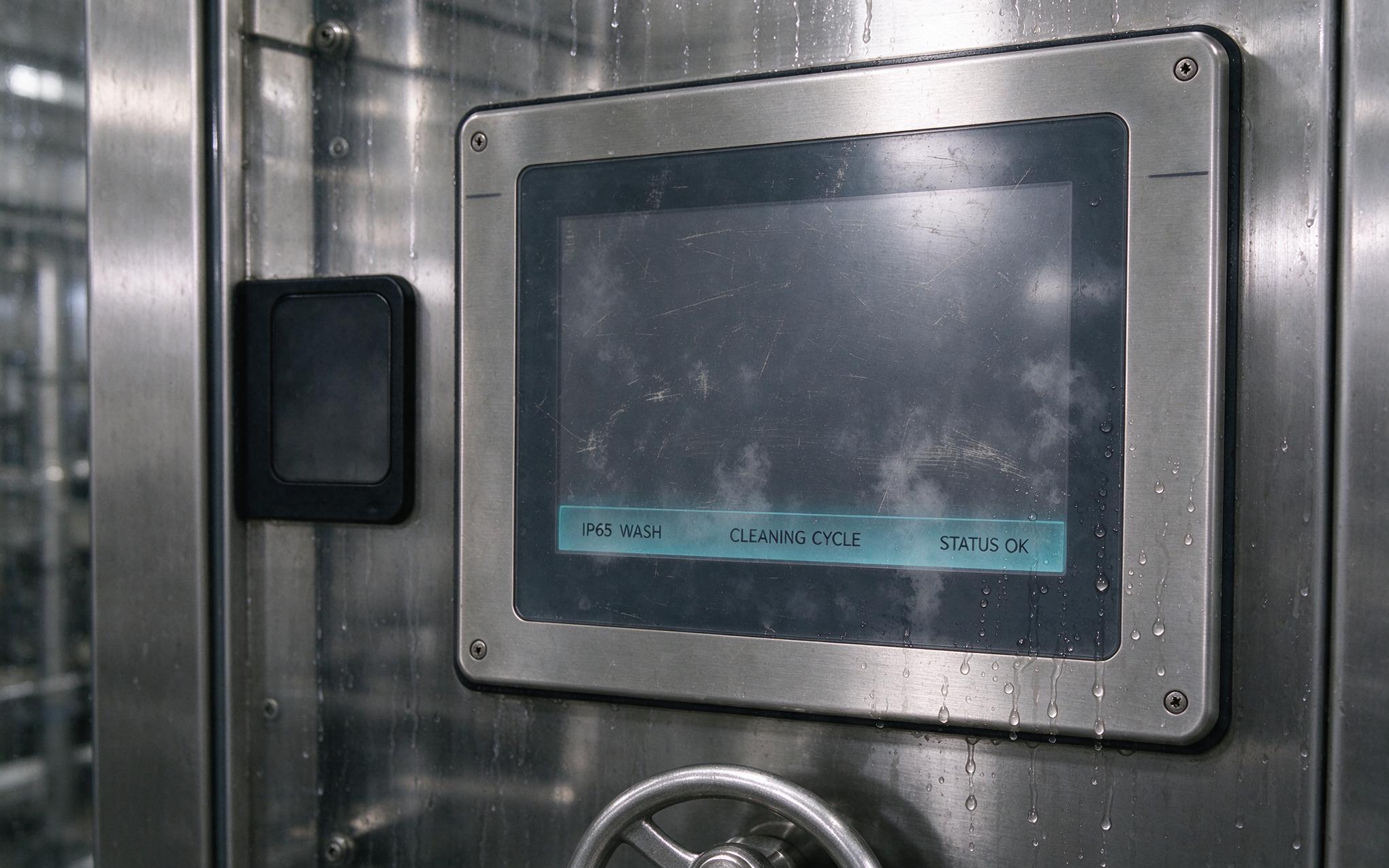
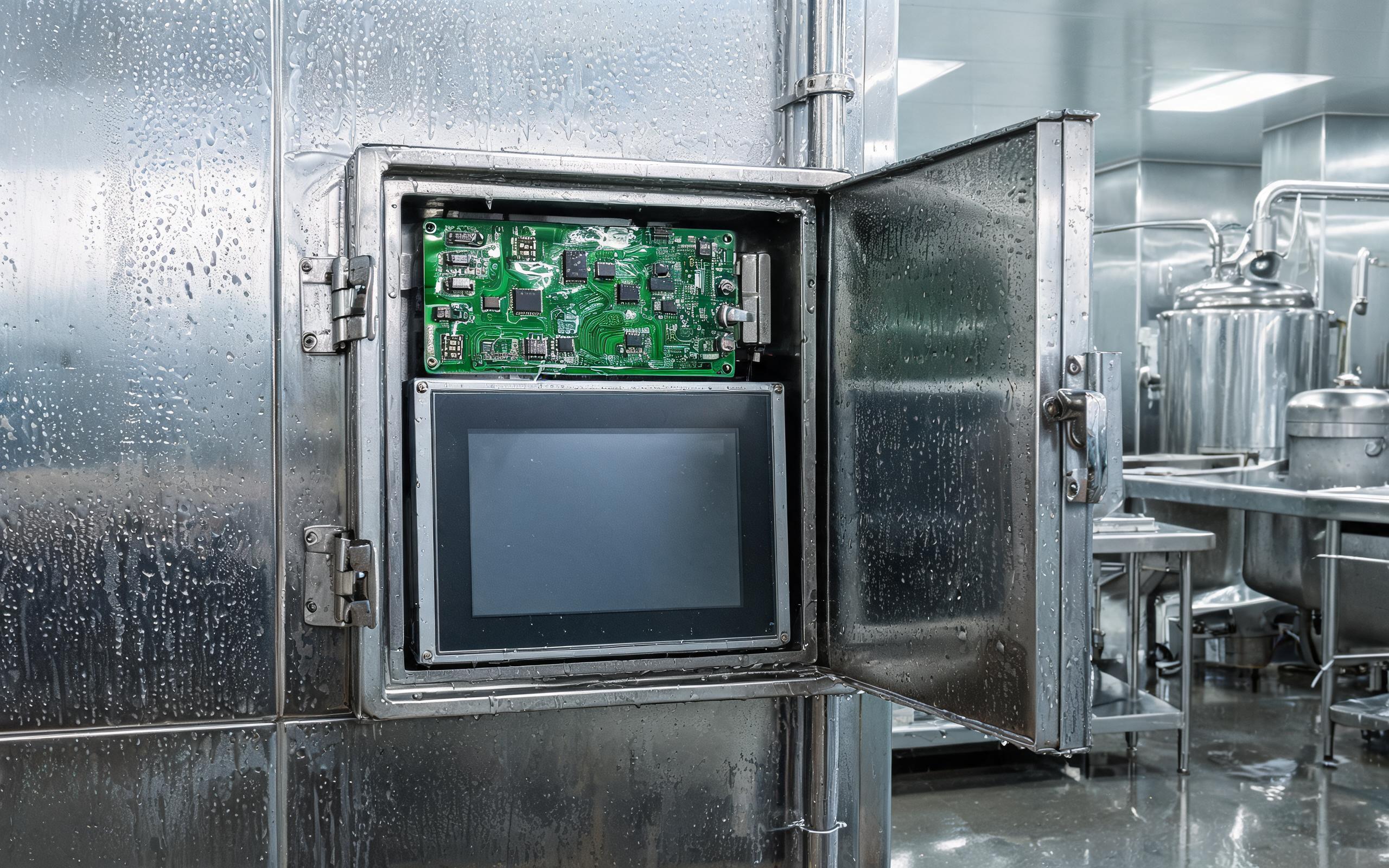
Choosing between acrylic and silicone for a conformal coating industrial PCB assembly requires mapping each coating’s material properties against the dominant environmental stressors at the installation site. For indoor factory environments with stable temperatures, low vibration, and minimal chemical exposure, acrylic coatings provide adequate protection at lower material cost with superior reworkability. For outdoor installations, high-vibration zones, or locations subject to wide temperature swings, silicone delivers the mechanical and thermal resilience needed for sustained long-term reliability. Field observations from food processing washdown areas show that hardware configurations utilizing KOXIAN industrial panel displays with silicone-coated boards maintain touch responsiveness despite daily caustic foam exposure. Hybrid selective-coating approaches that apply acrylic to interior zones and silicone to exposed connector sections are increasingly common in deployments spanning multiple environmental zones within a single enclosure.
Rework and Repair Strategies for Coated Industrial Assemblies
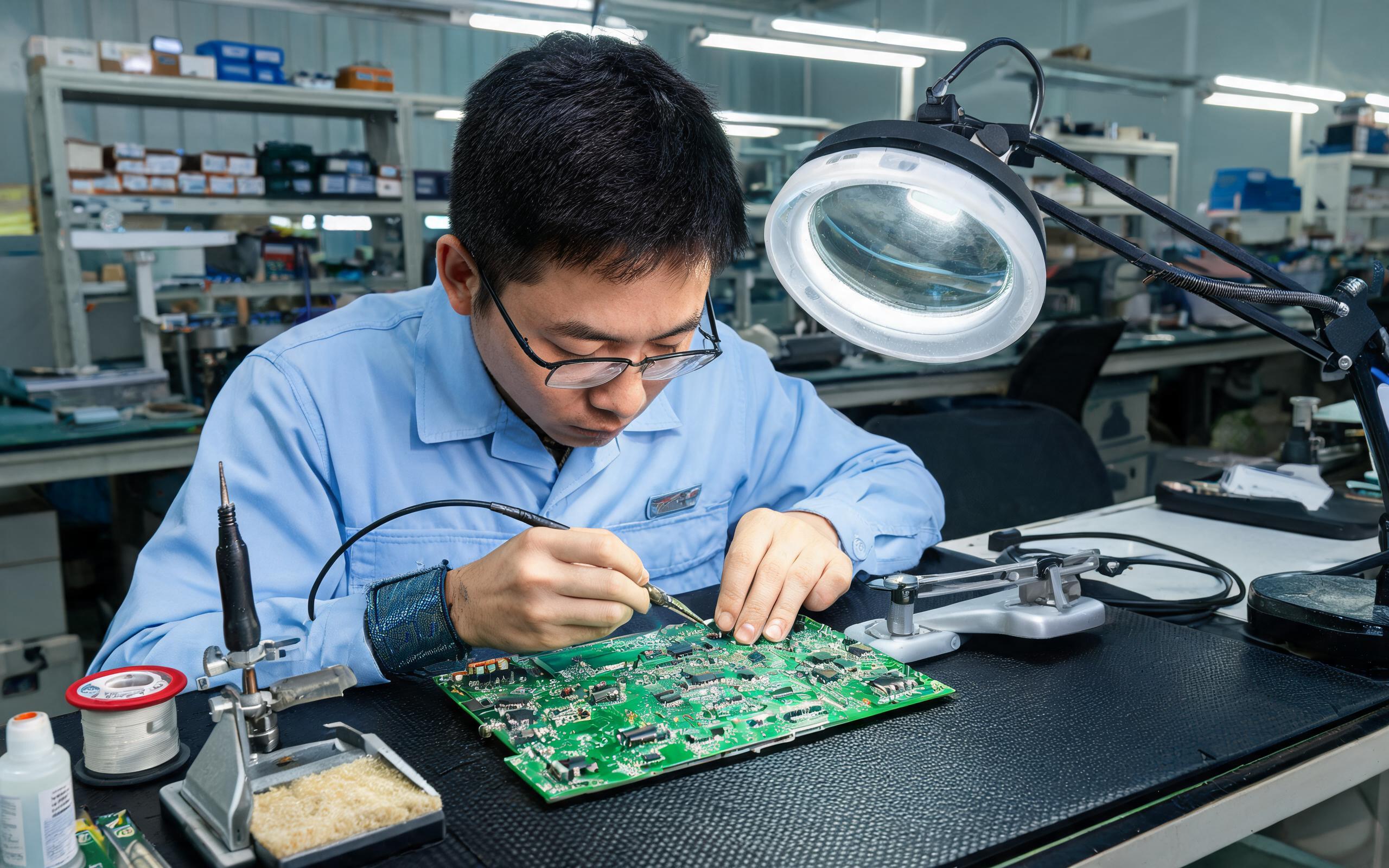
Rework strategy differs significantly between the two chemistries. Acrylic coatings support solvent-based stripping with isopropyl alcohol or specialized thinners, allowing selective removal around a failed component without disturbing adjacent coated areas. After component replacement and solder touch-up, the stripped zone is recoated and cured, restoring full environmental protection within hours. Silicone rework demands a different approach. Mechanical abrasion with micro-blasting equipment or careful scalpel excision is typically required, as common solvents do not dissolve cured silicone effectively. The removed section is then cleaned, recoated with fresh silicone, and allowed to cure. In both cases, technicians must verify that no ionic contamination remains on the exposed board surface before recoating, as trapped contaminants create conductive pathways that cause dendritic growth and electrochemical migration under humidity bias.
The acrylic versus silicone decision ultimately depends on the dominant environmental stressor at each installation site. Engineers who evaluate coating chemistry against actual field conditions rather than defaulting to a single material across all product lines achieve measurably better long-term reliability from every conformal coating industrial PCB they deploy.