Two misaligned cartons on a high-speed case packer usually point to a worn guide rail, but a growing share of timing defects trace back to the controller instead. When servo updates, machine vision triggers, and divert signals share one processor, brief kernel stalls can delay an I/O scan long enough to miss a registration window. These stalls are rarely hardware failures. Most originate in processor power management and deferred kernel work, and engineers chasing them tend to look at the wrong layer. An industrial pc windows 10 deployment can be made timing-consistent, but only when its power policy, firmware, drivers, and core allocation are tuned as one stack.
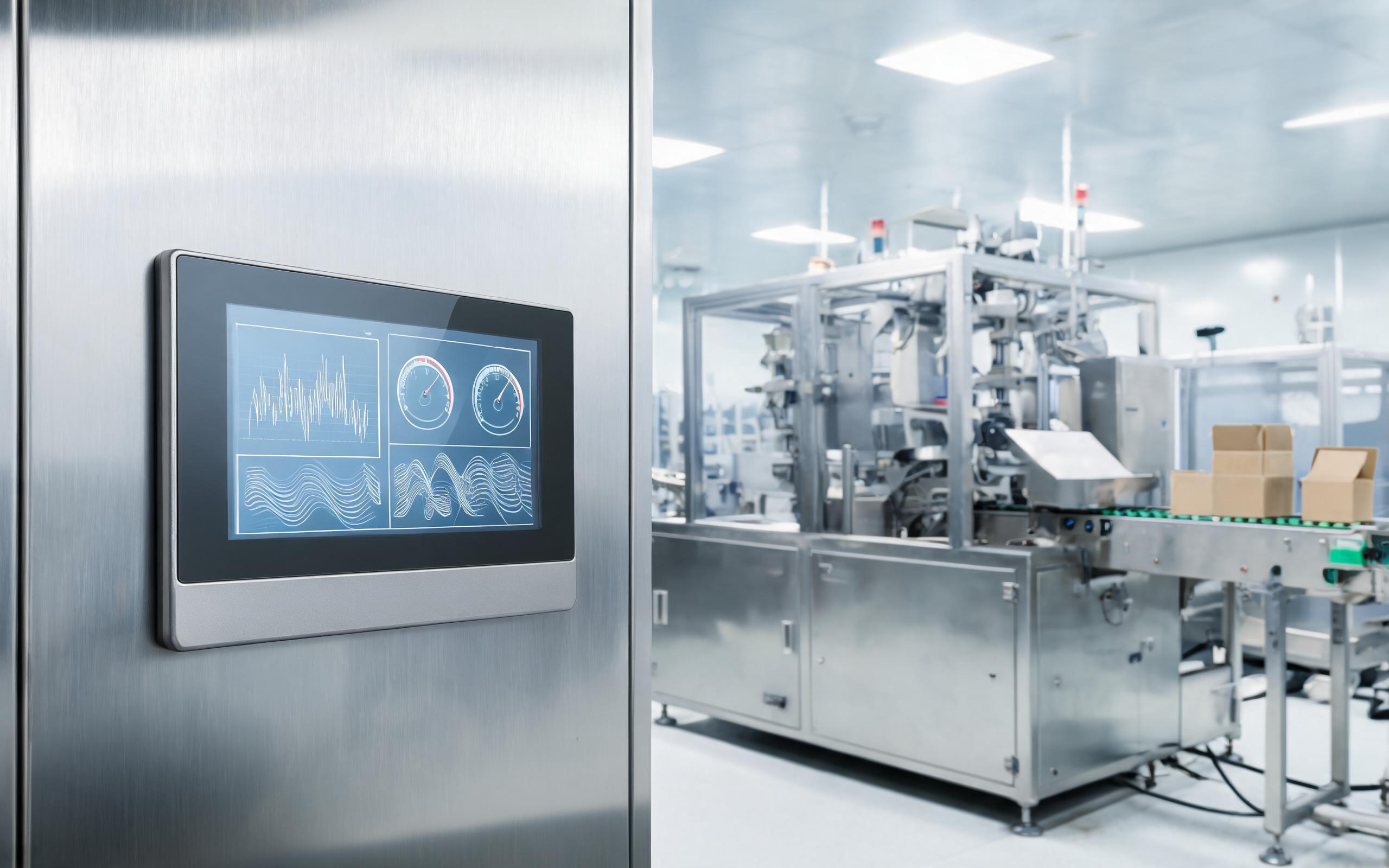
Under a Pinned High Performance Power Plan
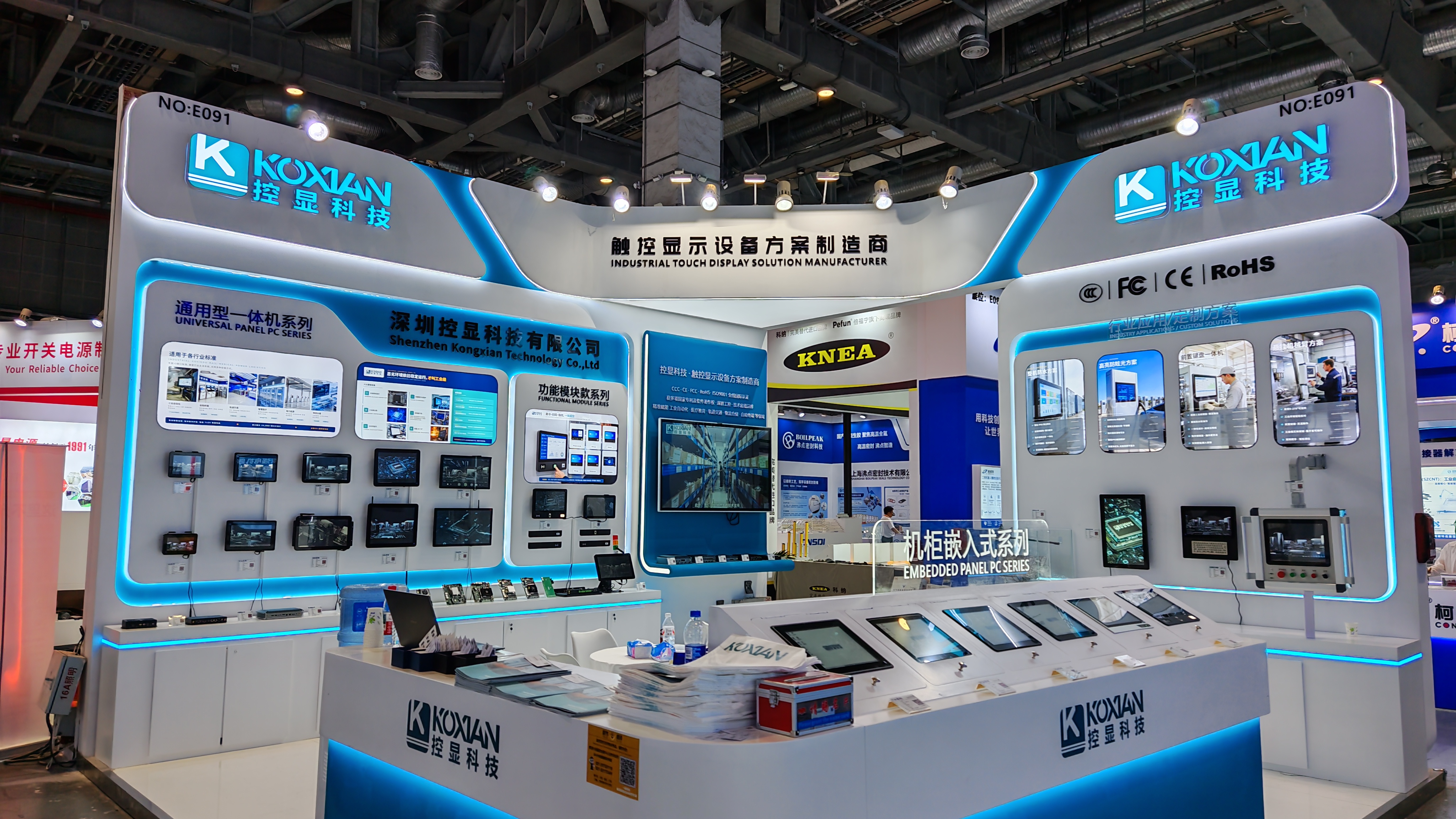
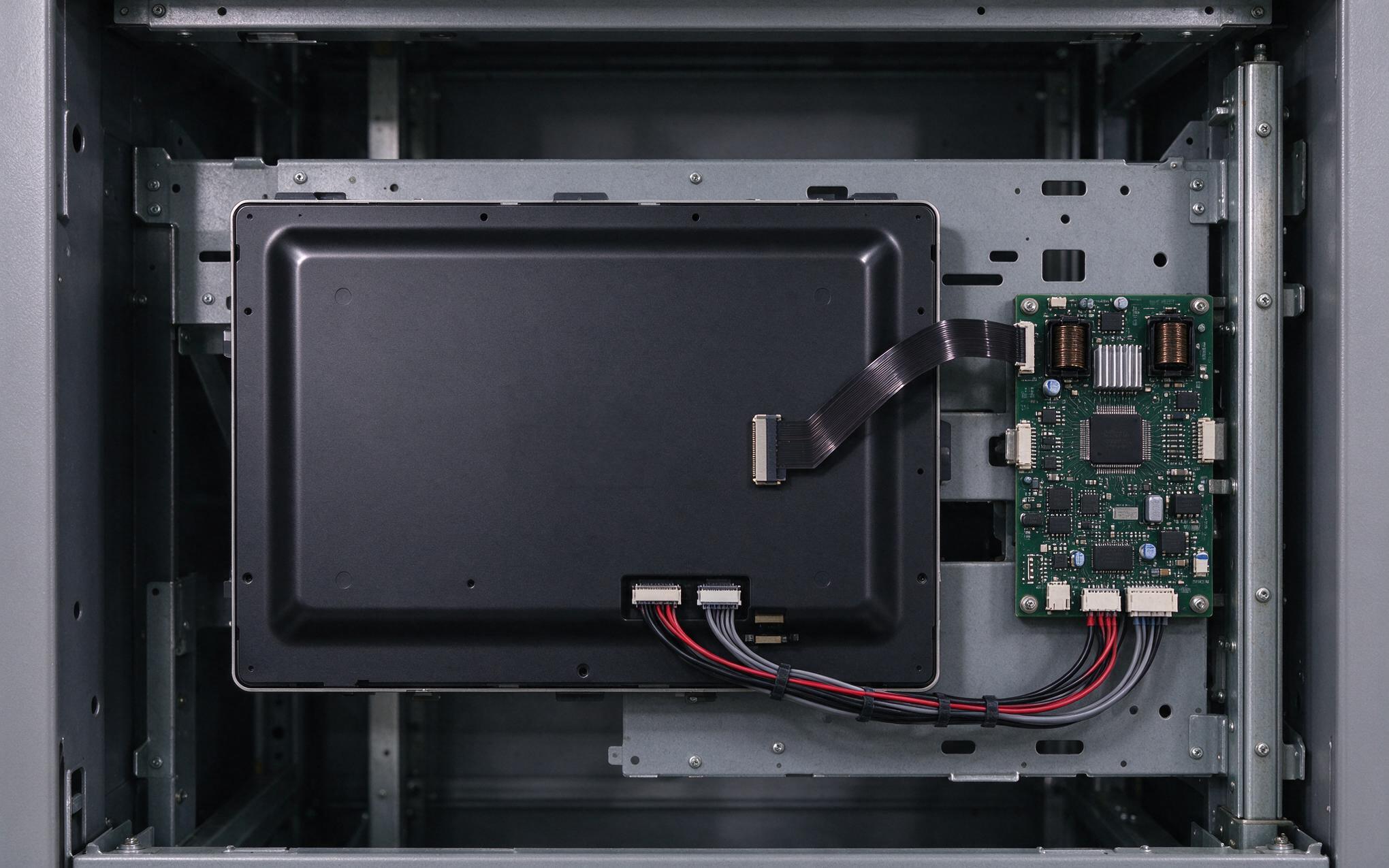
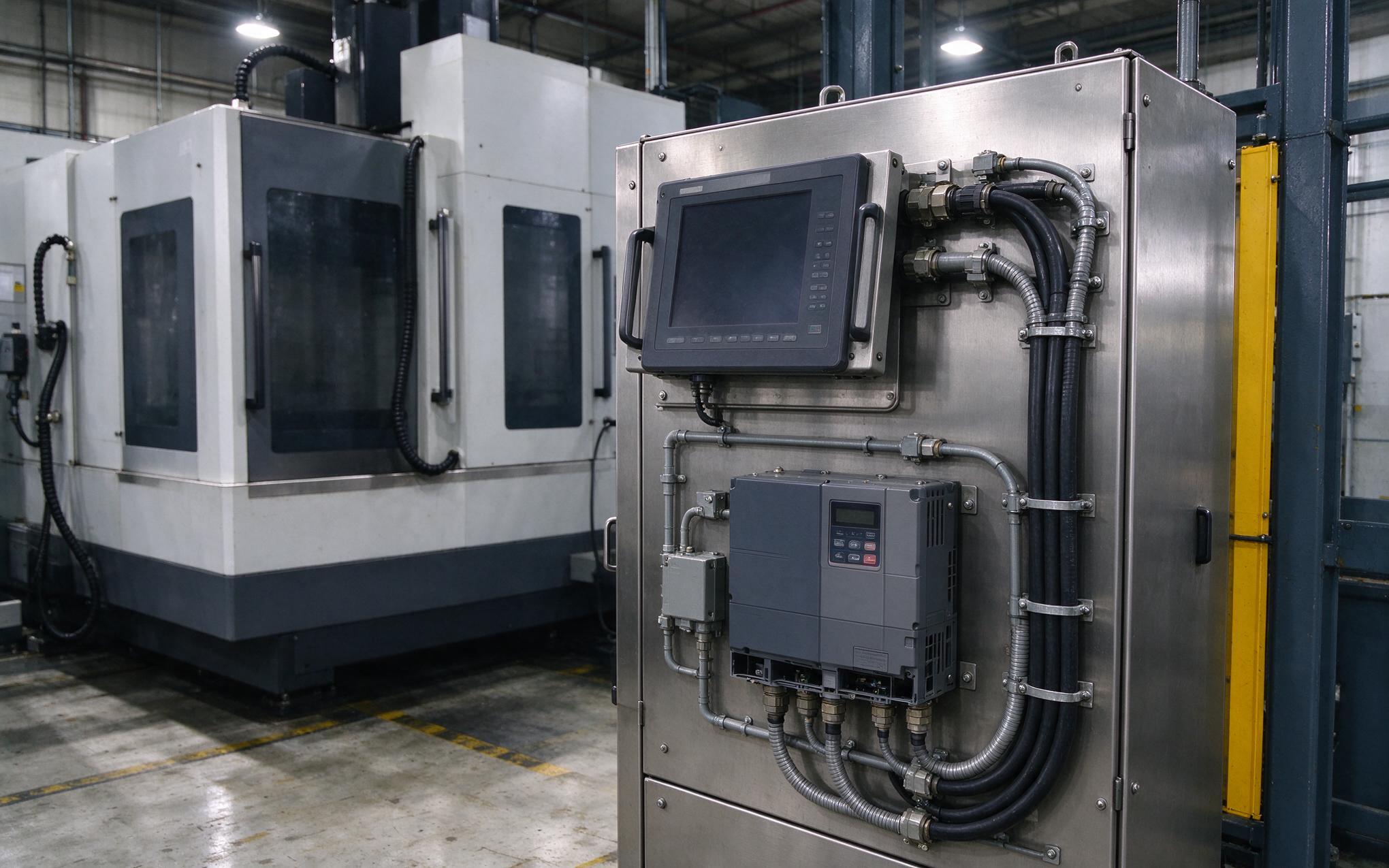
Passive thermal designs, such as the finned aluminum chassis used in the KOXIAN G1 series, face a direct trade-off once a windows industrial panel pc is switched to a power plan that pins every core at its maximum frequency. The High Performance plan alone is not enough. Engineers also set minimum and maximum processor state to 100 percent, disable core parking, and turn off PCI Express link state management and USB selective suspend. Each setting removes one wake-up path that the scheduler otherwise treats as an ordinary transition. On a fanless enclosure those extra watts convert directly into chassis heat, so cabinet temperature margins must be rechecked after the plan is applied rather than assumed from office-grade defaults.
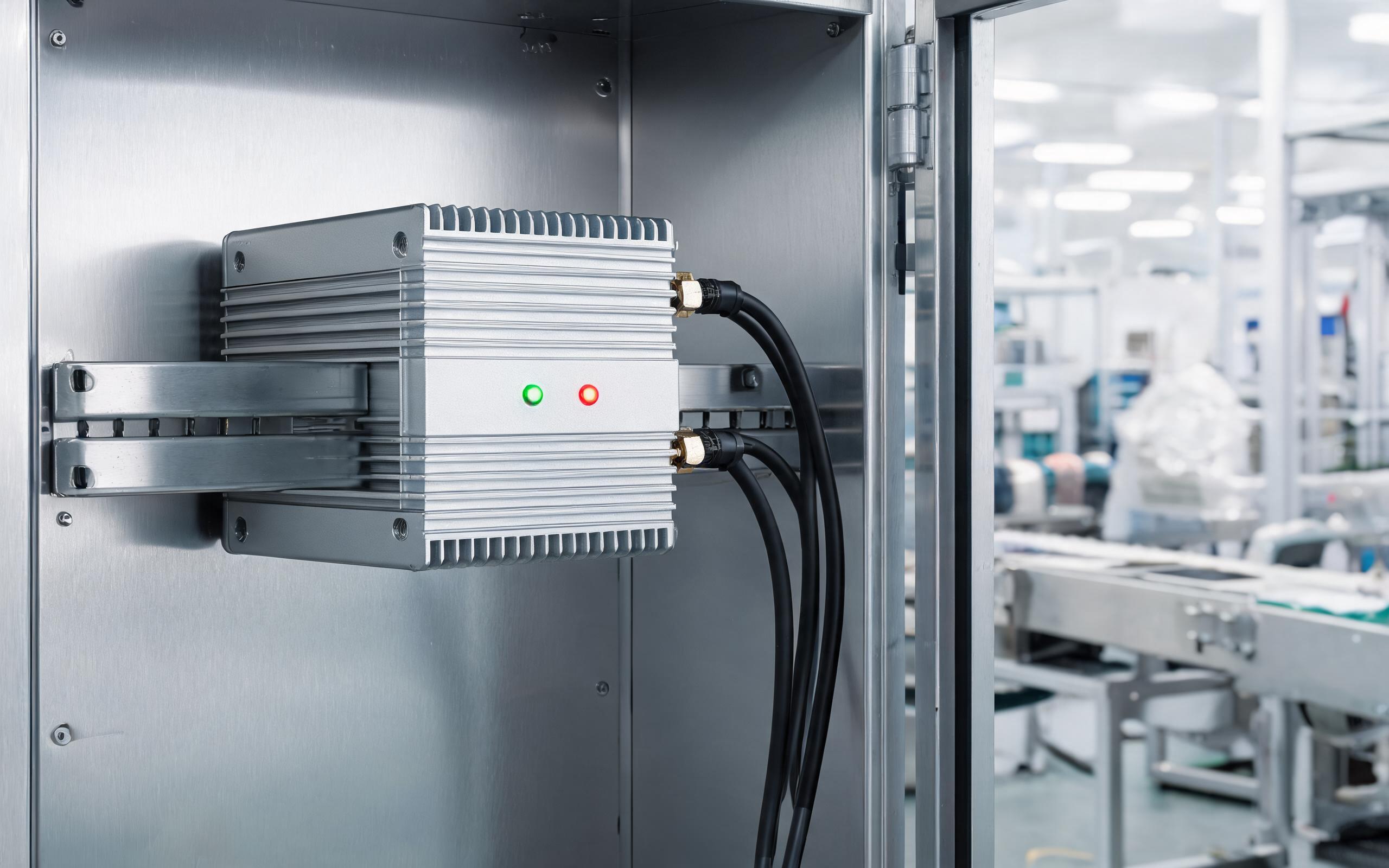
Disabling C-State Exit Latency on an Industrial PC Windows 10
Idle power states save energy by parking cores in deeper sleep tiers, and each tier carries a longer exit latency. A core climbing out of a deep C-state can stall interrupt delivery for tens of microseconds, which is invisible in office workloads and damaging when a conveyor encoder must be sampled on a fixed rhythm. On an industrial pc for automation, the practical fix starts in firmware, where global C-state control or the deepest package C-state is limited, and continues on the industrial pc windows 10 side through hidden processor idle settings exposed by powercfg. BIOS and OS policy have to agree; a relaxed firmware setting quietly overrides the strictest Windows plan and reintroduces the same exit stalls on the next reboot.

DPC Routines and Driver Hygiene
Deferred Procedure Calls let drivers finish interrupt work below the hardware interrupt level, and one long routine delays every driver queued behind it. Storage and network stacks are common offenders on production floors, especially when power management lets links nap between packets. Engineers profile an industrial pc windows 10 controller with kernel latency tools before deployment, watch for routines above one millisecond, and then work backward to the driver. Actions include matching network and storage driver revisions to the validated golden image, disabling USB selective suspend, scheduling antivirus scans outside production windows, and stopping the SysMain service on disk-bound vision stations. Microsoft soft real-time guidance for IoT Enterprise also sets a registry flag that disables threaded DPCs on reserved cores.
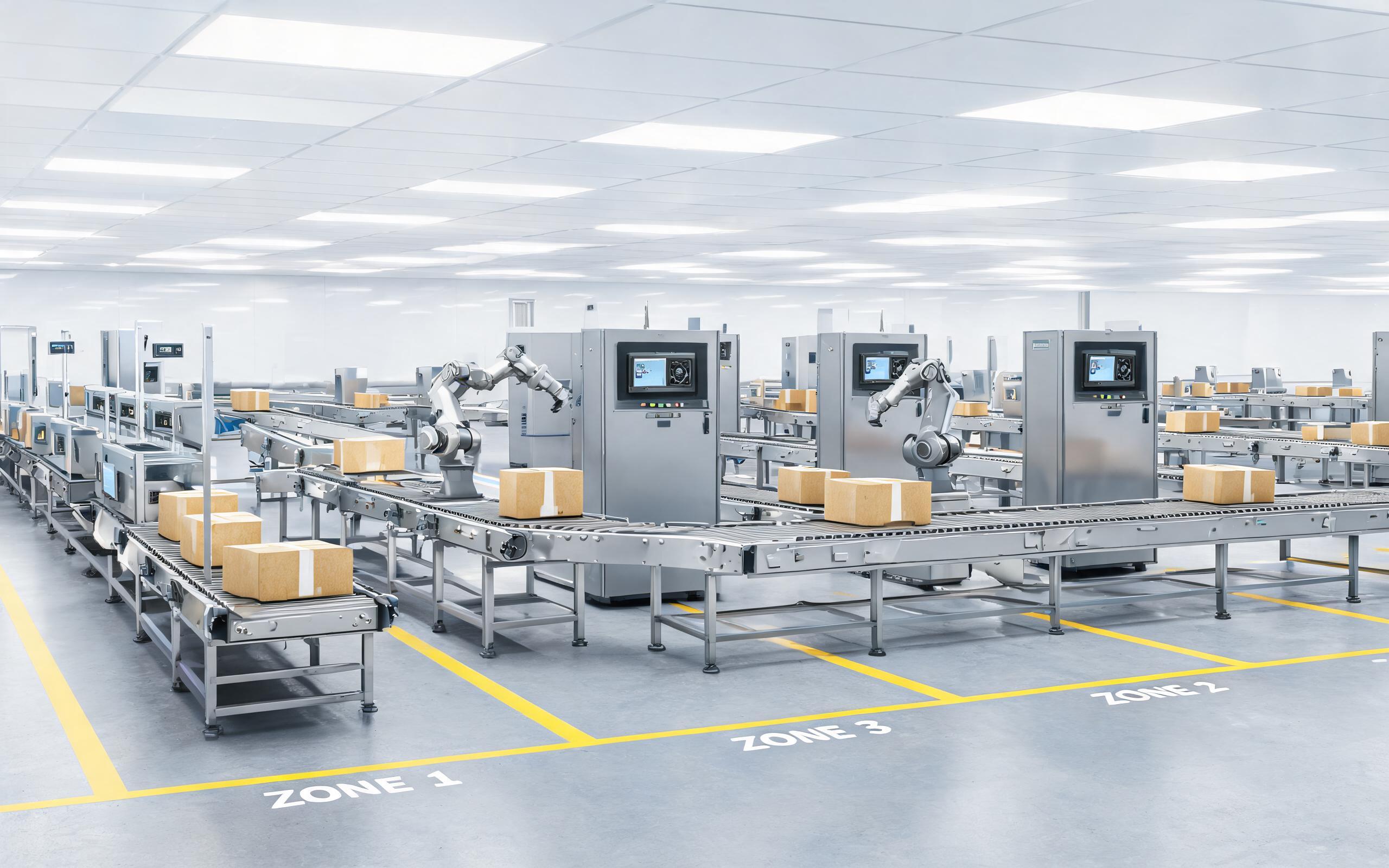
After Core Reservation for Soft Real-Time Workloads
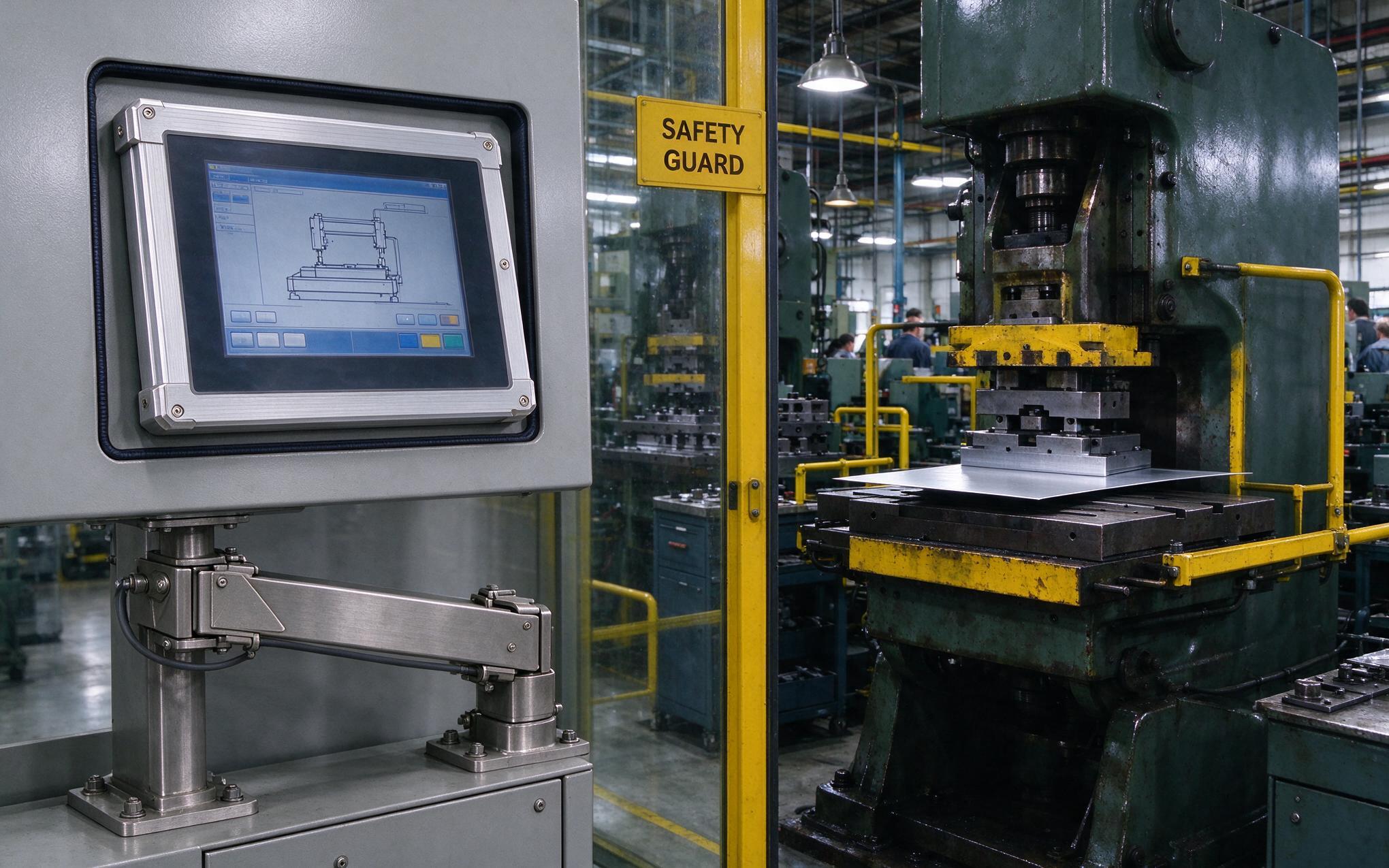
Once the platform is quiet, the remaining step is keeping timing-critical threads away from general-purpose work. Windows 10 IoT Enterprise supports soft real-time core reservation through a configuration service provider, pinning selected cores to real-time tasks while the rest run the operator interface, logging, and network clients. Third-party kernel timers and CPU isolation extensions can reach sub-millisecond cycles on the same class of hardware. Hard real-time motion still belongs on a dedicated controller, and the split should be decided during electrical design rather than on the production floor. For mixed-workload cells, embedded industrial pc setups inspired by KOXIAN power architecture pair isolated core banks with wide-voltage supply rails to keep scheduling and power delivery stable together.
Timing failures on a motion line rarely arrive as one dramatic fault. They accumulate as microsecond-level stalls from C-state exits, long DPC routines, aggressive power savings, and shared cores. Treating these settings as one stack, from firmware to core reservation, turns a general-purpose operating system into a predictable controller. An industrial pc windows 10 tuned this way keeps its cadence shift after shift, provided the changes are captured in a versioned golden image and revalidated after every servicing event.