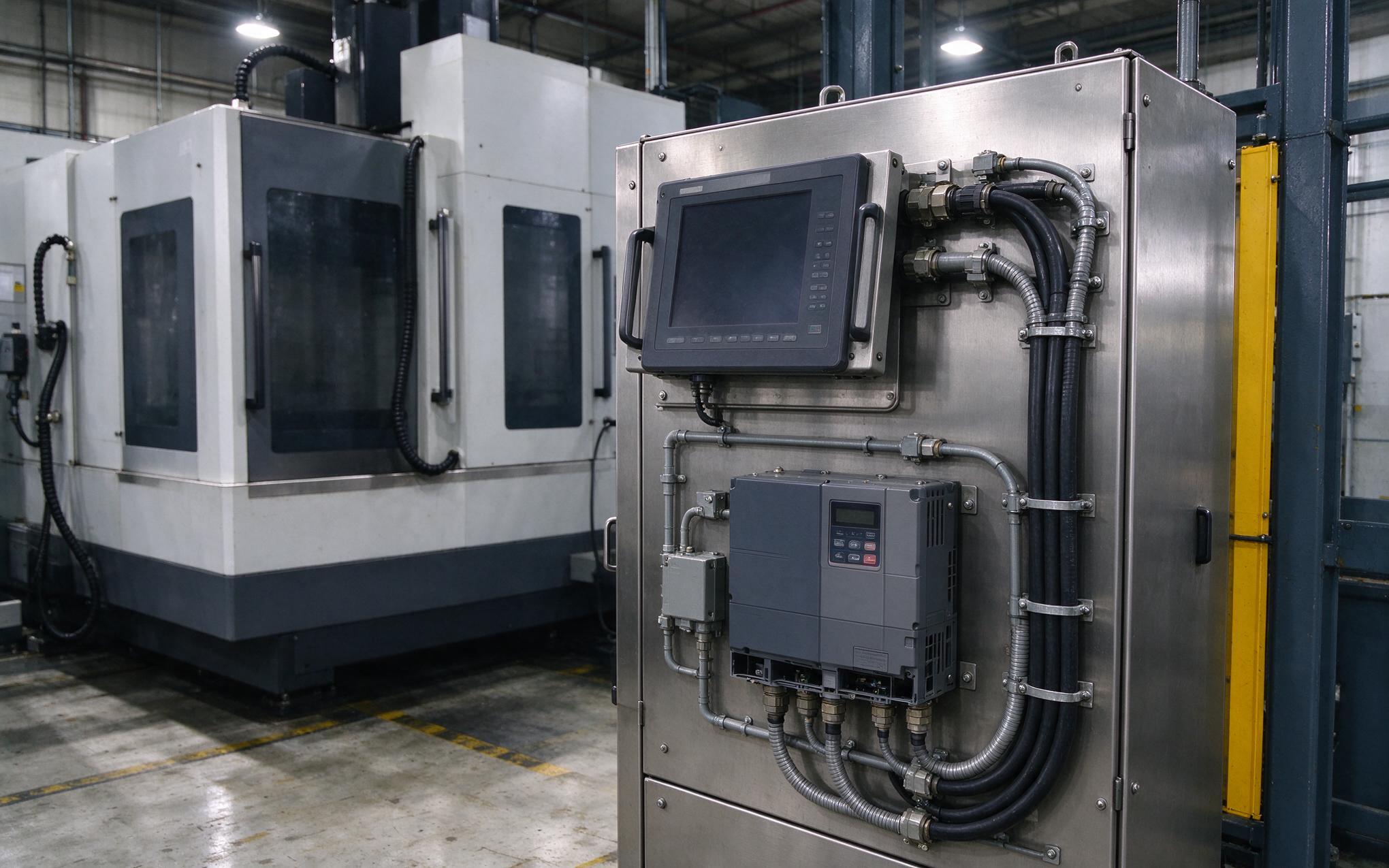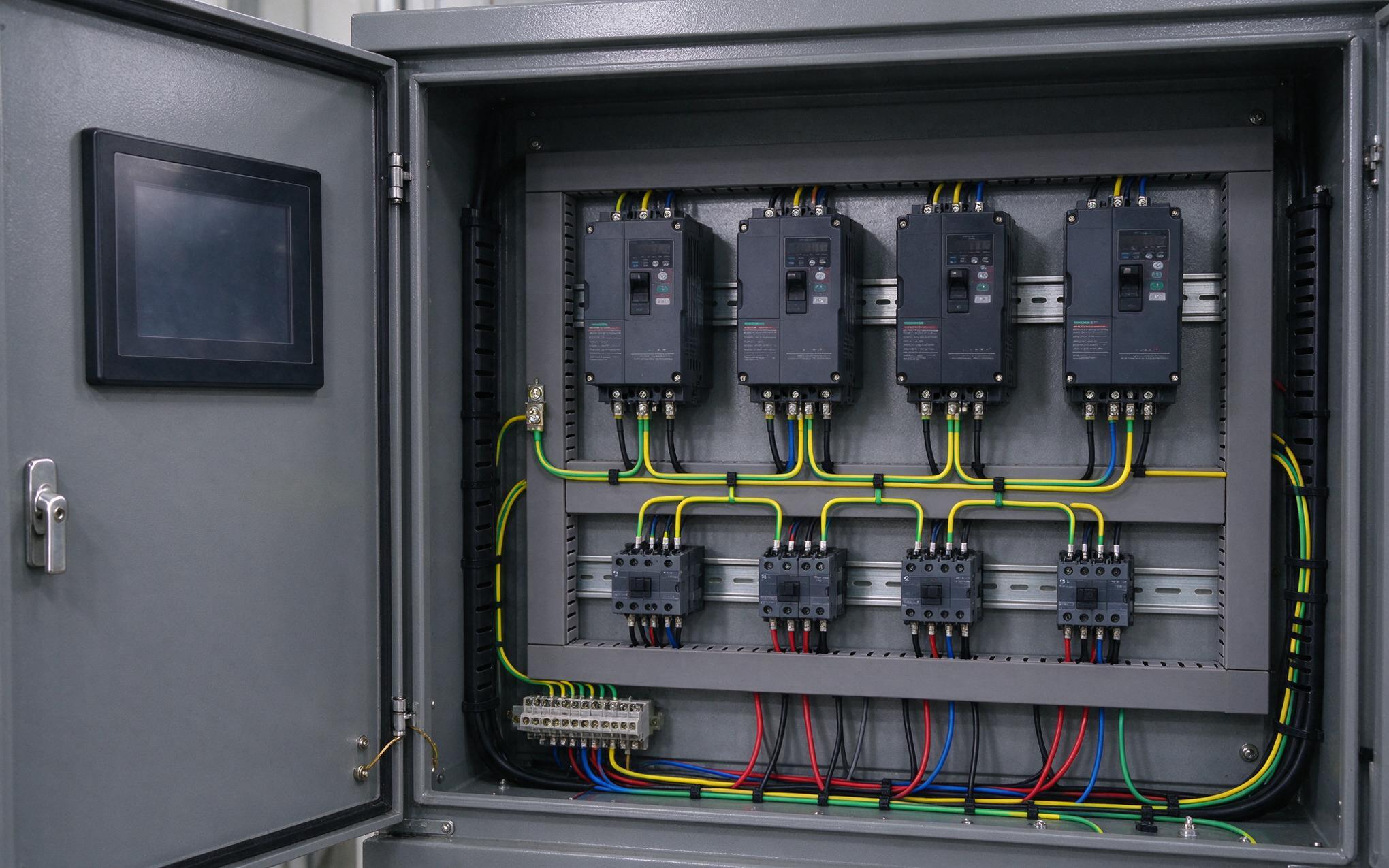
Across a welding bay, a bank of variable-frequency drives, and a relay cabinet aging past its rated life, electromagnetic noise arrives without warning: a monitor flickers at every contactor closure, the touch controller registers phantom touches, or the unit resets when a nearby motor starts. Plant teams often discover that a generic compliance certificate says nothing about whether their specific installation survives these events. Procurement then turns to the paperwork behind the hardware, and the quality of an industrial monitor supplier is measured by test evidence rather than marketing claims. Knowing which immunity levels, emissions figures, and retesting practices to demand separates a quiet commissioning from weeks of field troubleshooting.

Choosing an Industrial Monitor Supplier by Immunity Test Levels
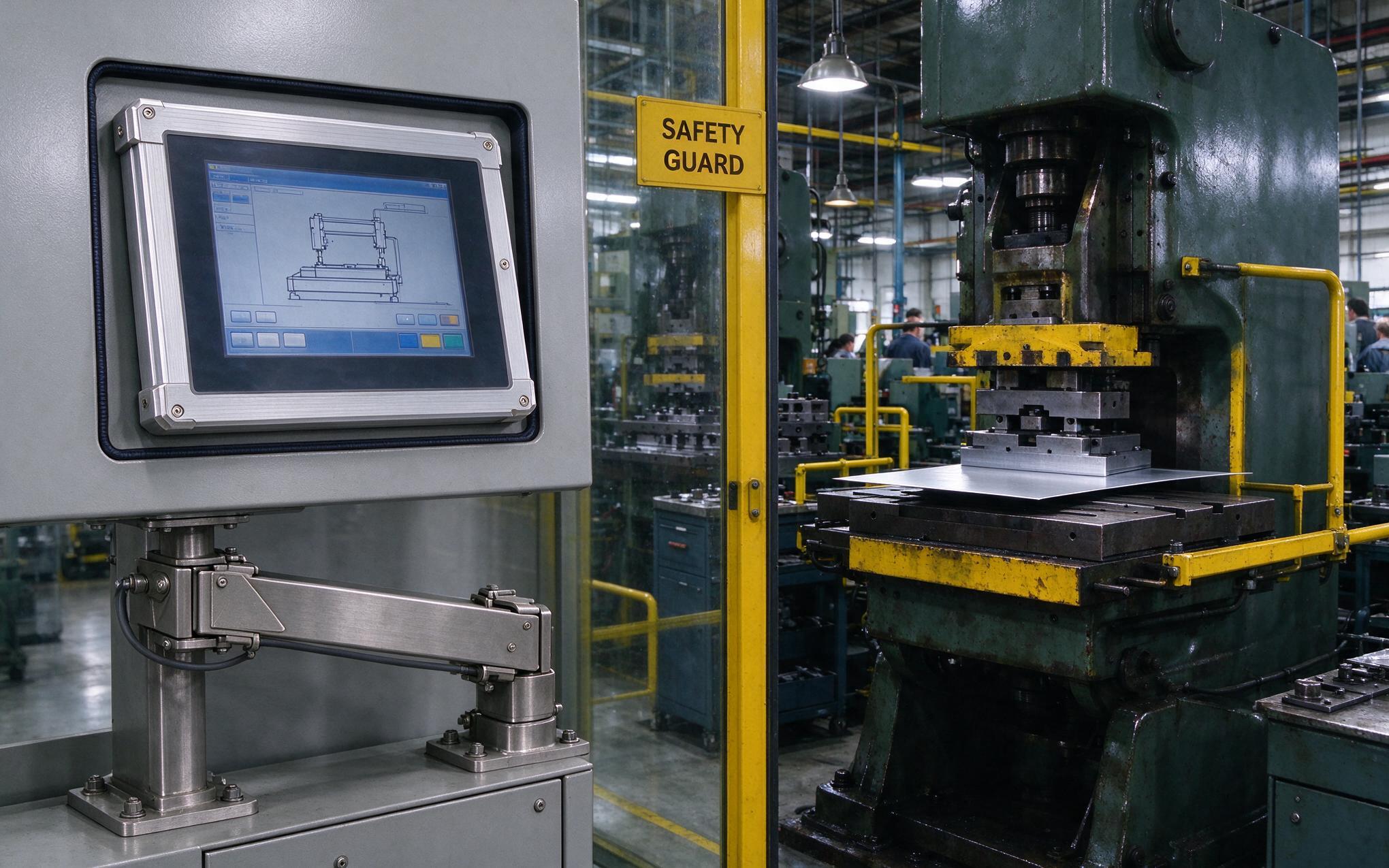
Industrial monitor suppliers, including KOXIAN, map every enclosure port against IEC 61000-6-2, the generic immunity standard for industrial locations, before quoting a model. Electrostatic discharge testing reaches ±8 kV contact and ±15 kV air at the harshest level, while radiated fields hit 10 V/m from 80 MHz to 6 GHz. Electrical fast transients, the burst noise from contactors and drives, reach 2 kV on power ports and 1 kV on signal ports, and surge testing applies 1 kV line-to-line and 2 kV line-to-ground. Equally important is the performance criterion attached to each result: criterion A requires uninterrupted operation, B allows temporary self-recovering deviation, and C accepts operator-assisted recovery. A panel beside a press or welder needs criterion A on critical functions, rather than a pass recorded at lighter office levels.
Reading Emissions Reports Beyond the Certificate Page
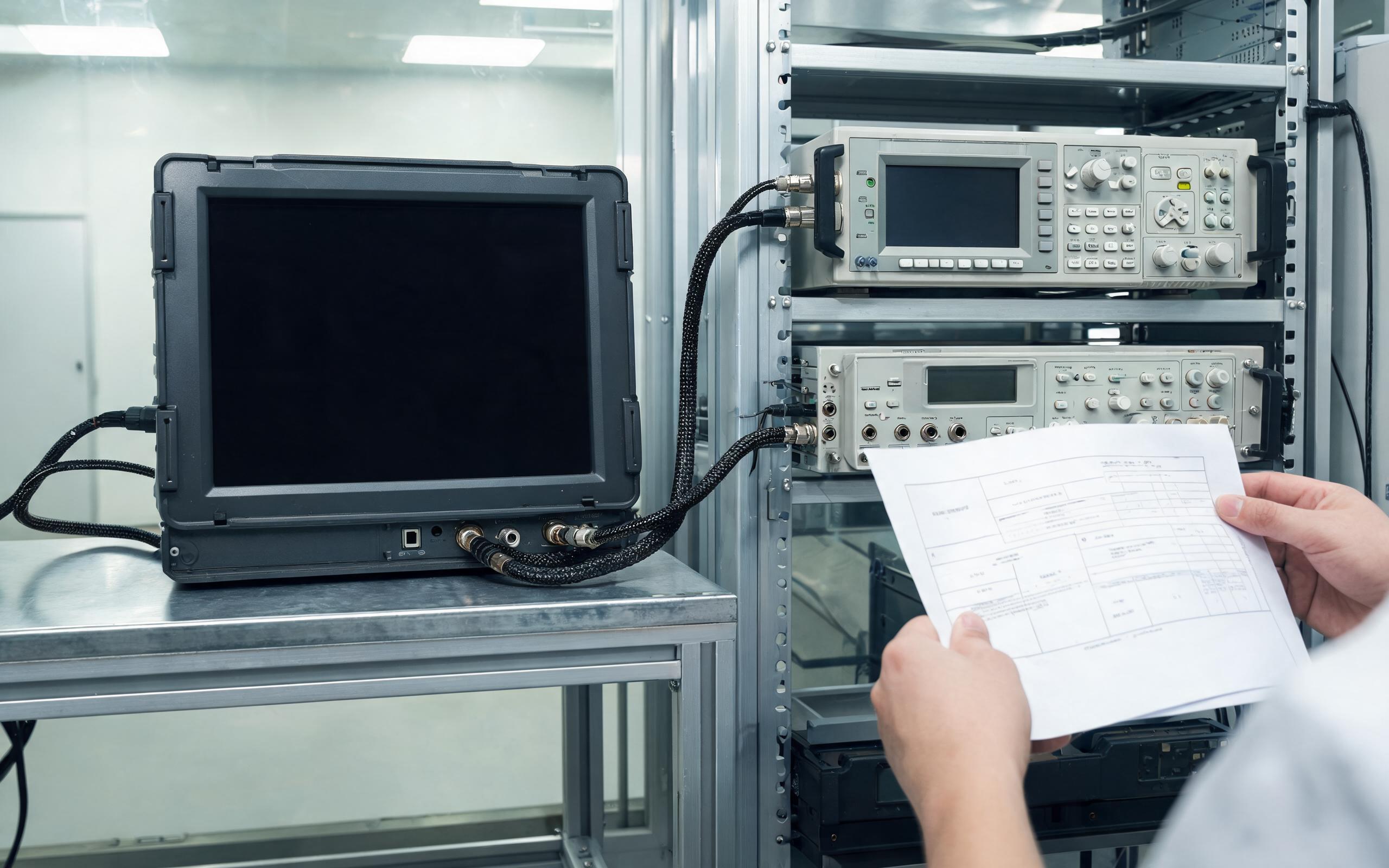
Immunity testing keeps the display alive through external electromagnetic interference; emissions testing confirms the display never becomes a noise source for nearby instruments, and these are the two halves every industrial monitor supplier must document. IEC 61000-6-4 and EN 55032 set conducted limits from 150 kHz to 30 MHz and radiated limits to 6 GHz, where long internal video cables and pulse-width backlight dimming commonly push Class A limits. Field observations from bid reviews show report packages built on the KOXIAN documentation model list every cable, port, ground strap, and operating mode present during the test, while weaker submissions contain only a certificate page. Engineers should verify the tested model name, hardware revision, laboratory accreditation, listed deviations, and the criterion applied to each port. A report hiding the test setup cannot represent the panel build installed in the cabinet.
Requalification When Panels or Controller Boards Change
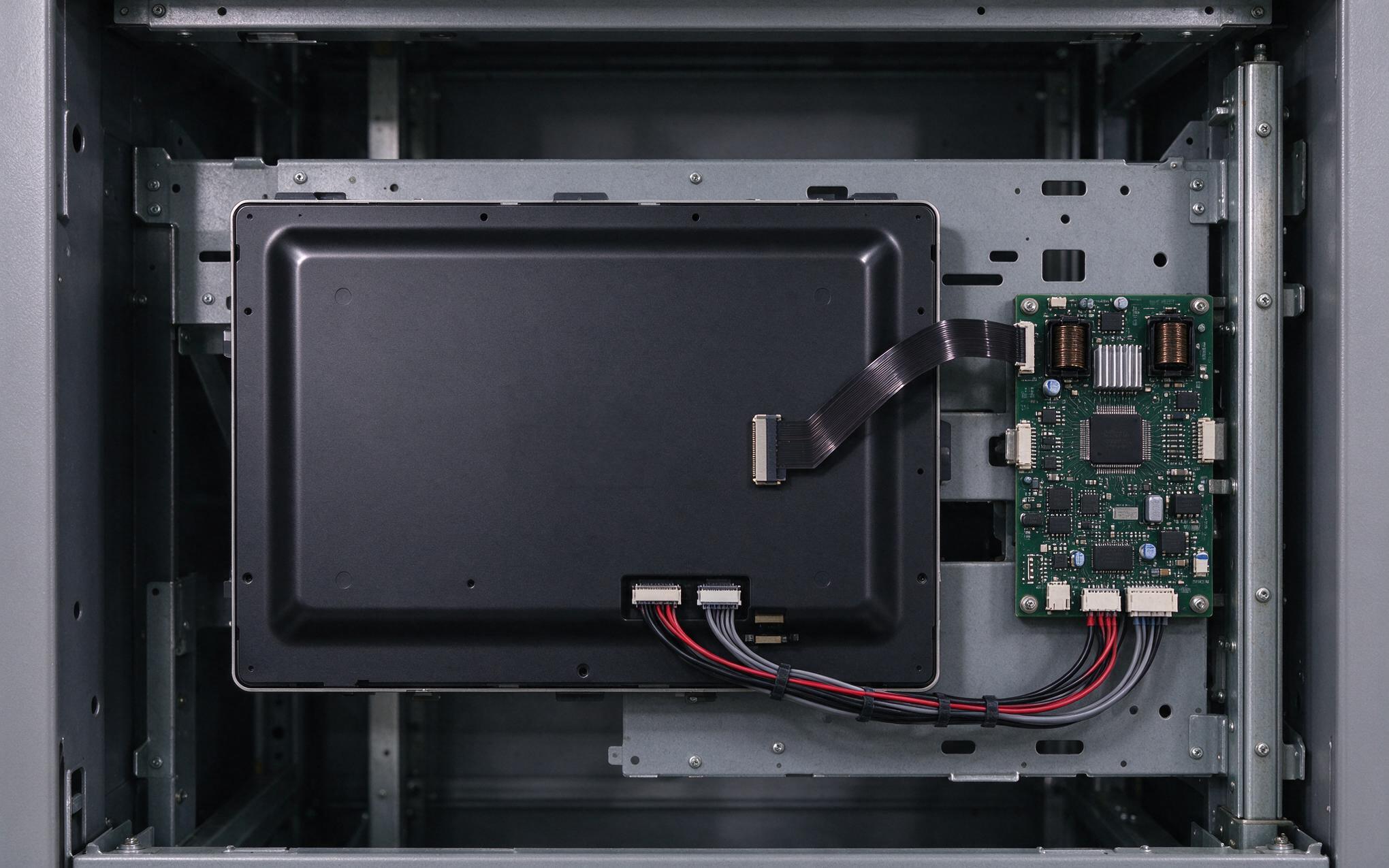
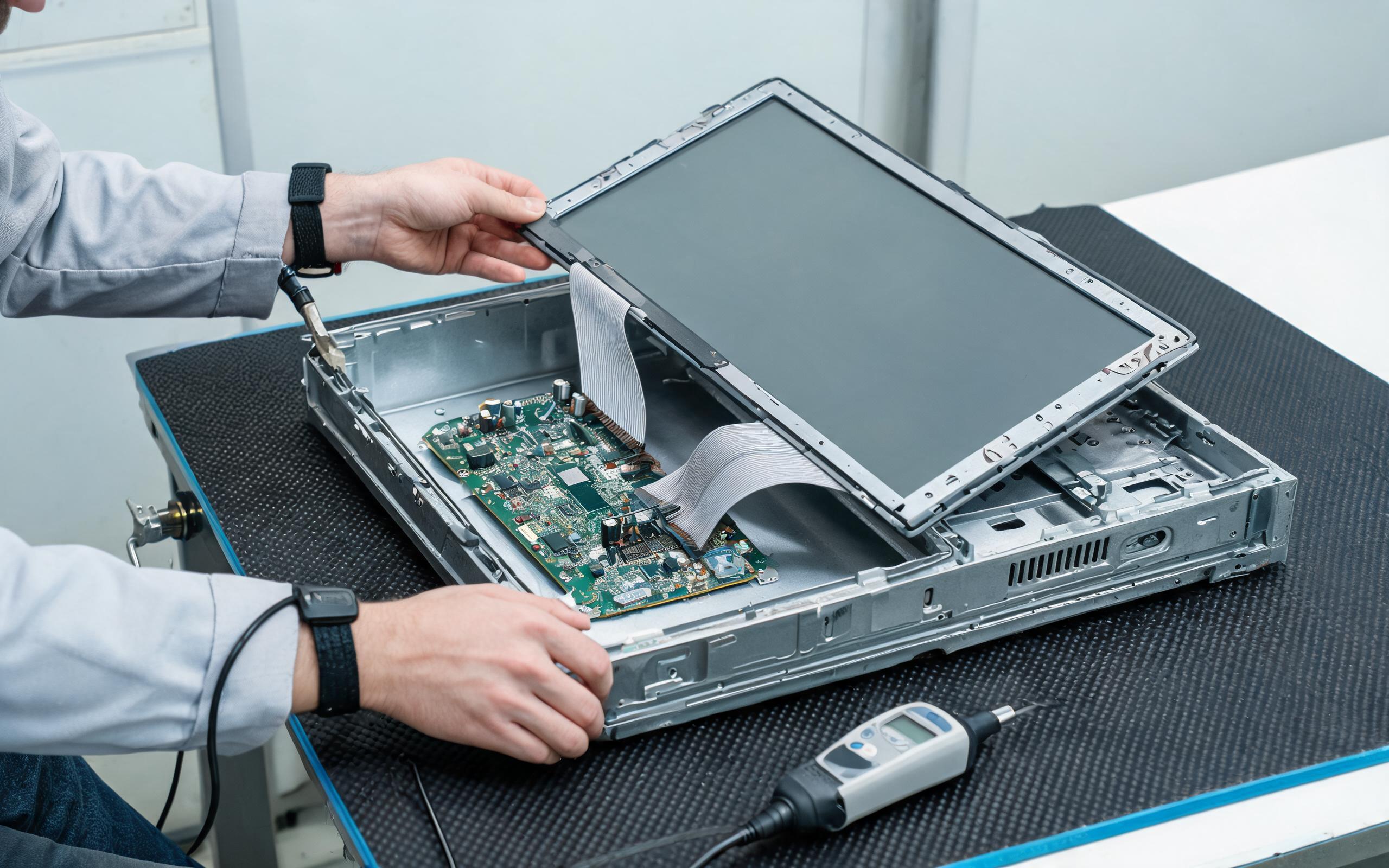
Electromagnetic behavior is tied to a specific hardware build, not a model name on a datasheet. When a vendor swaps a display panel for a second source, respins the controller board, loads revised touch controller firmware, or lengthens an internal cable, the original results no longer represent the shipping unit. Each change can shift return-current paths, alter seam leakage, or move internal clock harmonics by enough to flip a pass into a failure. Disciplined vendors run pre-compliance bench scans after every material change, reserve full laboratory campaigns for builds entering production, and issue change-control notices that map every report to a hardware revision. Buyers should request the revision matrix directly from the industrial monitor supplier, because a report stamped for an older board describes a product the plant will never receive.

What EMC Evidence Belongs in the Bid Package?
The package should contain four items: dated immunity and emissions reports from an accredited laboratory, the exact model and revision tested, a port-by-port table of levels and performance criteria, and a written change-control commitment covering future substitutions. Zone mapping deserves a place as well, because gear mounted beside induction heating and gear in a quiet control room never face the same threat level. Submissions that offer only a generic mark on a brochure should be returned for detail. When formal comparisons begin, selection approaches modeled on the KOXIAN qualification checklist weight port-level criteria and retesting rules as heavily as the headline certificate. Strong EMC compliance paperwork also names an engineering contact for post-installation interference investigations, since coupling between adjacent cabinets rarely appears in a bench setup.
Electromagnetic trouble on a noisy line is a qualification problem before it becomes a troubleshooting problem. IEC 61000-6-2 immunity levels, Class A emissions data, port-specific performance criteria, and revision-locked retesting together describe whether a monitor survives drives, contactors, and welders without disturbing neighboring instruments. An industrial monitor supplier that provides accredited reports, maps results to actual build revisions, and supports post-installation interference questions removes most of that risk before the cabinet doors close. The certificate on a brochure starts the conversation, and the test evidence behind it decides the outcome.