Railway Certification Standards: EN 50155 and Beyond
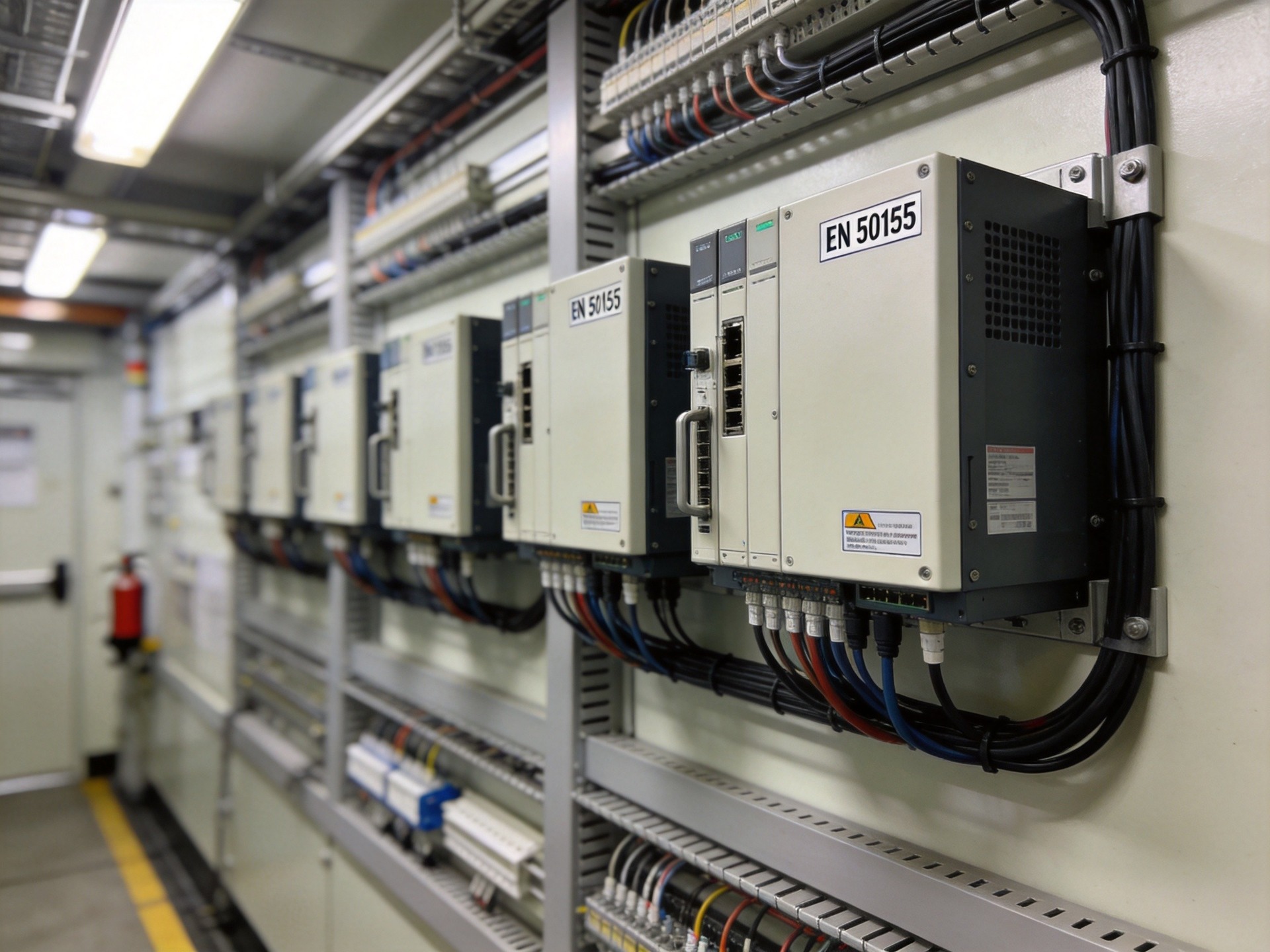
The foundation of rail equipment qualification is EN 50155, the European standard for electronic equipment used on rolling stock. This standard defines requirements that go far beyond typical industrial specifications. Input voltage must tolerate a nominal range of 0.7 to 1.25 times the rated voltage, with short-duration surges up to 1.4 times nominal. Ambient operating temperature classes range from T1 (-25°C to +40°C for passenger areas) to TX (-40°C to +70°C for underframe and engine compartment installations). Shock and vibration testing follows EN 61373, which specifies random vibration profiles across three axes at levels that simulate decades of rail service within a compressed test duration.
Additional standards layer on top of EN 50155 depending on the application. EN 50121 covers electromagnetic compatibility in railway environments, with limits on both conducted and radiated emissions and immunity. EN 45545 defines fire protection requirements for materials used in railway vehicles, including flammability, smoke density, and toxicity testing. Display equipment installed in driver cabs must also meet EN 50126 for RAMS (Reliability, Availability, Maintainability, Safety) analysis, ensuring that display failures cannot contribute to unsafe operating conditions.
Onboard Display Applications: Driver Cab to Passenger Information
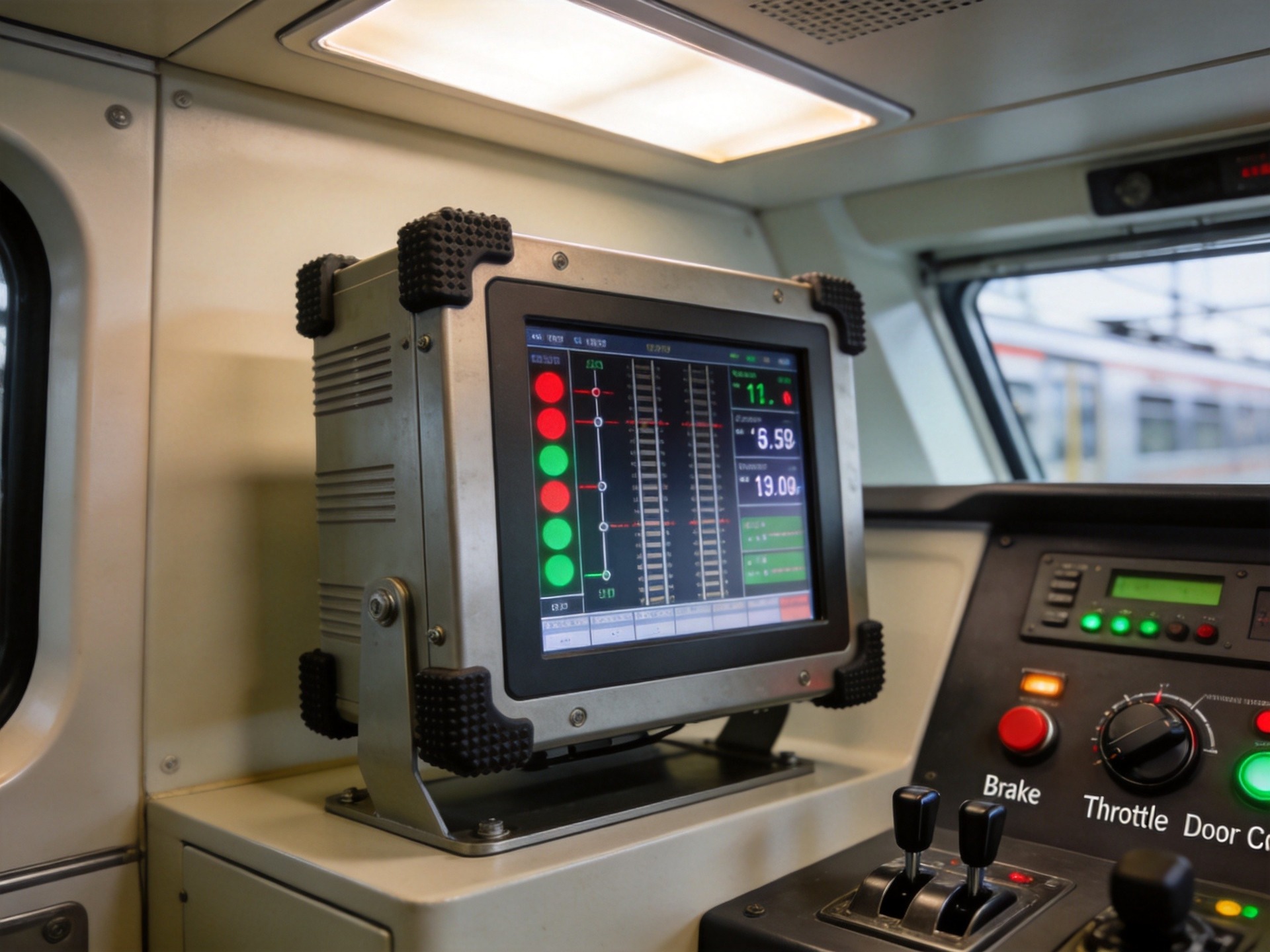
Railway display applications span a wide spectrum of criticality levels. Driver cab displays represent the most demanding category—they must present train control, signaling, and diagnostic information with zero latency and perfect readability under all lighting conditions, from direct sunlight to complete darkness. These displays typically use high-brightness panels exceeding 1000 nits with optical bonding to eliminate internal reflections. Redundant display architectures are common, with automatic failover ensuring that a single display failure does not compromise operational safety.
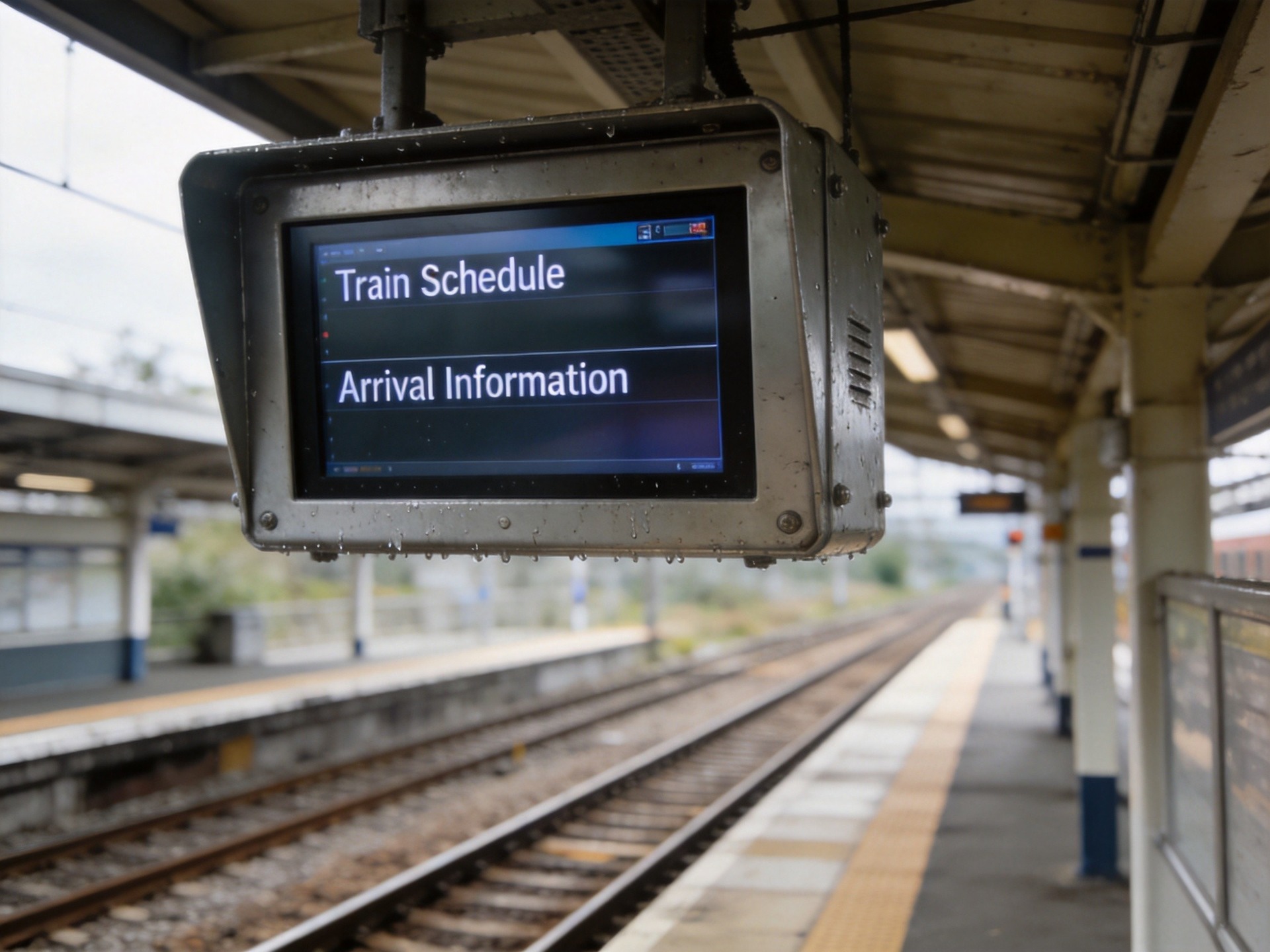
Passenger information displays mounted in carriages and on platforms face different challenges. While they do not carry safety-critical functions, they must operate reliably in unheated, unventilated enclosures exposed to ambient temperature extremes. Vandal resistance is a key design consideration—displays in public areas need impact-resistant cover glass and tamper-proof mounting hardware. The display technology trend in this segment is moving toward high-brightness, wide-viewing-angle IPS panels that remain legible from oblique angles as passengers move through carriages. To achieve the required combination of EN 50155 compliance, optical performance, and mechanical durability, specialized platforms such as the KOXIAN G1 series employ optically bonded, high-brightness LCDs within sealed aluminum enclosures rated for the full TX temperature range.
Power Supply and Environmental Hardening
Railway power systems are notoriously hostile to electronic equipment. The nominal 24V, 72V, or 110V DC supply in rolling stock can experience interruptions of up to 10 milliseconds during pantograph transitions, voltage dips to 60 percent of nominal during engine cranking, and surges exceeding 1.4 times nominal from regenerative braking systems. Industrial computers designed for rail deployment incorporate wide-input DC-DC converters that maintain regulated output through these transients, often with hold-up capacitor banks that bridge interruptions of up to 30 milliseconds without disrupting operation.
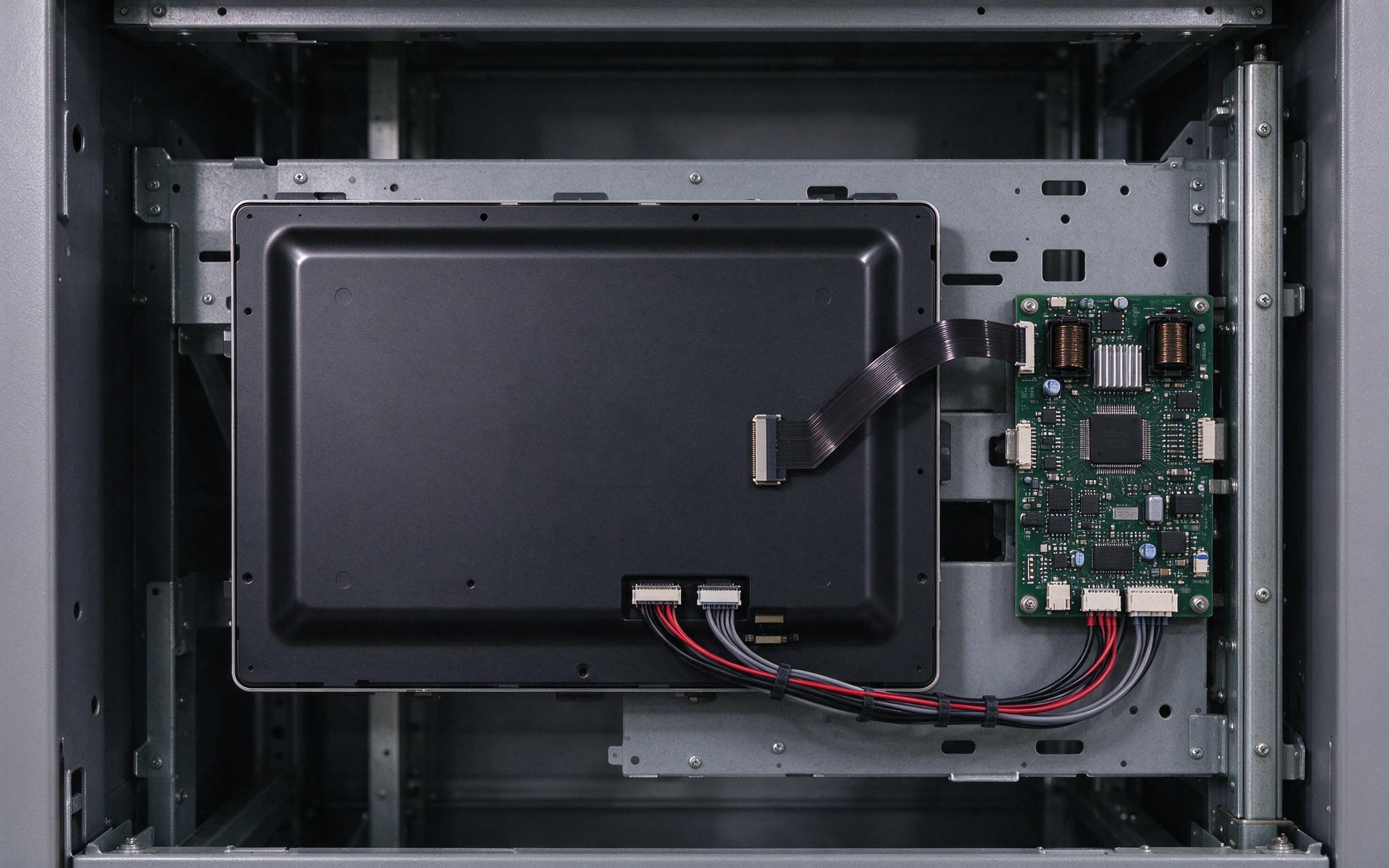
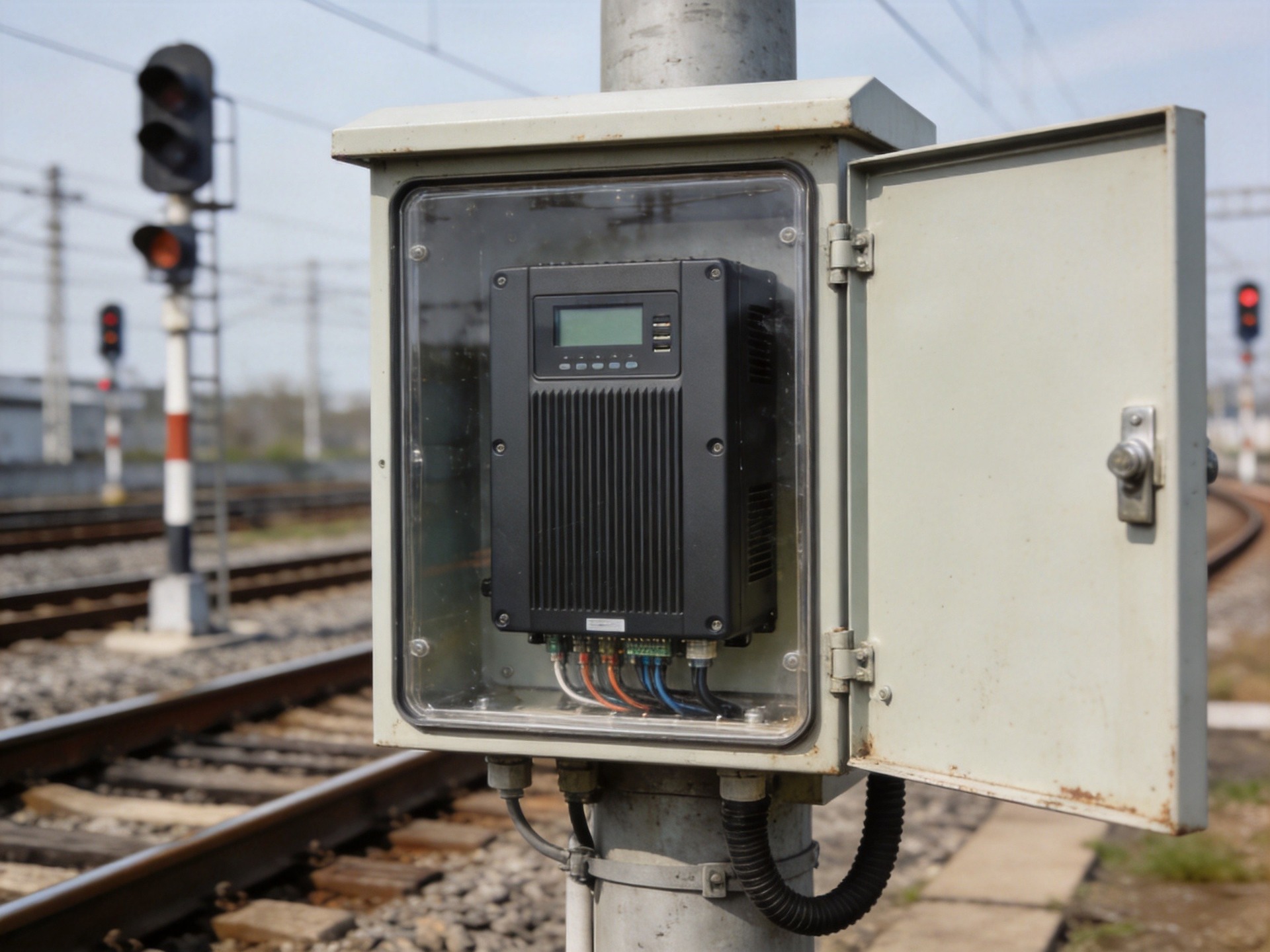
Environmental hardening extends beyond the electrical domain. Conformal coating on all PCB surfaces protects against condensation that forms when trains move between temperature and humidity zones. Enclosure ingress protection of at least IP54 is standard for interior installations, with IP65 required for underframe and exterior mounting positions. Cable connections use locking connectors with strain relief to prevent the vibration-induced disconnection that is among the most common failure modes in rail deployments. Field reliability data from European rail operators, including those utilizing KOXIAN K2 series hardware in onboard monitoring applications, confirms that properly specified railway-grade industrial computers achieve mean time between failures exceeding 80,000 hours—a figure that dramatically reduces the lifecycle cost compared to equipment that requires frequent service interventions in the operational constraints of railway maintenance schedules.
Selection Criteria for Railway Display Deployments
Selecting the right industrial display for a railway application begins with a thorough environmental survey. Document the expected temperature range at the mounting location, the vibration profile from nearby equipment, the presence of conductive dust or moisture, and the electromagnetic environment. Match these conditions against the equipment’s certification documentation rather than relying on marketing claims. Verify that the power supply input range covers the specific railway voltage standard used in the deployment region. For displays in safety-related applications, confirm that the manufacturer provides the RAMS analysis documentation required by the system integrator’s safety case. A disciplined selection process that prioritizes certified compliance over attractive specifications consistently produces the most reliable long-term deployments in railway environments.