Hazardous Area Classification: Understanding the Risk Zones
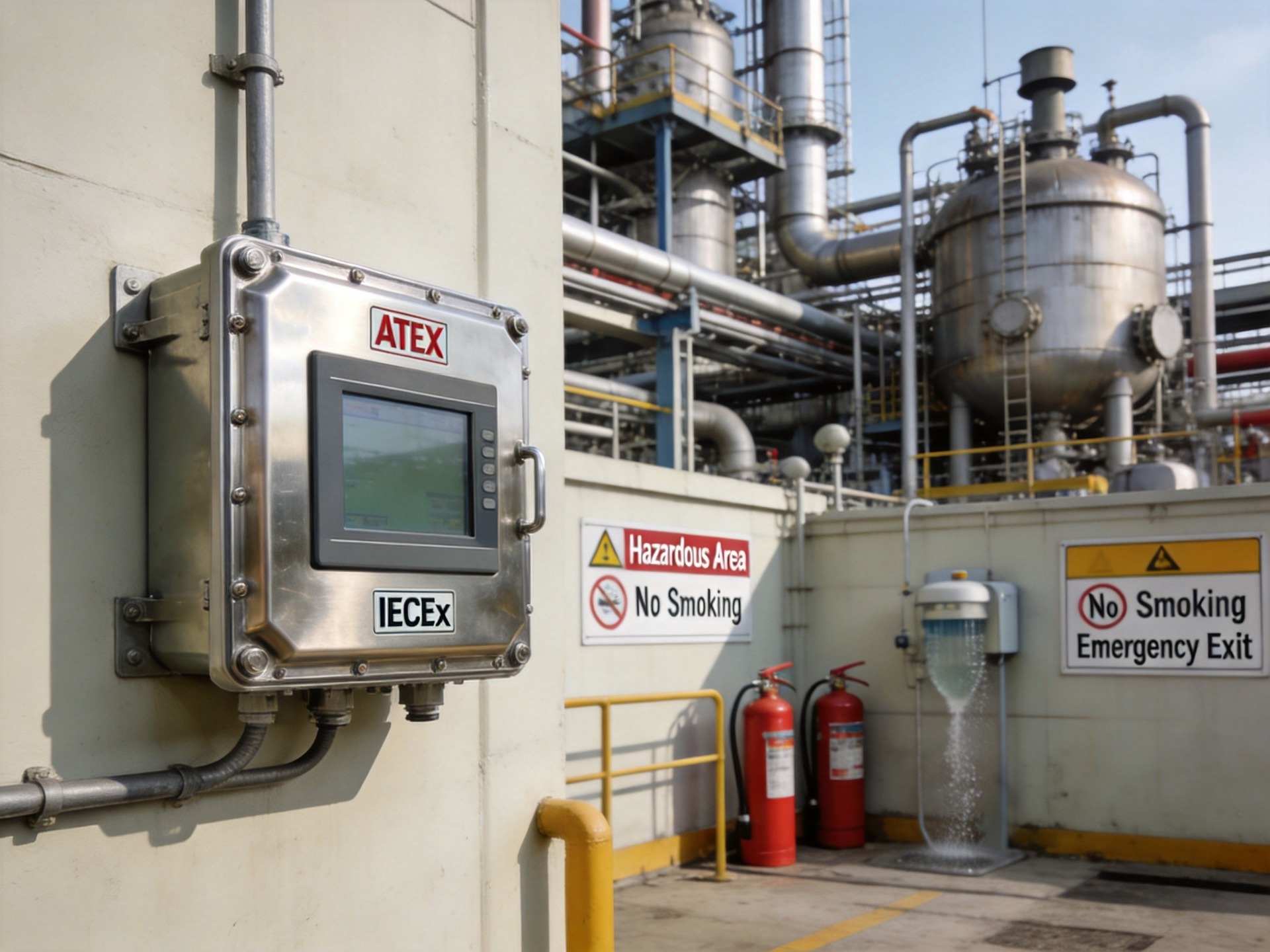
Before selecting explosion-proof equipment, facility engineers must understand the classification system that defines hazardous areas. The international IEC 60079 standard and North American NEC Article 500/505 framework divide hazardous locations based on the type, likelihood, and duration of explosive atmosphere presence. Zone 1 and Division 1 areas are locations where flammable substances are present during normal operations. Zone 2 and Division 2 areas experience hazardous conditions only under abnormal circumstances such as equipment failure. The classification directly determines the required protection method and certification level for any installed electronic equipment.
The nature of the hazardous substance itself also matters. Gas groupings—from Group IIA for propane to Group IIC for hydrogen and acetylene—define the minimum ignition energy and maximum experimental safe gap parameters that the enclosure must satisfy. A device certified for Group IIB may be inadequate for a Group IIC environment, where hydrogen’s extremely low ignition energy demands more stringent flamepath dimensions and tighter joint tolerances.
Protection Methods: Flameproof, Intrinsic Safety, and Purged Enclosures
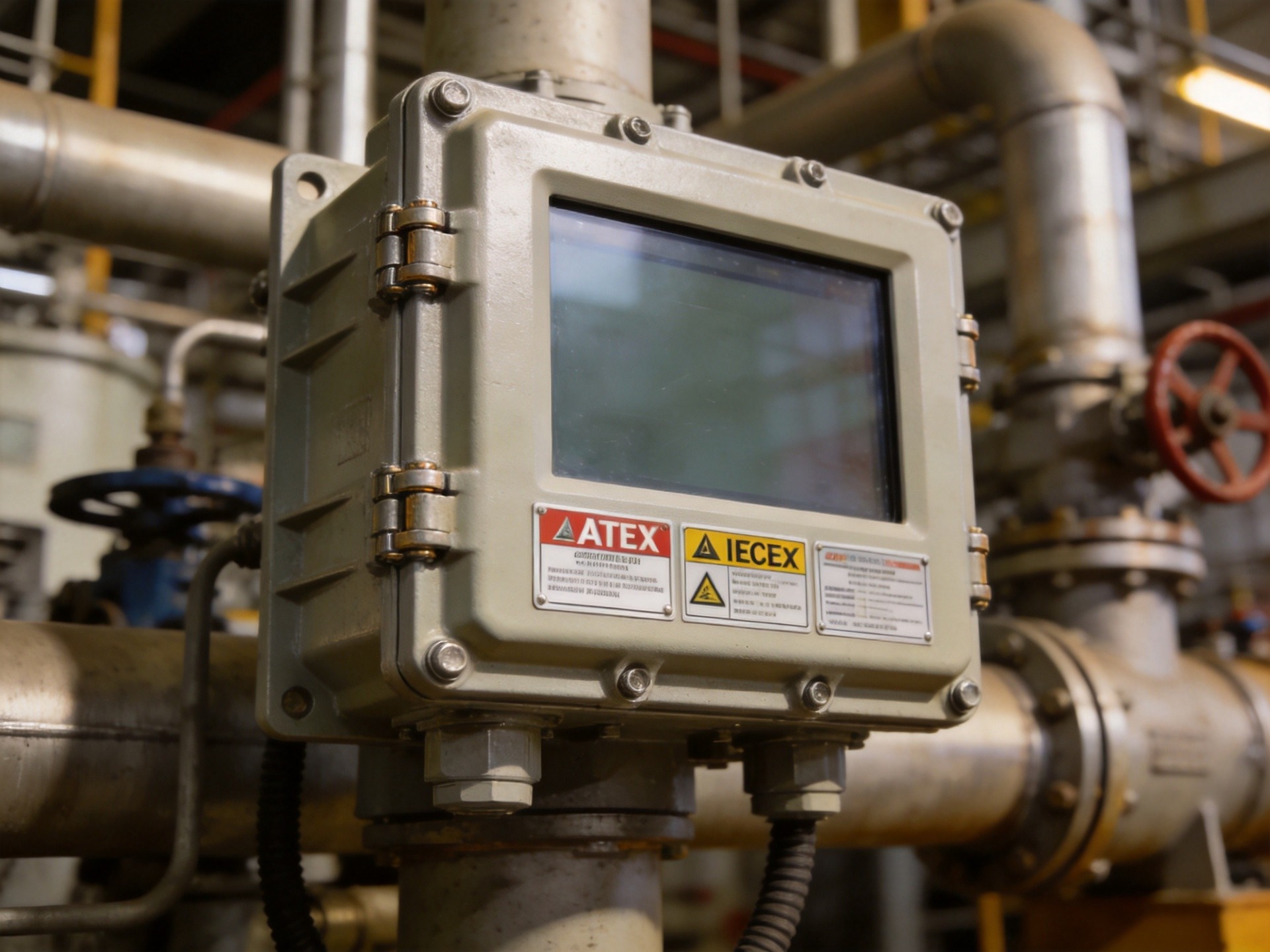
Three primary protection methods dominate the industrial touch device market for hazardous areas. Flameproof enclosures, designated Ex d, use heavy-walled cast aluminum or stainless steel housings with precision-machined flamepaths. These flamepaths are engineered gaps that allow hot gases from an internal explosion to escape, but only after cooling below the ignition temperature of the surrounding atmosphere. The enclosure must withstand internal explosion pressure without deformation that would compromise flamepath dimensions—verified through rigorous overpressure testing.
Intrinsic safety, designated Ex i, takes a fundamentally different approach. Rather than containing an explosion, intrinsically safe designs limit electrical and thermal energy in the circuit to levels below what is required to ignite a specific gas group. This is inherently safer but imposes practical limits on display brightness and touchscreen performance. Purged and pressurized enclosures, designated Ex p, maintain positive pressure of inert gas or clean air within the enclosure, physically preventing ingress of flammable atmospheres. This method allows standard industrial components inside a specially designed housing, making it attractive for larger panel installations.
Touchscreen Technology Constraints in Hazardous Environments
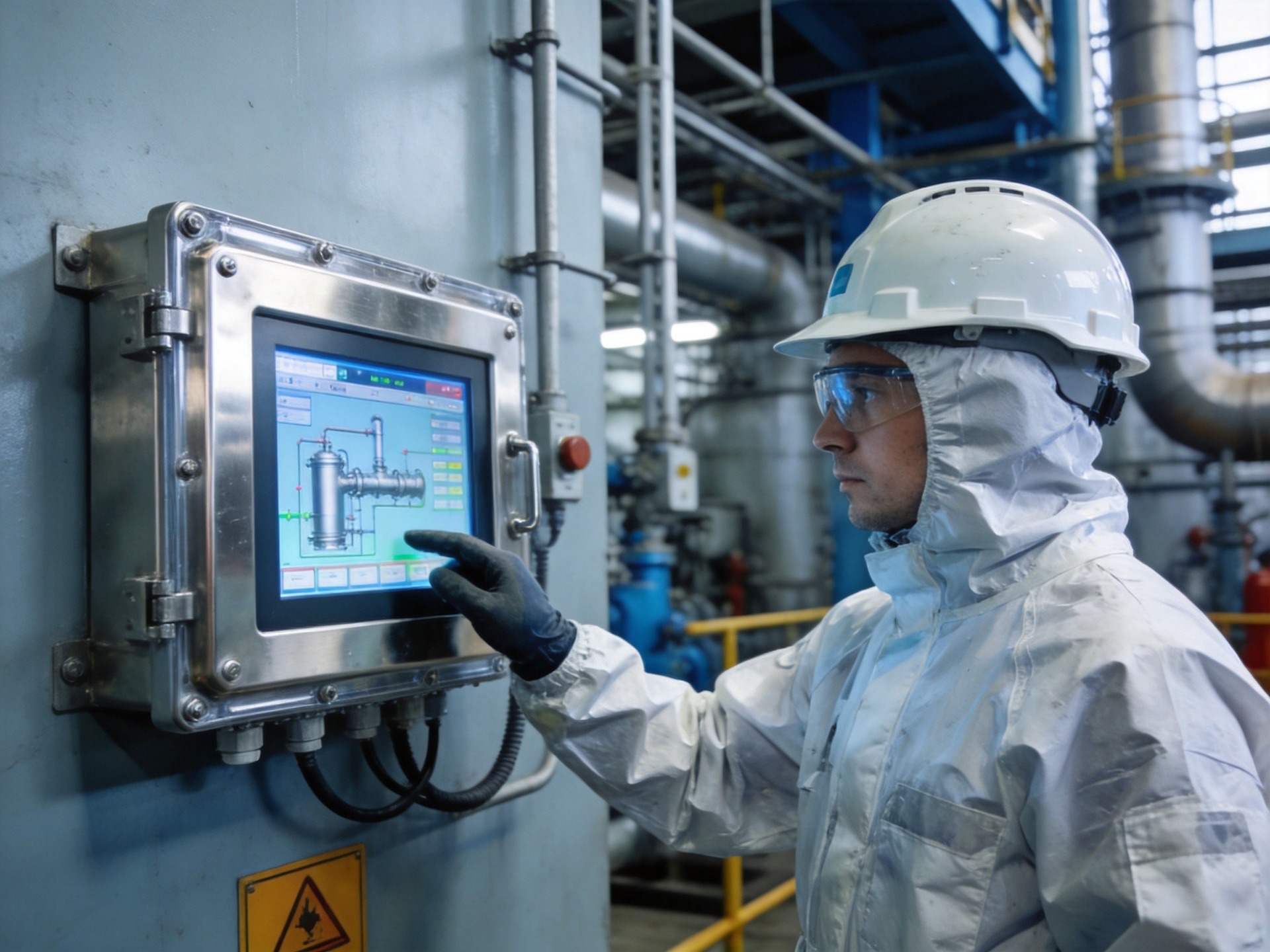
The safety requirements of hazardous area certification impose significant constraints on touchscreen technology. Capacitive touchscreens, while offering superior optical performance, require careful grounding design to prevent static discharge from becoming an ignition source. The touch controller circuitry must be isolated and energy-limited to meet intrinsic safety requirements when used in Zone 1 environments. Resistive touchscreens, which operate through physical pressure rather than electrical field sensing, present fewer certification challenges but introduce a flexible membrane layer that must be integrated into the flameproof enclosure design without compromising flamepath integrity.
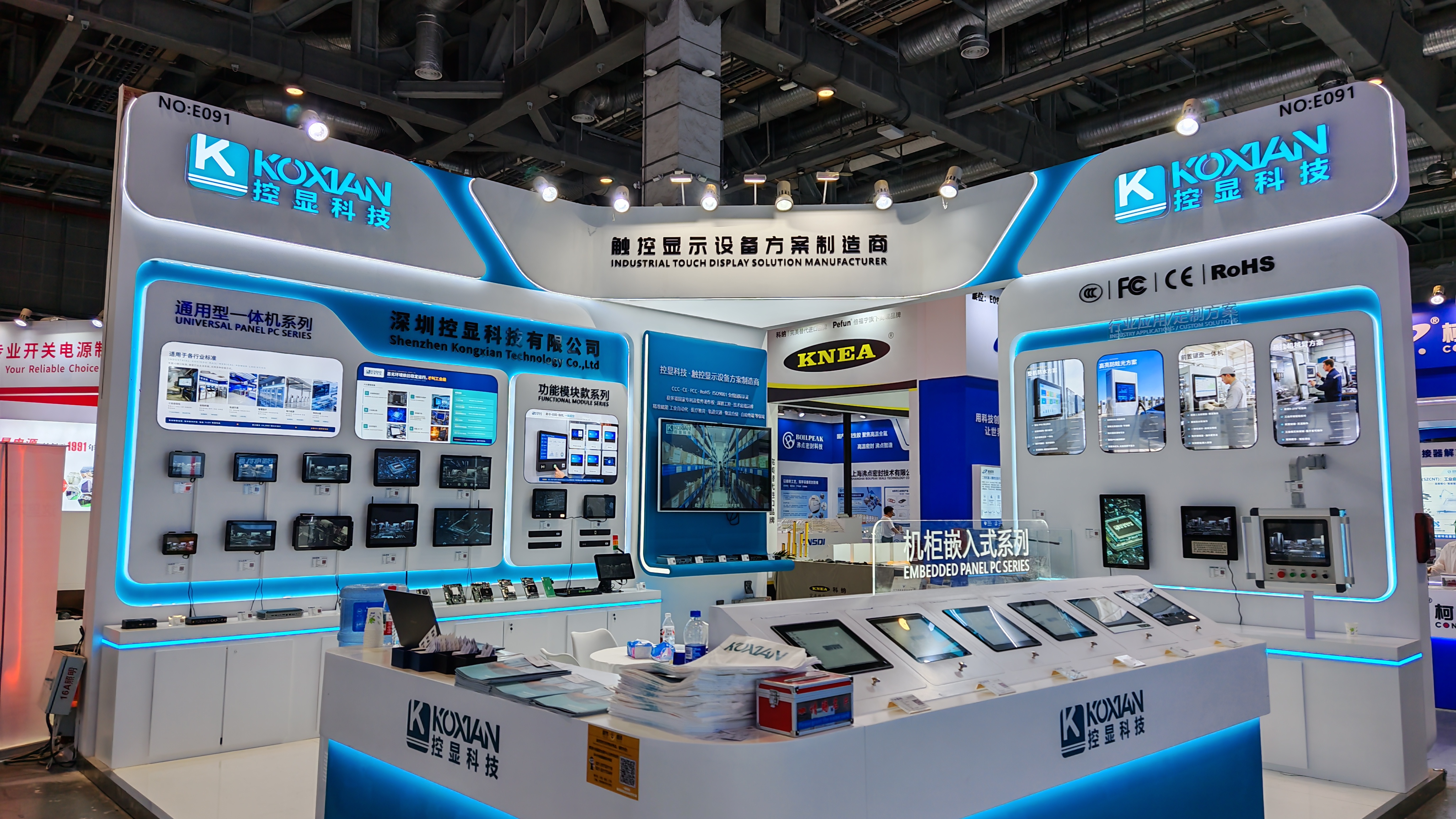
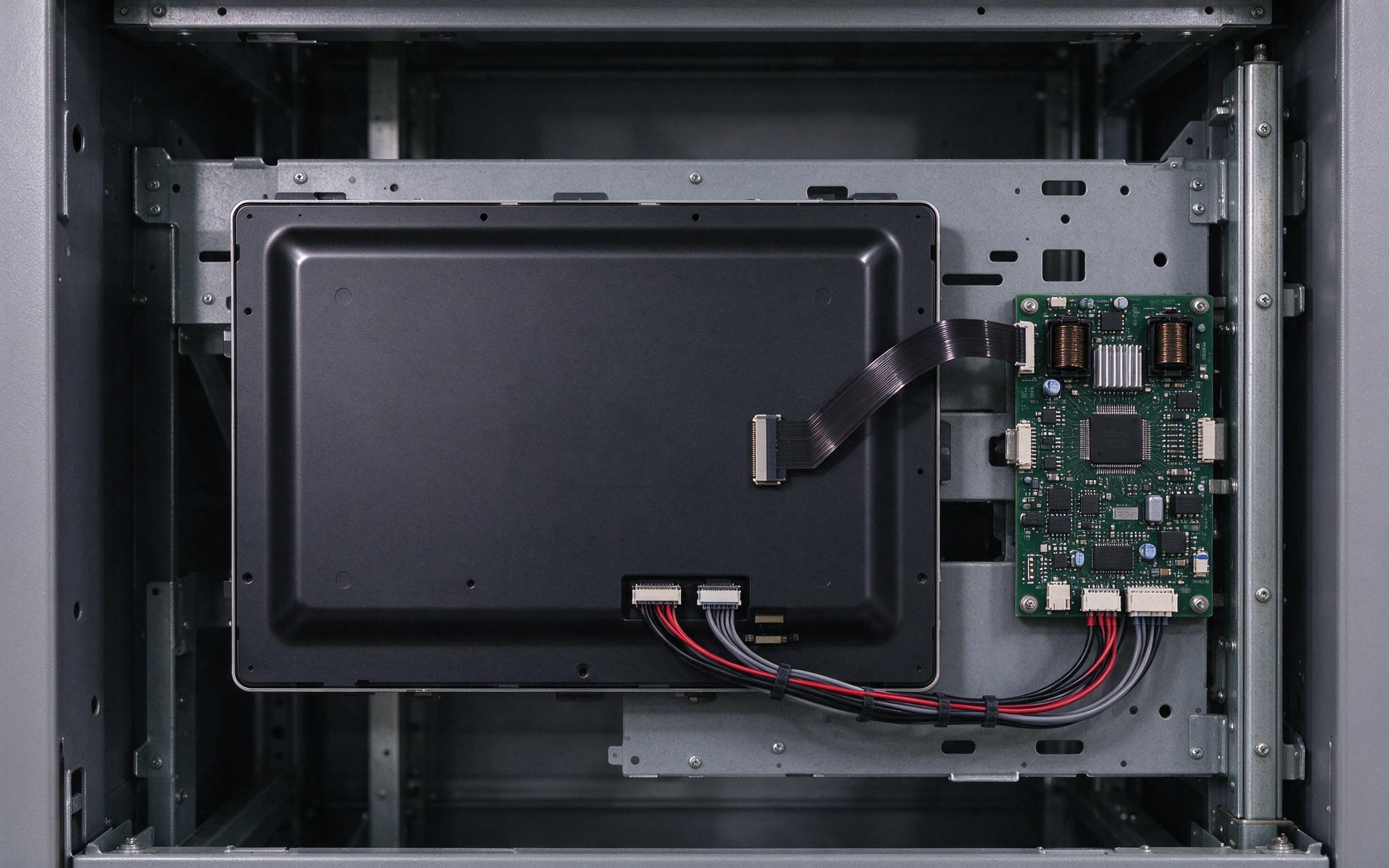
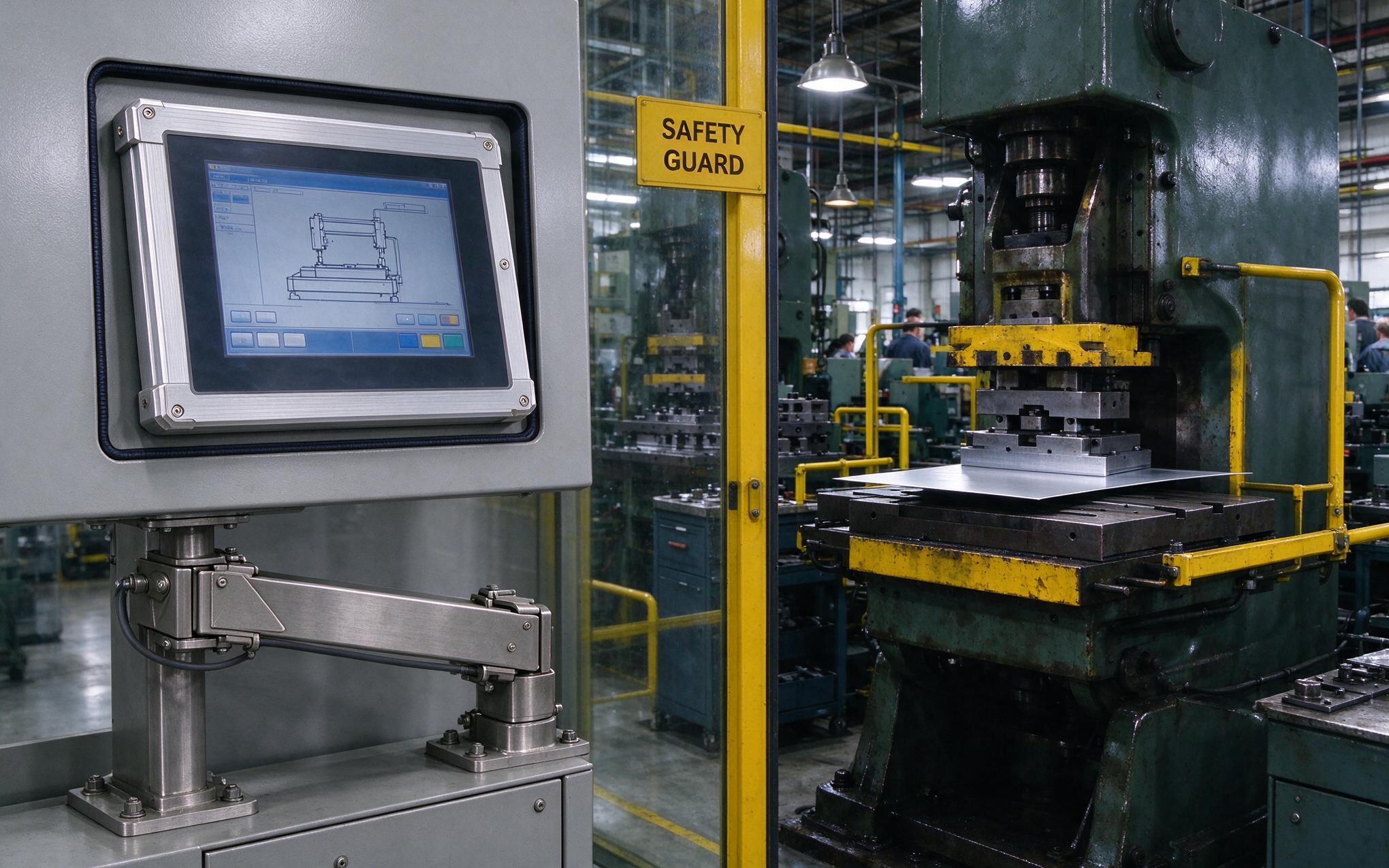
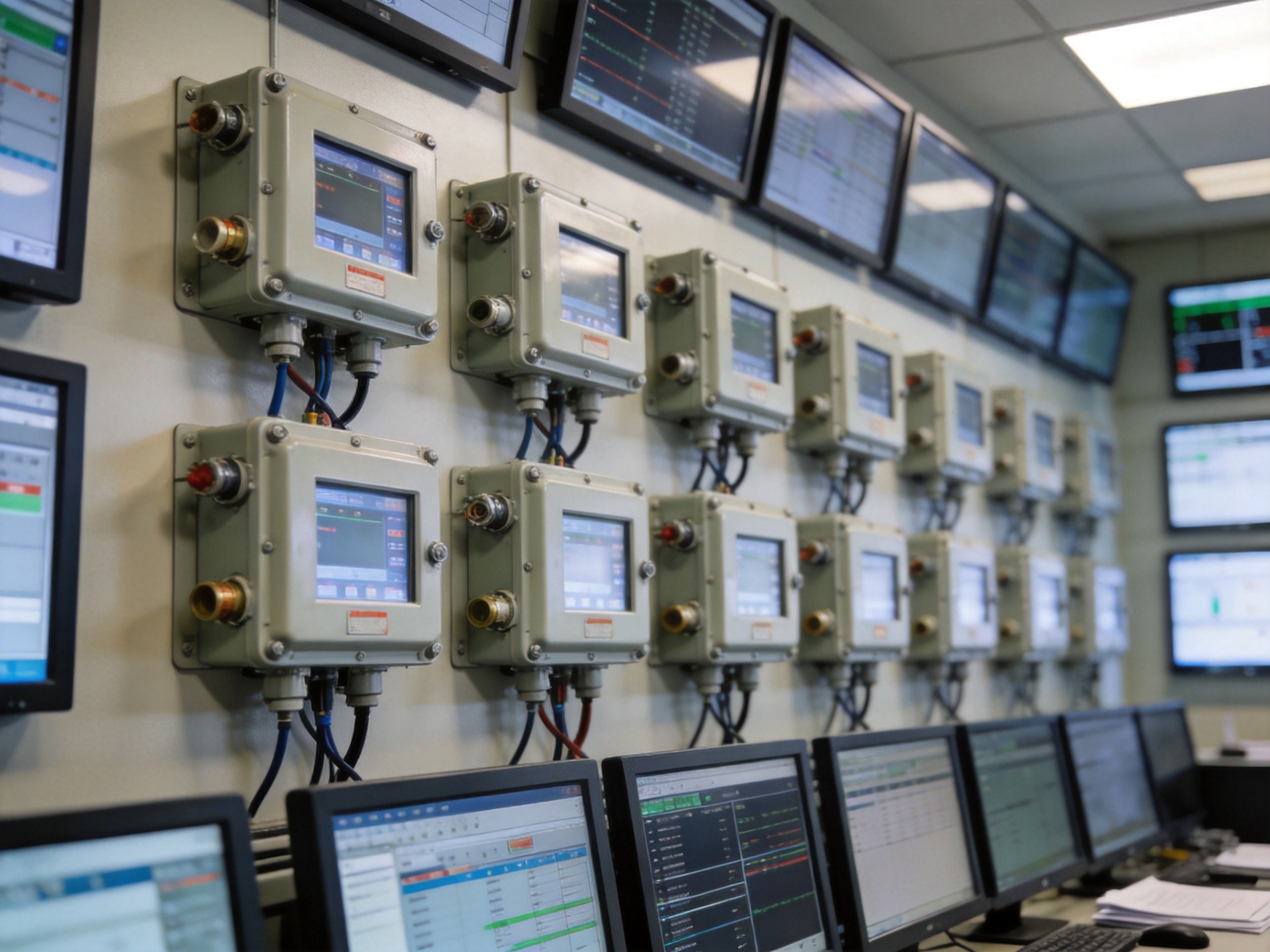
To achieve this level of safety certification while maintaining usable touch performance, a distinct tier of specialized industrial hardware—incorporating structural standards found in platforms like the KOXIAN G1 and K2 series—utilizes precision-machined, fully enclosed aluminum alloy chassis with integrated flameproof cable glands. These designs ensure that every potential ingress point, including the touchscreen-to-bezel interface, meets the flamepath requirements verified through third-party testing. Display brightness must also be carefully managed: higher brightness requires more power, generating more heat that must be accounted for in the temperature classification forming part of the certification.
Certification and Lifecycle Compliance
Certification marks such as ATEX, IECEx, and UL Class I Division 1 are not one-time achievements. They represent an ongoing compliance obligation extending throughout the equipment’s operational life. Any modification to the enclosure—including replacement of cable glands, addition of conduit entries, or substitution of fasteners—can invalidate the certification. Maintenance procedures must strictly follow manufacturer specifications, and post-repair inspections should verify flamepath dimensions, gasket integrity, and enclosure surface temperature under full operating load. Field audit data from petrochemical facilities, including sites running KOXIAN-based explosion-proof configurations, shows that documented lifecycle compliance programs reduce recertification failures by over seventy percent compared to ad-hoc maintenance approaches.