Thermal Design: Passive Cooling vs. Forced Air
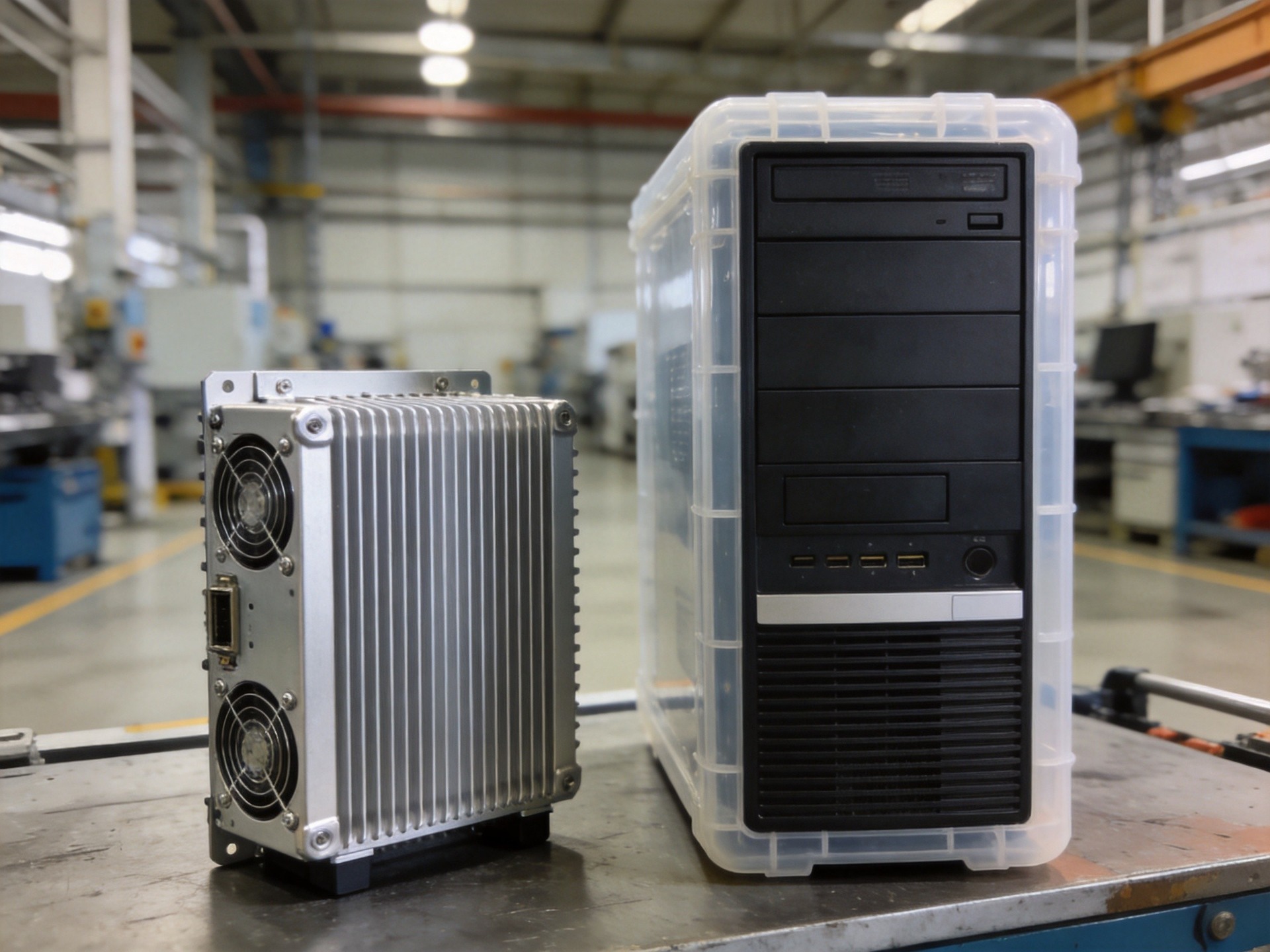
The most visible engineering difference is thermal management. Commercial desktops rely on forced-air cooling—multiple fans pulling ambient air through the chassis and across heat-generating components. In a factory environment, that airflow transports airborne particulates, oil mist, metal dust, and humidity directly across sensitive electronics. Contaminants accumulate on heat sinks, reducing thermal transfer efficiency. Fan bearings wear out, particularly under the additional load of dust-laden operation. When the fan fails, the CPU throttles or shuts down, taking the production application offline.
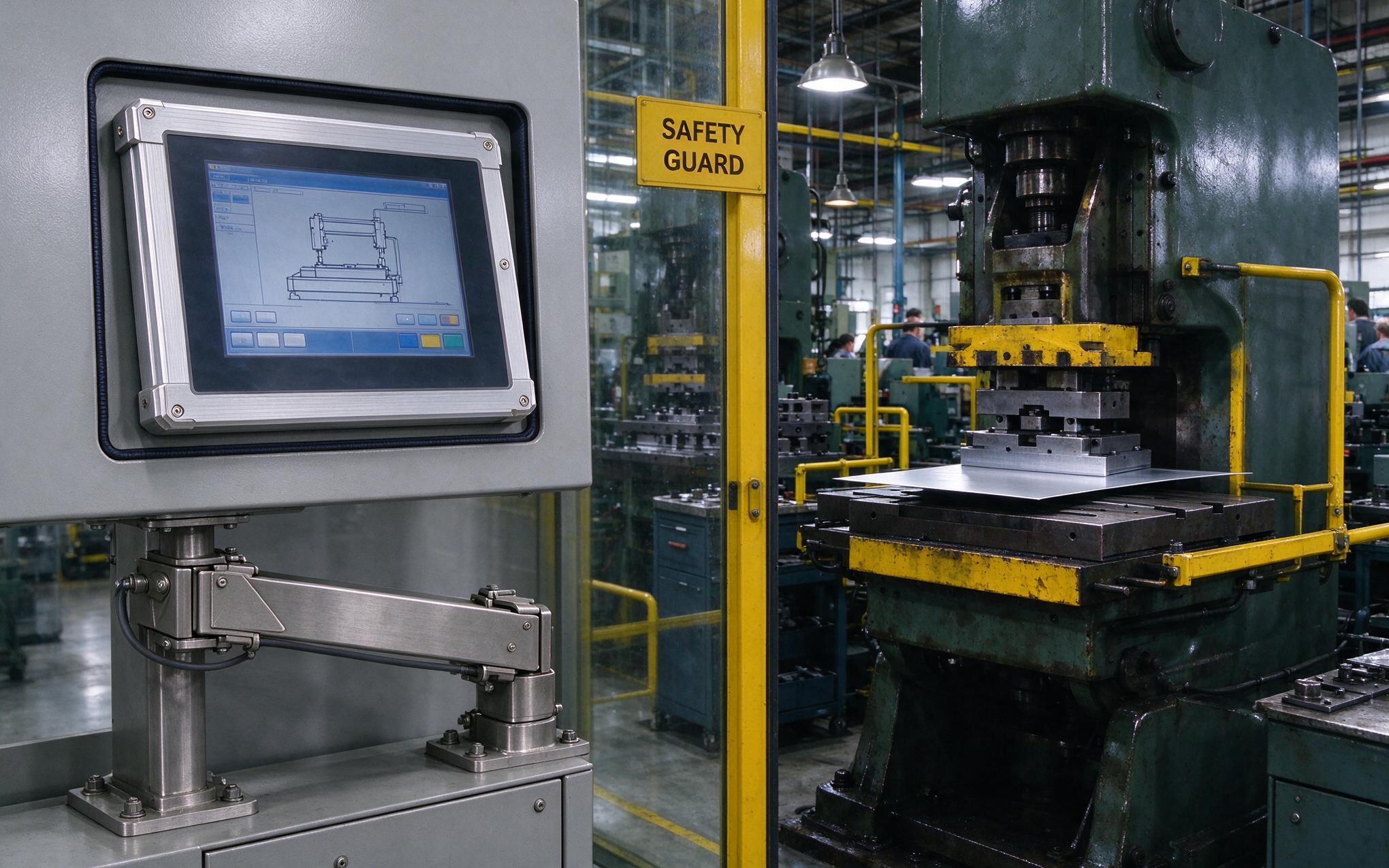
Industrial embedded computers use passive cooling through conduction and natural convection. The entire chassis functions as a heat sink, with precision-machined aluminum surfaces transferring thermal energy from internal components to the external environment without any moving parts. This fanless architecture eliminates the single most common failure point in computing hardware deployed in industrial settings. The trade-off is a larger, heavier enclosure for equivalent computing power—a compromise that industrial environments readily accommodate in exchange for dramatically improved reliability.
Component Selection and Board-Level Engineering
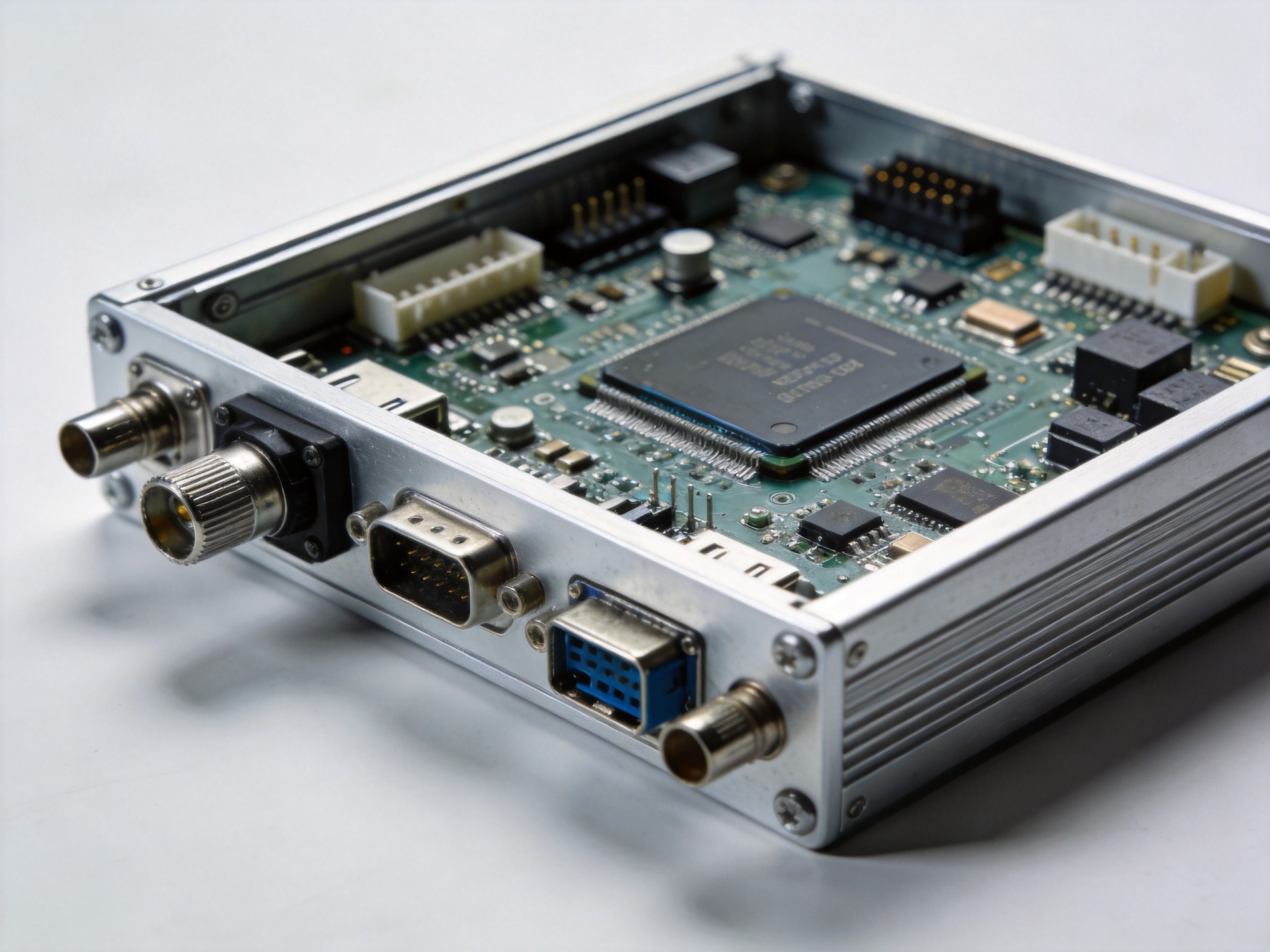
Commercial motherboards are designed for a 3-to-5-year consumer lifecycle, with component selection optimized for cost. Electrolytic capacitors rated for 2,000 hours at 105°C are standard—adequate for an office PC operating 8 hours daily at 35°C ambient, but severely undersized for a factory floor running 24/7 at 50°C. Industrial embedded motherboards specify solid-state capacitors rated for 50,000 hours or more at high temperature, along with components selected for extended temperature ranges from -20°C to +70°C.
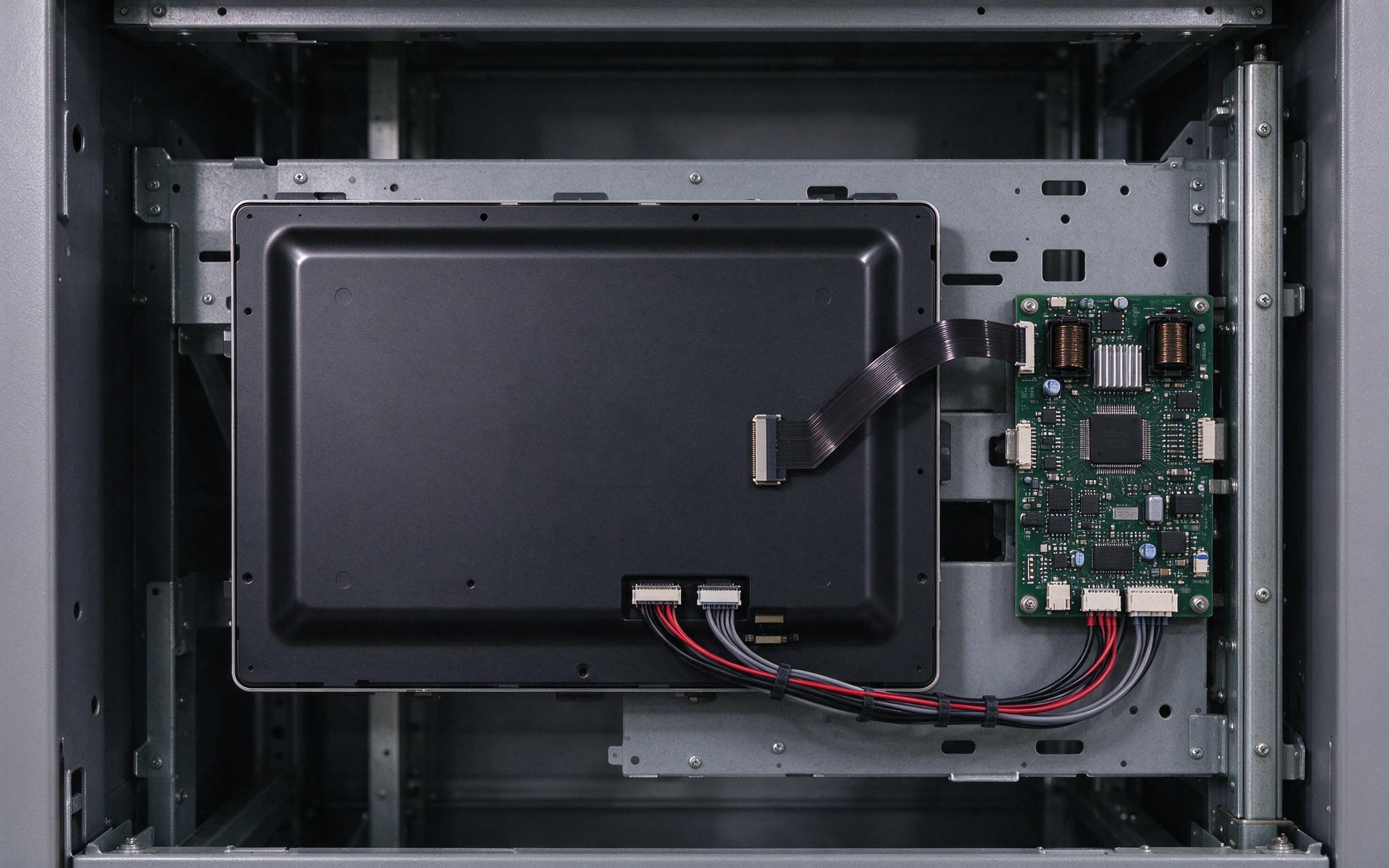
Board-level engineering diverges significantly. Commercial boards use predominantly surface-mount technology, which is cost-effective but provides limited mechanical retention. Industrial boards supplement surface-mount with through-hole mounting for connectors and power components, providing the mechanical strength to withstand sustained vibration. Conformal coating—a thin protective polymer film applied over the assembled PCB—prevents moisture, dust, and chemical contaminants from causing electrochemical migration that creates short circuits between adjacent traces. These board-level differences account for much of the reliability gap between commercial and industrial hardware.
I/O Configuration and Long-Term Availability
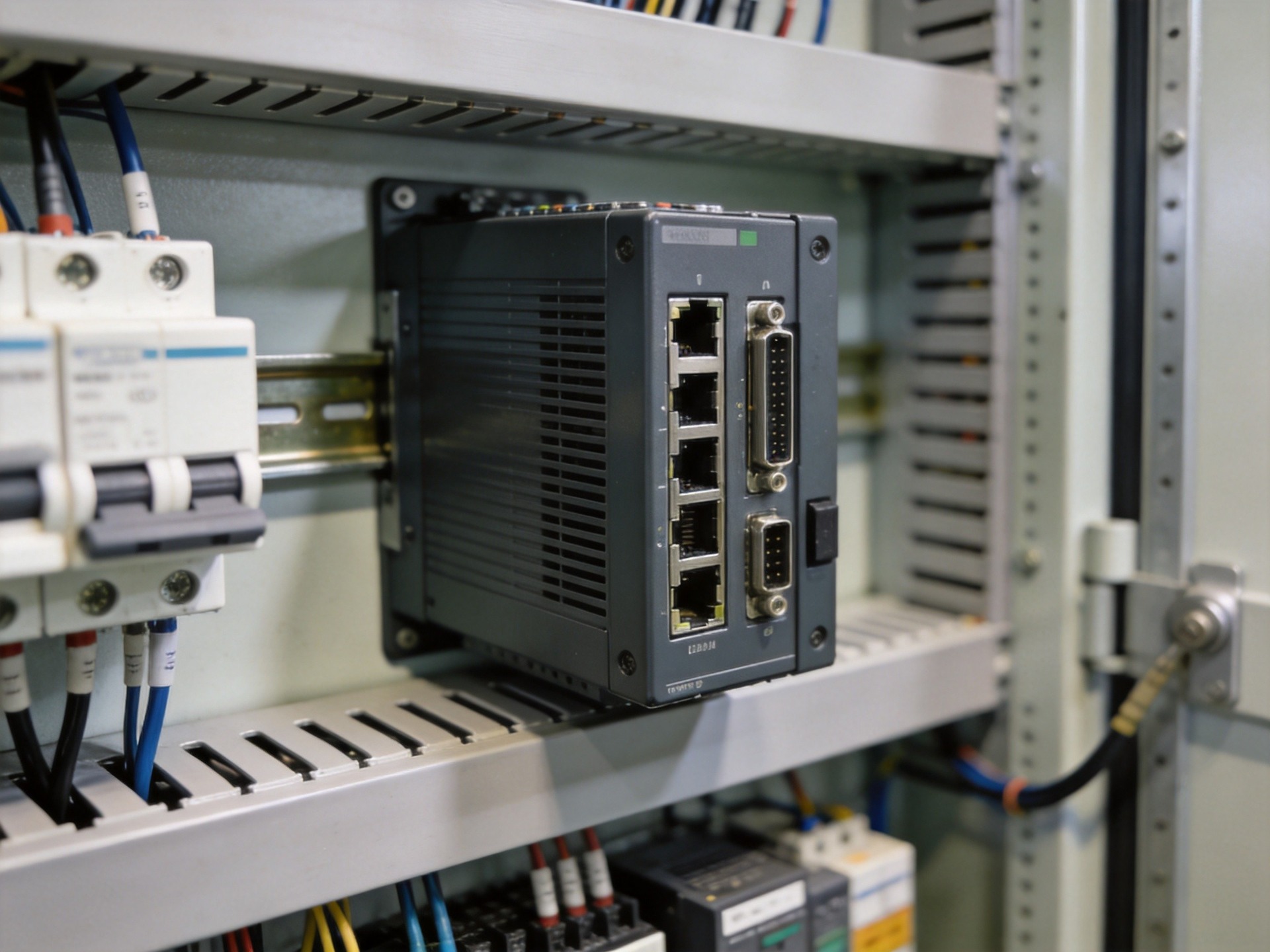
Commercial desktop I/O is designed around consumer peripherals—USB, HDMI, and audio jacks predominate. Industrial embedded computers add RS-232/422/485 serial ports for legacy equipment connectivity, isolated digital I/O for sensor integration, and multiple Gigabit Ethernet ports for network segmentation. The physical connectors are often industrial-grade latching types rather than friction-fit connectors that work loose under vibration.
Perhaps the most consequential difference for procurement is product lifecycle management. Commercial desktop models change every 6 to 12 months, breaking compatibility with validated industrial software stacks. Industrial embedded computers typically carry 5-to-7-year availability guarantees with locked bill-of-materials configurations. To achieve this level of lifecycle stability, a distinct tier of specialized industrial hardware—incorporating platform standards found in the KOXIAN G1 and K2 series—utilizes long-lifecycle embedded processors and deliberately avoids the consumer semiconductor refresh cycle. This allows production facilities to standardize on a single hardware configuration, maintain a common spare parts inventory, and validate software once rather than with every procurement cycle.
Total Cost of Ownership: Beyond the Purchase Price
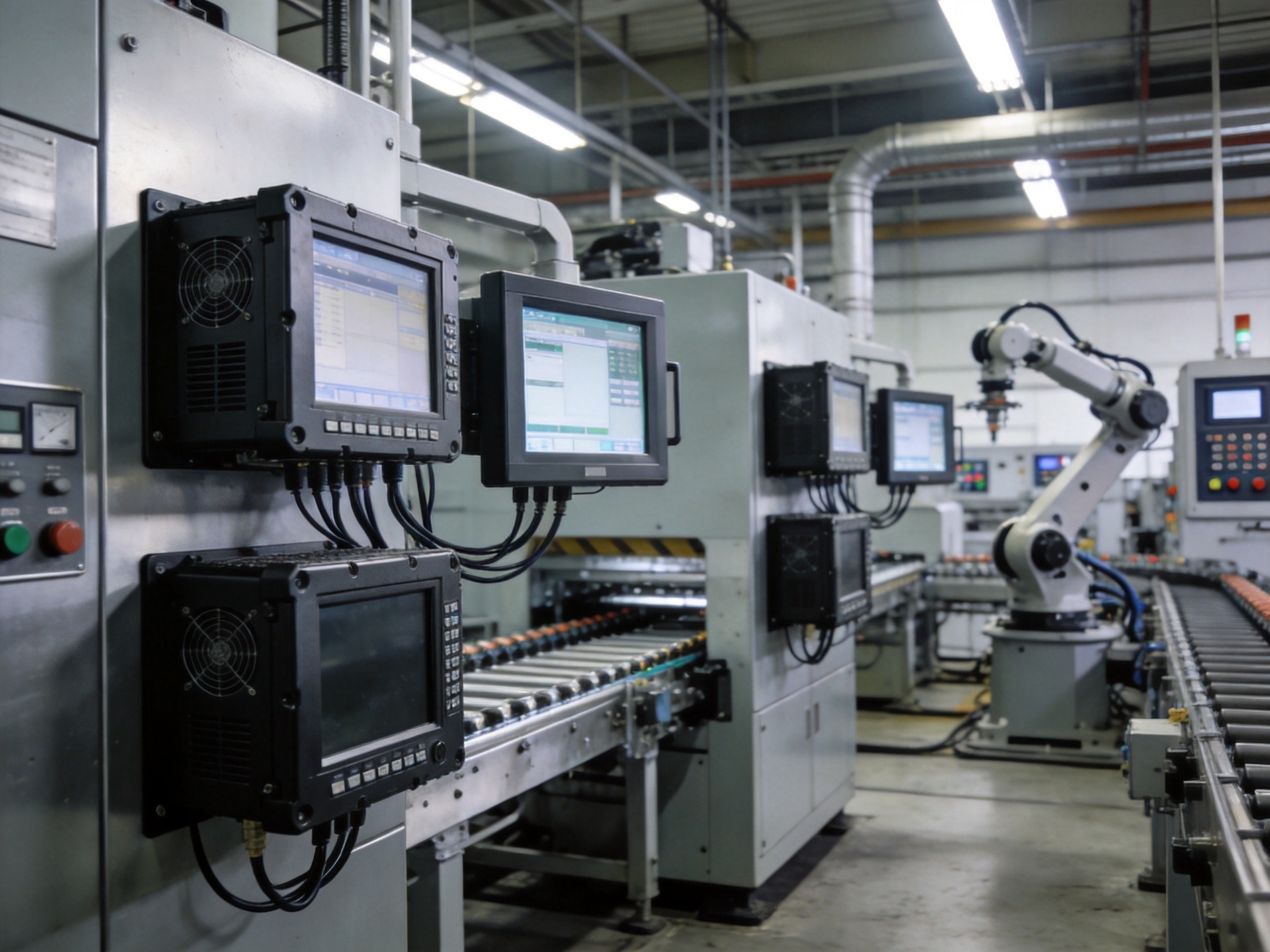
The purchase price comparison between a commercial desktop and an industrial embedded computer misses the full economic picture. A $600 commercial desktop on a factory floor may fail within 12 to 18 months, incurring replacement hardware cost plus production downtime measured in thousands of dollars per hour. An industrial embedded computer with a 5-to-7-year service life eliminates these recurring costs. Field reliability assessments from automotive manufacturing deployments, including those running KOXIAN K2 series embedded platforms, confirm that the industrial-grade hardware approach delivers lower total cost of ownership within the first three years of deployment—a conclusion that holds across a wide range of production environments and duty cycles.