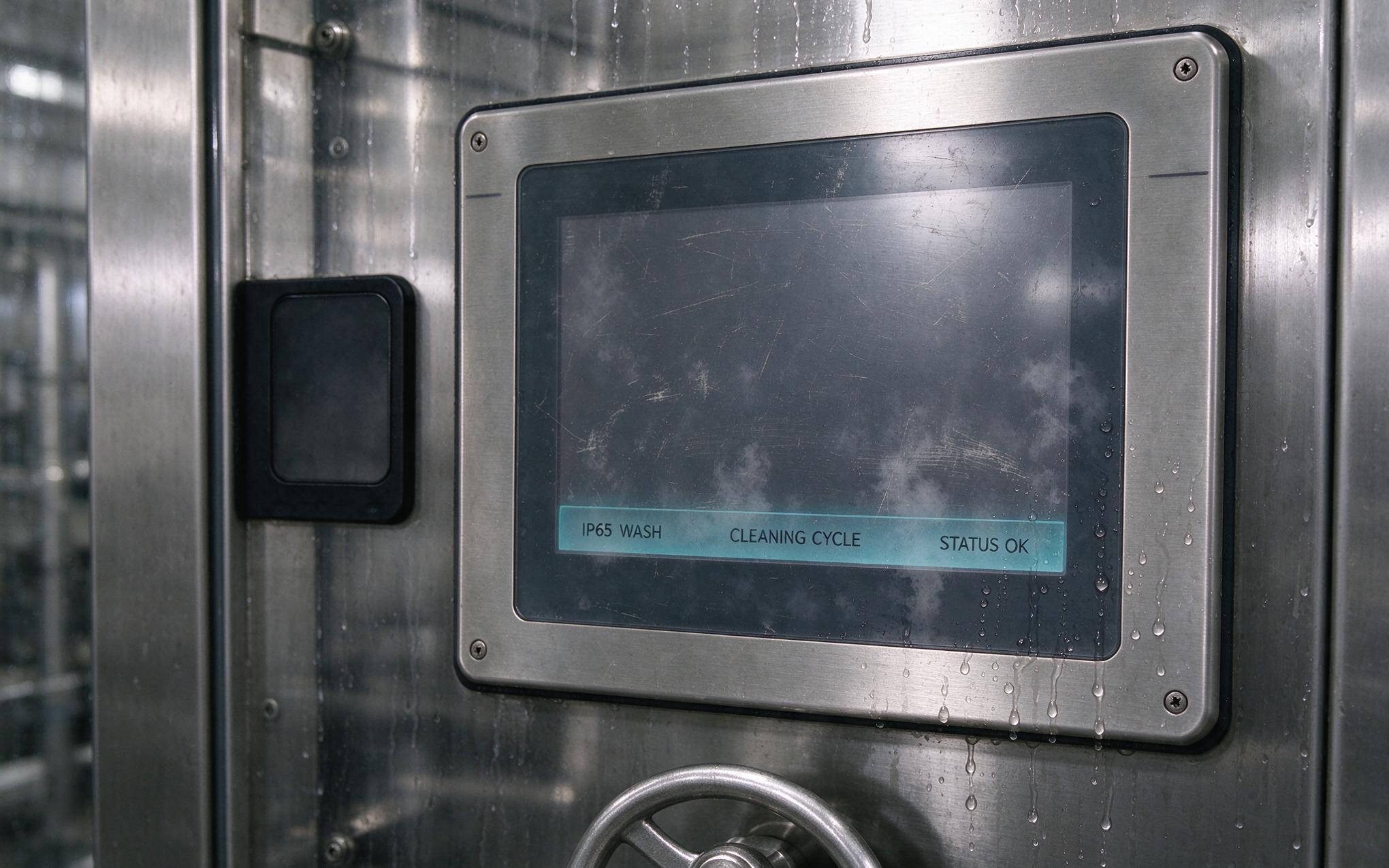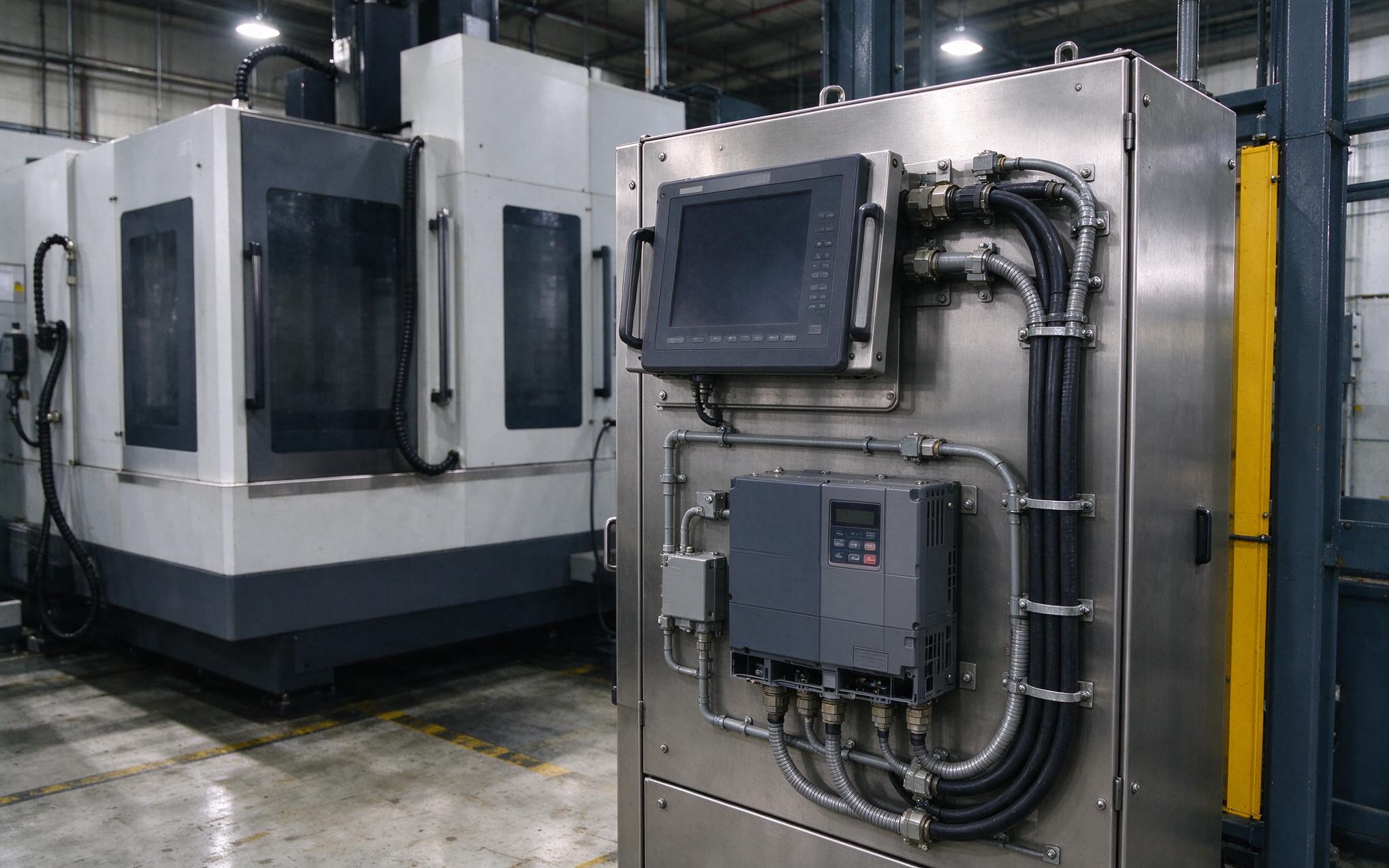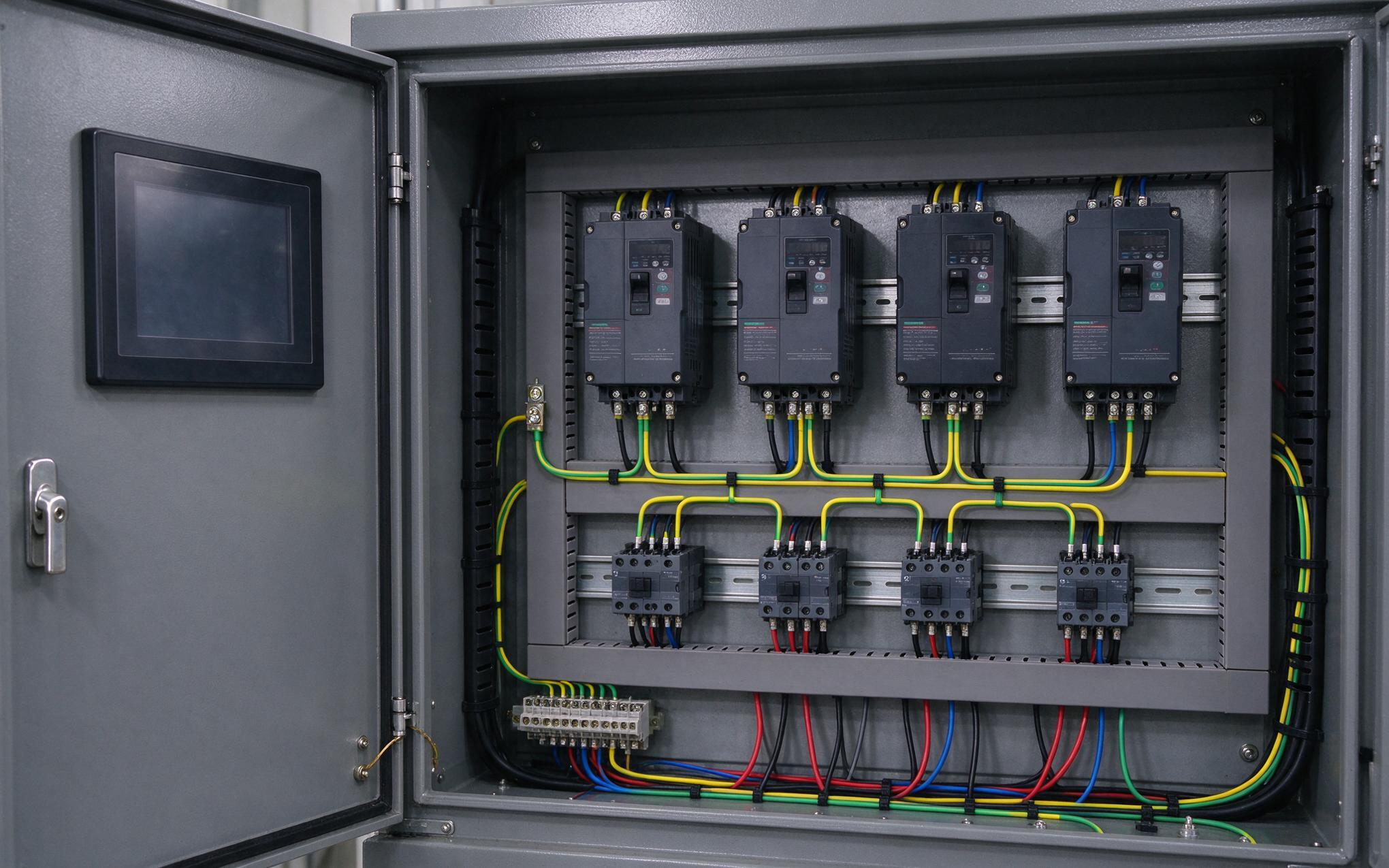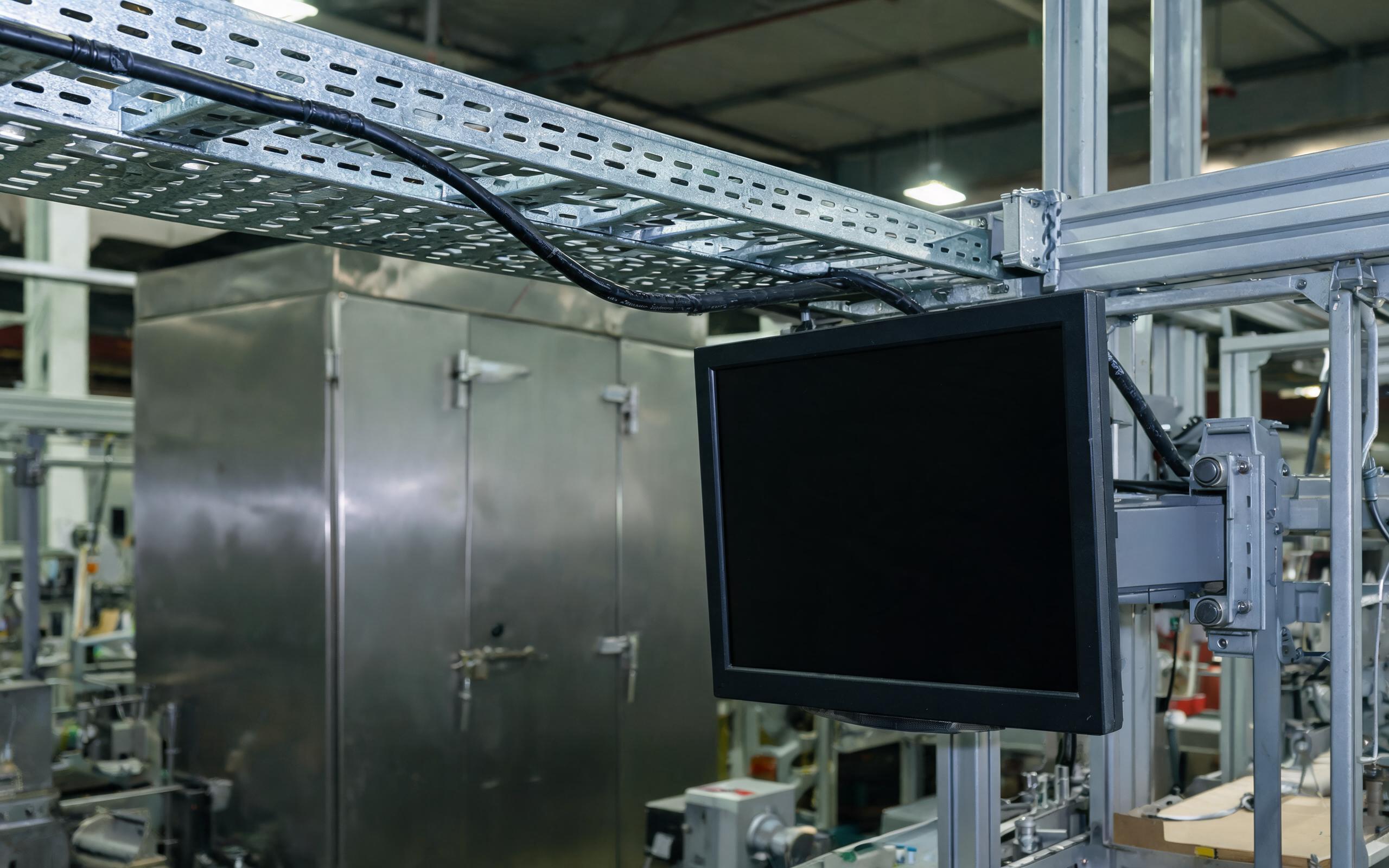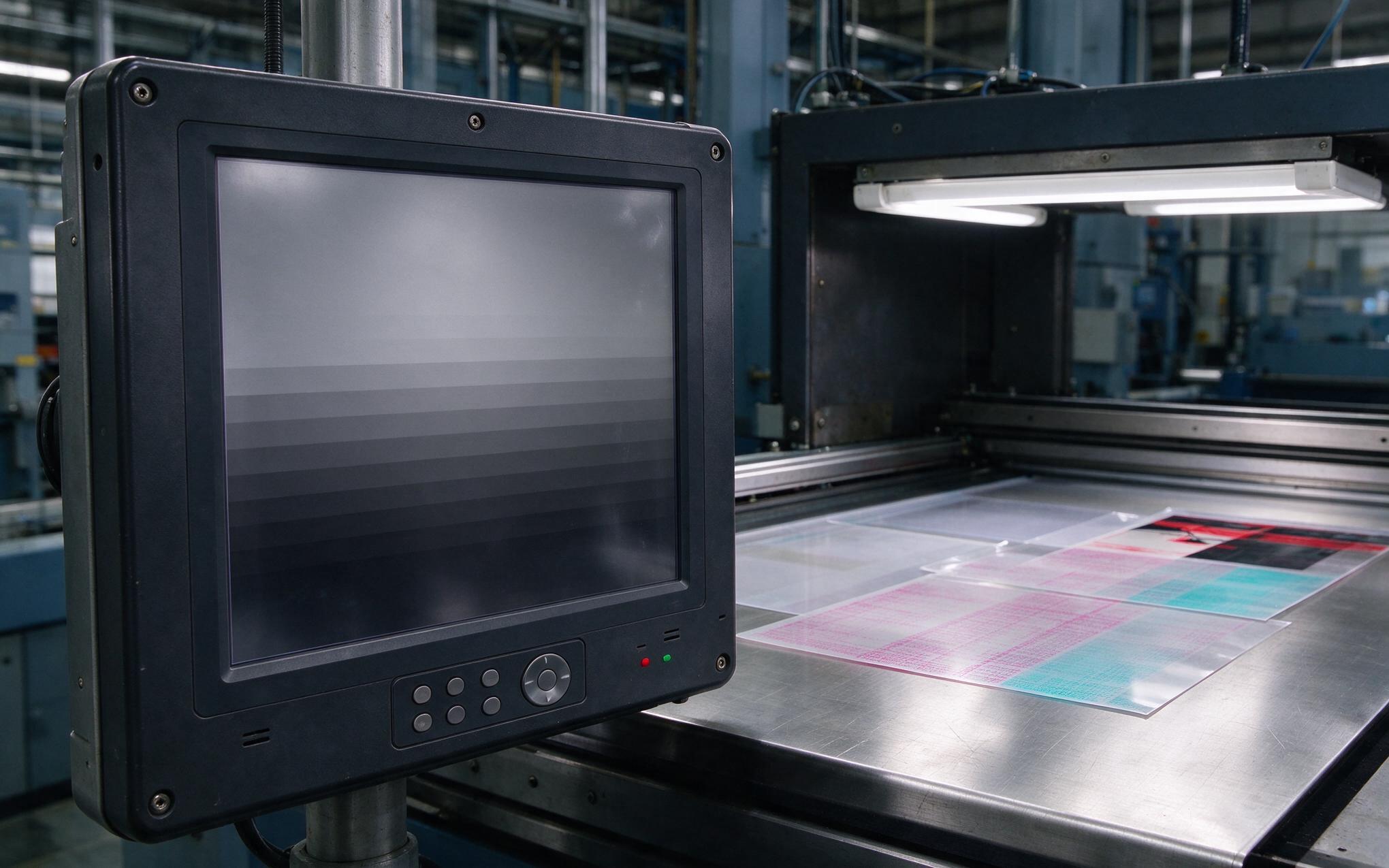
The 19-inch rackmount industrial computer has been the backbone of control system infrastructure for decades. Standardized dimensions, predictable airflow patterns, and well-established mounting ecosystems made rackmount systems the default choice for control rooms, server enclosures, and equipment cabinets across virtually every industrial sector. But the ground is shifting. As edge computing architectures push processing power closer to the physical process, and as control enclosures shrink to fit tighter spaces, the embedded panel PC is emerging as a compelling alternative. Migrating from one architecture to the other is not a simple swap—it requires a structured strategy addressing mechanical integration, thermal management, I/O continuity, and the operational workflows built around the rackmount paradigm.
Understanding the Migration Drivers
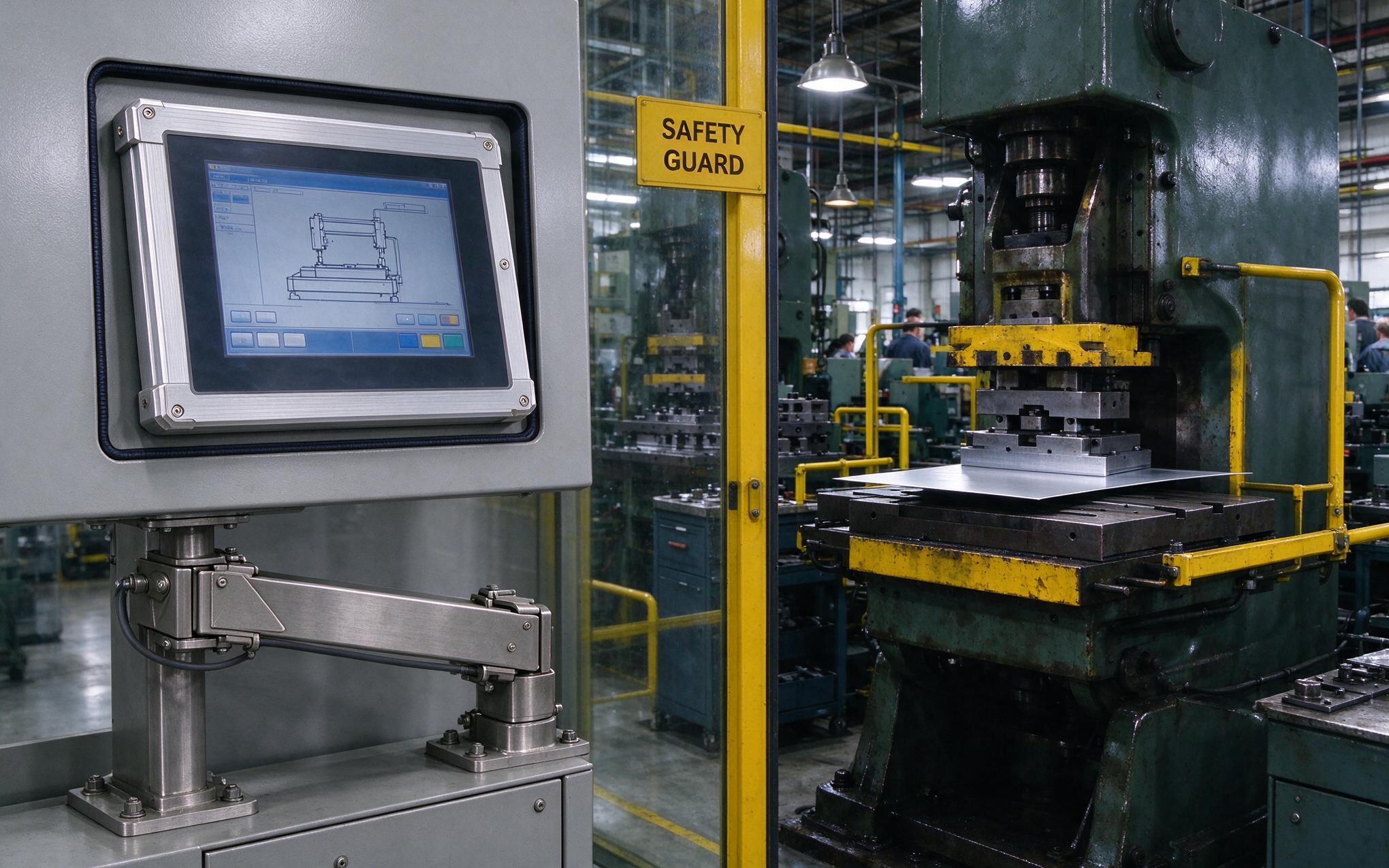
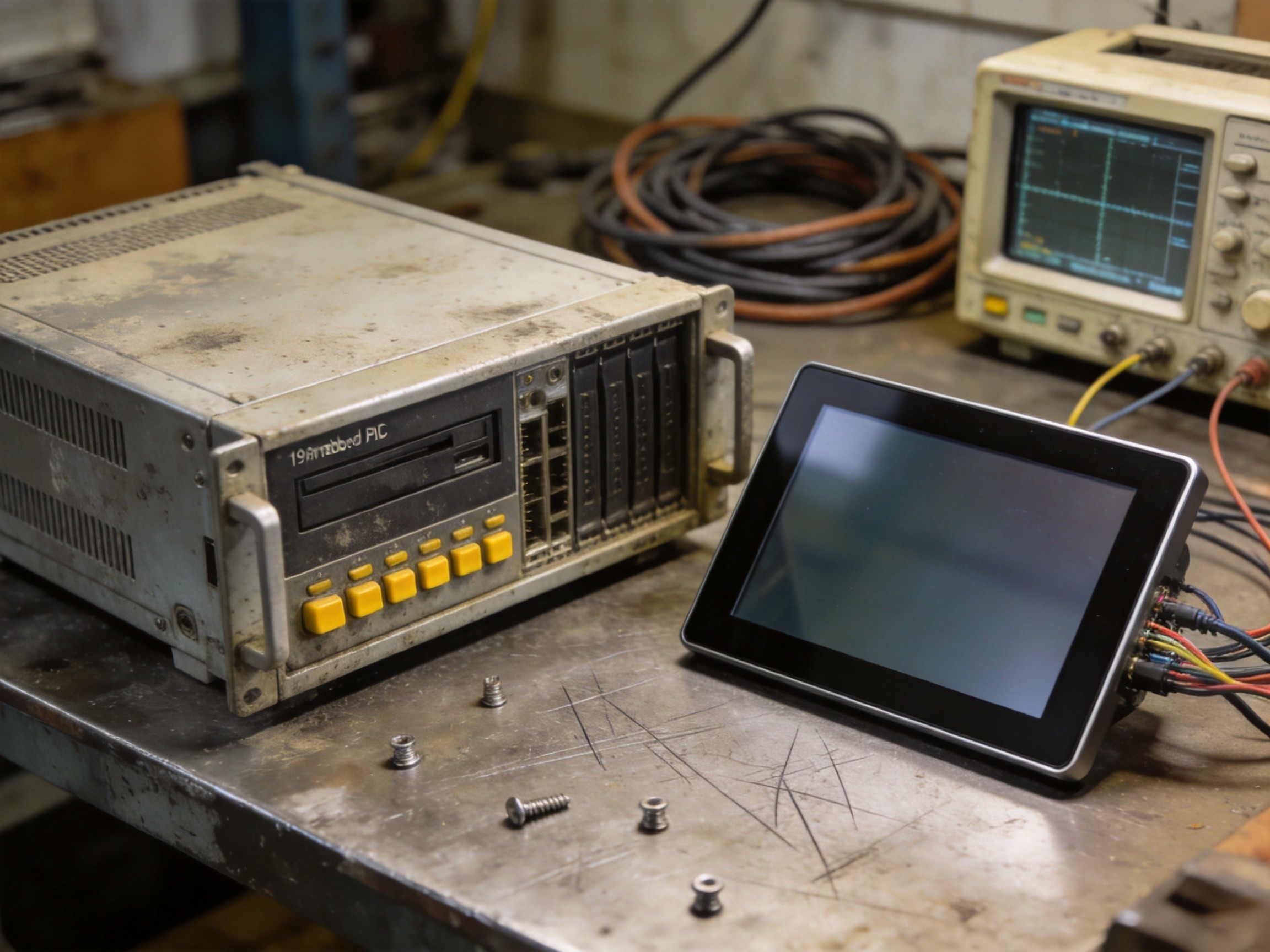
Organizations do not undertake rackmount-to-embedded migrations lightly. The drivers are typically a combination of physical space constraints, energy efficiency targets, and the operational flexibility that comes with localized processing. A 19-inch rackmount chassis consumes 4U to 6U of vertical rack space and typically draws 150–300 watts in continuous operation. An embedded panel PC delivering equivalent processing performance fits into a DIN rail or VESA-mounted enclosure occupying a fraction of the physical volume and drawing 30–60 watts. In facilities where rack space is at a premium, the embedded panel PC’s form factor advantage translates directly into operational savings. KOXIAN migration case studies have documented instances where replacing a bank of six 4U rackmount systems with embedded panel PCs recovered over 60% of the rack’s usable volume, enabling additional equipment deployment without expanding the physical footprint.
I/O Continuity: The Make-or-Break Factor
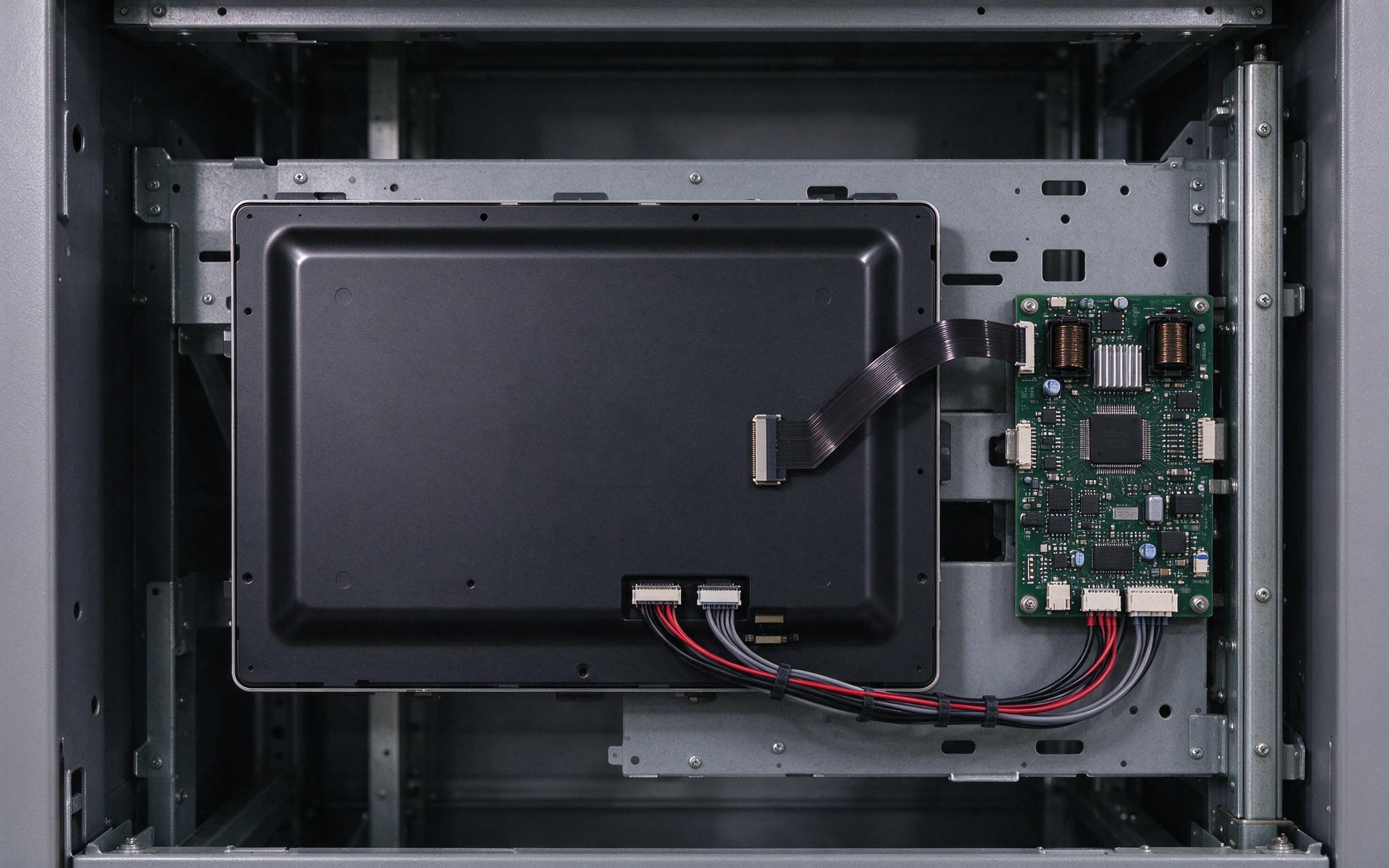
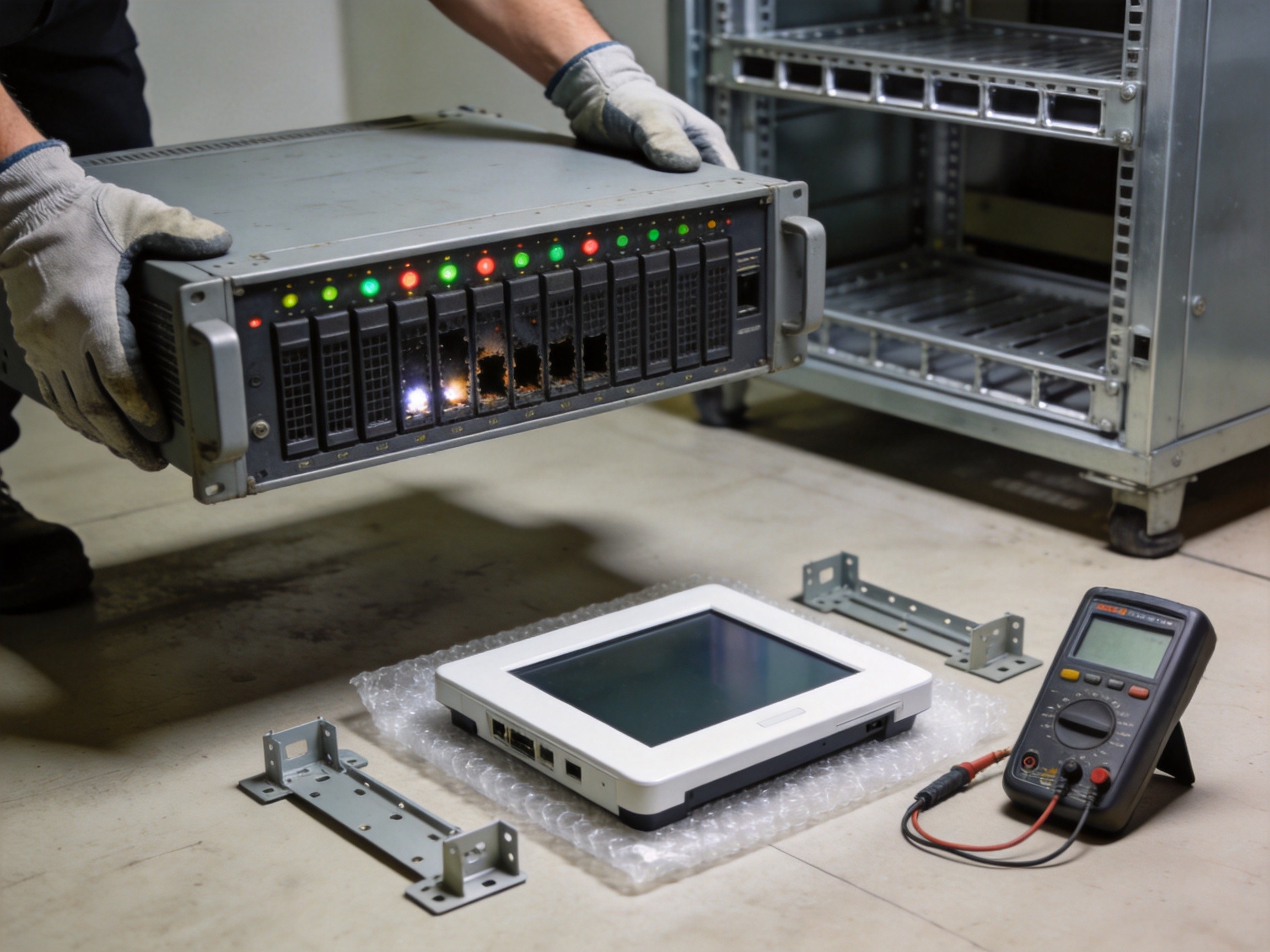
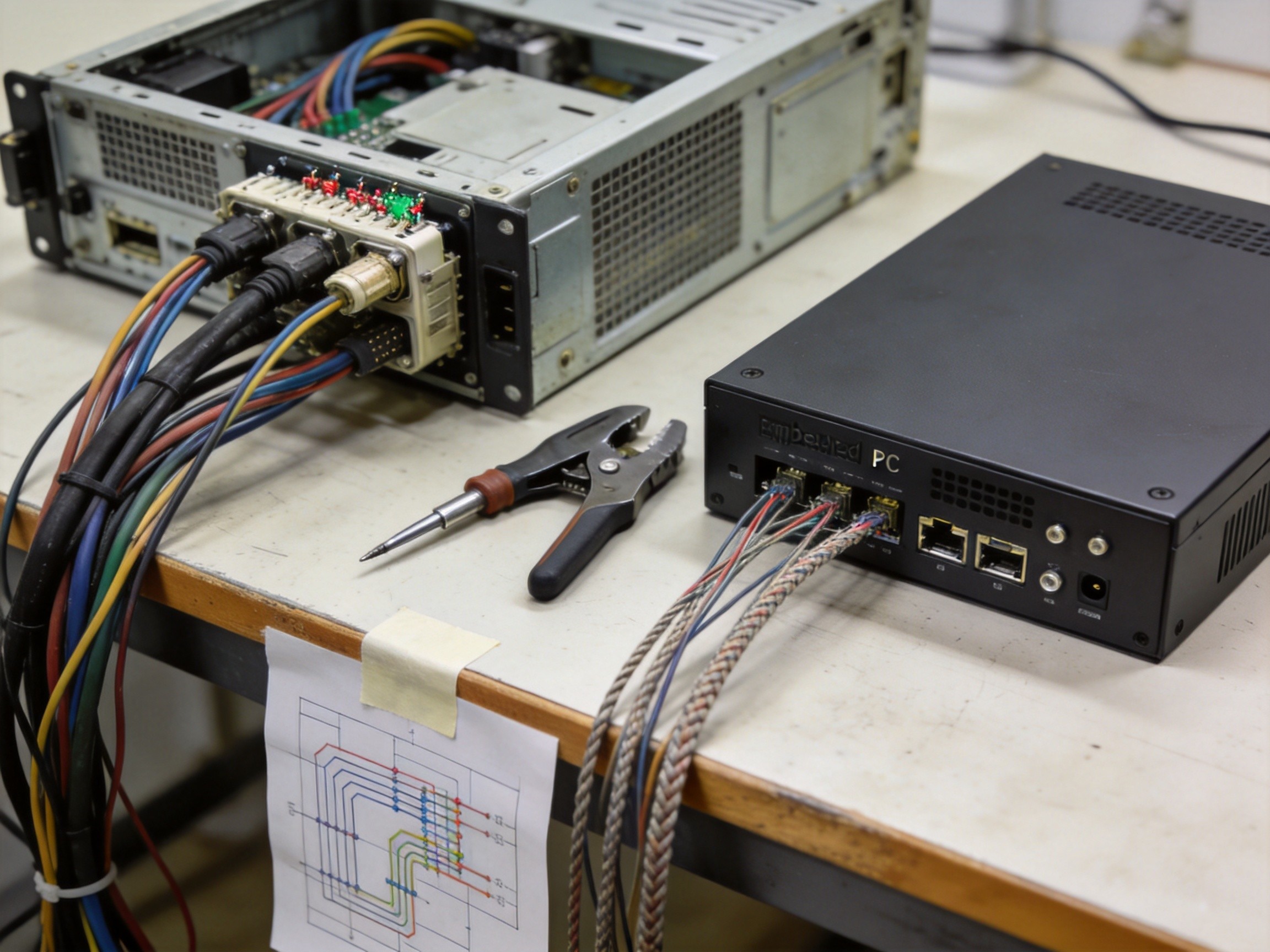
The most technically challenging aspect of rackmount-to-embedded migration is preserving I/O continuity. Rackmount systems typically host multiple expansion cards—serial interface boards, fieldbus adapters, data acquisition modules, and specialized video capture cards—that connect to the physical process through a dense rear-panel connector array. Embedded panel PCs have more constrained expansion capabilities. The migration strategy must inventory every I/O connection and map each to an equivalent interface. This often requires USB-to-serial adapters, external I/O expansion modules, and network-based I/O consolidation. KOXIAN migration engineering teams begin with a detailed I/O audit mapping every physical connection point, documenting signal types, and identifying compatibility gaps before any hardware is ordered. The migration should be treated as a brownfield engineering project: existing cabling and termination infrastructure must be audited and adapted rather than assumed compatible.
Thermal and Environmental Reassessment
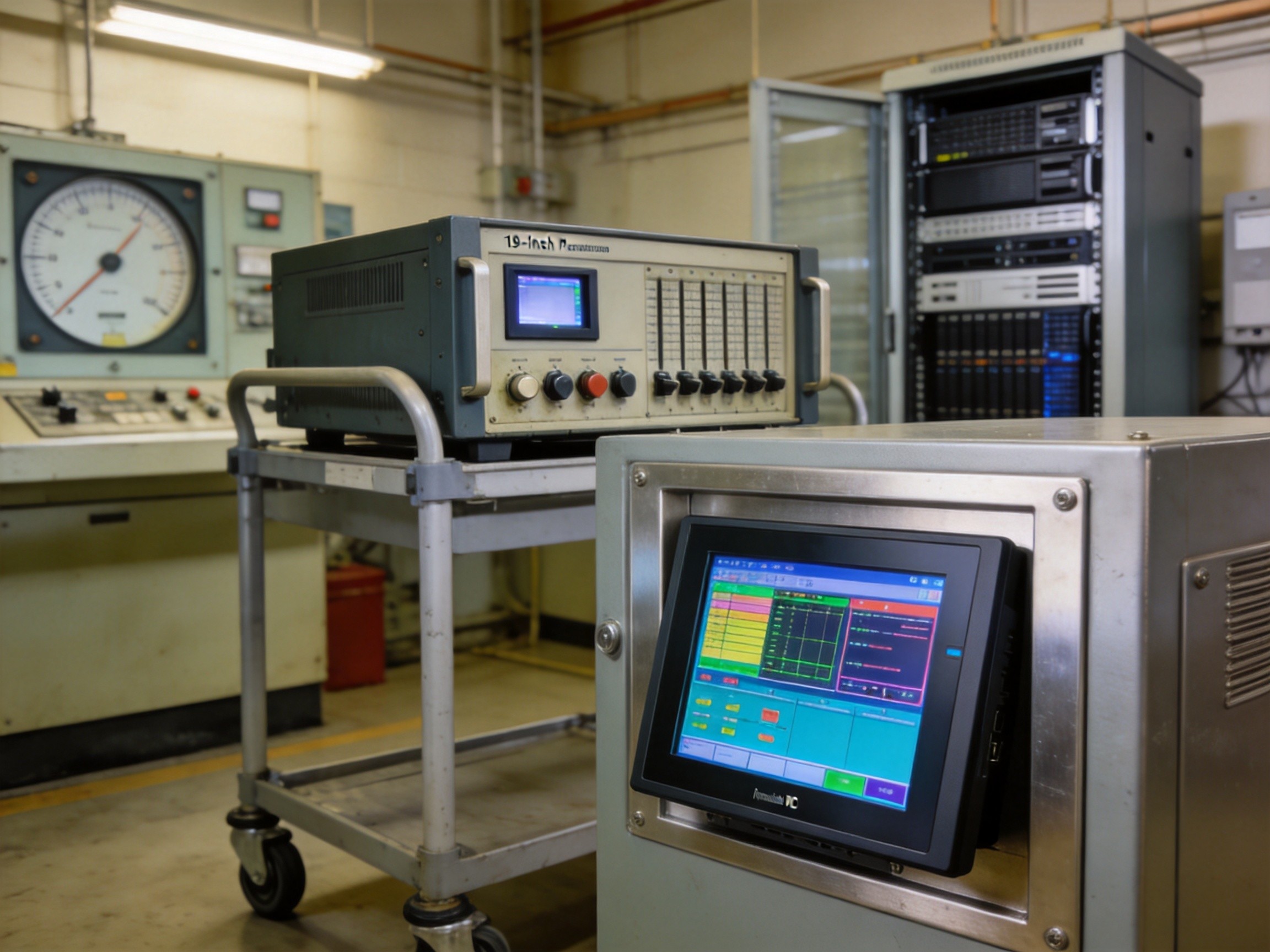
Rackmount systems rely on forced-air cooling—typically multiple fans moving air front-to-back through the chassis. This creates a thermal dependency: the rackmount expects a climate-controlled environment with predictable inlet air temperature and adequate exhaust clearance. When migrating to a fanless embedded panel PC, the thermal design assumption changes completely. The embedded unit dissipates heat passively through its chassis surface, meaning ambient temperature and convective airflow become the primary thermal parameters. The migration must include a thermal survey of the target mounting location, verifying that the ambient temperature at the panel PC’s position remains within the rated operating range during worst-case conditions. This is particularly important in sealed enclosures where heat from other equipment can raise local ambient temperature significantly above room ambient.
Phased Migration and Operational Continuity
A successful migration is never a weekend cutover. The most reliable approach runs rackmount and embedded systems in parallel during a transition period. The embedded panel PC is installed alongside the existing rackmount system, connected to a subset of I/O points and running the same application in shadow mode—monitoring but not actively controlling. This allows validation of I/O mapping accuracy, application compatibility, and thermal performance under live conditions without risking process disruption. Once shadow operation has accumulated 500 to 1,000 hours of continuous runtime, the cutover proceeds one system at a time, with the legacy rackmount remaining powered as a hot standby for an additional observation period. This phased approach adds several weeks to the timeline but eliminates the risk of downtime that a direct cutover would introduce.
Migrating from 19-inch rackmount industrial computers to embedded panel PCs is a strategic decision that pays dividends in space efficiency, energy consumption, and deployment flexibility. It is not a simple hardware swap but a structured engineering project demanding I/O continuity planning, thermal reassessment, and a phased cutover approach. Organizations that invest in upfront engineering for a well-planned migration consistently achieve smoother transitions and more reliable outcomes than those treating it as a like-for-like replacement.