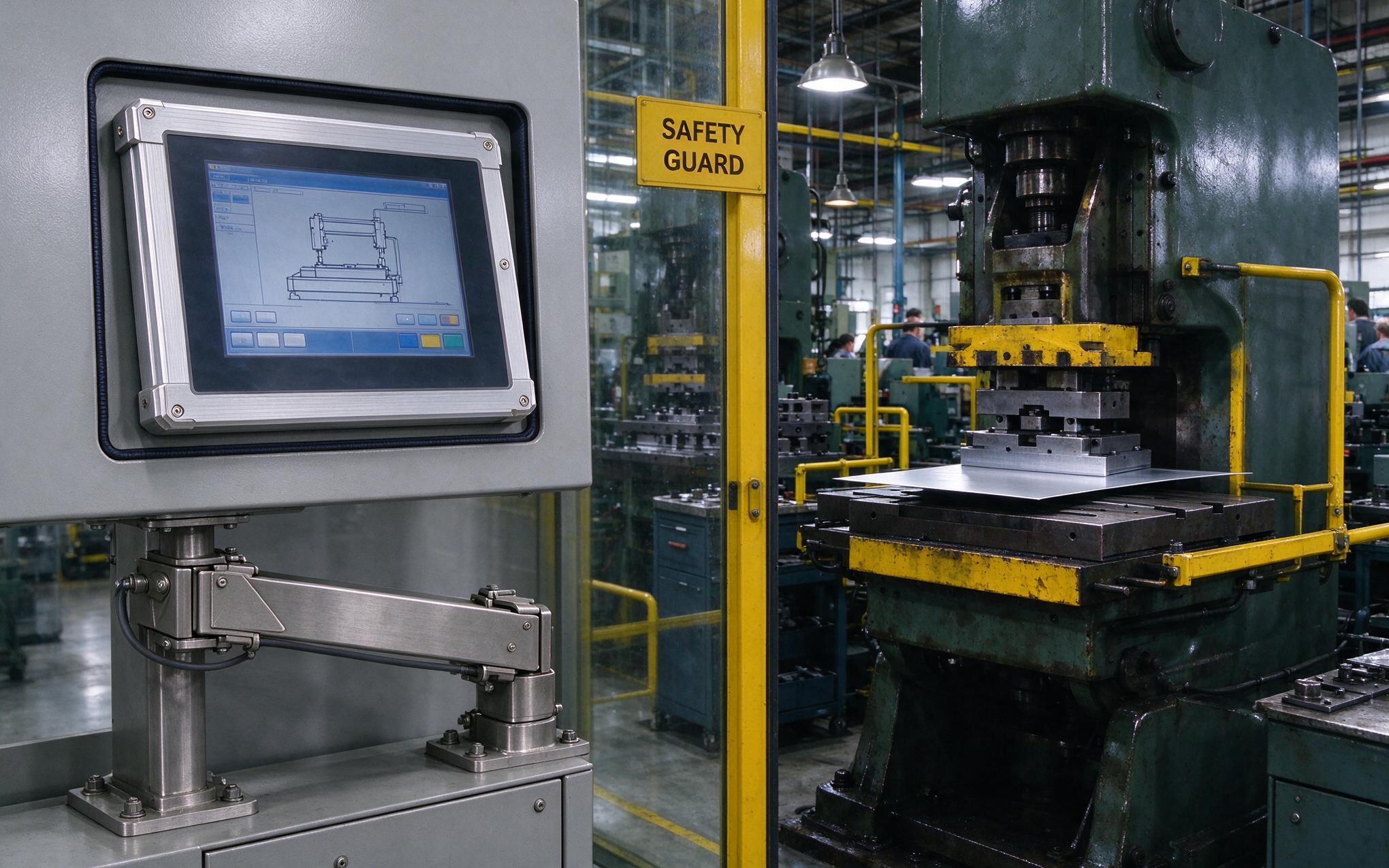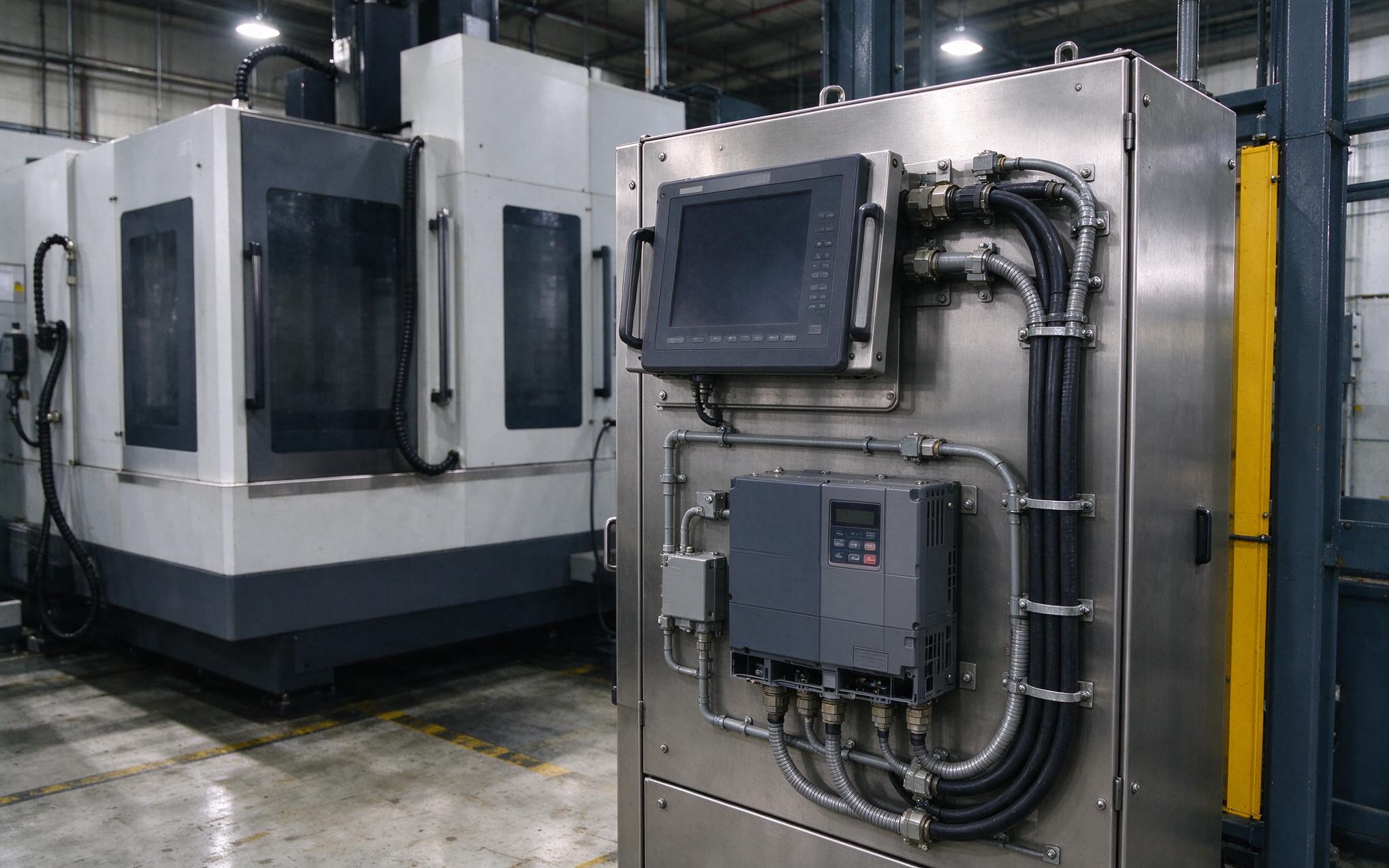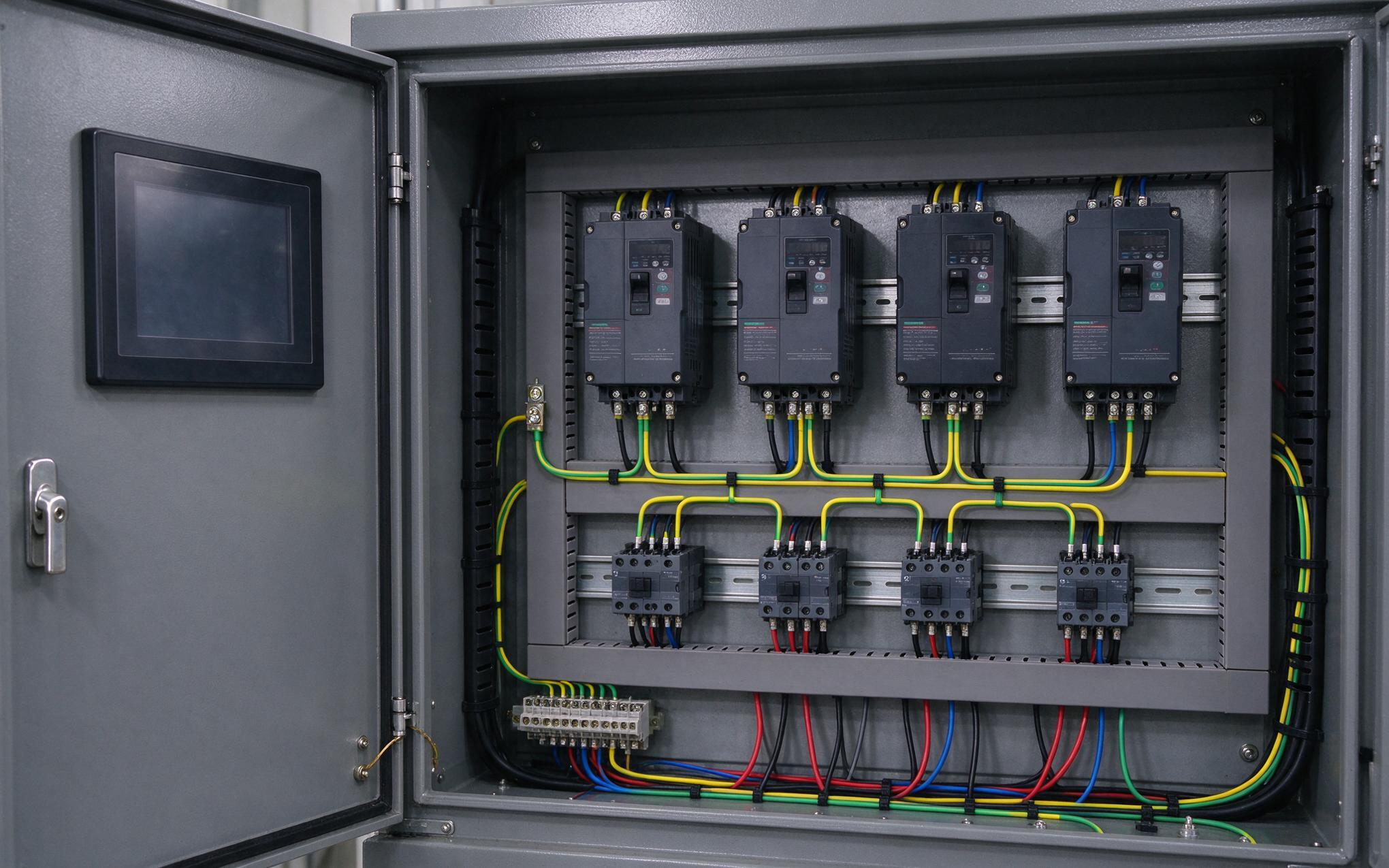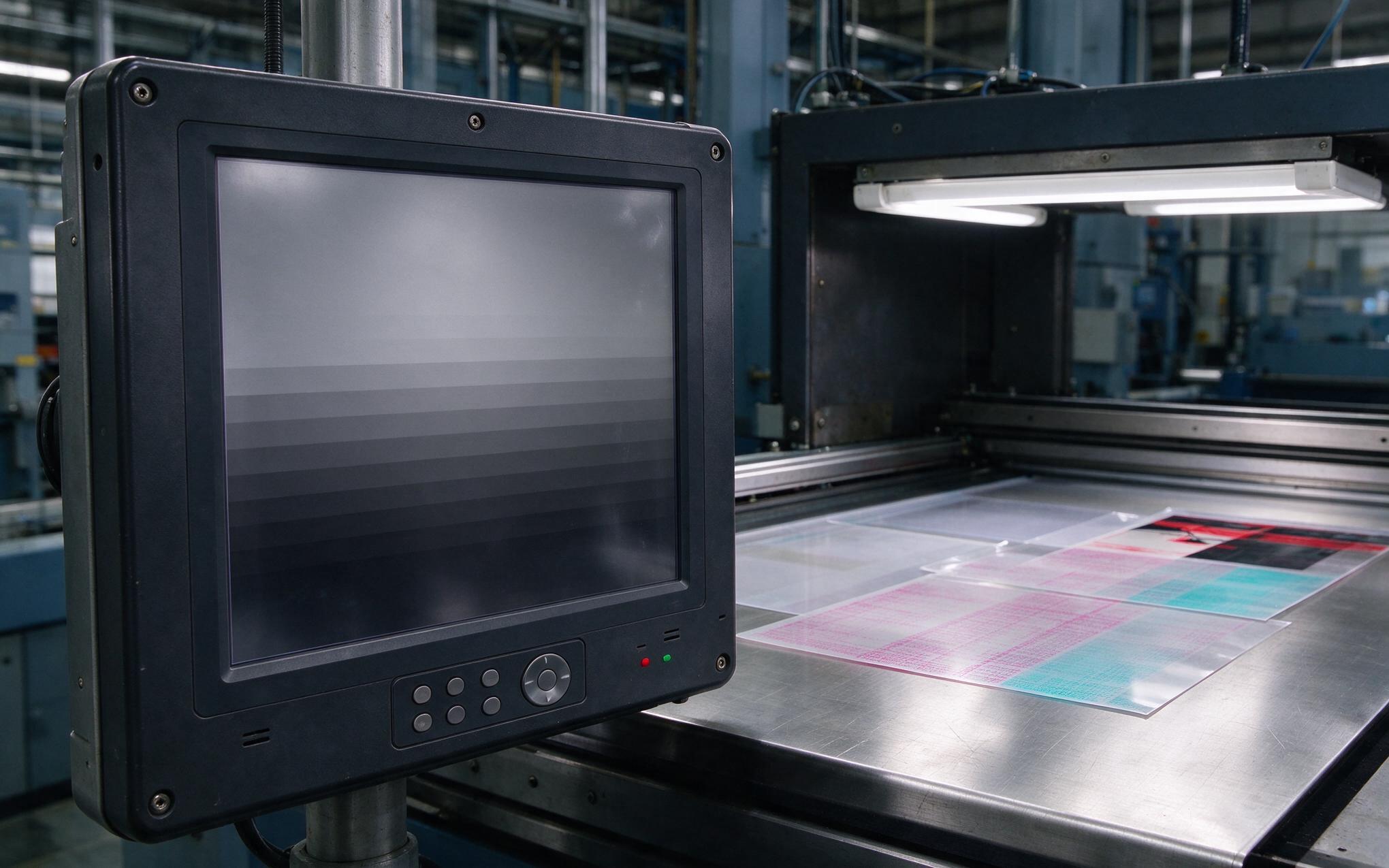
Industrial panel PCs deployed in heavy manufacturing, transportation, and energy infrastructure face mechanical stresses that consumer electronics never encounter. A forging press sends shockwaves through the factory floor. A rail-mounted inspection system absorbs continuous low-frequency vibration across its service life. A marine engine room subjects every component to sinusoidal vibration, random shock, and corrosive salt mist simultaneously. The IEC 60068 series of environmental testing standards provides the engineering framework for validating that electronic equipment can survive these conditions, but the specifics of how those tests apply to panel PCs—and what the results actually mean for field reliability—deserve closer examination.
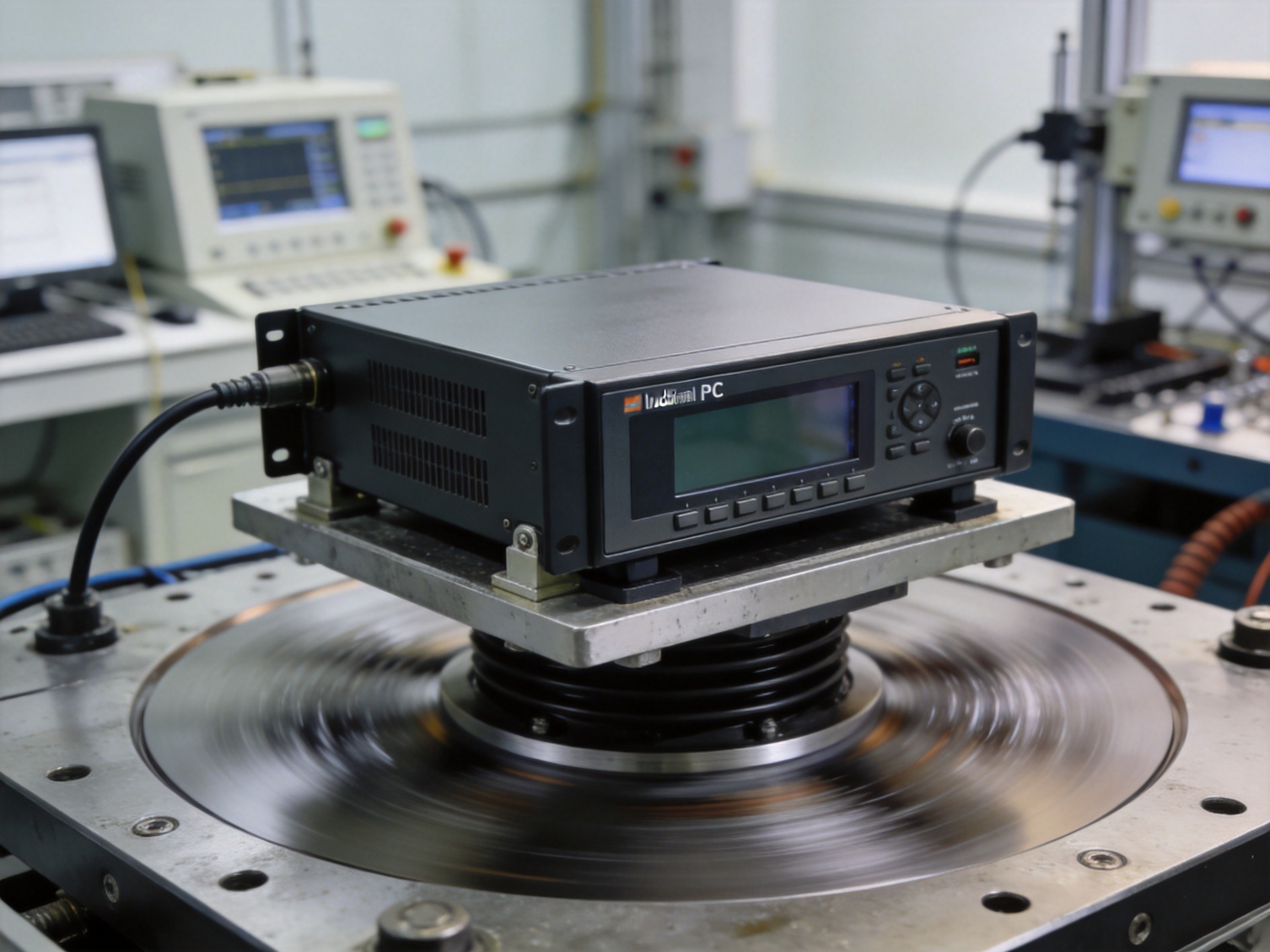
Vibration and Shock as Distinct Stressors
IEC 60068-2-6 defines sinusoidal vibration testing procedures that sweep through a specified frequency range—typically 10 Hz to 500 Hz for industrial computing equipment—at controlled acceleration amplitudes. The test identifies mechanical resonances in the device under test and verifies that no structural damage or functional degradation occurs at those resonant frequencies. IEC 60068-2-27 addresses shock testing, applying half-sine, sawtooth, or trapezoidal acceleration pulses with peak amplitudes ranging from 15 g to 100 g. These are fundamentally different stress mechanisms: vibration testing exposes fatigue failures in solder joints and connectors over time, while shock testing reveals instantaneous structural weaknesses. A panel PC that passes one may still fail the other. KOXIAN qualification protocols require both tests for any panel PC destined for mobile or heavy industrial deployment, incorporating multi-axis excitation profiles derived from field-collected acceleration data.
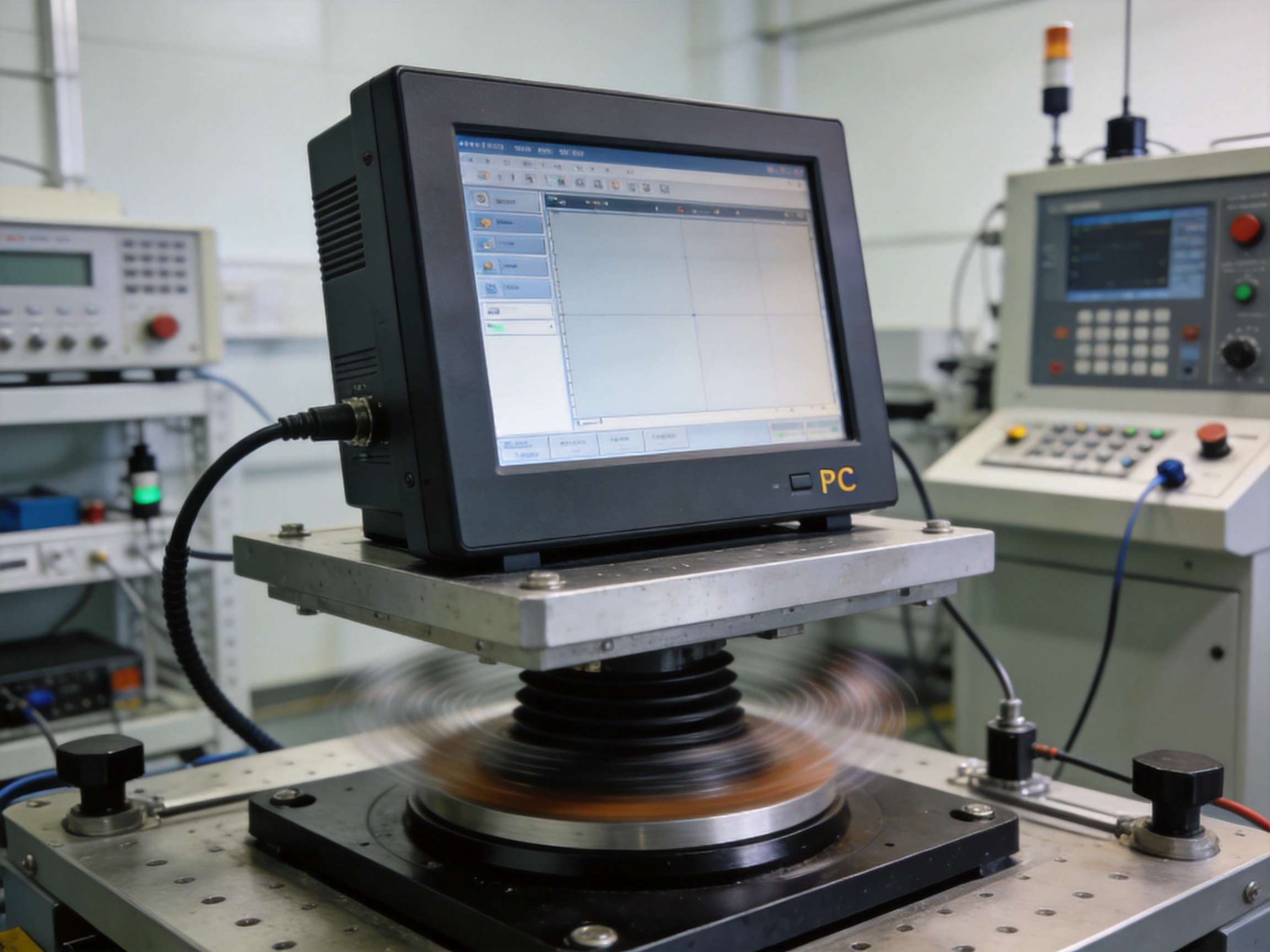
What Pass/Fail Criteria Actually Measure
The pass/fail criteria in IEC 60068 are more nuanced than a simple “still works” determination. The standard requires the device under test to maintain specified functional performance during and after the test sequence. For a panel PC, this means the display must not flicker or lose signal, the touchscreen must remain calibrated within specified tolerance, storage devices must not experience read/write errors, and all communication interfaces must maintain link integrity. Visual inspection for mechanical damage is mandatory but insufficient. The standard also requires that safety characteristics remain uncompromised: insulation resistance must stay within specification, protective earth continuity must be verified post-test, and any safety-critical shutdown mechanisms must remain functional. The depth of these criteria is what distinguishes a genuine IEC 60068 compliance claim from a superficial one.
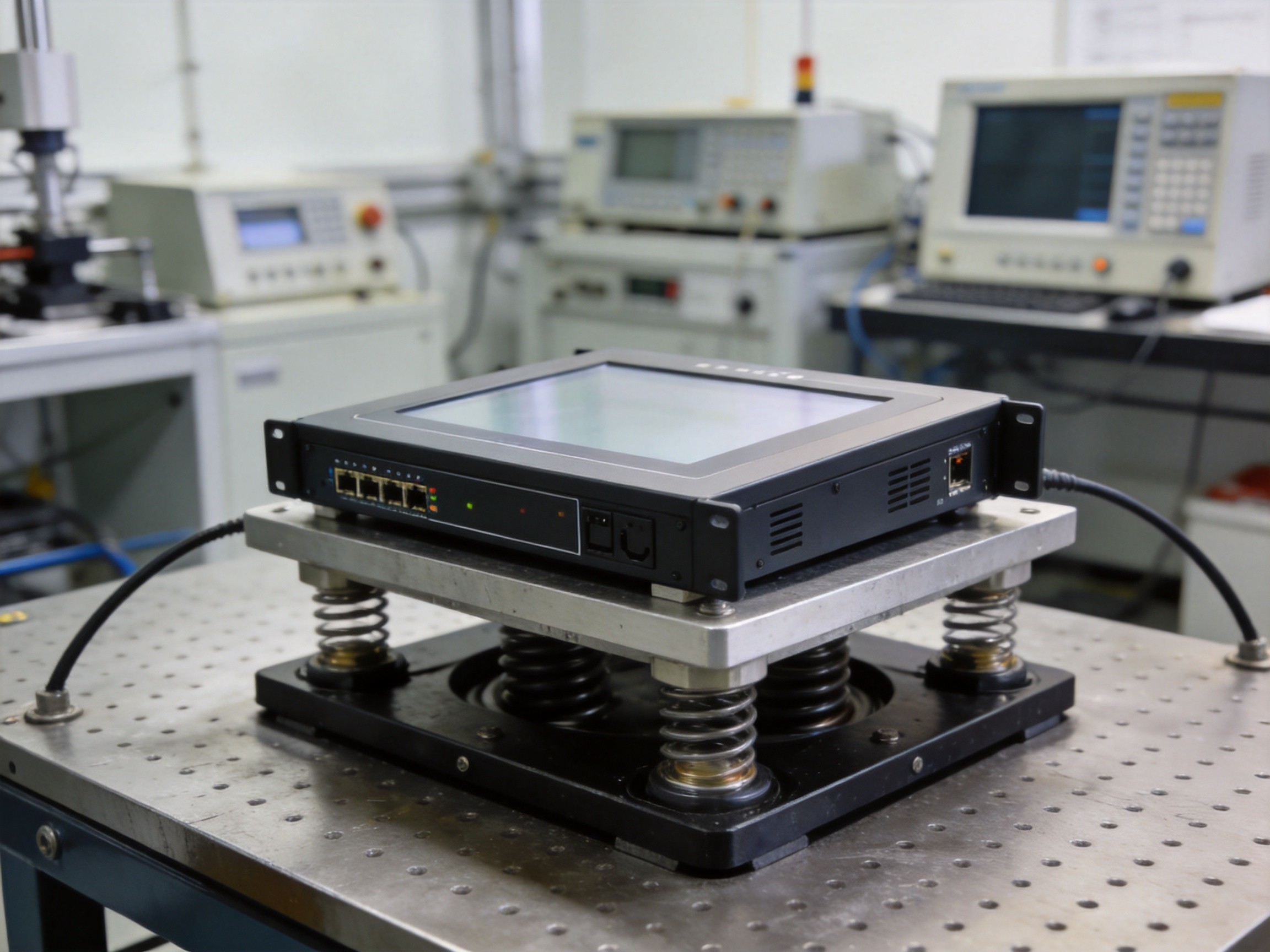
Designing for Compliance vs. Field Reliability
There is a difference between designing a panel PC to pass IEC 60068 testing and designing it to survive years of field vibration. The test standards specify controlled laboratory conditions: clean sinusoidal sweeps, single-axis excitation, and ambient room temperature. Field conditions are messier. Real industrial vibration is multi-axis, broadband, and often combined with thermal stress and contamination. A panel PC that passes single-axis testing at room temperature may still fail in the field when exposed to simultaneous multi-axis vibration at elevated temperatures, where solder creep and polymer softening reduce mechanical margins. The engineering response is not to dismiss the standards but to exceed them: designing for multi-axis tolerance, conducting thermal-vibration combined testing as supplemental qualification, and instrumenting field trial units with accelerometers to validate that laboratory profiles accurately represent the deployment environment.
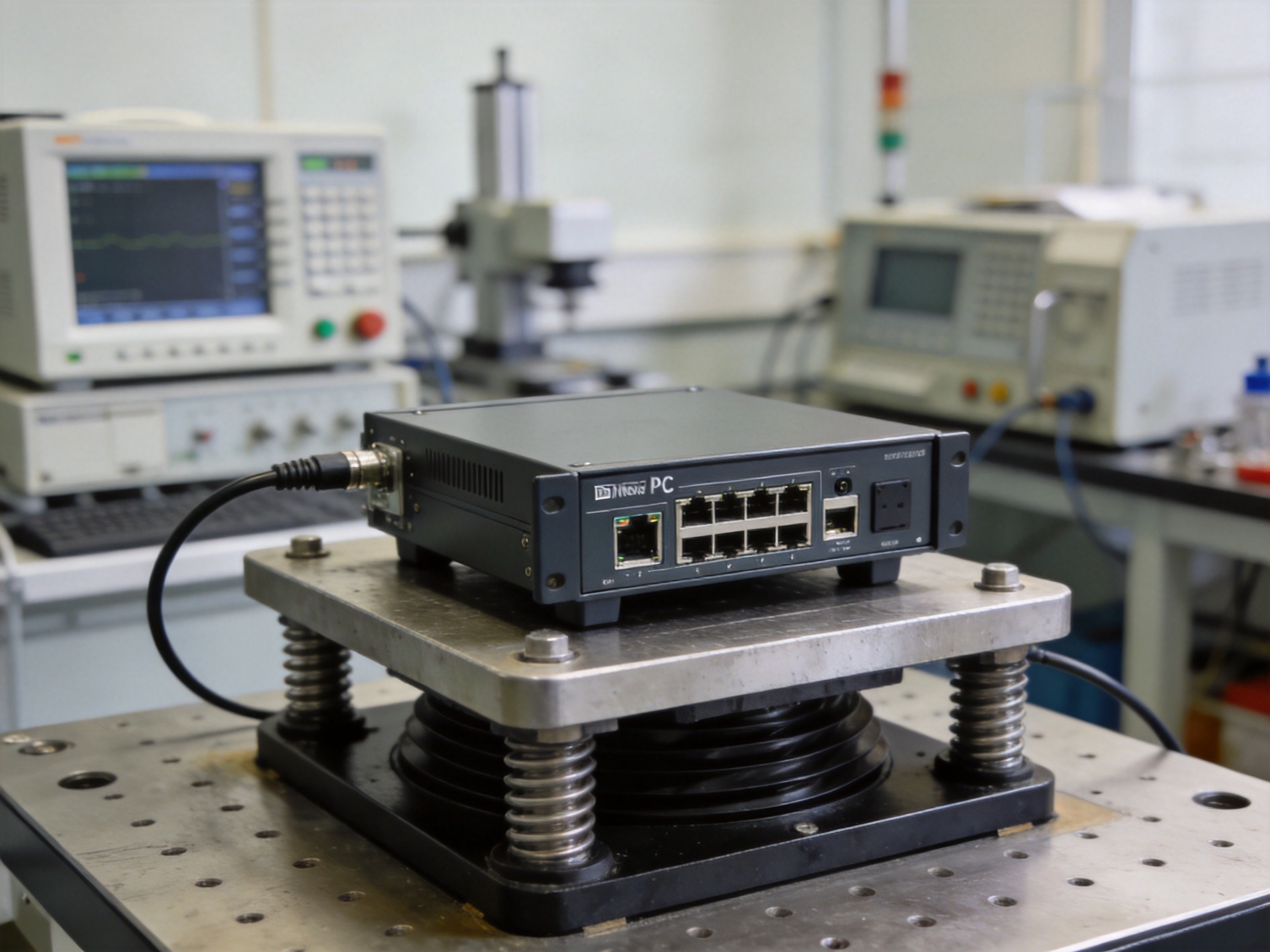
The Cost of Skipping Vibration Qualification
When procurement decisions treat vibration and shock qualification as optional, the cost is seldom immediate—but it is inevitable. KOXIAN field failure analysis shows that unqualified hardware deployed in vibration-rich environments experiences a failure rate roughly three times higher than hardware validated to the relevant IEC 60068 profiles. The cost manifests six to eighteen months into deployment, when connectors work loose, solder joints develop micro-cracks, and display flickering triggers intermittent operator complaints. At that point, the cost of retrofitting qualified hardware, combined with accumulated downtime, dwarfs the initial savings from skipping qualification. For panel PC deployments in any environment where mechanical stress is a known factor, the relevant IEC 60068 test reports should be mandatory documentation in the procurement package—not nice-to-have appendices.
IEC 60068 vibration and shock testing is not a bureaucratic checkbox. It is a structured methodology for validating that industrial panel PCs can survive the mechanical environments they will encounter. Understanding the distinction between vibration and shock as separate stressors, the depth of pass/fail criteria, and the gap between laboratory and field conditions enables better procurement decisions. The panel PCs that survive longest in the field are those whose design was informed by a thorough understanding of the mechanical testing regime that validates those specifications.