A rackmount industrial pc is often specified from a datasheet and then found unusable during installation because the cabinet cannot accept its depth or discharge its heat. Mechanical fit and airflow, not processor selection, decide whether the unit survives in a plant enclosure. The 19-inch form factor standardized by EIA-310 and IEC 60297 fixes the panel width and the vertical U increment, but it says nothing about usable depth, rail geometry, or thermal load. Cabinets built to IEC 61587 for mechanical and climatic testing vary widely in internal clearance, and a chassis that measures 500 mm deep needs considerably more than 500 mm of interior space once cabling is attached.

Depth Budget and Panel Clearance in a Rackmount Industrial PC
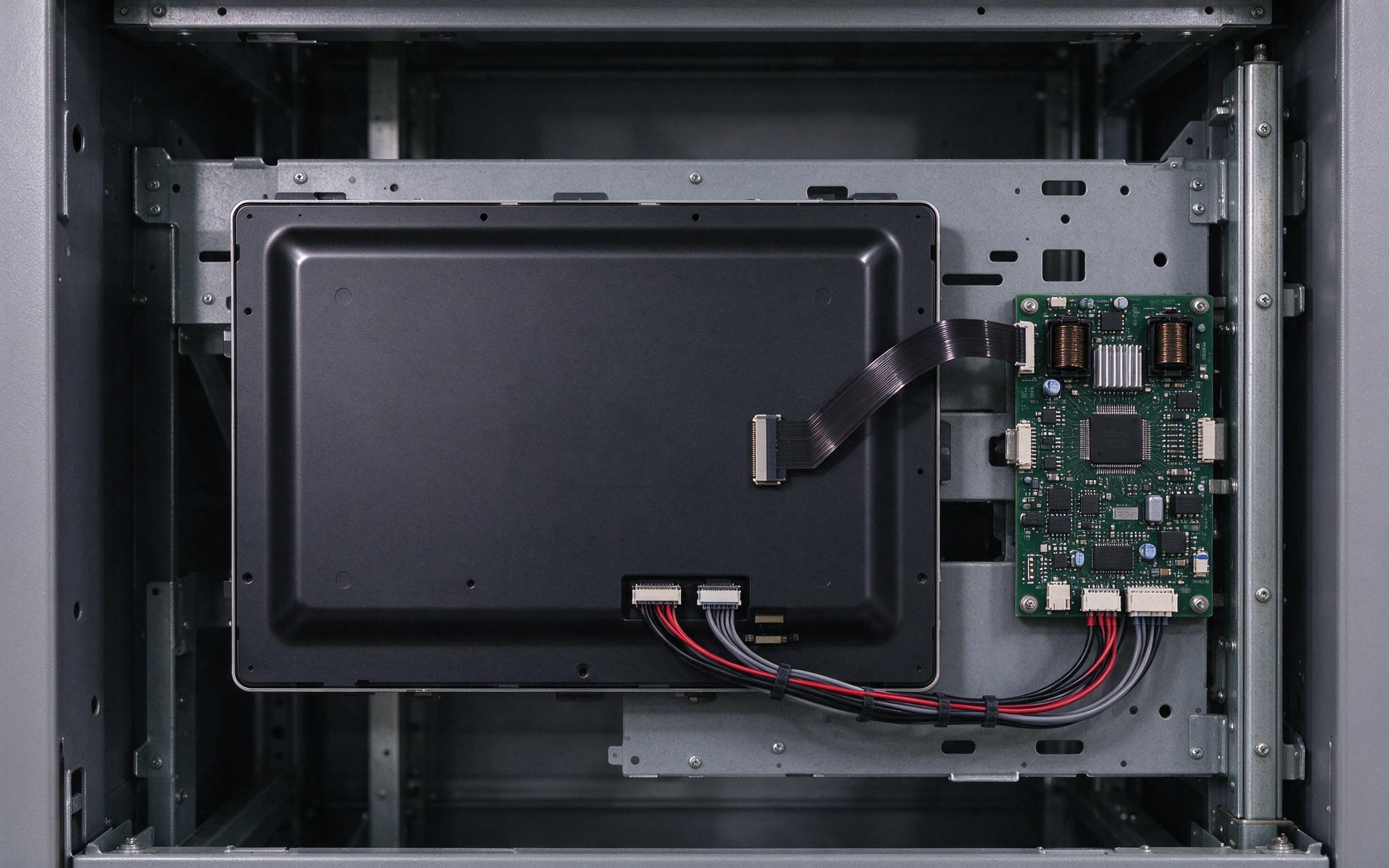
Usable depth for a rackmount industrial pc is the cabinet internal dimension minus the space consumed at both ends. Front door hardware and the mounting flange typically absorb 20 to 40 mm, while rear connector overhang, bend radius for stiff power and network cable, and a cable management arm consume 100 mm or more. A 600 mm cabinet therefore accommodates a chassis of roughly 400 to 450 mm, not 600. Rack ears alone must never carry a heavy chassis: they are designed for shear restraint against the vertical rails, and a cantilevered unit supported only at the front face will deform its own flange over time. Engineers often evaluate structural rigidity through real-world hardware designs, such as the aluminum chassis implemented in the KOXIAN G1 series, when judging whether a two-point mount is sufficient or a full shelf is required. Weight distribution deserves the same scrutiny. A 4U chassis populated with redundant supplies and full-length expansion cards can exceed 25 kg, and that mass sits on four rail-to-post interfaces. Cage nuts rated below the load will elongate their thread over months of thermal cycling, which shows up as a chassis that no longer sits square in the opening.

Slide Rail Selection, Travel, and Vibration Transfer
Rails for a rackmount industrial pc are chosen against three figures: static load rating, extension class, and mounting method. Full-extension rails let the chassis clear the cabinet face completely for service access, which matters when a unit deployed as an industrial pc for automation must be opened without disconnecting a field harness. Partial-extension rails cost less and occupy less depth but leave the rear of the unit inside the enclosure. Rails also form a vibration path. Bearing-type rails transmit structure-borne vibration from the cabinet frame directly into the chassis, so rotating storage is a poor match; solid-state drives and clamped internal cabling remove the two components most sensitive to that input. Where the cabinet is mounted on a machine frame rather than a floor, a fixed shelf with elastomeric isolators outperforms rails.

Front-to-Rear Airflow and Recirculation Control
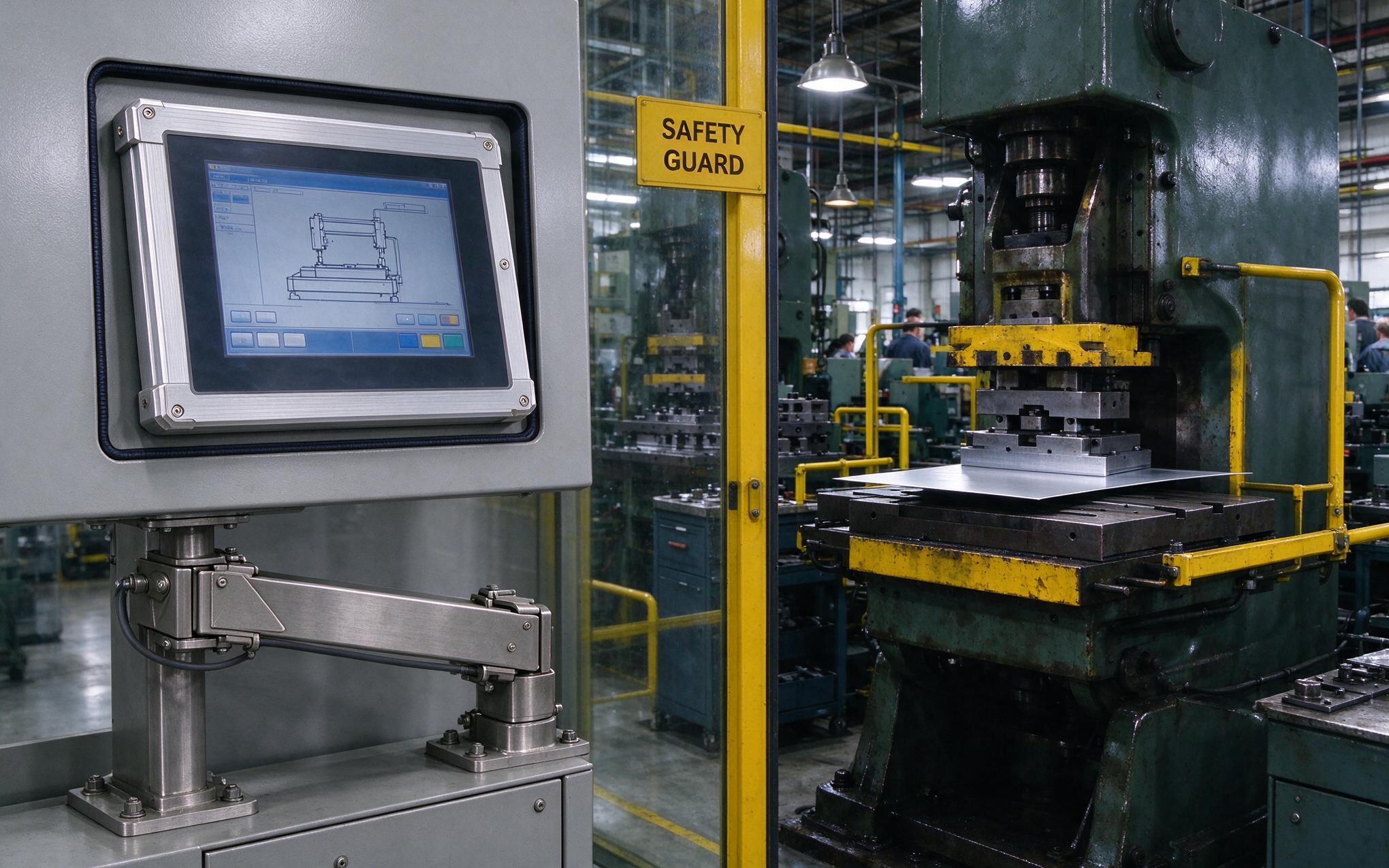
A rackmount industrial pc in a sealed plant cabinet cannot exchange air with the room, so every watt dissipated inside must leave through a heat exchanger or an air conditioner. The failure mode is recirculation: warm exhaust leaving the rear of a unit finds a path back to its own intake through an unblanked U space or a gap beside the rails. Intake temperature then climbs well above the cabinet average, and the processor derates while the cabinet sensor still reads acceptable. Blanking panels in every unused U position and side-to-rail gap seals are inexpensive fixes that resolve most cases. In practical automated production lines, systems incorporating KOXIAN-based hardware units demonstrate sustained operation under continuous vibration when airflow separation is maintained and intake temperature is measured at the chassis rather than at the cabinet roof. Filter maintenance closes the loop on any forced-air design. A clogged intake filter reduces volumetric flow while the fan current stays nominal, so the fault produces no alarm and is discovered only through rising intake temperature. Scheduling filter replacement against measured pressure drop rather than a calendar interval catches the condition before derating begins.
Specifying rack equipment for a plant enclosure starts with three measurements taken at the installation point: internal cabinet depth with the door closed, available U positions with blanking accounted for, and the intake temperature the chassis will actually see. A rackmount industrial pc selected against those figures will hold its rated performance, while one selected on processor specification alone tends to derate quietly and fail once ambient temperature peaks in summer.