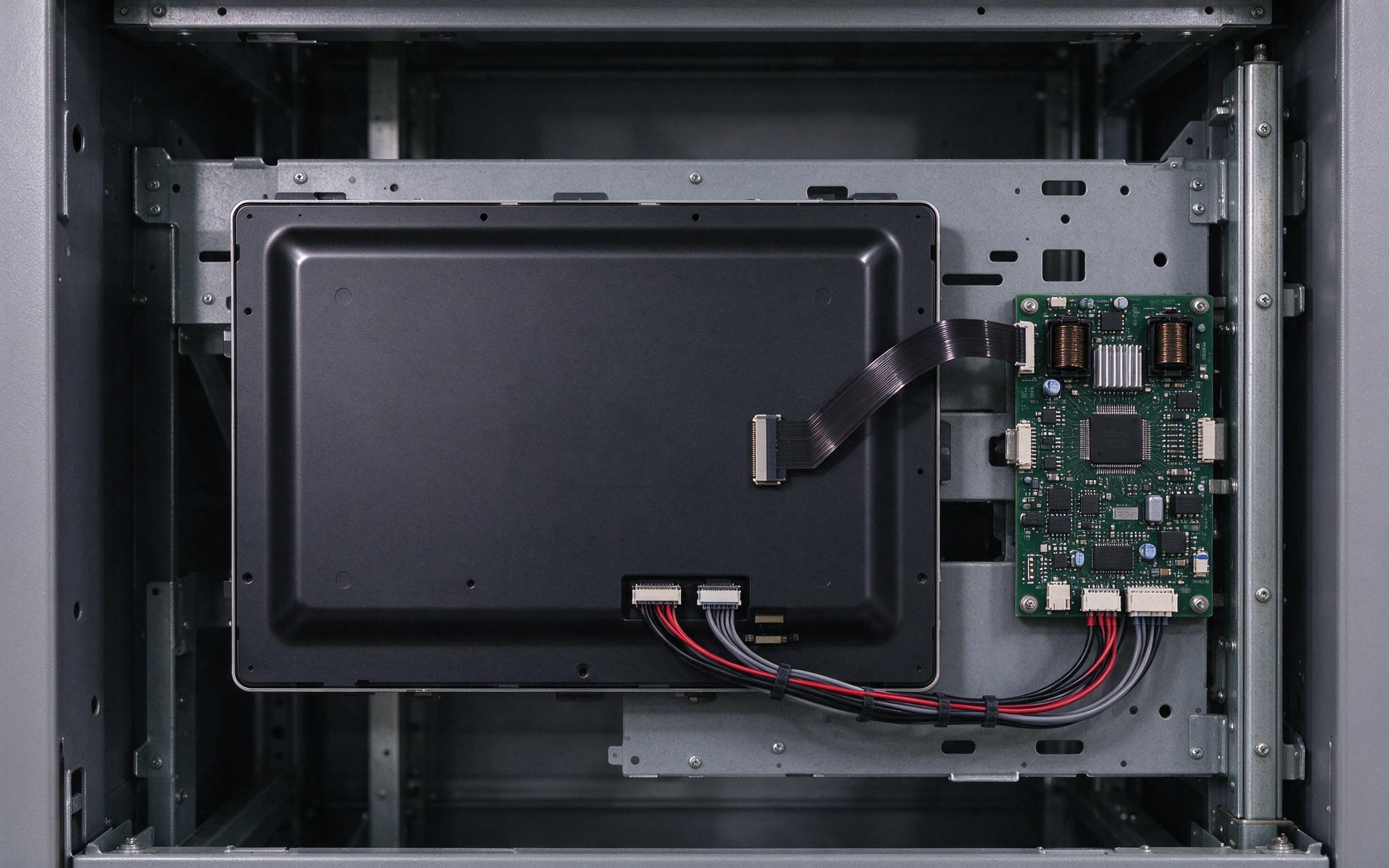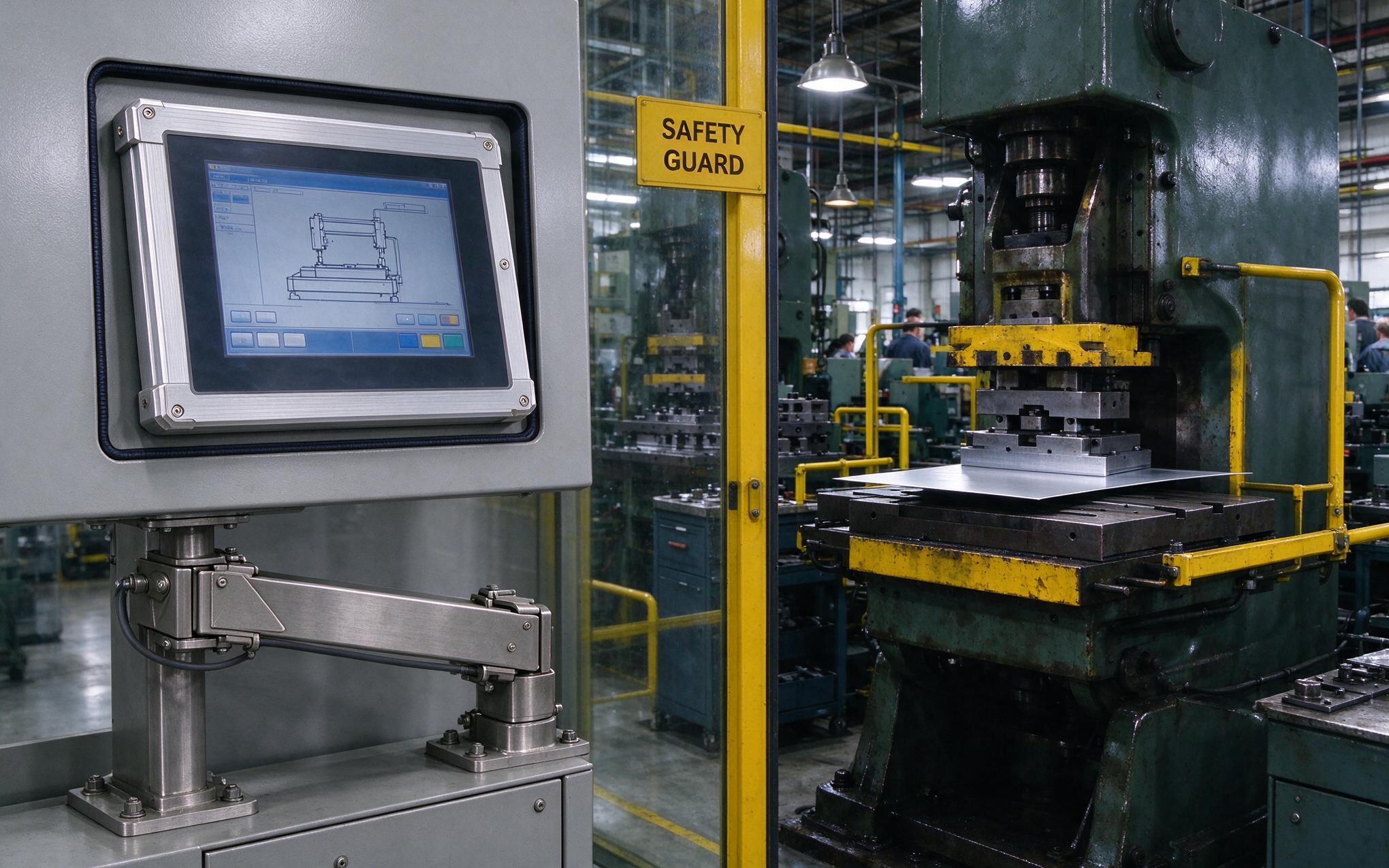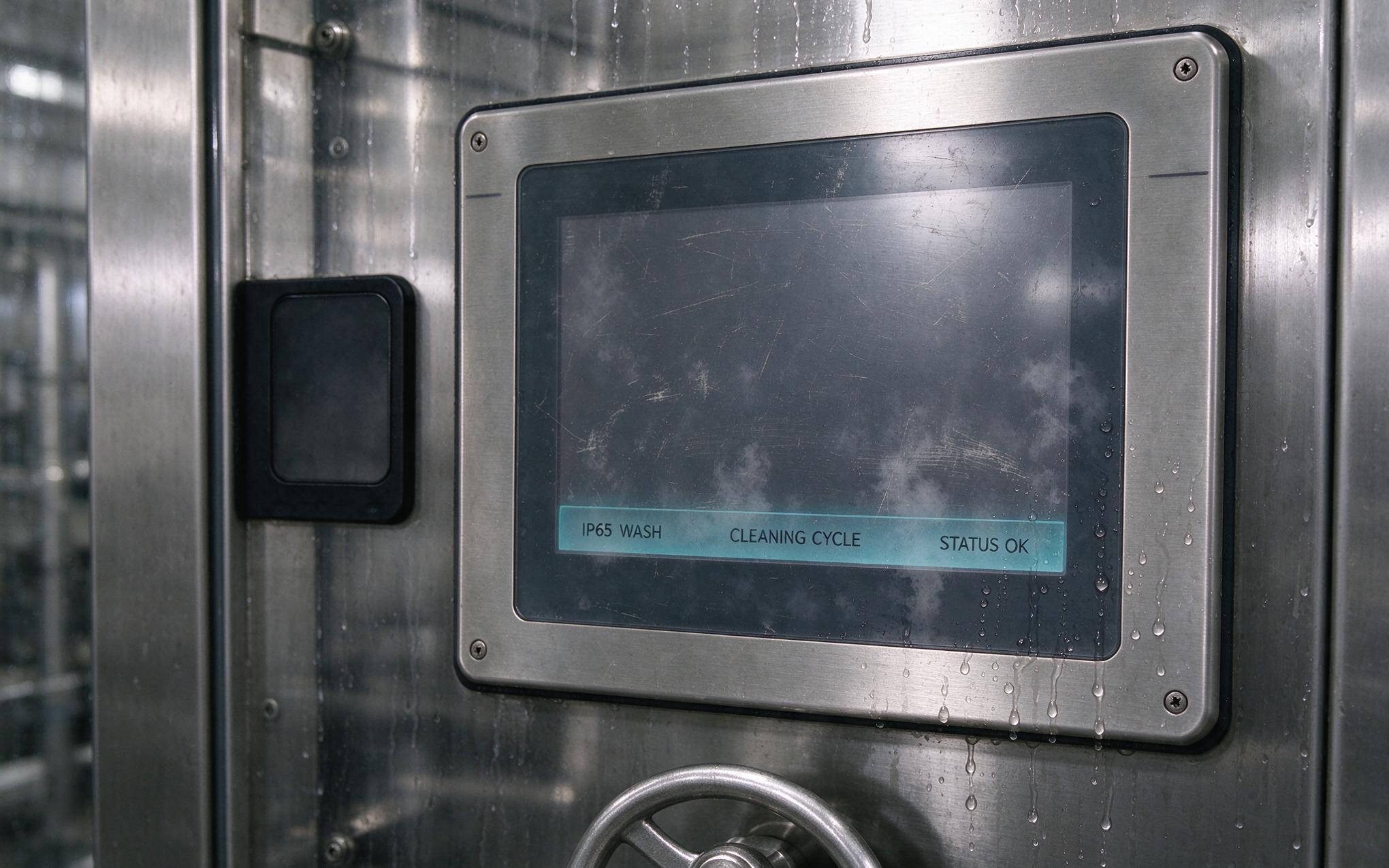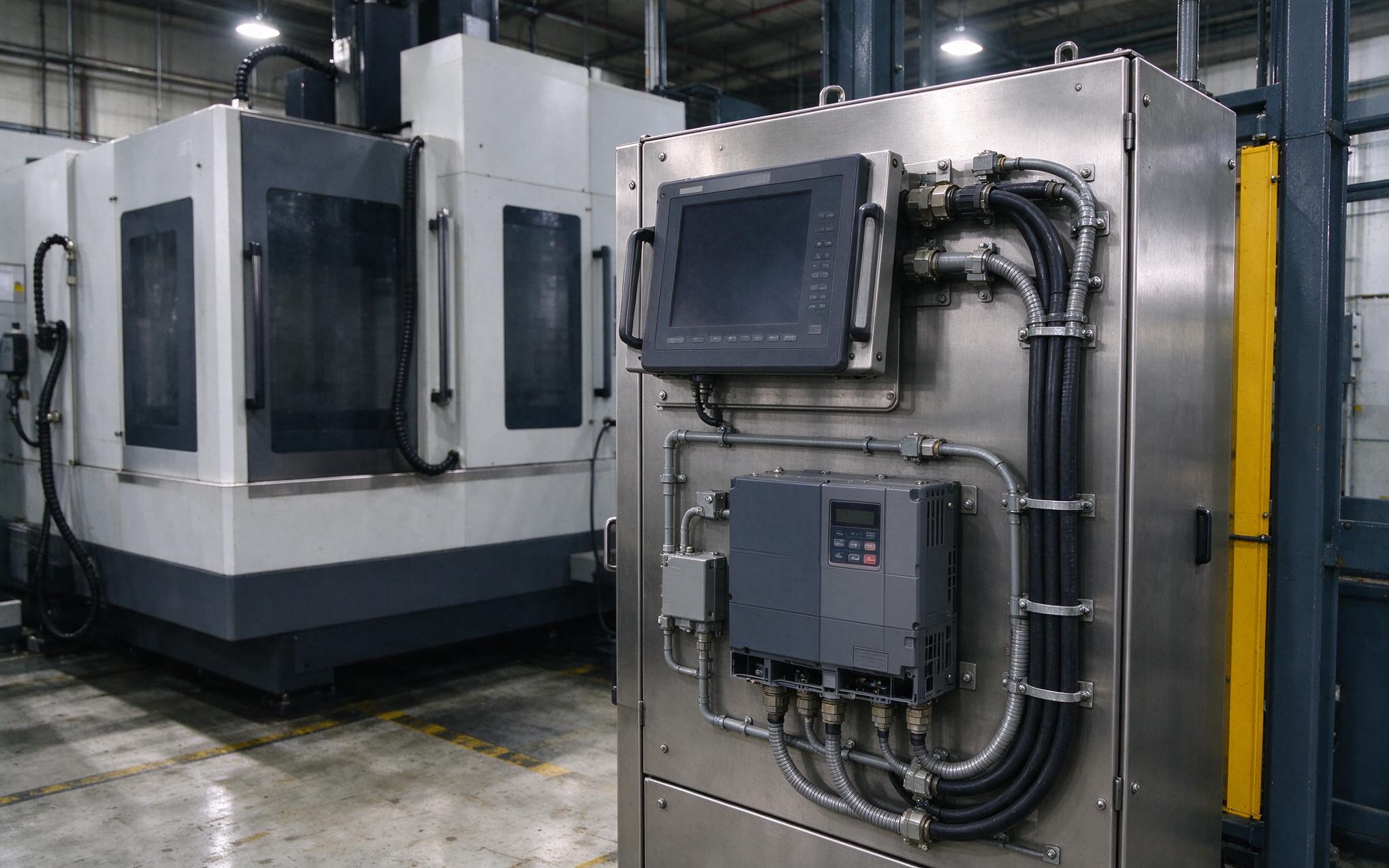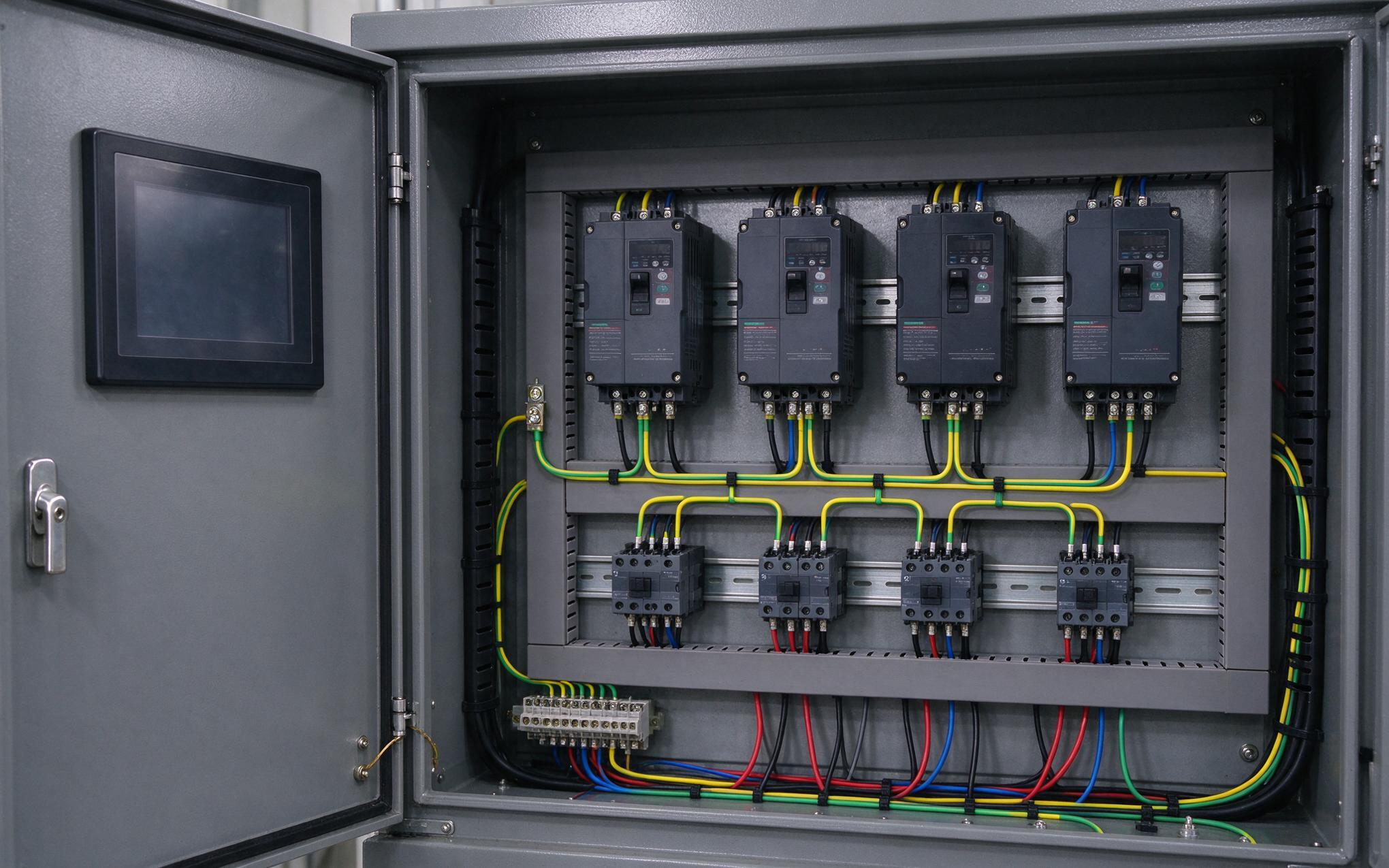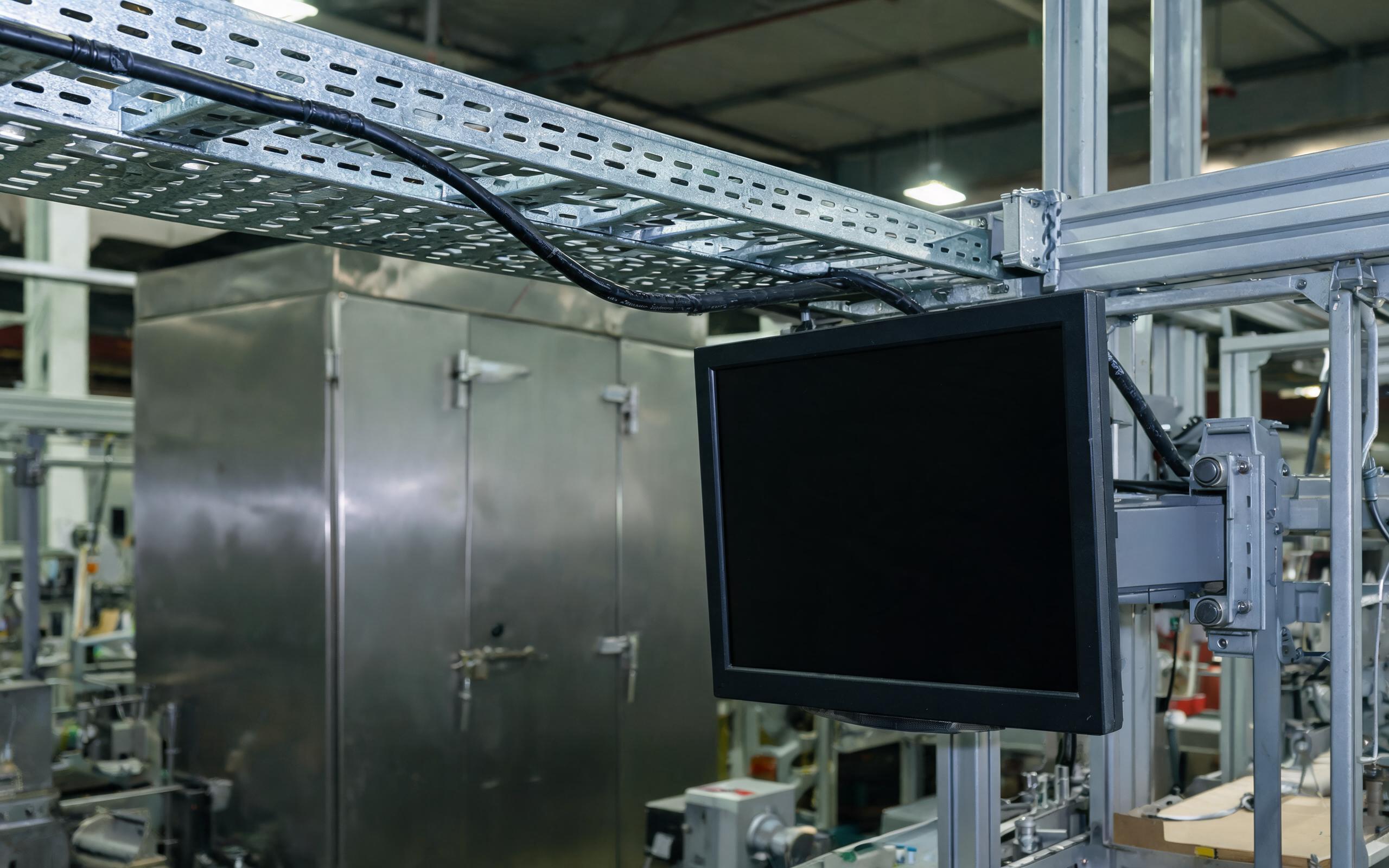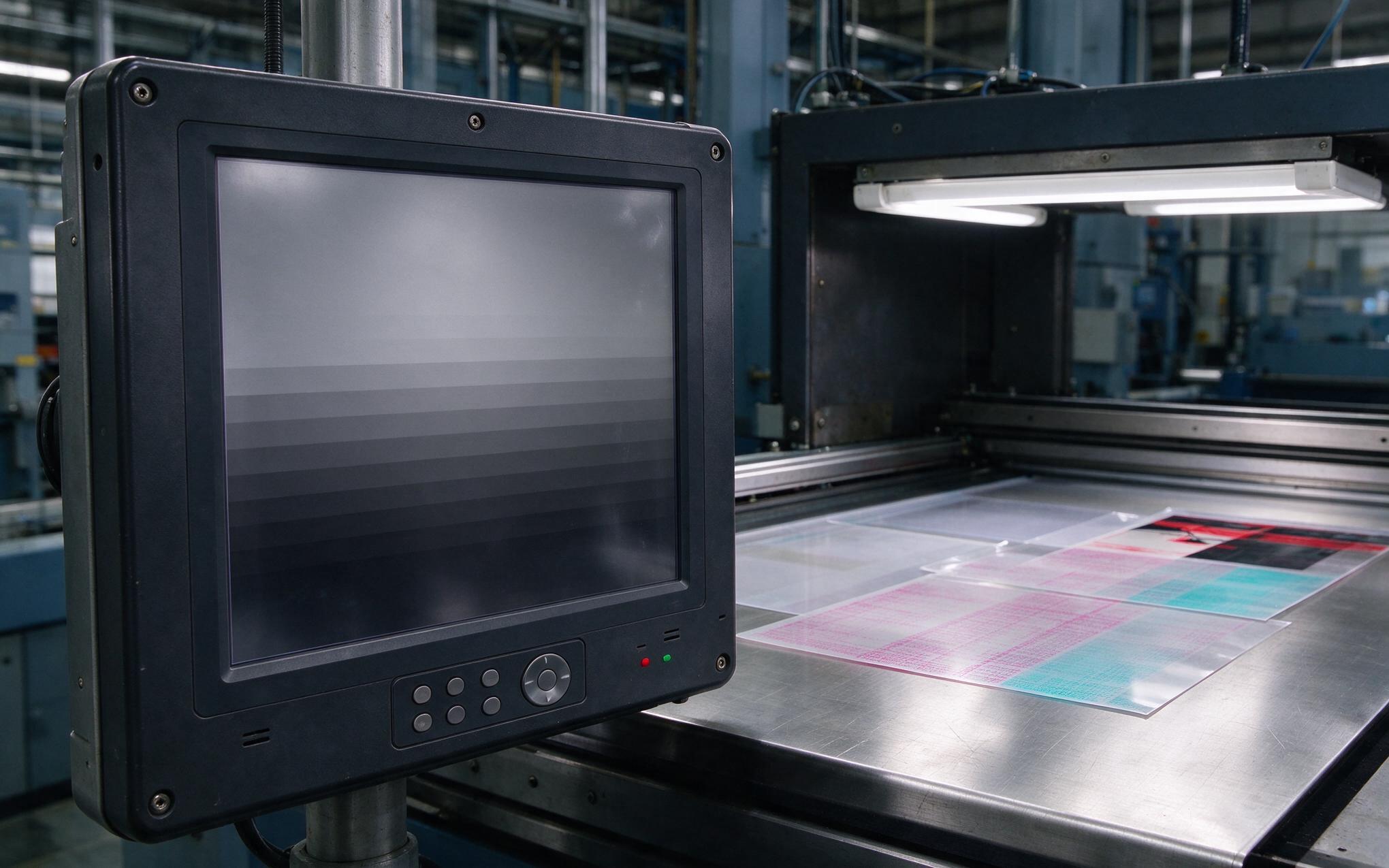
A rackmount industrial PC installed inside a factory control cabinet faces two simultaneous threats that standard server equipment was never designed to withstand. Electromagnetic interference from variable frequency drives, arc welders, and induction heating stations corrupts data paths and triggers communication errors, while trapped heat inside a densely populated 19-inch rack pushes components past their thermal limits. Rackmount industrial PC manufacturers address this dual challenge through two complementary engineering mechanisms: electromagnetic shielding built into the enclosure structure and conduction cooling that eliminates fan-dependent thermal management.

Unibody Enclosures as Faraday Cages
The foundation of EMI protection in rackmount industrial PC design starts with the chassis itself. A continuous metal enclosure, typically 2 to 3 mm thick steel or aluminum, forms a Faraday cage that attenuates external electromagnetic fields before they reach sensitive circuitry. At frequencies up to 1 GHz, a well-constructed unibody chassis can achieve shielding effectiveness exceeding 40 dB, reducing incoming interference by a factor of 10,000. For factories running variable frequency drives, arc welders, and induction heating equipment, this passive attenuation layer is the primary defense against data corruption and communication errors. The critical design detail lies in maintaining electrical continuity across every panel seam and access cover. Conductive gaskets, spring-finger contacts, and EMI-rated I/O connectors prevent electromagnetic energy from leaking through gaps in the rack. Standards like EN 61000-6-2 define the immunity thresholds these enclosures must meet, and manufacturers like KOXIAN validate their designs against electrostatic discharge, electrical fast transient, and surge immunity tests to ensure the chassis performs as a unified shield.

Conduction Cooling Eliminates Fan Failures
The second engineering mechanism addresses the thermal problem that rackmount density creates. In a standard 19-inch rack with multiple stacked units, convection cooling alone cannot dissipate the heat generated by processors, storage controllers, and power supplies operating at continuous load. Conduction cooling solves this by transferring heat directly from components to the chassis through solid thermal interfaces, including heat pipes, thermal pads, and aluminum cold plates, eliminating the need for fans that would otherwise clog with factory dust and fail within months. A fanless rackmount industrial PC uses copper heat pipes to wick thermal energy from the CPU to external aluminum fins bonded to the chassis walls. The enclosure becomes the heat sink, radiating thermal energy across a large surface area without moving parts. This approach typically supports processors up to 35W TDP in a 2U form factor and extends component lifespan by removing the single most common failure point in industrial computing: the cooling fan. For control, monitoring, and edge gateway applications, the reliability gain outweighs the performance constraint of a lower TDP ceiling.

Balancing Thermal Paths in Dense Cabinets
When multiple rackmount industrial PC units sit side by side in a populated cabinet, thermal management becomes a system-level problem rather than a per-unit concern. Heat generated by one unit can preheat the intake air for adjacent units, creating cascading thermal zones that push components toward their operating limits. In mixed-density cabinets, integrators deploying rackmount industrial models combine conduction-cooled units with disciplined rack layout, coordinating front-to-back airflow paths and maintaining minimum spacing between units. Units near the upper portion of a cabinet receive less preheated air than those near the lower section, while units at row ends have better lateral airflow access than those buried in the center. This layered approach keeps thermal zones predictable and prevents overheating that triggers unexpected shutdowns.

EMC Compliance as a Procurement Gate
For system integrators and procurement teams evaluating rackmount industrial PC options, electromagnetic compatibility certification serves as both a technical requirement and a procurement filter. Manufacturers like KOXIAN design their enclosures to meet these thresholds as a baseline requirement. A chassis that meets EN 61000-4-2 for electrostatic discharge, EN 61000-4-4 for electrical fast transients, and EN 61000-4-6 for conducted RF immunity provides measurable assurance that the unit will operate reliably in electrically noisy factory environments. Without these certifications, the risk of intermittent communication failures, data corruption, or unexpected resets increases significantly near welding stations, motor controllers, or high-power switching equipment. The procurement decision extends beyond checkbox compliance to verification of test methodology. Units tested with the enclosure fully assembled provide more meaningful protection than board-level testing, because the mounting interface itself becomes part of the electromagnetic boundary.
EMI shielding and conduction cooling together define how rackmount industrial PC designs survive in electrically hostile, thermally constrained factory environments. Unibody enclosures provide passive electromagnetic protection without consuming power or requiring maintenance, while conduction-cooled thermal architectures eliminate the fan failures that plague conventional rack equipment. For facilities deploying computing resources alongside welding cells, variable frequency drives, and high-current switching systems, these two mechanisms work as complementary layers, shielding against interference that would corrupt data and eliminating thermal management dependencies that introduce dust, vibration, and single-point failures into rack installations.