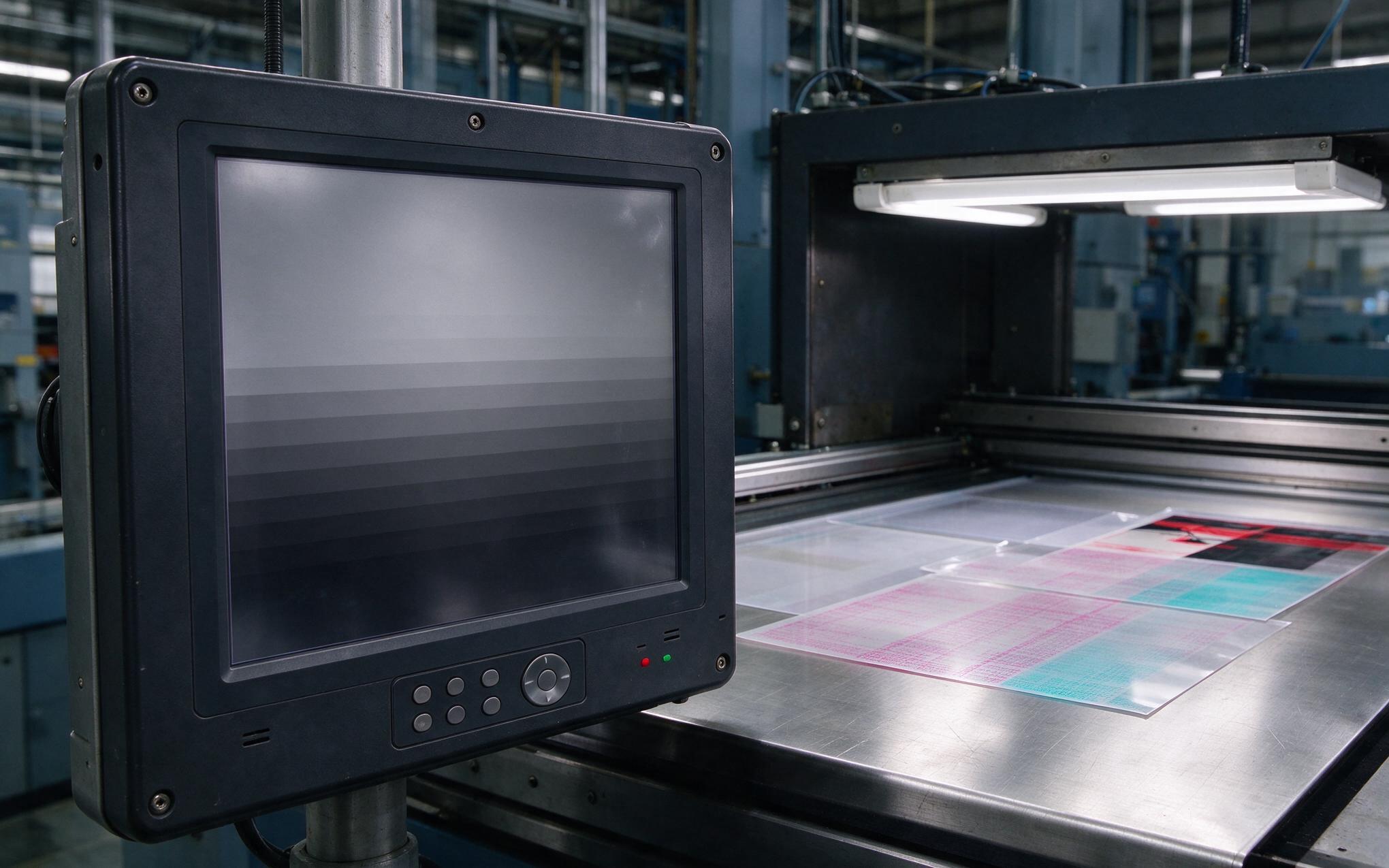
When a production line halts at 2 a.m. because an embedded control terminal lost its display output, the real cost is not the hardware itself. It is the unplanned downtime cascading through every downstream station. That scenario plays out more often than most plant managers care to admit, and it traces back to the choice of industrial panel pc supplier. Selecting a sourcing partner without structured evaluation criteria exposes factories to component obsolescence, inconsistent quality, and supply disruptions that no amount of on-site maintenance can fully mitigate.

Verifying Supply Chain Transparency and Component Traceability
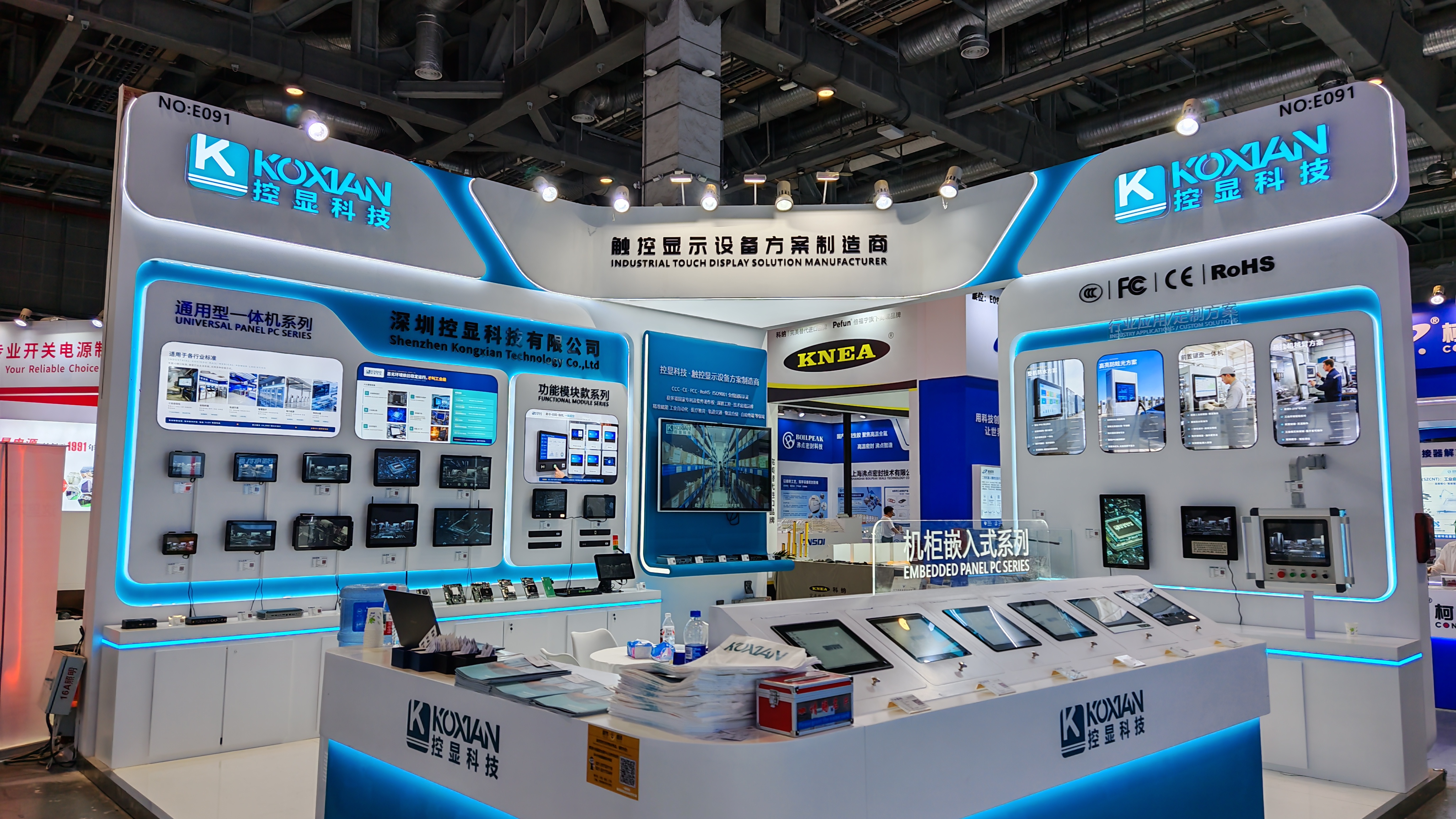
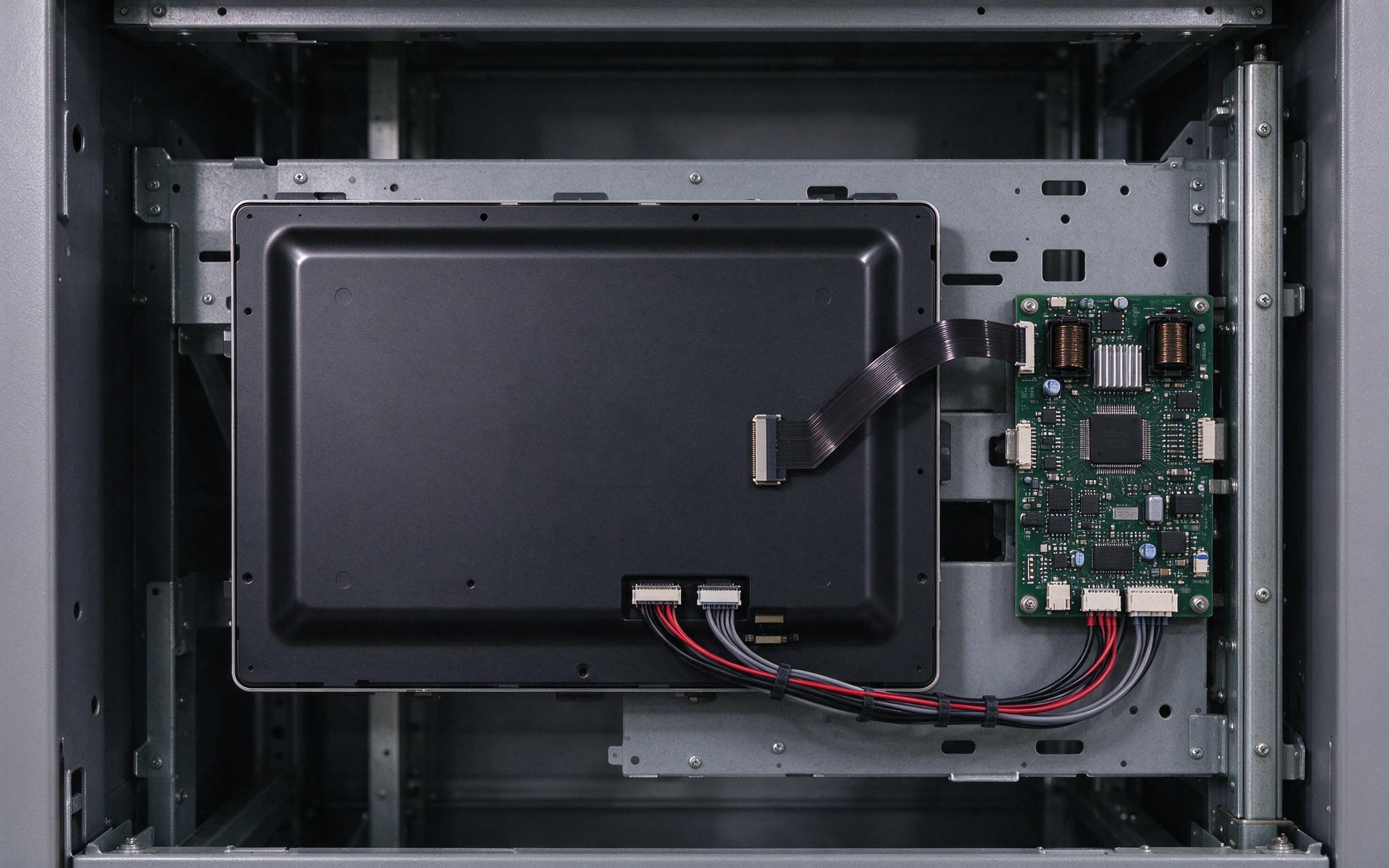
A credible industrial panel pc supplier should provide full traceability from raw semiconductor die to finished assembly. This means documented BOM lineages, lot-level tracking for PCB fabrication, and clear records of which foundry produced each critical IC. For reference, manufacturers such as KOXIAN publish detailed compliance documentation for their panel pc product lines, establishing a baseline expectation that any serious vendor should match. Without this transparency, a factory cannot predict how a component change mid-lifecycle will affect thermal behavior, power draw, or long-term reliability. Procurement teams should request material certificates, test reports per IEC 60068 standards, and evidence of incoming inspection protocols before committing to a vendor relationship.

Evaluating Mechanical and Environmental Testing Rigor
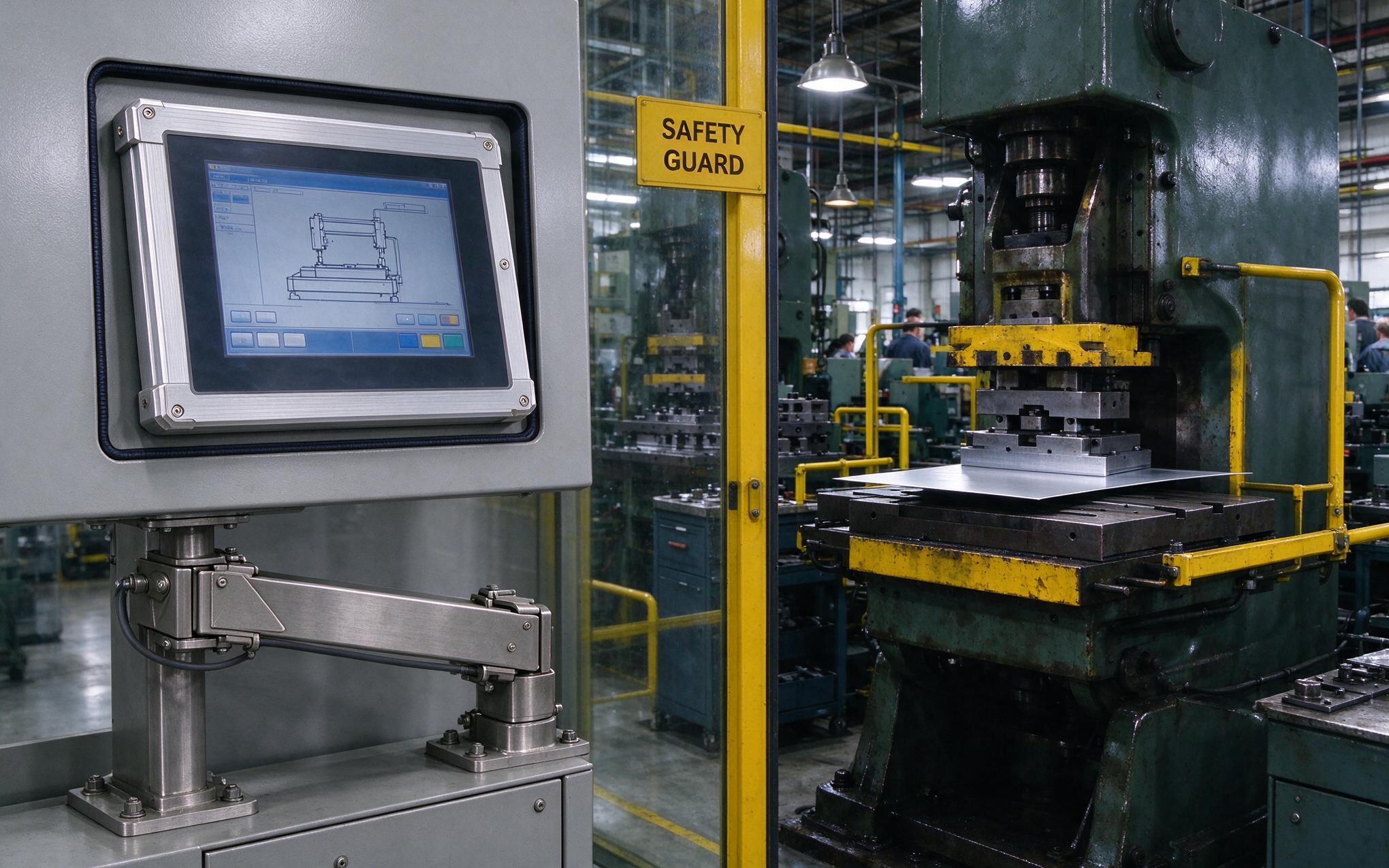
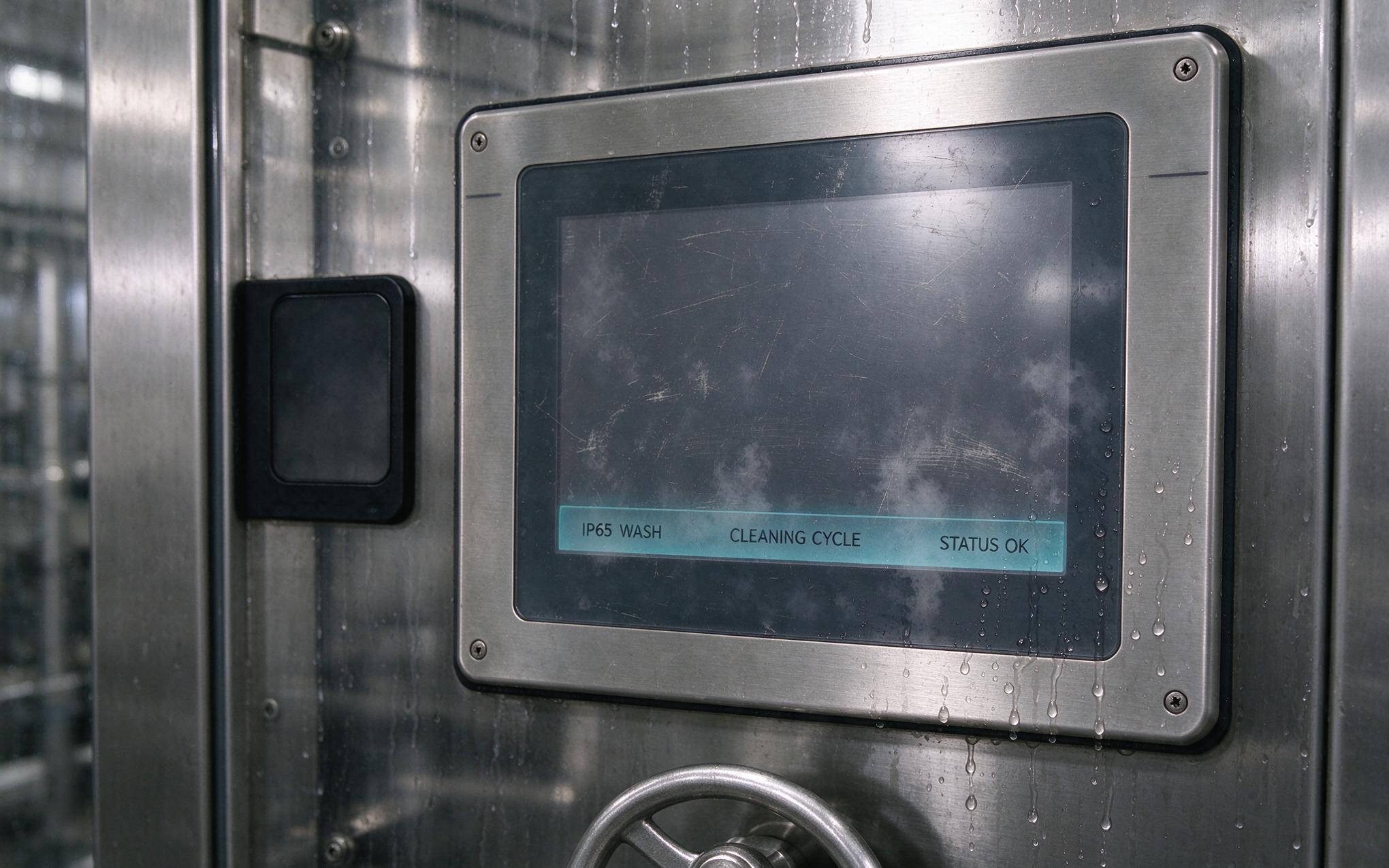
Few things distinguish a reliable vendor from a commodity reseller more clearly than the depth of environmental testing documentation. True vendor qualification demands evidence of HALT, thermal cycling across the stated operating range, and vibration profiles matching IEC 60068-2-6 requirements. Qualification programs like those deployed by KOXIAN structure testing around worst-case field conditions encountered in food processing and outdoor deployment, providing reference data that procurement engineers can directly compare against their own site requirements. A supplier that cannot produce test logs for enclosure integrity under IP65 water jet exposure or shock resistance at 30G should raise immediate concern. These engineering artifacts prove the manufacturer has validated design margins rather than simply claiming rugged capability on a datasheet.

Assessing Long-Term Support and Lifecycle Commitments
The evaluation does not end at the purchase order. Selecting the right industrial panel pc supplier requires commitment to product lifecycle management that aligns with factory refresh cycles, which typically span five to ten years. This includes guaranteed component availability windows, defined end-of-life notification periods, and access to firmware updates addressing newly discovered vulnerabilities. System integrators should negotiate service-level agreements covering response time for hardware failures, spare parts availability, and escalation paths for critical production environments. Without these contractual safeguards, even a well-engineered panel pc can become a stranded asset the moment its supplier discontinues support. Industry analysts note that the global panel pc market is projected to reach nearly USD 2.88 billion by 2031, underscoring the strategic importance of choosing partners with sustainable long-term commitments.

Factory automation environments leave little room for sourcing mistakes. Structured due diligence — covering supply chain traceability, environmental validation rigor, and lifecycle support commitments — transforms the selection process from a price comparison exercise into a risk management discipline. The result is a panel pc deployment that sustains production continuity rather than becoming the next unplanned downtime event.
Frequently Asked Questions
Q: What documentation should an industrial panel pc supplier provide before a procurement decision?
A: Request BOM traceability records, incoming inspection procedures, HALT and HASS test reports, IP certification evidence from accredited labs, and component end-of-life roadmap disclosures.
Q: How does supply chain verification reduce long-term factory downtime risk?
A: Supply chain verification ensures that every critical component has documented sourcing and batch history. When a component reaches end-of-life, verified traceability enables faster redesign and qualification of replacements, minimizing production disruption.
Q: What role does vendor qualification play in selecting a panel pc for harsh environments?
A: Vendor qualification validates that the supplier’s testing methodology matches real-world deployment conditions. This includes thermal cycling, vibration profiles matching the installation environment, and IP ingress testing under actual water pressure and dust exposure levels.
Q: Why is long-term lifecycle support important when choosing a panel pc supplier?
A: Factory automation systems typically operate for five to ten years. A supplier with guaranteed component availability, firmware update commitments, and defined end-of-life notification periods protects your investment against stranded hardware.