When a production line stops, the meter starts running. In automotive assembly, a single minute of unplanned downtime costs between $15,000 and $22,000. In semiconductor fabrication, the number climbs past $50,000 per minute. These figures are well documented, yet the financial case for predictive maintenance often gets stuck in qualitative arguments. What plant managers need is a defensible ROI model for the finance department. This article builds a five-year TCO model quantifying how edge-driven predictive maintenance translates avoided downtime into hard dollar savings.
The Baseline: What Unplanned Downtime Actually Costs
Downtime cost has four components: lost throughput, labor idle time, scrapped work-in-progress, and recovery ramp-up. Lost throughput is the most visible—multiply the line’s hourly output value by the stoppage duration. Labor idle time covers shift workers who are paid but cannot produce. Work-in-progress scrap occurs when a sudden stop ruins partially processed materials—a paint line halting mid-cure, a heat treatment batch over-soaking. Recovery ramp-up is the least quantified but often most expensive: after a stoppage, the line runs at reduced speed and elevated defect rate for 30 to 90 minutes while operators recalibrate. For a mid-sized automotive stamping line producing $8,000 per minute, a single four-hour unplanned stoppage costs approximately $2 million—including lost throughput, idle labor, scrap, and recovery inefficiency.
The Predictive Maintenance Investment
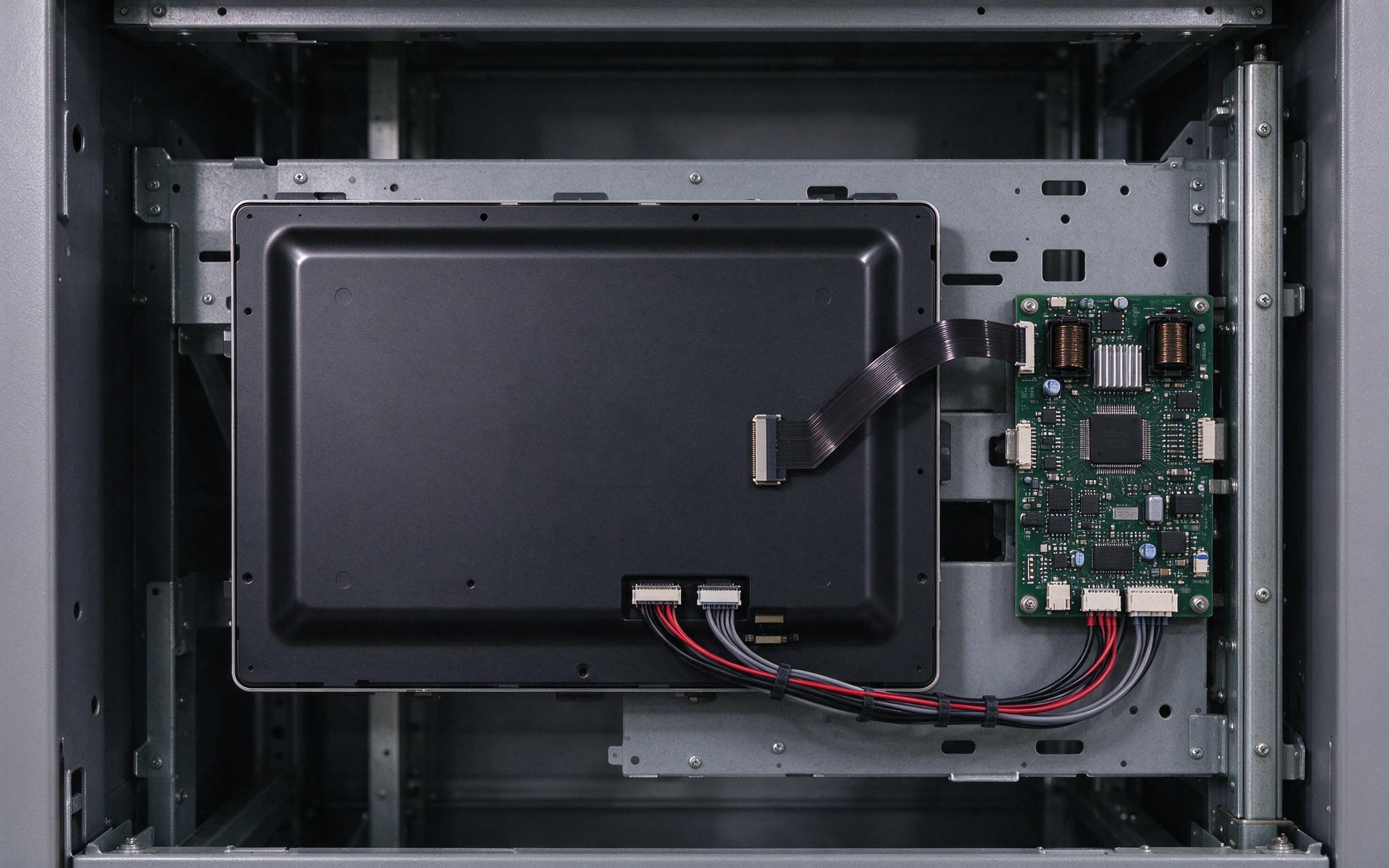
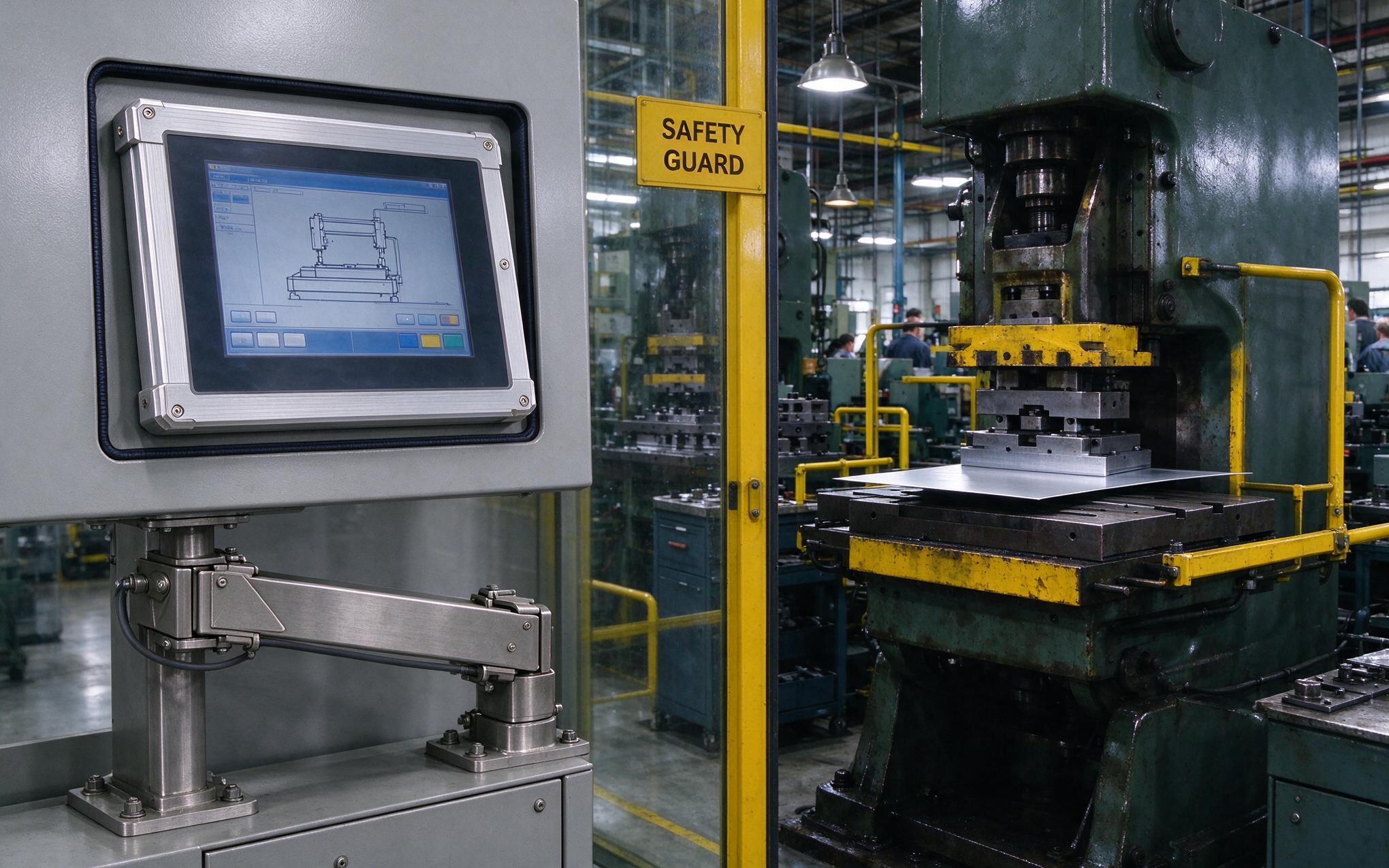
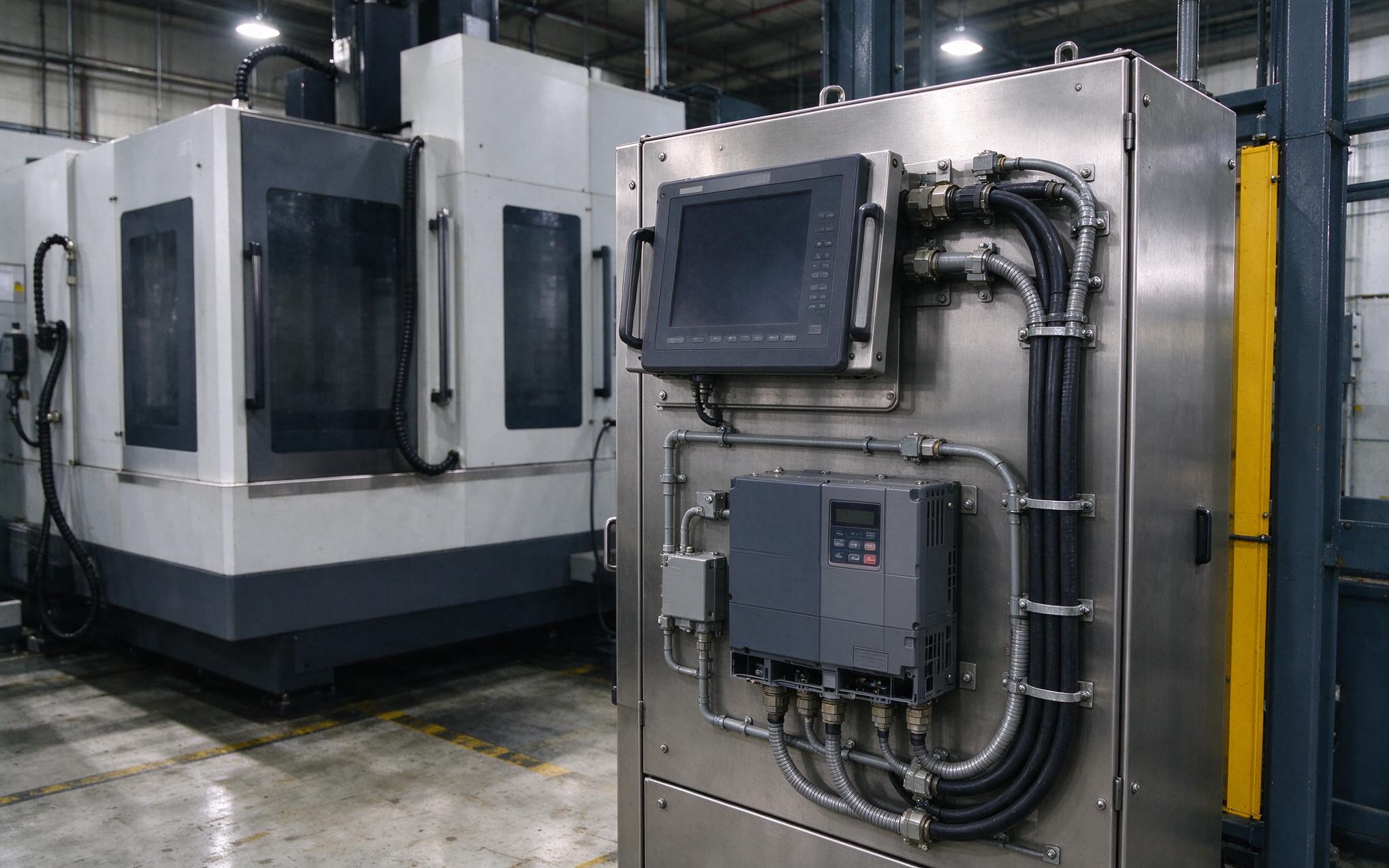
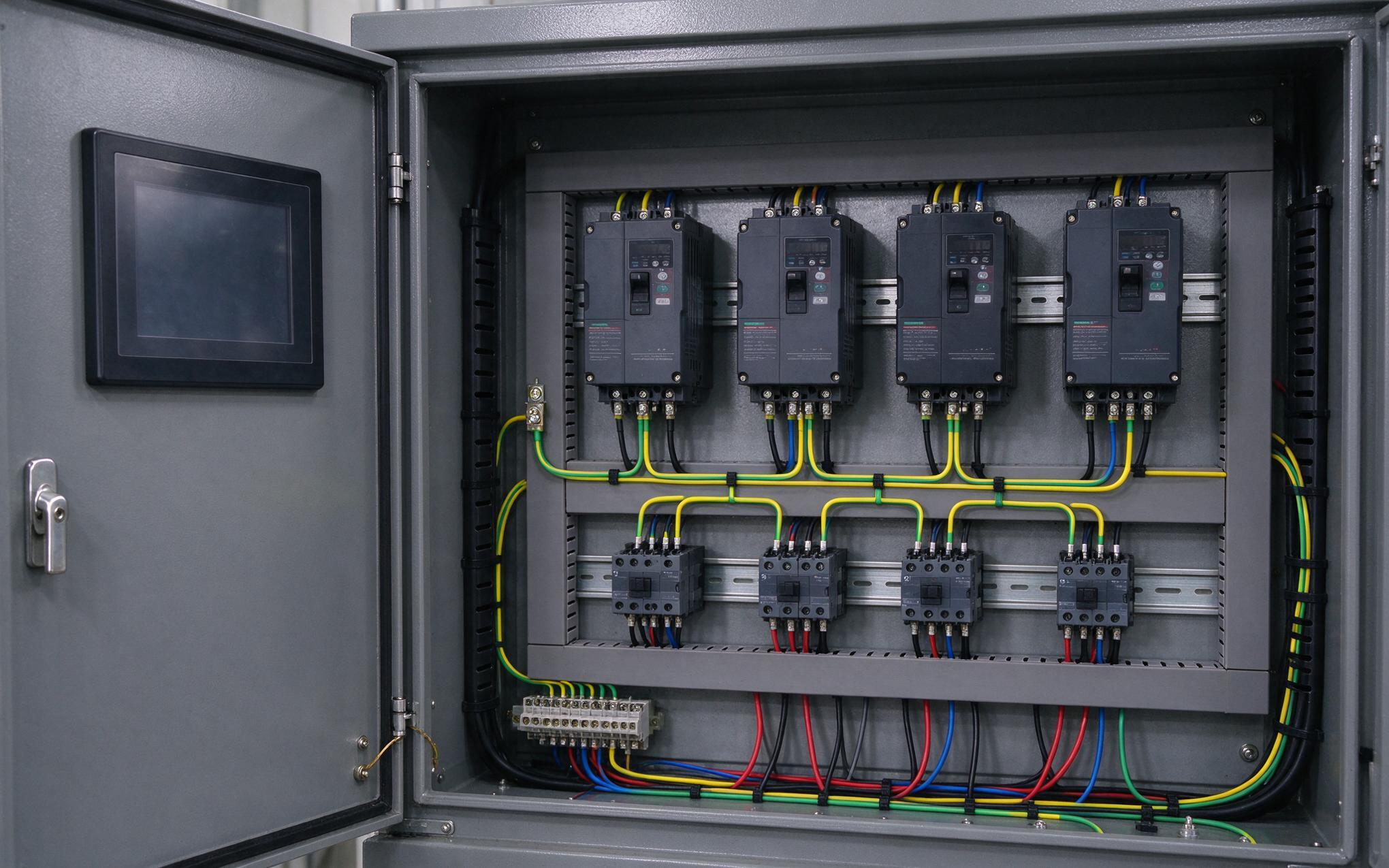
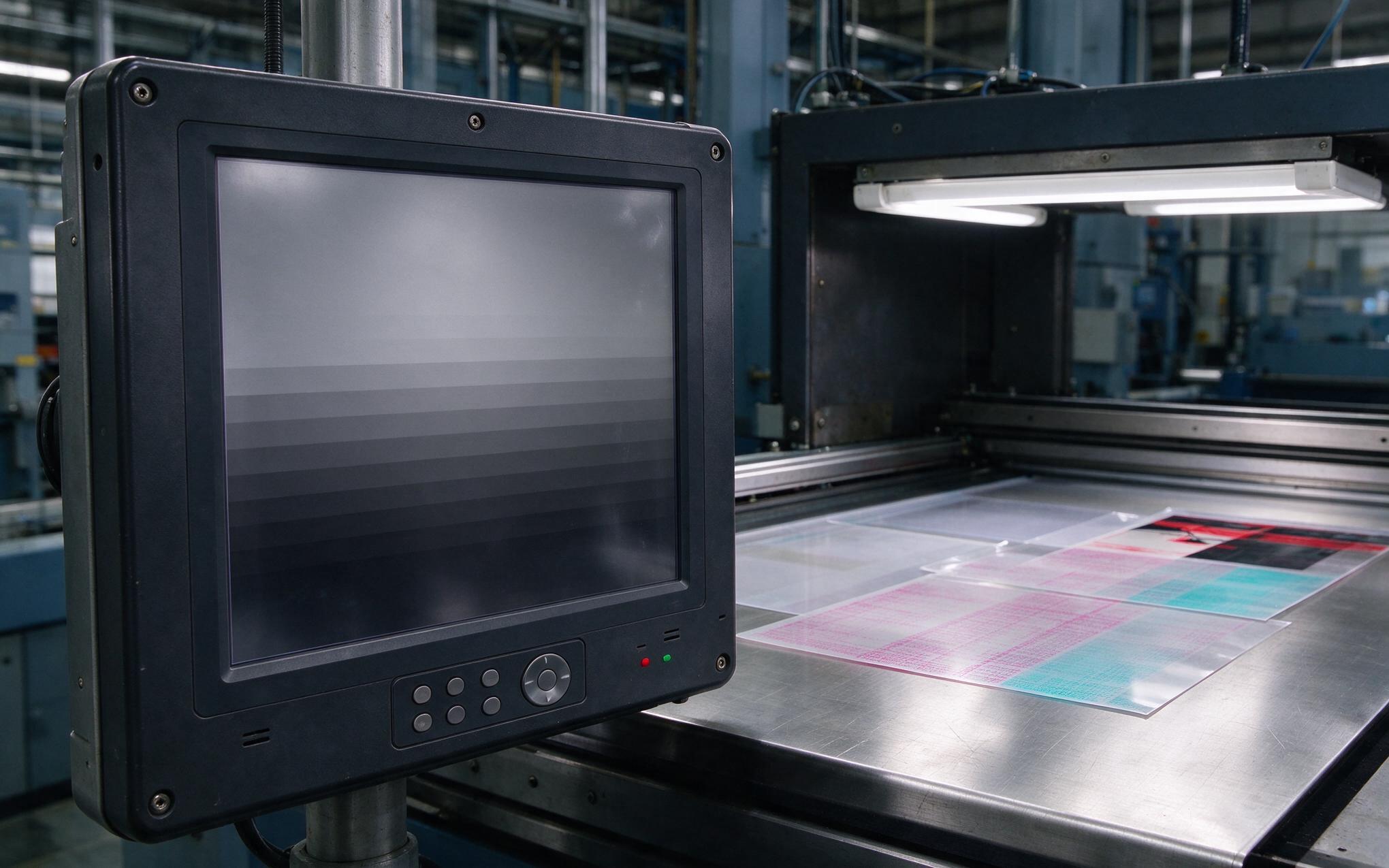
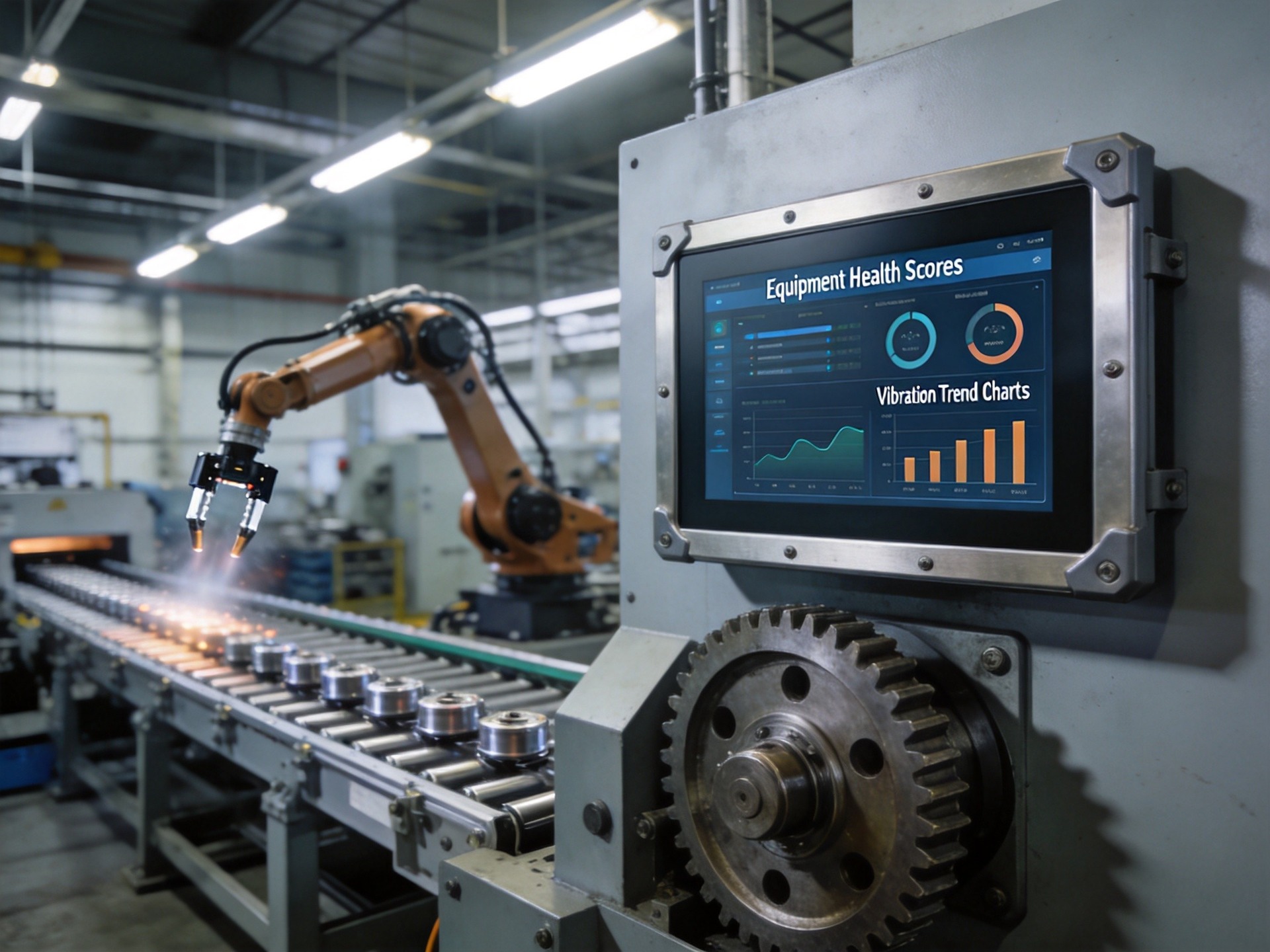
Deploying edge computing-driven predictive maintenance on a single production line requires three categories of investment. Hardware: vibration sensors, current transducers, and an industrial panel PC as the edge analytics node, totaling approximately $18,000 per line. Software: edge analytics licenses, data historian, and visualization dashboard at roughly $12,000 annually. Integration: sensor installation, wiring, network configuration, and algorithm training at approximately $25,000 as a one-time cost. Total first-year investment is $55,000 with annual recurring software costs of $12,000. The edge analytics node—a rugged industrial panel PC running fast Fourier transforms and machine learning inference locally—is the computational backbone. Its reliability determines whether the predictive maintenance program delivers or becomes another abandoned pilot.
The Five-Year ROI Calculation
Assume a production line that historically experiences three unplanned stoppages per year, each costing $300,000 in combined losses—a conservative estimate for a mid-tier manufacturing operation. Annual unplanned downtime cost: $900,000. A predictive maintenance system that catches 70 percent of impending failures—a realistic target based on published industry case studies—reduces unplanned incidents from three to approximately one per year. Annual savings: $600,000. Over five years, total savings reach $3,000,000. The total five-year system cost is $55,000 (year one) plus $12,000 × 4 (years two through five), totaling $103,000. The five-year ROI is ($3,000,000 – $103,000) / $103,000 = 2,812 percent, with a payback period of approximately 1.1 months. Even at 50 percent failure catch rate, the five-year ROI exceeds 1,900 percent. The numbers are so lopsided that the financial decision is not whether to invest—it is how quickly to deploy.
Beyond the Spreadsheet: Secondary Benefits
Predictive maintenance also extends equipment lifespan by preventing catastrophic failures that damage adjacent components. A bearing replaced on schedule during planned maintenance costs $2,500 in parts and labor. The same bearing failing catastrophically costs $45,000 for a full assembly rebuild. Predictive maintenance reduces spare parts inventory carrying costs because parts are ordered based on actual condition trends rather than fixed time-based schedules. The data collected by the edge analytics system becomes a continuous commissioning tool: the same vibration and current signatures that predict failures also reveal opportunities to optimize operating parameters for energy efficiency and throughput. Industrial panel PCs from manufacturers that understand the full lifecycle of predictive maintenance deployments—including the hardware reliability required to sustain multi-year edge analytics operations—provide the platform stability that makes these secondary benefits achievable. The ROI case for predictive maintenance is not a matter of debate; it is a matter of arithmetic. The edge computing hardware that makes it possible pays for itself in the first month of operation, and every month thereafter is pure margin improvement.
The financial logic of predictive maintenance is compelling at any scale. For a single production line, the five-year ROI exceeds 2,800 percent. The edge computing infrastructure—the sensors, the network, and the rugged industrial panel PC at the core—represents less than 4 percent of the total savings. The remaining 96 percent flows directly to the bottom line. In an industry where margins are measured in single digits, that is transformational.