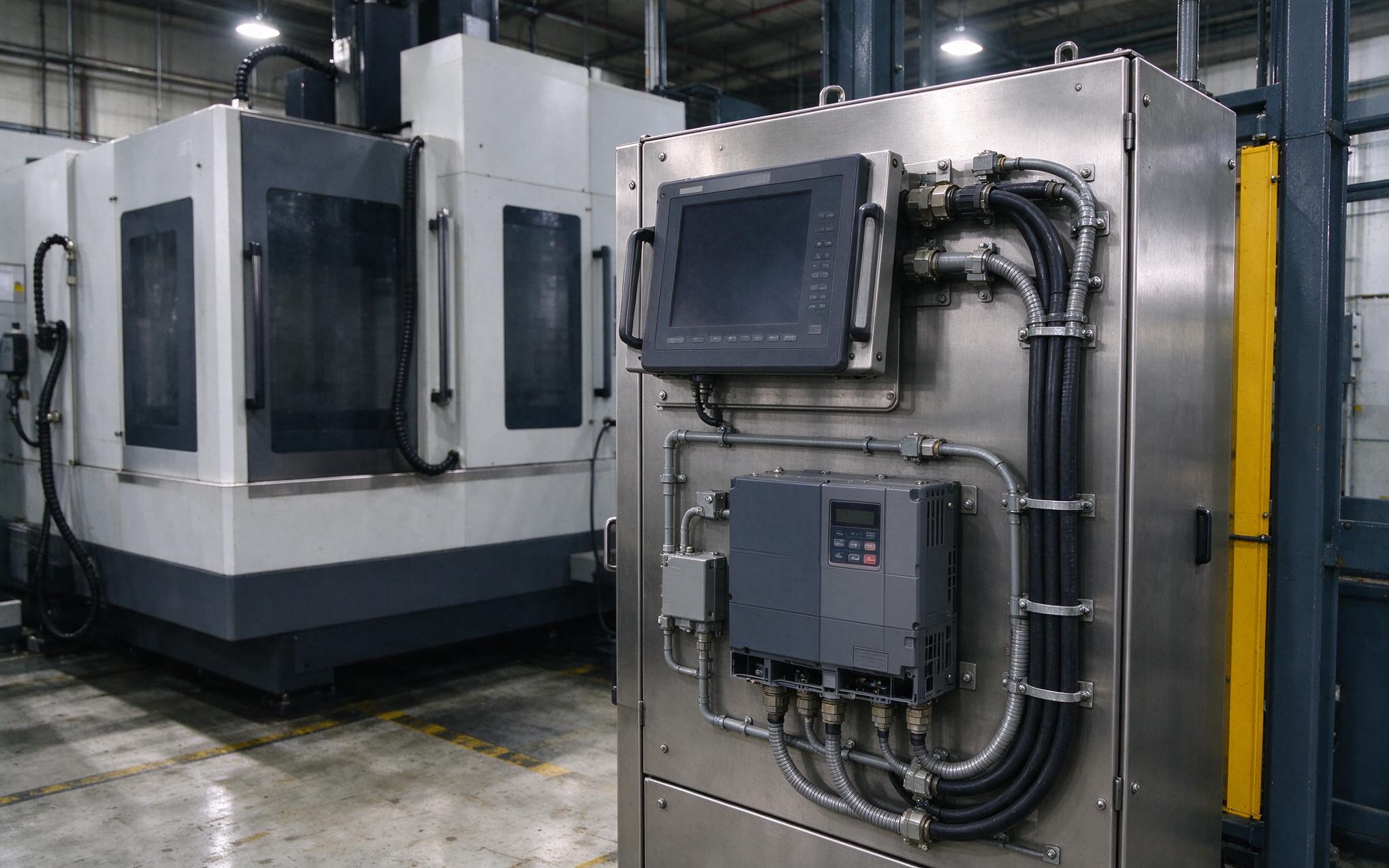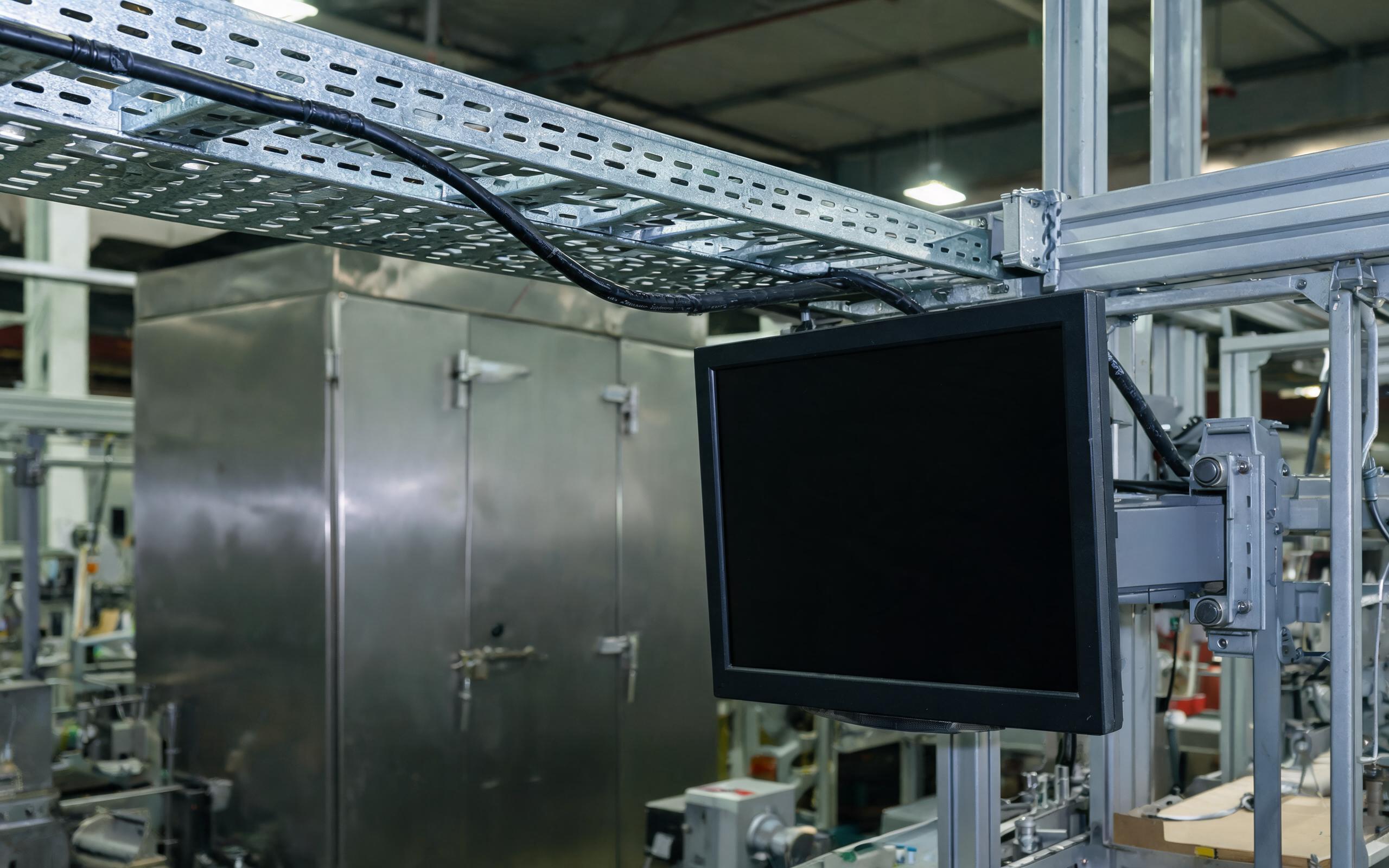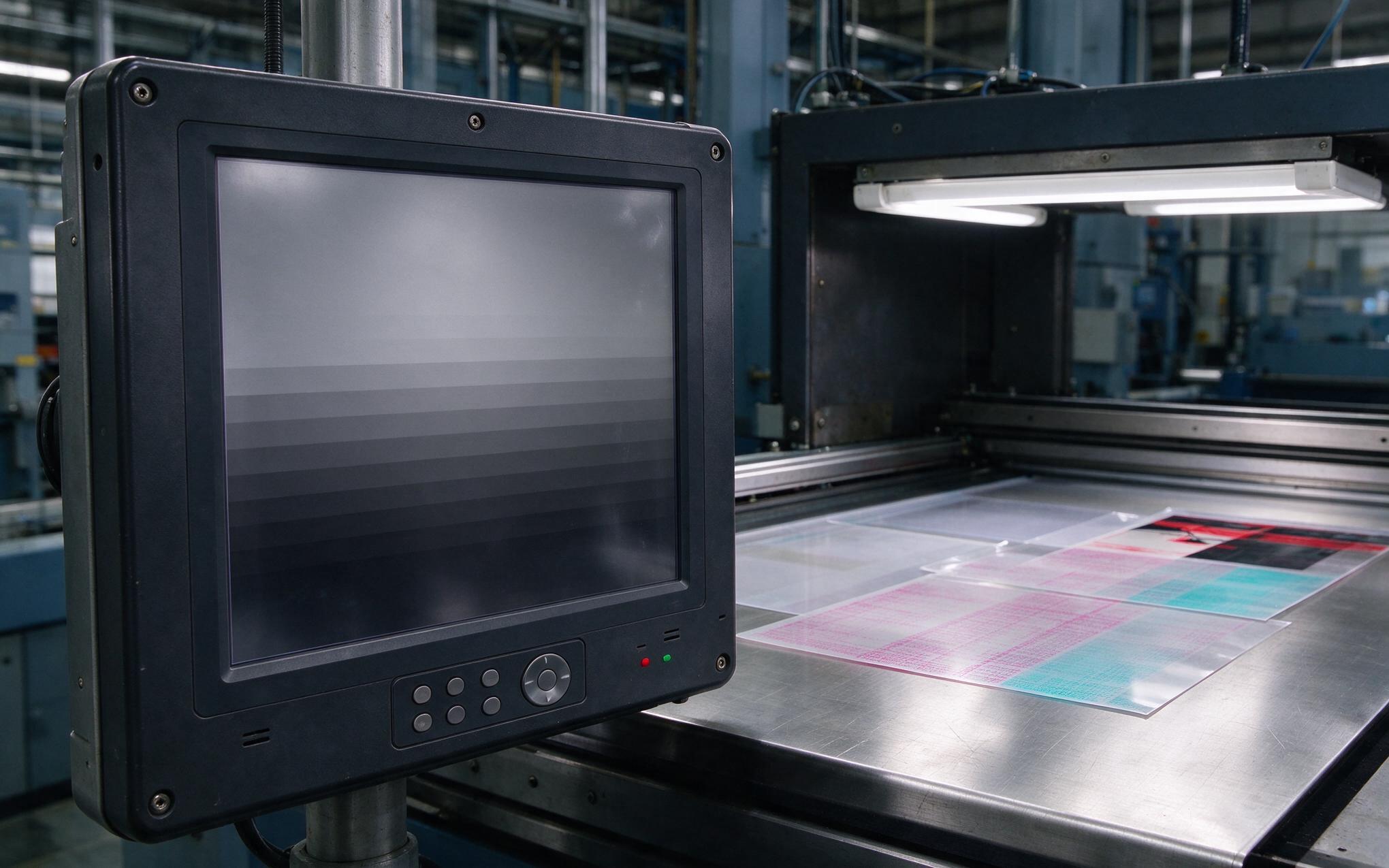
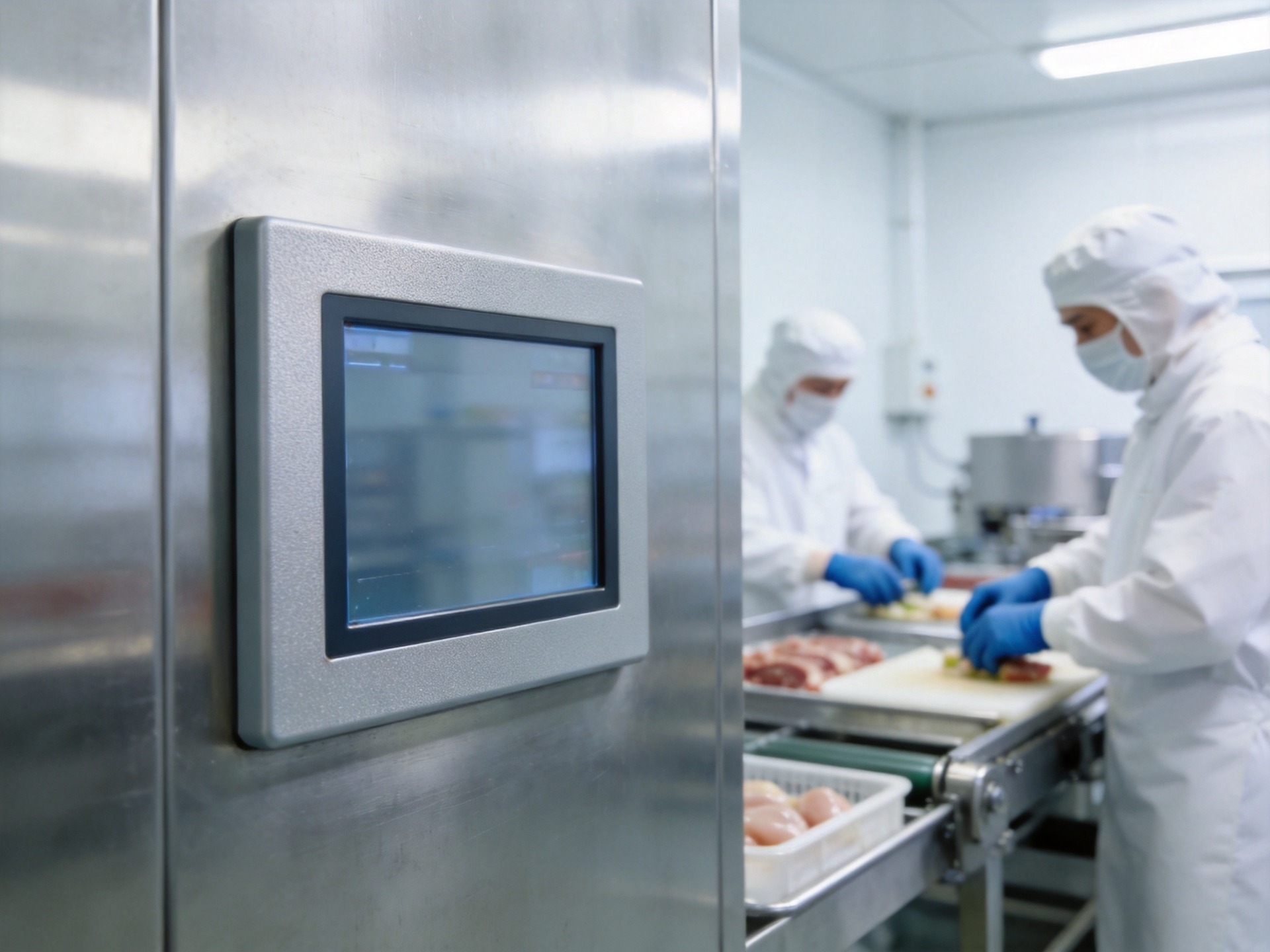
Industrial touchscreens in food processing plants, pharmaceutical cleanrooms, and healthcare facilities face a contamination problem beyond surface dirt. Operators wearing gloves transfer bacterial colonies from raw materials onto the screen with every touch. In a poultry processing facility, a single shift can deposit enough Salmonella and Campylobacter on a touchscreen to create a cross-contamination vector spanning the entire production line. ISO 22196—the international standard for measuring antibacterial activity on non-porous surfaces—provides a standardized testing methodology. However, passing the laboratory test and maintaining antimicrobial effectiveness through years of abrasive cleaning and chemical exposure are two very different propositions.
How ISO 22196 Quantifies Antimicrobial Activity
ISO 22196 specifies inoculation of a known bacterial concentration—typically Escherichia coli and Staphylococcus aureus—onto both a treated test surface and an untreated reference. After 24-hour incubation at 35°C and 90 percent relative humidity, surviving bacteria are recovered and counted. The antibacterial activity (R) is the logarithmic difference between counts. An R value of 2.0 or greater—99 percent reduction—is the threshold for effective antibacterial activity. For industrial touchscreens, the standard is applied to the outermost cover lens with the antimicrobial coating. The test assumes a clean, intact surface under ideal conditions. This is where the gap between laboratory certification and field performance begins to widen.
The Real-World Durability Gap
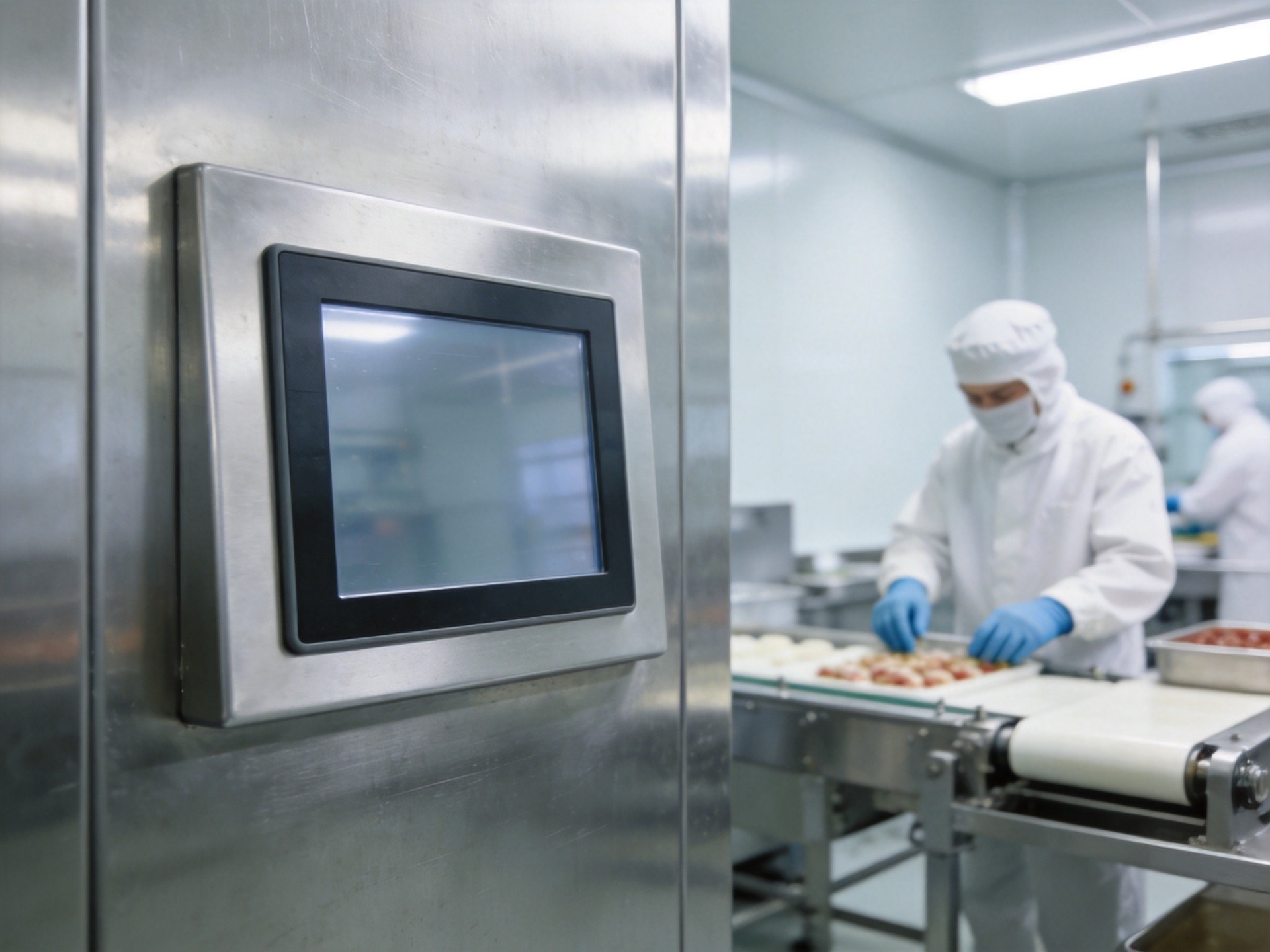
In a meat processing plant, touchscreens are cleaned with quaternary ammonium compounds at 200 to 400 ppm multiple times per shift. These disinfectants can leach silver ions from antimicrobial coatings, depleting the active agent. Abrasive cleaning with microfiber cloths physically wears down the coating thickness. UV from overhead germicidal lamps in pharmaceutical cleanrooms photodegrades organic antimicrobial agents. A European research consortium study found that a silver-ion coating achieving R 4.2 in ISO 22196 testing dropped to R 1.1 after 2,000 wipe cycles with quaternary ammonium disinfectant. After 5,000 cycles—roughly 18 months in a three-shift food processing operation—the R value fell below 0.5, meaning no meaningful protection. The coating passed ISO 22196; it failed the real-world durability test the standard does not require.
Selecting Coatings for Long-Term Effectiveness
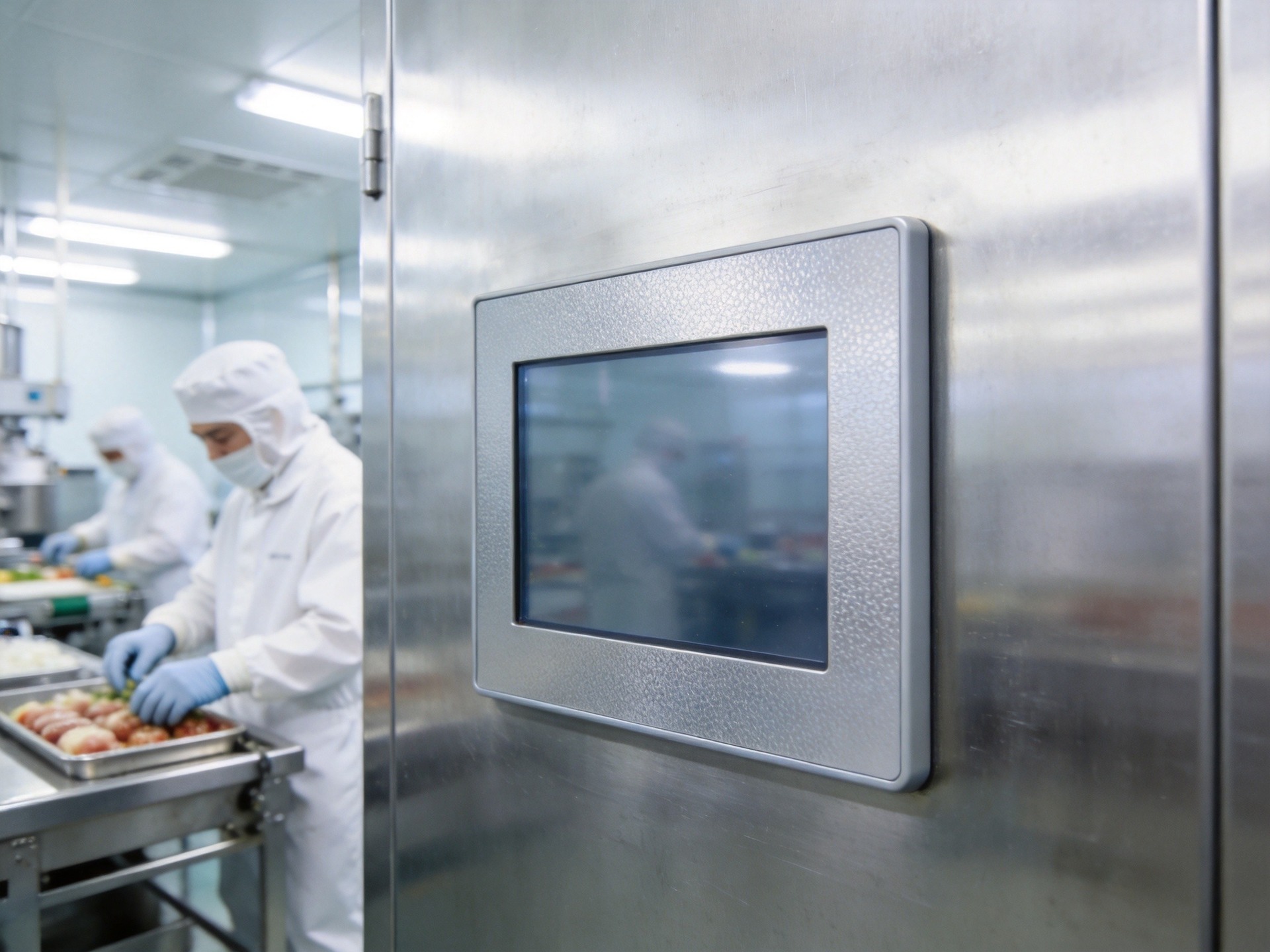
Not all coatings degrade equally. Inorganic silver-ion coatings embedded in a glass matrix—rather than applied as surface film—demonstrate better durability because the active agent is distributed throughout the glass thickness, continuously exposing fresh silver ions as the surface wears. Copper-oxide coatings offer an alternative less susceptible to chemical leaching. Photocatalytic titanium dioxide coatings, active only under UV exposure, extend functional lifespan because the active mechanism is not consumed. For contamination-sensitive environments, procurement specifications should go beyond ISO 22196 certification and require evidence of antimicrobial activity retention after a defined number of cleaning cycles with the facility’s specific disinfectants. Industrial panel PCs with factory-integrated antimicrobial cover glass—verified through accelerated lifecycle testing simulating years of cleaning—provide a predictable antimicrobial performance curve rather than a one-time laboratory certification with little relevance to the screen being cleaned three times per shift.
Integrating Antimicrobial Protection into Total Hygiene Strategy
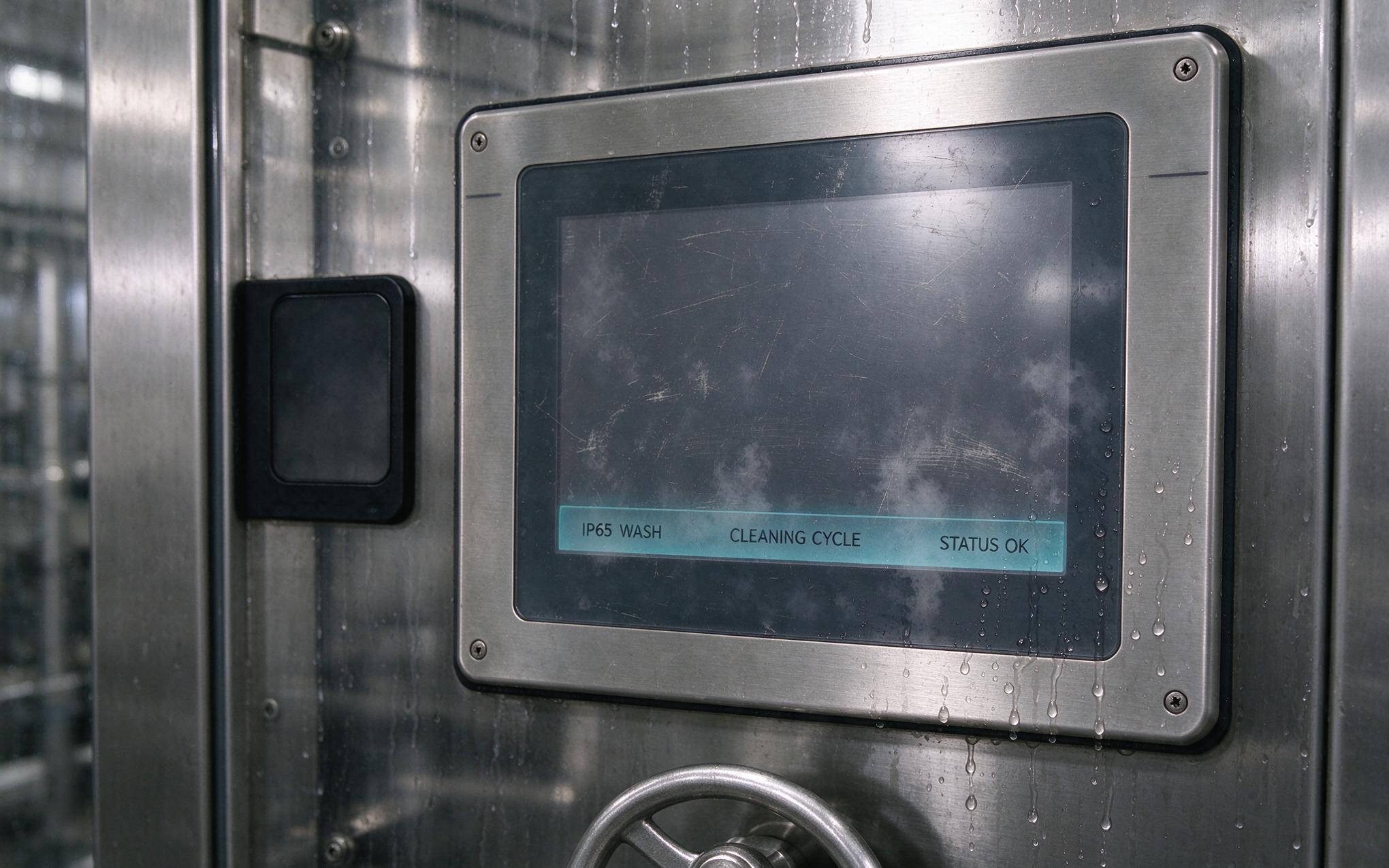
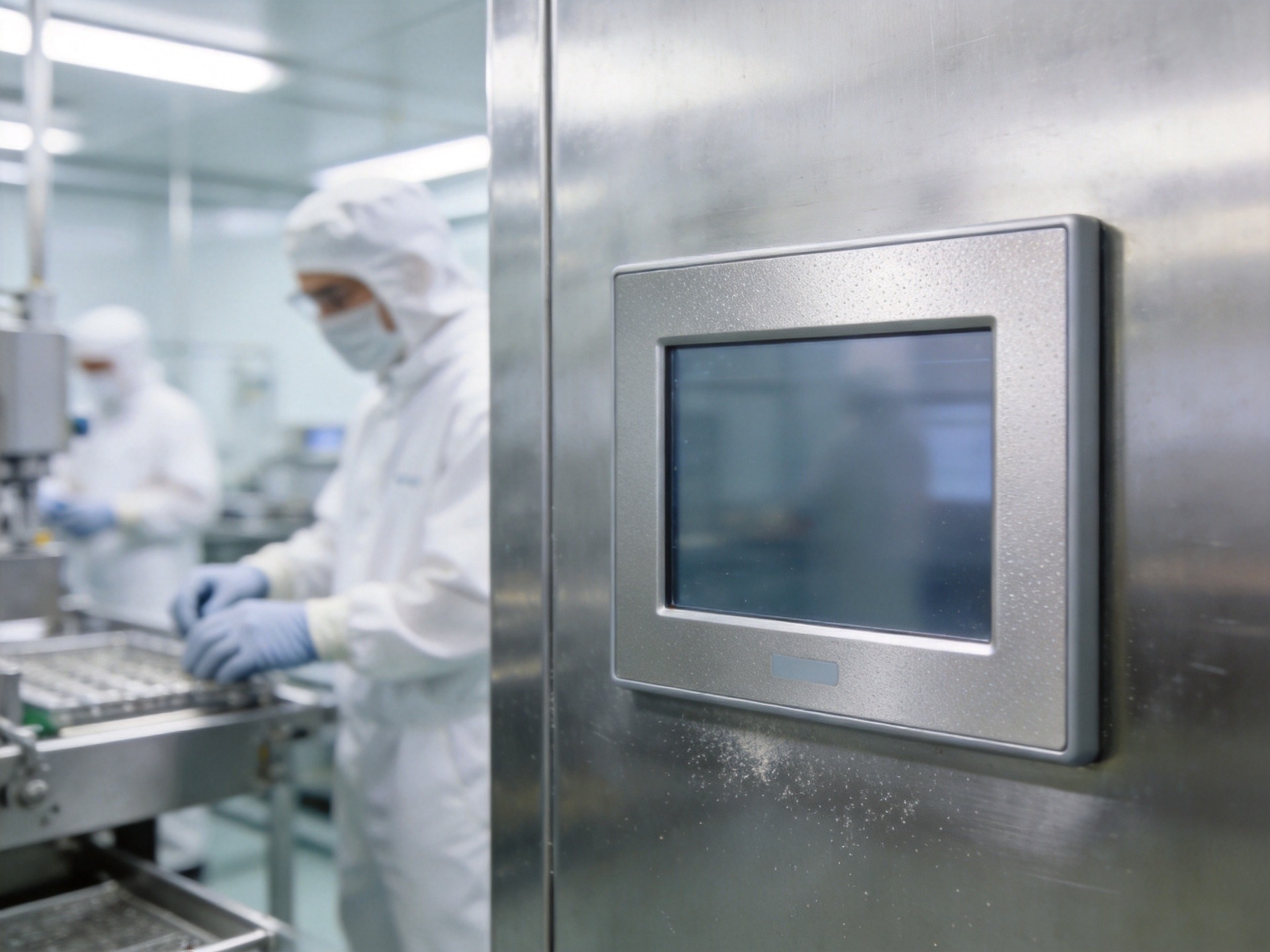
An antimicrobial coating is not a substitute for cleaning; it is a complement. The coating reduces the bacterial population surviving between cleaning cycles, but it does not remove organic soil that shields bacteria from the antimicrobial agent. In food processing environments, the touchscreen’s bezel-to-enclosure seal is equally important: a flush, gasket-sealed design with no crevices prevents accumulation of organic material that would otherwise render the coating ineffective. An IP65-rated front bezel with a seamless glass-to-metal bond serves dual purposes: it prevents liquid ingress into the electronics and eliminates cracks where bacteria colonize beyond the reach of cleaning agents. The combination of a sealed physical design, a durable antimicrobial cover glass, and a validated cleaning protocol creates a hygiene system greater than the sum of its parts. Manufacturers that integrate these elements at the design stage deliver touchscreen solutions that maintain hygienic performance through the full equipment service life.
ISO 22196 provides a standardized starting point for evaluating antimicrobial coatings, but it is only the beginning of the due diligence process. The standard’s laboratory conditions do not capture the chemical, mechanical, and photonic stresses coatings endure in real industrial environments. Procurement specifications must include durability validation under the cleaning and disinfection protocols of the target facility. The difference between a coating that passes ISO 22196 and one that maintains antimicrobial effectiveness after 5,000 cleaning cycles is the difference between genuine hygiene protection and a false sense of security.