
Understanding Input Voltage Requirements in Factory Floor Computing
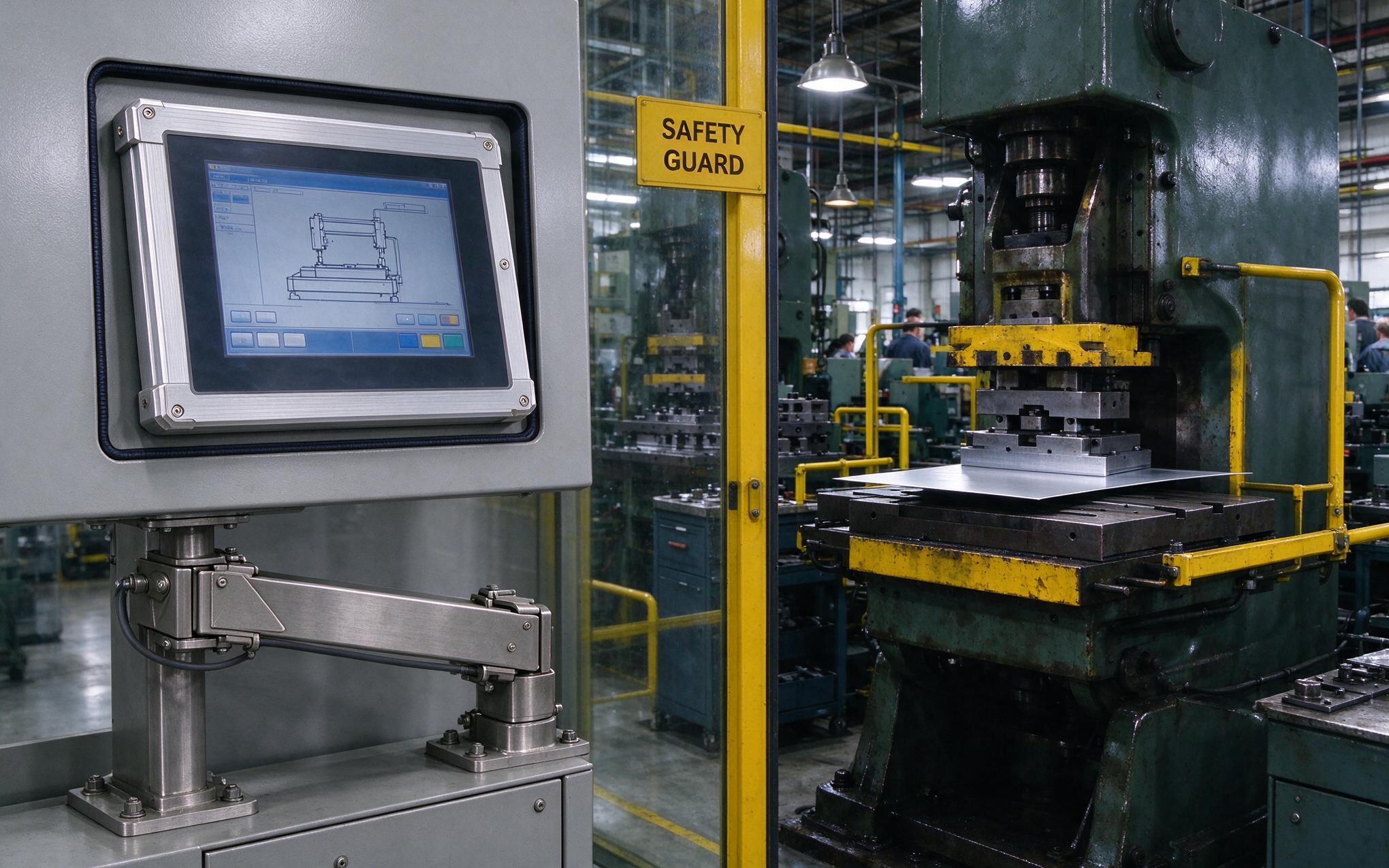
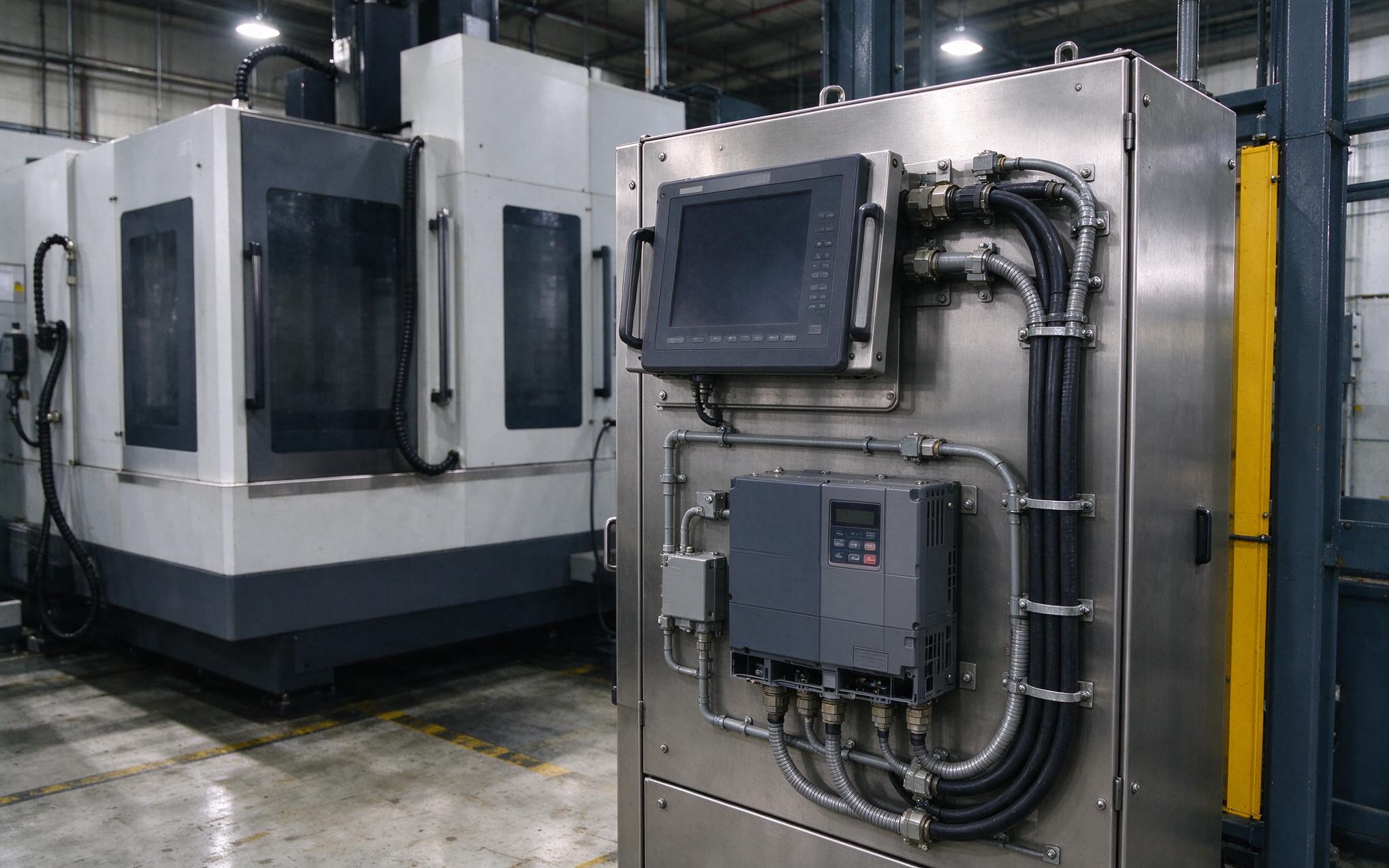
A CNC lathe stutters during startup, a conveyor pauses mid-cycle, and the control panel touchscreen flickers briefly. These brief power disturbances are invisible to the naked eye, yet they rank among the most common causes of unplanned downtime for industrial computing equipment. For this type of computing platform deployed on a production line, the quality of its incoming power directly governs whether the system maintains continuous operation or drops offline at the worst possible moment.
Industrial facilities operate on power rails that fluctuate far more aggressively than the clean, regulated supply found in a commercial office building. Heavy motor loads cycling on and off create voltage sags of 10 to 20 percent within milliseconds, while welders inject high-frequency noise that can corrupt sensitive digital circuits. Transient surges during switching events can exceed twice nominal voltage for microseconds. Standard commercial power supplies are designed to tolerate a narrow input band, typically 100 to 240 volts AC with a margin of roughly five percent. Panel PC systems from manufacturers like KOXIAN, by contrast, specify wide-voltage DC input stages that remain stable across a far broader range.
Most industrial panel PC systems specify direct current input as their primary power path. The universally adopted standard is 24 volts DC, matching industrial DIN rail power supply outputs. Some installations also require compatibility with 12-volt DC battery systems for mobile deployments, and high-power configurations accept 48-volt DC feeds for reduced current draw over long cable runs. Wide voltage input designs that accept anywhere from 9 to 36 volts DC are increasingly common in industrial computing platforms because they absorb the voltage droop that occurs when large motor starters engage on the same bus. During a 24-volt nominal rail sag to 18 volts, a system without sufficient input tolerance will simply shut down, regardless of how rugged its enclosure or processor might be.

Power Supply Design and Component Longevity in Industrial Panel PC Systems
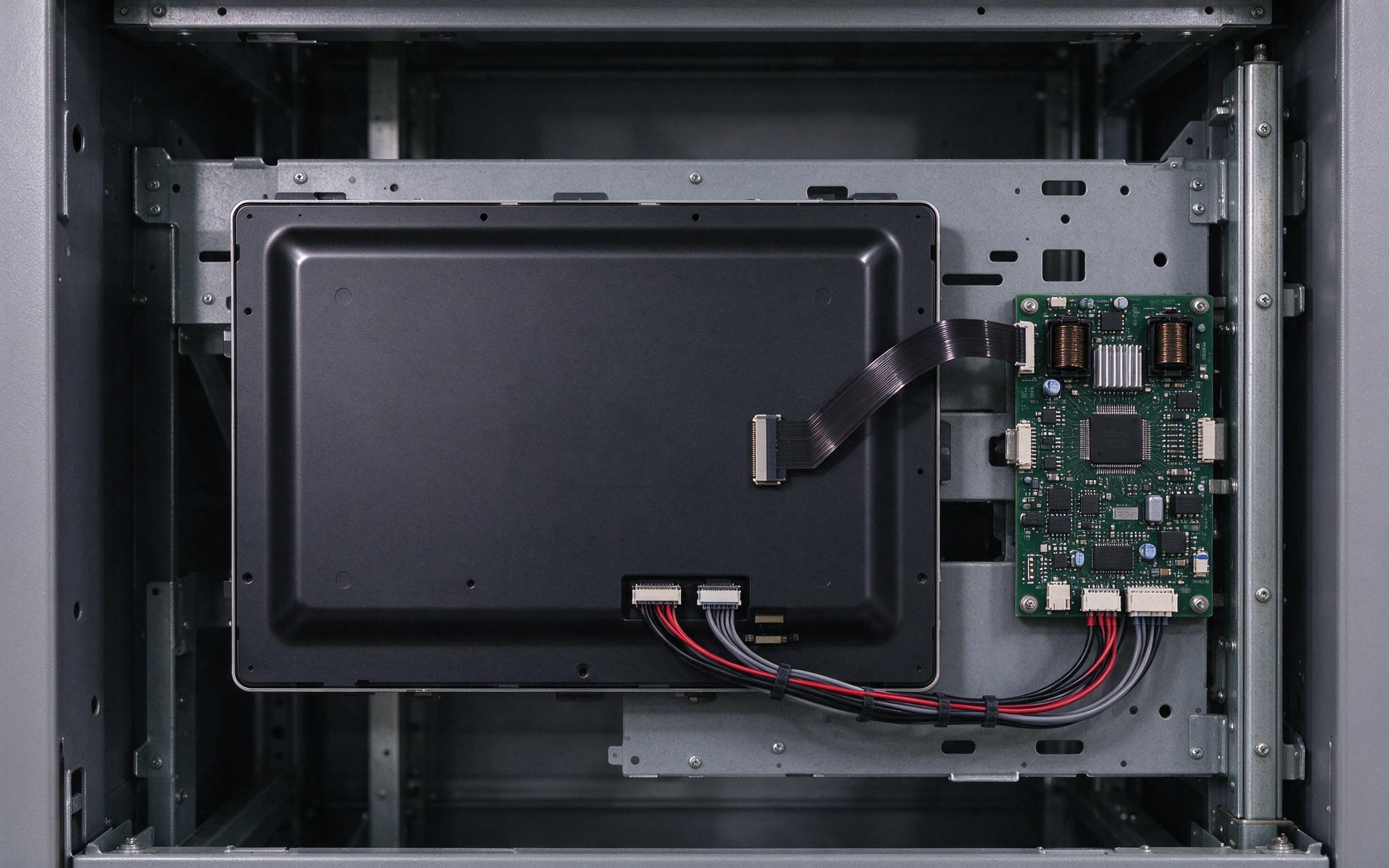
Power supply design determines more than just whether a system stays powered on. It directly influences the operational lifespan of every component inside the enclosure. A well-engineered industrial computing system incorporates multi-stage voltage regulation that smooths input fluctuations before they reach the processor, memory, and storage. First-stage filtering removes high-frequency noise, while second-stage DC-to-DC conversion maintains a regulated rail for the CPU regardless of input conditions. Manufacturers like KOXIAN implement conformal-coated power supply boards to protect against the moisture and conductive dust that accumulate inside sealed enclosures over years of continuous service. This level of power supply design means the system can survive not just the initial installation, but thermal cycling and environmental exposure over years of continuous factory floor service.

What Protective Features Should an Industrial Panel PC Power Supply Include?
What protective features should procurement teams evaluate when selecting an industrial panel pc for electrically hostile environments? Reverse polarity protection prevents damage if technicians swap positive and negative leads during installation. Overcurrent protection with auto-recovery ensures the system restarts after a peripheral short circuit without manual intervention. Input undervoltage lockout prevents the processor from operating at a marginal supply level, which would otherwise cause erratic behavior, data corruption, or gradual degradation of storage media. These protections are not optional add-ons; they represent the baseline engineering that separates a genuinely industrial power supply from a commercial unit placed in a metal box.

Electromagnetic Compatibility and Power Supply Resilience
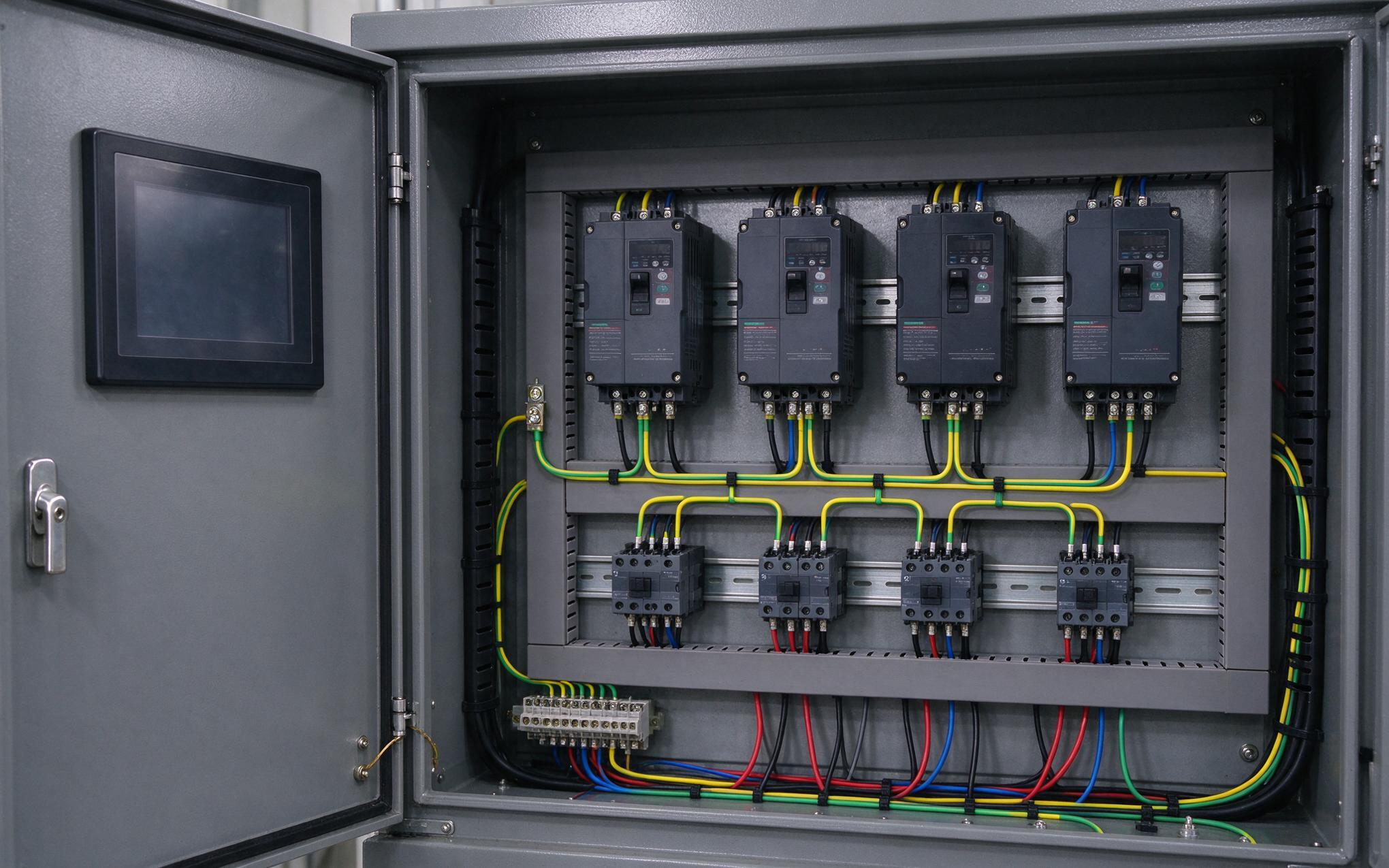
Electromagnetic compatibility adds another layer of complexity to power supply design in factory environments. Variable frequency drives and switching power supplies generate electromagnetic interference that couples into nearby power lines. The power supply must include input EMI filtering that attenuates these disturbances without introducing voltage drop. Shielded DC input connectors and filtered signal paths through the power entry module reduce the likelihood that conducted noise will bypass the input stage entirely. In installations where the panel pc sits inside a control cabinet alongside VFDs and motor contactors, this electromagnetic resilience is the difference between stable continuous operation and periodic unexplained reboots.
Reliable power supply design is the silent foundation of every industrial computing deployment. Before evaluating processor speed, display brightness, or touch screen technology, procurement teams should verify that the incoming power architecture can deliver clean, stable voltage across the full range of conditions the factory floor will present. Systems engineered with wide voltage tolerance, multi-stage regulation, and comprehensive electrical protection reduce maintenance burden and eliminate the most common root cause of unplanned downtime in industrial computing installations.