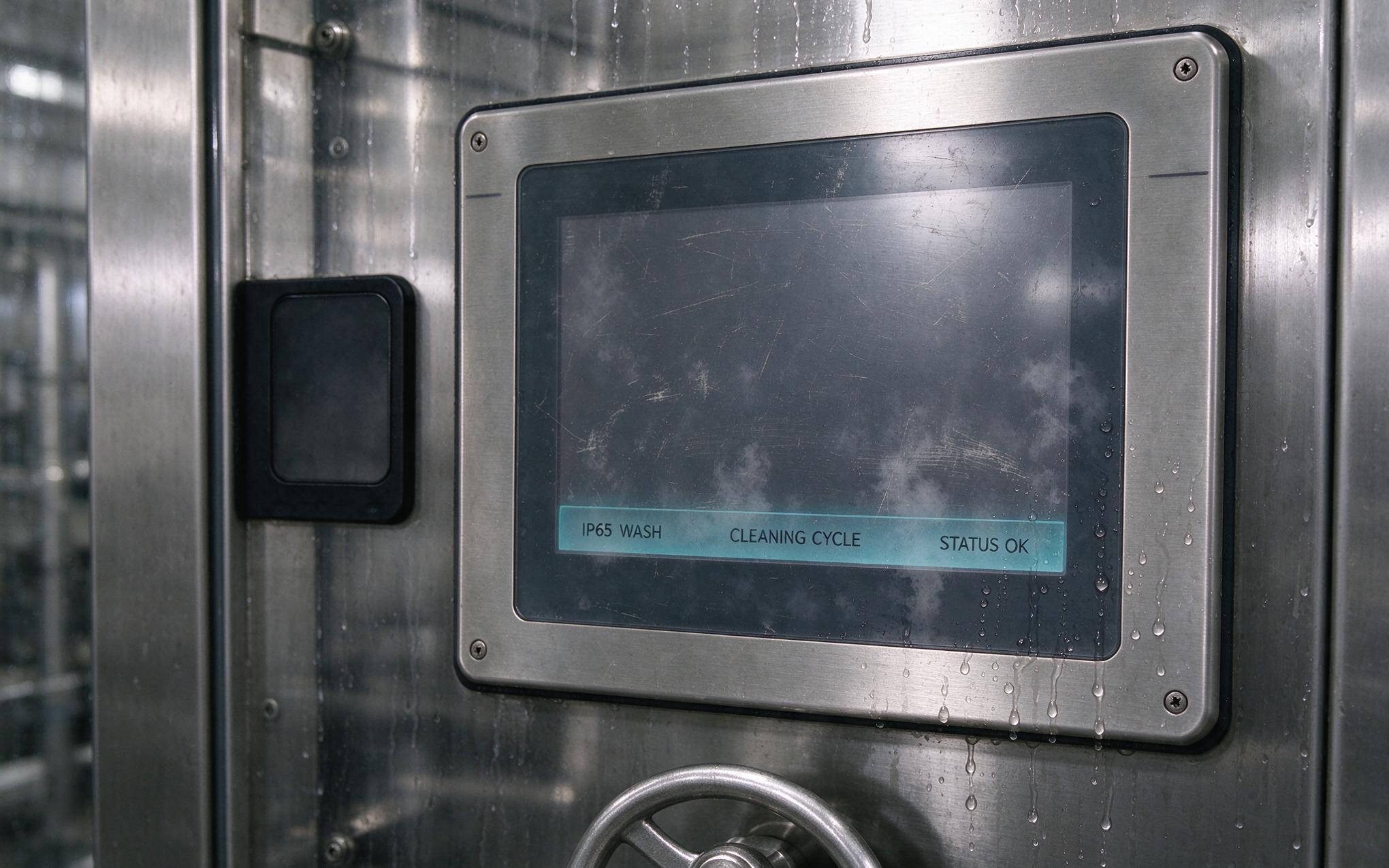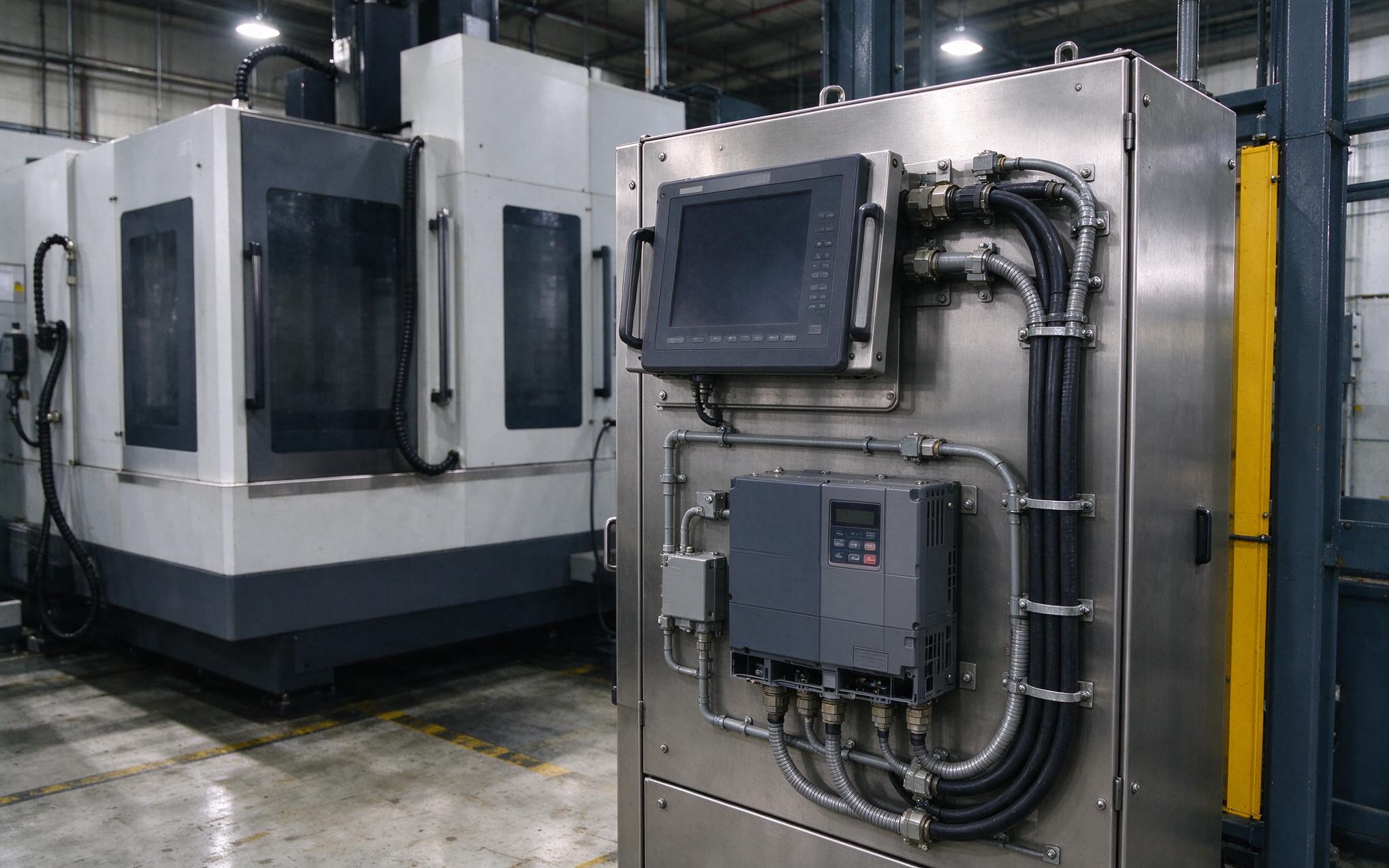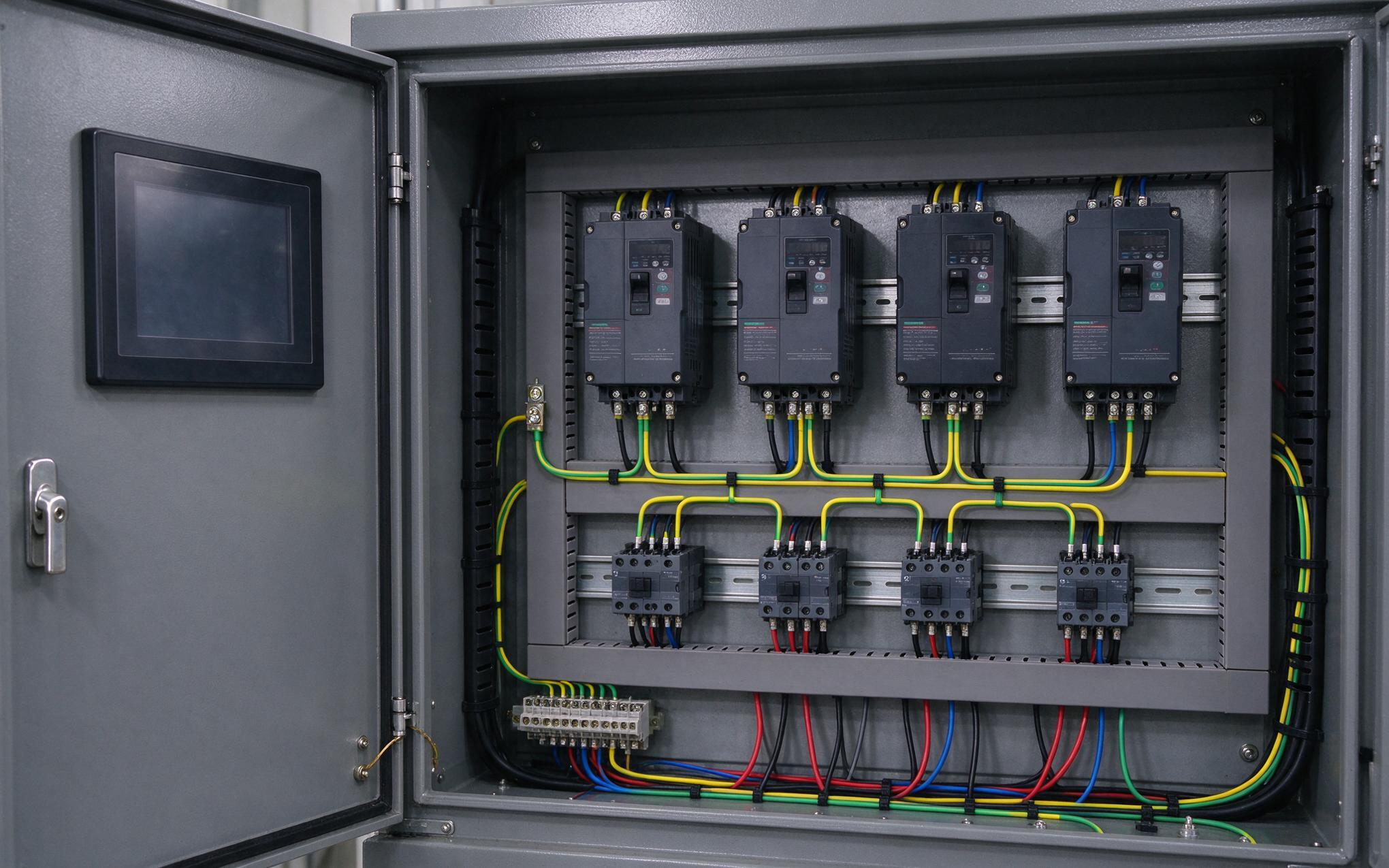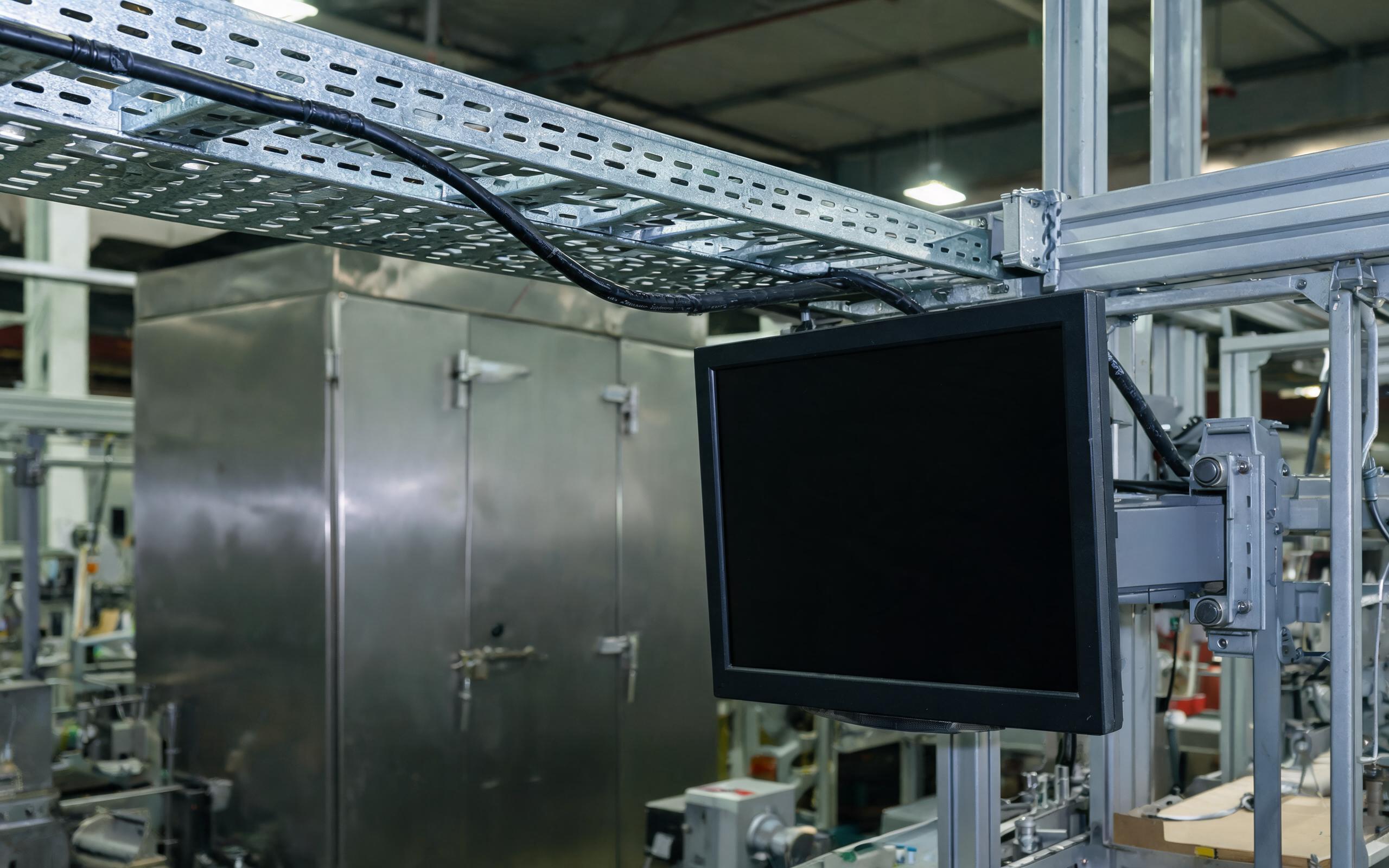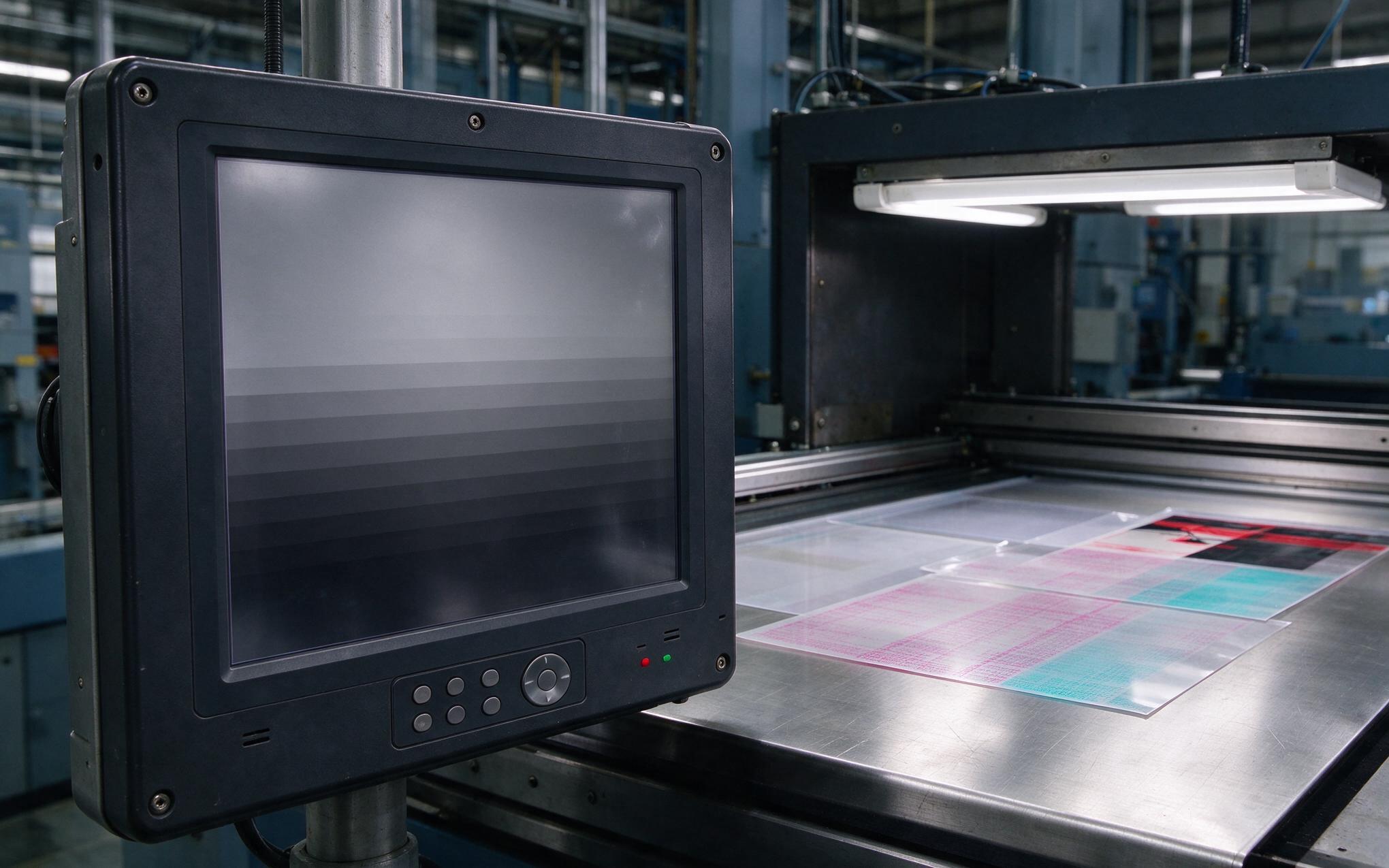
A maintenance technician kneels beside a failed panel PC on a food processing line, prying open a corroded enclosure to find moisture-damaged circuit boards. The unit had an IP65 rating on its spec sheet, yet it failed within 18 months of installation. The root cause was not a design flaw in the enclosure itself but a gap in how the manufacturer validated long-term durability under combined thermal, vibration, and moisture stress. This scenario plays out across factories worldwide, and it highlights why HALT and HASS testing have become critical gatekeepers for industrial panel pc ip65 deployments in harsh production environments.

Running HALT to Find the True Failure Threshold of IP65 Enclosures
Highly Accelerated Life Testing, or HALT, subjects an industrial panel pc to escalating environmental stresses far beyond its rated operating envelope. During HALT, engineers apply step-wise increases in thermal cycling rate, vibration amplitude, and voltage margining until the unit fails. The goal is not to simulate real-world conditions but to uncover the weakest link in the mechanical, thermal, or electrical design. For an IP65-rated enclosure, HALT reveals whether the front bezel gasket maintains its seal under rapid temperature swings from minus 20 degrees Celsius to 70 degrees, or whether the conformal coating on the PCB delaminates after repeated thermal shock cycles. Manufacturers who skip HALT often discover these weaknesses only after units are deployed in the field, where a single moisture ingress event can shut down an entire production line.

Applying HASS Screening to Catch Weak Units Before Shipment
While HALT happens during the design phase, Highly Accelerated Stress Screening, or HASS, runs on every production unit before it leaves the factory. HASS applies a condensed version of the stress profile identified during HALT — typically 80 to 90 percent of the destructive limits — to weed out manufacturing defects such as poorly seated gaskets, inconsistent thermal paste application, or connector solder joints that would fail prematurely. For an industrial panel pc ip65 unit built to withstand factory washdown, HASS screening catches units where the enclosure seal was improperly compressed during assembly, or where a replacement component introduced a subtle tolerance mismatch. In practice, this screening step has proven effective: panel pc manufacturers who implement HASS report early-life return rates dropping below one percent, compared to three to five percent for units released without accelerated stress screening. One illustrative case is KOXIAN, which publishes quarterly HASS reject-rate statistics alongside its product data sheets, giving system integrators a transparent view of production consistency.

Behind the Scenes of IP65 Compliance Testing Standards
The IP65 rating itself is defined by IEC 60529, which specifies dust-tightness and resistance to low-pressure water jets from any direction. However, passing the standard IP65 test does not guarantee long-term reliability in a real factory environment. IEC 60529 tests are typically conducted at room temperature with clean, deionized water — conditions that bear little resemblance to the thermal cycling, chemical exposure, and vibration found on an actual production floor. HALT and HASS fill this gap by applying combined stresses that the basic IP65 certification does not cover. For procurement teams evaluating an industrial panel pc ip65 unit, the presence of a documented HALT profile and HASS production data provides far more confidence than an IP65 certificate alone, because it demonstrates that the manufacturer has validated the enclosure design under conditions that approximate real deployment stresses.

What HALT and HASS Data Mean for Procurement Decisions
When procurement managers compare industrial panel pc ip65 offerings from multiple vendors, the IP65 certificate looks identical across spec sheets. The differentiation lies in the depth of reliability validation behind that rating. A manufacturer that publishes HALT failure-mode data, HASS reject rates, and field MTBF (Mean Time Between Failures) figures provides transparent evidence of product maturity. For system integrators deploying panel PCs in 24/7 food processing lines or pharmaceutical cleanrooms, this data is the difference between a unit that runs reliably for five years and one that requires replacement after 18 months. Manufacturers like KOXIAN apply HALT during enclosure design validation and run HASS screening on every unit, generating traceable reliability records that procurement teams can review before committing to large-volume orders.
Reliability in an industrial panel pc ip65 deployment is not a spec sheet promise — it is the measurable outcome of systematic stress testing that pushes every component to its breaking point during design and screens every unit before shipment. HALT and HASS testing close the gap between a lab-certified IP rating and real-world durability, giving factory engineers and procurement teams the confidence that their panel PCs will survive the conditions they actually face on the production floor.