On a humid factory floor in Southeast Asia, a technician tightens the last bolt securing a panel mount industrial all in one panel PC into a stainless steel machine enclosure. Nearby, an identical unit hangs from a VESA mount arm above a packaging conveyor, its rear chassis fully exposed to ambient dust. The choice between these two installation methods may seem like a minor mechanical detail, but it directly affects thermal management, ingress protection, vibration resistance, and long-term serviceability. For engineers specifying equipment across diverse factory floor environments, understanding the structural and operational differences between panel mount and VESA mount configurations is essential for maximizing equipment uptime.

Panel Mount Structural Advantages
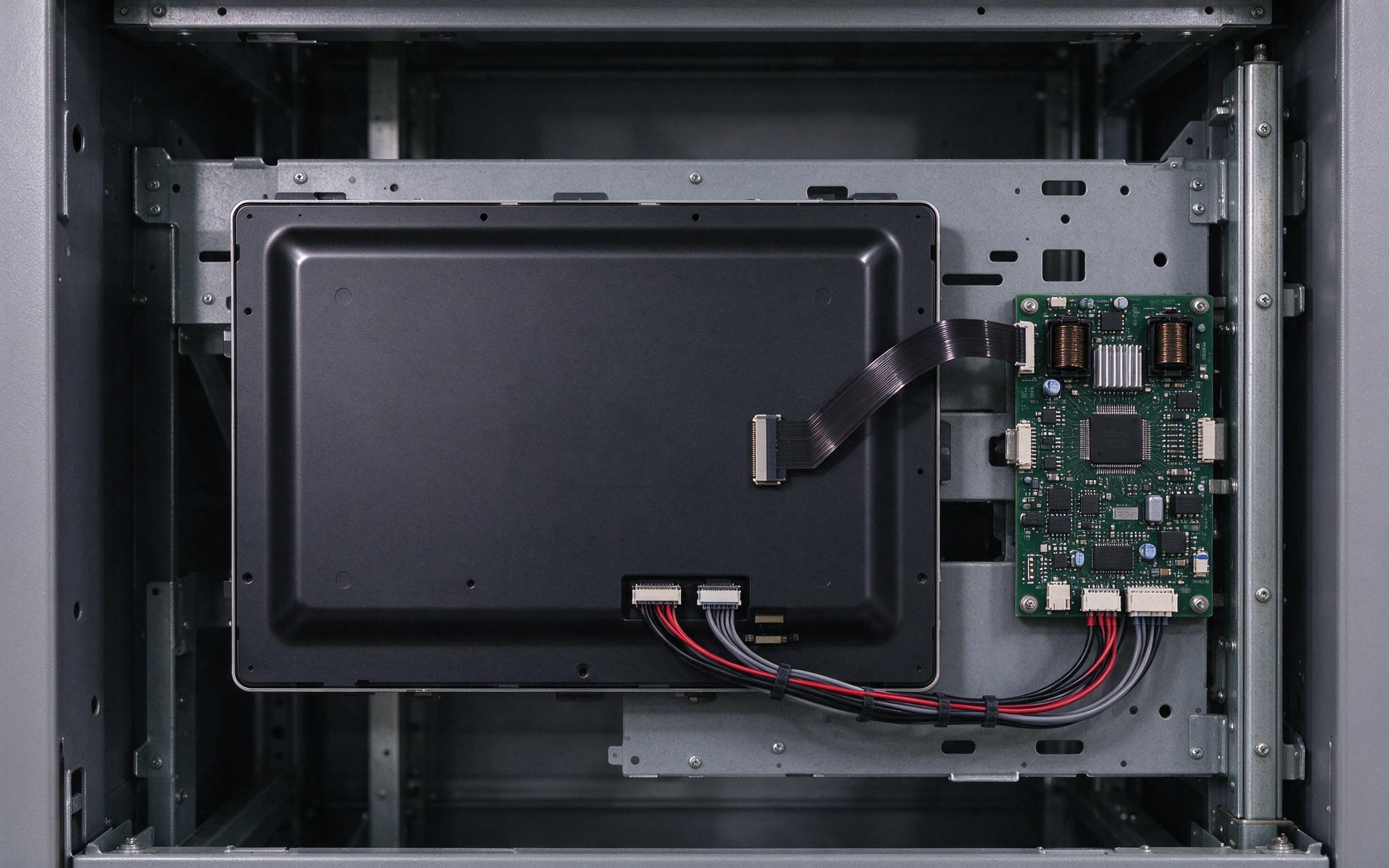
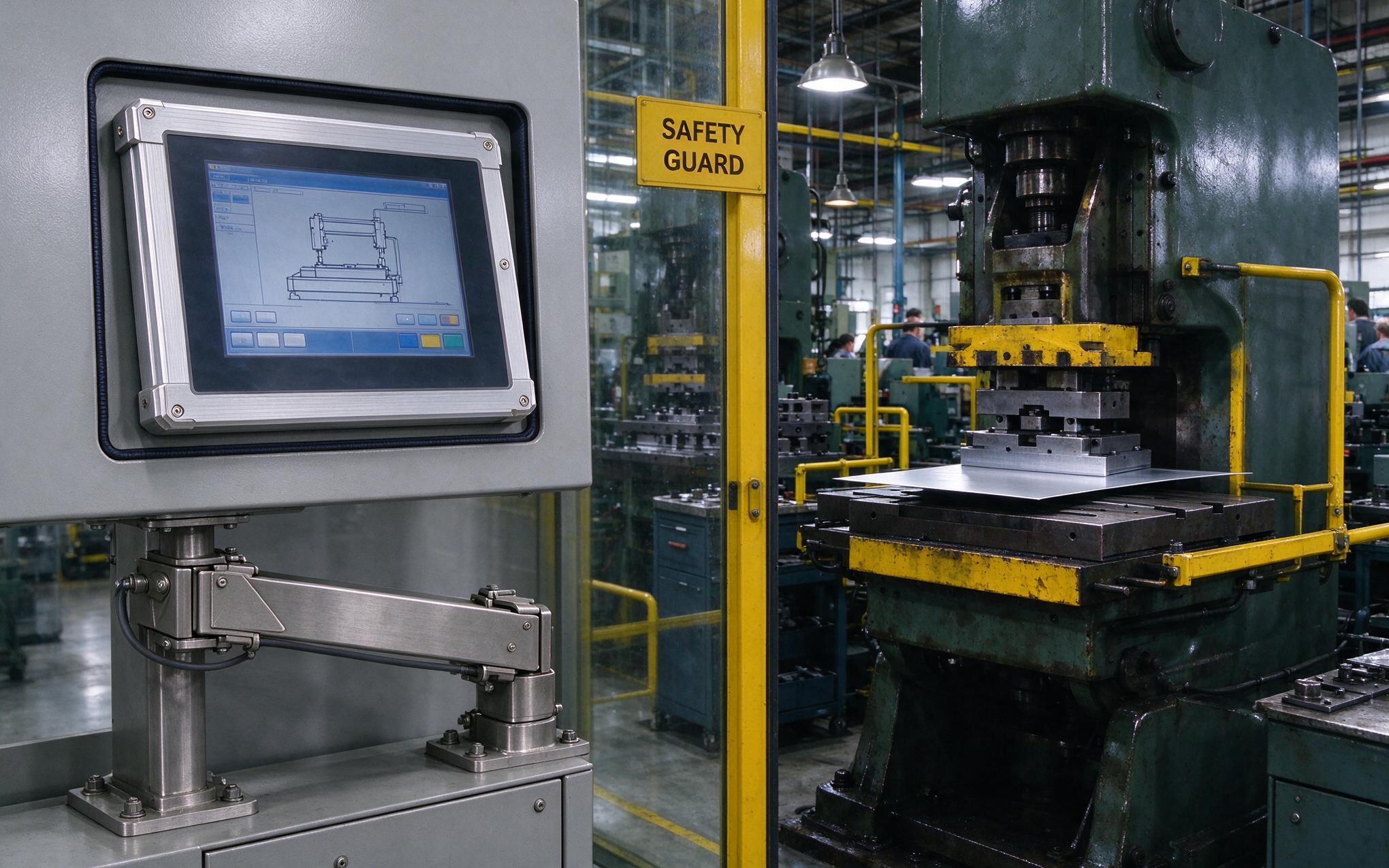
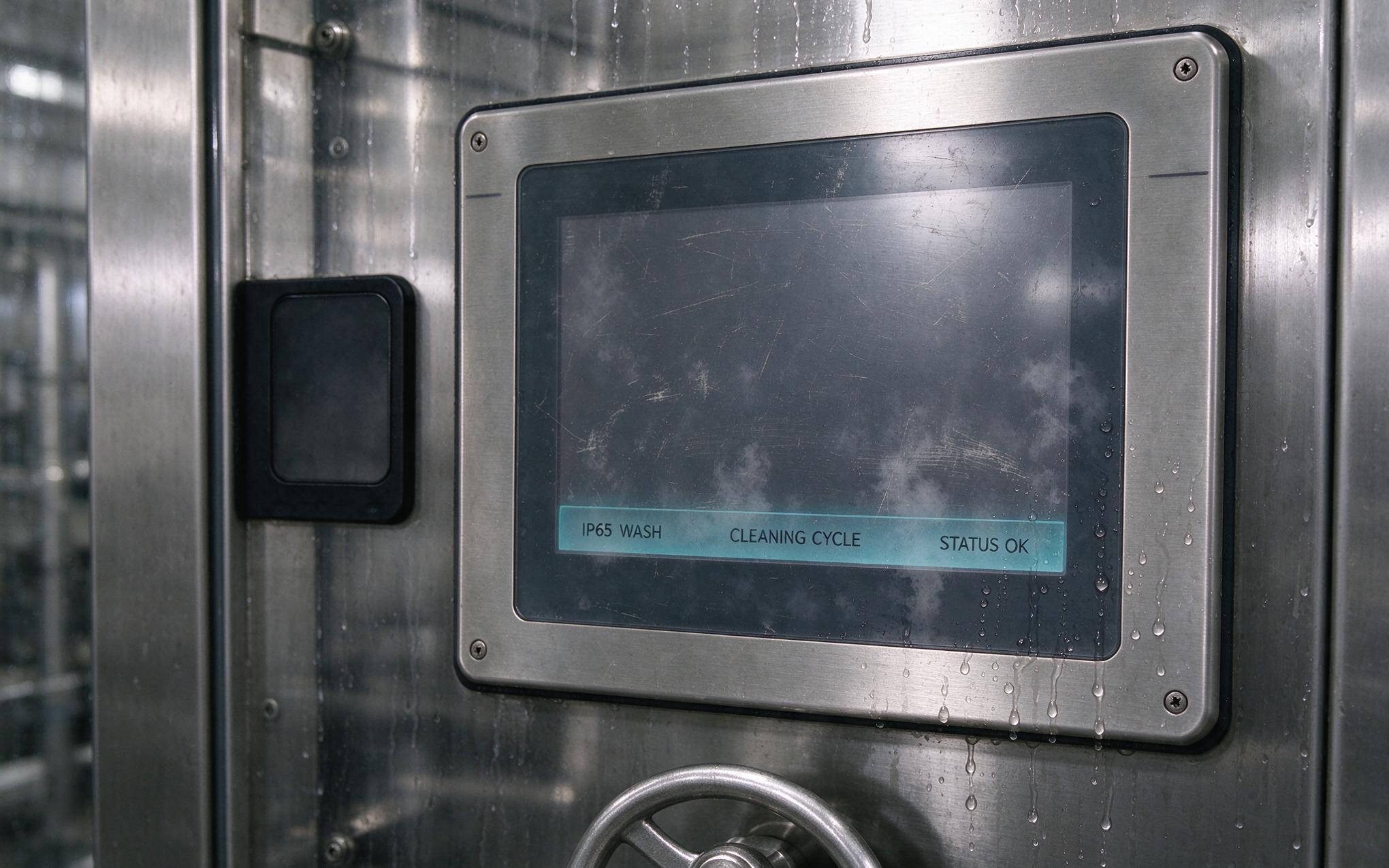
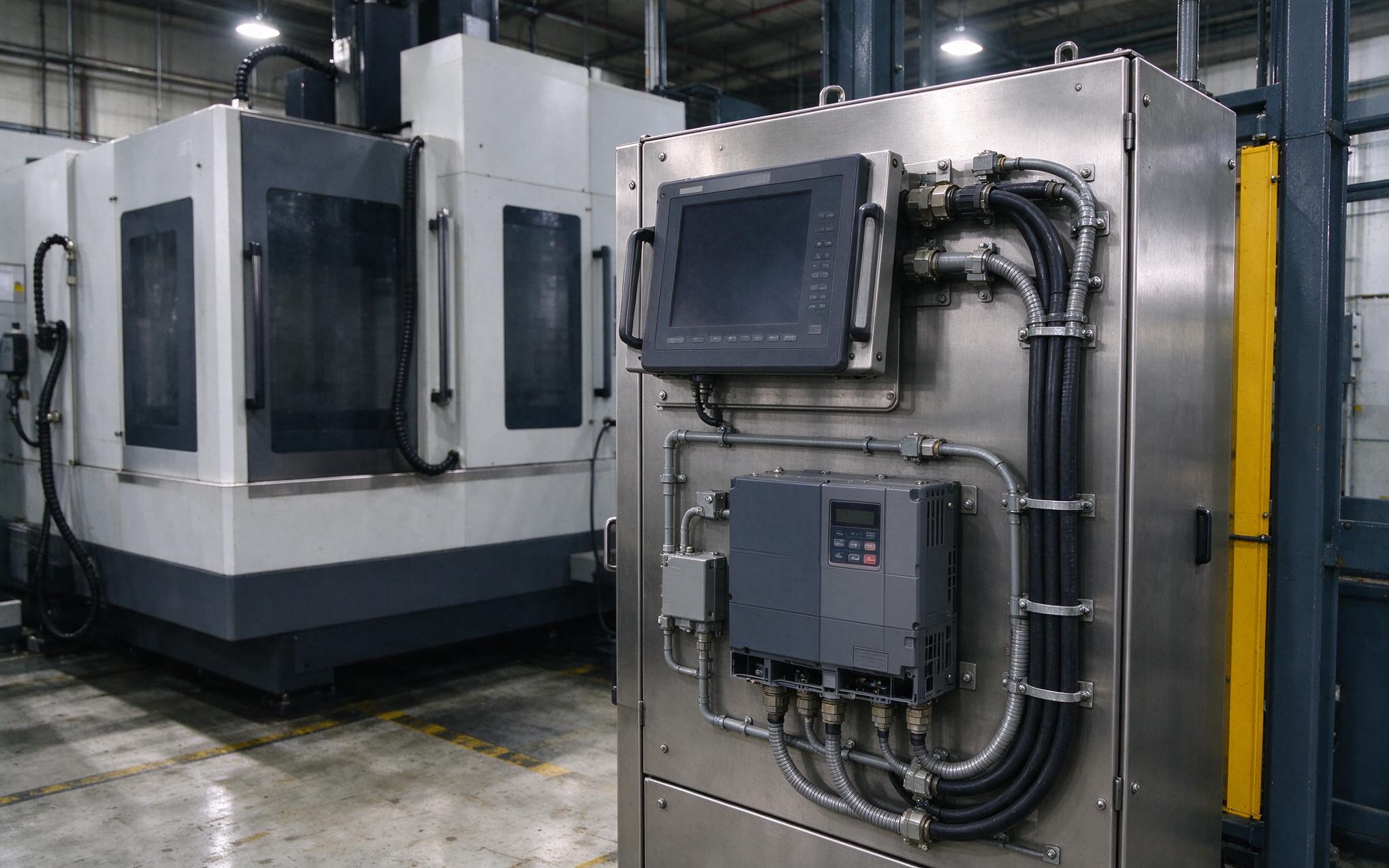
A panel mount configuration inserts the display and chassis through a precision-cut opening in a cabinet door or machine panel. Perimeter compression gaskets press against the mounting surface, creating an IP65-rated barrier that blocks dust, moisture, and chemical splash. Because the front face sits flush with the enclosure, there are no protruding brackets or exposed cable runs that could snag during routine operations. This low-profile design also improves vibration resistance, making it the standard choice for stamping presses, CNC machines, and food processing lines where equipment endures continuous mechanical stress. The sealed chassis eliminates fan intake paths entirely, which is particularly valuable in environments where airborne particulate would quickly clog conventional cooling systems. Flush-mounted units also simplify cleaning protocols in food and pharmaceutical plants, where regulatory inspectors require smooth, wipeable surfaces without crevices that harbor bacteria.

VESA Mount Flexibility and Positioning
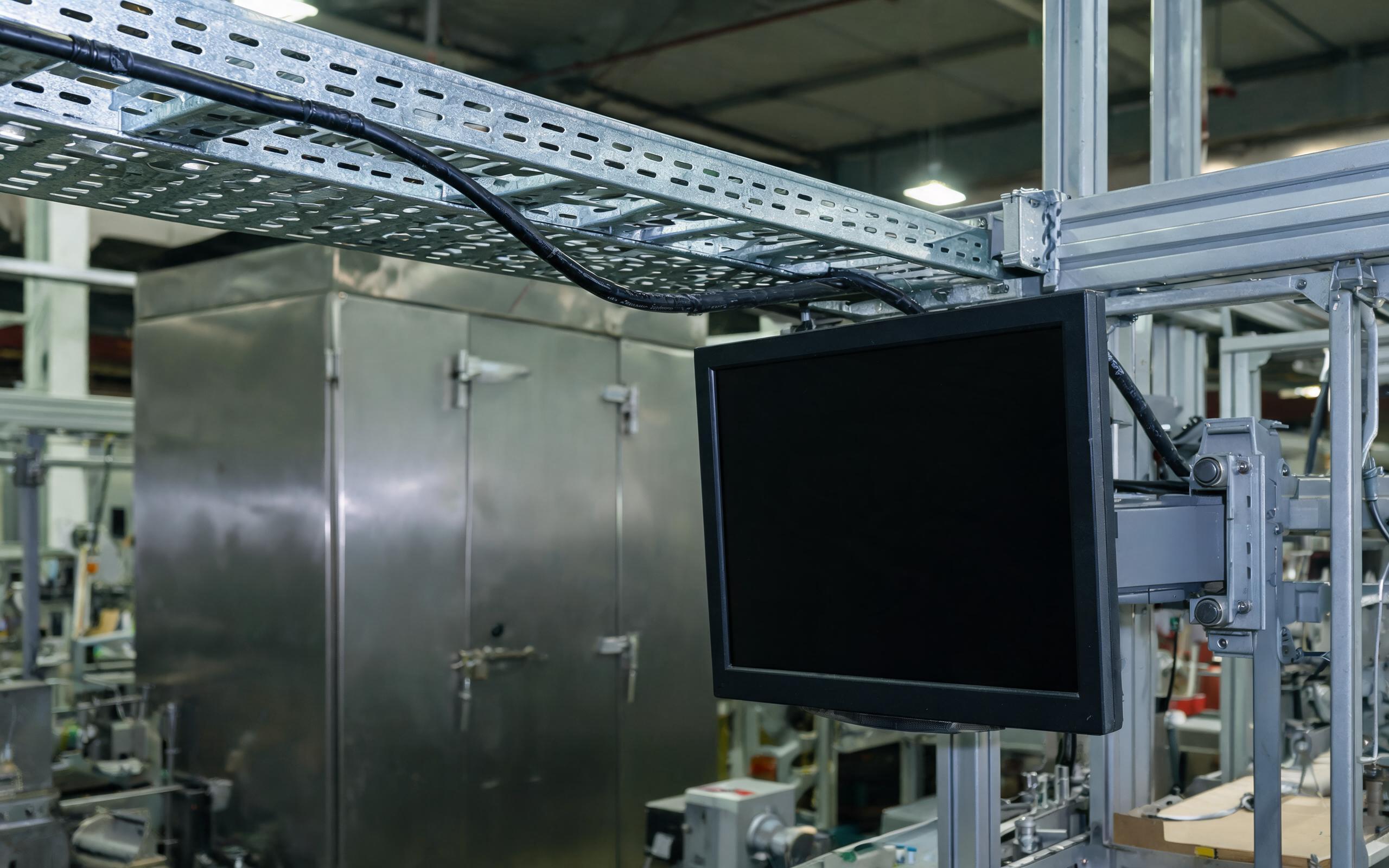
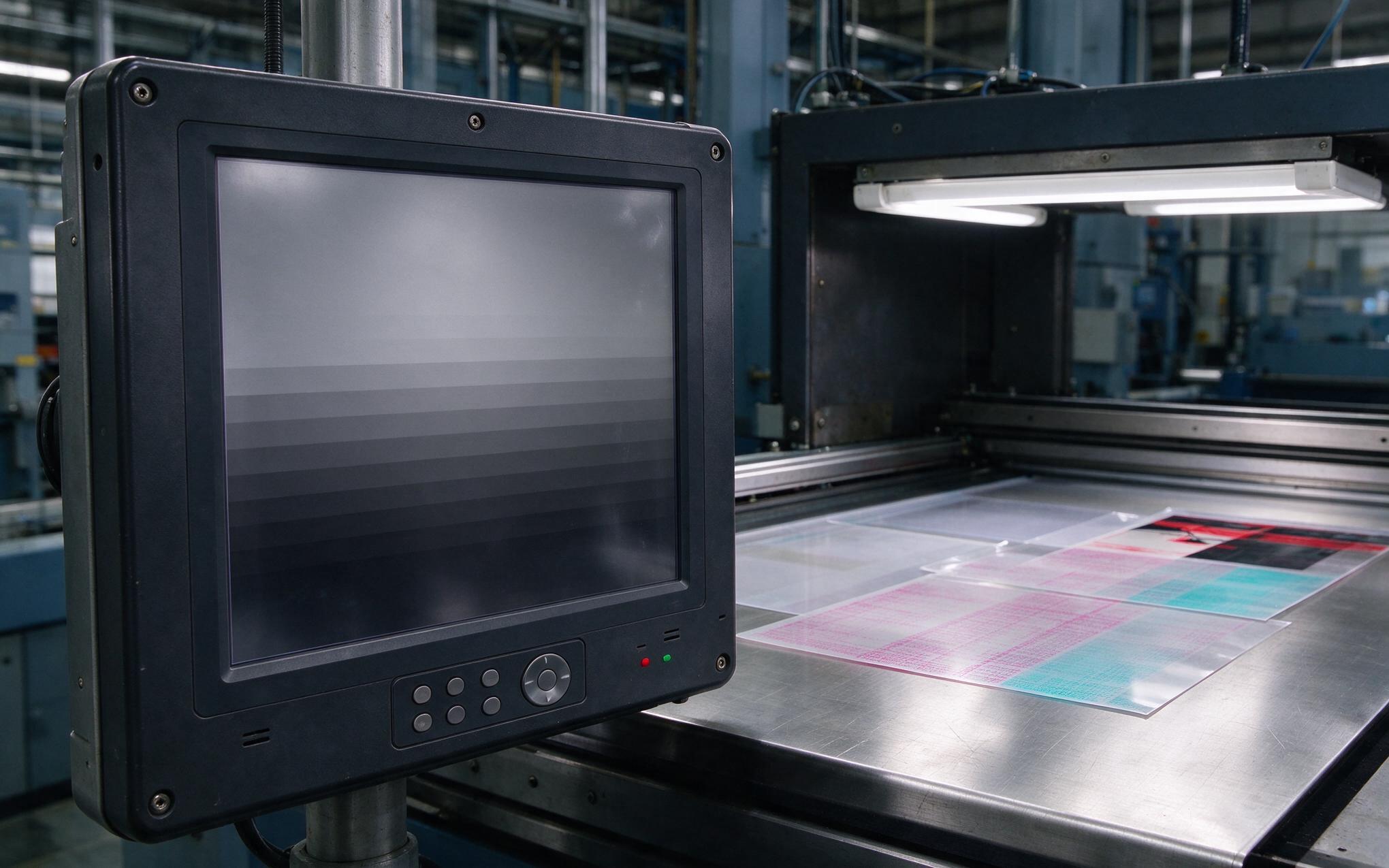
VESA mount systems attach the industrial all in one panel PC to a monitor arm, wall bracket, or swivel stand using a standard bolt pattern machined into the rear chassis. The most common patterns in industrial applications are 75mm and 100mm square configurations. This approach excels in environments where the display must be repositioned frequently, such as assembly inspection stations, packaging line control points, and operator workstations that serve multiple machines. A VESA-mounted unit can tilt, swivel, and extend on an articulating arm, allowing operators to adjust the viewing angle without moving their feet. With reinforced rear mounting plates and lockable cable strain reliefs, manufacturers like KOXIAN address the two most common failure points in arm-mounted configurations. However, the open rear chassis still exposes the PC to ambient air, which means dust accumulation on heat sinks and potential moisture ingress around cable connectors. In climate-controlled control rooms this exposure is acceptable, but on a dusty factory floor it introduces a maintenance variable that panel mount designs eliminate entirely.

Selecting the Right Mounting Method for Your Application
The decision between panel mount and VESA mount for an industrial all in one panel PC ultimately depends on three operational factors. Evaluating the environmental exposure shows that high-humidity, high-particulate, or chemical-prone zones demand panel mount for its sealed gasket architecture. Assessing positioning requirements reveals that if operators need frequent angle adjustments or the display must serve multiple adjacent workstations, VESA mount provides superior ergonomic flexibility. Considering maintenance access, VESA-mounted units can be swapped or serviced in minutes without disassembling the machine enclosure, whereas panel mount installations require removing the gasket and resealing the perimeter after any internal service. For facilities managing multiple deployment zones, both mounting options are available on a single platform from KOXIAN, allowing system integrators to deploy the right configuration in each zone without maintaining separate spare parts inventories.
Mounting method selection is not a one-size-fits-all decision. Facilities that operate across multiple environment types often deploy panel mount units in wet or dusty production zones while using VESA mount configurations in cleaner assembly areas and control rooms. The key is to match the mechanical installation to the specific thermal, ingress, and ergonomic demands of each station. By evaluating these factors before procurement, engineering teams can reduce unplanned downtime and extend the service life of their equipment investments across the entire factory floor.