Photovoltaic (PV) manufacturing facilities represent a unique intersection of clean room precision and heavy industrial production. As solar panel production scales to meet growing global demand, industrial PCs play an increasingly critical role in managing and monitoring every stage of the manufacturing process, from silicon ingot growth and wafer slicing to cell production and module assembly. These computing systems must maintain reliable operation in environments that combine particulate-sensitive clean room areas with high-temperature production zones and high-vacuum equipment. Understanding the specific requirements and best practices for deploying industrial computing in PV manufacturing helps facilities maximize production efficiency, improve product quality, and reduce operational costs.
Key Applications of Industrial PCs in Solar Manufacturing
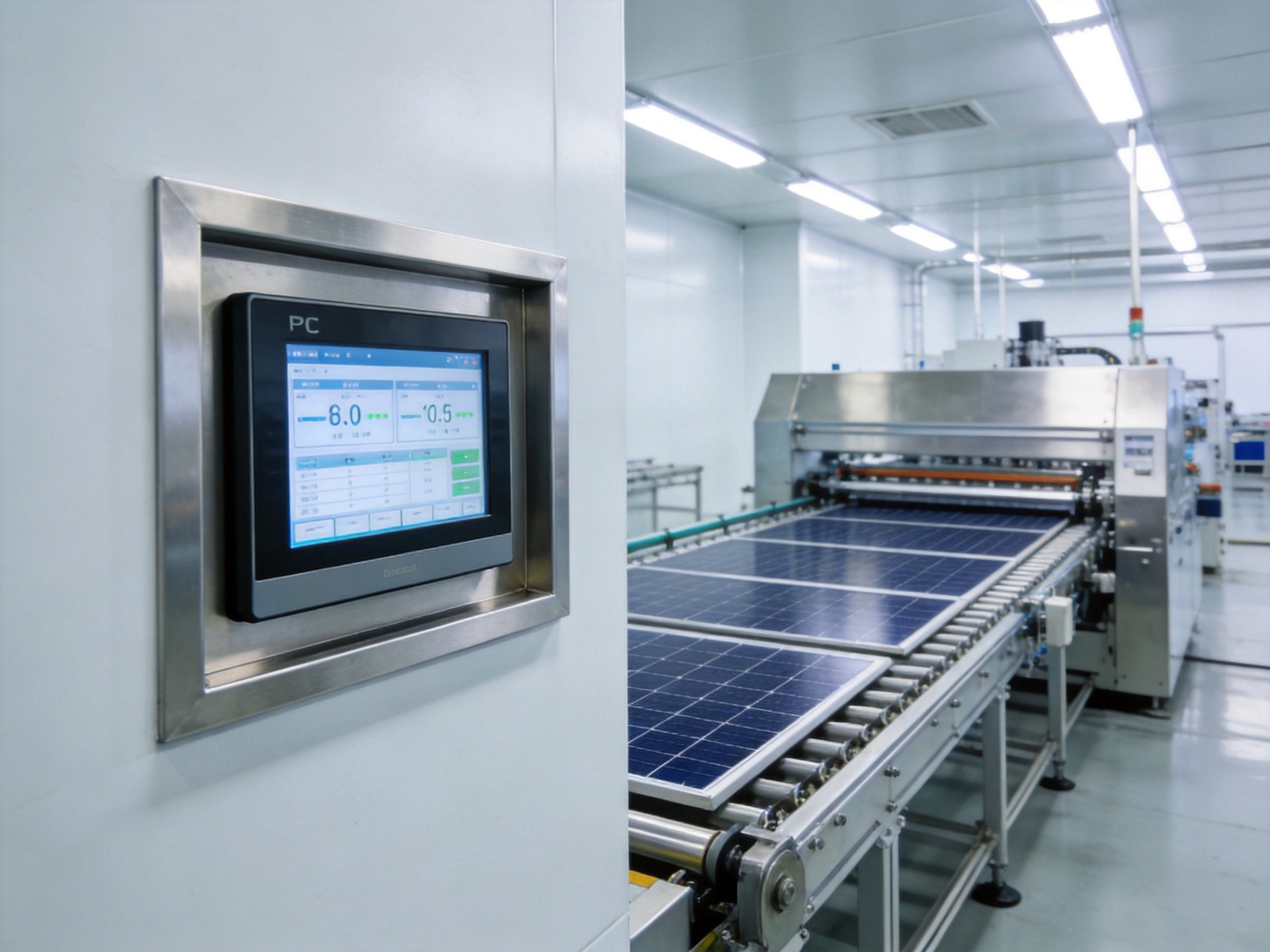
Industrial PCs serve numerous critical functions throughout the PV manufacturing process. In silicon ingot and wafer production, they control and monitor crystal growth furnaces, wire saws, and wafer inspection systems, maintaining precise temperature and process parameters that directly impact product yield. In solar cell manufacturing lines, industrial computers oversee plasma-enhanced chemical vapor deposition (PECVD) systems, screen printing equipment, and laser edge isolation processes, managing complex recipes and ensuring consistent quality across thousands of cells per hour. Module assembly lines use industrial panel PCs to control lamination presses, frame assembly stations, and final testing equipment including electroluminescence testers and flash testers for performance characterization. Beyond production equipment, these computers power manufacturing execution systems (MES), quality management systems, and real-time production monitoring dashboards that give managers visibility into overall equipment effectiveness (OEE) and production metrics. Each application has specific requirements for processing power, display quality, connectivity options, and environmental protection that must be carefully matched to the deployment location.
Environmental Requirements for PV Manufacturing Deployments
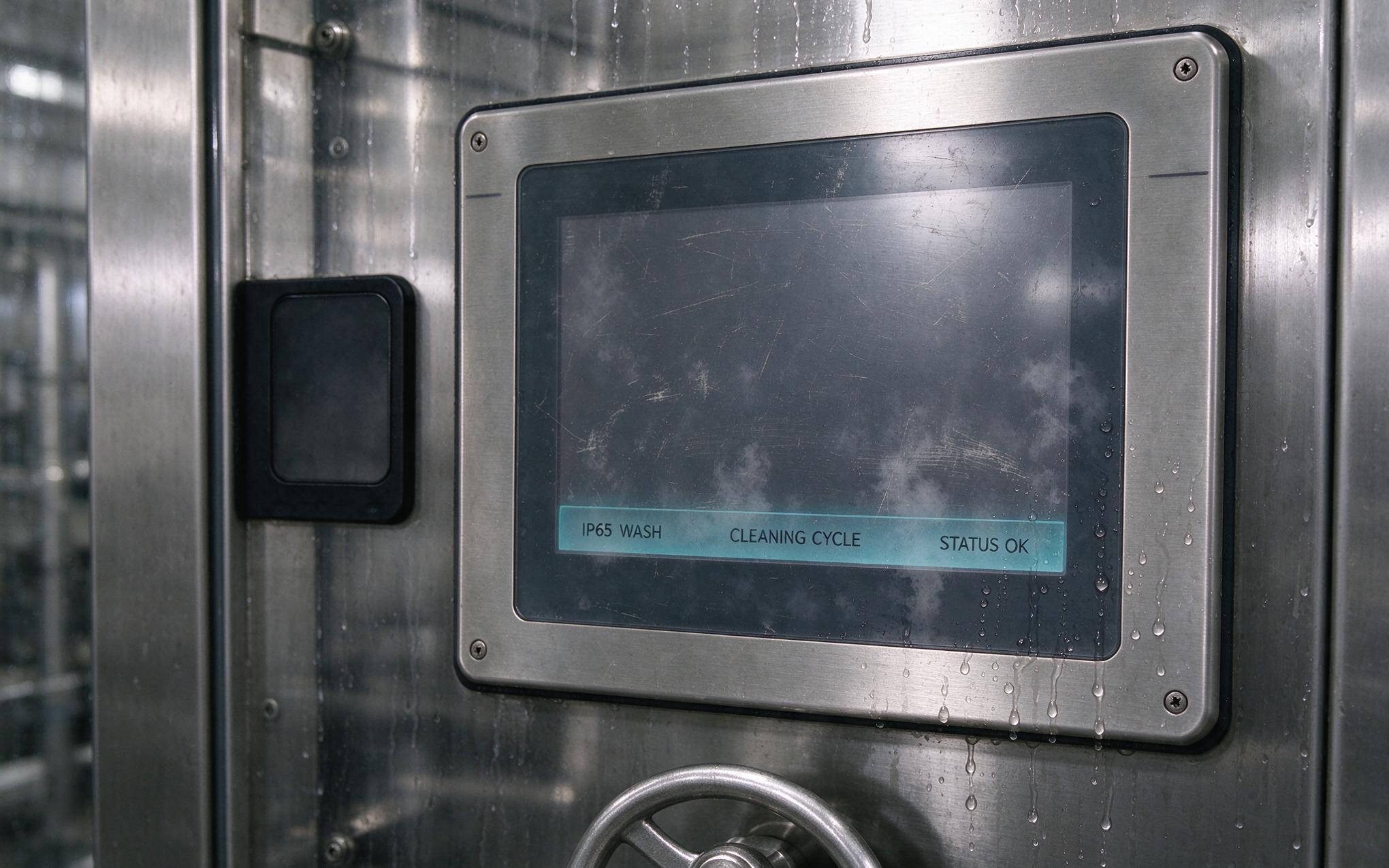
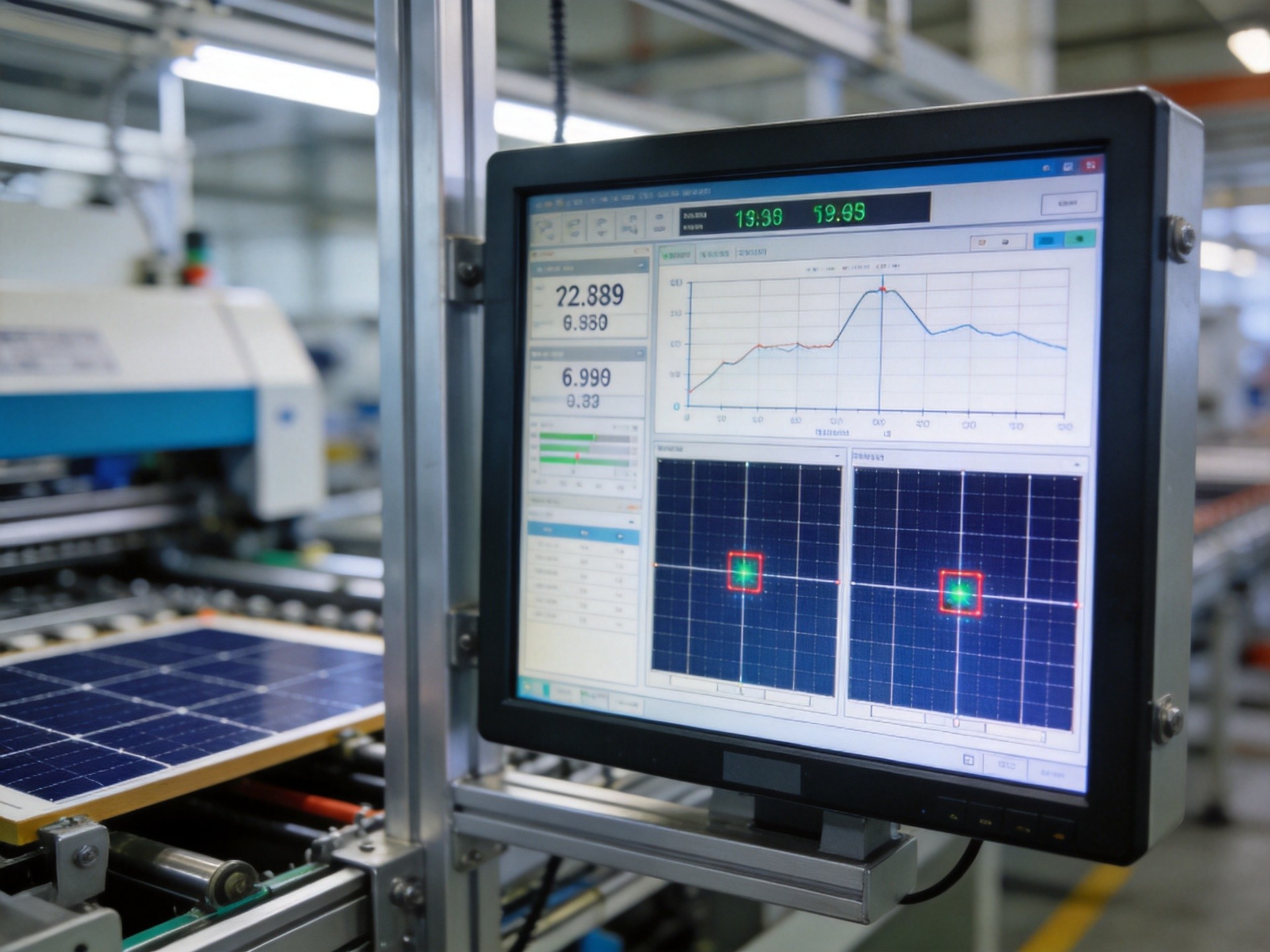
PV manufacturing facilities present a complex mix of environmental conditions that equipment must withstand. Clean room areas with class 100 to class 10,000 air quality require equipment that doesn’t generate particulate contamination, making fanless designs essential to avoid filtering and airflow issues. Production zones with high-temperature furnaces and coating equipment create elevated ambient temperatures that demand wide-temperature rated components and effective thermal management. Chemical processing areas introduce exposure to corrosive gases and vapors that can degrade electronics over time, requiring sealed enclosures and appropriate material selection. Many PV production processes also involve high-vibration equipment that can loosen connections and cause premature component failure without proper vibration-resistant design. Additionally, the 24/7 continuous operation typical of PV manufacturing lines means industrial PCs must deliver exceptional reliability with minimal maintenance requirements, as unplanned downtime can cost tens of thousands of dollars per hour in lost production.
Deployment Best Practices for Solar Production Facilities
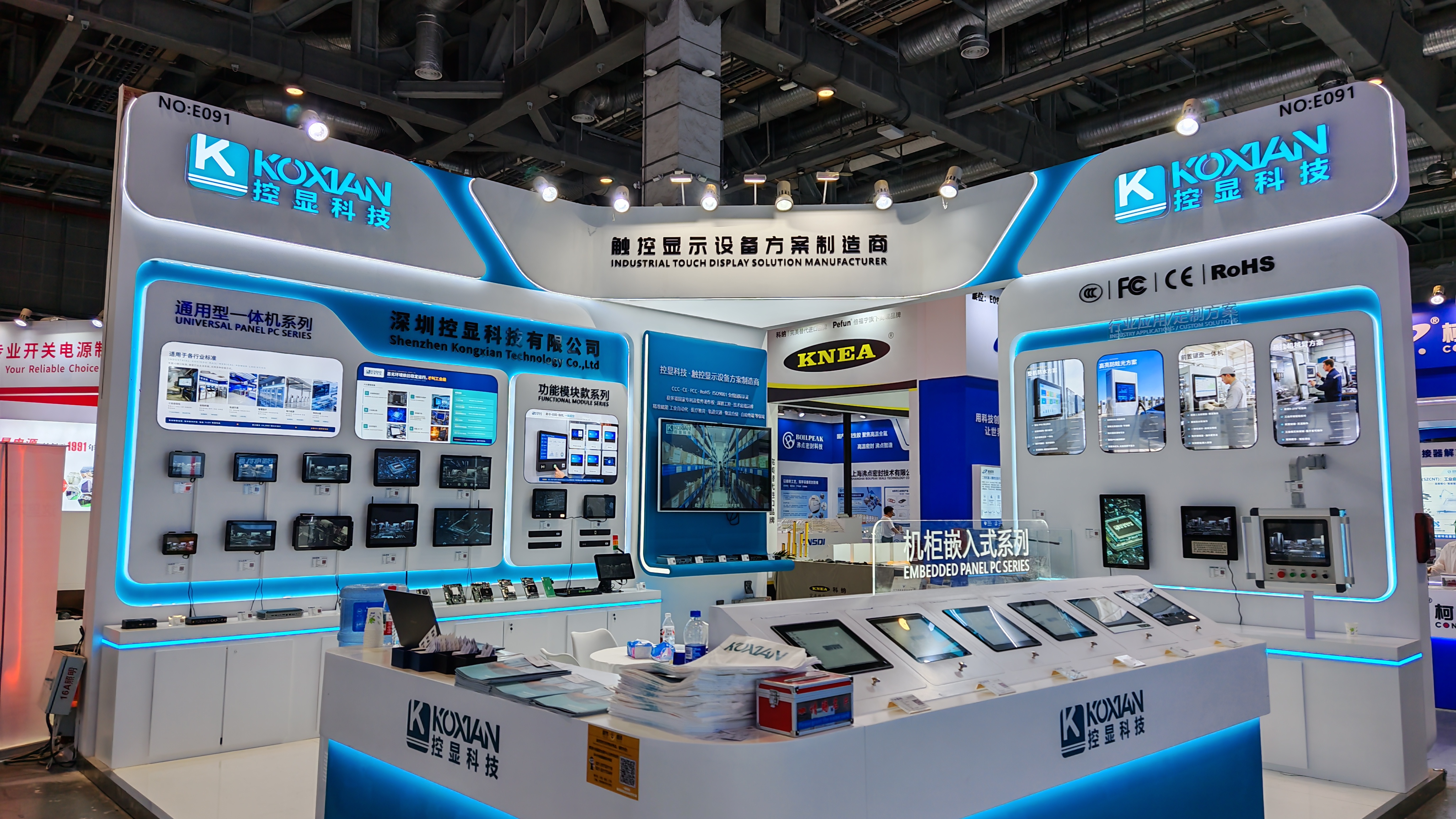
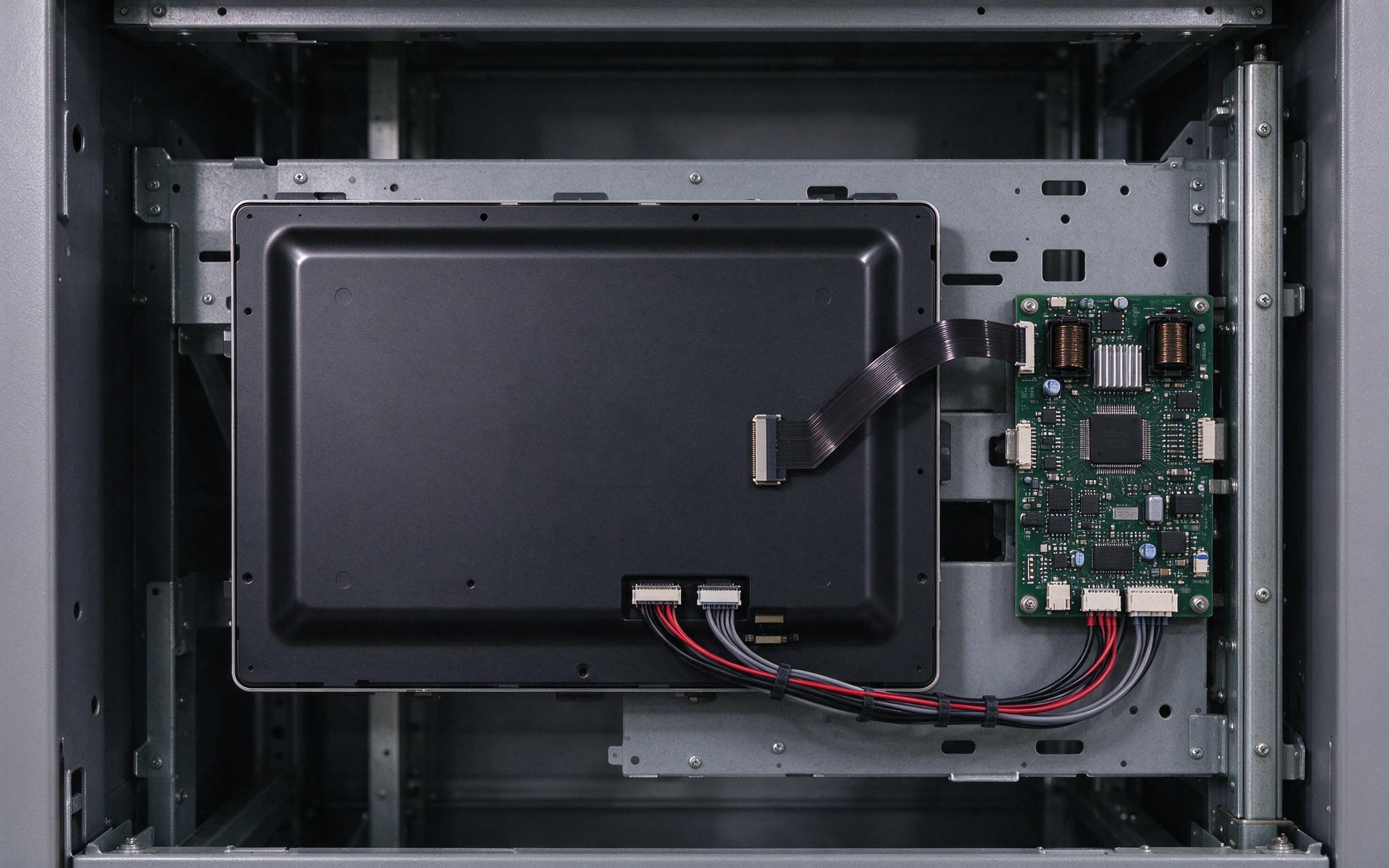
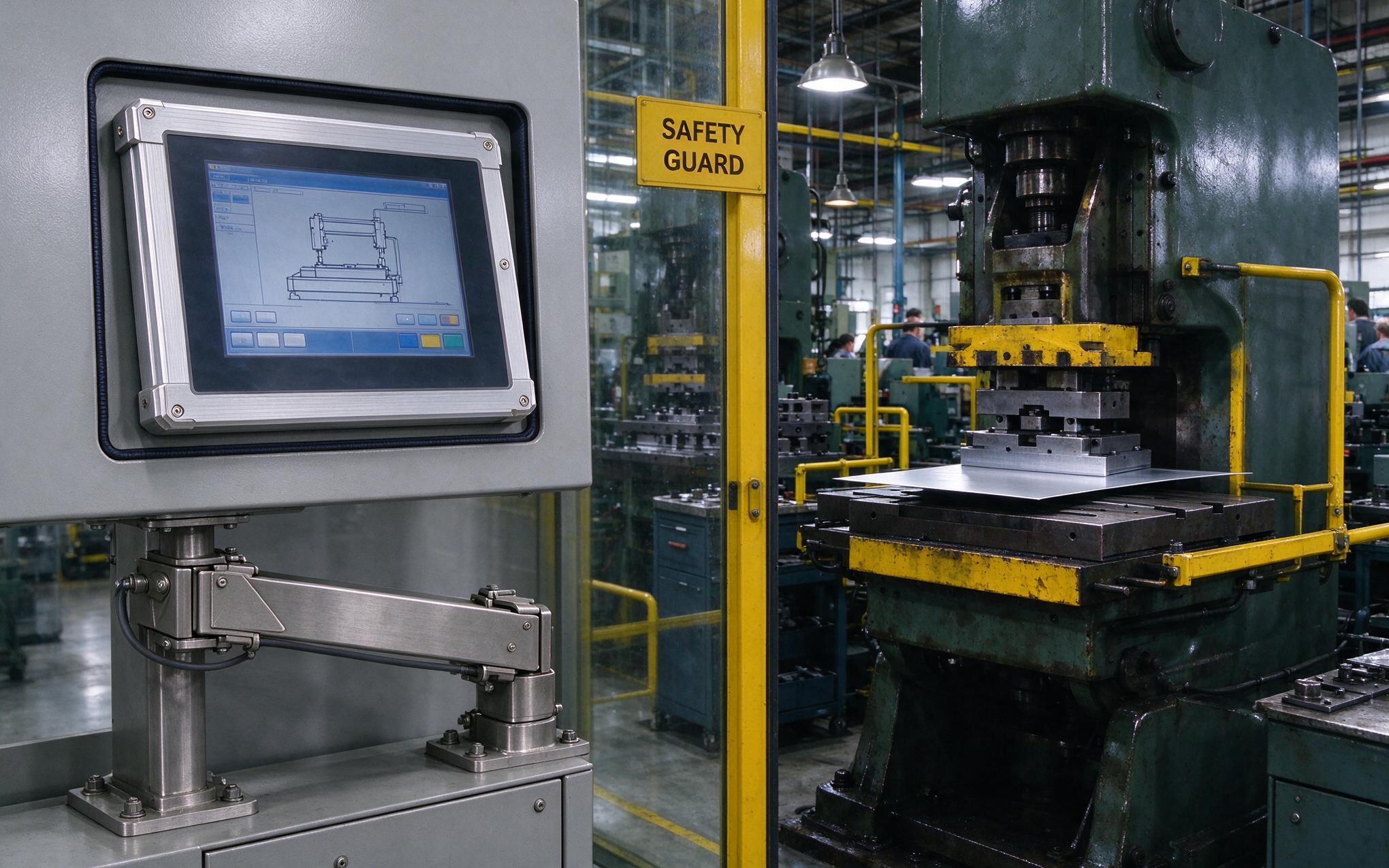
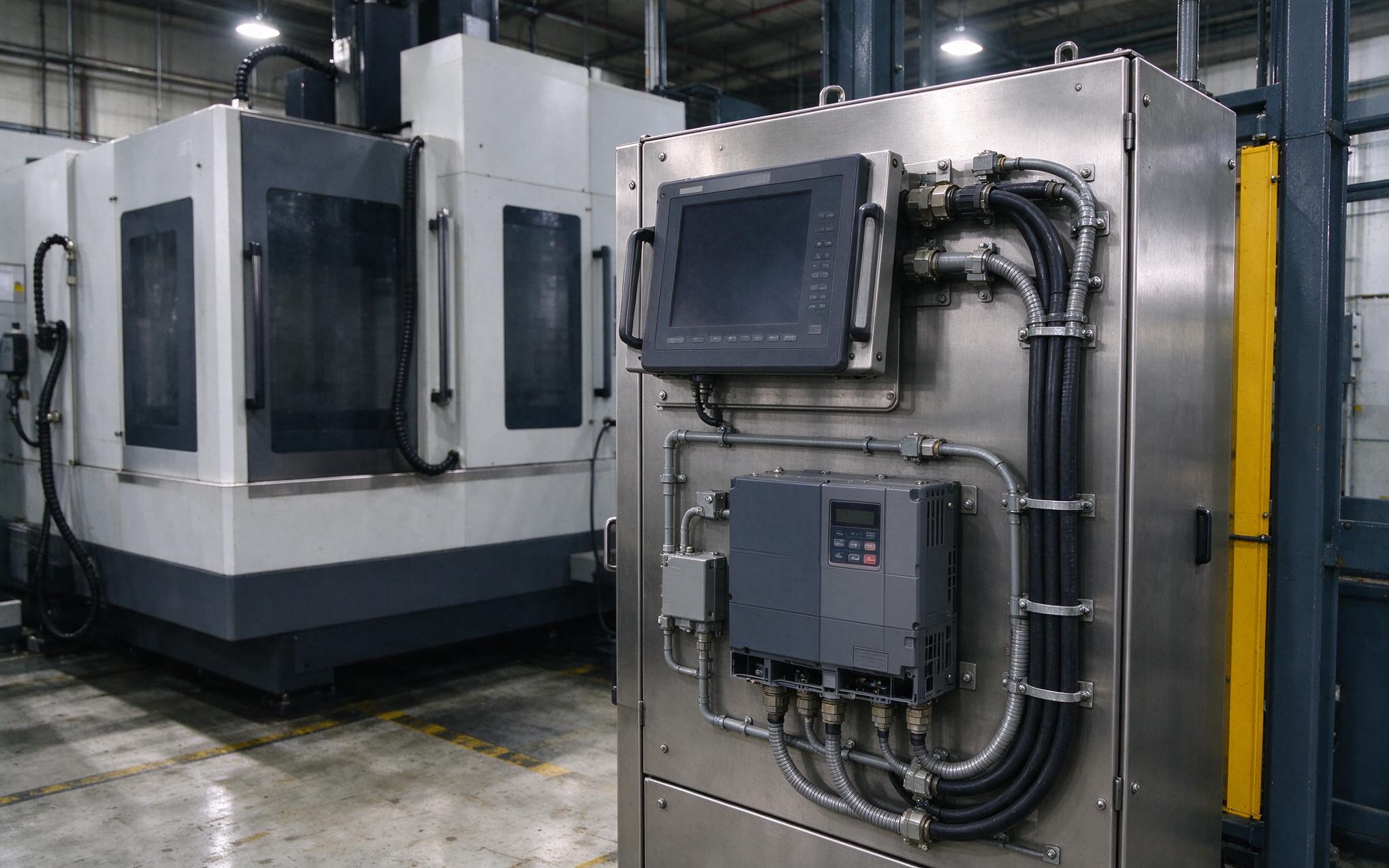
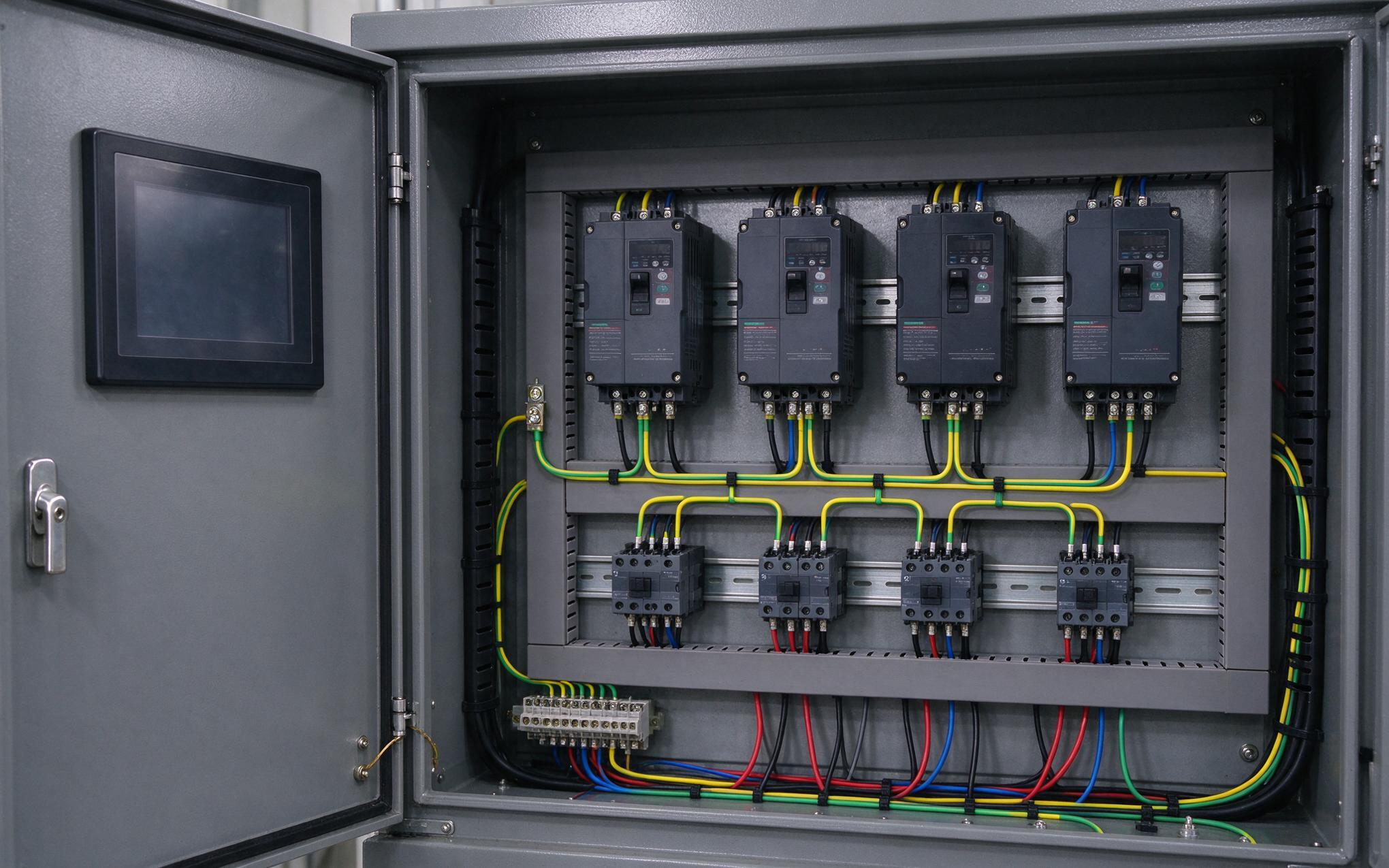
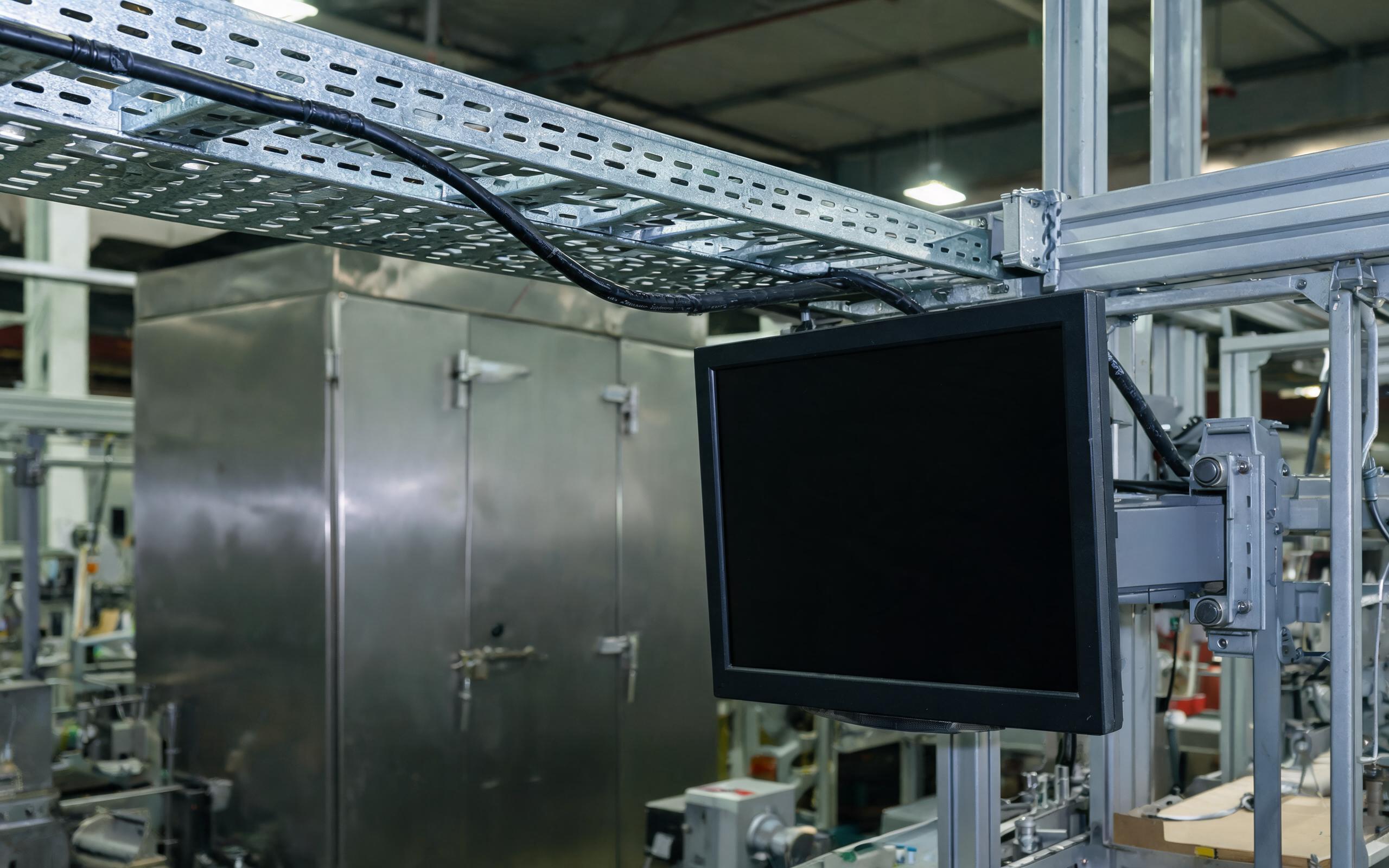
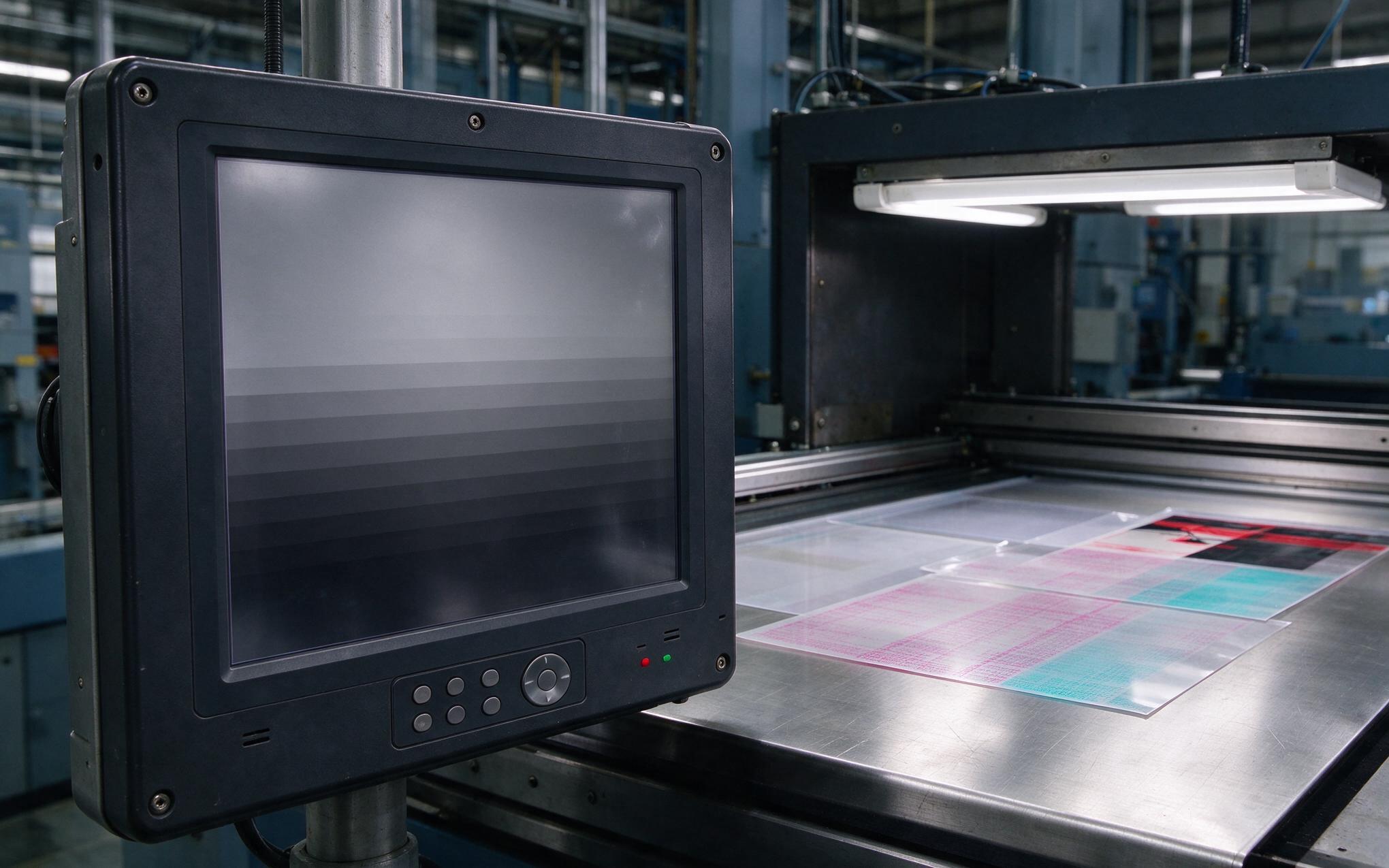
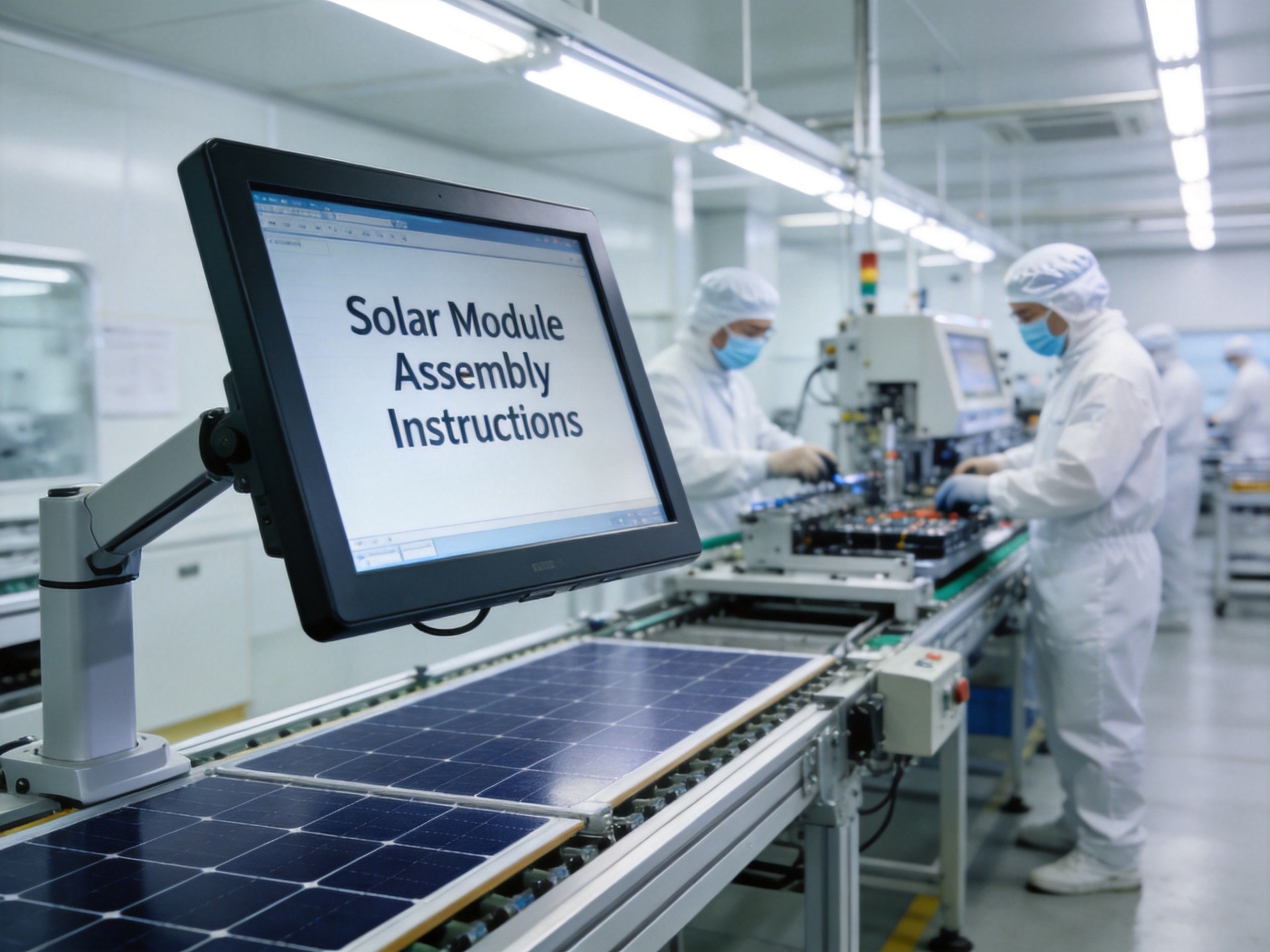
Successful deployment of industrial PCs in PV manufacturing requires careful planning and adherence to best practices. First, equipment selection should prioritize fanless designs with fully sealed enclosures for clean room compatibility, combined with sufficient processing power to handle real-time control and data acquisition requirements. Touch screen interfaces with high-brightness displays improve usability for operators wearing clean room gloves and working under bright production lighting. Mounting solutions should be selected based on the specific location: panel mount for integration into equipment control cabinets, cantilever mount for adjustable operator stations, and wall mount for monitoring displays. In actual PV manufacturing deployments, manufacturers like KOXIAN provide fanless industrial panel PCs with wide temperature operation and clean room-compatible designs that meet the rigorous demands of solar production environments. Network connectivity planning is also critical: industrial PCs should support multiple Ethernet ports, fieldbus protocols, and wireless options to integrate with existing factory automation infrastructure. Finally, cybersecurity measures including network segmentation, access controls, and regular firmware updates protect production systems from increasingly common industrial cyber threats.
Benefits and ROI of Industrial-Grade Computing in PV Production
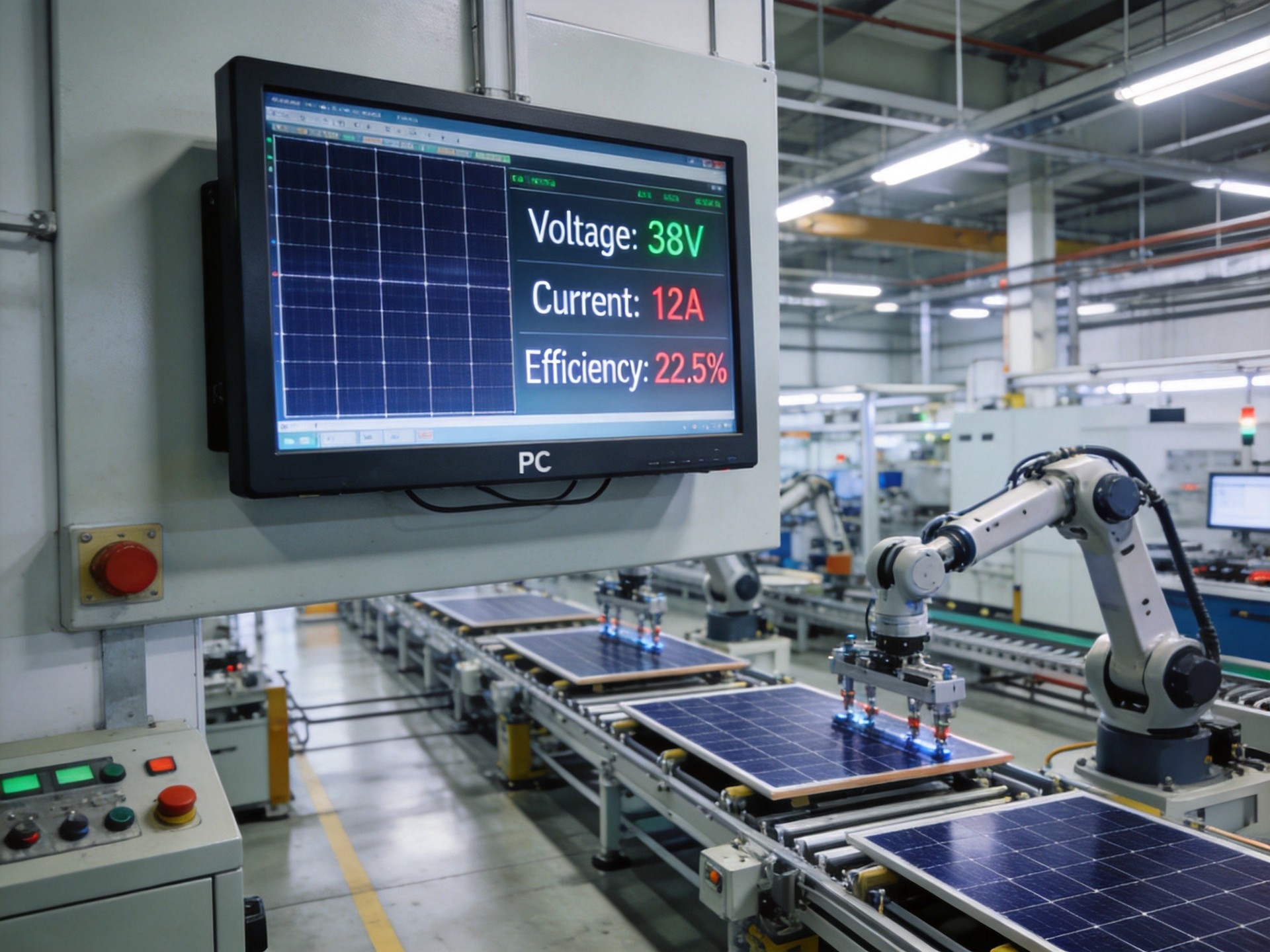
Investing in industrial-grade computing delivers measurable returns for PV manufacturers through improved production efficiency, reduced downtime, and better product quality. The high reliability of industrial PCs compared to commercial alternatives translates directly to increased overall equipment effectiveness, with studies showing 30 to 50 percent less unplanned downtime for industrial-grade control systems. Their extended service life—typically 5 to 7 years compared to 2 to 3 years for commercial computers—reduces capital replacement costs and minimizes production disruptions from equipment refresh cycles. Better process control enabled by more reliable computing systems also improves product yield and reduces scrap rates, which is particularly valuable in PV manufacturing where material costs represent a significant portion of production expenses. The long-term availability of industrial PC components ensures consistent replacement supply, avoiding compatibility issues that can arise when commercial-grade models are discontinued. For PV manufacturers operating in competitive global markets, these benefits combine to deliver substantial return on investment, making industrial-grade computing a strategic investment rather than an operational expense.
Conclusion
Industrial PCs are essential infrastructure for modern PV manufacturing, enabling the precision control, monitoring, and data management required for efficient solar panel production. Their ability to operate reliably in the demanding conditions of solar manufacturing facilities—from clean room environments to high-temperature production zones—makes them critical to maintaining production yield and quality. Deploying the right industrial computing solutions, with appropriate environmental ratings, processing capabilities, and mounting options, ensures maximum uptime and operational efficiency. Field compliance data aggregated from PV manufacturing deployments, including KOXIAN-based industrial computing configurations, indicates that facilities using purpose-built industrial PCs see 35 to 55 percent less unplanned downtime and 10 to 20 percent better production yield compared to facilities relying on commercial-grade computing equipment. As the solar industry continues to grow and production volumes increase, investing in reliable industrial computing infrastructure will remain a key factor in manufacturing competitiveness and profitability.