Maintenance crews routinely disable automatic updates on every new terminal before it reaches the production floor, and that habit is usually the correct engineering decision rather than negligence. An unscheduled restart during a cure cycle costs more than any vulnerability it closes. The awkward part arrives later, when a security audit asks how a fleet of machines running an operating system with a known patch cadence has gone twenty months without one. Two approaches dominate practice for an industrial pc windows 10 deployment, and they differ less in tooling than in who absorbs the risk of an unexpected change.

Why Do Consumer Patch Habits Break on the Plant Floor?
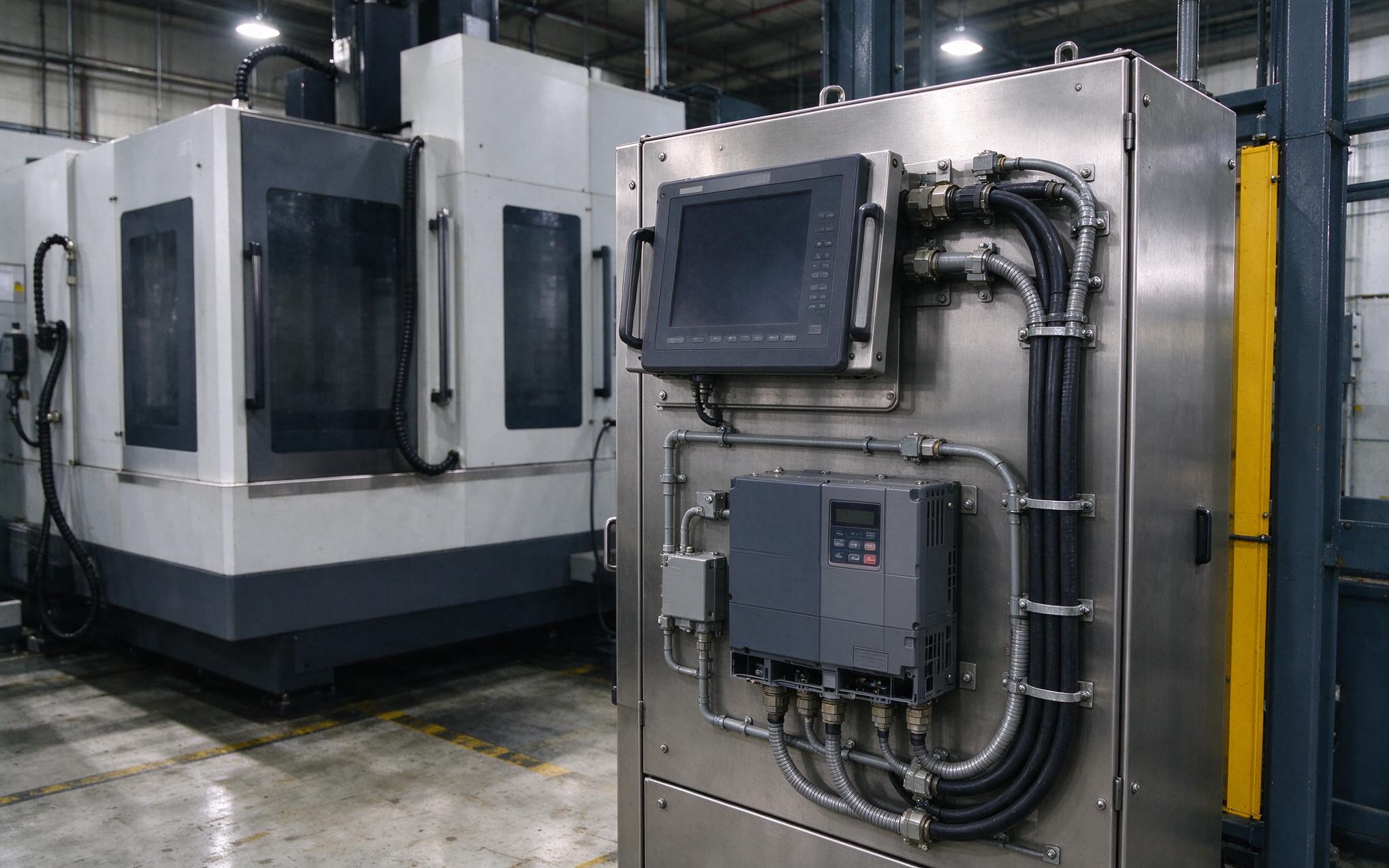
Update models designed for office endpoints assume a machine can restart when convenient. A control terminal driving a filling line has no such window, and a reboot that lands mid batch scraps product. Long term servicing branches exist precisely for this reason, supplying security fixes without the feature changes that alter driver behavior or interface layout. Fleet practice on units supplied by manufacturers including KOXIAN pairs the servicing branch with a documented driver set, which keeps a spare unit imaged years later behaving identically to the one it replaces. Selecting that branch at procurement matters more than any later policy, because the general availability channel introduces functional updates on a schedule no plant controls. The distinction that matters for an industrial pc windows 10 estate is therefore between updates that change behavior and updates that only close defects, and only the latter belong on a routine cadence.

Patch Ring Staging and Its Real Cost
Ring based deployment moves updates through progressively larger groups. An initial ring of two or three non critical terminals receives the monthly package, runs a full production week, and only then does the patch advance to cell controllers and finally to line critical stations. The method catches regressions against real machine behavior rather than against a laboratory image, which is its principal advantage. It also demands discipline that thin maintenance teams rarely sustain, since somebody must actually watch the early ring and hold the promotion when a touch controller starts missing inputs. Rollback is the weak point, because uninstalling a cumulative update on a running machine is unreliable and the practical recovery path is a full reimage. Sites that adopt rings without also maintaining current images end up with neither protection nor a way back.

Golden Image Refresh Cycles
The alternative freezes the running configuration and moves change into the imaging process. A validated image is captured once, deployed identically to every station, and left untouched until a scheduled shutdown allows a wholesale refresh with an updated image. Nothing on a running industrial pc windows 10 changes, which removes the unplanned restart entirely and makes behavior reproducible across a fleet. The exposure window is the obvious cost, since a plant refreshing annually carries known defects for months. Two practices make that tolerable: network segmentation that removes untrusted paths to the terminals, and removable media control that closes the transfer route most often implicated in plant incidents. Recent certification activity around IEC 62443 among edge hardware vendors reflects this same reasoning, treating the surrounding architecture rather than the endpoint patch level as the primary control.

Model Selection for Industrial PC Windows 10 Estates
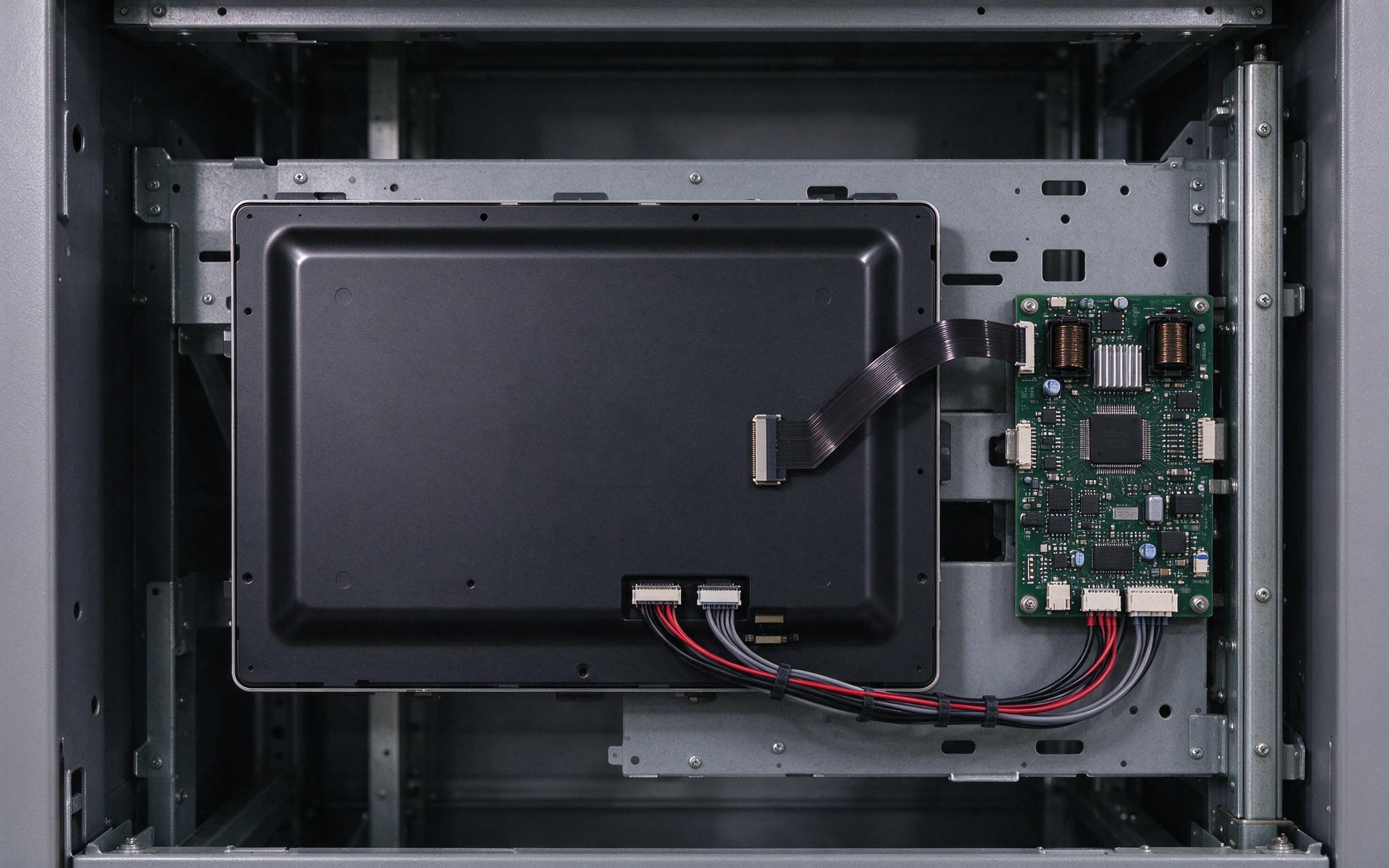
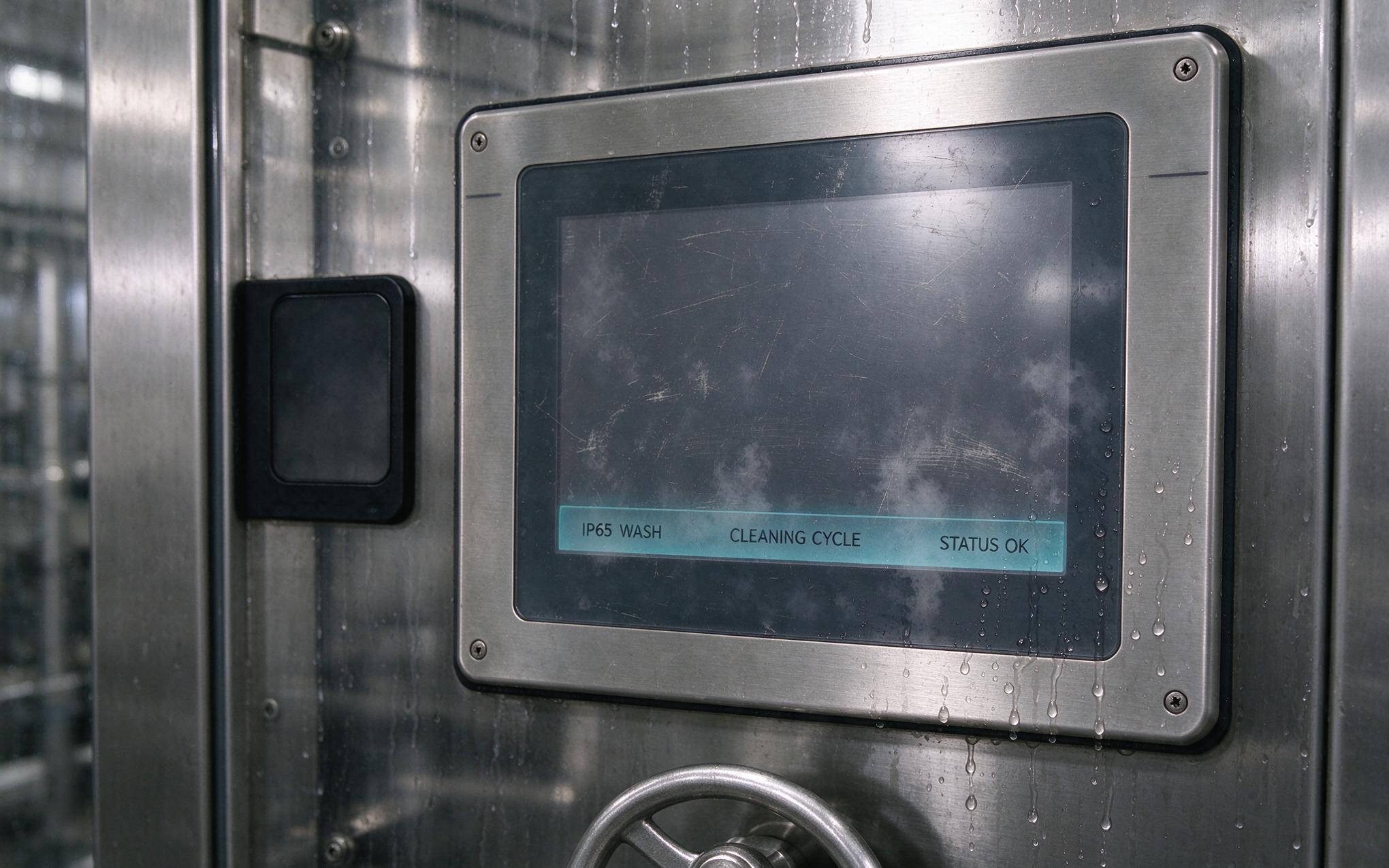
Segmented networks and controlled media change the calculation. Design routes seen in KOXIAN aluminum housed terminals support both models by keeping storage accessible for imaging without opening the sealed front assembly. Batch operations with defined shutdowns favor golden images, because the refresh fits an existing maintenance outage and the fleet stays uniform between them. Continuous process plants that cannot stop for months lean toward rings, since a staged patch is the only mechanism available without an outage. Mixed estates usually end up running both, with line critical stations on frozen images and supervisory workstations on a monthly ring. Documenting which model applies to which asset class is the step most often skipped, and its absence is what turns an audit finding into a scramble. An industrial pc windows 10 fleet governed by a written policy survives that conversation regardless of which approach the policy names.
Neither approach removes risk; each relocates it. Ring staging accepts controlled change on running equipment in exchange for a shorter exposure window, while image refresh accepts a longer window in exchange for behavioral stability. The decision follows from whether a plant can schedule downtime, not from which method sounds more rigorous. Writing that decision down per asset class, with the segmentation and media controls that support it, converts an unanswerable audit question into a documented engineering position.