A warranty replacement arrived at one plant two millimeters deeper than the display it was meant to swap out, with the power connector moved to the opposite edge, and forty stations had already been reordered against the original part number. The evaluation unit had passed every test on the pilot cell. What failed was the assumption that a display validated once stays available in the same form, because commercial panel lifecycles run shorter than the machines they serve. Scaling industrial monitors from a single approved sample to a plant wide fleet introduces sourcing and mechanical constraints that never surface during a bench trial.

Pilot Cell Approval Criteria
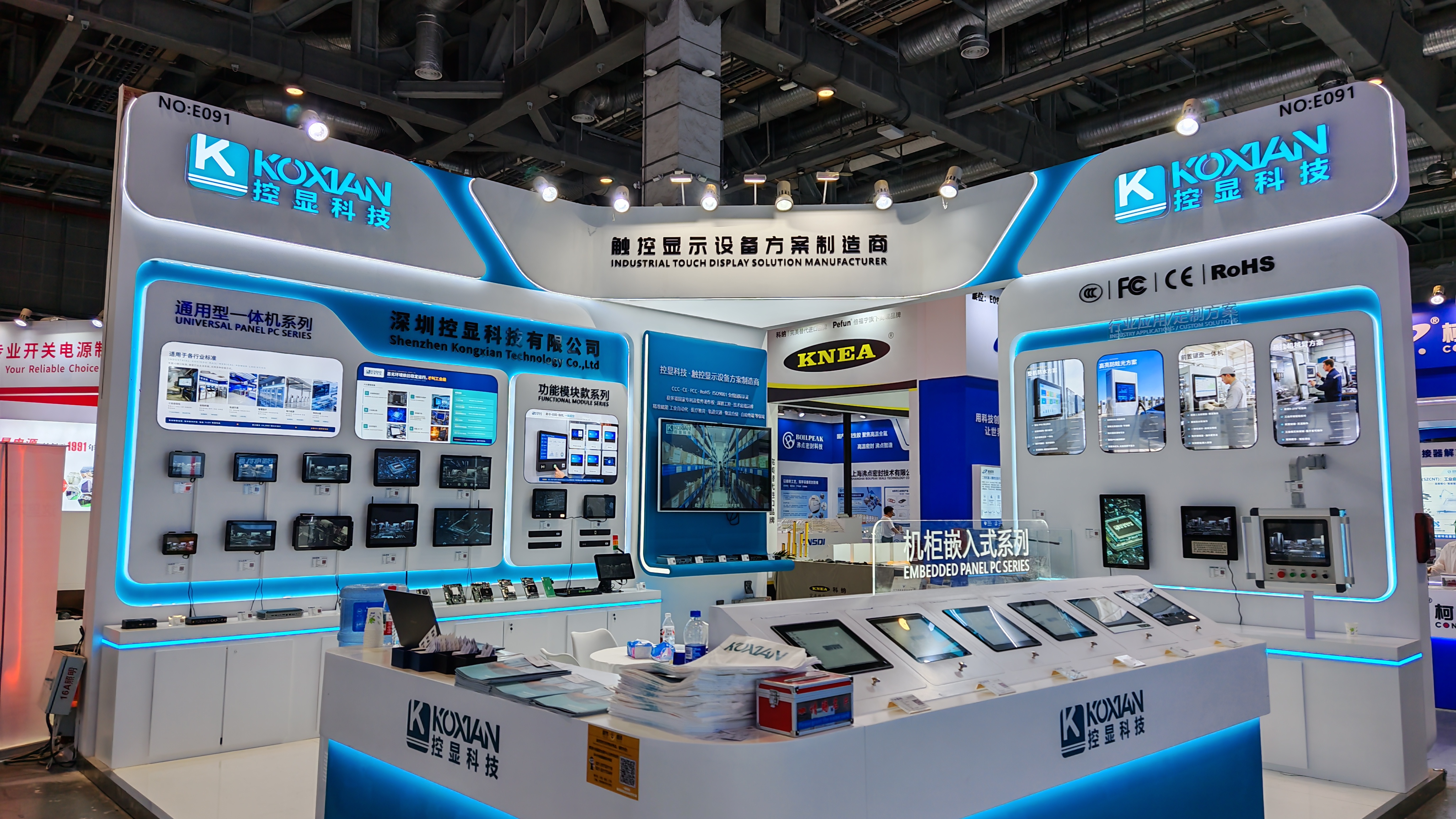
Practices at suppliers including KOXIAN document the panel model and revision inside the product specification, which gives a buyer something concrete to hold a reorder against twelve months later. A single unit on a test frame answers questions about brightness, viewing angle and touch response, and those answers remain valid. What a pilot of industrial monitors cannot reveal is whether the same configuration will exist at volume, since a display assembly is a housing wrapped around a commercially sourced panel whose production run is set by consumer and signage demand rather than by industrial customers. Evaluation should therefore record the panel part number alongside the performance results, and a buyer comparing industrial monitors for fleet use gains more from that disclosure than from another decimal place of luminance data.

Industrial Monitors Fleet Uniformity and Mechanical Fit
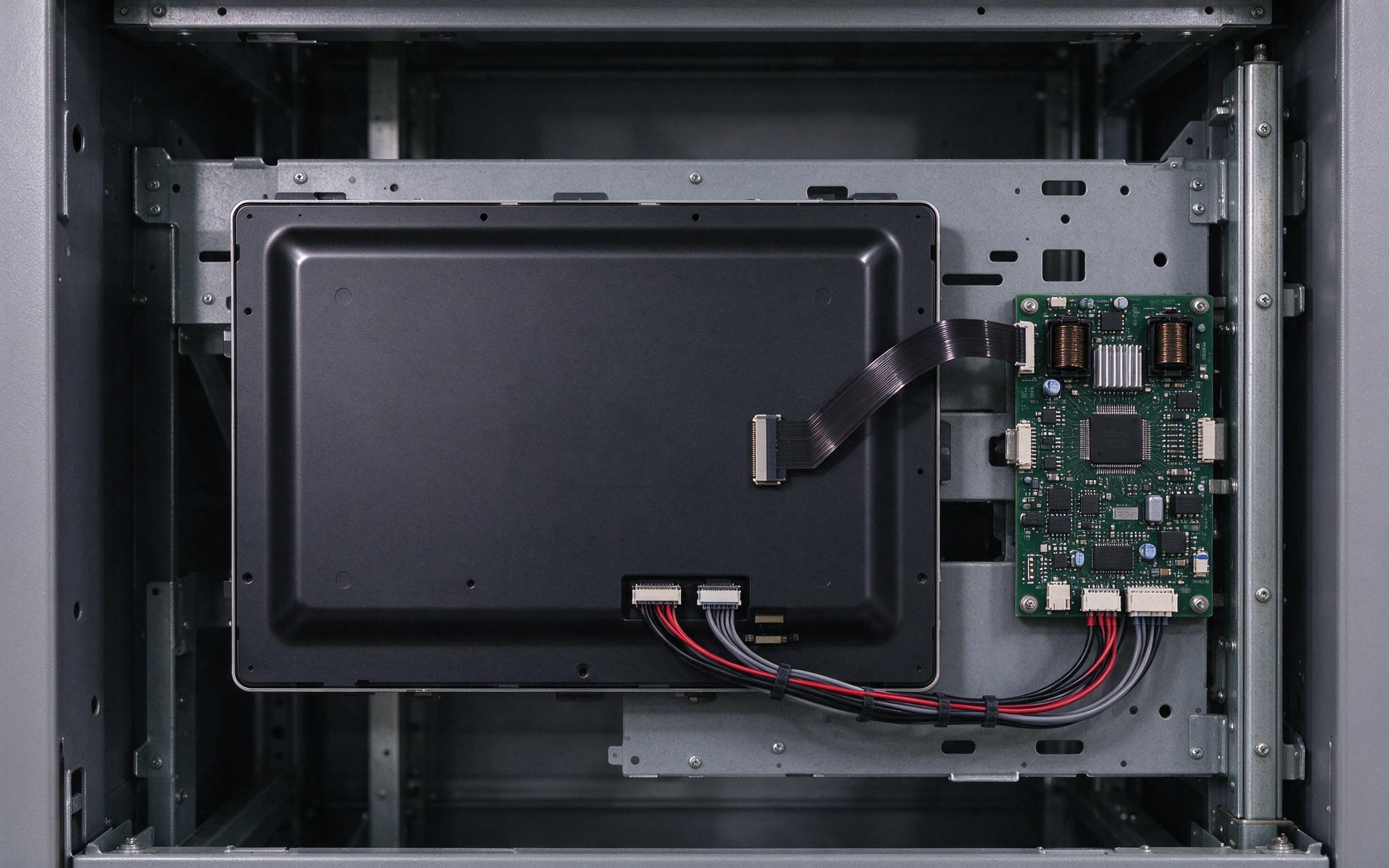
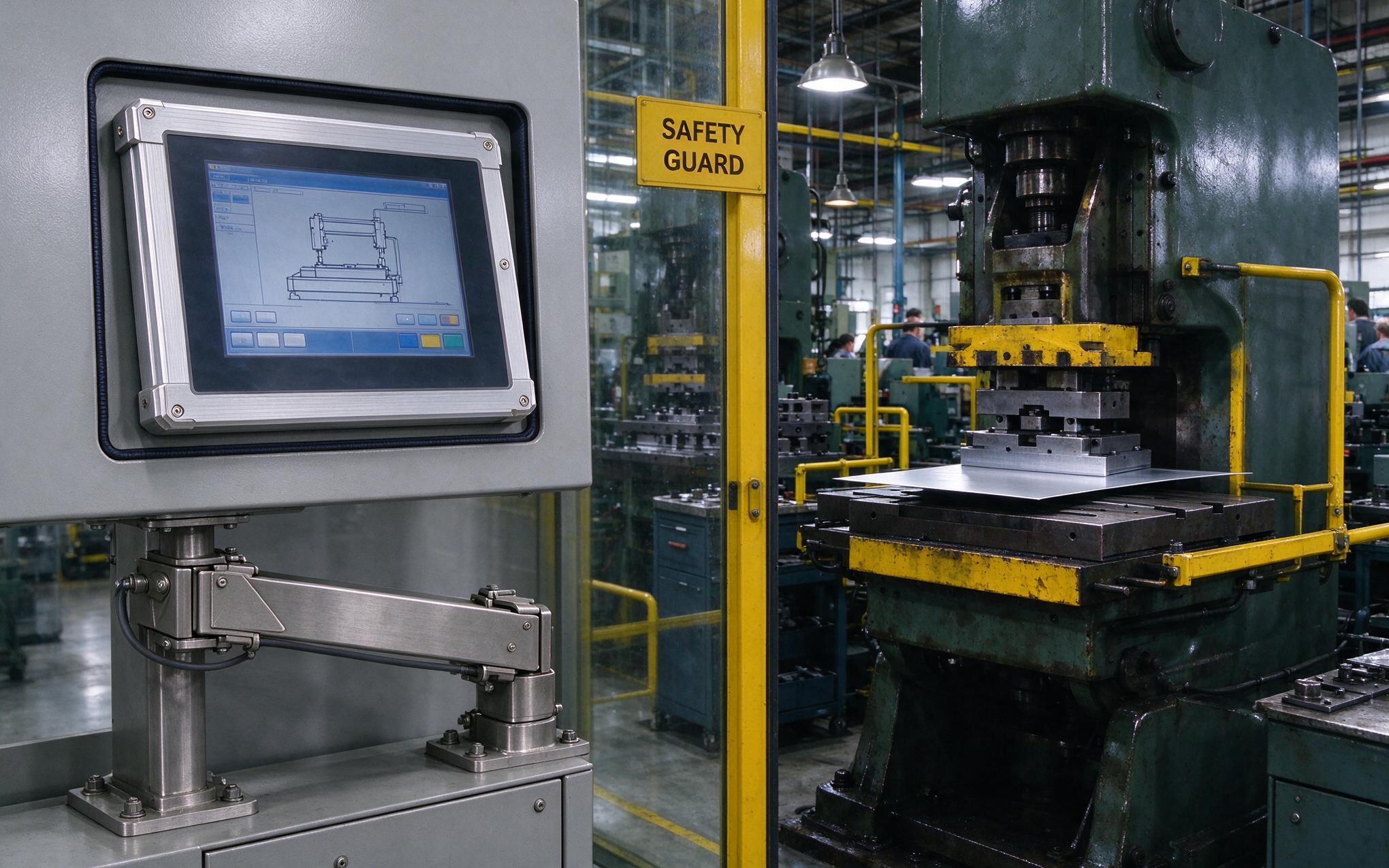
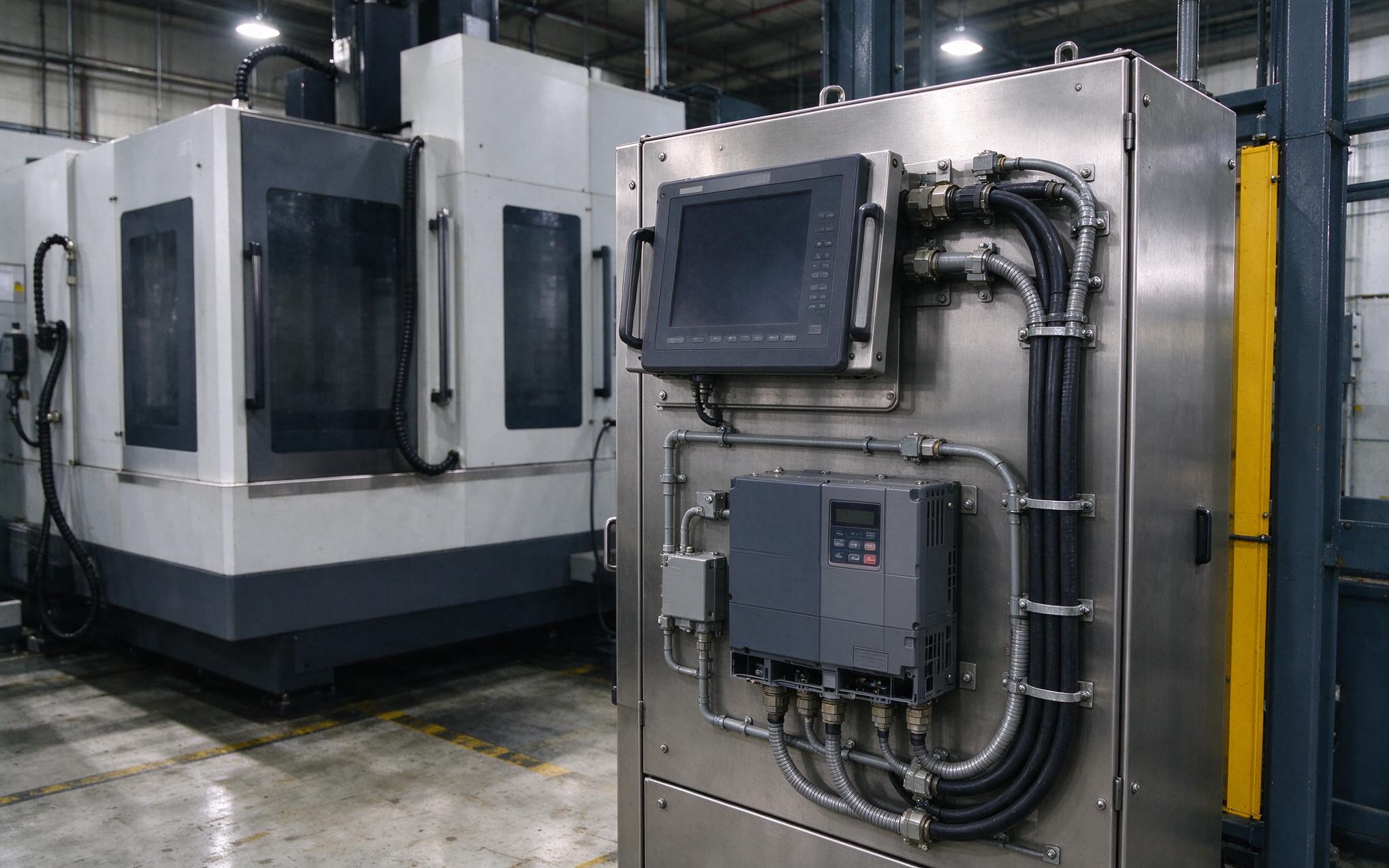
Uniformity is a mechanical property before it is a commercial one. Cutout dimensions, bracket hole patterns, bezel depth and connector orientation all get designed into machine guarding and cabinet fabrication, so a successor unit two millimeters deeper can require sheet metal rework across every station. Fleets of industrial monitors that stay uniform do so because someone specified the mounting interface as a fixed requirement rather than accepting whatever the current model provides. Cable routing carries the same exposure, since a connector relocated from bottom to side changes bend radius and can exceed the space behind a panel that was designed to the millimeter. Plants deploying industrial monitors across dozens of stations benefit from treating the mechanical envelope as the controlled item and the electronics behind it as replaceable.

Panel Revision Churn and Supply Continuity
Commercial panel production runs typically last eighteen to thirty six months, while the machines receiving those panels remain in service for a decade or longer. That mismatch guarantees at least one forced transition during equipment life. Reported shifts in global panel sourcing during 2026 have made this more visible for buyers of industrial monitors, as capacity moves between regions and specific diagonal sizes drop out of production with limited notice. Two mitigations exist and both require a decision before the transition rather than after it. Lifetime buys cover known demand by purchasing the full projected quantity while a revision remains available, which trades working capital for continuity. Form fit compatible successors are the alternative, and design approaches at manufacturers such as KOXIAN hold the external housing constant across an internal panel change so that a later unit drops into the original cutout. Asking which of these a vendor supports converts a surprise into a scheduled event.

Spares Strategy Across Deployed Industrial Monitors
Spares policy follows from the transition question rather than from failure statistics. A plant holding two complete units per configuration can absorb a single failure without touching the supply question, but a plant with forty stations across three revisions needs three spare pools and the discipline to keep them separated. Labeling matters more than quantity here, because an unlabeled spare that physically fits but carries a different panel revision produces a station whose colors and touch calibration differ visibly from its neighbors. Revision documentation supplied with each shipment, a practice visible at vendors including KOXIAN, lets a storeroom bin be tagged accurately at receipt instead of guessed at during a breakdown. Consolidating a mixed fleet during a planned outage is usually cheaper than maintaining parallel spare pools for years, and knowing the revision spread across installed industrial monitors is what makes that calculation possible.
A display approved on a pilot cell answers performance questions and leaves sourcing questions untouched. Fleet deployment depends on whether the mounting envelope is held constant, whether the vendor documents panel revisions, and whether the plant has decided in advance between a lifetime buy and a form compatible successor. Recording the panel part number at evaluation and specifying the mechanical interface as a fixed requirement together prevent the reorder that arrives two millimeters deeper than the cutout machined for it.