A procurement team places a 500-unit industrial PC wholesale order with their regular supplier, only to learn that semiconductor allocation limits have cut available stock to 300 units. The shortfall is not a pricing problem or a quality issue. It is a structural constraint imposed by foundry capacity, fab scheduling, and tier-one customer reservations that trickle down to wholesale channels. In 2026, industrial PC wholesale buyers across North America, Europe, and Asia-Pacific are confronting allocation limits at unprecedented levels. CPU lead times that once averaged two to three weeks now stretch to eight to twelve weeks for embedded Intel processors, while DRAM spot prices have surged by 15 to 20 percent in a single quarter. For system integrators and equipment manufacturers relying on bulk procurement, these constraints demand a fundamentally different approach to sourcing strategy.

Understanding Allocation Limits and Their Impact on Bulk Orders
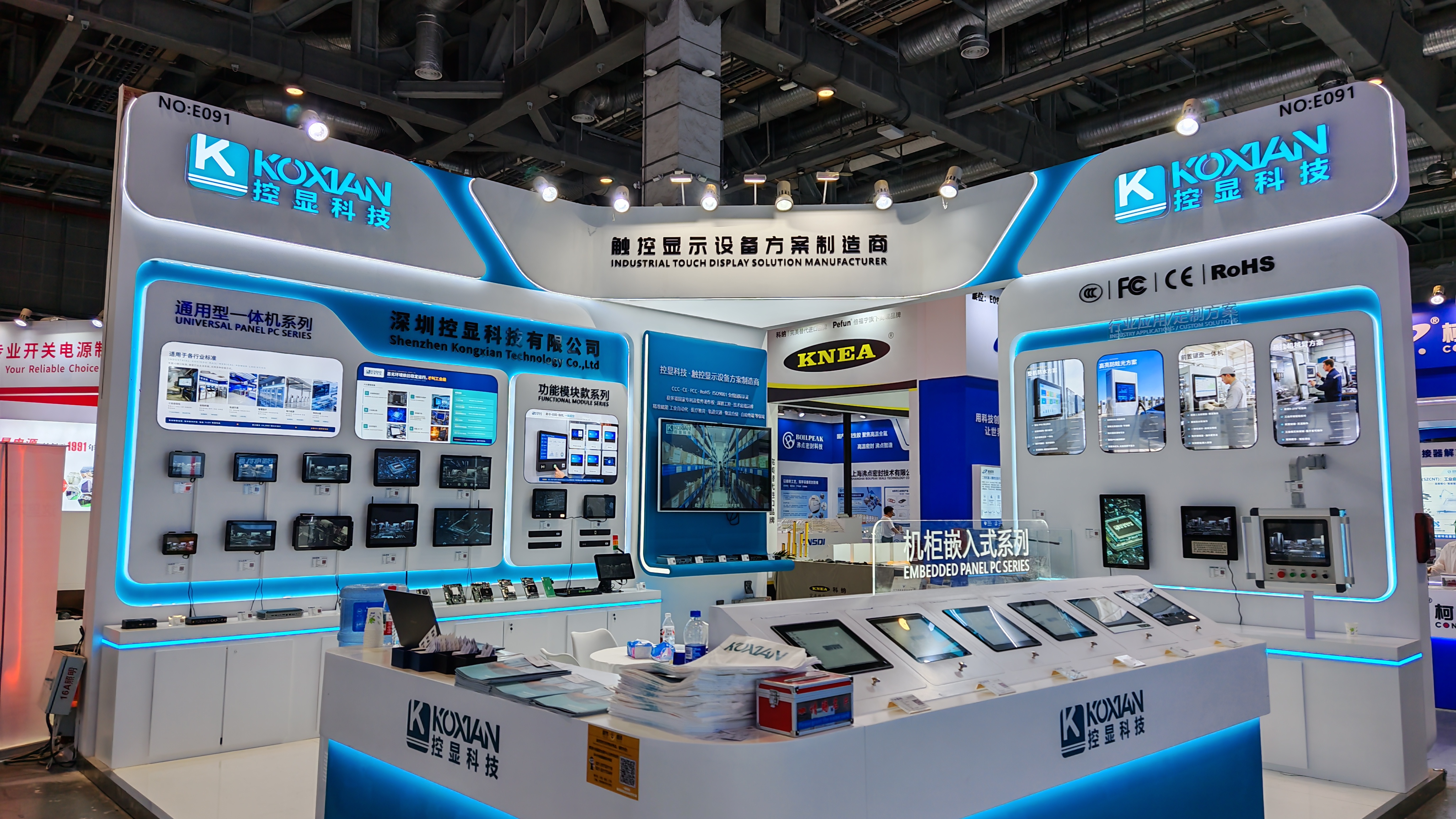
Chip allocation limits in the industrial computing supply chain stem from a mismatch between surging AI-driven semiconductor demand and constrained foundry capacity. When hyperscaler data centers absorb a disproportionate share of advanced node wafer starts, legacy and embedded processor lines used in industrial PCs receive reduced allocation. This creates a cascading effect on bulk industrial PC distribution channels: distributors receive smaller allotments, which in turn restrict the quantities available to bulk buyers. The practical consequences extend beyond delayed deliveries. Procurement teams must contend with shrinking quote validity windows, fluctuating landed costs between purchase order and delivery, and the risk that a critical component may become unavailable mid-production cycle. For operations dependent on predictable industrial PC wholesale volumes, these allocation-driven disruptions can derail project timelines measured in months. Industrial PC wholesale distributors such as KOXIAN have responded by publishing real-time component availability dashboards that give bulk buyers visibility into allocation status before orders are finalized.

Building BOM Flexibility into Wholesale Industrial PC Orders
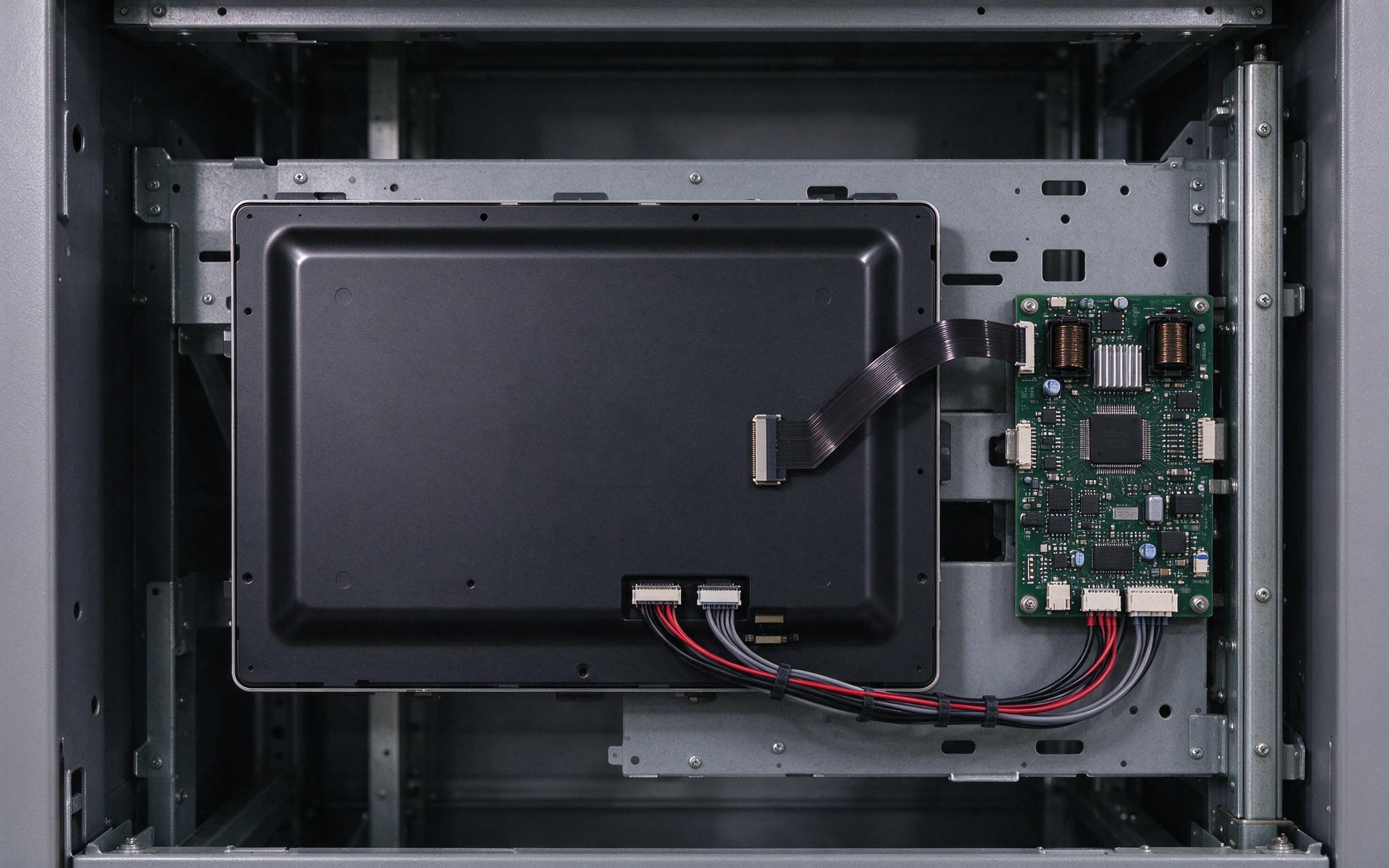
The Bill of Materials is where allocation risk becomes tangible. A single sole-sourced microcontroller or memory module can halt an entire bulk order when allocation limits tighten. Wholesale buyers who proactively build multi-source BOM strategies into their industrial PC procurement specifications gain meaningful insulation against supply disruptions. This means qualifying at least two component alternatives for every critical part, specifying pin-compatible alternatives during the design phase, and maintaining active relationships with multiple authorized distributors rather than relying on a single channel. Manufacturers like KOXIAN have adopted this approach across their embedded panel PC and industrial display product lines, maintaining pre-validated BOM alternatives that allow rapid pivoting when primary components face allocation constraints. For wholesale buyers, the lesson is clear: a BOM locked to a single source is a procurement liability.

Framework Agreements and Volume Commitments for Supply Security
Long-term supply agreements represent the most effective structural response to allocation limits. Rather than competing on spot-market pricing for each purchase order, wholesale buyers who negotiate annual or multi-year framework agreements with industrial PC manufacturers secure guaranteed allocation windows, predictable pricing tiers, and priority scheduling during capacity crunches. These agreements typically commit to minimum quarterly volumes in exchange for price locks and reservation of production capacity. They shift the procurement relationship from transactional to strategic, giving both parties visibility into demand forecasts and production planning. Industrial PC wholesale buyers who have adopted this model report significantly fewer stockout incidents and more stable project budgeting, even during periods of acute semiconductor shortage. Wholesale buyers working with manufacturers like KOXIAN who offer pre-negotiated framework tiers often gain access to reserved production slots that are unavailable through standard distribution channels.
Allocation limits in the semiconductor supply chain are not a temporary market aberration. They reflect a structural reallocation of foundry capacity toward AI and high-performance computing that will persist through at least 2027. For industrial PC wholesale buyers, the path forward involves three concrete actions: diversifying BOM sources before placing orders, negotiating framework agreements that lock in allocation priority, and maintaining ongoing visibility into component lifecycle status across the supply chain. Procurement teams that invest in these structural safeguards will navigate allocation constraints with far less disruption than those still relying on reactive, spot-market sourcing.