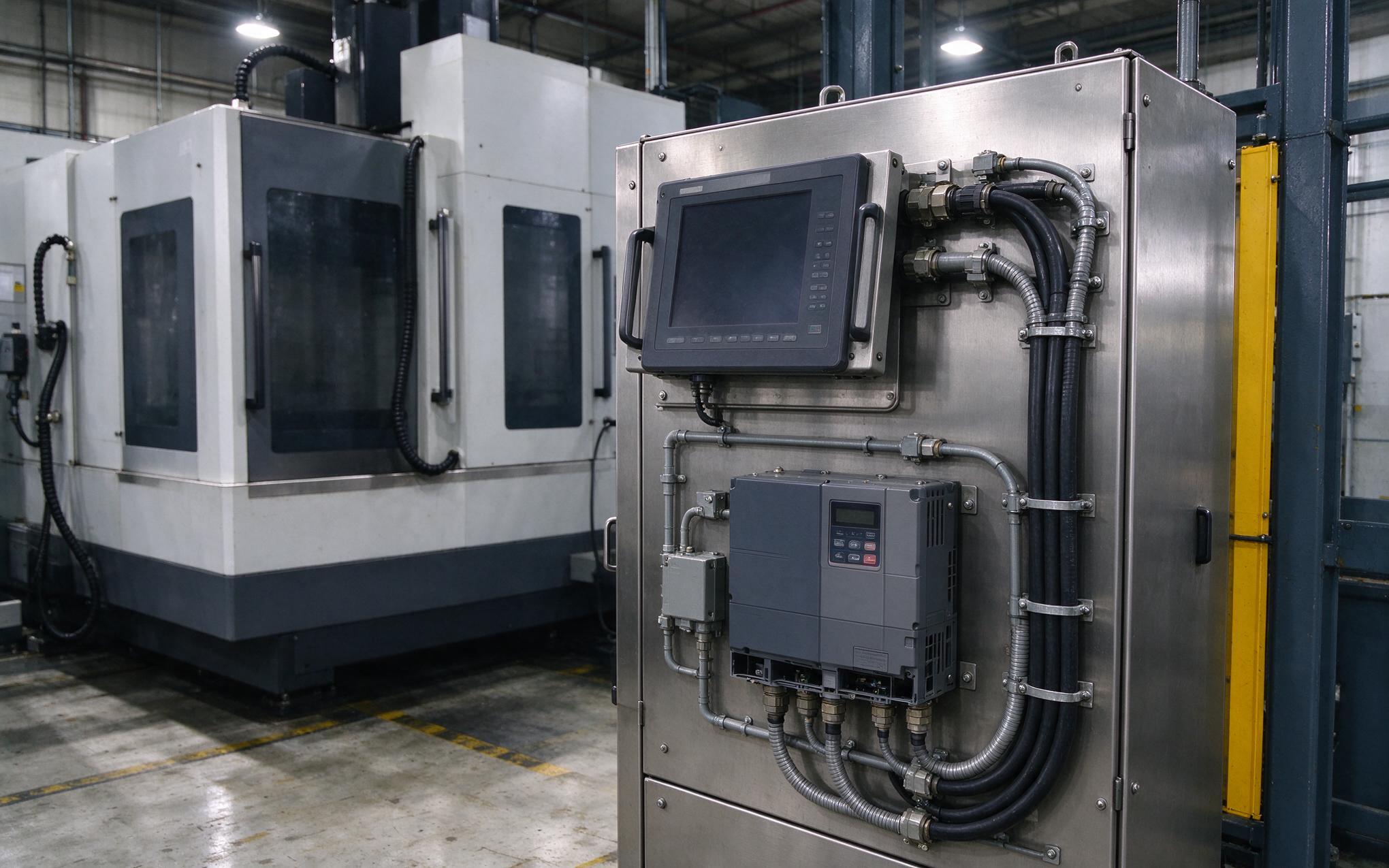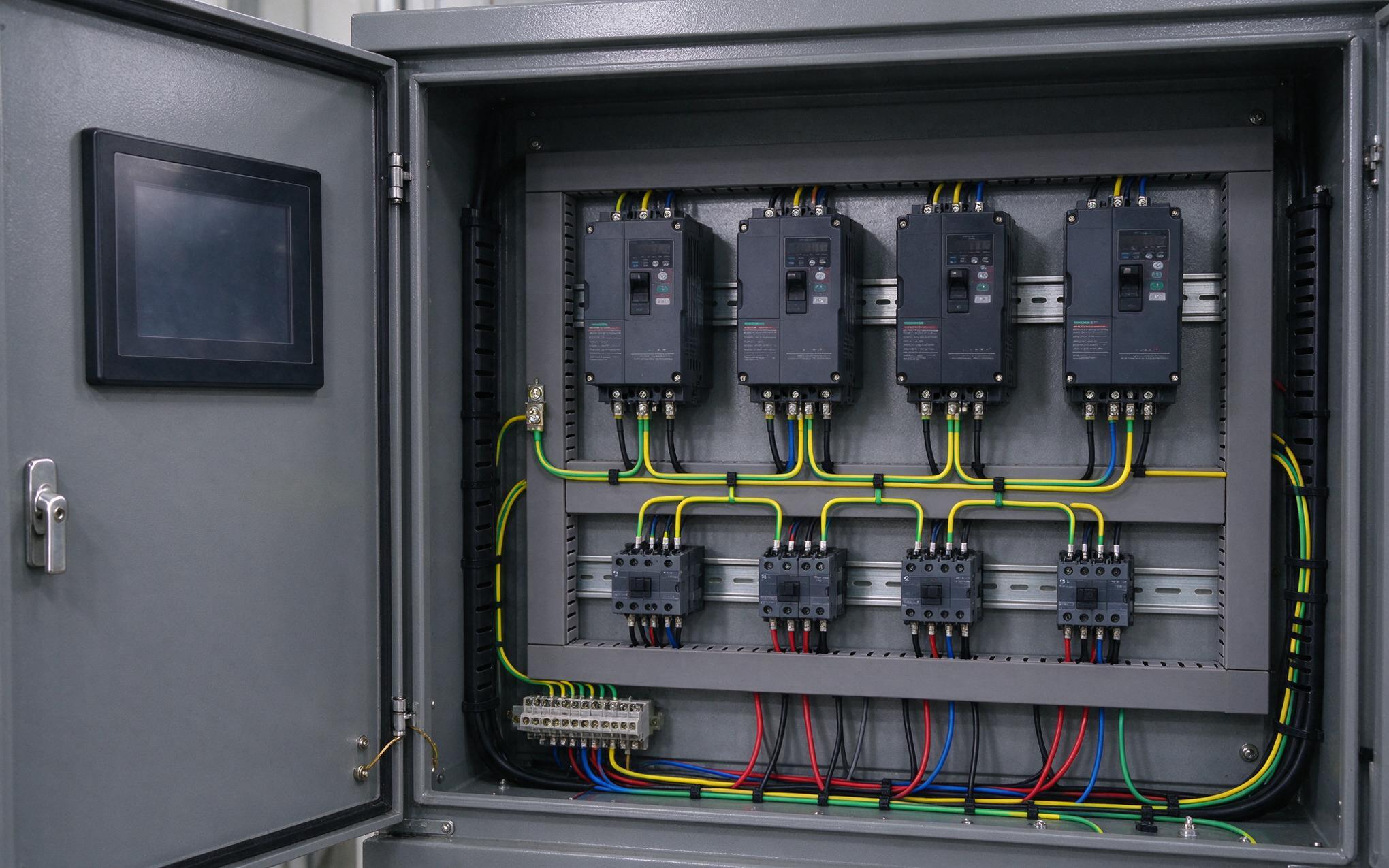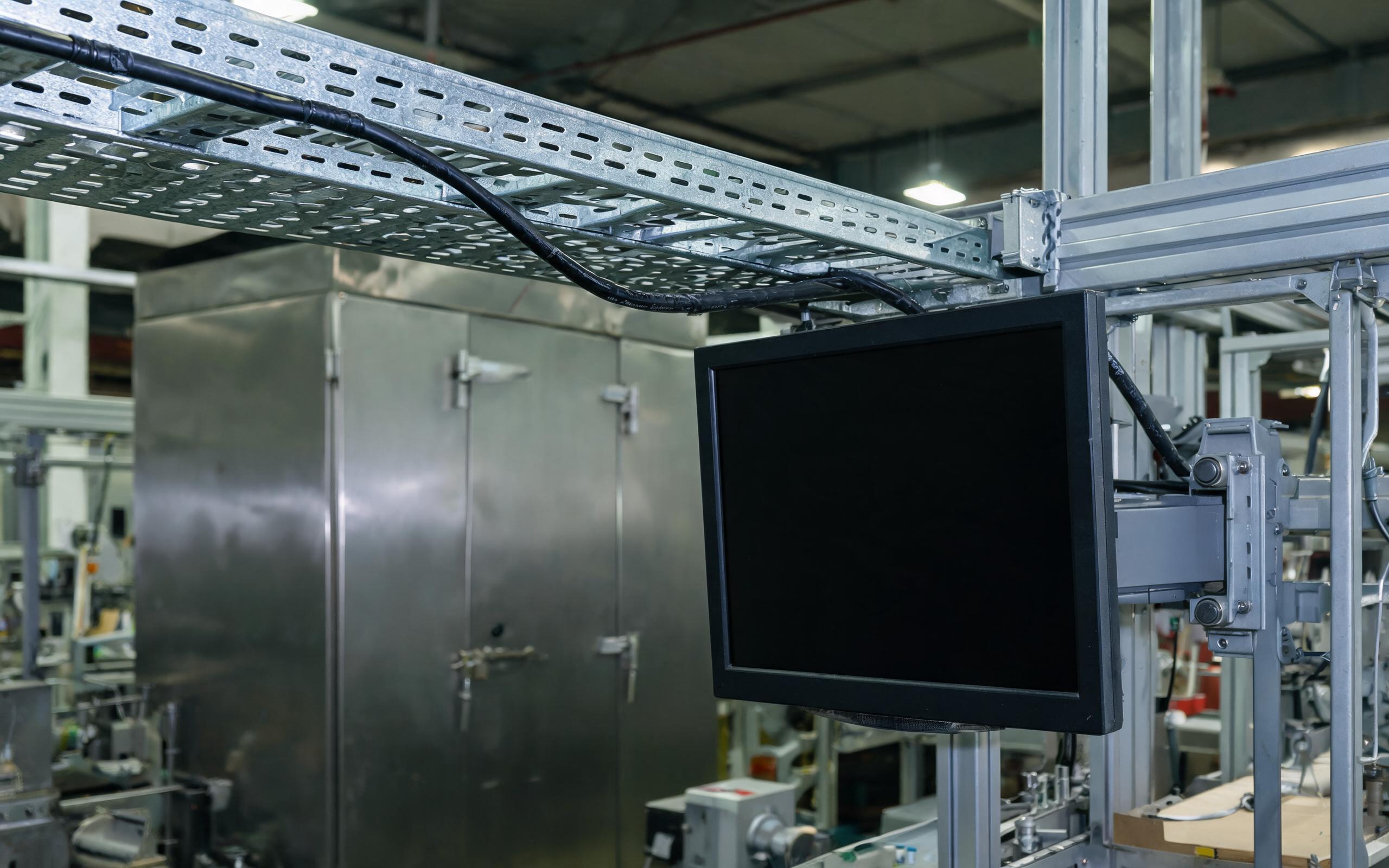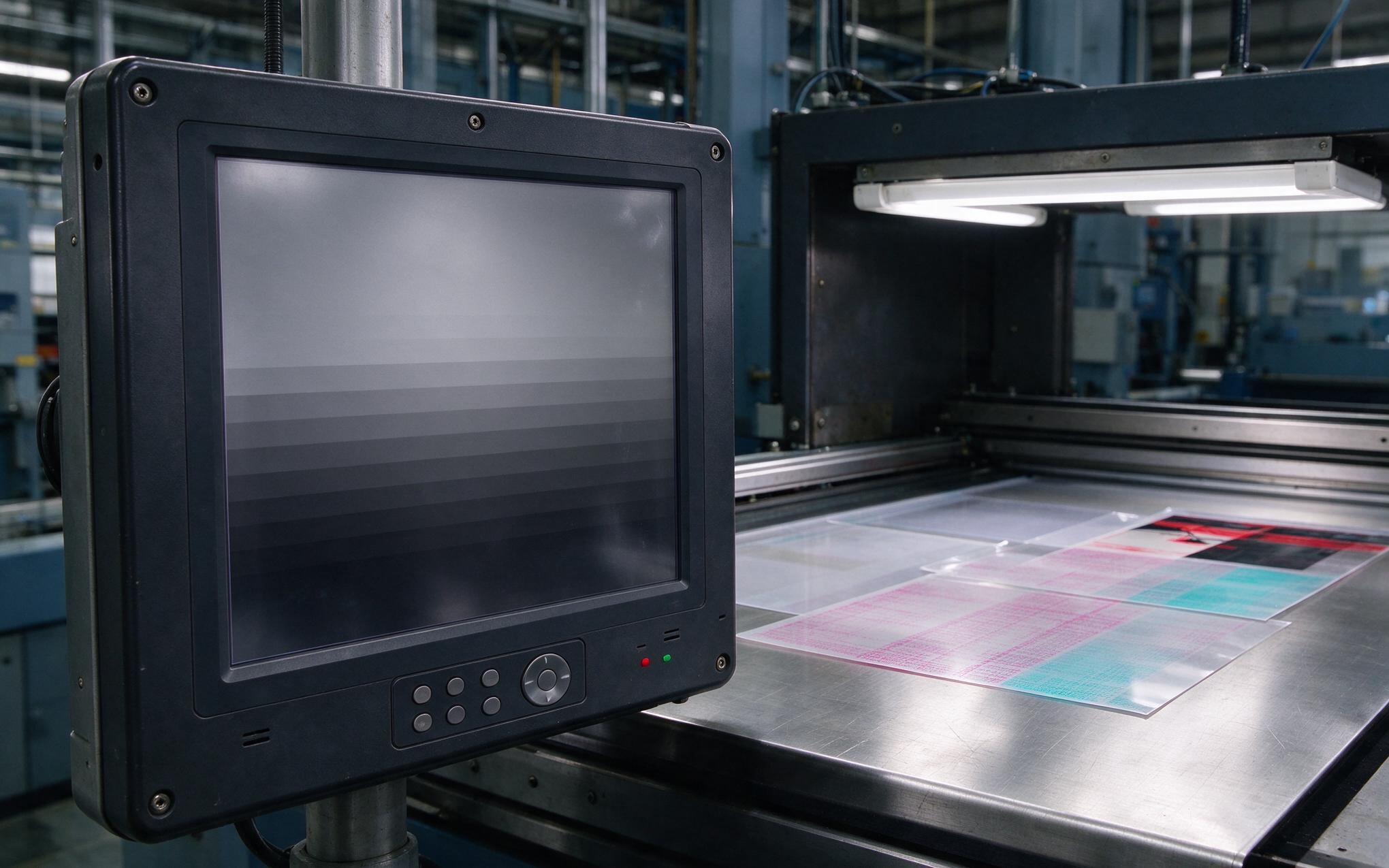
Technicians commissioning a packaging line tend to treat a panel mount touch monitor as a finished component that behaves the same wherever it lands, yet the mounting substrate changes three variables at once: where chassis current drains, how much vibration reaches the glass, and how evenly the front gasket compresses. A unit bolted to a welded machine frame sits inches from pump and drive noise, while the same unit hung on a sheet-metal cabinet door sits behind powder coat with an indirect path back to protective earth. Both installations pass the same bench check, then diverge once the line starts running at full rate.
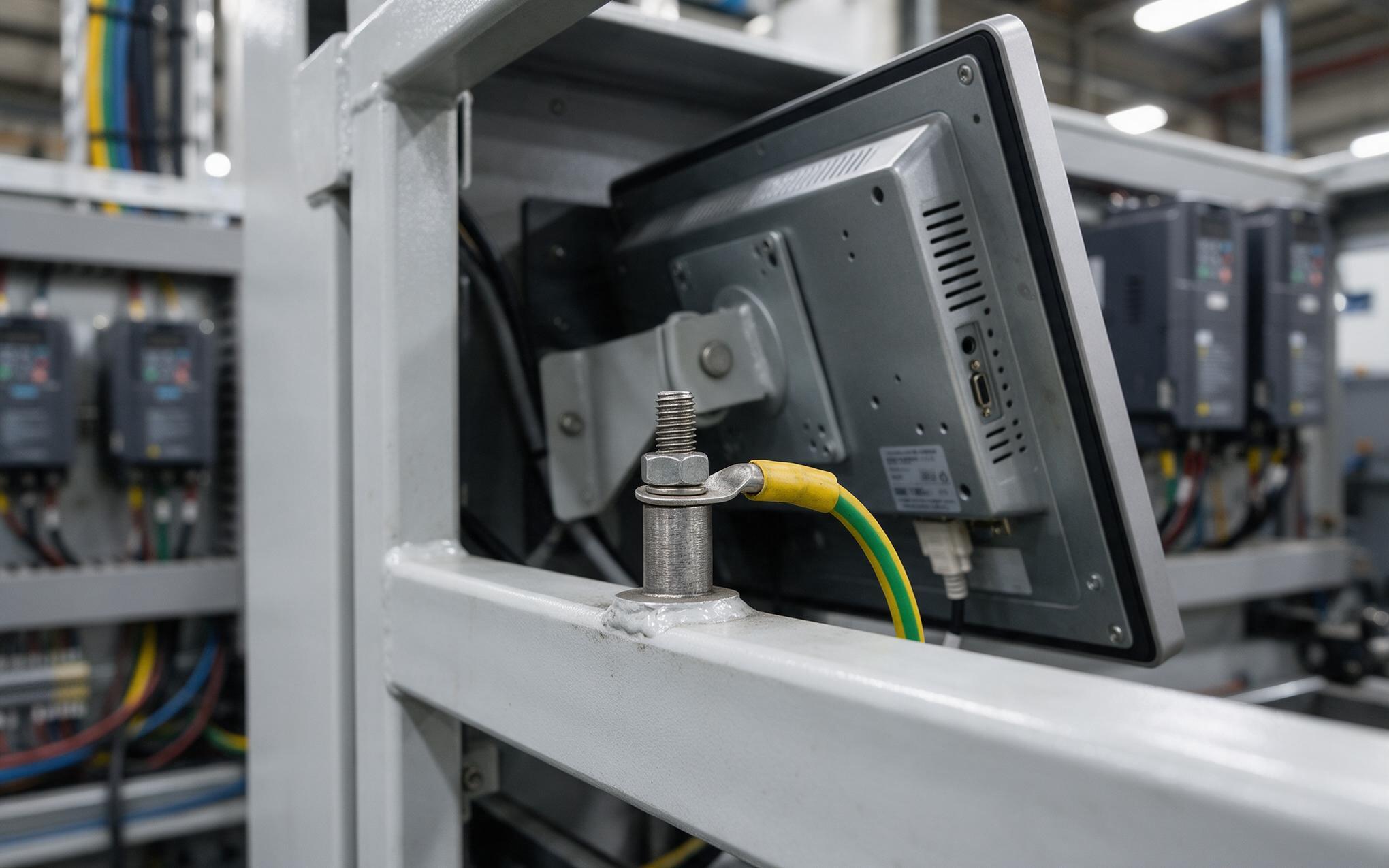
Ground Paths Behind a Panel Mount Touch Monitor Bezel
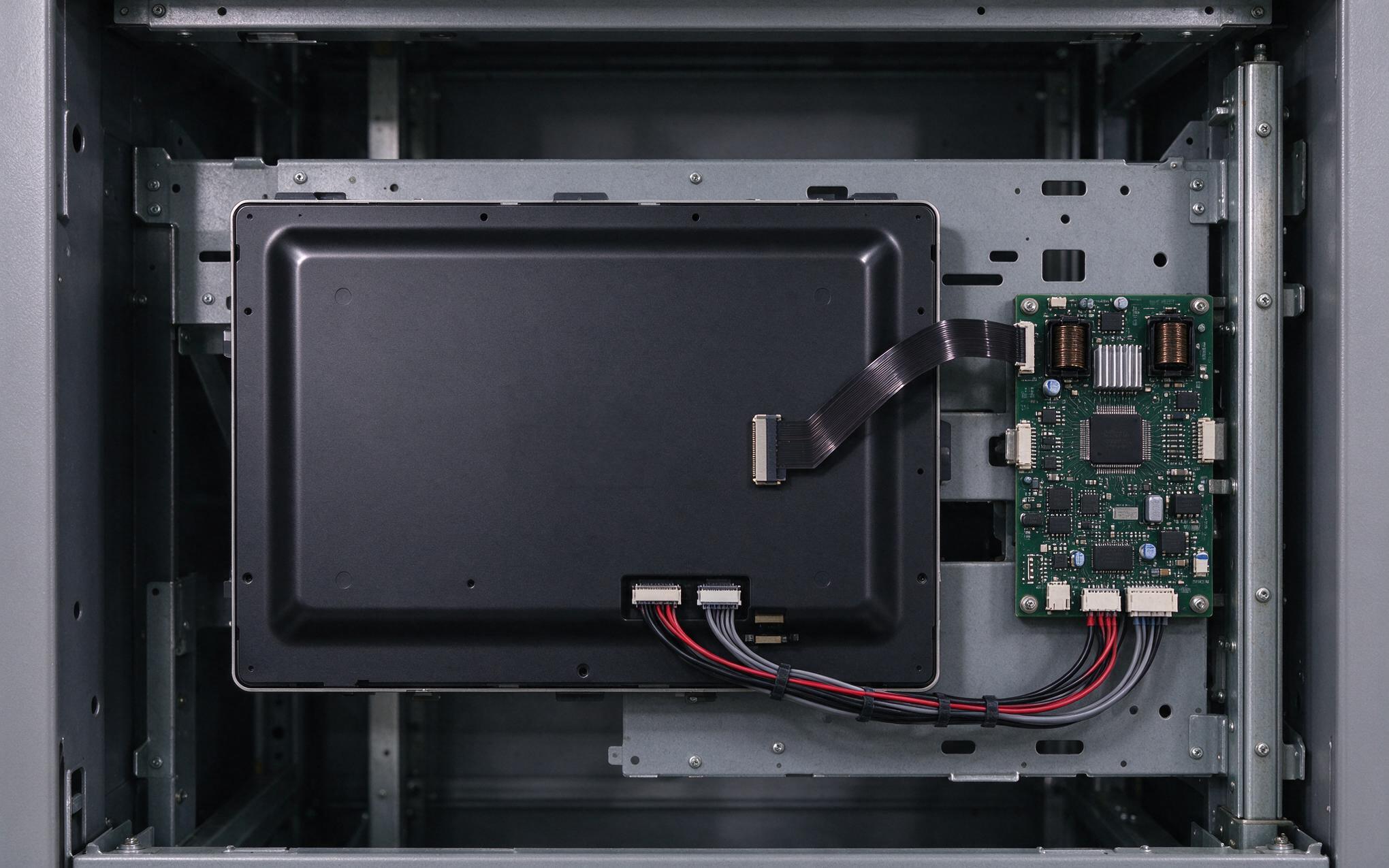
Design approaches documented for KOXIAN mounting kits open the install with a resistance check instead of a torque wrench, because paint, powder coat, and zinc plating can leave the chassis sitting above the potential of the panel’s protective earth. On a welded machine frame the steel is continuous with the machine structure, so a cleaned stud and a short bonding strap give the touch controller a stable reference while nearby variable frequency drives swing heavy current. Cabinet doors complicate that path, since hinges, latches, and coated sheet interrupt it, and a door touching its frame only at the latch behaves like a floating conductor. Measure between the chassis lug and a cleaned reference point, then fit a strap whenever the reading drifts while the drives cycle.

Frame Vibration and Door Flex Under Operating Loads
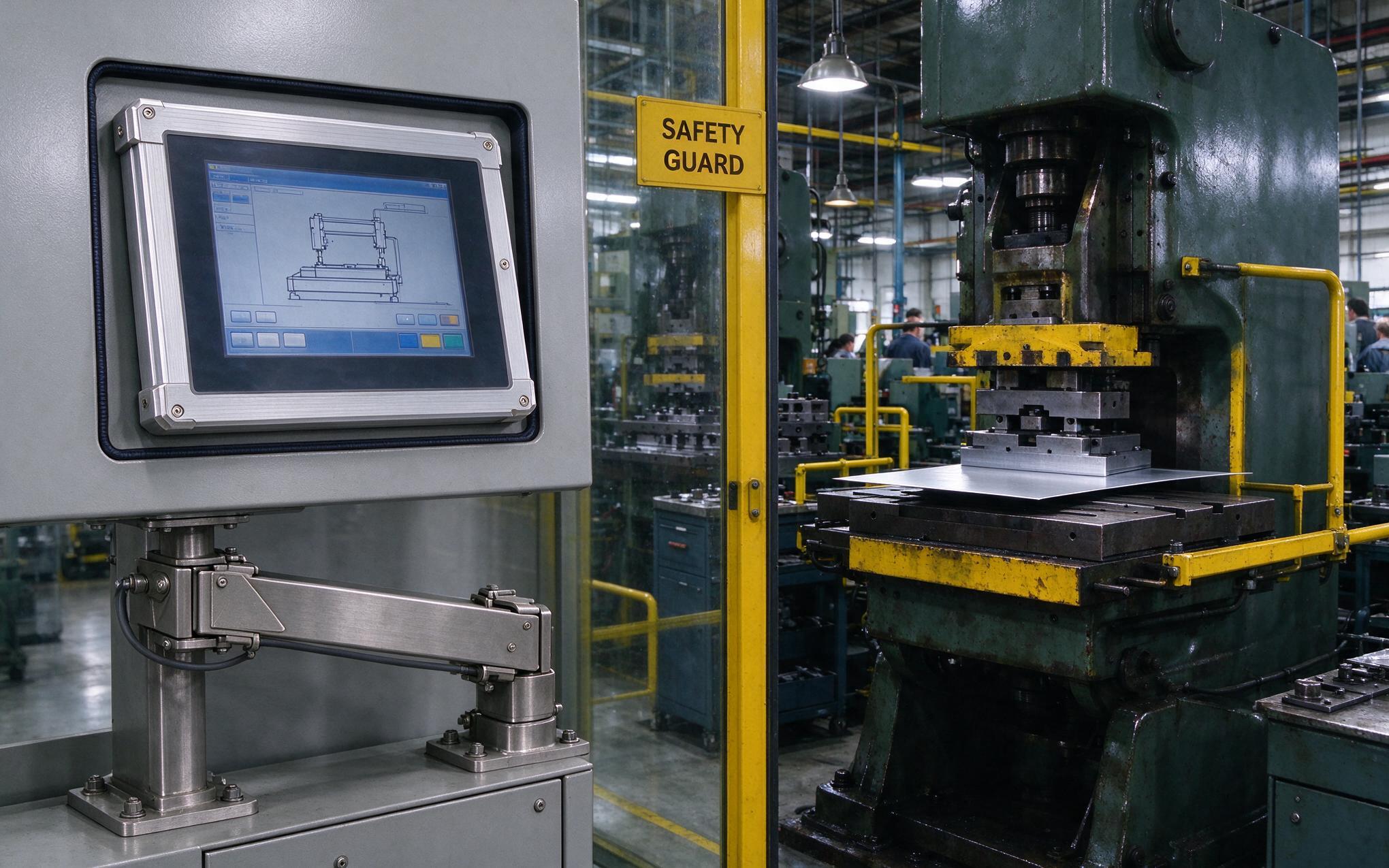
A panel mount touch monitor bolted to a welded frame receives broadband vibration straight through the mounting rails, and what survives the chassis shows up at the glass as micro-slip between fastener and sheet. Retention comes from a flat washer over a hardened backing plate, a repeatable torque sequence worked from the center outward, and a locking method chosen for the fastener class rather than habit. A cabinet door adds a different motion, because sheet flex at the panel corners pumps the gasket instead of the screws, so the glass edge sees cyclic bending every time the latch closes. Installations built on systems incorporating KOXIAN units record the strap and backing plate on the handover sheet, which gives the next technician a baseline when vibration symptoms return.
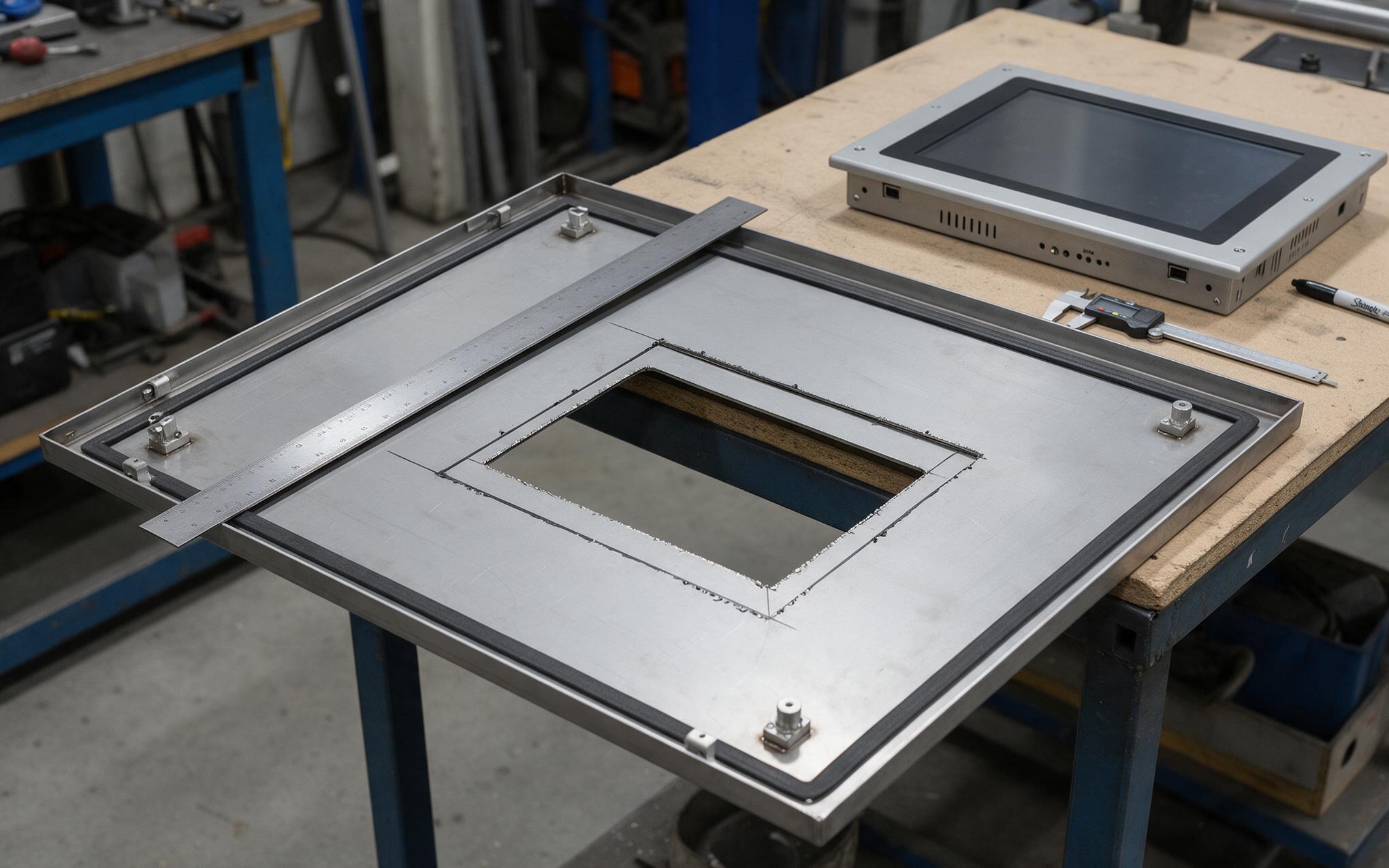
Cutout Stiffness and Gasket Compression on Thin Doors
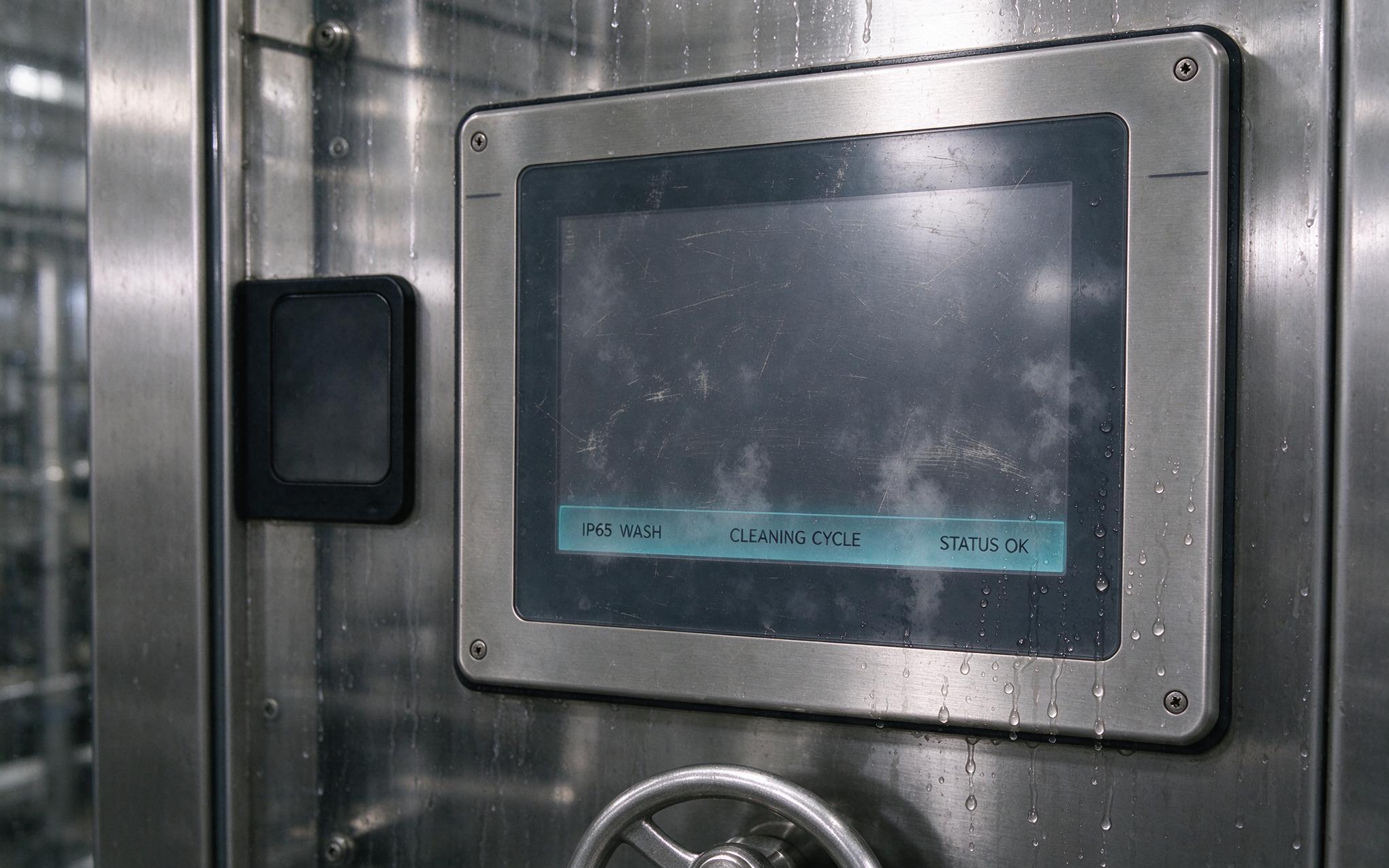
Cutout geometry decides how much of the sealing load actually reaches the gasket. A frame-mounted unit often lands on welded rails where the opening can be dressed flat, while a door cutout made from sheet tolerates more distortion and typically arrives with burrs, weld spatter, or a corner radius that lifts the bezel. Check flatness across the full perimeter with a straight edge, confirm that the opening stays inside the drawing tolerance, and support the door skin with a backing frame so clamp load does not bend it. A panel mount touch monitor on a flat substrate holds its front seal through washdown cycles, while one on a flexing door loses compression at the lower corners.
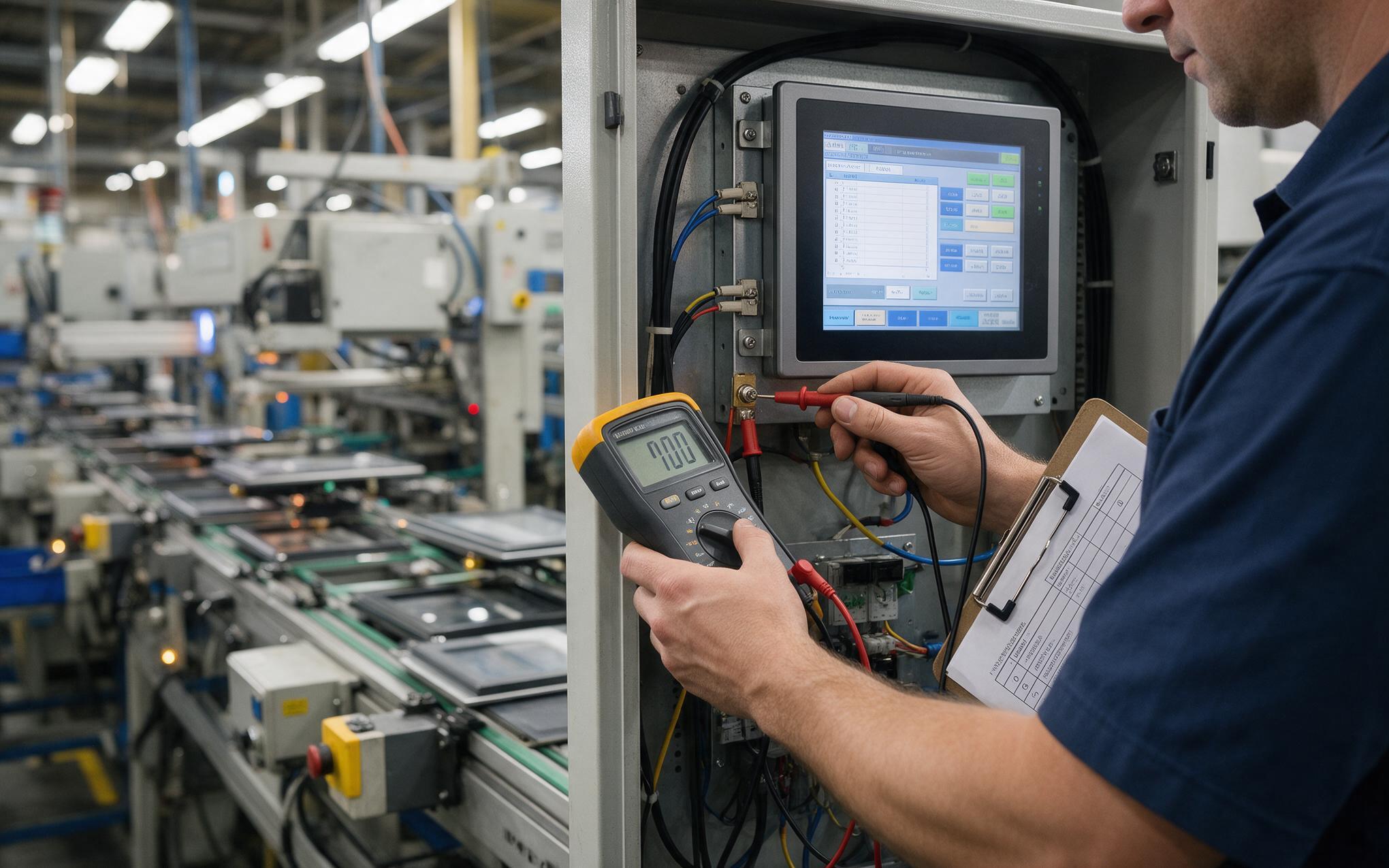
Field Verification Before Machine Handover
Record the checks in the same order every time so two panel mount touch monitor installations can be compared months later. Start with the bond resistance between the chassis and the reference point, taken with the drives idle and again under load, then confirm fastener torque after the machine has run through a thermal cycle. Exercise the touch surface while pumps and drives carry current and watch for inputs that register without contact, since those usually trace back to a common-mode path rather than to the sensor glass. Finish with a front-side water spray against the bezel edge, a gasket squeeze inspection, and photographs of the strap, backing plate, and cutout before the enclosure is closed again.
The same unit can behave like two different products once the substrate changes, so the mounting surface belongs in the commissioning record next to torque and seal checks. Treat a welded frame as a bonded, stiff reference and a cabinet door as a coated, flexible one, then verify each case with its own bonding measurement, torque sequence, and load-dependent touch test. Teams that separate those two cases during installation spend less time chasing ghost inputs and premature seal failures after handover, and they gain a written baseline for the next changeover.