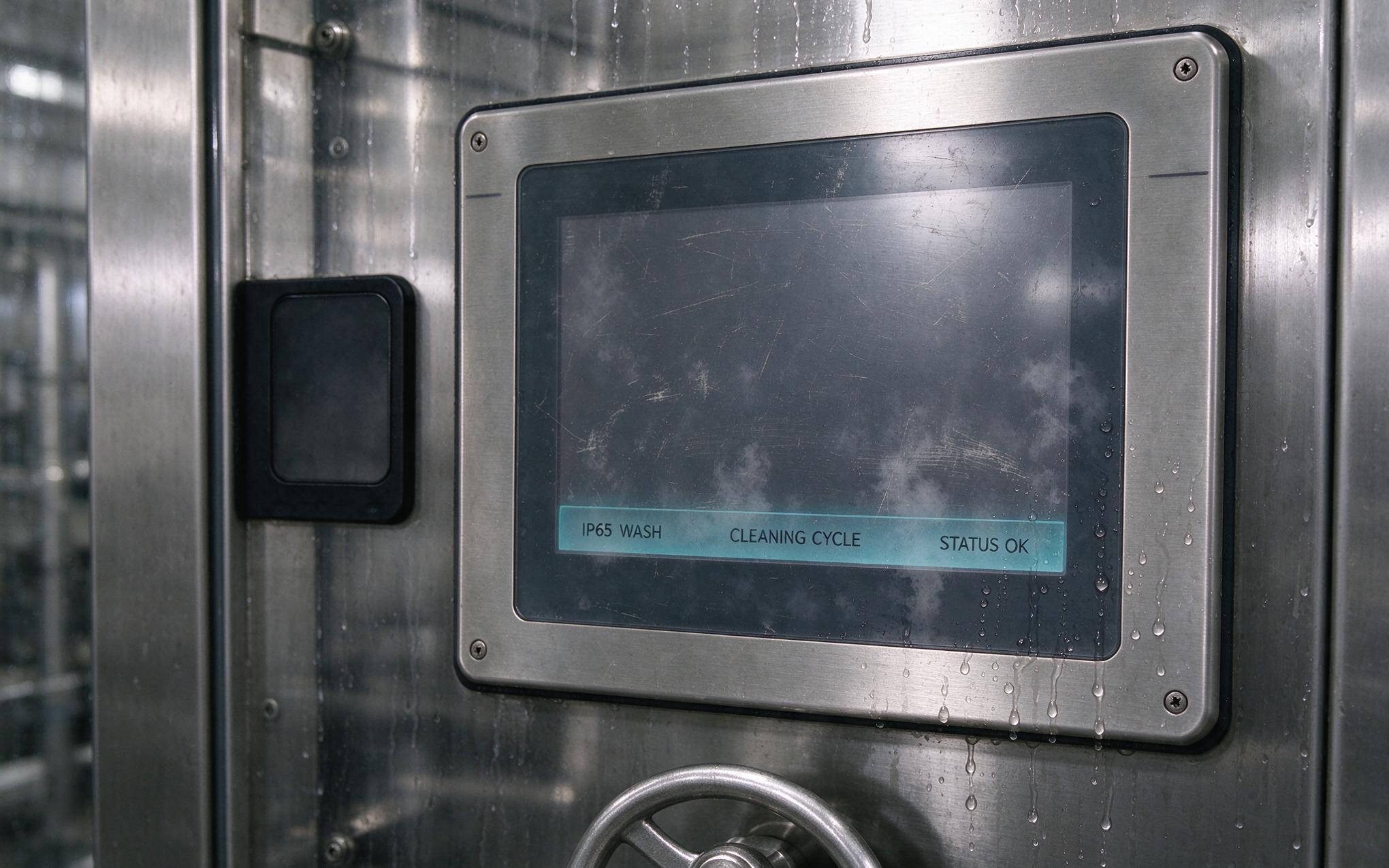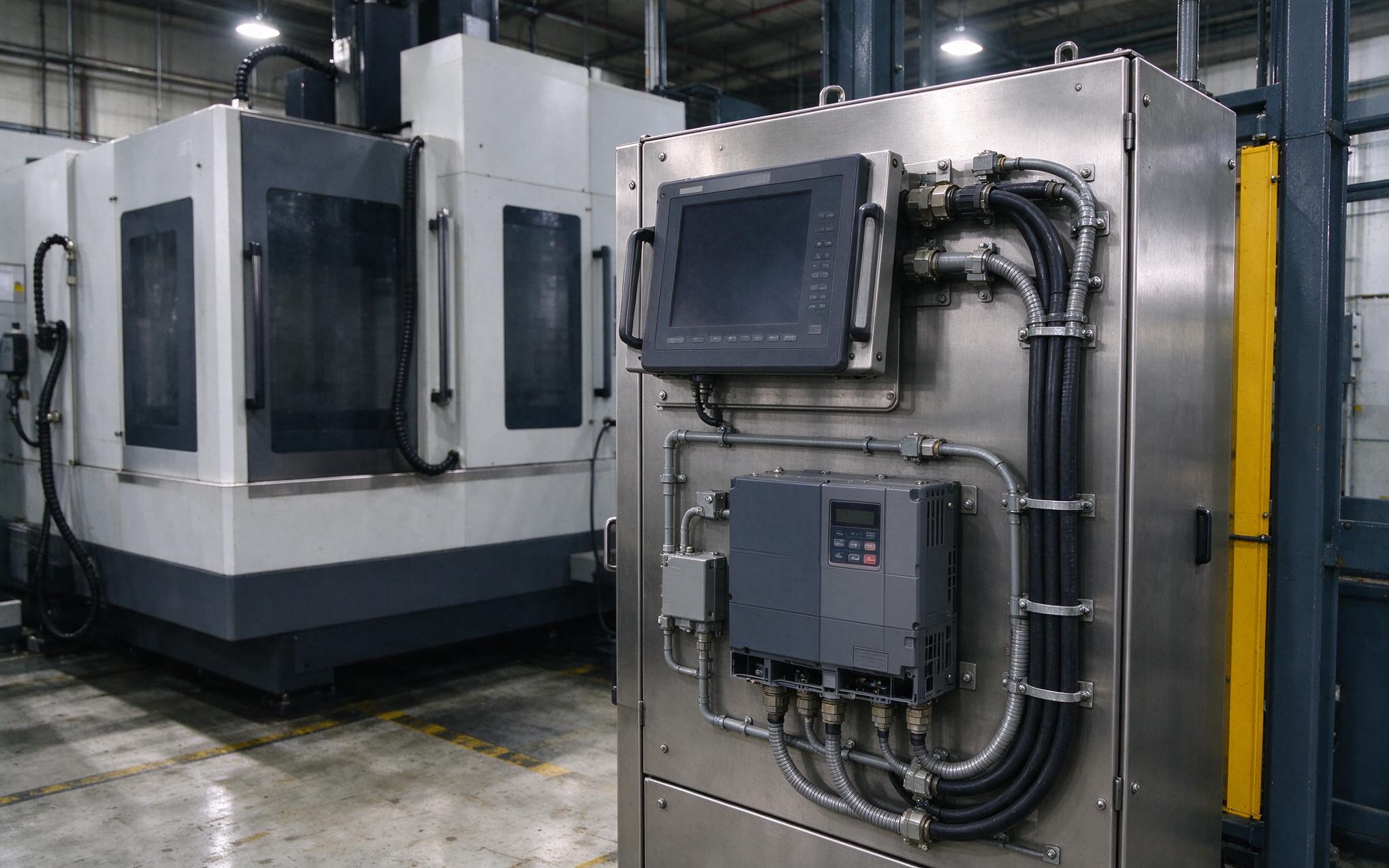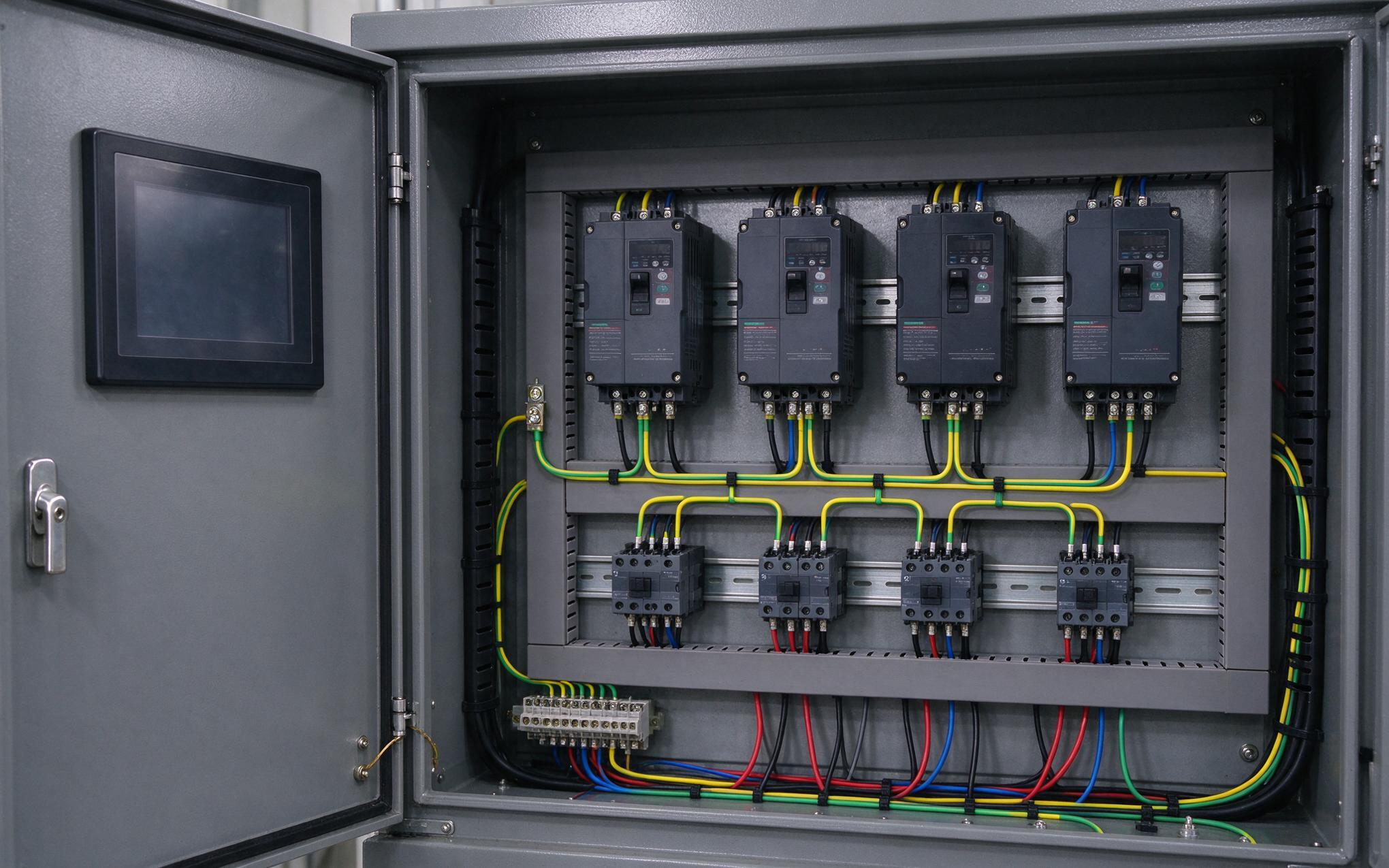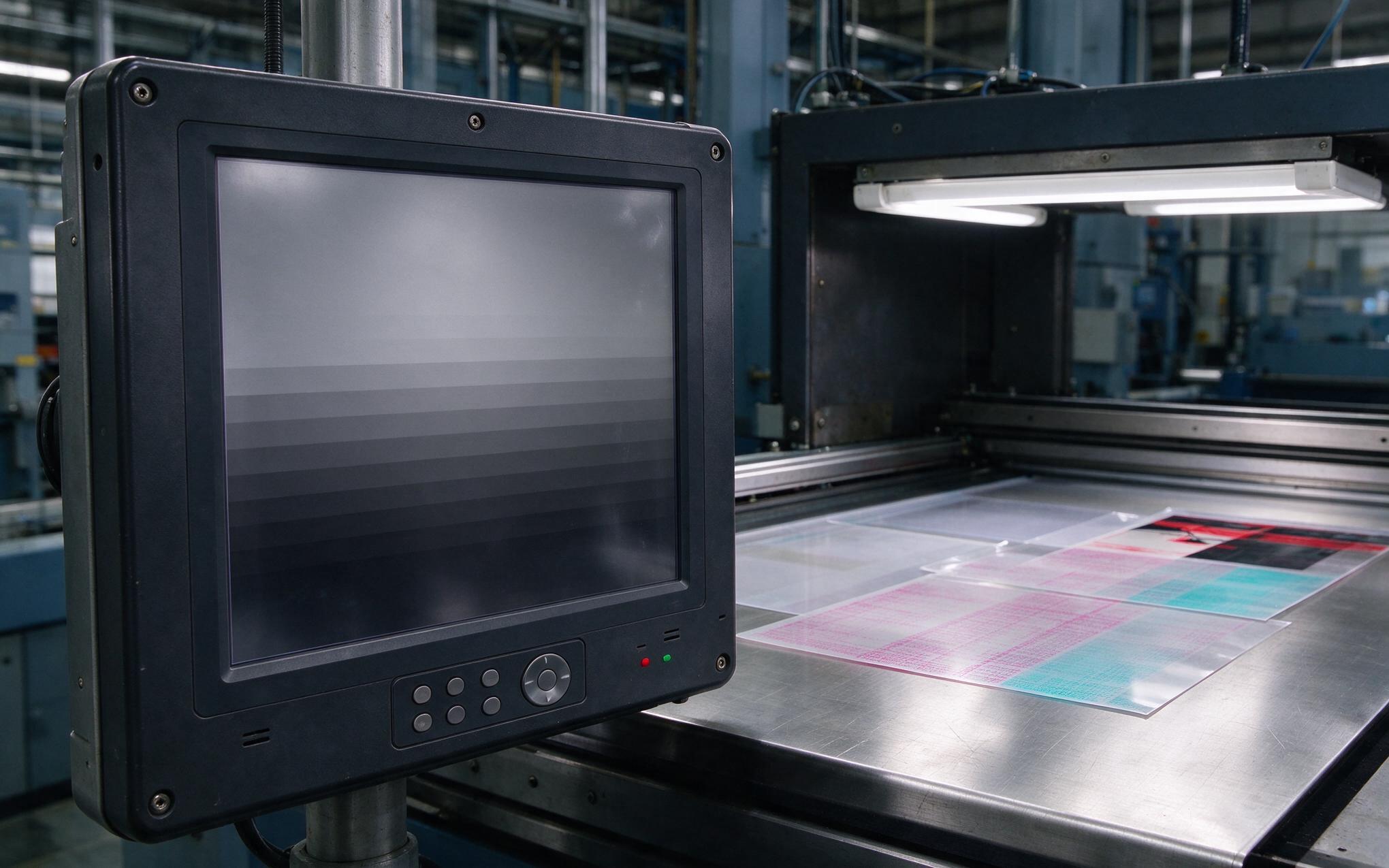
Operators on high speed picking lines feel latency before any dashboard does. A tap on a panel mount touch monitor registers, the highlight lands, and the pick confirmation follows only after a stretch of silence that invites a second, errant press. Missed taps slow the station, and repeated double entries corrupt order data downstream. The delay rarely comes from one component. It accumulates across the touch sensor, the controller, the display stack, and the host link, which is why touch screen response time deserves the same engineering scrutiny as rated throughput.

Measuring Real Touch Response Time on the Line
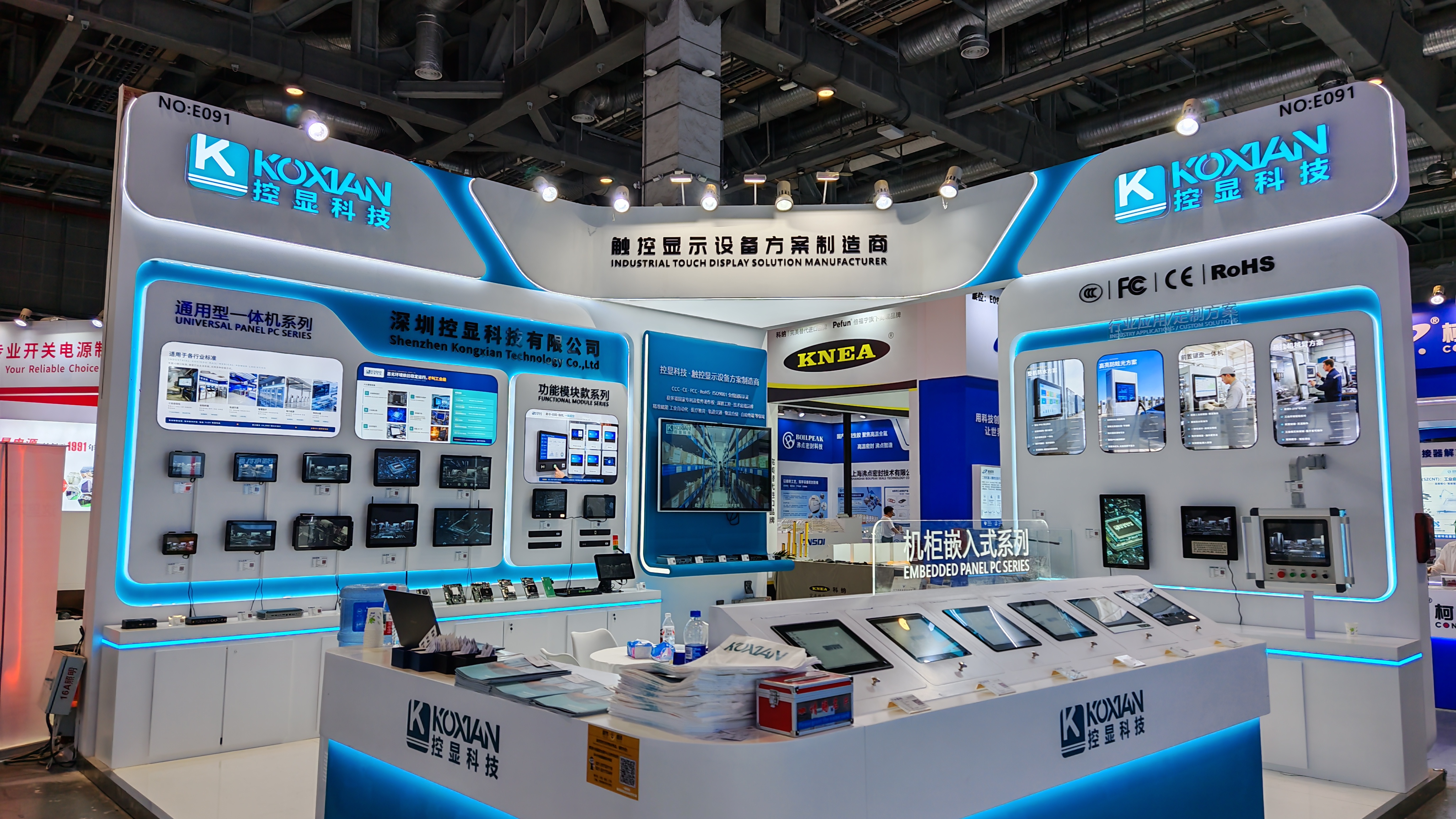
Stopwatch estimates mislead because they measure perception rather than the input chain. A repeatable bench method points a high frame rate camera at the screen while a script logs host side input events, and hardware from manufacturers such as KOXIAN tolerates this repeated tap timing without drift. The gap between the two timestamps approximates true touch screen response time. Most of the delay typically sits after the controller, inside the display stack and the host link. A faster sensor cannot recover time lost by a slow panel or a congested interface, so profile every station type separately.

Controller Scan Rates in Panel Mount Touch Monitors
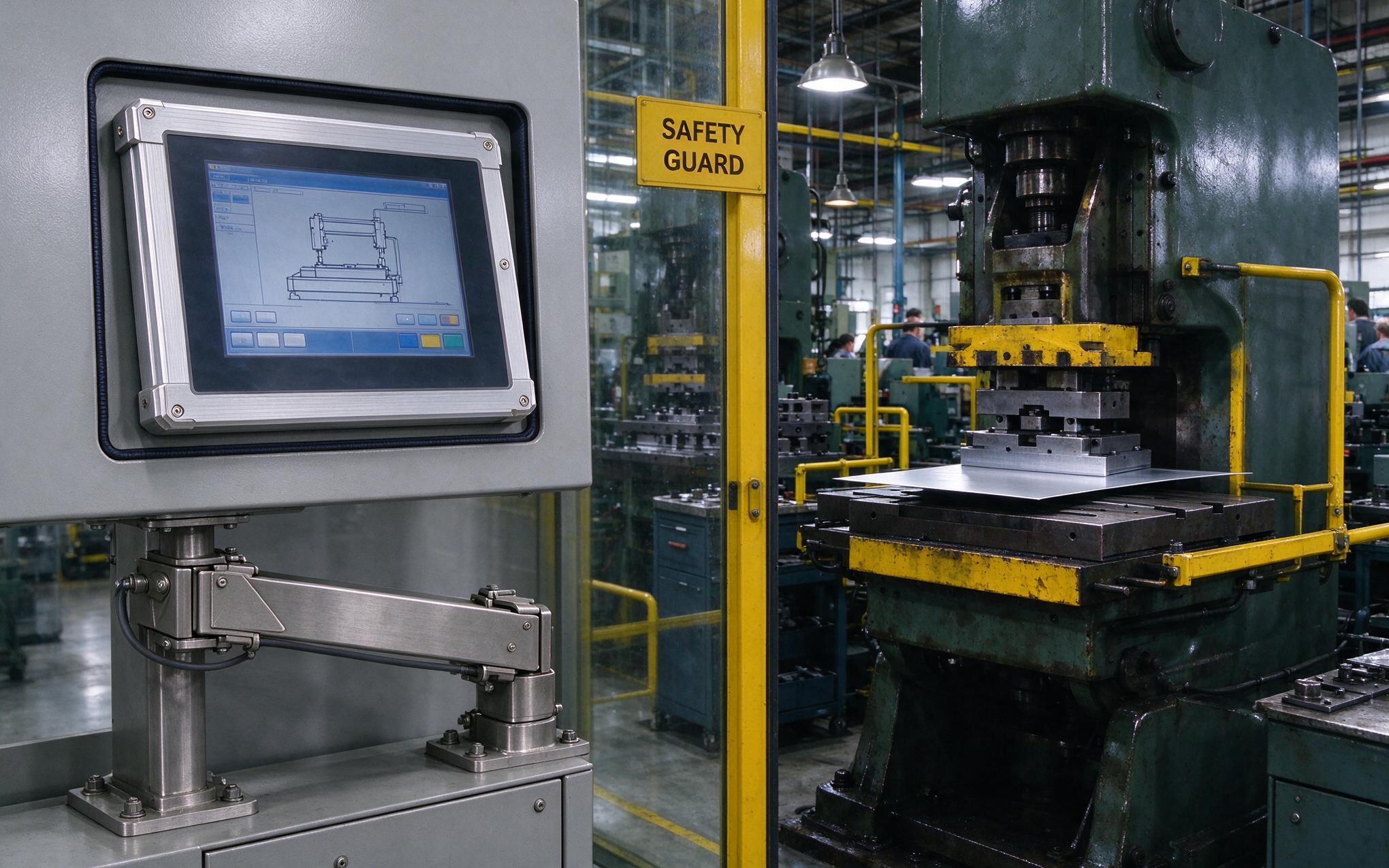
Every capacitive controller sweeps its electrode grid at a fixed scan frequency and reports contact changes at a set report rate. A 100 hertz report rate leaves up to 10 milliseconds between samples before filtering even starts, and firmware adds more while it smooths noise. Designs intended for a panel mount touch monitor at a pick face usually run higher report rates than office grade touch hardware, but the specification alone does not settle the outcome. Aggressive filtering, often required near variable frequency drives and switching supplies, trades immediacy for stability. Read the controller datasheet for both numbers, scan and report, then ask the supplier how the firmware balances debounce windows against capacitive touch latency under load.

Display Panels and Host Links in the Delay Chain
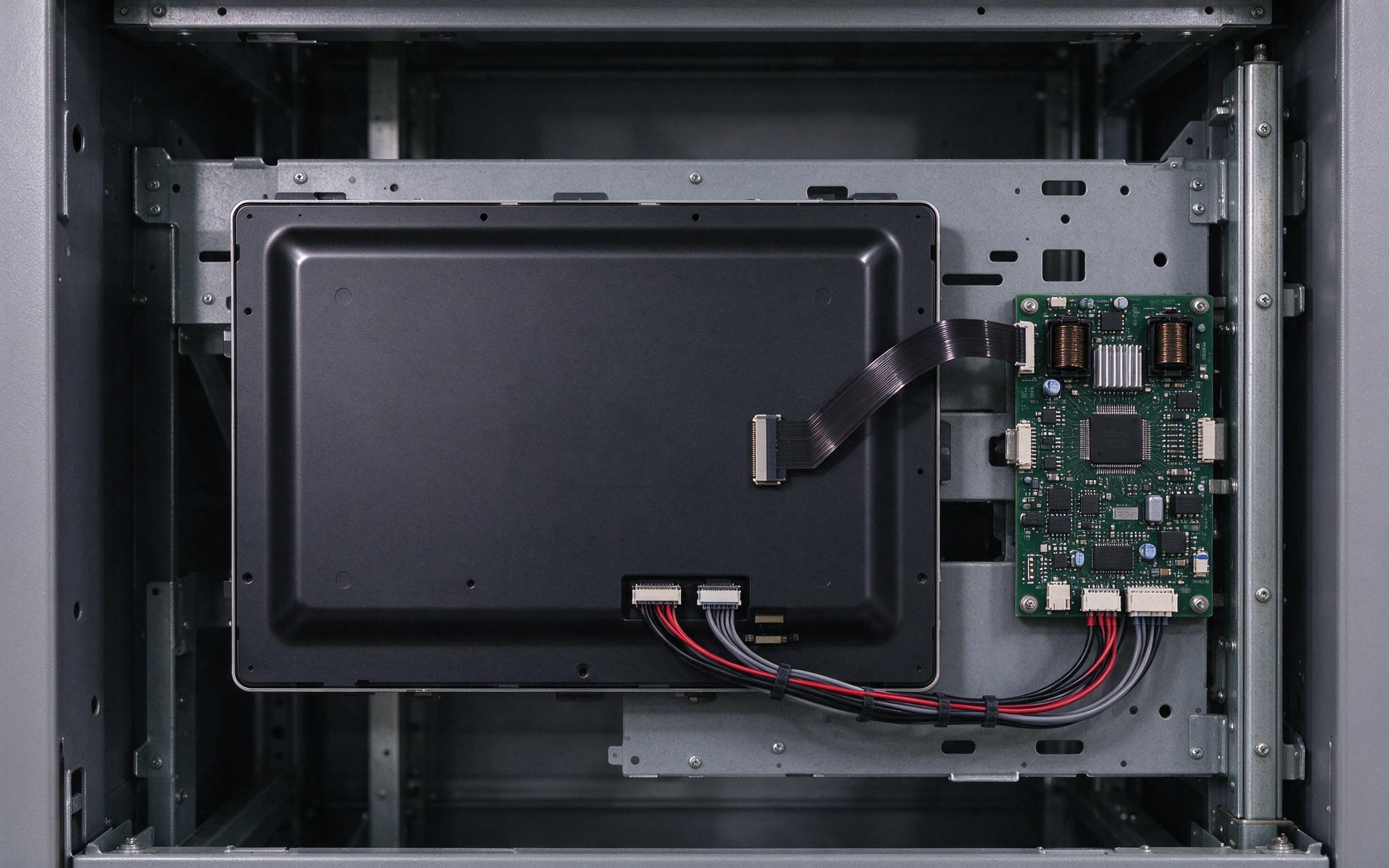
After the controller answers, the frame still has to change. Liquid crystal pixel response, internal scaler processing, and any brightness overlay controller add their own stretches of hold time. Serial links matter just as much. A touch controller hung on a slow USB bridge or polled through an overloaded host queue can accumulate tens of milliseconds that no sensor upgrade will recover. Integrators should profile the whole chain with the actual host image, the actual cable lengths, and the actual background load of the picking software. Response time quoted for a bare touch sensor describes one link, while the station experiences the sum. Budget each stage, then spend on the stage that measurably dominates rather than the one with the most persuasive brochure.

Tuning Filter Depth Against Line Speed
Latency and throughput rules pull in opposite directions, and the balance point is site specific. Deep filtering rejects phantom contacts in electrically noisy corners of a plant, while shallow filtering gives pickers on a panel mount touch monitor the immediate highlight they expect at pace. Start from controller defaults, then change one stage at a time and retime the whole chain, noting how glove thickness and cover glass thickness shift the tuned result. Field deployments like KOXIAN units in parcel and piece picking cells show that a mid depth filter paired with a higher report rate often beats a slow sensor left unfiltered. Log the final register values and report rate with the station layout, so maintenance crews reproduce behavior instead of rediscovering it during the next shift.
Touch response time is a chain property, not a sensor property. Stations that measure the full path, set scan and report rates deliberately, and tune filter depth against real line speed gain high speed picking throughput without new hardware. Treat the numbers as station level engineering data, review them whenever hosts or software change, and latency stops being the reason a pick pace slips behind the conveyor.