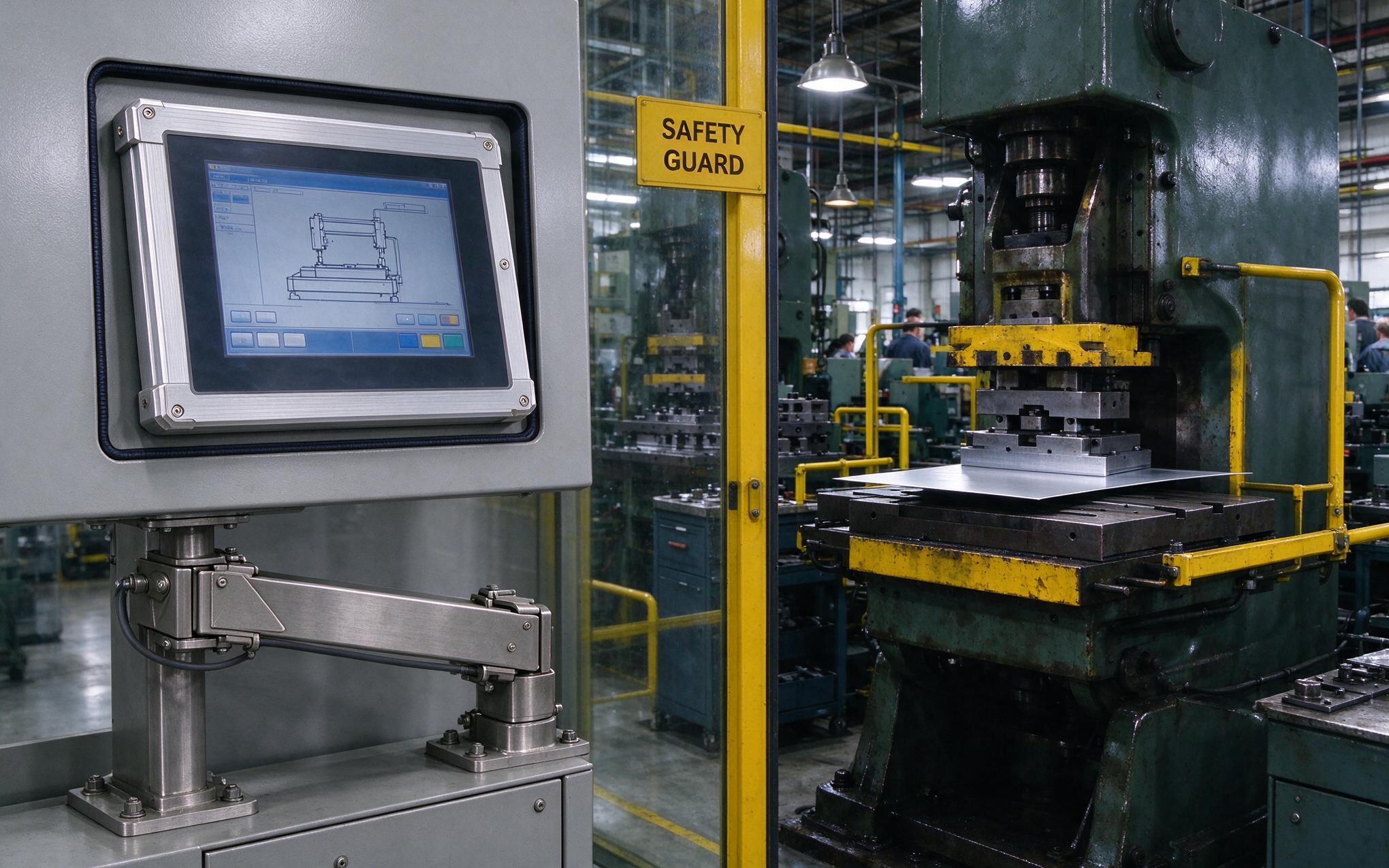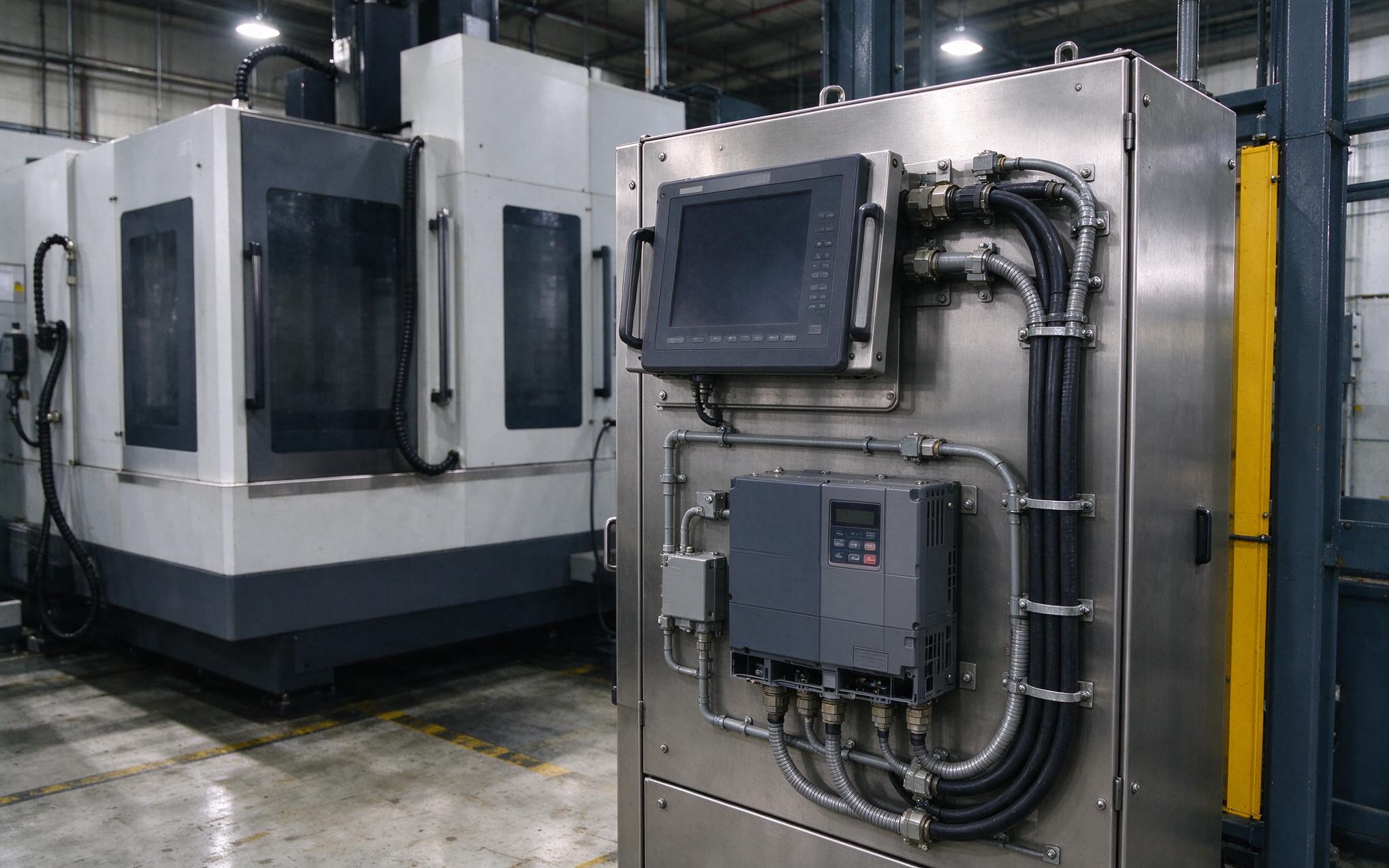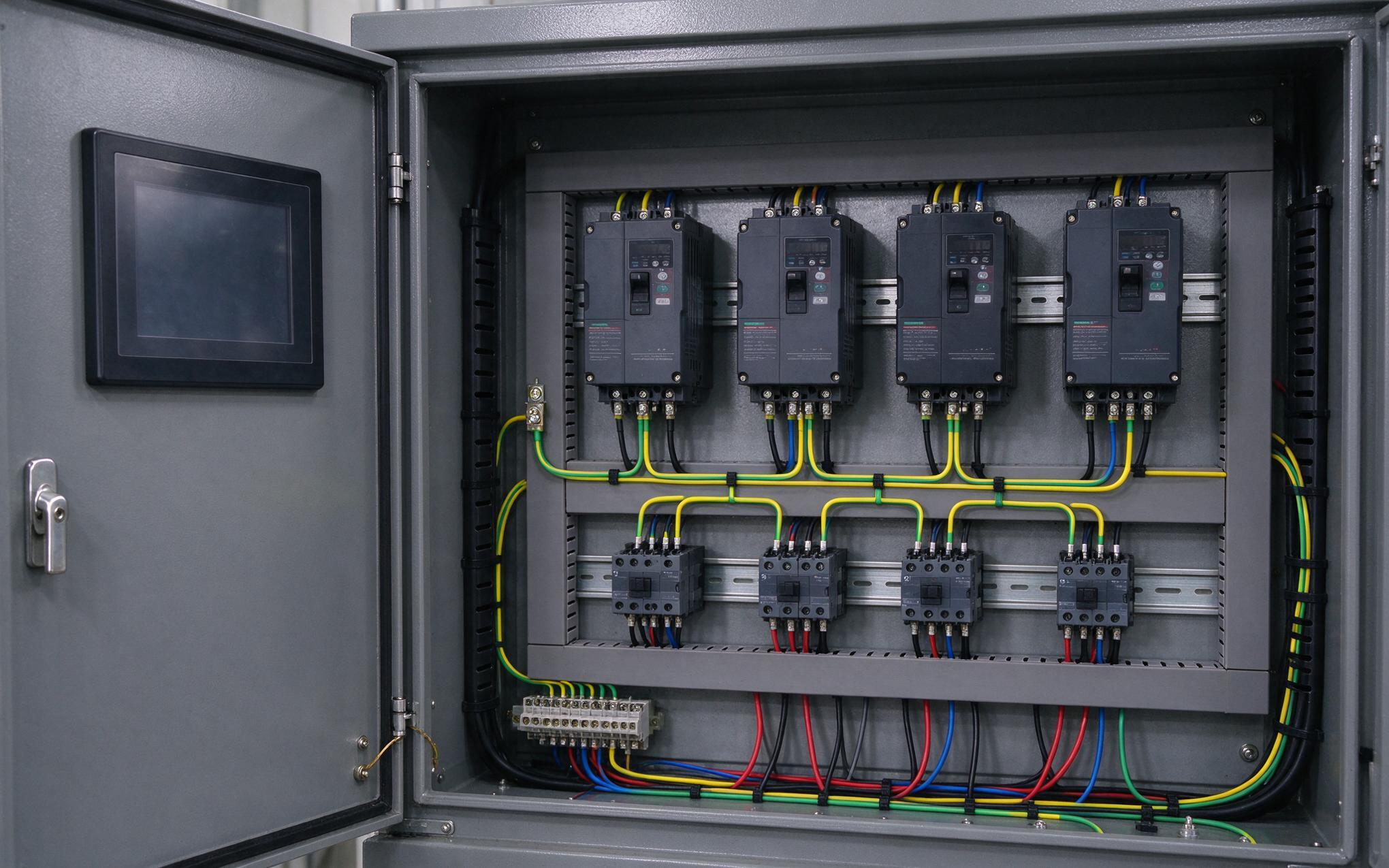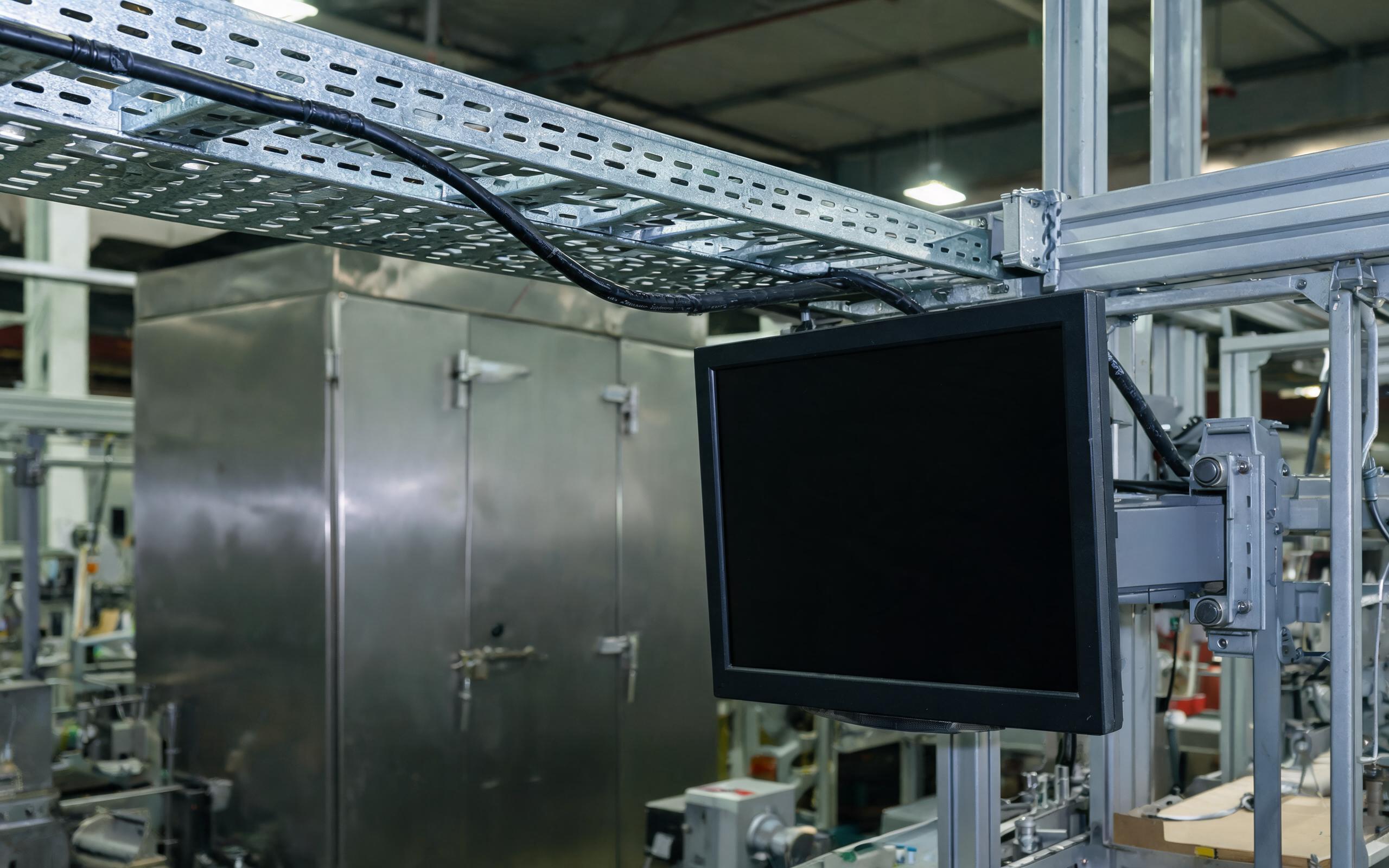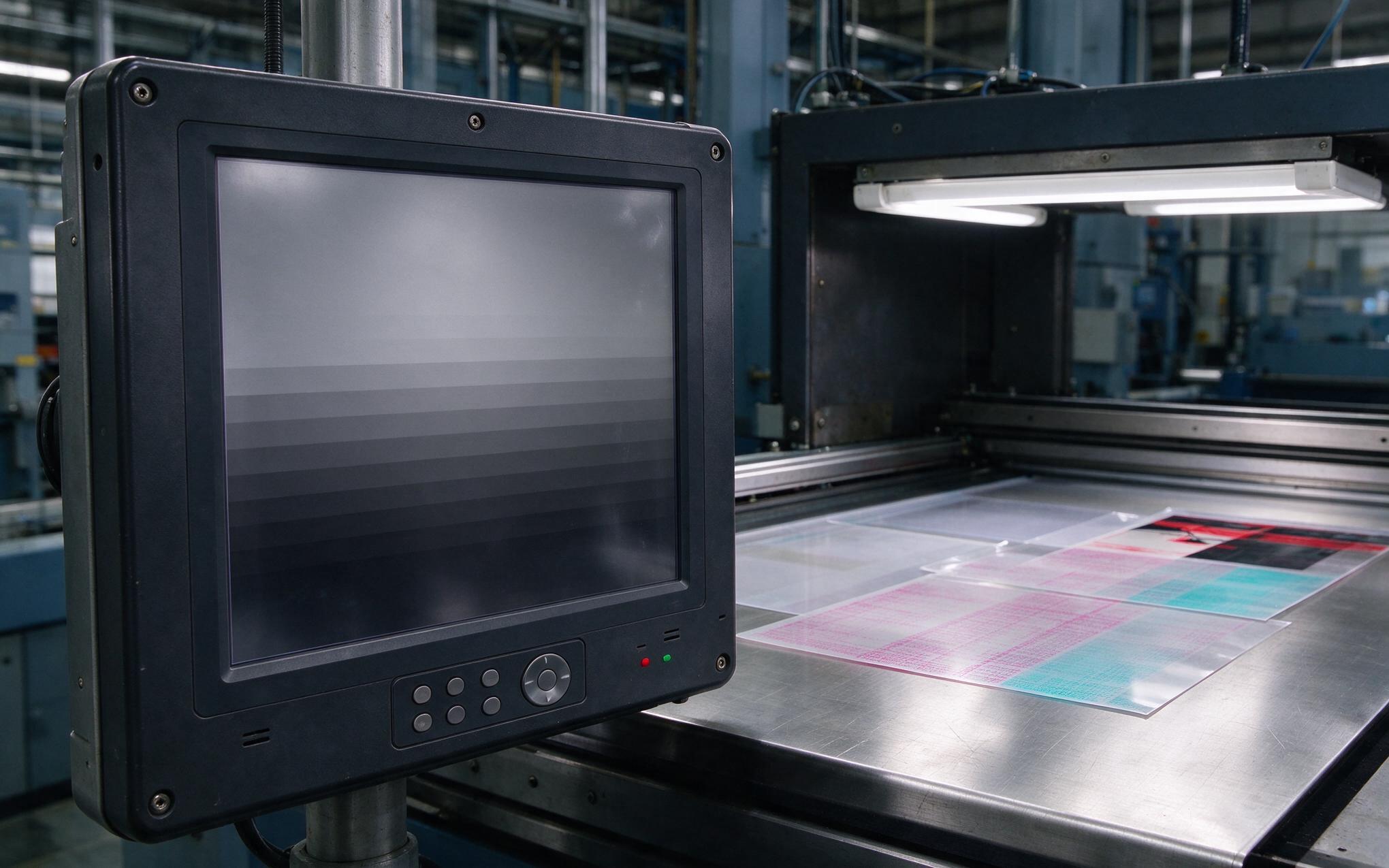
A warranty claim from a packaging plant traced a week of diverging inspection calls to a detail nobody had logged: two operators were reading the same industrial touch screen monitor from different standing positions, and the reject counters on their sign off sheets no longer agreed. The vision cameras passed every recheck. What changed was the panel behind the glass, because IPS and VA liquid crystal cells behave very differently once a monitor leaves a test bench and enters a live line, and the difference concentrates at the operator’s viewing angle.

Under Glare on an Industrial Touch Screen Monitor
Hardware references such as the wide angle IPS cells specified in the KOXIAN G1 series illustrate how display vendors pair liquid crystal orientation with anti glare surface treatment to hold readability at a shared workstation. IPS molecules rotate parallel to the panel plane, so brightness and tone hold steady when an operator steps ten or fifteen degrees off the center line. That stability matters wherever two or three people share one industrial touch screen monitor during changeovers or quality checks. VA cells align vertically instead, and their transmission curve shifts sharply with viewing angle, so a dashboard that reads correctly head on can wash out or invert tone from the side. Engineers describe the effect as off axis contrast loss, and it explains why neighboring stations often disagree about what the screen is showing.

Balancing Black Depth Against Angle Stability
The case for VA panels is real, and it concentrates in dim rooms. A vertical alignment cell blocks light thoroughly in its resting state, so static dashboards render with deep blacks and high static contrast on a night shift in a lighting controlled process room. Dark backgrounds also cut perceived glare for operators who face the screen head on, which is exactly how most wall mounted terminals are positioned. The trade off appears at the edges of the viewing cone, where wide viewing angle performance degrades faster than an IPS cell of the same size. Response behavior adds a second consideration, because VA liquid crystal travels more slowly between small gray level steps, and fast changing trend graphics can carry a faint smear.

Temperature Response in Unheated Aisles
Liquid crystal is a fluid, and viscosity decides how quickly a cell can twist into place. Cold docks, unheated cross docks, and refrigerated warehouses slow every panel, but VA cells generally show the slowdown earlier because their molecules travel a longer rotational path. Field observations from cold chain distribution centers note that KOXIAN-based monitor builds keep their touch layers responsive in chilled aisles when the panel and its controller are validated as one temperature budget rather than as separate datasheet numbers. Heaters behind the glass and controller firmware that retunes drive waveforms at low temperature both extend the usable range. Wide temperature ratings printed on a brochure deserve the same skepticism as any other claim, because they describe survival rather than the point where gamma shift becomes visible. A trial unit parked in the real aisle answers the question a datasheet cannot.

How Should a Buyer Score IPS and VA Quotes?
Machine vision inspection stations, shared changeover terminals, and multi operator packing benches push the score toward IPS, because angle stability protects the judgment people make at the glass. A single seated operator in a dim room watching static dashboards can justify VA and its stronger black level. Map the standing positions around the industrial touch screen monitor and measure the actual viewing cone before comparing quotes, then weigh ambient light, expected backlight hours, and the lowest temperature the room reaches in winter. Price differences between the two technologies are modest at the panel level, yet the cost of a wrong choice shows up as disputes, rework, and second guessing on the floor. Design approaches documented in the KOXIAN K2 series selection worksheet turn those checks into a one page comparison before a purchase order is signed.
Gamma shift, more than resolution or brightness, decides whether a screen tells the truth to everyone standing around it. IPS cells favor shared stations, glare heavy floors, and machine vision inspection reviews, while VA cells reward fixed position operators in dim rooms with static content. Temperature narrows both choices in cold facilities. Match the panel technology of the industrial touch screen monitor to the geometry of the workstation, and the display stops being a source of disagreement.