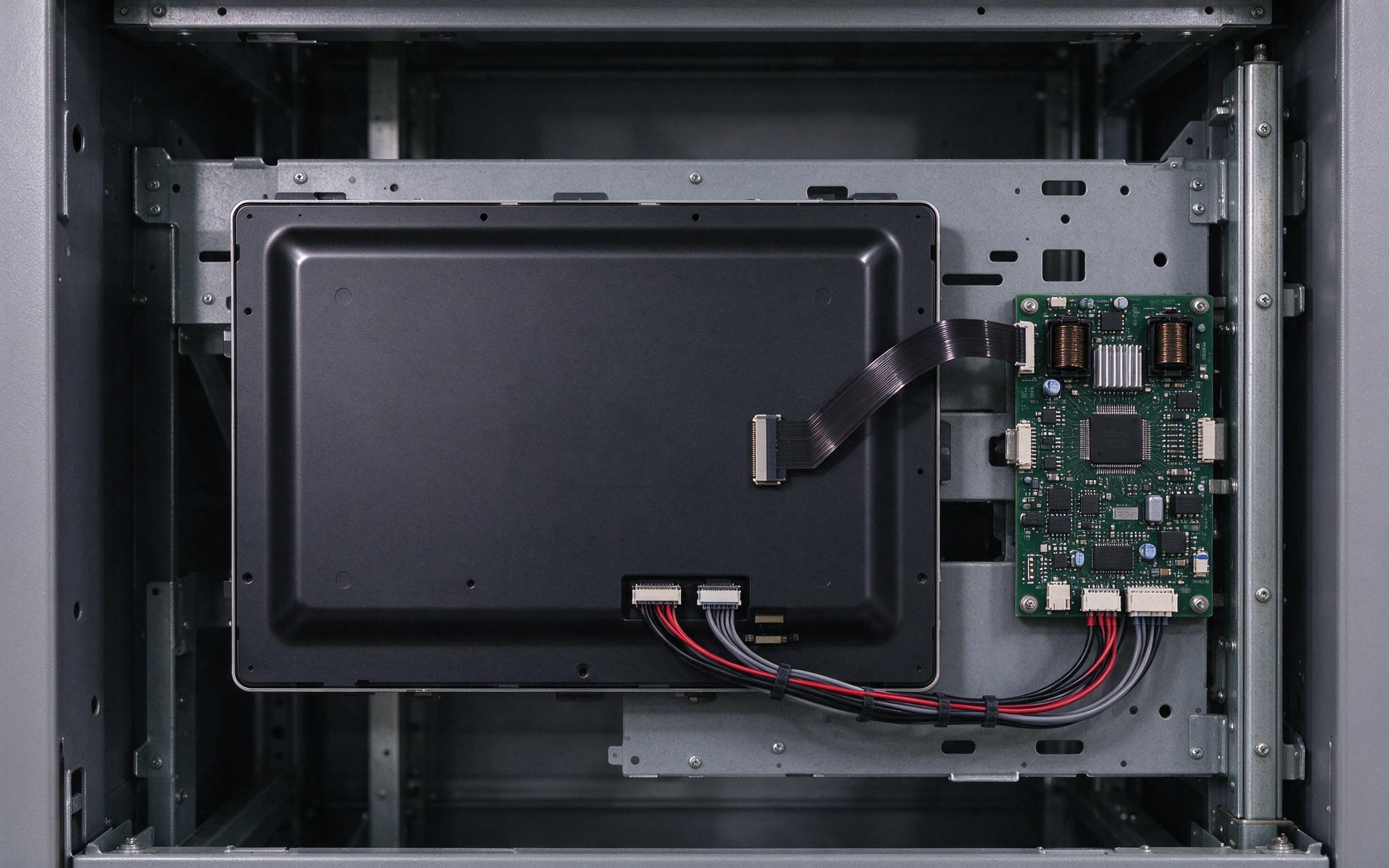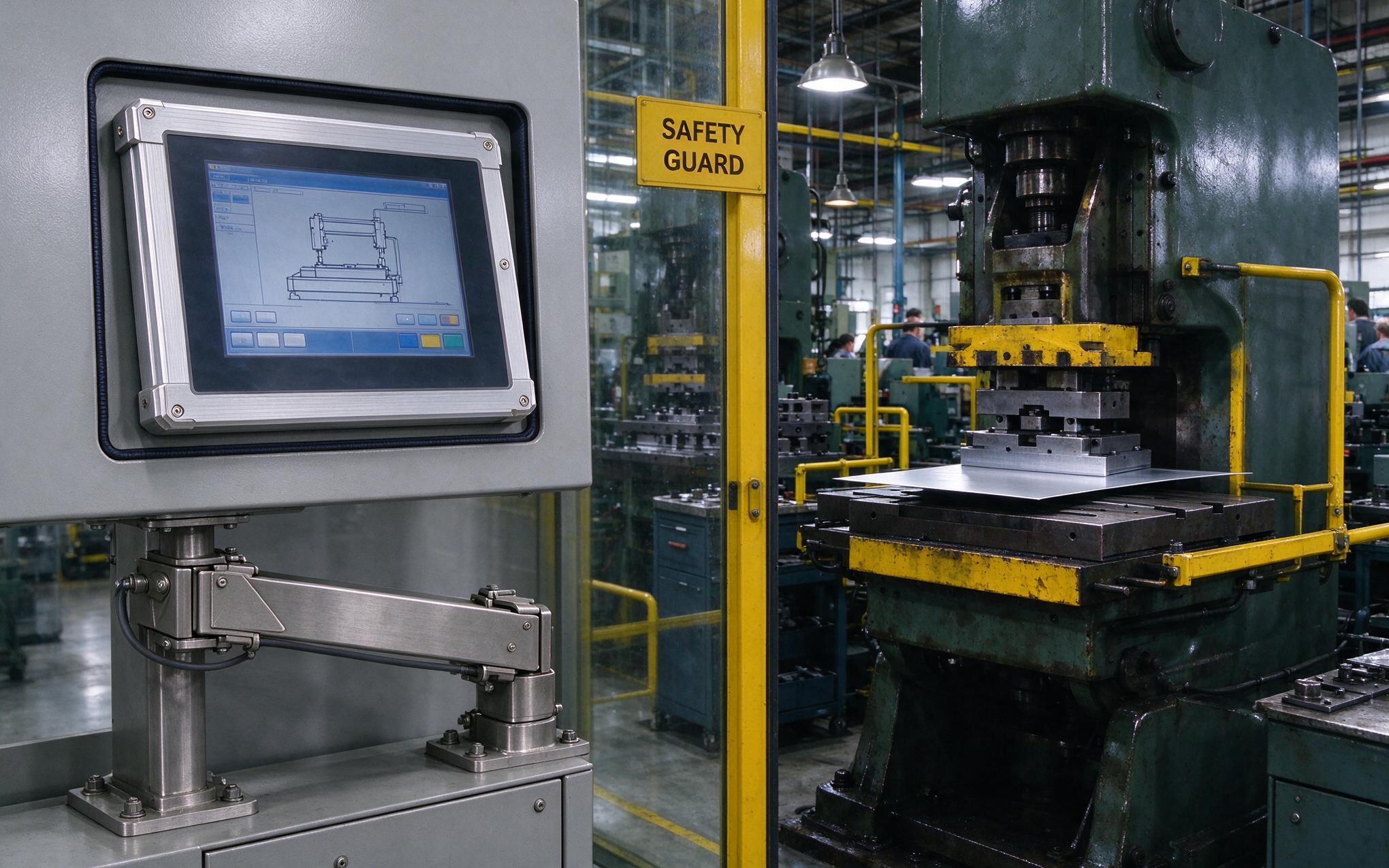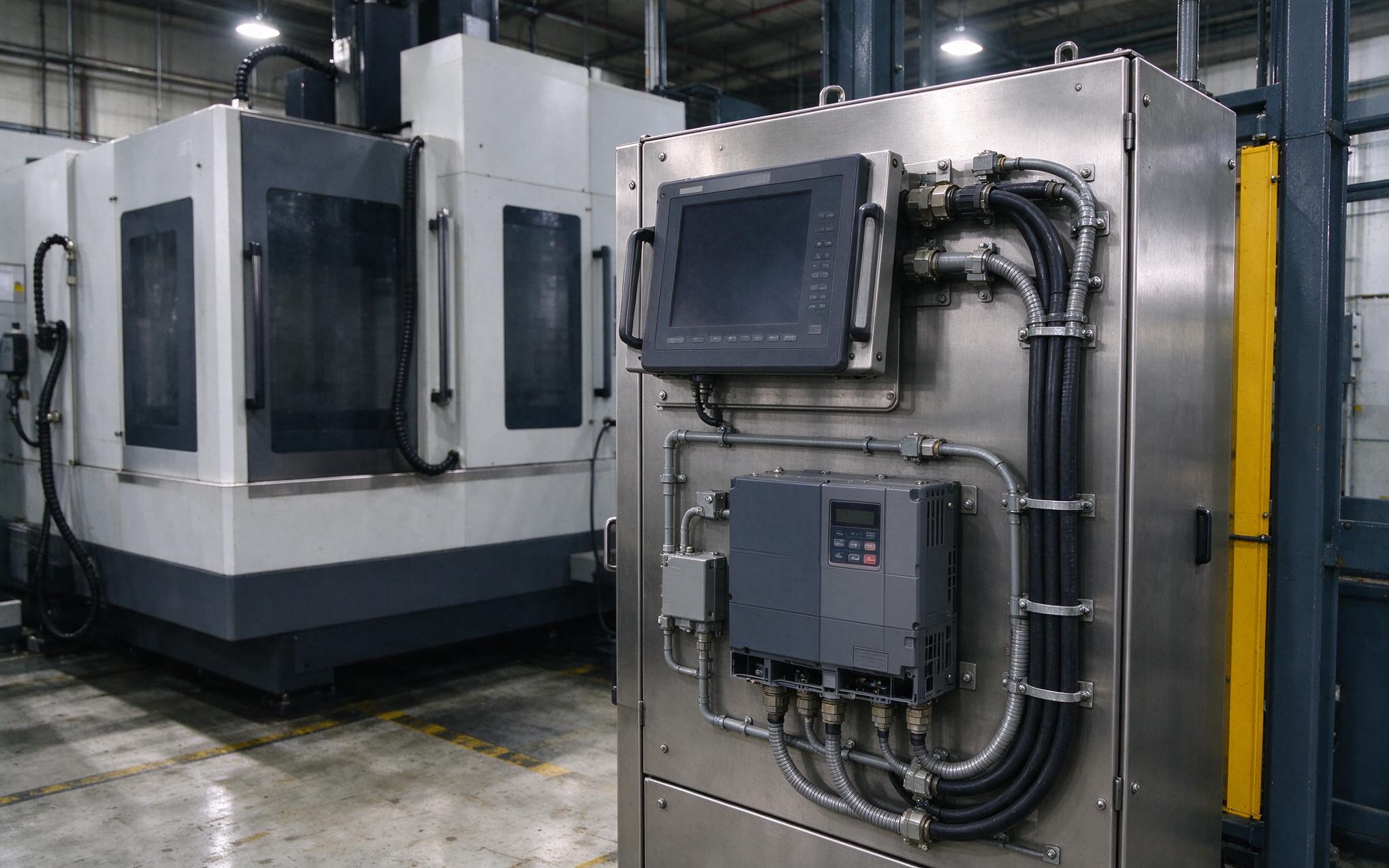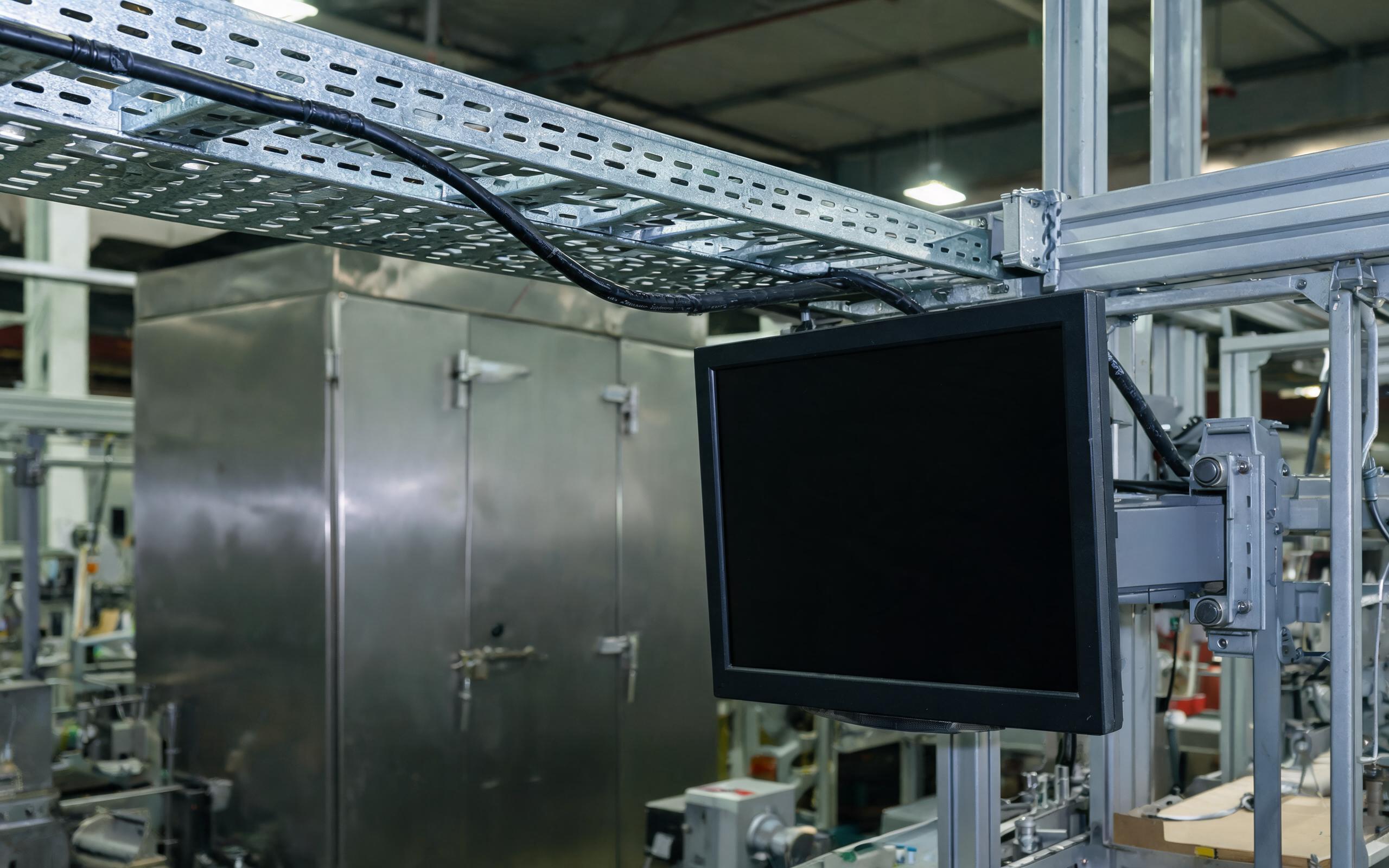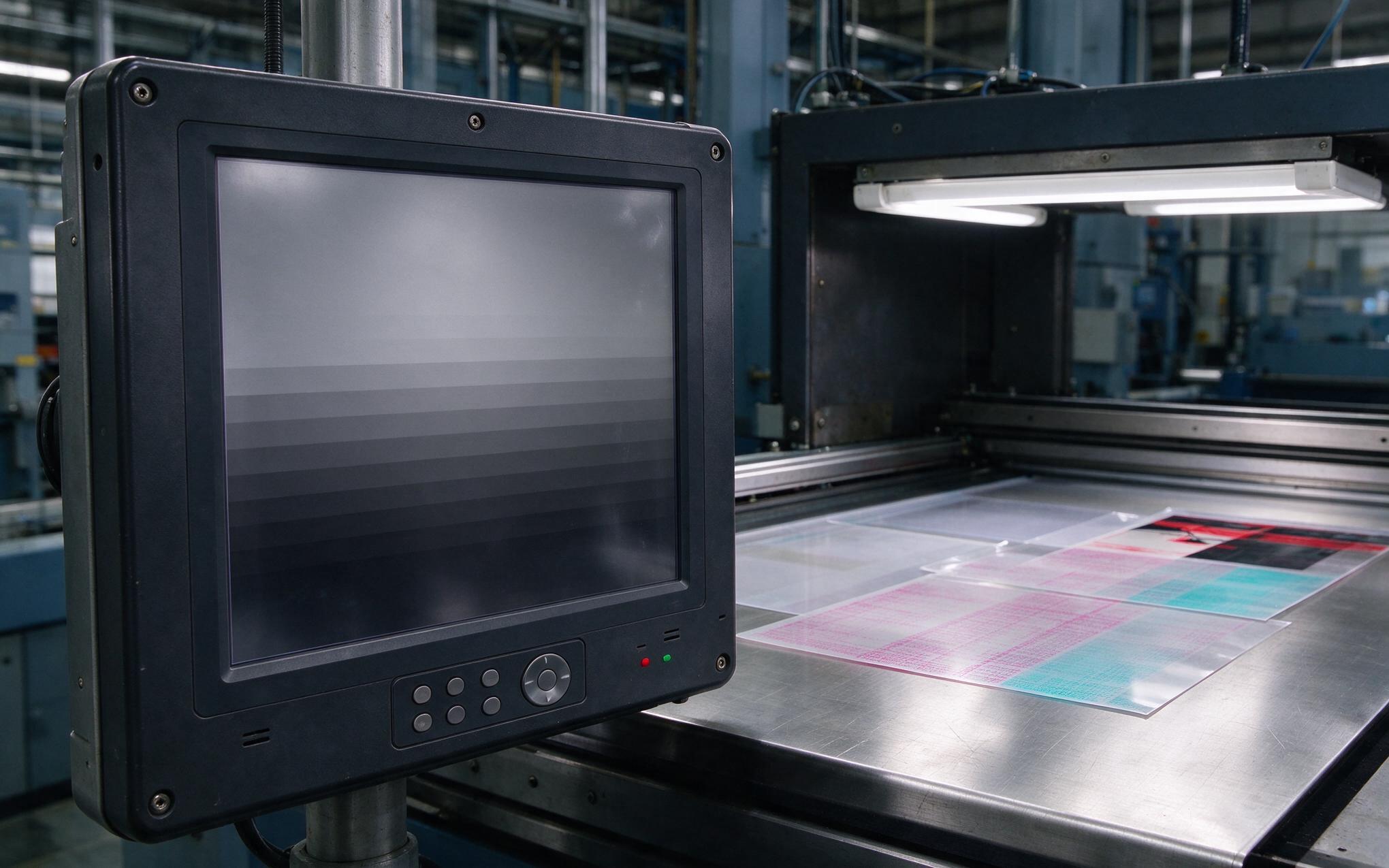
A panel mount industrial pc sits flush within a machine enclosure or control cabinet, secured by clamping brackets that transfer vibration loads directly into the surrounding structure rather than relying on shelf placement or freestanding chassis. Factory floors present a combination of mechanical shock, airborne particulates, and thermal cycling that demands this type of rigid integration. When a production line runs two or three shifts daily, any loosened mounting hardware or degraded seal introduces unplanned downtime that ripples across the entire operation.

Mechanical Securing Methods for Panel Mount Installation
Mounting bracket families for panel mount industrial pc units typically fall into three categories: slide rails, rear clamps, or bezel-integrated clips. Slide rails allow quick removal for maintenance but introduce a tolerance stack that can amplify vibration at high frequencies. Rear clamps compress the unit against the cabinet cutout and provide a more rigid load path, which is critical in environments with repetitive mechanical shock such as stamping presses or robotic welding cells. Bezel clips combine frontal sealing with mechanical retention, making them common in washdown-adjacent zones where ingress protection matters as much as structural rigidity.
Bracket material selection also influences long-term reliability. Zinc-plated steel brackets resist corrosion in humid environments but add mass that can shift the unit’s resonant frequency. Aluminum brackets reduce weight but may require thread-locking compounds to prevent fastener loosening under sustained vibration. Suppliers such as KOXIAN machine these brackets to tight tolerances that match the cabinet cutout profile. In applications where the mount point experiences thermal cycling from ambient temperature swings, specifying brackets with a coefficient of thermal expansion matched to the cabinet material prevents stress buildup at the interface.

Environmental Sealing and IP Rating Considerations
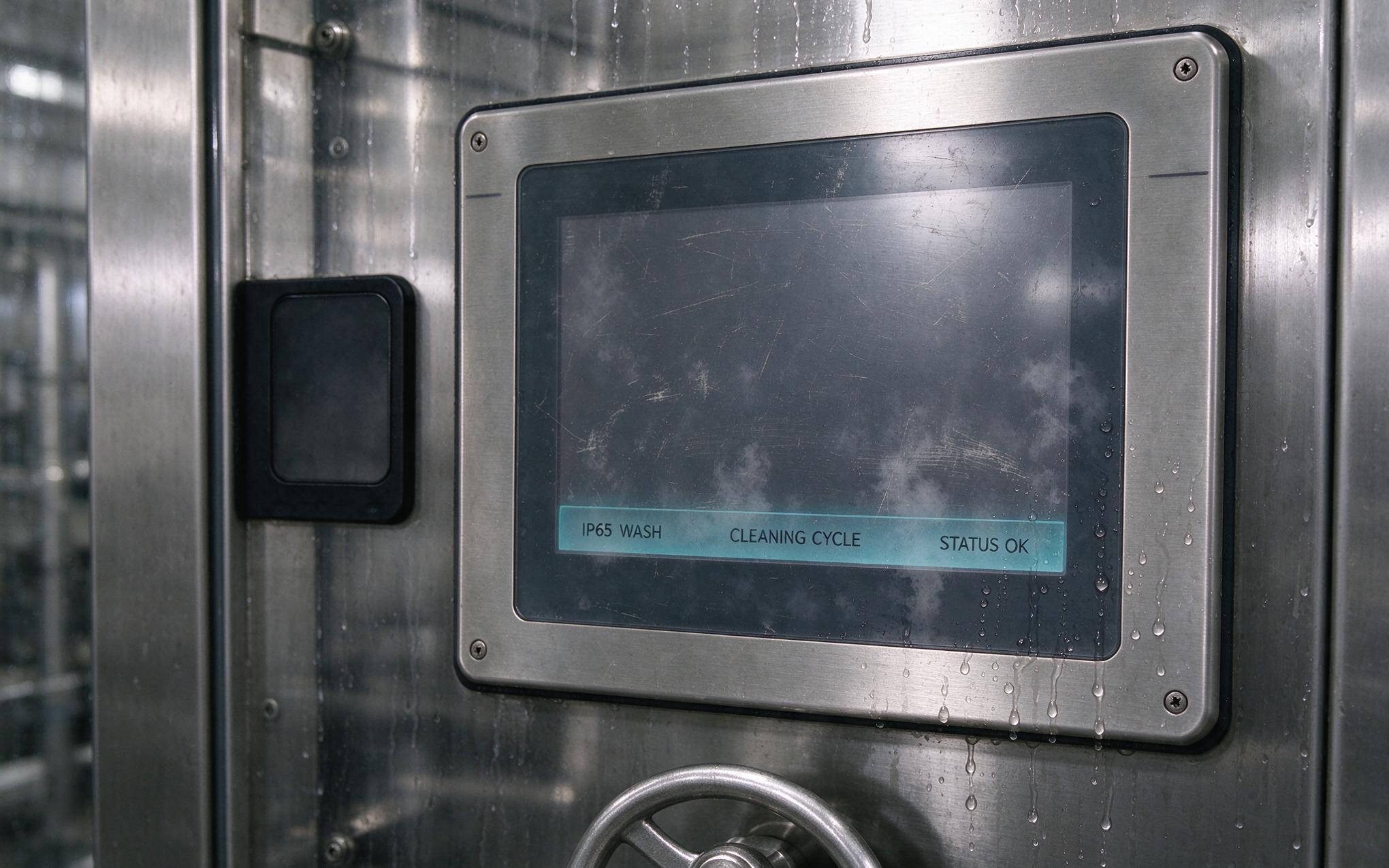
Front-panel sealing is the line of defense between factory contaminants and sensitive electronics. An IP65-rated gasket around the display bezel prevents particulate ingress and low-pressure water jets, which covers most food processing and light chemical environments. For heavier washdown zones, IP67 or IP69K ratings become necessary. The sealing strategy must account for thermal expansion—silicone gaskets maintain compression across a wider temperature range than EPDM, but EPDM resists oil-based coolants better. Manufacturers like KOXIAN specify gasket material based on the target industry’s dominant contaminants, ensuring the seal does not degrade over years of thermal cycling.
Front-panel sealing extends beyond the gasket itself. The display cover glass must be bonded to the LCD module without gaps that could collect moisture. Optically bonded panels eliminate the air gap between glass and display, reducing condensation risk in cold-chain environments and improving sunlight readability on outdoor factory yards. The bonding adhesive must withstand the same temperature range as the gasket to avoid delamination under thermal stress.

Integration Workflow for Factory Floor Deployment
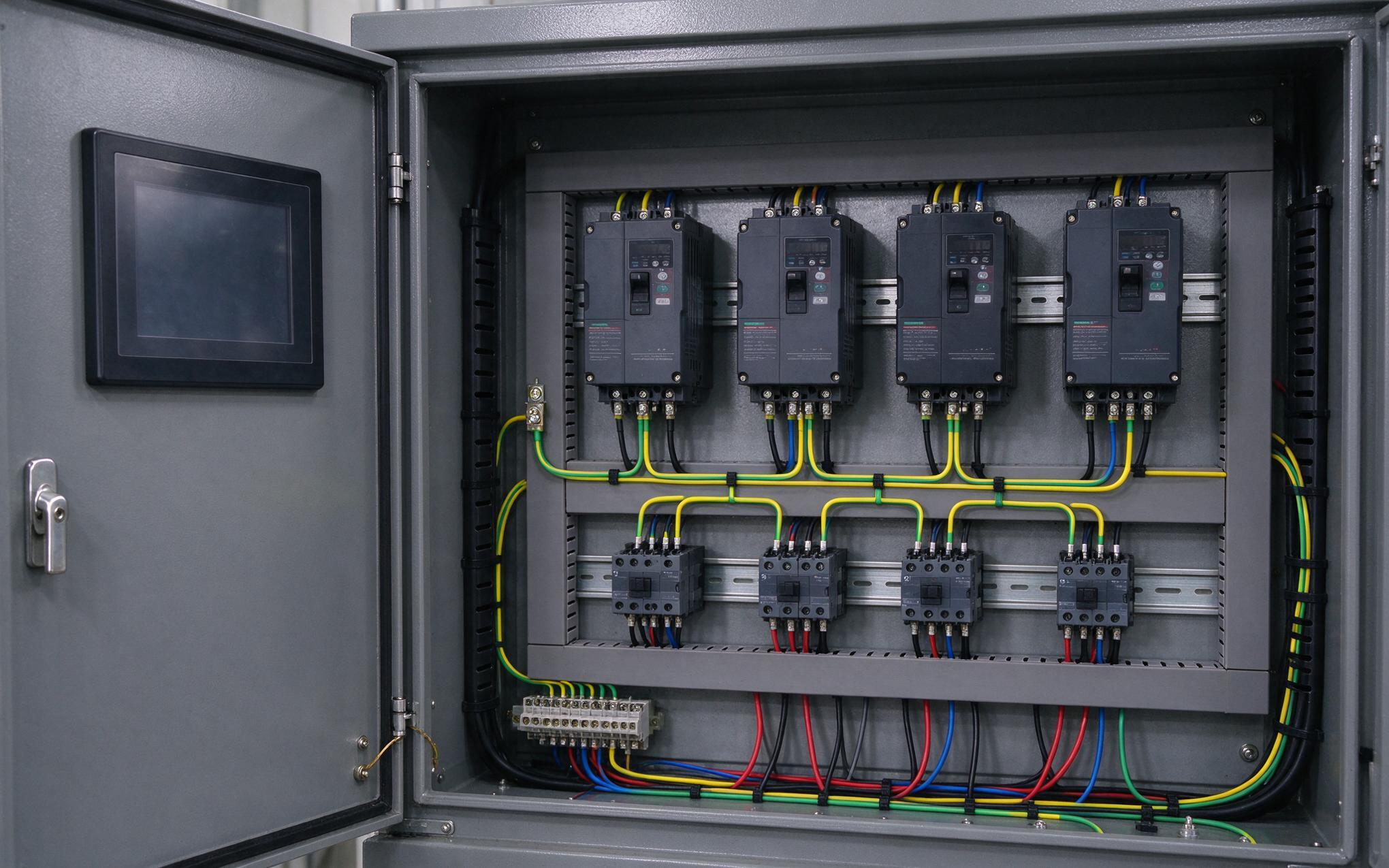
Deploying a panel mount industrial pc on a factory floor follows a predictable sequence: cutout preparation, bracket installation, unit insertion, cable routing, and power-on verification. Cutout dimensions must match the unit’s front-panel footprint within±0.5 mm to avoid gaps that compromise sealing. Cable routing matters more than many integrators expect—unsecured cables near moving machinery create both trip hazards and EMI coupling paths. Using cable glands with strain relief at the enclosure entry point reduces conductor fatigue from vibration.
Integrators who standardize on a single flush-mount platform report fewer field failures than those mixing shelf-mount and panel-mount hardware across the same production line. Standardization simplifies spare-parts inventory and lets maintenance crews develop familiarity with a single mounting procedure. When the deployment scale reaches dozens of units per line, the labor savings from a consistent installation workflow become measurable against total project cost.

Long-Term Reliability and Corrosion Management
Factory environments with corrosive atmospheres—such as fertilizer plants or coastal installations—benefit from panel mount industrial pc configurations that keep the majority of the enclosure behind the sealed front panel. This layout minimizes the surface area exposed to airborne chemicals while maintaining operator access through the touch interface. Selecting hardware with a corrosion-resistant bezel finish extends service life in these conditions, reducing the frequency of replacement cycles that disrupt production schedules.
As factory automation architectures continue to evolve toward edge processing and real-time data acquisition, the role of the panel mount industrial pc as the operator-facing compute node becomes more central to overall system reliability. Plants that invest in proper installation practices today position themselves for smoother technology transitions tomorrow, avoiding the costly retrofits that follow shortcuts in mechanical integration. Industry suppliers continue to refine mounting hardware and sealing designs to match the evolving demands of modern production environments.